


Integrating Microdermabrasion Into Medical Spa Services
- Integrating Microdermabrasion: Clinical and Business Rationale
- Why microdermabrasion belongs in a medical spa offering
- Clinical indications, outcomes, and patient selection
- Choosing the Right Equipment and Technology
- Types of microdermabrasion systems: strengths and limitations
- Comparison table: diamond vs. crystal vs. hydrodermabrasion
- Key device purchase criteria for salon and med-spa owners
- Operational Considerations: Training, Protocols, and Safety
- Staff qualification and training syllabus
- Standard operating procedures and medical oversight
- Commercial Strategy: Pricing, Marketing, and ROI
- Pricing models and revenue drivers
- Marketing tactics: messaging, channels, and upsells
- Illustrative ROI example (model)
- Device Maintenance, Compliance, and Supplier Selection
- Maintenance schedule and lifecycle costs
- Choosing a reliable manufacturing partner: OEM/ODM considerations
- Profile: Guangzhou Huimain Technology Co., Ltd. — partner fit for salons and med-spas
- Practical Implementation Checklist
- Pre-launch: clinic readiness
- Launch and scale: monitoring performance
- FAQ
- 1. What types of microdermabrasion machines are best for a salon vs. a medical spa?
- 2. How many treatments are typically needed to see results?
- 3. Is microdermabrasion safe for darker skin tones?
- 4. What are typical maintenance needs for a microdermabrasion machine?
- 5. How can clinics market microdermabrasion effectively?
- Contact & Product Inquiry
- References
Integrating Microdermabrasion: Clinical and Business Rationale
Why microdermabrasion belongs in a medical spa offering
Microdermabrasion is a low-risk, non-invasive exfoliation procedure that improves skin texture, reduces superficial hyperpigmentation, minimizes fine lines, and can enhance product penetration. For medical spas and high-end salons, adding microdermabrasion diversifies the service menu with repeatable, quick treatments that appeal to clients seeking visible results with minimal downtime. The commercial keyword here — microdermabrasion machine for salon — reflects both the purchase intent of clinics and the service packaging that drives revenue per square foot.
Clinical indications, outcomes, and patient selection
Appropriate indications include photodamage, rough skin texture, mild acne scarring, enlarged pores, and preparation for other treatments (chemical peels, lasers, or topical agents). Contraindications include active infection, isotretinoin use within the past 6–12 months, open wounds, active rosacea flares, and certain photosensitizing conditions. Evidence-based reviews show consistent short-term benefits for epidermal renewal and improved topical delivery, with outcomes best when patients receive a series of treatments tailored to skin type and goals (see references).
Choosing the Right Equipment and Technology
Types of microdermabrasion systems: strengths and limitations
There are three mainstream device categories used in salons and medical spas: diamond-tip microdermabrasion, crystal (abrasive particle) microdermabrasion, and hydrodermabrasion (also called hydradermabrasion or hydrafacial-style devices). Each has distinct clinical profiles and operational implications.
Comparison table: diamond vs. crystal vs. hydrodermabrasion
| Feature | Diamond-tip | Crystal | Hydrodermabrasion |
|---|---|---|---|
| Mechanism | Controlled abrasion via diamond-coated tip; vacuum removes debris | Loose abrasive crystals propelled and suctioned away | Exfoliation + infusion using vortex/water-vacuum; often combined serums |
| Skin types | All types; better for sensitive or thin skin | Good for thicker skin; less precise on contoured areas | Excellent for dehydrated, sensitive, or reactive skin |
| Downtime | Minimal | Minimal; transient erythema | Very minimal; often marketed as no-downtime |
| Consumable costs | Low (tips last multiple sessions) | Moderate to high (crystals) | Higher (serums, single-use tips/cartridges) |
| Clinical versatility | High — controlled depth on face/neck | Moderate — more abrasive, less control | High — combines exfoliation, extraction, infusion |
Sources: dermatology literature and device overviews (see references).
Key device purchase criteria for salon and med-spa owners
- Medical-grade vacuum control and multiple intensity settings for skin types.
- Availability and cost of consumables (tips, crystals, cartridges) and single-use parts.
- Ergonomic handpieces, ease of sterilization, and infection control workflow.
- Warranty, local technical support, and accessible spare parts.
- Clear OEM/ODM capability if custom branding or CE/SGS/ISO compliance is required.
Operational Considerations: Training, Protocols, and Safety
Staff qualification and training syllabus
Providers should be trained on skin assessment, device settings per Fitzpatrick skin phototype, contraindications, pre- and post-care, and emergency response for adverse events. Training modules should include hands-on practice, parameter documentation, and periodic competency refreshers. For medical spas, clinical oversight by licensed medical personnel (RN, NP, PA, or physician) helps manage complication protocols and enables combined modalities.
Standard operating procedures and medical oversight
Implement written protocols: intake forms, informed consent, photo documentation, treatment logs, and post-care instructions. Incorporate protocols for infection control, sterilization or single-use parts, and adverse event reporting. For regulatory compliance, align with local health authority guidance; in many jurisdictions, classification varies between aesthetic device and medical device — consult regulatory counsel or the device manufacturer for 510(k)/CE documentation if required.
Commercial Strategy: Pricing, Marketing, and ROI
Pricing models and revenue drivers
Typical single-session retail pricing varies widely by market, clinic positioning, and geography. Common U.S. ranges are $75–$250 per session; packages (series of 4–6) and add-on pricing (combined with peels or LED therapy) increase lifetime value. Uptake is driven by visible results, short appointment time, and low recovery — important selling points in digital marketing and pre-consultation materials.
Marketing tactics: messaging, channels, and upsells
Key messages: non-invasive skin renewal, immediate glow/no downtime, and safe for most skin types with individualized settings. Use before/after photos (with consent), short treatment videos, client testimonials, and targeted social ads. Pair microdermabrasion with product retail (post-treatment serums, SPF) and membership/subscription plans to increase recurring revenue. Train front-desk staff to upsell package plans at booking and to recommend complementary services (LED therapy, chemical peels, microneedling where appropriate).
Illustrative ROI example (model)
| Assumption | Value |
|---|---|
| Average price per treatment | $120 (example; varies by region) |
| Average treatments per week per operator | 30 (6/day × 5 days) |
| Monthly revenue per operator | $14,400 |
| Estimated consumables & overhead | 20–35% |
| Approx. gross margin | 65–80% |
Note: this table is illustrative. Real ROI depends on pricing strategy, local demand, staffing costs, and capital expenditure for the microdermabrasion machine for salon. Use a local market analysis to refine projections.
Device Maintenance, Compliance, and Supplier Selection
Maintenance schedule and lifecycle costs
Budget for routine maintenance: filter replacements, handpiece servicing, vacuum calibration, and periodic technician inspections. Calculate total cost of ownership (TCO) including consumables, warranty extensions, and potential downtime. Machines with robust after-sales support and local technical teams reduce service interruptions.
Choosing a reliable manufacturing partner: OEM/ODM considerations
When sourcing a microdermabrasion machine for salon use, evaluate suppliers on regulatory certifications (CE, SGS, ISO), R&D capacity, successful OEM/ODM cases, and clinical trial or test data. Good suppliers help with training materials, clinical protocols, and marketing collateral — all valuable for rapid, compliant rollout.
Profile: Guangzhou Huimain Technology Co., Ltd. — partner fit for salons and med-spas
Guangzhou Huimain Technology Co., Ltd. is a high-tech company specializing in beauty machines and home-use device series, with capabilities across R&D, production, sales, and after-sale service. The company operates a 3,000 m² facility and has an experienced technical development team; more than 20% of staff hold bachelor’s degrees and over 40% have junior college qualifications. Huimain maintains strong clinical testing and after-sales departments, and works with PE experts and a professional purchasing team.
Huimain invests continuously in new product R&D and holds CE and SGS approvals along with multiple patents. Their product lines cover Cryolipolysis machine, EMS sculpting machine, Plasma machine, Shockwave machine, HIFU machine, Hydrofacial machine, Cavitation vacuum machine, Laser hair removal, Tattoo removal machine, Micro needle machine, and microdermabrasion devices. The company pursues OEM and ODM routes, offering customized designs and production of medical and beauty machines suitable for salons and medical spas.
Competitive differentiators: strong R&D capacity, international certifications, global sales footprint (China, Southeastern Asia, Middle East, Europe, North America), and comprehensive after-sale support — making Huimain a practical partner for clinics seeking reliable microdermabrasion machine for salon procurement, custom branding, or integrated device suites.
Practical Implementation Checklist
Pre-launch: clinic readiness
- Perform market analysis: target demographic, competitor offerings, and price positioning.
- Select device type after clinical and financial comparison; request validation data and training from supplier.
- Draft SOPs, consent forms, and pre/post-care instructions aligned with a supervising clinician.
- Train staff and complete competency sign-off; schedule mock treatments and photo documentation workflows.
Launch and scale: monitoring performance
- Track key metrics: leads, conversion rate, average order value, repeat visits, and adverse events.
- Use client feedback and skin-tracking photos to refine protocols and marketing messages.
- Introduce package pricing and membership models after initial uptake to boost retention.
FAQ
1. What types of microdermabrasion machines are best for a salon vs. a medical spa?
Salons often prefer diamond-tip or hydradermabrasion systems for lower downtime and ease of use; medical spas may invest in higher-spec vacuum control systems and combined-modality platforms that integrate multiple handpieces and clinical-grade settings. Consider the clientele, medical oversight, and expected treatment complexity when selecting equipment.
2. How many treatments are typically needed to see results?
Many clients notice immediate improvement in skin smoothness after one session; optimal results for issues like photodamage or acne scarring usually require a series of 4–8 treatments spaced 1–4 weeks apart depending on skin condition and provider protocol.
3. Is microdermabrasion safe for darker skin tones?
Diamond-tip and hydradermabrasion systems are generally safer for darker skin when correctly parameterized. Avoid aggressive crystal abrasion at high intensities, and follow conservative settings with test patches. Always document Fitzpatrick type and adjust settings accordingly.
4. What are typical maintenance needs for a microdermabrasion machine?
Routine tasks include filter and tubing inspection/replacement, handpiece sterilization (or single-use tips), vacuum calibration, and scheduled technical servicing as per manufacturer guidance. Keep maintenance logs and ensure a local service contact for rapid support.
5. How can clinics market microdermabrasion effectively?
Use before/after imagery, short procedural videos, educational content explaining benefits and downtime, introductory offers, and bundled packages. Emphasize safety (medical oversight), visible results, and affordable maintenance treatments to attract first-time clients and convert them to repeat customers.
Contact & Product Inquiry
If you are evaluating devices or planning to add microdermabrasion to your salon/medical spa, contact Guangzhou Huimain Technology Co., Ltd. for product catalogs, OEM/ODM options, clinical data, and after-sale service details. Their combination of R&D strength, international certifications, and experienced service teams can support a smooth implementation and scale-up.
References
- American Academy of Dermatology Association. Microdermabrasion: What you should know. https://www.aad.org/public/cosmetic/treatments/microdermabrasion (accessed 2026-01-02).
- Sánchez, V., et al. Microdermabrasion: A review of mechanisms, applications and side effects. PubMed. https://pubmed.ncbi.nlm.nih.gov/22670156/ (accessed 2026-01-02).
- U.S. Food and Drug Administration. Cosmetics and Cosmetic Products. https://www.fda.gov/cosmetics (accessed 2026-01-02).
- International Society of Aesthetic Plastic Surgery (ISAPS). Global Statistics. https://www.isaps.org/medical-professionals/isaps-global-statistics/ (accessed 2026-01-02).
- Grand View Research. Medical Aesthetics Market Overview. https://www.grandviewresearch.com/industry-analysis/medical-aesthetics-market (accessed 2026-01-02).
For supplier discussions, product demonstrations, or quotations for microdermabrasion machine for salon units and multi-device packages, please contact Guangzhou Huimain Technology Co., Ltd. — they can provide device specs, certifications, and OEM/ODM proposals tailored to your clinic's needs.
About Distributor
Are you a factory or a trading company?
We are a manufacturer with over 3,000㎡ of production area, our own R&D team, and in-house production facilities. We support both OEM and ODM services.
HMT42-4
Is the treatment painful for the client?
The treatment is non-invasive and generally well-tolerated. The client will feel a sensation of intense muscle contractions, which can be adjusted for comfort. The RF component provides a comfortable warming sensation to the skin.
808 single handle standing
What skin types can use this machine?
It is safe for all Fitzpatrick skin types I–VI, including dark and sensitive skin.
A58
Do you offer OEM/ODM services?
Absolutely. We provide full customization including logo, interface, and machine color.
2-in-1 Diode Laser
What is the lifespan of the laser handles?
The diode laser handle can last up to 20 million shots, while the picosecond handle has a lifespan of 10 million shots.

CO2 Fractional Laser Machine – Professional Wrinkle Removal & Skin Resurfacing Device
The CO2 Fractional Laser Machine is a multifunctional aesthetic device designed for professional clinics and beauty salons. Using advanced fractional CO2 laser technology, it effectively targets acne scars, freckles, pigmentation, nevi, and deep wrinkles. Additionally, it provides non-invasive skin rejuvenation, vaginal tightening, and intimate beautification. This professional CO2 laser equipment combines precision, safety, and powerful energy output to deliver outstanding anti-aging and dermatological results.
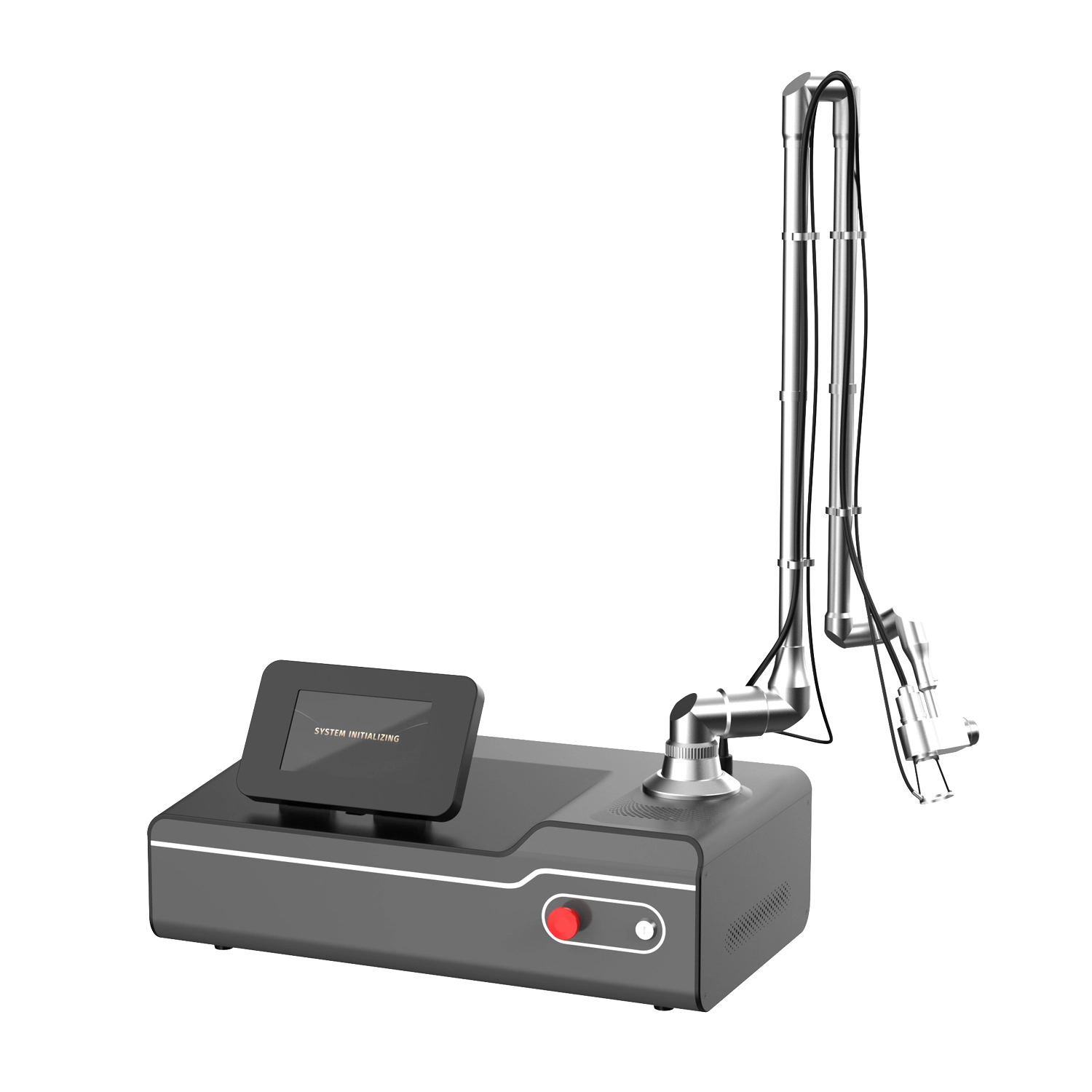
Professional CO2 Fractional Laser Machine for Skin Resurfacing & Scar Treatment
The CO2 Fractional Laser Machine is a professional CO2 fractional laser machine designed for advanced skin resurfacing, scar treatment, and skin rejuvenation procedures.
Using 10,600nm CO2 fractional laser technology, the system delivers controlled microthermal zones into the skin, stimulating collagen remodeling while preserving surrounding tissue. This fractional approach significantly improves treatment safety, recovery time, and clinical outcomes.
The CO2 fractional laser machine is widely used in dermatology clinics and medical aesthetic centers for treating acne scars, wrinkles, enlarged pores, stretch marks, and various skin texture concerns.
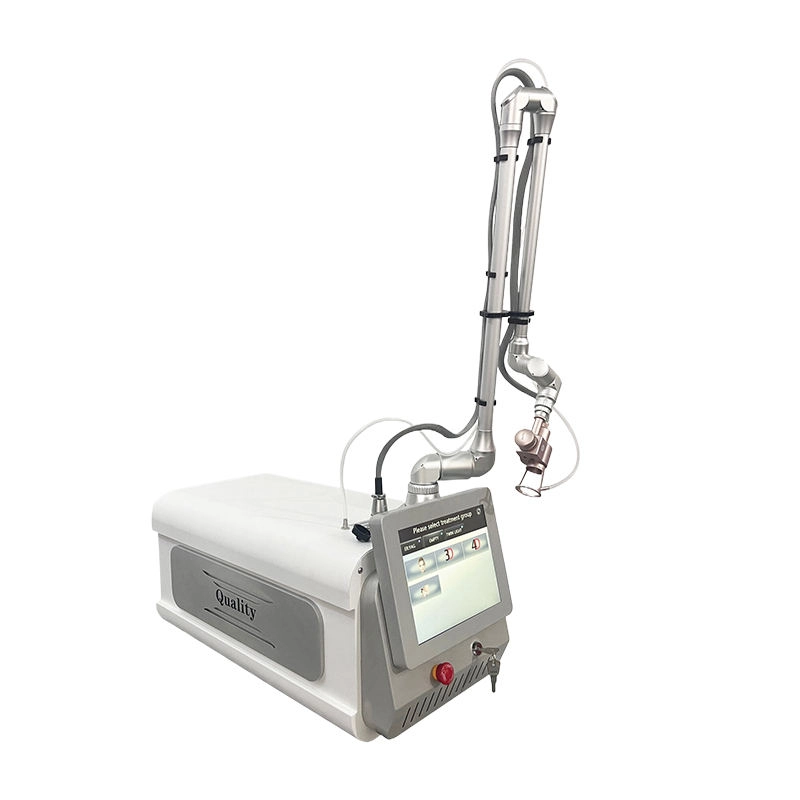
Professional CO2 Fractional Laser Machine | Fractional & Vaginal Rejuvenation CO2 Laser System
The CO2 fractional laser machine is a professional medical-grade device designed for deep skin resurfacing, wrinkle reduction, scar repair, and vaginal rejuvenation. Using a 10600 nm fractional CO2 laser beam, it creates micro-thermal columns on the skin to stimulate collagen regeneration and accelerate skin healing.
This CO2 fractional laser machine provides multiple treatment modes, including fractional mode, surgical cutting mode, and optional vaginal tightening mode, making it ideal for dermatology clinics and professional beauty centers seeking advanced laser solutions.
Its high precision, adjustable spot size, stable energy output, and seven-joint articulated arm ensure safe, accurate, and effective treatment results with minimal downtime.
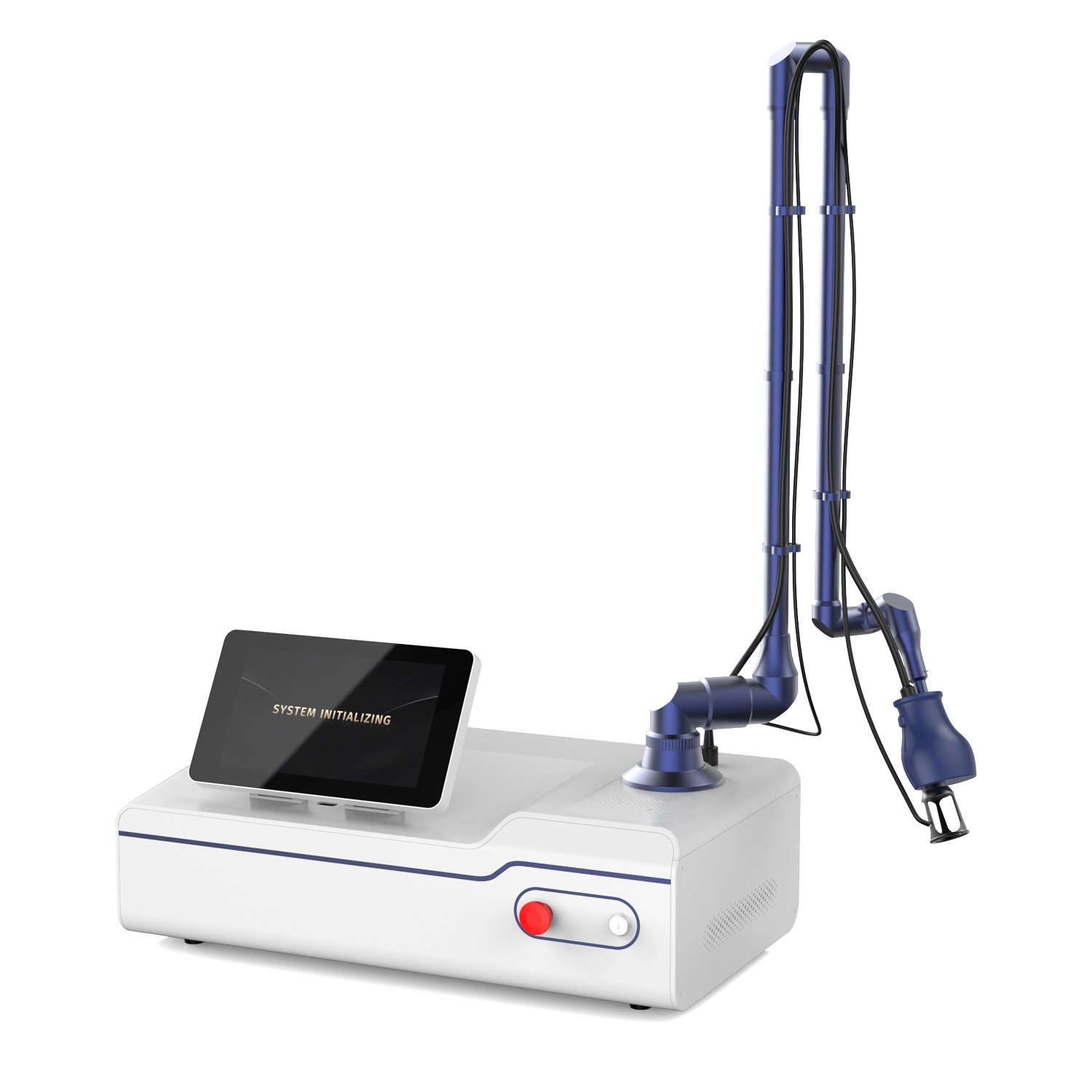
CO2 Fractional Laser Machine | Intimate Vaginal Rejuvenation System
This **CO2 Fractional Laser Machine** utilizes advanced 10600nm CO2 fractional laser technology to create controlled micro-thermal zones on the vaginal mucosa and intimate skin layers. These micro-columns stimulate collagen regeneration and tissue remodeling, effectively improving vaginal tightness, elasticity, and overall intimate health.
Designed specifically for professional medical aesthetic and intimate wellness applications, this CO2 fractional laser machine features intelligent parameter control and high-precision energy output to ensure safe, comfortable, and consistent treatment results. It is an ideal core device for vaginal rejuvenation, postpartum recovery, and intimate anti-aging treatments.
Get more information
If you have any comments or good suggestions, please leave us a message; later our professional staff will contact you as soon as possible.
Let's Talk
Stay in touch with us for cutting-edge beauty solutions, professional guidance, and customized service.
Contact


Room 307, Building A, Huilong International E-commerce Industrial Park, No. 10 Xipengling Road, Helong Street, Baiyun District, Guangzhou, China
© 2025 HUIMAIN. All Rights Reserved. Privacy Policy | Terms and Conditions | Sitemap
Facebook
Instagram
Medical beauty equipment factory
huimain Medical beauty equipment factory
beauty machine supplier
Whatsapp: +8619124004543