


KPI Metrics to Track Microdermabrasion Performance in Salon
- Measuring Success: KPIs for Microdermabrasion in Salon Practices
- Why KPIs matter for salon microdermabrasion services
- How to align KPIs with customer and business goals
- Core Clinical and Safety KPIs
- Treatment efficacy & visible outcome metrics
- Adverse event rate and severity
- Downtime and post-treatment recovery
- Operational KPIs — Efficiency, Throughput, and Quality Control
- Treatment throughput and chair utilization
- Machine uptime and maintenance metrics
- Operator competency and error rate
- Financial and Commercial KPIs
- Average revenue per treatment & profit margin
- Conversion rate and lead-to-booking metrics
- Client retention and repeat treatment rate
- KPIs Dashboard: Definitions, Why They Matter, and Benchmarks
- How to Collect, Analyze, and Use KPI Data
- Data collection methods
- Basic analysis workflow
- Translating insights into action
- Choosing and Maintaining a Microdermabrasion Machine for Salon Use
- Performance and clinical considerations
- Operational and commercial considerations
- Case Study: Improving Microdermabrasion KPIs in a Mid‑Size Salon (Example)
- Baseline problems
- Interventions and results
- About Guangzhou Huimain Technology Co., Ltd. — Partnering for Performance
- Company profile and strengths
- Certifications, innovation, and global reach
- Main products and competitive advantages
- FAQ — Common Questions about Tracking Microdermabrasion KPIs
- 1. Which three KPIs should I start tracking first?
- 2. What is an acceptable adverse event rate for microdermabrasion?
- 3. How often should microdermabrasion devices be serviced?
- 4. How can I measure treatment efficacy objectively?
- 5. How do KPIs differ for medical vs salon microdermabrasion services?
- 6. Can tracking KPIs help reduce legal or regulatory risk?
- Contact & Call to Action
- References and Sources
Measuring Success: KPIs for Microdermabrasion in Salon Practices
Why KPIs matter for salon microdermabrasion services
Microdermabrasion is a popular non‑invasive exfoliation treatment that can return strong revenue and client loyalty when executed consistently. For salon owners and managers who choose a microdermabrasion machine for salon use, KPIs translate subjective outcomes into decisions: which devices to deploy, how to price, whether staff training is effective, and how to reduce adverse events and downtime. Tracking the right metrics converts clinical performance into sustainable business value.
How to align KPIs with customer and business goals
Start from two parallel priorities: client safety & satisfaction, and salon profitability & throughput. KPIs should be measurable, actionable, and compared against realistic benchmarks. For clinical outcomes, measure visible results and complications; for operations, measure time, capacity, and costs; for business, measure conversion, retention, and revenue-per-service.
Core Clinical and Safety KPIs
Treatment efficacy & visible outcome metrics
Track objective and subjective outcome measures: before/after photographic grading, validated skin quality scales (for example, investigator global assessment scores), clients' self-reported improvement in texture or tone, and measurable changes such as pore visibility or fine‑line scoring where possible. For repeatable monitoring, adopt consistent photo angles, lighting, and standardized questionnaires.
Adverse event rate and severity
Record every complication (abrasions, prolonged erythema, post-inflammatory hyperpigmentation, infections) per 1,000 treatments. A low adverse event rate (<1% for minor transient reactions in many practices) indicates sound protocols, well-maintained equipment, and competent operators. Track event severity and time-to-resolution to identify training gaps or equipment malfunction.
Downtime and post-treatment recovery
Measure average downtime (time until client feels comfortable returning to work/social activities) and post-treatment aftercare contacts. Shorter downtime improves client satisfaction and can be a marketing point. Track percentage of clients requiring unexpected aftercare visits or product reimbursements.
Operational KPIs — Efficiency, Throughput, and Quality Control
Treatment throughput and chair utilization
Throughput = number of microdermabrasion sessions per operator per day. Track scheduled vs completed sessions, average treatment time, and gaps between bookings. For salons using a microdermabrasion machine for salon-level services, aim to optimize setup and turnover without compromising safety—typical treatment times range 20–45 minutes depending on protocol.
Machine uptime and maintenance metrics
Track machine uptime (% of scheduled hours when device fully operational), mean time between failures (MTBF), and mean time to repair (MTTR). Consumable replacement schedules (filters, tips) and calibration logs should be monitored; issues here directly affect safety and efficacy.
Operator competency and error rate
Track training hours per operator, certification status, and an operator error rate (protocol deviations, documentation omissions, incorrect settings). Reducing error rates correlates with fewer complications and better outcomes.
Financial and Commercial KPIs
Average revenue per treatment & profit margin
Calculate revenue per microdermabrasion session and subtract direct costs (consumables, machine depreciation, operator labor proportional to treatment time) to find gross margin per service. Monitor trends after pricing changes or when introducing packages or retail products.
Conversion rate and lead-to-booking metrics
Conversion rate = consultations that convert to paid treatments. Track channels (walk-ins, social, website, referrals) to know where to invest marketing. For salons offering microdermabrasion machine for salon use, highlight quick results to improve conversion.
Client retention and repeat treatment rate
Microdermabrasion often requires a series of sessions. Track percentage of clients who return for recommended follow-ups (e.g., 4–6 sessions) and average interval between treatments. Higher repeat rates signal satisfaction and effective treatment planning.
KPIs Dashboard: Definitions, Why They Matter, and Benchmarks
The table below summarizes the KPIs salons should track for microdermabrasion services, with industry-informed benchmark ranges. Benchmarks vary by market, client mix, and service model; use these as starting targets and refine with your salon's historical data.
| KPI | Definition | Why it matters | Industry-informed benchmark |
|---|---|---|---|
| Adverse event rate | Number of complications per 1,000 treatments | Safety indicator; impacts reputation & liability | <10 per 1,000 (1%); severe events <1 per 1,000 |
| Client satisfaction (NPS or satisfaction %) | Surveyed satisfaction or Net Promoter Score after treatment | Correlates with retention and referrals | Customer satisfaction >85%; NPS >30 |
| Repeat treatment rate | % of clients who return for recommended follow-ups | Indicates perceived value and treatment planning | 40–70% within 3 months (depends on protocol) |
| Average revenue per treatment | Gross revenue divided by number of treatments | Monitors pricing effectiveness & revenue trends | Varies widely; track vs salon average |
| Machine uptime | % of scheduled operational hours machine is usable | Impacts capacity and cancellations | >95% with preventive maintenance |
| Operator error rate | Protocol deviations per 1,000 treatments | Training quality & patient safety | <5% of sessions with any deviation |
Note: Benchmarks are starting points. Adjust according to local market data and salon positioning.
How to Collect, Analyze, and Use KPI Data
Data collection methods
Use a mix of digital and manual systems: treatment logs in salon software, photo records, short post-treatment surveys (SMS or tablet), incident logs, maintenance checklists, and POS reports. Ensure data fields are standardized—e.g., adverse event taxonomy, treatment codes, and operator IDs.
Basic analysis workflow
1) Aggregate weekly/monthly KPIs. 2) Visualize trends (charts for satisfaction, throughput, adverse events). 3) Drill down by operator, device, and treatment protocol. 4) Run rapid PDSA (plan-do-study-act) cycles for identified issues—e.g., if adverse events rise after a device change, pause use, retrain staff, and contact the manufacturer.
Translating insights into action
Common actions driven by KPIs: targeted operator training, protocol standardization, adjusting pricing or packaging, switching device tips or consumables, increasing preventive maintenance, and redesigning consultation flows to improve conversion.
Choosing and Maintaining a Microdermabrasion Machine for Salon Use
Performance and clinical considerations
When selecting a microdermabrasion machine for salon deployment, prioritize adjustable intensity settings, consistent suction, easy-to-sterilize tips or single-use consumables, and reliable filtration to protect clients and staff. Consider devices with documented clinical studies or CE marking if you operate in markets that recognize it.
Operational and commercial considerations
Assess total cost of ownership: purchase price, consumable cost per treatment, warranty and service plans, training support, and spare-part availability. A lower upfront cost can be negated by high consumable use or downtime. Factor these into financial KPIs.
Case Study: Improving Microdermabrasion KPIs in a Mid‑Size Salon (Example)
Baseline problems
A mid-size salon noted inconsistent outcomes, a 3% adverse event rate (mostly prolonged erythema), and machine downtime averaging 8% of scheduled hours. Client retention for microdermabrasion was only 30%.
Interventions and results
Interventions: standardize treatment protocols, retrain operators with manufacturer support, implement a preventive maintenance schedule, and introduce a pre‑treatment consultation checklist. After 3 months: adverse events dropped to 0.6% per 1,000 treatments, machine uptime improved to 97%, and repeat treatment rate rose to 55%—with revenue per treatment increasing by 18% due to better packaging and upsell.
About Guangzhou Huimain Technology Co., Ltd. — Partnering for Performance
Company profile and strengths
Guangzhou Huimain Technology Co., Ltd. is a high‑tech company specializing in beauty machines and a range of home‑use devices. The company covers R&D, production, sales, and after‑sale service. With a 3,000 m2 facility, Huimain has a strong technical development team—over 20% of staff hold bachelor’s degrees and more than 40% have junior college qualifications. Their experienced engineers, PE experts, professional purchasing department, clinical testing and after‑sale teams create an integrated product lifecycle supporting salons and distributors.
Certifications, innovation, and global reach
Huimain invests continuously in R&D and holds CE and SGS approvals, along with several product patents. Their products serve markets across China, Southeast Asia, the Middle East, Europe, and North America. Huimain focuses on OEM/ODM cooperation and can design and produce medical‑grade and beauty machines tailored for salon use. This includes reliable microdermabrasion machines for salon deployment, complete with training and after‑sales support to protect KPIs like machine uptime and adverse event rates.
Main products and competitive advantages
Huimain’s product portfolio includes Cryolipolysis machines, EMS sculpting machines, Plasma devices, Shockwave machines, HIFU machines, Hydrofacial machines, Cavitation vacuum machines, Laser hair removal, Tattoo removal machines, and Micro-needle devices. Advantages they emphasize: R&D capability, patent protection, CE/SGS approvals, OEM/ODM flexibility, and global distribution experience. For salons seeking a trusted supplier of a microdermabrasion machine for salon settings, Huimain offers end-to-end support—product, clinical testing, training, and after‑sales maintenance—to help protect clinical and operational KPIs.
If you want to explore Huimain machines or discuss customization for your salon needs, contact their sales and technical team for product details, clinical data, and after‑sale service plans.
FAQ — Common Questions about Tracking Microdermabrasion KPIs
1. Which three KPIs should I start tracking first?
Begin with: 1) adverse event rate (safety), 2) client satisfaction or NPS (experience), and 3) machine uptime (operations). These give a balanced view across clinical, customer, and operational performance.
2. What is an acceptable adverse event rate for microdermabrasion?
Acceptable rates vary, but many established clinics aim for <1% minor transient events per 100 treatments (<10 per 1,000). Severe events should be extremely rare (<1 per 1,000). If your rate is higher, review protocols, device maintenance, and operator training.
3. How often should microdermabrasion devices be serviced?
Follow manufacturer recommendations, but as a rule implement preventive maintenance checks monthly and full servicing at least annually. Track consumable replacements (filters/tips) and log any irregularities immediately.
4. How can I measure treatment efficacy objectively?
Use standardized high‑resolution before/after photos, validated skin scoring scales, and short client outcome surveys. For objective measures, some clinics use skin imaging systems (hydration, pore analysis) to quantify changes.
5. How do KPIs differ for medical vs salon microdermabrasion services?
Medical settings may track more granular clinical endpoints and adverse events due to higher-risk populations and medical indications. Salons should emphasize client experience, throughput, and profitability, while maintaining rigorous safety KPIs.
6. Can tracking KPIs help reduce legal or regulatory risk?
Yes. Thorough documentation of adverse events, consent forms, maintenance logs, and staff training records demonstrates due diligence and can reduce liability. KPI trends can also reveal systemic risks before they become incidents.
Contact & Call to Action
Want to improve your salon's microdermabrasion KPIs or evaluate machines? Contact Guangzhou Huimain Technology Co., Ltd. for product specifications, clinical data, OEM/ODM options, and after‑sale service plans. They provide solutions tailored to salon operational needs and can help integrate device performance into your KPI dashboard. Visit their product pages or request a consultation to compare models and get training packages for your team.
References and Sources
- Microdermabrasion — Wikipedia. Accessed 2026-01-04. https://en.wikipedia.org/wiki/Microdermabrasion
- American Academy of Dermatology — Patient information on microdermabrasion. Accessed 2026-01-04. https://www.aad.org/public/cosmetic/what-is/microdermabrasion
- European Commission — CE marking explained. Accessed 2026-01-04. https://ec.europa.eu/growth/single-market/ce-marking/
- SGS — About SGS certification services. Accessed 2026-01-04. https://www.sgs.com/
- Salon business benchmarking resources and industry guidance — Salon Today / industry reports (refer to local market reports for precise revenue benchmarks). Example: Salon Today editorial content. Accessed 2026-01-04. https://www.salontoday.com/
JHF-21
Is the treatment non-invasive?
Yes, all treatments are non-invasive with no downtime.
热玛吉
Is the treatment painful?
Most clients feel mild warmth. The cooling system ensures comfort during treatment.
HI-8D
Is the HI-8D suitable for all skin types?
Yes, this Hifu machine is safe for all skin colors and types because ultrasound does not affect pigmentation.
Portable EMS RF Body Sculpting Machine
Is the EMS RF body sculpting treatment safe?
Yes, it’s non-invasive and uses clinically tested technologies for safe, effective body contouring.
OL-153
How often can treatments be performed?
Recommended once every 2–4 weeks depending on the client’s skin condition.

CO2 Fractional Laser Machine – Professional Wrinkle Removal & Skin Resurfacing Device
The CO2 Fractional Laser Machine is a multifunctional aesthetic device designed for professional clinics and beauty salons. Using advanced fractional CO2 laser technology, it effectively targets acne scars, freckles, pigmentation, nevi, and deep wrinkles. Additionally, it provides non-invasive skin rejuvenation, vaginal tightening, and intimate beautification. This professional CO2 laser equipment combines precision, safety, and powerful energy output to deliver outstanding anti-aging and dermatological results.

808nm Diode Laser Hair Removal Machine | Professional Medical-Grade Device for Clinics, Salons & Distributors
The 808 nm Diode Laser Hair Removal Device is a professional-grade solution designed for medical aesthetics clinics, beauty salons, and distributors. Engineered with advanced diode laser technology and semiconductor cooling, it ensures stable performance, a long lifespan, and a high ROI for businesses. This device is built to handle high client volume while delivering consistent results, making it an ideal choice for clinics seeking to expand their treatment portfolio and distributors looking for reliable, in-demand equipment.
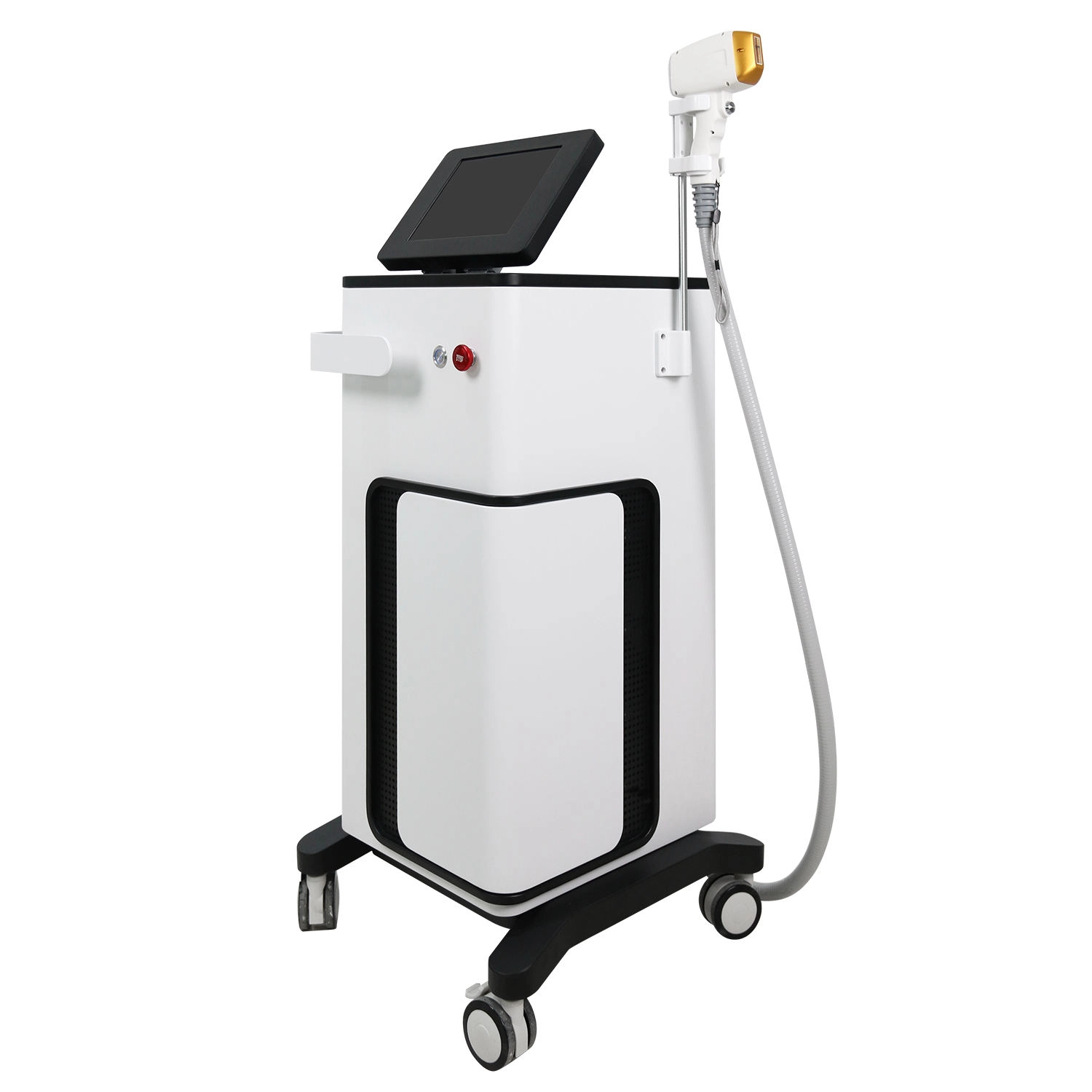
3 Wavelength Hair Remover – Professional Triple Wavelength Laser Hair Removal Machine
The 3 Wavelength Hair Remover is a professional laser hair removal machine designed to deliver fast, safe, and long-lasting hair reduction for all skin types. Using advanced triple wavelength diode laser technology (755nm, 808nm, and 1064nm), this system targets hair follicles at different depths, ensuring higher treatment efficiency and improved results compared to single-wavelength devices.
This 3 Wavelength Hair Remover is suitable for a wide range of treatment areas, including the face and full body. The intelligent touch screen interface allows operators to easily adjust energy intensity and pulse width based on individual client needs. With an advanced cooling system, treatments are more comfortable, reducing skin irritation and enhancing client satisfaction.
Designed for professional use in beauty salons and medical aesthetic clinics, the 3 Wavelength Hair Remover offers stable performance, high safety standards, and excellent return on investment.
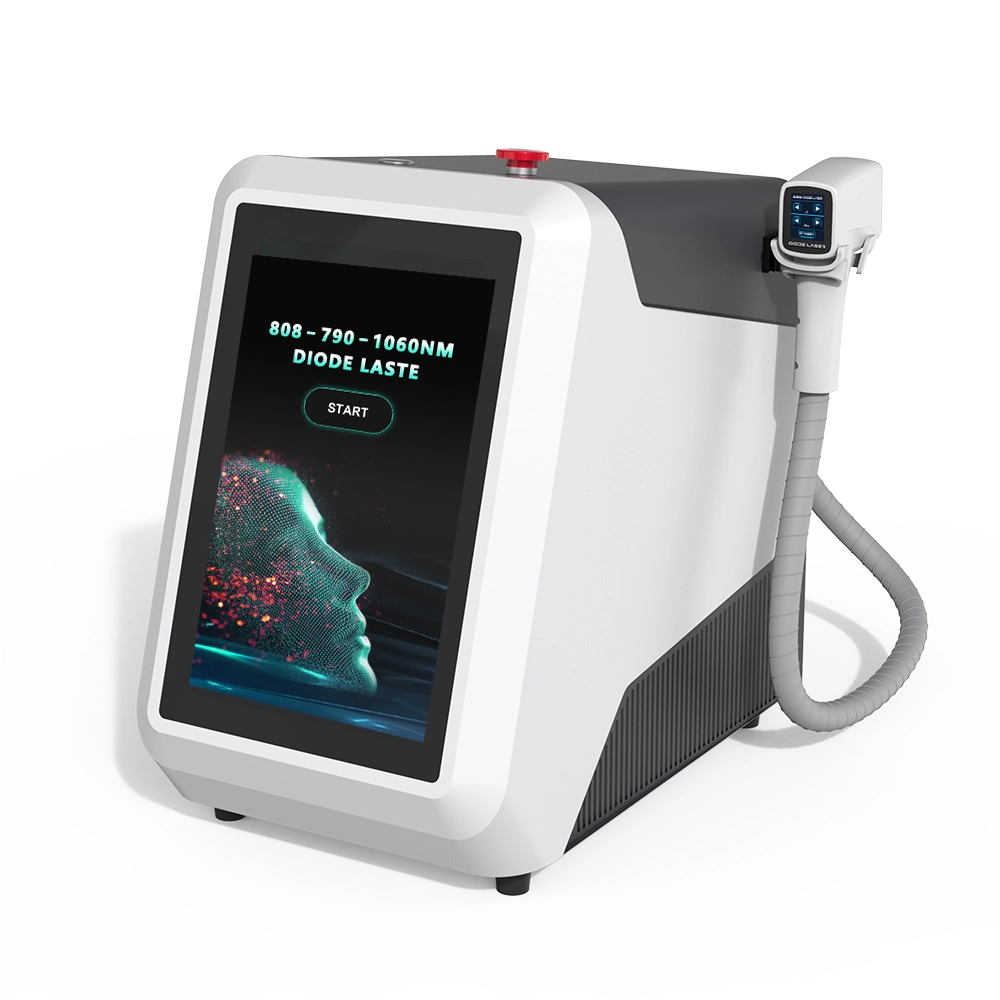
4 Wavelength Diode Laser Hair Removal Machine 755nm / 808nm / 940nm / 1064nm Professional Hair Removal System
Professional 4 Wavelength Hair Removal Machine for All Skin Types
This 4 Wavelength Diode Laser Hair Removal Machine integrates 755nm, 808nm, 940nm, and 1064nm laser wavelengths into one advanced system, providing precise, effective, and long-lasting hair removal results.
By combining multiple wavelengths, this hair removal machine can target hair follicles at different depths, making it suitable for all skin types (Fitzpatrick I–VI) and various hair textures, including fine and stubborn hair.
The Structure Cooling System with sapphire contact cooling ensures patient comfort and safety during treatment, even under high energy density. Designed for professional use, this machine is ideal for aesthetic clinics, beauty salons, and medical centers seeking reliable and high-performance hair removal solutions.
Get more information
If you have any comments or good suggestions, please leave us a message; later our professional staff will contact you as soon as possible.
Let's Talk
Stay in touch with us for cutting-edge beauty solutions, professional guidance, and customized service.
Contact


Room 307, Building A, Huilong International E-commerce Industrial Park, No. 10 Xipengling Road, Helong Street, Baiyun District, Guangzhou, China
© 2025 HUIMAIN. All Rights Reserved. Privacy Policy | Terms and Conditions | Sitemap
Facebook
Instagram
Medical beauty equipment factory
huimain Medical beauty equipment factory
beauty machine supplier
Whatsapp: +8619124004543