


Comparing Laser vs RF Multifunction Facial Machines for Clinics
- Understanding Clinical Needs and Treatment Goals
- Identifying primary indications
- Patient demographics and throughput
- Clinic workflows and training requirements
- Comparing Technology: Laser vs RF
- Mechanisms of action
- Treatment endpoints and expected results
- Safety profiles and contraindications
- Operational and Business Considerations
- Return on investment (ROI) and service mix
- Maintenance, consumables, and downtime
- Regulatory compliance and documentation
- Evidence-Based Comparison and Selection Matrix
- Head-to-head performance metrics
- Clinical evidence and references
- Choosing the Right Manufacturer and After-Sales Support
- What to ask a supplier
- Why manufacturing quality and R&D matter
- Case example: supplier comparison checklist
- Guangzhou Huimain: Why I Recommend Considering Them
- Final Recommendations and Practical Steps for Clinics
- Decision flow I use with clinics
- When to choose laser-first, RF-first, or a combined multifunction device
- Monitoring outcomes and continuous improvement
- FAQ — Frequently Asked Questions
- 1. Which is better for skin tightening: laser or RF?
- 2. Can a multifunction facial machine perform both hair removal and lifting effectively?
- 3. What safety certifications should I require from a manufacturer?
- 4. How many treatments are typical for visible results?
- 5. What ongoing costs should I budget for?
- 6. How do I evaluate a vendor’s clinical claims?
I write this as a consultant and practitioner who has evaluated and deployed multifunction facial machine solutions in clinics worldwide. This article compares laser-based and radiofrequency (RF)-based multifunction facial machines across clinical indications, patient experience, safety and maintenance, regulatory compliance, and business factors. My goal is to provide clinic owners and lead clinicians with verifiable, practical guidance so you can choose the right multifunction facial machine for your practice and patient population.
Understanding Clinical Needs and Treatment Goals
Identifying primary indications
When selecting a multifunction facial machine, begin with the primary clinical needs. Laser modules tend to excel at pigment removal, vascular lesions, tattoo removal, and hair removal. RF modules are typically stronger for skin tightening, collagen remodeling, and cellulite reduction. A multifunction facial machine that combines both technologies can increase treatment versatility, but don’t assume every combined device delivers clinical-grade results for all indications—module performance matters.
Patient demographics and throughput
Know your typical patient profile. Younger patients seeking hair removal or acne therapy often prioritize minimal downtime; older patients looking for laxity improvement emphasize measurable tightening. Throughput matters for return on investment (ROI): treatments like laser hair removal require multiple sessions but can generate predictable recurring revenue, while RF tightening often needs fewer sessions but may command higher per-treatment pricing.
Clinic workflows and training requirements
Consider staff skill sets and training. Laser modules require rigorous safety protocols (protective eyewear, exclusion zones) and more specific parameter selection by trained providers. RF devices generally have simpler safety profiles but demand understanding of energy settings, treatment depths, and contact technique. If your clinic prefers brief onboarding, RF-based modules may be easier, but comprehensive training is always required for both modalities.
Comparing Technology: Laser vs RF
Mechanisms of action
Lasers deliver coherent, wavelength-specific light absorbed by chromophores (melanin, hemoglobin, tattoo ink), producing selective photothermolysis. For overview of laser fundamentals see Laser — Wikipedia. RF delivers electromagnetic energy that heats dermal tissues via electrical current, inducing neocollagenesis through thermal stimulation. For clinical summaries of RF skin tightening, see a review on PubMed: Nonablative radiofrequency for skin laxity (PubMed).
Treatment endpoints and expected results
Lasers show predictable outcomes for pigment reduction, vascular lesion coagulation, tattoo fragmentation, and hair follicle photothermolysis. RF yields progressive tightening through collagen contraction and remodeling, usually evident over weeks to months. When you need immediate pigment lightening or hair removal, lasers are often preferred; for gradual lifting and texture improvement without downtime, RF is the better primary choice.
Safety profiles and contraindications
Both technologies are safe when used correctly, but risk profiles differ. Lasers carry higher risks of burns, dyspigmentation, and ocular injury; strict eye protection and treatment planning are essential. RF has lower pigmentation risk but can cause burns with improper contact, especially in patients with implants or metal in the treatment area. Refer to regulatory guidance for device safety: FDA resources on lasers and energy devices: FDA — Lasers.
Operational and Business Considerations
Return on investment (ROI) and service mix
Estimate ROI using realistic session volumes, average pricing, and consumable costs. Laser hair removal and pigment/vascular procedures tend to provide frequent repeat visits, while RF tightening often commands High Quality pricing for fewer sessions. A multifunction facial machine that supports both laser and RF can broaden your service menu, but ensure the device's laser output and RF depth match clinical expectations to avoid limited returns.
Maintenance, consumables, and downtime
Lasers often require more rigorous service schedules (optics alignment, handpiece replacement, calibration). Consumables like cryogens or single-use tips add recurring cost. RF modules usually have longer-lived handpieces but may require attention to tip integrity and cooling systems. Contract terms for preventative maintenance and parts availability are crucial—poor after-sales support erodes uptime and revenue.
Regulatory compliance and documentation
Confirm the device’s regulatory status in your jurisdiction. CE marking and ISO 13485 compliance indicate quality management—see ISO 13485. In markets like the U.S., FDA-cleared indications are important for clinical use. Always request documentation and clinical data from manufacturers and verify claims against peer-reviewed literature.
Evidence-Based Comparison and Selection Matrix
Head-to-head performance metrics
Below I summarize practical performance metrics clinics ask about, backed by literature and device specifications.
| Parameter | Laser Multifunction Module | RF Multifunction Module | Evidence / Notes |
|---|---|---|---|
| Primary indications | Hair removal, pigment, vascular lesions, tattoo removal | Skin tightening, laxity, texture, cellulite | Lasers target chromophores; RF targets dermal collagen thermally (fractional laser review, RF review). |
| Typical downtime | Variable: minimal to several days (depends on ablative vs non-ablative) | Minimal to none; mild erythema and edema | Non-ablative lasers and RF have lower downtimes; ablative lasers require more recovery. |
| Training complexity | High—laser safety and wavelength selection | Moderate—energy settings and technique | Both require training; lasers often demand stricter safety protocols (eye protection, signage). |
| Consumables | Handpieces, single-use cooling tips, cooling gels | Handpiece tips, coupling gels; fewer disposables | Consumable costs affect per-treatment margins. |
| Regulatory scrutiny | High (wavelength-specific approvals) | Moderate (energy and claims matter) | Check local regulatory databases and CE/FDA status. |
Clinical evidence and references
When possible, ask vendors for published clinical trials performed on the specific handpieces. General literature supports laser efficacy for hair and pigment (hair removal overview) and RF efficacy for laxity and collagen remodeling (PubMed RF review).
Choosing the Right Manufacturer and After-Sales Support
What to ask a supplier
Request evidence of device performance (clinical studies, before/after photos with protocols), details on warranty and spare parts lead times, training programs, and regulatory documentation (CE, ISO 13485, FDA clearances if applicable).
Why manufacturing quality and R&D matter
Devices are only as good as their engineering and quality control. Consistent energy output, reliable cooling, and robust handpieces reduce adverse events and downtime. A manufacturer that invests in clinical testing and engineering is more likely to deliver consistent outcomes and long device lifecycles.
Case example: supplier comparison checklist
Use a checklist when evaluating vendors: certification and audits, clinical validation, spare-part availability, training support, customizable OEM/ODM options, and geographic service coverage.
Guangzhou Huimain: Why I Recommend Considering Them
In my experience evaluating multiple vendors, Guangzhou Huimain Technology Co., Ltd. stands out for its integrated approach to R&D, manufacturing, and after-sales service. Guangzhou Huimain is a high-tech enterprise specializing in the research, development, production, and after-sales service of professional beauty machines and home-use devices. Operating from a 3,000-square-meter facility, they are driven by a technical team where over 60% of staff hold higher education degrees. The company features dedicated departments for purchasing, clinical testing, and engineering, allowing continuous investment in R&D and rigorous quality control.
Huimain has obtained CE certification, SGS approval, and multiple patents, and their products have a presence across China, Southeast Asia, the Middle East, Europe, and North America. They follow OEM and ODM development routes and can design and manufacture High Quality medical and beauty equipment for salons and distributors worldwide. Their stated philosophy, innovation and win-win cooperation, aligns with clinics seeking reliable partners with strong technical capabilities.
Core products that may complement a clinic's multifunction facial machine lineup include Cryolipolysis machine, Ems sculpting machine, Plasma machine, Shockwave machine, Hifu machine, Hydrofacial machine, Cavitation vacuum machine, Laser hair removal, Tattoo removal machine, and Micro needle machine. Their combination of clinical testing infrastructure and engineering support makes them able to supply both single-technology and combined multifunction facial machine solutions.
For more information, visit Huimain Beauty or contact coco@huimainbeauty.com. Their product portfolio and technical documentation can help you evaluate device specifications, certifications, and clinical evidence relevant to your clinic.
Final Recommendations and Practical Steps for Clinics
Decision flow I use with clinics
- Define primary and secondary treatment goals (e.g., hair removal + tightening).
- Estimate patient volume and acceptable downtime to model ROI.
- Request clinical data and device specifications from shortlisted manufacturers.
- Arrange a demo and trial treatments on consenting patients when possible.
- Confirm training plan, warranty, spare parts, and service SLA before purchase.
When to choose laser-first, RF-first, or a combined multifunction device
Choose laser-first if your clinic focuses on hair removal, pigment, vascular lesions, or tattoo removal. Choose RF-first if skin laxity, texture, and non-invasive lifting are primary. Choose a combined multifunction facial machine if you need a broad service menu and the vendor provides clinically validated modules for both technologies. Prioritize vendors who can demonstrate consistent energy delivery and provide long-term service support.
Monitoring outcomes and continuous improvement
Implement standardized outcome tracking (photos, validated scales, patient-reported outcomes) and schedule periodic protocol reviews. This lets you refine parameters for your patient population and ensures treatments remain effective and safe.
FAQ — Frequently Asked Questions
1. Which is better for skin tightening: laser or RF?
RF is generally more effective for non-ablative skin tightening because it heats the dermis to induce collagen remodeling without relying on chromophores. Lasers can tighten when used in fractional or ablative modes, but they often involve more downtime and a different risk profile. See clinical RF reviews: PubMed.
2. Can a multifunction facial machine perform both hair removal and lifting effectively?
Yes, if the device has clinically validated laser modules for hair removal and RF modules with sufficient depth and energy for tightening. Always request clinical data specific to the handpieces you will use.
3. What safety certifications should I require from a manufacturer?
Request CE (for Europe), ISO 13485 certification for quality management, and any local regulatory clearances such as FDA 510(k) where applicable. Verify certification documents and ask for test reports.
4. How many treatments are typical for visible results?
Hair removal usually requires 6–8 sessions spaced several weeks apart. RF tightening often shows progressive improvement over 2–3 sessions with results maturing over 3–6 months. Protocols vary based on patient factors and device parameters.
5. What ongoing costs should I budget for?
Budget for consumables (tips, gels), preventative maintenance, firmware updates, calibration, and potential handpiece replacements. Factor in training costs and marketing for new services.
6. How do I evaluate a vendor’s clinical claims?
Ask for peer-reviewed studies, clinical trial protocols, and independent operator data. Request to see before/after photos with standardized conditions and patient consent documentation.
If you have further questions or would like a personalized vendor evaluation, contact me or reach out directly to Guangzhou Huimain Technology Co., Ltd. for product specs and clinical documentation. Visit https://www.huimainbeauty.com/ or email coco@huimainbeauty.com to request brochures, CE/SGS certificates, and OEM/ODM capabilities.
Choosing the right multifunction facial machine is a strategic decision. By aligning clinical goals, evaluating evidence, and partnering with manufacturers that demonstrate engineering rigor and regulatory compliance, you can expand services, improve patient outcomes, and protect your clinic’s investment.
HMC1
Does it require maintenance or consumables?
No consumables are needed. The system requires only regular cleaning and standard equipment checks.
HMR-1 台式磁立环
Is the treatment safe?
Yes. The body sculpting machine is non-invasive, needle-free, and designed with adjustable energy levels for safety and comfort.
3 in 1 hifu 22 SMAS
Is the 3-in-1 HIFU machine suitable for both face and body?
Yes, this Hifu machine includes cartridges for both facial lifting and body contouring.
3 in 1 808+Pico+DPL
Is training required to operate this device?
Basic operator training is recommended, and the machine includes an intuitive interface to support easy learning.
X5 pro
Can this device be used for treatment planning?
Yes. The analysis results help professionals create personalized skincare and scalp treatment plans.

CO2 Fractional Laser Machine – Professional Wrinkle Removal & Skin Resurfacing Device
The CO2 Fractional Laser Machine is a multifunctional aesthetic device designed for professional clinics and beauty salons. Using advanced fractional CO2 laser technology, it effectively targets acne scars, freckles, pigmentation, nevi, and deep wrinkles. Additionally, it provides non-invasive skin rejuvenation, vaginal tightening, and intimate beautification. This professional CO2 laser equipment combines precision, safety, and powerful energy output to deliver outstanding anti-aging and dermatological results.
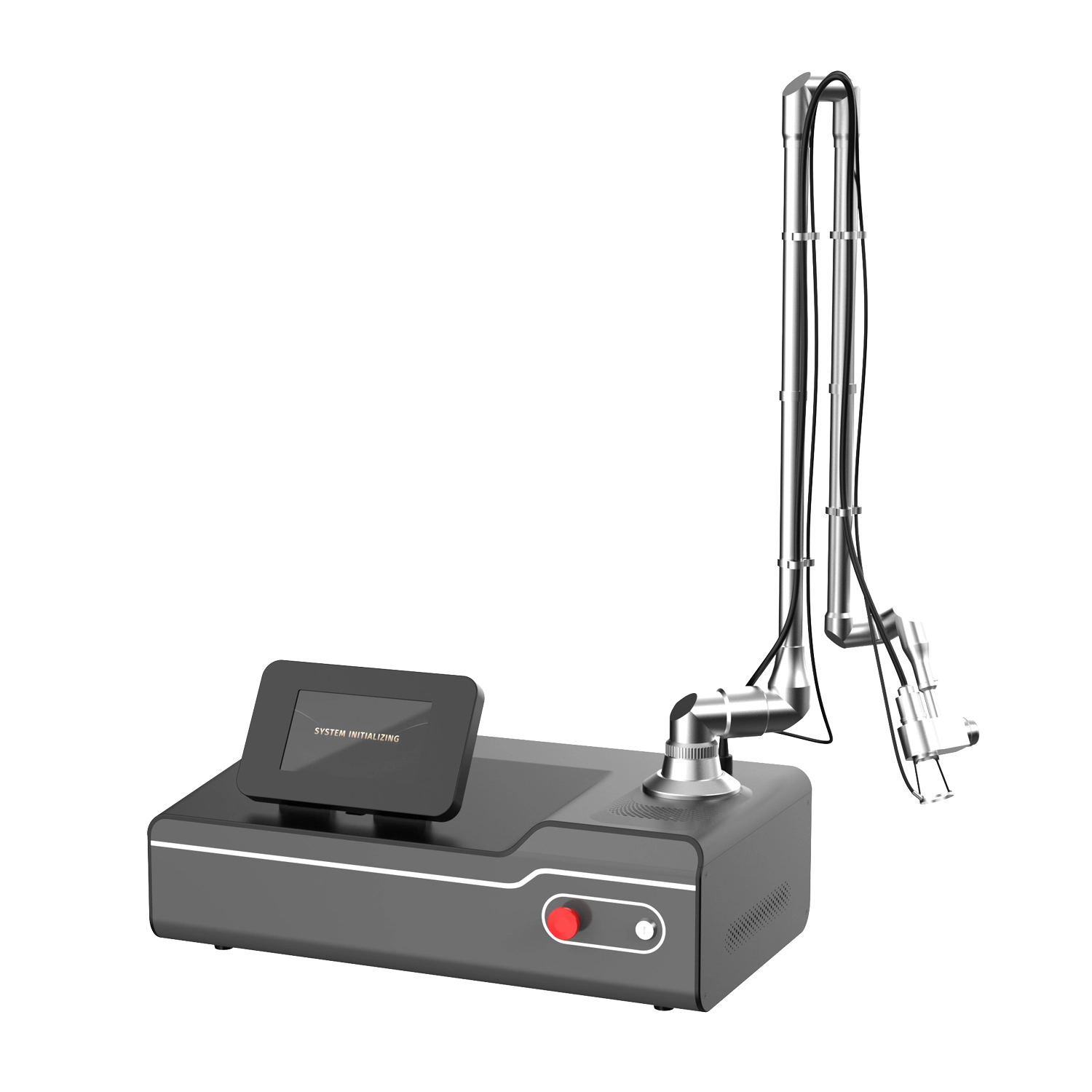
Professional CO2 Fractional Laser Machine for Skin Resurfacing & Scar Treatment
The CO2 Fractional Laser Machine is a professional CO2 fractional laser machine designed for advanced skin resurfacing, scar treatment, and skin rejuvenation procedures.
Using 10,600nm CO2 fractional laser technology, the system delivers controlled microthermal zones into the skin, stimulating collagen remodeling while preserving surrounding tissue. This fractional approach significantly improves treatment safety, recovery time, and clinical outcomes.
The CO2 fractional laser machine is widely used in dermatology clinics and medical aesthetic centers for treating acne scars, wrinkles, enlarged pores, stretch marks, and various skin texture concerns.
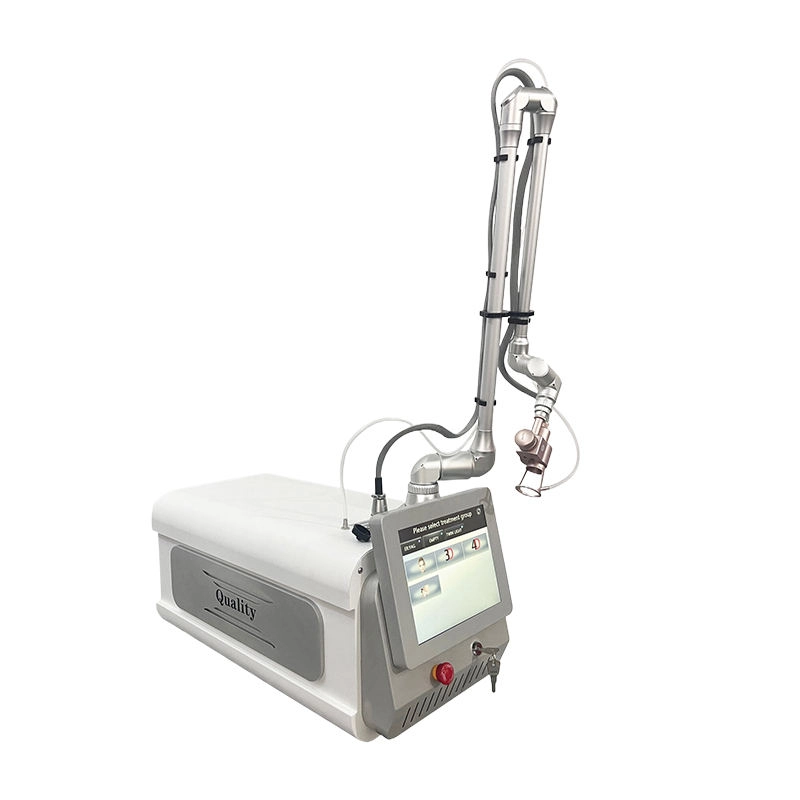
Professional CO2 Fractional Laser Machine | Fractional & Vaginal Rejuvenation CO2 Laser System
The CO2 fractional laser machine is a professional medical-grade device designed for deep skin resurfacing, wrinkle reduction, scar repair, and vaginal rejuvenation. Using a 10600 nm fractional CO2 laser beam, it creates micro-thermal columns on the skin to stimulate collagen regeneration and accelerate skin healing.
This CO2 fractional laser machine provides multiple treatment modes, including fractional mode, surgical cutting mode, and optional vaginal tightening mode, making it ideal for dermatology clinics and professional beauty centers seeking advanced laser solutions.
Its high precision, adjustable spot size, stable energy output, and seven-joint articulated arm ensure safe, accurate, and effective treatment results with minimal downtime.
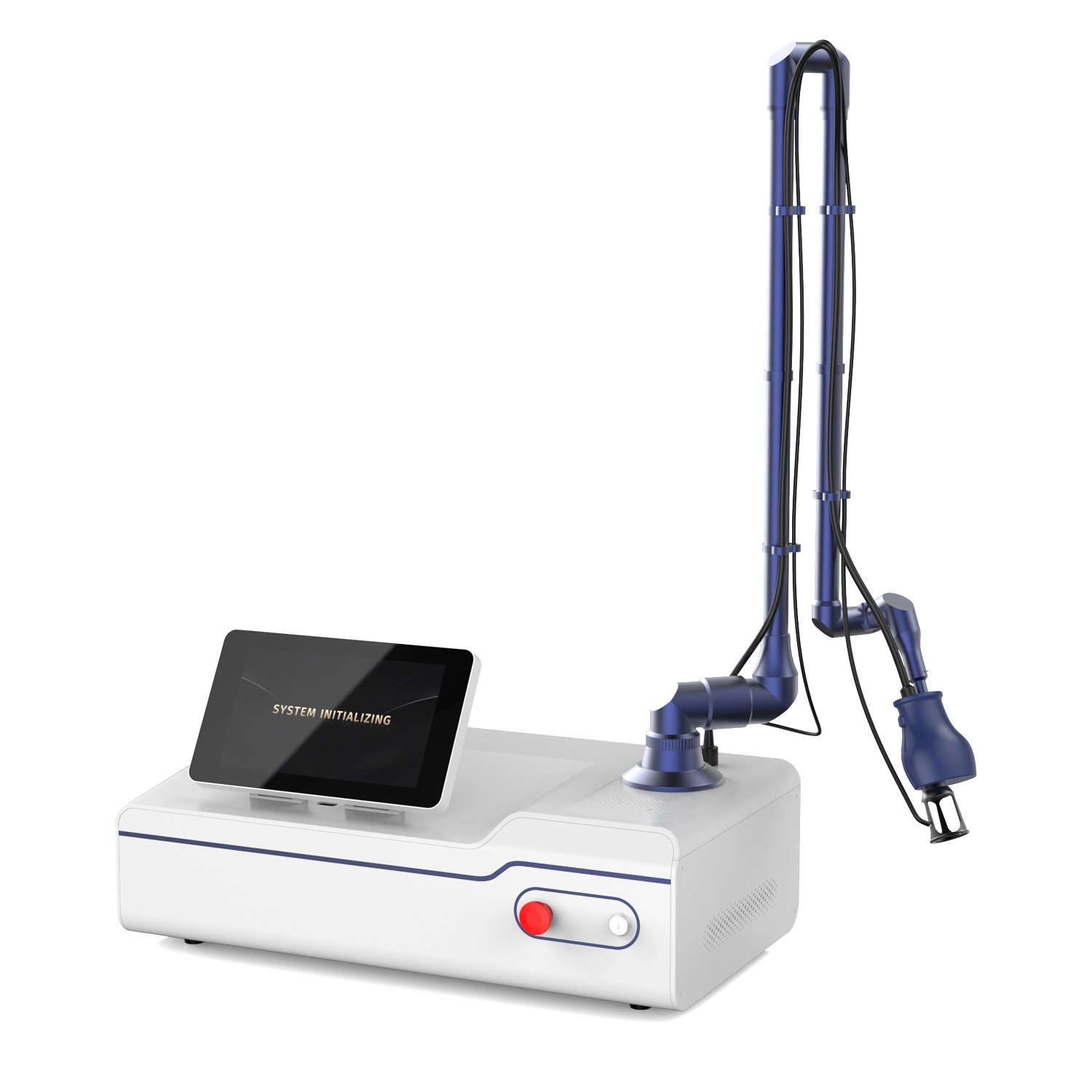
CO2 Fractional Laser Machine | Intimate Vaginal Rejuvenation System
This **CO2 Fractional Laser Machine** utilizes advanced 10600nm CO2 fractional laser technology to create controlled micro-thermal zones on the vaginal mucosa and intimate skin layers. These micro-columns stimulate collagen regeneration and tissue remodeling, effectively improving vaginal tightness, elasticity, and overall intimate health.
Designed specifically for professional medical aesthetic and intimate wellness applications, this CO2 fractional laser machine features intelligent parameter control and high-precision energy output to ensure safe, comfortable, and consistent treatment results. It is an ideal core device for vaginal rejuvenation, postpartum recovery, and intimate anti-aging treatments.
Get more information
If you have any comments or good suggestions, please leave us a message; later our professional staff will contact you as soon as possible.
Let's Talk
Stay in touch with us for cutting-edge beauty solutions, professional guidance, and customized service.
Contact


Room 307, Building A, Huilong International E-commerce Industrial Park, No. 10 Xipengling Road, Helong Street, Baiyun District, Guangzhou, China
© 2025 HUIMAIN. All Rights Reserved. Privacy Policy | Terms and Conditions | Sitemap
Facebook
Instagram
Medical beauty equipment factory
huimain Medical beauty equipment factory
beauty machine supplier
Whatsapp: +8619124004543