


Why Magnetic Face Lifting Machine Quality Varies Between Suppliers and How Buyers Can Control It
- Why Electromagnetic Facial Contouring Equipment Performs Differently
- Core generator design and field consistency
- Applicator materials, ergonomics, and thermal management
- Software control and treatment repeatability
- How to Assess a Supplier Before Placing a Purchase Order
- Separate marketing claims from verifiable specifications
- Audit quality management and production traceability
- Validate samples using a written acceptance protocol
- Commercial Risks Buyers Can Control Through Contract and Operations
- Total cost of ownership matters more than unit price
- Control claims, training, and treatment protocols
- Why HUIMAIN Is a Practical Partner for Beauty Equipment Projects
- Engineering and quality resources for professional programs
- Certification, international reach, and OEM or ODM flexibility
- A broader product portfolio for integrated procurement
- Frequently Asked Questions
A magnetic face lifting machine can differ substantially from one supplier to another even when products appear similar in photographs and use comparable marketing language. The main causes are differences in electromagnetic field generation, applicator construction, treatment parameter control, cooling and thermal management, electrical safety, software stability, component traceability, factory testing, and after-sales service. For buyers, quality is not determined by the housing design or quoted power alone; it is controlled through measurable specifications, documented validation, production consistency, regulatory compliance, operator training, and lifecycle support. A disciplined procurement process therefore evaluates the complete beauty equipment supply chain rather than selecting the lowest initial price.
Why Electromagnetic Facial Contouring Equipment Performs Differently
Core generator design and field consistency
The electromagnetic generator is the functional heart of a non-invasive facial toning system. Suppliers may use different coil geometries, power supplies, switching components, shielding methods, and control algorithms. Two units can advertise similar frequency or intensity figures while producing different field distributions at the applicator surface. Uneven output may create inconsistent treatment sensations, variable muscle stimulation, or reduced repeatability between sessions.
Buyers should request the operating frequency range, output tolerance, waveform description where relevant, applicator dimensions, duty cycle, and measurement method. A credible manufacturer should clarify whether reported values are theoretical electrical inputs, calibrated field measurements, or maximum settings under limited conditions. Independent testing should also verify that the output remains stable during a complete treatment cycle rather than only at startup.
Applicator materials, ergonomics, and thermal management
Facial applicators must balance field delivery, patient comfort, weight, hygiene, and durability. Low-grade plastics, poorly sealed connectors, weak strain relief, or inadequate internal insulation can shorten service life. Thermal accumulation is another important issue because repeated operation may affect both the operator and the client, particularly when the applicator is compact and used continuously in a busy salon.
Procurement teams should inspect connector quality, cable flexibility, surface finish, cleaning compatibility, attachment security, and the availability of replacement applicators. A product that performs well in a demonstration but overheats after several consecutive sessions may create scheduling interruptions and warranty costs. A practical factory acceptance test should include extended operation, repeated start-stop cycles, and inspection for abnormal temperature rise.
Software control and treatment repeatability
Reliable software allows operators to select and reproduce approved treatment parameters without accidental over-adjustment. Quality differences may involve touchscreen responsiveness, password protection, parameter limits, fault alerts, data logging, language support, and recovery after a power interruption. A simple interface is valuable, but simplicity should not mean the removal of safety interlocks or diagnostic information.
Buyers should ask for a parameter table, user manual, error-code list, software update policy, and evidence that the interface has been tested with the intended electrical supply. If a distributor is responsible for multiple markets, language localization and training materials should be agreed before shipment. Consistent control improves operator training, client communication, and the ability to compare treatment outcomes across branches.
How to Assess a Supplier Before Placing a Purchase Order
Separate marketing claims from verifiable specifications
Terms such as high power, professional grade, painless lifting, and advanced technology are not sufficient procurement criteria. Buyers should convert promotional claims into acceptance requirements. Useful specifications include input voltage and frequency, rated power, operating modes, applicator quantity, treatment duration, permissible ambient conditions, fuse or protection design, dimensions, net weight, warranty period, and spare-part availability.
Regulatory statements also require careful interpretation. CE marking may be relevant to applicable European requirements, but buyers should verify the declaration of conformity, product identification, responsible manufacturer, and supporting technical documentation. Certification should relate to the actual model and configuration being purchased. The ISO 13485 standard describes quality management requirements for organizations involved in medical devices, but a certificate alone does not prove that every marketed performance claim is clinically established.
Audit quality management and production traceability
A supplier audit should examine incoming inspection, component identification, assembly instructions, calibration practices, electrical safety testing, final inspection, nonconformance handling, and corrective action records. Buyers should ask how serial numbers connect the finished unit to key components, software versions, inspection results, and shipment records. Traceability makes it easier to investigate a field failure and determine whether a corrective action is needed across a production batch.
Manufacturing location and facility size are less important than process discipline, yet the factory should be able to demonstrate controlled assembly areas, appropriate test equipment, trained personnel, and documented release procedures. A supplier that cannot explain how it controls component substitutions may create unexpected differences between the sample unit and later production units.
Validate samples using a written acceptance protocol
Sample approval should not depend only on appearance or a short demonstration. The buyer and supplier should agree on a test protocol covering startup, all operating modes, output stability, screen functions, emergency stop or fault response, noise, temperature, cable movement, cleaning, and repeated treatment cycles. Photographs, videos, test reports, and signed inspection records can become part of the purchase agreement.
Electrical safety deserves particular attention. The International Electrotechnical Commission standards framework provides internationally recognized electrical and safety standards, while the U.S. Food and Drug Administration medical device resources explain that regulatory obligations depend on intended use, claims, classification, and market. Buyers should obtain local regulatory advice before importing or promoting equipment with medical, therapeutic, or disease-related claims.
| Procurement checkpoint | Weak evidence | Stronger evidence | Buyer control |
|---|---|---|---|
| Output performance | Peak value in a brochure | Defined measurement method, tolerance, and test record | Include output verification in sample acceptance |
| Electrical safety | Unverified safety logo | Model-specific declaration and applicable test documentation | Confirm model, voltage, accessories, and market requirements |
| Production consistency | One attractive sample | Serial-number traceability and final inspection records | Approve a golden sample and audit batch controls |
| Serviceability | General warranty promise | Defined response time, spare parts, and troubleshooting process | Write service-level terms into the contract |
| Operator safety | Basic promotional instructions | Risk information, contraindications, training, and fault procedures | Require manuals and training before commercial launch |
Commercial Risks Buyers Can Control Through Contract and Operations
Total cost of ownership matters more than unit price
The purchase price is only one part of the investment. A lower-cost unit may require more frequent repairs, replacement applicators, additional training, or longer downtime. Buyers should calculate expected revenue capacity, service intervals, consumable requirements, shipping costs, import duties, warranty exclusions, software support, and the cost of keeping a backup unit. A standardized spare-parts list can protect distributors from long delays when a connector, handpiece, fuse, display, or control board needs replacement.
Payment milestones can also reduce risk. A practical structure may link final payment to pre-shipment inspection, completion of documentation, and confirmation that the production units match the approved sample. The contract should define permitted component substitutions, packaging requirements, labeling, delivery terms, warranty response, remote troubleshooting, replacement policy, and responsibility for regulatory files.
Control claims, training, and treatment protocols
Even well-built equipment can be used incorrectly. Distributors and salon owners should receive structured training covering intended use, client screening, positioning, parameter selection, cleaning, maintenance, incident reporting, and escalation procedures. Marketing materials should avoid unsupported promises and should align with the intended use authorized in the destination market. The World Health Organization guidance on medical device procurement emphasizes the importance of needs assessment, technical specifications, quality, safety, and lifecycle considerations.
Operators should maintain treatment records appropriate to the business and local rules, including device identification, selected settings, client feedback, and any adverse response. This information helps identify training gaps and supports continuous improvement. A supplier that provides clear documentation and responsive technical communication contributes directly to safer operation and stronger customer retention.
Why HUIMAIN Is a Practical Partner for Beauty Equipment Projects
Engineering and quality resources for professional programs
HUIMAIN approaches product quality as a coordinated engineering, manufacturing, testing, and service responsibility. Guangzhou Huimain Technology Co., Ltd. is a high-tech enterprise specializing in the research, development, production, and after-sales service of professional beauty machines and home-use devices. Our 3,000-square-meter facility supports organized production activities, while more than 60% of our staff hold higher education degrees, strengthening technical communication and product development capability.
Our dedicated purchasing, clinical testing, and engineering departments help us control component selection, evaluate product functionality, and respond to changing market requirements. This structure supports the development of stable treatment platforms rather than focusing only on external design. Our quality approach includes product inspection, process coordination, and ongoing investment in research and development so project owners can make decisions with clearer technical information.
Certification, international reach, and OEM or ODM flexibility
HUIMAIN has earned CE certification, SGS approval, and numerous patents. Certification and approval documents should always be reviewed for the exact product and destination market, but these achievements reflect our commitment to formal quality and compliance processes. Our equipment has gained recognition in China, Southeast Asia, the Middle East, Europe, and North America for reliability and competitive pricing.
Through OEM and ODM development, our team can support distributors, salon groups, brand owners, and investors that require customized appearance, functions, labeling, packaging, documentation, or product positioning. We work toward practical alignment between the buyer's market plan and the equipment's engineering configuration. This is especially important when a project requires a consistent product family, localized manuals, or coordinated delivery across several beauty technology categories.
A broader product portfolio for integrated procurement
Buyers building a complete aesthetic equipment portfolio can evaluate HUIMAIN solutions alongside facial contouring systems, including cryolipolysis machines, EMS sculpting machines, plasma machines, shockwave machines, HIFU machines, hydrofacial machines, cavitation vacuum machines, laser hair removal systems, tattoo removal machines, and microneedling machines. Consolidating related purchases with a capable manufacturer can simplify documentation, training, spare-parts planning, and brand presentation.
Our philosophy is innovation and win-win cooperation. That principle means quality must be visible in the product, the documentation, the communication process, and the support available after delivery. Buyers can review our capabilities at HUIMAIN's official website or contact our team at coco@huimainbeauty.com to discuss specifications, OEM or ODM requirements, sample evaluation, and market-specific procurement planning.
Ultimately, quality variation is manageable when buyers replace appearance-based selection with evidence-based control. Define measurable requirements, verify the actual model, test a representative sample, audit production discipline, secure lifecycle support, and align marketing claims with applicable regulations. This method protects capital investment, reduces downtime, supports operator confidence, and creates a more dependable customer experience.
Frequently Asked Questions
Why does quality vary between suppliers of magnetic facial lifting equipment?
Quality varies because suppliers may use different electromagnetic generators, applicators, power supplies, software controls, safety components, testing procedures, and after-sales systems. Similar marketing specifications do not guarantee similar field stability, durability, or treatment repeatability.
What specifications should buyers request before purchasing?
Buyers should request input voltage and frequency, rated power, operating modes, frequency range, output tolerance, applicator details, treatment duration, operating conditions, safety features, warranty terms, spare-parts availability, and the measurement method used for performance claims.
How can a buyer verify a supplier's quality claims?
The buyer should request model-specific conformity documents, test records, serial-number traceability, inspection procedures, component information, user manuals, and corrective-action processes. A written sample acceptance protocol should test all modes, output stability, fault response, temperature, repeated operation, and electrical safety.
Does CE certification prove that a beauty device is suitable for every market?
No. CE documentation relates to applicable European requirements and should be checked for the exact model and configuration. Other countries may impose different registration, labeling, import, advertising, or intended-use requirements, so buyers should obtain market-specific regulatory advice.
What should be included in a supplier contract?
The contract should define the approved sample, permitted component substitutions, performance acceptance criteria, packaging, labeling, delivery terms, warranty response, spare-parts availability, technical support, software policy, documentation, replacement procedures, and responsibilities for destination-market compliance.
Why is total cost of ownership important when comparing beauty equipment suppliers?
Total cost includes the purchase price, shipping, duties, maintenance, replacement applicators, spare parts, training, downtime, software support, and warranty limitations. A lower purchase price can become more expensive if the equipment fails frequently or support is slow.
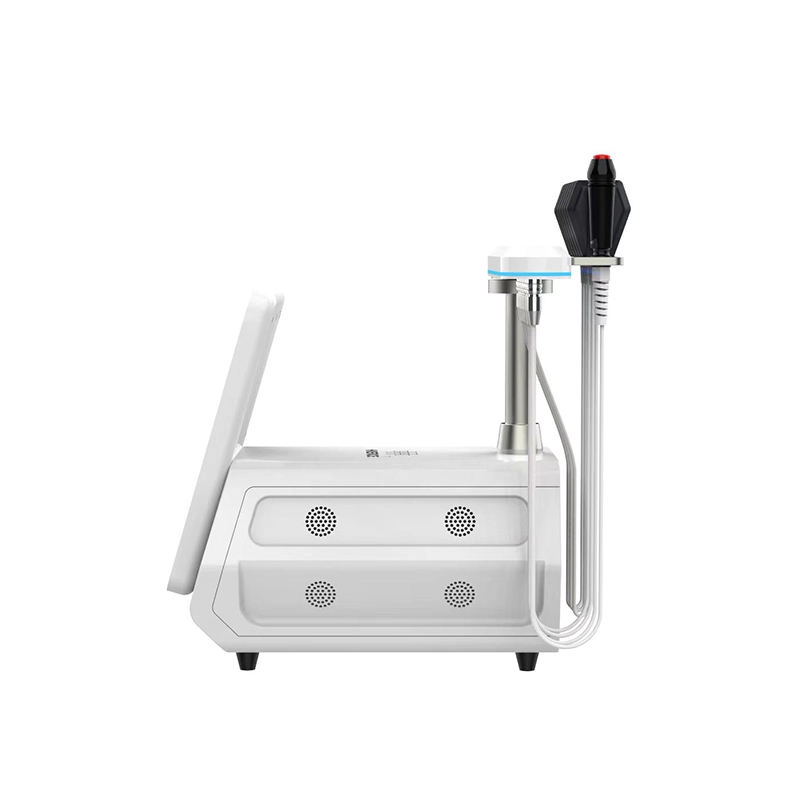

MFFFace 6 EMS+RF Facial Muscle Training Machine – Professional Magnetic Face Lifting & Skin Tightening Device
The MFFFace 6 EMS+RF Facial Muscle Training Machine is a cutting-edge beauty device designed for professional facial lifting, firming, and rejuvenation.
Combining EMS microcurrent technology with radio frequency (RF) thermal energy, it stimulates facial muscles and promotes collagen regeneration, resulting in tighter, smoother, and more youthful-looking skin.
With 6 independent magnetic handles, MFFFace 6 allows multiple treatment areas to be targeted simultaneously — maximizing efficiency for beauty salons and clinics.
This non-invasive and painless treatment helps sculpt facial contours, reduce sagging, and restore elasticity with visible improvements in just a few sessions.
Perfect for aesthetic professionals who want to offer advanced anti-aging treatments and achieve instant lifting results.

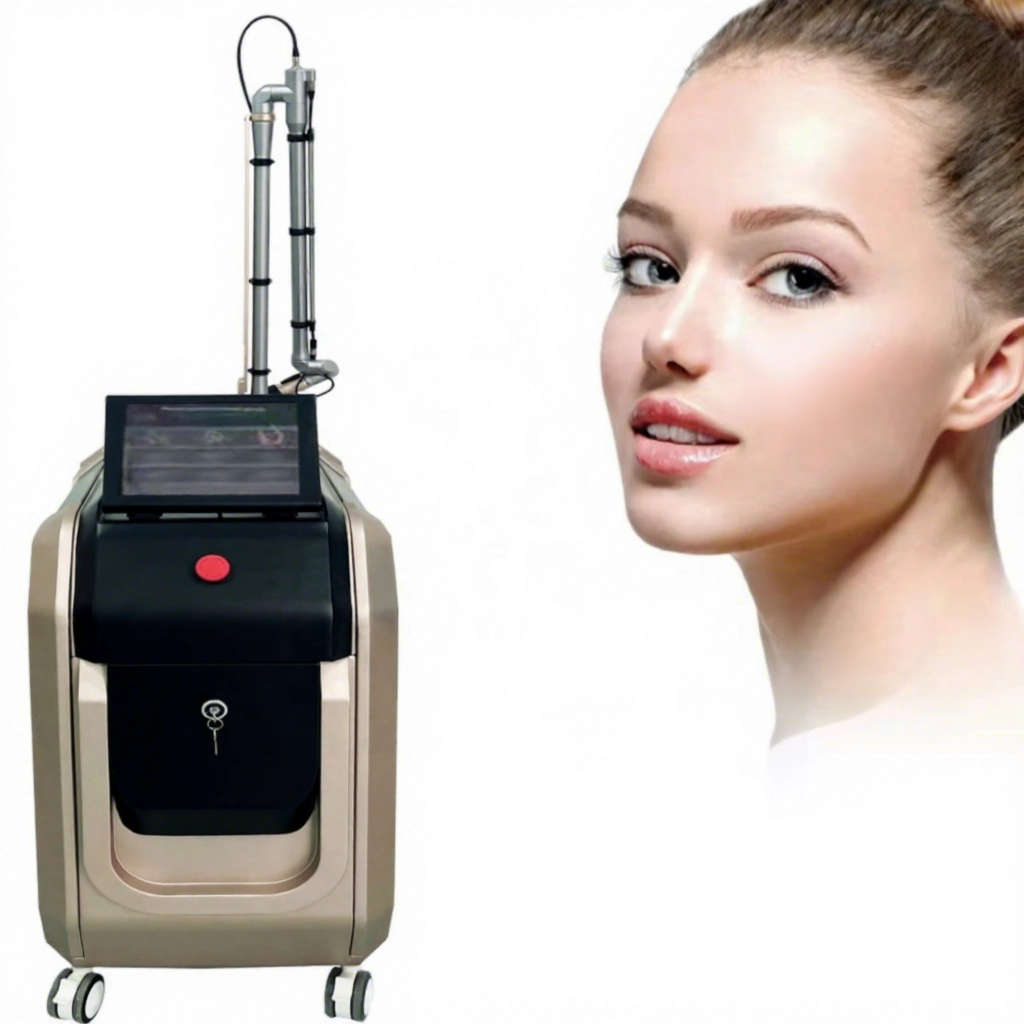
CO2 Fractional Laser Machine – Professional Wrinkle Removal & Skin Resurfacing Device
The CO2 Fractional Laser Machine is a multifunctional aesthetic device designed for professional clinics and beauty salons. Using advanced fractional CO2 laser technology, it effectively targets acne scars, freckles, pigmentation, nevi, and deep wrinkles. Additionally, it provides non-invasive skin rejuvenation, vaginal tightening, and intimate beautification. This professional CO2 laser equipment combines precision, safety, and powerful energy output to deliver outstanding anti-aging and dermatological results.

Gold RF Microneedle Machine | Professional Fractional RF System for Face & Body Scar Repair
The Gold RF Microneedle Machine is a cutting-edge aesthetic device designed for B2B professionals, offering a powerful, dual-action solution for both facial beauty and body scar repair. This system combines the precision of microneedling with the proven effectiveness of radio frequency (RF) energy to treat a wide range of skin concerns.
By delivering high-frequency heat through insulated gold-plated microneedles, it stimulates the skin's natural healing process, leading to collagen regeneration and the production of new elastin. This innovative approach provides a minimally invasive solution for treating fine lines, wrinkles, acne scars, stretch marks, and skin laxity with minimal downtime.

Pelvic Floor Chair | Emslim Pelvic Machine for Strengthening and Sculpting
The **Pelvic Floor Chair** is an innovative device designed for strengthening and toning pelvic muscles using advanced **EMS technology**. This ergonomic chair provides a comfortable and effective solution for individuals seeking to enhance pelvic floor health, improve muscle tone, and support postpartum recovery. Equipped with a user-friendly touchscreen interface, it allows easy control of intensity and frequency for tailored treatments. Suitable for both home and professional use, this **Emslim chair** ensures reliable and non-invasive results.
Get more information
If you have any comments or good suggestions, please leave us a message; later our professional staff will contact you as soon as possible.
Let's Talk
Stay in touch with us for cutting-edge beauty solutions, professional guidance, and customized service.
Contact


Room 307, Building A, Huilong International E-commerce Industrial Park, No. 10 Xipengling Road, Helong Street, Baiyun District, Guangzhou, China
© 2026 HUIMAIN. All Rights Reserved. Designed by Gooeyun. Privacy Policy | Terms and Conditions | Sitemap
Facebook
Instagram
Medical beauty equipment factory
huimain Medical beauty equipment factory
beauty machine supplier
Whatsapp: +8619124004543