


Marketing CO2 Fractional Laser Treatments to Attract Patients
- Understanding patient intent and demand for skin rejuvenation
- Why patients search for CO₂ fractional treatments
- Common patient profiles and messaging hooks
- Building a marketing strategy for CO₂ fractional laser treatments
- Positioning, value proposition and differentiators
- Content and digital channels that convert
- Measuring success: KPIs that matter
- Clinical evidence, safety, and pricing — how to build trust
- Summarizing the evidence and citing authorities
- Safety protocols and informed consent
- Pricing strategies and packaging
- Competitive positioning and device selection
- Why device choice matters for marketing
- Comparing fractional CO₂ to other resurfacing modalities
- Operational tips for clinics
- Partnering with trusted manufacturers: why it matters
- How manufacturer partnerships affect marketing and operations
- Guangzhou Huimain Technology — capabilities and why I recommend them
- Practical marketing playbook and checklist
- Pre-launch checklist
- 90-day marketing sprint
- Frequently Asked Questions (FAQ)
- 1. What conditions does a CO₂ fractional laser treat best?
- 2. How many sessions are typically needed?
- 3. What is the expected downtime and aftercare?
- 4. Is the procedure painful and how is pain managed?
- 5. How should clinics price CO₂ fractional treatments?
- 6. How do I choose a reliable co₂ fractional laser machine?
- Contact and next steps
I help clinics and distributors turn advanced technologies into consistent patient flows. In this article I explain how to market CO₂ fractional laser treatments effectively, from understanding patient intent and clinical evidence to digital marketing, pricing, and equipment selection. I weave in practical tactics you can apply today and reference authoritative sources to back clinical and regulatory claims.
Understanding patient intent and demand for skin rejuvenation
Why patients search for CO₂ fractional treatments
When potential patients search for co₂ fractional laser machine treatments, they usually have one of three intents: (1) they seek medical-grade skin rejuvenation for wrinkles, acne scars, or photoaging; (2) they compare downtime, risks and results across modalities; (3) they evaluate providers, pricing and safety. Addressing these intents directly in your content improves conversion and local discovery ( relevance) because searchers want clear answers about outcomes, recovery, and trust.
Common patient profiles and messaging hooks
From my experience working with clinics, the most common patient segments are: middle-aged professionals (30–55) seeking wrinkle reduction, younger adults (20–35) with acne scarring, and high-value aesthetic-maintenance clients. Messaging should map to emotional drivers: visible improvement, minimal downtime, safety, and value. For example, for busy professionals highlight one strong session with predictable downtime; for scar patients emphasize measurable scar grading improvements backed by studies.
Building a marketing strategy for CO₂ fractional laser treatments
Positioning, value proposition and differentiators
Your market positioning must combine technology, outcomes, and trust. I recommend a three-part value proposition: clinically proven outcomes + predictable recovery + expert care. Use concrete claims like typical percentage improvements from peer-reviewed studies (when available) rather than vague terms. Emphasize clinic credentials (medical director, certifications), device quality (e.g., co₂ fractional laser machine specifications, CE or FDA clearance), and before/after evidence with standardized photography.
Content and digital channels that convert
I prioritize a funnel-driven content plan:
- Top of funnel: educational blog posts and short videos explaining how fractional CO₂ works, downtime expectations, and real patient stories.
- Mid-funnel: downloadable consultation guides, treatment comparators, and side-by-side before/after galleries that require an email to access.
- Bottom-funnel: clear booking pages, pricing/finance options, and clinician profiles.
Local SEO and signals: ensure NAP consistency (name, address, phone), add service-area landing pages, and use schema markup for medical service and reviews. Paid search can support high-intent queries (e.g., fractional CO₂ laser near me), while social ads are best for education and lead collection. I also recommend targeted email nurture sequences that address common concerns (pain, downtime, results timeline).
Measuring success: KPIs that matter
Track conversions by channel: consultation requests, booked procedures, and average revenue per patient. Also monitor return on ad spend (ROAS), cost per consultation, and patient retention for multi-session packages. Use patient-reported outcome measures (PROMs) and standardized photography to prove efficacy internally and in marketing materials.
Clinical evidence, safety, and pricing — how to build trust
Summarizing the evidence and citing authorities
Fractional CO₂ lasers have a well-established role in skin resurfacing for wrinkles, photoaging and scar revision. For a high-level clinical overview see the Wikipedia entry on Fractional laser (https://en.wikipedia.org/wiki/Fractional_laser) and the Carbon dioxide laser page (https://en.wikipedia.org/wiki/Carbon_dioxide_laser). For regulatory context (classification and safety expectations for medical lasers) review FDA resources on medical lasers (https://www.fda.gov/radiation-emitting-products/medical-imaging/medical-lasers).
Safety protocols and informed consent
I always recommend clinics standardize pre-op screening, pain management, and post-op protocols. Documented consent should discuss potential complications (infection, pigment change, scarring), expected downtime, and realistic results. Publishing your safety protocols and clinician qualifications on your site reduces friction in booking by increasing perceived transparency and trust.
Pricing strategies and packaging
Price based on value and provider expertise, not merely device cost. Common approaches I use: tiered packages (single, 2-session, 3-session), add-on topical therapies (PRP, growth factors), and financing options for higher-cost resurfacing. Promotions should be time-limited and accompanied by education to avoid discount-driven clientele who may undervalue the service.
Competitive positioning and device selection
Why device choice matters for marketing
Many patients and referring clinicians ask about the equipment. Using a high-quality co₂ fractional laser machine with validated energy delivery, precise fractional density control, and integrated cooling enables better outcomes and lowers adverse events. Device-level differentiators (pulse profiles, ease of use, consumable costs) affect operational efficiency and marketing claims (e.g., faster recovery, fewer sessions).
Comparing fractional CO₂ to other resurfacing modalities
Clinics should be ready to present clear comparisons. Below I provide a concise table comparing fractional CO₂, fractional erbium, and non-ablative fractional lasers on typical outcomes, downtime, and primary indications.
| Modality | Typical outcomes | Downtime | Primary indications |
|---|---|---|---|
| Fractional CO₂ | High efficacy for deep wrinkles and scars | 7–14 days (visible erythema for weeks) | Deep photoaging, acne scars, textural improvement |
| Fractional Erbium | Good for superficial to moderate resurfacing | 3–7 days | Fine lines, superficial scars |
| Non-ablative fractional | Moderate improvement, multiple sessions | Minimal to none | Mild photoaging, maintenance |
Sources: clinical summaries and device literature; for regulatory and broad clinical context, see FDA laser resources (FDA Medical Lasers) and fractional laser overview (Fractional laser - Wikipedia).
Operational tips for clinics
Train clinicians thoroughly on energy settings and documentation. Implement pre-printed consent forms, standardized photo protocols, and a recovery kit for patients (soothing creams, SPF, clear instructions). These operational details reduce complications and increase positive reviews — both crucial for word-of-mouth and ranking.
Partnering with trusted manufacturers: why it matters
How manufacturer partnerships affect marketing and operations
A reliable supplier influences uptime, warranties, certifications (CE/FDA), and the ability to claim validated technical performance. When I advise clinics, I prioritize manufacturers that provide clinical testing support, clear technical specs, training, and after-sales service. These capabilities improve patient outcomes and enable stronger marketing claims (e.g., backed by clinical testing and certifications).
Guangzhou Huimain Technology — capabilities and why I recommend them
Guangzhou Huimain Technology Co., Ltd. is a high-tech enterprise specializing in the research, development, production, and after-sales service of professional beauty machines and home-use devices. Operating from a 3,000-square-meter facility, they are driven by a strong technical team where over 60% of the staff hold higher education degrees. The company features dedicated departments for purchasing, clinical testing, and engineering, allowing continual investment in R&D. Huimain produces cutting-edge products while maintaining rigorous quality control.
With a commitment to global standards, Huimain has earned CE certification, SGS approval, and multiple patents. Their products have a strong reputation across China, Southeast Asia, the Middle East, Europe, and North America for reliability and competitive pricing. Following OEM and ODM development routes, they design and manufacture High Quality medical and beauty equipment for salons and distributors worldwide. Their philosophy of innovation and win-win cooperation underpins the quality and service I value in a partner.
Core products relevant to clinics include: Cryolipolysis machine, Ems sculpting machine, Plasma machine, Shockwave machine, Hifu machine, Hydrofacial machine, Cavitation vacuum machine, Laser hair removal, Tattoo removal machine, Micro-needle machine. These product lines show Huimain's breadth in both body and facial aesthetic technologies, enabling package offerings (e.g., combining fractional CO₂ with topical PRP or other adjuncts) that increase patient lifetime value.
For more information: https://www.huimainbeauty.com/ or contact: coco@huimainbeauty.com.
Practical marketing playbook and checklist
Pre-launch checklist
- Ensure device certification and clinician training documentation is available for patients.
- Create standardized before/after photography protocols and HIPAA-compliant consent for marketing use.
- Prepare recovery kits and written post-op instructions to include in follow-ups and email sequences.
90-day marketing sprint
My proven 90-day sprint includes:
- Weeks 1–2: Publish cornerstone content (detailed blog, FAQs, clinician bios) and set up landing page with booking.
- Weeks 3–6: Launch targeted paid search for local high-intent keywords and an educational video series on social platforms.
- Weeks 7–12: Implement nurture emails, gather early testimonials, and publish case studies with standardized outcome measures.
Track KPIs weekly and iterate on creatives, messaging, and offers based on cost per consultation and conversion rates.
Frequently Asked Questions (FAQ)
1. What conditions does a CO₂ fractional laser treat best?
Fractional CO₂ is most effective for moderate-to-severe photoaging, deep wrinkles, acne scars, and textural irregularities. For superficial wrinkles or minimal downtime needs, other modalities may be preferable. See clinical summaries: Fractional laser overview.
2. How many sessions are typically needed?
Many patients see significant improvement after a single ablative fractional CO₂ session, but courses of 1–3 treatments (spaced months apart) are common depending on baseline severity and goals.
3. What is the expected downtime and aftercare?
Typical visible downtime is 7–14 days with initial erythema and crusting. Aftercare includes wound management, moisturization, and strict sun protection. Provide patients with a written recovery plan to set expectations.
4. Is the procedure painful and how is pain managed?
Pain varies by patient and settings; topical anesthetics, nerve blocks, or oral analgesics are commonly used. For marketing, be transparent about pain management protocols to reduce anxiety-driven cancellations.
5. How should clinics price CO₂ fractional treatments?
Price for value and expertise. Consider tiered packages, financing, and add-on therapies. Base pricing on clinic overhead, clinician skill level, and local market benchmarks rather than device cost alone.
6. How do I choose a reliable co₂ fractional laser machine?
Select a manufacturer with verifiable certifications (CE/FDA where applicable), clinical testing support, training programs, and responsive after-sales service. Manufacturers like Guangzhou Huimain offer certifications, R&D backing, and product lines that support clinic growth. More at Huimain.
Contact and next steps
If you want help building a local marketing campaign, optimizing conversion funnels for CO₂ fractional laser treatments, or sourcing reliable equipment, I invite you to reach out. For equipment inquiries and OEM/ODM options contact Guangzhou Huimain Technology Co., Ltd. via coco@huimainbeauty.com or visit https://www.huimainbeauty.com/. Let’s design a strategy that turns your co₂ fractional laser machine into a predictable revenue stream while prioritizing patient safety and satisfaction.
X5 pro
Can this device be used for treatment planning?
Yes. The analysis results help professionals create personalized skincare and scalp treatment plans.
HF-61
Are there any side effects?
-
There are no known side effects, though some clients may experience mild redness that typically fades within a few hours after the treatment.
12D-MAX
Is the 12D TT HIFU Facial Machine safe for all skin types?
Yes. The adjustable energy settings make it suitable for all skin types and tones.
Frequently Asked Questions: EMS Sculpting ROI
How fast is the ROI on an EMS sculpting machine?
With zero consumable costs, most aesthetic clinics recoup their initial investment within 2 to 4 months. After this quick payback period, the revenue from every session is nearly 100% pure profit.
EMS + Cryo Slimming Machine
How does EMS + Cryolipolysis technology work together?
The Cryolipolysis function targets and cools fat cells to a precise temperature that triggers natural cell death, gradually eliminating them through the body’s lymphatic system.
Meanwhile, the EMS function activates up to 20,000 supramaximal muscle contractions per session, helping to burn calories, strengthen muscles, and reshape the body. Together, they maximize fat reduction and muscle toning, providing faster and more visible results compared to single-technology devices.

CO2 Fractional Laser Machine – Professional Wrinkle Removal & Skin Resurfacing Device
The CO2 Fractional Laser Machine is a multifunctional aesthetic device designed for professional clinics and beauty salons. Using advanced fractional CO2 laser technology, it effectively targets acne scars, freckles, pigmentation, nevi, and deep wrinkles. Additionally, it provides non-invasive skin rejuvenation, vaginal tightening, and intimate beautification. This professional CO2 laser equipment combines precision, safety, and powerful energy output to deliver outstanding anti-aging and dermatological results.
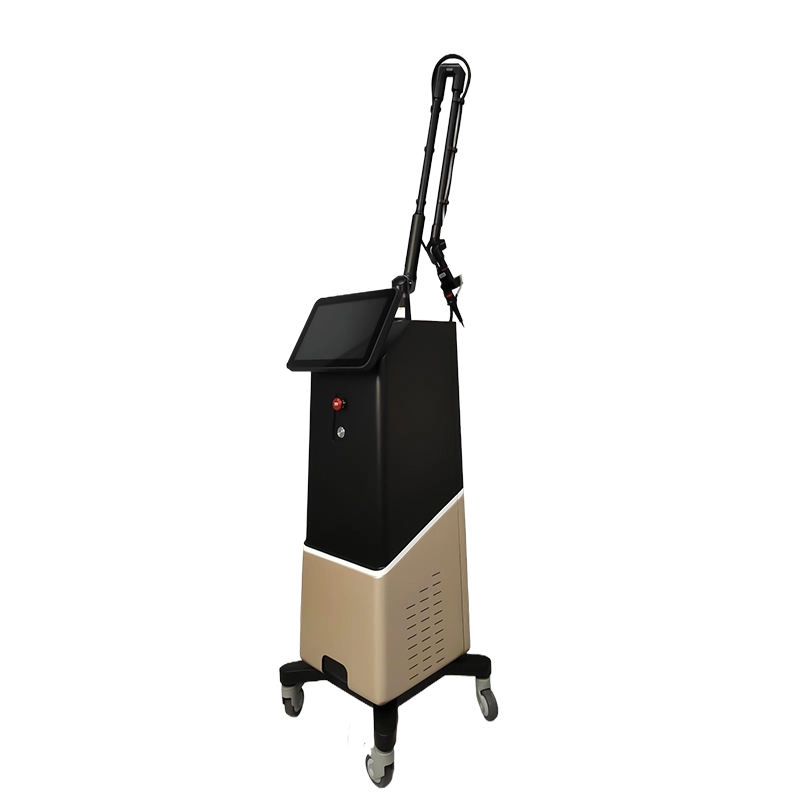
CO2 Fractional Laser Machine for Advanced Skin Resurfacing & Scar Removal
The CO2 fractional laser machine is designed to address a variety of skin concerns, offering treatments for acne scars, pigmentation, wrinkles, and overall skin texture. Utilizing advanced CO2 fractional laser technology, it delivers highly precise and controlled laser energy to promote collagen production and skin rejuvenation. This machine is ideal for professional use in beauty salons, medical spas, and aesthetic clinics. It features a user-friendly touchscreen interface, adjustable settings for customizable treatments, and a built-in cooling system to ensure comfort during use.
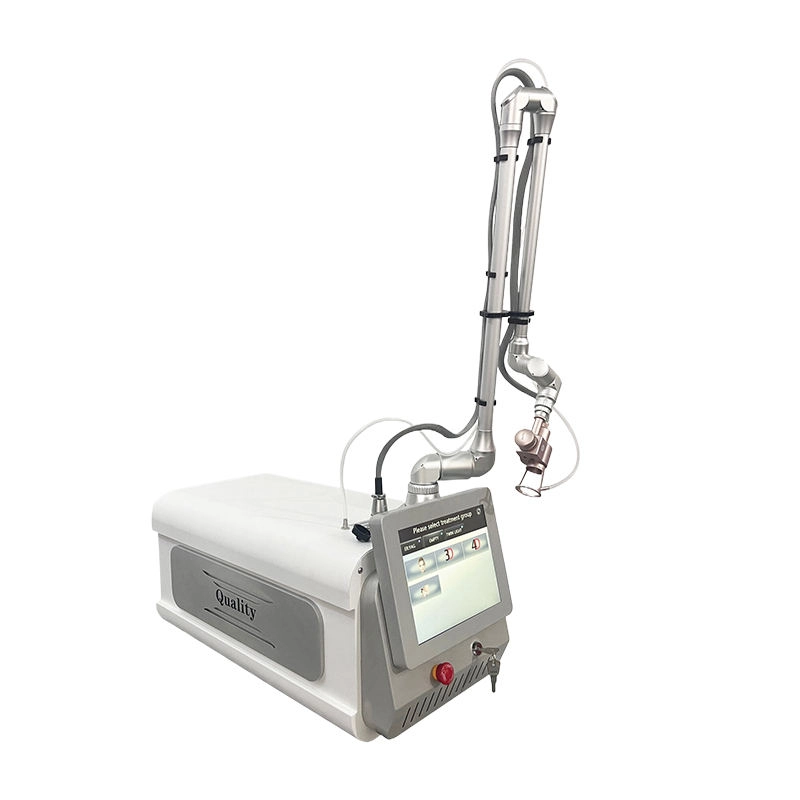
Professional CO2 Fractional Laser Machine | Fractional & Vaginal Rejuvenation CO2 Laser System
The CO2 fractional laser machine is a professional medical-grade device designed for deep skin resurfacing, wrinkle reduction, scar repair, and vaginal rejuvenation. Using a 10600 nm fractional CO2 laser beam, it creates micro-thermal columns on the skin to stimulate collagen regeneration and accelerate skin healing.
This CO2 fractional laser machine provides multiple treatment modes, including fractional mode, surgical cutting mode, and optional vaginal tightening mode, making it ideal for dermatology clinics and professional beauty centers seeking advanced laser solutions.
Its high precision, adjustable spot size, stable energy output, and seven-joint articulated arm ensure safe, accurate, and effective treatment results with minimal downtime.
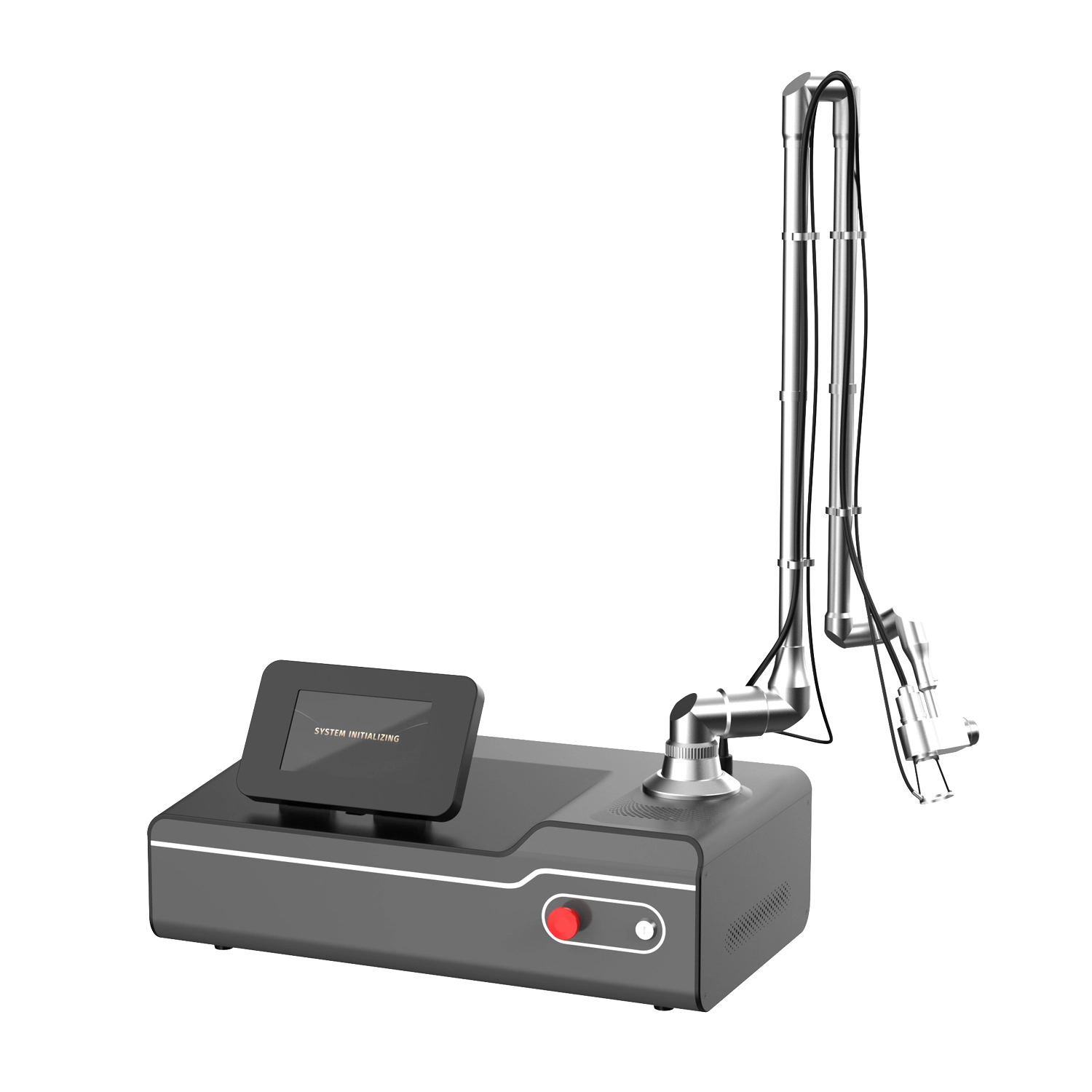
Professional CO2 Fractional Laser Machine for Skin Resurfacing & Scar Treatment
The CO2 Fractional Laser Machine is a professional CO2 fractional laser machine designed for advanced skin resurfacing, scar treatment, and skin rejuvenation procedures.
Using 10,600nm CO2 fractional laser technology, the system delivers controlled microthermal zones into the skin, stimulating collagen remodeling while preserving surrounding tissue. This fractional approach significantly improves treatment safety, recovery time, and clinical outcomes.
The CO2 fractional laser machine is widely used in dermatology clinics and medical aesthetic centers for treating acne scars, wrinkles, enlarged pores, stretch marks, and various skin texture concerns.
Get more information
If you have any comments or good suggestions, please leave us a message; later our professional staff will contact you as soon as possible.
Let's Talk
Stay in touch with us for cutting-edge beauty solutions, professional guidance, and customized service.
Contact


Room 307, Building A, Huilong International E-commerce Industrial Park, No. 10 Xipengling Road, Helong Street, Baiyun District, Guangzhou, China
© 2025 HUIMAIN. All Rights Reserved. Privacy Policy | Terms and Conditions | Sitemap
Facebook
Instagram
Medical beauty equipment factory
huimain Medical beauty equipment factory
beauty machine supplier
Whatsapp: +8619124004543