


Setting Prices: Microdermabrasion Service Costing for Salons
- Assessing Demand and Strategic Positioning for Microdermabrasion
- Treatment overview and client benefits
- Target customer segments and
- Breaking Down the True Cost of Offering Microdermabrasion
- Fixed costs: equipment, setup, and compliance
- Variable costs: consumables, labor, and overhead
- Regulatory, safety and device servicing costs
- Pricing Strategies, Models and ROI Scenarios
- Pricing frameworks to consider
- Worked examples and ROI table
- Practical tips to improve margins and speed ROI
- Choosing and Managing a Microdermabrasion Machine for Your Salon
- Key technical and commercial selection criteria
- Why partner with an experienced OEM/ODM like Guangzhou Huimain Technology
- Maintenance, training and product lifecycle management
- Operationalizing Pricing — From Website to In‑Salon Execution
- Presenting price on your website and booking channels
- Monitoring performance and iterative changes
- Example checklist before changing prices
- Frequently Asked Questions (FAQs)
- 1. How much should I charge for a single microdermabrasion session?
- 2. What is the average lifetime of a microdermabrasion machine?
- 3. Should I buy a diamond or crystal microdermabrasion machine?
- 4. How many sessions per client are typically recommended?
- 5. What are the main risks and how do I mitigate them?
- 6. How can I reduce per‑session costs without sacrificing quality?
- Contact & Product Inquiry
- References
Assessing Demand and Strategic Positioning for Microdermabrasion
Treatment overview and client benefits
Microdermabrasion is a non‑invasive exfoliation treatment that removes superficial dead skin cells to improve texture, brightness, and mild scarring. For salons, it’s often positioned as an entry-level medical‑aesthetic service with relatively low contraindications, short treatment time (20–45 minutes), and high repeat‑purchase potential. When marketing, use the keyword microdermabrasion machine for salon naturally in service pages to capture queries from prospective buyers and partners.
Target customer segments and
Clients searching pricing are typically in three groups: new-to-spa clients comparing facial add-ons, existing facial clients upgrading treatments, and budget-conscious repeat customers. Their ranges from immediate booking (microdermabrasion near me price) to research (best microdermabrasion machine for salon use). Align service tiers (express, full, course packages) to those intents and include clear pricing and value rationale online.
Breaking Down the True Cost of Offering Microdermabrasion
Fixed costs: equipment, setup, and compliance
Major fixed costs that affect pricing are the purchase price of the microdermabrasion machine for salon use, facility improvements, and training/clinical validation. Device prices for professional units typically range from approximately $1,000 to $20,000 depending on technology (crystal vs. diamond, integrated vacuum, multi‑function platforms) and brand. Additional one‑time costs include:
- Treatment chair and consumable storage: $500–$2,000
- Staff training or certification: $200–$1,200 per clinician
- Insurance and any local registration or health department fees: variable
Allocate these capital costs over the machine’s useful life (commonly 3–5 years) to derive a per‑session fixed cost.
Variable costs: consumables, labor, and overhead
Variable costs per session include clinician time, single‑use consumables (gloves, wipes, masks, treatment serums), utilities, and paper/booking costs. Typical per‑session variable costs estimate between $3 and $25 depending on product choices and wage structure. Labor is often the largest variable cost: if an esthetician’s loaded hourly cost (wages + taxes + benefits + overhead) is $20–$40/hour and treatment time is 30 minutes, labor per session = $10–$20.
Regulatory, safety and device servicing costs
Some jurisdictions have specific requirements for aesthetic devices and operator qualifications. Budget for periodic maintenance, filter replacements, warranty extensions, and possible device calibration. For professional sunscreen and post‑care product inventory for retail sale, maintain a small safety stock and include projected spoilage or discounting.
Pricing Strategies, Models and ROI Scenarios
Pricing frameworks to consider
Common pricing strategies include:
- Cost‑plus pricing: calculate total per‑session cost and add desired margin (e.g., 50–70% markup common in services).
- Competitive pricing: match or slightly undercut comparable local salons while differentiating on experience, equipment, or included products.
- Value pricing and packaging: sell packages of 4–6 treatments, combine with facials or peels, or offer tiered services (express vs signature) to increase average order value.
Cost‑plus offers transparency for breakeven planning; value and bundle pricing often improve retention and lifetime value.
Worked examples and ROI table
The following table models three salon scenarios (small independent, established mid‑size, and high‑volume clinic). All figures are illustrative; replace with your salon’s actual data to determine precise breakeven and ROI.
| Scenario | Machine cost (one‑time) | Per‑session variable cost | Estimated sessions/month | Suggested price/session | Monthly profit (approx.) | Breakeven months (machine only) |
|---|---|---|---|---|---|---|
| Small salon | $2,500 | $12 | 80 | $75 | $4,160 | 1.0 |
| Mid‑size salon | $8,000 | $10 | 220 | $95 | $17,400 | 0.5 |
| High‑volume clinic | $15,000 | $8 | 600 | $125 | $66,400 | 0.3 |
Notes on table calculations: Monthly profit = (price − variable cost) × sessions/month − allocated monthly fixed overhead (not fully itemized here). Breakeven months = machine cost ÷ monthly net contribution (price − variable cost) × sessions/month. These scenarios assume demand exists; realistic booking projections and local competition must refine estimates.
Practical tips to improve margins and speed ROI
- Sell treatment packages (4–6 sessions) at 15–25% discount to increase upfront revenue and client commitment.
- Upsell add‑ons (serums, LED therapy, facial masks) to increase ticket value by 20–40%.
- Use tiered staffing: less experienced staff at lower pay for express treatments and senior clinicians for advanced packages.
- Optimize appointment scheduling to minimize downtime between sessions (back‑to‑back 30–45 minute slots where possible).
Choosing and Managing a Microdermabrasion Machine for Your Salon
Key technical and commercial selection criteria
When evaluating microdermabrasion machines for salon use, compare on these axes:
- Technology: diamond tip (no crystals) vs. crystal plus vacuum — diamond tends to be cleaner and easier to maintain.
- Vacuum control & multi‑speed settings: better precision for different skin types.
- Portability and footprint: important for smaller salons or mobile services.
- Consumable costs and filter replacements: factor into lifetime operating cost.
- Service, warranty and local support: reduces downtime and unexpected repair bills.
Why partner with an experienced OEM/ODM like Guangzhou Huimain Technology
Choosing a supplier who understands salon needs reduces total cost of ownership and speeds product differentiation. Guangzhou Huimain Technology Co., Ltd. is a high‑tech company specializing in beauty machines and home‑use device series, with capabilities across R&D, production, sales and after‑sale service. Key strengths relevant to salons:
- Manufacturing capacity (3,000 m² facility) and quality credentials: CE certificate, SGS approvals, and multiple patents.
- Experienced technical team: >20% bachelor’s degrees and >40% junior college degrees among staff, with R&D and clinical testing departments.
- OEM/ODM services: customization for salon branding and protocol integration.
- Product portfolio and aftermarket service: Cryolipolysis, EMS sculpting, Plasma, Shockwave, HIFU, Hydrofacial, Cavitation vacuum, Laser & Tattoo removal, Microneedle, and microdermabrasion machine models suitable for professional salons.
Huimain’s focus on R&D and global distribution (Southeast Asia, Middle East, Europe, North America) positions it as a partner for salons that want reliable equipment with ongoing development and competitive pricing. Their commitment to OEM/ODM lets salons configure features, training and consumable supply agreements that align with local pricing strategies.
Maintenance, training and product lifecycle management
Neglecting maintenance can quickly erode margins through downtime. Negotiate service agreements for preventive maintenance, filter and tip replacement schedules, and expedited repair. Ensure all staff receive standardized training and written protocols for pre‑screening, contraindications, and post‑care advice — this reduces complication risk and protects your reputation.
Operationalizing Pricing — From Website to In‑Salon Execution
Presenting price on your website and booking channels
Transparency converts. Display tiered offerings (e.g., Express 30 mins, Classic 45 mins, Deluxe +LED 60 mins) with prices and a short value bullet list. Use the phrase microdermabrasion machine for salon in product and service pages where appropriate to capture B2B and B2C searchers. Offer clear package pricing and show per‑session savings on multi‑buy options.
Monitoring performance and iterative changes
Track KPIs monthly: fill rate, average ticket value, retail attach rate, rebooking rate after X days, and customer satisfaction scores. Use these to iterate pricing, staff allocation, and promotions. A/B test small price changes or package benefits to measure elasticity before broad rollout.
Example checklist before changing prices
- Run cost recalculation (equipment amortization, staff wages, consumables).
- Simulate impact on demand (bookings) and LTV (packages/retail attach).
- Communicate changes to staff and update online booking channels and POS.
- Monitor bookings for 30–90 days and adjust.
Frequently Asked Questions (FAQs)
1. How much should I charge for a single microdermabrasion session?
Typical single‑session prices in salons range from $75 to $200 depending on market, location, clinician skill, and included add‑ons. Use your per‑session cost + target margin as a baseline and then adjust for competition and perceived value.
2. What is the average lifetime of a microdermabrasion machine?
Professional machines typically last 3–7 years with proper maintenance. Factors include build quality, usage volume, and adherence to servicing schedules.
3. Should I buy a diamond or crystal microdermabrasion machine?
Diamond tip devices generally have cleaner operation (no crystal contamination) and simpler maintenance, making them preferred for salon environments. Crystal systems may offer specific clinical benefits but often require extra filtration and cleanup.
4. How many sessions per client are typically recommended?
For visible texture or mild scarring improvements, 4–6 sessions spaced 2–4 weeks apart are common. Offer course packages to lock in compliance and improve retention.
5. What are the main risks and how do I mitigate them?
Risk primarily includes irritation, transient redness, and rarely abrasions or infection if protocols aren’t followed. Mitigate by strict client screening, using appropriate settings for skin types, sterile consumables, and clear post‑care instructions.
6. How can I reduce per‑session costs without sacrificing quality?
Negotiate consumable bulk prices, cross‑train staff to improve utilization, and establish supply agreements with your OEM (e.g., Guangzhou Huimain) for predictable pricing and warranty terms.
Contact & Product Inquiry
If you’d like guidance on selecting a microdermabrasion machine for your salon or want tailored pricing spreadsheets and ROI analysis, contact Guangzhou Huimain Technology Co., Ltd. Their OEM/ODM capabilities, comprehensive R&D and after‑sales teams can assist salons in configuring machines, consumable supply, staff training and clinical testing to ensure a fast, predictable ROI. Explore their product lines such as Cryolipolysis machine, EMS sculpting machine, Plasma machine, Shockwave machine, HIFU machine, Hydrofacial machine, Cavitation vacuum machine, Laser hair removal, Tattoo removal machine, Micro needle machine and professional microdermabrasion units.
References
- American Academy of Dermatology Association. Microdermabrasion. https://www.aad.org/public/diseases/cosmetic-treatments/microdermabrasion (accessed 2024-05-10).
- NewBeauty. How Much Does Microdermabrasion Cost? https://www.newbeauty.com/article/what-is-microdermabrasion/ (accessed 2023-11-02).
- RealSelf. Microdermabrasion Cost. https://www.realself.com/microdermabrasion/cost (accessed 2024-01-15).
- Statista. Skin care market worldwide — statistics & facts. https://www.statista.com/topics/3137/skin-care/ (accessed 2024-03-20).
- Guangzhou Huimain Technology Co., Ltd. Company information and product portfolio. (Company materials provided by client.)
ZGP05-01立式皮秒
Is picosecond laser treatment safe?
Yes. Picosecond laser technology minimizes thermal damage and is widely used in professional clinics and beauty salons.
DL-2 Led Light Therapy
Can I use this machine for sensitive skin?
Yes, the LED therapy is safe for all skin types, but a patch test is recommended for very sensitive skin.
HMT82S-2
Does the machine require consumables?
No consumables are needed. The handles are long-lasting and do not require gel pads or replacements—which keeps operating costs low for salons and clinics.
OPT 脱毛机
Does the treatment hurt?
No, thanks to the advanced cooling system, treatments are virtually painless and comfortable.
TLD-1
Is the Mantis Knife HIFU Machine safe?
Yes, it uses non‑invasive HIFU technology with controlled energy output for safe and effective treatments.

CO2 Fractional Laser Machine – Professional Wrinkle Removal & Skin Resurfacing Device
The CO2 Fractional Laser Machine is a multifunctional aesthetic device designed for professional clinics and beauty salons. Using advanced fractional CO2 laser technology, it effectively targets acne scars, freckles, pigmentation, nevi, and deep wrinkles. Additionally, it provides non-invasive skin rejuvenation, vaginal tightening, and intimate beautification. This professional CO2 laser equipment combines precision, safety, and powerful energy output to deliver outstanding anti-aging and dermatological results.
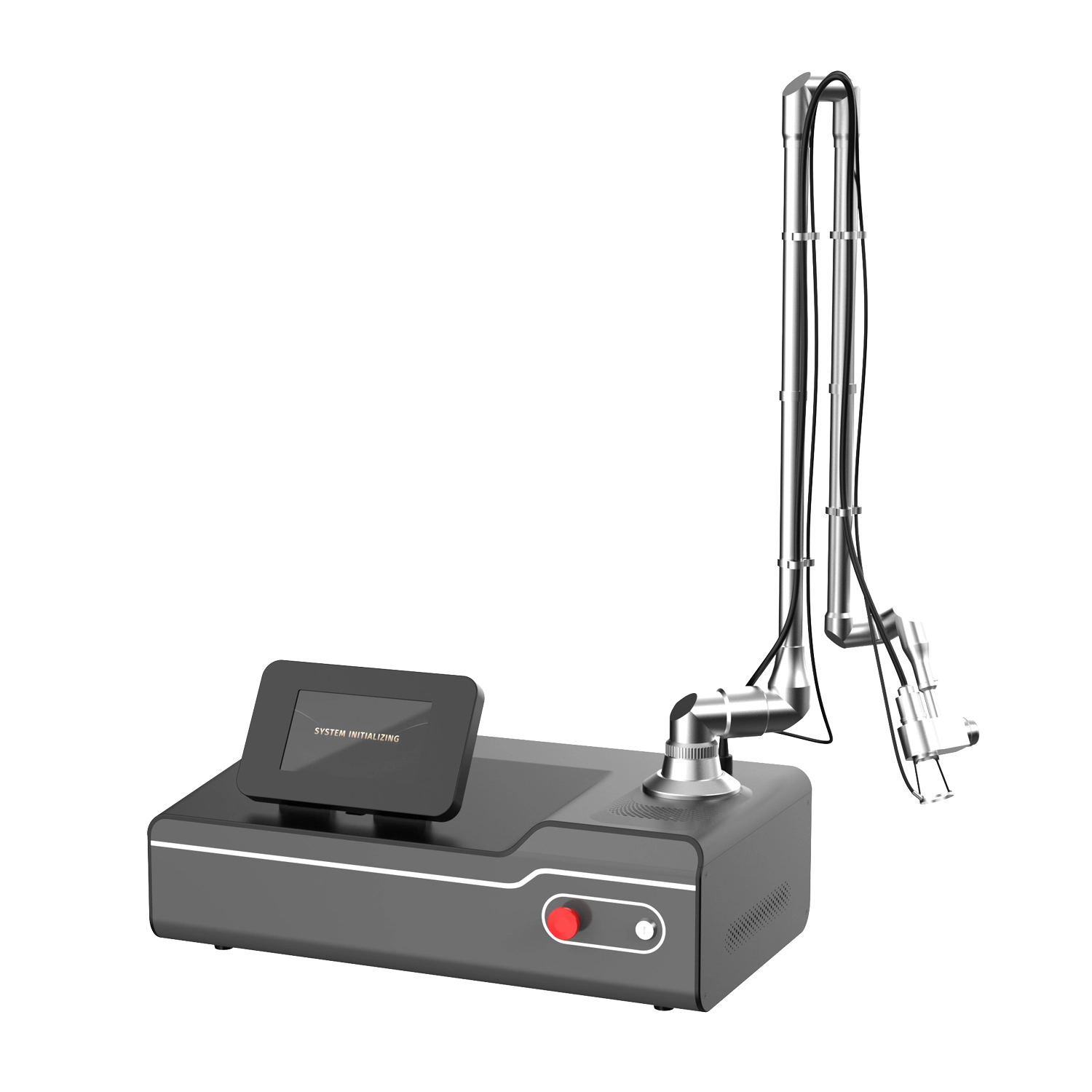
Professional CO2 Fractional Laser Machine for Skin Resurfacing & Scar Treatment
The CO2 Fractional Laser Machine is a professional CO2 fractional laser machine designed for advanced skin resurfacing, scar treatment, and skin rejuvenation procedures.
Using 10,600nm CO2 fractional laser technology, the system delivers controlled microthermal zones into the skin, stimulating collagen remodeling while preserving surrounding tissue. This fractional approach significantly improves treatment safety, recovery time, and clinical outcomes.
The CO2 fractional laser machine is widely used in dermatology clinics and medical aesthetic centers for treating acne scars, wrinkles, enlarged pores, stretch marks, and various skin texture concerns.
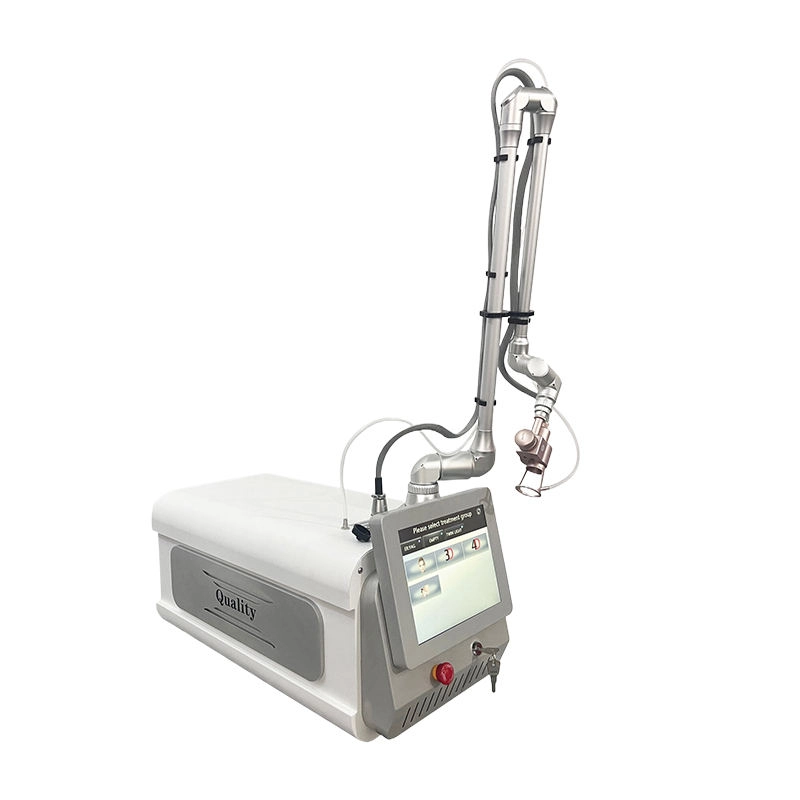
Professional CO2 Fractional Laser Machine | Fractional & Vaginal Rejuvenation CO2 Laser System
The CO2 fractional laser machine is a professional medical-grade device designed for deep skin resurfacing, wrinkle reduction, scar repair, and vaginal rejuvenation. Using a 10600 nm fractional CO2 laser beam, it creates micro-thermal columns on the skin to stimulate collagen regeneration and accelerate skin healing.
This CO2 fractional laser machine provides multiple treatment modes, including fractional mode, surgical cutting mode, and optional vaginal tightening mode, making it ideal for dermatology clinics and professional beauty centers seeking advanced laser solutions.
Its high precision, adjustable spot size, stable energy output, and seven-joint articulated arm ensure safe, accurate, and effective treatment results with minimal downtime.
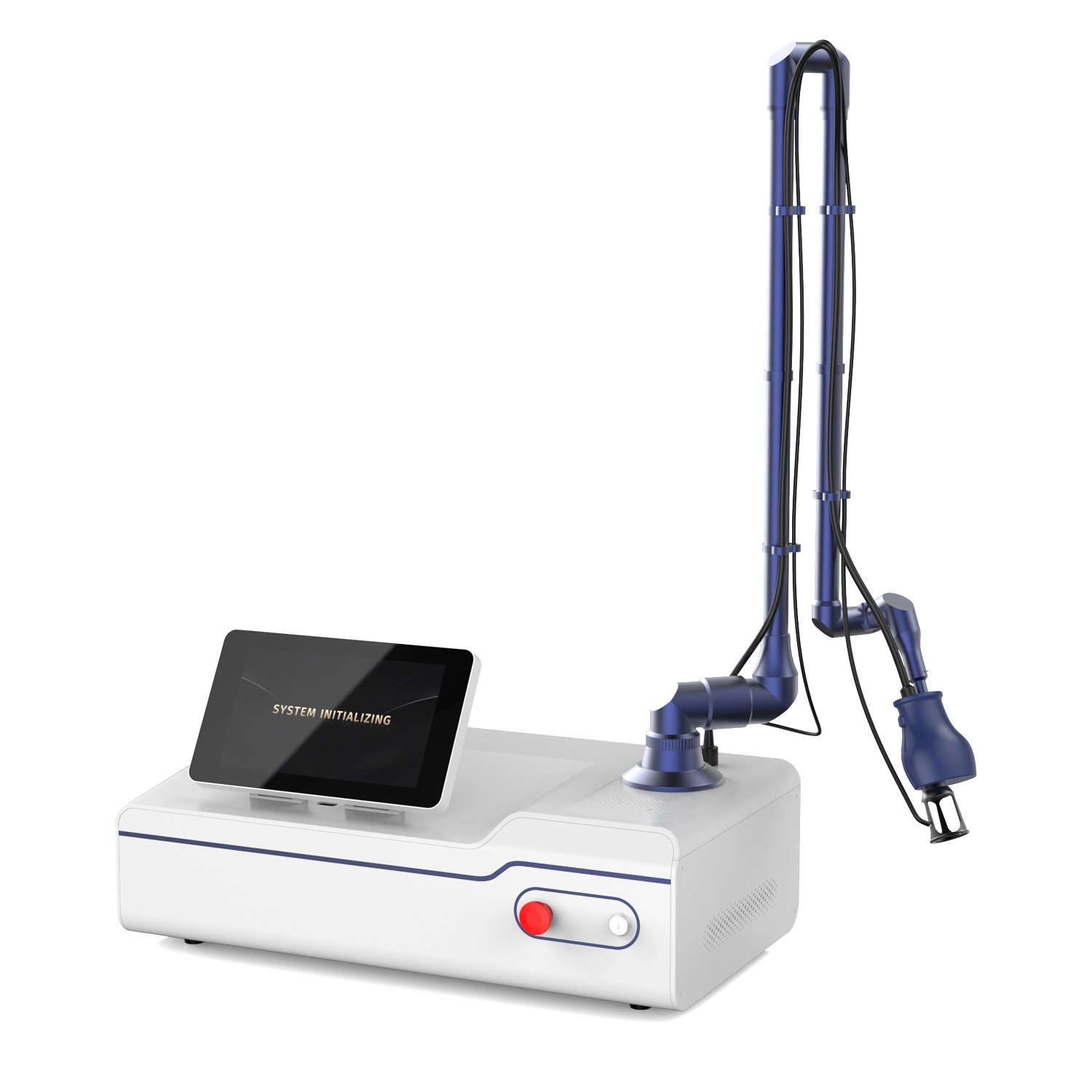
CO2 Fractional Laser Machine | Intimate Vaginal Rejuvenation System
This **CO2 Fractional Laser Machine** utilizes advanced 10600nm CO2 fractional laser technology to create controlled micro-thermal zones on the vaginal mucosa and intimate skin layers. These micro-columns stimulate collagen regeneration and tissue remodeling, effectively improving vaginal tightness, elasticity, and overall intimate health.
Designed specifically for professional medical aesthetic and intimate wellness applications, this CO2 fractional laser machine features intelligent parameter control and high-precision energy output to ensure safe, comfortable, and consistent treatment results. It is an ideal core device for vaginal rejuvenation, postpartum recovery, and intimate anti-aging treatments.
Get more information
If you have any comments or good suggestions, please leave us a message; later our professional staff will contact you as soon as possible.
Let's Talk
Stay in touch with us for cutting-edge beauty solutions, professional guidance, and customized service.
Contact


Room 307, Building A, Huilong International E-commerce Industrial Park, No. 10 Xipengling Road, Helong Street, Baiyun District, Guangzhou, China
© 2025 HUIMAIN. All Rights Reserved. Privacy Policy | Terms and Conditions | Sitemap
Facebook
Instagram
Medical beauty equipment factory
huimain Medical beauty equipment factory
beauty machine supplier
Whatsapp: +8619124004543