


Minimizing Downtime: Recovery Tips After CO2 Laser Therapy
- Understanding Downtime and How Devices Influence Recovery
- What 'downtime' means after CO2 resurfacing
- How the co₂ fractional laser machine changes the equation
- Evidence and guidelines that inform expected timelines
- Step-by-Step Practical Recovery Protocols
- Immediate (first 24–72 hours): wound protection and inflammation control
- Early phase (days 3–7): re-epithelialization and minimizing visible signs
- Subacute phase (1–4 weeks): scar modulation and pigment control
- Managing Complications and When to Escalate Care
- Common complications and immediate responses
- Strategies to reduce incidence of PIH and scarring
- When to consult a specialist
- Device Selection, Protocol Optimization, and Business Considerations
- Why device quality matters: beam control, cooling, and software
- Clinical protocols vs. marketing claims: setting realistic expectations
- Operational table: expected downtime and healing benchmarks
- Manufacturer Insight: Why Partnering with a Quality OEM Matters
- About Guangzhou Huimain Technology Co., Ltd. and product fit
- Certifications, global reach, and OEM/ODM capability
- Product portfolio and competitive advantages
- Practical Tips I Give Patients and Clinics Every Day
- Pre-treatment preparation checklist
- Follow-up schedule I recommend
- Long-term care to cement results
- FAQ
- 1. How long will I look 'normal' after fractional CO2 treatment?
- 2. When can I wear makeup after CO2 fractional laser?
- 3. Can downtime be shortened without sacrificing results?
- 4. What increases my risk of complications like PIH?
- 5. Is infection common after CO2 laser resurfacing?
- 6. How should clinics choose a co₂ fractional laser machine?
As a consultant with deep SEO and experience and hands-on expertise in the beauty device industry, I understand patients and clinic owners want clear, actionable guidance to shorten recovery while maintaining safe, effective results after CO2 laser therapy. In this article I summarize practical, evidence-based recovery tips that reduce downtime following ablative and fractional CO2 laser resurfacing, explain how device selection — for example, a co₂ fractional laser machine — affects healing, and offer protocols that clinicians and patients can trust. I reference authoritative sources such as the FDA and peer-reviewed literature to make recommendations verifiable and clinician-friendly.
Understanding Downtime and How Devices Influence Recovery
What 'downtime' means after CO2 resurfacing
Downtime refers to the period during which visible side effects (erythema, edema, crusting, oozing) limit normal social or professional activities. Ablative CO2 lasers remove parts of the epidermis and damage dermis intentionally to stimulate remodeling; fractional modes treat microscopic columns of tissue leaving intervening skin intact, shortening visible recovery. The variability in downtime is determined by treatment depth, coverage density, patient skin type, and post-care.
How the co₂ fractional laser machine changes the equation
Fractional CO2 technology delivers arrays of microthermal zones (MTZ), sparing untreated skin that acts as a reservoir for rapid re-epithelialization. In my clinical experience and supported by reviews such as those indexed on PubMed, fractional CO2 reduces full re-epithelialization time compared with fully ablative approaches while preserving efficacy for scar revision and photoaging. Device parameters (pulse energy, dwell time, density) and platform quality (beam profile stability, cooling, and software control) directly influence downtime and complication rates.
Evidence and guidelines that inform expected timelines
Regulatory and clinical guidance, including US Food and Drug Administration materials on lasers, highlight that patient counseling is essential and that outcomes depend on device, operator, and post-care (FDA - Laser Products). Systematic reviews and clinical studies show median visible recovery times: fractional CO2 often 3–7 days for major crusting/peeling with residual erythema lasting weeks to months depending on intensity (PubMed review).
Step-by-Step Practical Recovery Protocols
Immediate (first 24–72 hours): wound protection and inflammation control
My first recommendation is to adopt a standardized immediate-care routine that reduces infection risk and accelerates re-epithelialization:
- Keep treated skin moist and protected with an occlusive, sterile wound ointment (petrolatum-based or antibiotic ointment where indicated) to promote epithelial migration.
- Use cold compresses intermittently during the first 24 hours to control swelling; avoid ice directly on skin.
- Oral analgesics (acetaminophen or NSAIDs) as needed; avoid aspirin if clinician is concerned about bleeding unless otherwise directed.
- Start topical antiviral prophylaxis if patient history indicates HSV risk; evidence supports prophylactic acyclovir for perioral treatments to reduce herpetic outbreaks.
Early phase (days 3–7): re-epithelialization and minimizing visible signs
Between days 3–7, most fractional treatments show re-epithelialization of MTZs. Key actions I emphasize:
- Gently cleanse with sterile saline or a gentle cleanser twice daily to remove crusts; avoid mechanical scrubbing.
- Maintain high hydration and barrier support with non-comedogenic moisturizers and continued occlusion at night.
- Advise patients to avoid makeup until the majority of re-epithelialization is complete (usually 5–7 days for moderate fractional settings).
Subacute phase (1–4 weeks): scar modulation and pigment control
During the following weeks, focus shifts to inflammation control and preventing post-inflammatory hyperpigmentation (PIH):
- Use broad-spectrum physical sunscreens (SPF 30–50+ zinc/titanium) and sun avoidance—UV exposure is the single biggest modifiable risk for PIH.
- Consider topical agents (e.g., vitamin C, niacinamide) to support antioxidant defense once the epidermal barrier is restored; introduce retinoids only when fully healed and under clinician guidance.
- For persistent erythema or edema, pulsed dye laser (PDL) or IPL may be considered after adequate healing as part of combined modality care; consult literature and device compatibility.
Managing Complications and When to Escalate Care
Common complications and immediate responses
Minor crusting, transient hypopigmentation, and prolonged erythema are common. I instruct clinics to watch for warning signs that require escalation:
- Fever, spreading erythema, increasing pain, or purulent drainage—seek medical review for possible infection.
- Herpetic lesions—initiate/continue oral antivirals promptly.
- Delayed healing (>14 days) in immunocompromised or poorly vascularized skin—refer to dermatology/plastic surgery as needed.
Strategies to reduce incidence of PIH and scarring
Prophylaxis and early interventions matter:
- Pre-treat high-risk patients (Fitzpatrick IV–VI) with bleaching/topical depigmenting agents and strict photoprotection.
- Use conservative energy/density settings for darker phototypes and consider test spots.
- Ensure precise device calibration and training—variability in co₂ fractional laser machine performance raises complication risk if operators are inconsistent.
When to consult a specialist
Escalate for suspected deep infection, hypertrophic scarring, or pigmentary complications not improving after 8–12 weeks despite conservative care. Documentation and photography help referral assessments.
Device Selection, Protocol Optimization, and Business Considerations
Why device quality matters: beam control, cooling, and software
Device engineering influences clinical outcomes. A co₂ fractional laser machine with uniform beam profile, adjustable pulse duration, integrated cooling, and accurate density settings provides predictable ablation and thermal zones, which reduces collateral damage and shortens downtime. I prioritize platforms with robust safety interlocks and validated clinical protocols.
Clinical protocols vs. marketing claims: setting realistic expectations
Marketing often emphasizes rapid results; I counsel clinics to balance efficacy with safety. Protocol customization (single-pass vs. multi-pass, fractional density) should align to patient goals. Pre-treatment skin optimization (hydroquinone or alternatives, tretinoin ramp-down, vitamin A cessation per clinician judgment) is evidence-based to limit adverse events.
Operational table: expected downtime and healing benchmarks
Below I provide a concise comparison table that clinics can use during patient consent. Data are synthesized from clinical reviews and device studies:
| Treatment Type | Typical Visible Downtime | Key Recovery Notes |
|---|---|---|
| Ablative CO2 (full-field) | 10–21 days | Longer re-epithelialization; higher efficacy for deep rhytides/scars; increased infection/PIH risk (Laser resurfacing - Wikipedia) |
| Fractional CO2 (moderate settings) | 3–7 days (major); erythema may persist weeks | Good balance of downtime and remodeling; ideal for acne scars and mixed photoaging (PubMed review) |
| Non-ablative fractional lasers | Minimal (0–3 days) | Less dramatic remodeling; often multiple sessions required |
Sources: FDA laser materials, peer-reviewed reviews on fractional CO2 therapy (FDA; PubMed; Wikipedia).
Manufacturer Insight: Why Partnering with a Quality OEM Matters
About Guangzhou Huimain Technology Co., Ltd. and product fit
Speaking from both clinical and commercial angles, device selection should include supplier capabilities for R&D, quality control, and after-sales support. Guangzhou Huimain Technology Co., Ltd. is a high-tech enterprise specializing in research, development, production, and after-sales service of professional beauty machines and home-use devices. Operating from a 3,000-square-meter facility, they maintain a strong technical team with over 60% of staff holding higher education degrees, and dedicated departments for purchasing, clinical testing, and engineering. Their commitment to continuous R&D investment and quality control reduces device variability that can otherwise increase patient downtime.
Certifications, global reach, and OEM/ODM capability
Huimain's CE certification, SGS approval, and multiple patents reflect alignment with international quality standards—this is important when evaluating a co₂ fractional laser machine for clinic use. Their products are distributed across China, Southeast Asia, the Middle East, Europe, and North America, and their OEM/ODM routes allow clinics and distributors to tailor devices (e.g., optimized fractional handpieces, cooling modules) to clinical protocols. This supports consistent outcomes and lower complication-driven downtime.
Product portfolio and competitive advantages
Huimain specializes in a broad range of technologies including Cryolipolysis machines, EMS sculpting machines, Plasma machines, Shockwave systems, HIFU devices, Hydrofacial systems, Cavitation vacuum machines, Laser hair removal and Tattoo removal systems, and Microneedle devices. Their cross-platform expertise enables integrated therapies (e.g., combining fractional CO2 resurfacing with energy-based tightening) to optimize results while managing cumulative downtime. For partnership inquiries: https://www.huimainbeauty.com/, Email: coco@huimainbeauty.com.
Practical Tips I Give Patients and Clinics Every Day
Pre-treatment preparation checklist
- Stop isotretinoin for an appropriate washout period per guidelines (consult prescribing physician).
- Optimize skin for 2–4 weeks with vitamin A/retinoid acclimatization and bleaching agents for high-risk pigment cases.
- Set realistic expectations with standardized consent including the downtime table above.
Follow-up schedule I recommend
- Day 1 or 2: remote check-in or nurse visit to ensure dressing/wound care adherence.
- Day 5–7: in-clinic assessment for re-epithelialization and to advise on makeup resumption.
- 4–12 weeks: outcome assessment for remodeling and to plan adjunctive treatments if needed.
Long-term care to cement results
Encourage ongoing photoprotection, topical antioxidants, and maintenance sessions if needed. Document outcomes to refine parameters for your specific patient population and device (especially if you use Huimain's co₂ fractional laser machine variants).
FAQ
1. How long will I look 'normal' after fractional CO2 treatment?
Most patients have significant visible signs for 3–7 days; residual pinkness may last several weeks. Heavier ablative treatments may require 10–21 days of visible downtime.
2. When can I wear makeup after CO2 fractional laser?
Generally I advise waiting until most re-epithelialization has occurred—commonly 5–7 days for fractional treatments—using mineral-based non-comedogenic makeup and ensuring no open wounds remain.
3. Can downtime be shortened without sacrificing results?
Yes. Use of fractional vs full-field ablation, precise device settings, periprocedural wound care, and choosing high-quality platforms (like those with good cooling and beam control) enable quicker recovery while preserving remodeling benefits.
4. What increases my risk of complications like PIH?
Dark phototypes, recent tanning, high energy/density settings, inadequate sun protection, and active HSV infection increase risk. Pre-conditioning and conservative parameters reduce incidence.
5. Is infection common after CO2 laser resurfacing?
No—when aseptic technique and proper wound care are followed. Clinically significant infection is uncommon but requires prompt antibiotic treatment when suspected.
6. How should clinics choose a co₂ fractional laser machine?
Prioritize devices with precise energy control, reliable beam profile, integrated cooling, validated protocols, and strong after-sales support. Manufacturer certifications (CE, SGS) and clinical testing documentation are important metrics.
For more detailed protocol templates, device specifications, or OEM/ODM consultations, contact Guangzhou Huimain Technology Co., Ltd. Visit https://www.huimainbeauty.com/ or email coco@huimainbeauty.com. I'm available to help clinics implement evidence-based recovery workflows, optimize device selection including co₂ fractional laser machine options, and reduce patient downtime without compromising safety.
References: FDA laser product information (FDA), peer-reviewed reviews on fractional CO2 therapy (PubMed), and clinical overviews such as Laser resurfacing - Wikipedia.
HMT22
How many treatments are needed to see results?
Most clients see noticeable results after 3-4 sessions, though the number of sessions required can vary based on the individual’s goals and areas treated.
CRL-6
Do you offer training and support?
Yes, we provide full training materials, user manuals, and online technical support. OEM distributors also get sales support.
A62翡翠激光减肥仪
How many sessions are recommended?
Usually 6–10 sessions depending on body area and individual condition.
W8002
What is a Hydrafacial machine?
A Hydrafacial machine uses water-oxygen & vacuum suction technology to cleanse, exfoliate, and hydrate the skin while delivering nutrients.
HMT 42 R
How many treatments are needed to see results?
Most clients begin to notice visible changes after 4–6 sessions, depending on their body type and treatment goals.

CO2 Fractional Laser Machine – Professional Wrinkle Removal & Skin Resurfacing Device
The CO2 Fractional Laser Machine is a multifunctional aesthetic device designed for professional clinics and beauty salons. Using advanced fractional CO2 laser technology, it effectively targets acne scars, freckles, pigmentation, nevi, and deep wrinkles. Additionally, it provides non-invasive skin rejuvenation, vaginal tightening, and intimate beautification. This professional CO2 laser equipment combines precision, safety, and powerful energy output to deliver outstanding anti-aging and dermatological results.
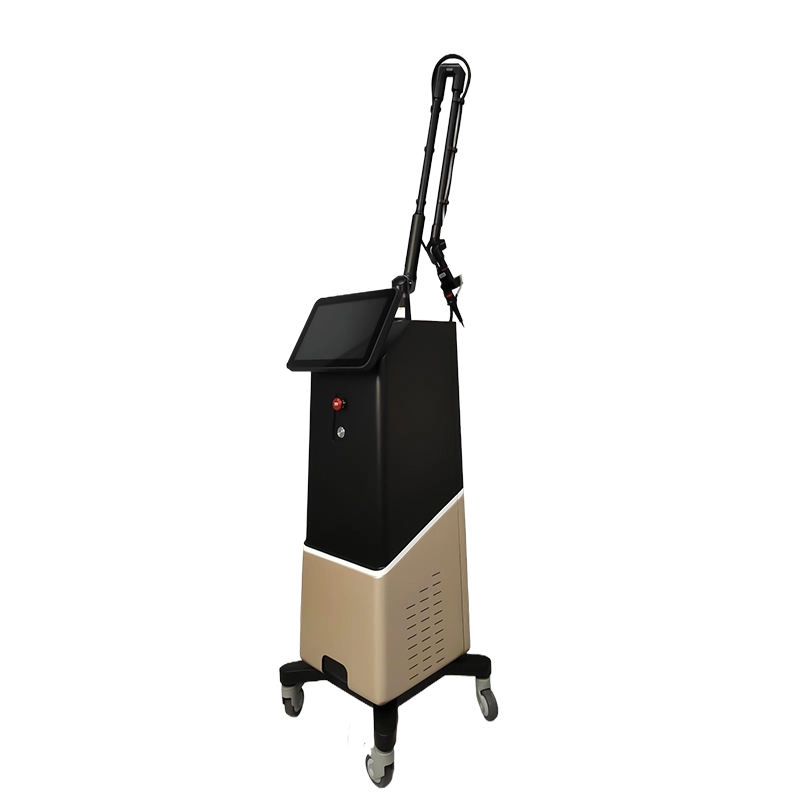
CO2 Fractional Laser Machine for Advanced Skin Resurfacing & Scar Removal
The CO2 fractional laser machine is designed to address a variety of skin concerns, offering treatments for acne scars, pigmentation, wrinkles, and overall skin texture. Utilizing advanced CO2 fractional laser technology, it delivers highly precise and controlled laser energy to promote collagen production and skin rejuvenation. This machine is ideal for professional use in beauty salons, medical spas, and aesthetic clinics. It features a user-friendly touchscreen interface, adjustable settings for customizable treatments, and a built-in cooling system to ensure comfort during use.
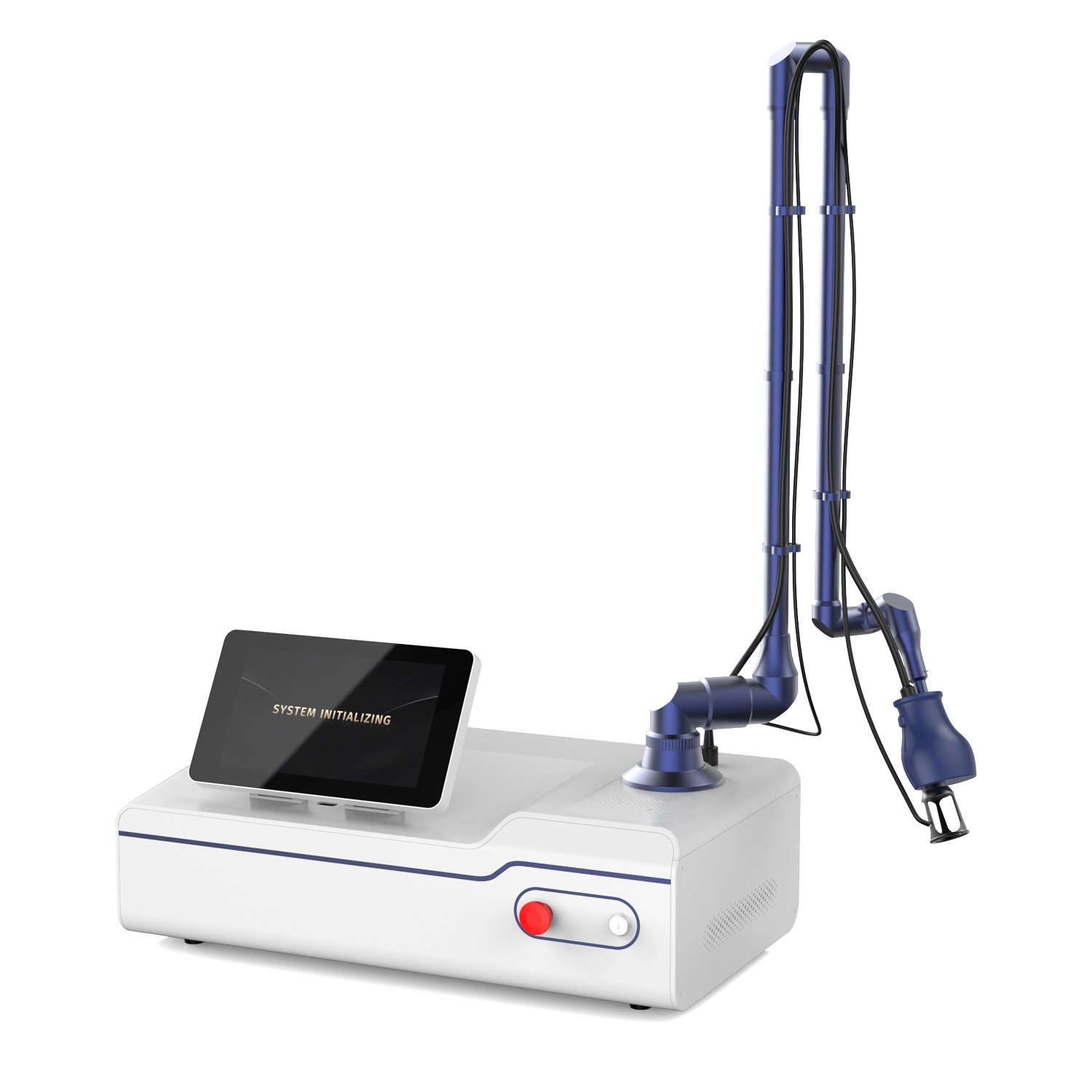
CO2 Fractional Laser Machine | Intimate Vaginal Rejuvenation System
This **CO2 Fractional Laser Machine** utilizes advanced 10600nm CO2 fractional laser technology to create controlled micro-thermal zones on the vaginal mucosa and intimate skin layers. These micro-columns stimulate collagen regeneration and tissue remodeling, effectively improving vaginal tightness, elasticity, and overall intimate health.
Designed specifically for professional medical aesthetic and intimate wellness applications, this CO2 fractional laser machine features intelligent parameter control and high-precision energy output to ensure safe, comfortable, and consistent treatment results. It is an ideal core device for vaginal rejuvenation, postpartum recovery, and intimate anti-aging treatments.
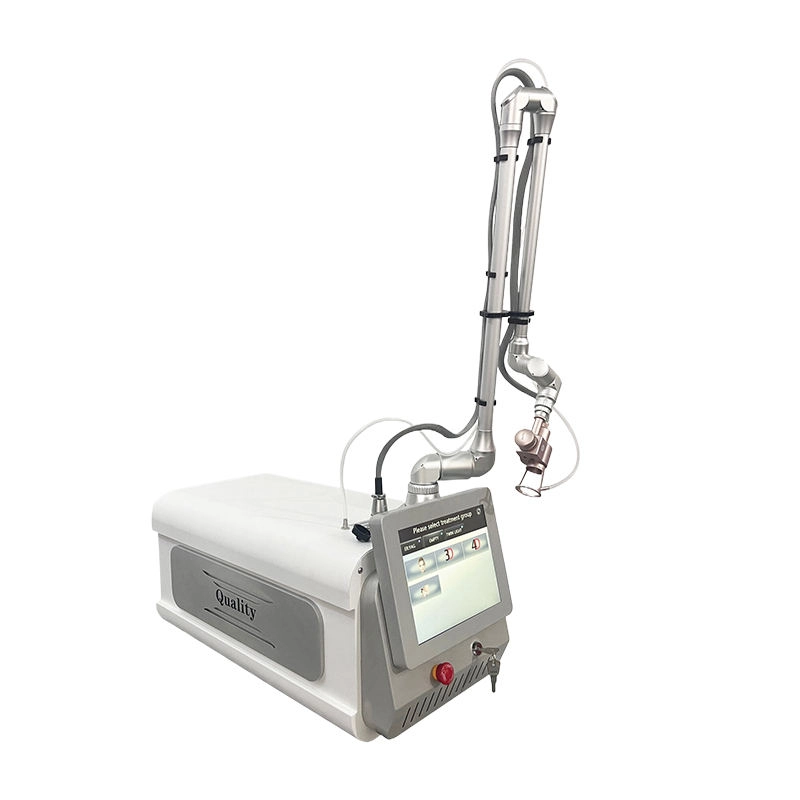
Professional CO2 Fractional Laser Machine | Fractional & Vaginal Rejuvenation CO2 Laser System
The CO2 fractional laser machine is a professional medical-grade device designed for deep skin resurfacing, wrinkle reduction, scar repair, and vaginal rejuvenation. Using a 10600 nm fractional CO2 laser beam, it creates micro-thermal columns on the skin to stimulate collagen regeneration and accelerate skin healing.
This CO2 fractional laser machine provides multiple treatment modes, including fractional mode, surgical cutting mode, and optional vaginal tightening mode, making it ideal for dermatology clinics and professional beauty centers seeking advanced laser solutions.
Its high precision, adjustable spot size, stable energy output, and seven-joint articulated arm ensure safe, accurate, and effective treatment results with minimal downtime.
Get more information
If you have any comments or good suggestions, please leave us a message; later our professional staff will contact you as soon as possible.
Let's Talk
Stay in touch with us for cutting-edge beauty solutions, professional guidance, and customized service.
Contact


Room 307, Building A, Huilong International E-commerce Industrial Park, No. 10 Xipengling Road, Helong Street, Baiyun District, Guangzhou, China
© 2025 HUIMAIN. All Rights Reserved. Privacy Policy | Terms and Conditions | Sitemap
Facebook
Instagram
Medical beauty equipment factory
huimain Medical beauty equipment factory
beauty machine supplier
Whatsapp: +8619124004543