


Multi-Function Aqua Peel Machines: Benefits and Uses
- How multi-function treatment devices fit into a modern aesthetic practice
- Why clinics choose multifunctional platforms
- Patient demand and business implications
- Regulatory and clinical considerations for clinics
- Understanding the aqua peel machine: mechanisms and core features
- Principles of operation: water jet, vacuum, and infusion
- Key components and what to evaluate
- Clinical effects supported by literature
- Clinical applications, protocols, and outcomes
- Indications: who benefits most
- Typical treatment protocol and aftercare
- Comparative table: aqua peel vs microdermabrasion vs chemical peels
- Safety, maintenance, and purchasing considerations
- Infection control and consumables
- Serviceability, training, and warranty
- How to compare suppliers (quick checklist)
- Vendor spotlight: Guangzhou Huimain Technology Co., Ltd. — capabilities and differentiators
- Company profile and R&D strengths
- Certifications, market reach, and OEM/ODM capacity
- Main product lines and competitive advantages
- Practical advice for clinics and distributors implementing aqua peel machines
- Protocol standardization and staff training
- Marketing and patient education
- Measuring outcomes and ROI
- FAQ — Frequently Asked Questions
- 1. What is the difference between an aqua peel machine and a traditional hydrofacial?
- 2. How many sessions are needed to see results?
- 3. Are aqua peel machines safe for darker skin tones?
- 4. What maintenance is required for these machines?
- 5. How do I evaluate which multi-function aqua peel machine to buy?
- 6. Can aqua peel treatments replace chemical peels or lasers?
Multi-function aqua peel machines—also described as hydrodermabrasion or hydrofacial devices—use pressurized saline or serum streams plus vacuum suction to exfoliate, extract, and infuse active ingredients into the epidermis. They are versatile tools in modern aesthetic clinics and professional salons, offering predictable outcomes for hydration, acne-prone skin, pore congestion, and pre-procedure skin prep. This article examines mechanisms, clinical evidence, comparative performance versus microdermabrasion and chemical peels, practical protocols, safety/maintenance, and procurement advice for clinics and distributors.
How multi-function treatment devices fit into a modern aesthetic practice
Why clinics choose multifunctional platforms
Clinics and medical spas increasingly prefer multi-function devices because they consolidate capabilities (aqua peel, LED, radiofrequency, vacuum therapy) into a single investment. This reduces floor space, simplifies staff training, and increases treatment variety for different skin types—yielding better utilization rates and higher return on investment. Multi-modality platforms allow practitioners to layer interventions (e.g., an aqua peel followed by LED or RF) to enhance outcomes while minimizing patient downtime.
Patient demand and business implications
Patients favor treatments with visible results, low discomfort, and limited downtime. Aqua peel machine treatments typically satisfy these demands and create repeatable revenue through series treatments (monthly maintenance, pre-event package). From an operational standpoint, predictable consumable costs (serums, tips) and standardized protocols help clinics price services competitively while maintaining margins.
Regulatory and clinical considerations for clinics
Before integrating a device, clinics should verify regulatory compliance (CE marking for EU markets, appropriate local certifications) and review clinical literature relevant to hydrodermabrasion and related technologies. Useful references include device classification and guidance from regulatory authorities (for general device policy see FDA - Medical Devices) and overviews of CE marking requirements (European Commission - CE marking).
Understanding the aqua peel machine: mechanisms and core features
Principles of operation: water jet, vacuum, and infusion
An aqua peel machine delivers a pressurized stream of saline or custom serums that mechanically loosen corneocytes and debris while a matched vacuum tip extracts residues. Many multi-function units add interchangeable handpieces for oxygen infusion, LED therapy, or chemical-free peeling. This combined action offers simultaneous exfoliation, extraction, and hydration—reducing the need for multiple separate procedures.
Key components and what to evaluate
- Handpiece ergonomics and tip quality—single-use or sterilizable tips reduce cross-contamination risk.
- Adjustable vacuum and fluid flow—allow tailoring to sensitive or thicker skin and to different treatment zones.
- Compatibility with serums and ampoules—look for closed systems or validated fluid paths to avoid corrosion and contamination.
Clinical effects supported by literature
Clinical reports and case series indicate hydrodermabrasion-style treatments can improve skin hydration, reduce comedonal acne, and produce immediate improvement in skin texture and glow. For broader literature and reviews on related non-invasive skin resurfacing techniques, see the PubMed literature database (PubMed) and procedural overviews such as the HydraFacial page for commercial context. When reviewing evidence, prefer randomized or controlled studies for claims about long-term remodeling effects.
Clinical applications, protocols, and outcomes
Indications: who benefits most
Aqua peel machines are indicated for: mild-to-moderate acne and congested pores, oily and combination skin, dull/dehydrated skin, superficial hyperpigmentation (as adjunct therapy), pre-procedure skin preparation, and maintenance skin care. They are often safe for Fitzpatrick skin types I–VI when protocols are adjusted to minimize friction and pigment risk.
Typical treatment protocol and aftercare
A standard session (30–60 minutes) typically follows these steps: cleanse → exfoliation/peel (aqua peel) → extraction via vacuum → serum infusion (antioxidants, hyaluronic acid) → optional LED/RF for enhanced outcomes. Aftercare emphasizes sunscreen, avoidance of harsh exfoliants for 48–72 hours, and use of gentle hydrating products. Many clinics recommend a series of 4–6 treatments spaced 2–4 weeks apart for cumulative benefits.
Comparative table: aqua peel vs microdermabrasion vs chemical peels
| Parameter | Aqua peel (hydrodermabrasion) | Microdermabrasion | Chemical peel (superficial) |
|---|---|---|---|
| Mechanism | Water/serum jet + vacuum extraction; infusion of actives | Mechanical abrasion (crystal or diamond) + suction | Chemical exfoliation (AHA/BHA, TCA for deeper) |
| Downtime | Minimal; mild erythema possible | Minimal to none; transient redness | Variable; superficial peels 1–3 days, deeper peels longer |
| Pain | Low; well tolerated | Low to moderate | Moderate (depending on depth) |
| Best for | Hydration, mild acne, pore congestion, glow | Textural refinement, superficial scars | Pigmentation, photoaging, keratoses (depth-dependent) |
| Suitability for dark skin | Generally safe with adjustments | Generally safe | Requires caution—risk of post-inflammatory hyperpigmentation |
Source references: procedural overviews on PubMed and technology descriptions such as HydraFacial. Always consult peer-reviewed clinical studies when making claims about efficacy for specific indications.
Safety, maintenance, and purchasing considerations
Infection control and consumables
Infection control is essential. Opt for devices with single-use disposable tips or easily sterilizable components and validated fluid pathways. Follow local infection control guidelines and manufacturer instructions for disinfection. When evaluating a supplier, ask for clinical safety data, recommended cleaning protocols, and availability of replacement parts and consumables.
Serviceability, training, and warranty
Multi-function devices require reliable after-sales support. Ensure the vendor provides: formal operator training, clinical protocols, technical manuals, warranty terms, and access to spare parts. For clinics that purchase for resale or integration into chains, OEM/ODM support and customization options can be a differentiator.
How to compare suppliers (quick checklist)
- Certifications: CE marking, SGS testing reports, and other regional approvals.
- Clinical evidence: published studies, case series, or validated before/after data.
- Technical team and R&D capability: presence of engineers, clinical testing departments.
- After-sales network: training, spare parts, warranties, and remote support.
Vendor spotlight: Guangzhou Huimain Technology Co., Ltd. — capabilities and differentiators
Company profile and R&D strengths
Guangzhou Huimain Technology Co., Ltd. is a high-tech enterprise specializing in the research, development, production, and after-sales service of professional beauty machines and home-use devices. Operating from a 3,000-square-meter facility, Huimain is driven by a strong technical team where over 60% of staff hold higher education degrees. The company features dedicated departments for purchasing, clinical testing, and engineering, allowing continuous investment in R&D and the development of cutting-edge products with rigorous quality control.
Certifications, market reach, and OEM/ODM capacity
Huimain emphasizes global standards with CE certification, SGS approval, and multiple patents. Their products are distributed across China, Southeast Asia, the Middle East, Europe, and North America. The company focuses on OEM and ODM development and has the capacity to design and manufacture High Quality medical and beauty equipment for salons and distributors worldwide, supporting branding and technical customization.
Main product lines and competitive advantages
Huimain’s portfolio includes Cryolipolysis machines, Ems sculpting machines, Plasma machines, Shockwave machines, HIFU machines, Hydrofacial/Hydrodermabrasion (Hydrofacial) machines, Cavitation vacuum machines, Laser hair removal systems, Tattoo removal devices, and Micro-needling systems. Competitive advantages include strong technical staff, an integrated clinical testing unit, ongoing R&D investments, and the ability to balance high-quality manufacturing with competitive pricing.
For more information or to request product specifications and OEM/ODM options, visit Huimain’s website: https://www.huimainbeauty.com/ or contact their sales team at coco@huimainbeauty.com.
Practical advice for clinics and distributors implementing aqua peel machines
Protocol standardization and staff training
Create protocol templates for different skin types and indications. Standardize pre-treatment screening (contraindications: active infections, isotretinoin history per local guidelines, recent radiation or deep chemical peels) and post-treatment instructions. Invest in hands-on training and competency assessments for staff to ensure consistent outcomes and to mitigate adverse events.
Marketing and patient education
Frame treatments around benefits patients understand: “deeply cleansed and hydrated skin with little to no downtime.” Provide before/after images, videos of comfortable, quick treatments, and transparent pricing for single sessions and packages. Use evidence-based claims (supported by literature) to avoid regulatory issues in marketing medical claims.
Measuring outcomes and ROI
Track patient satisfaction, repeat visit rates, and objective measures (e.g., sebum scores, hydration measurements if your clinic has devices) to quantify value. Calculate ROI factoring equipment cost, consumables, staff time, and average revenue per treatment. Multi-function platforms often show improved ROI because of cross-selling opportunities (e.g., adding LED or RF to upgrade sessions).
FAQ — Frequently Asked Questions
1. What is the difference between an aqua peel machine and a traditional hydrofacial?
Aqua peel or hydrodermabrasion refers broadly to water-based exfoliation plus vacuum extraction. Commercial terms like HydraFacial are brand names for specific protocols and devices. Functionally they overlap: both use liquid jet exfoliation and suction, often with serum infusion. Evaluate device features (adjustable settings, tip design, serum compatibility) rather than brand names alone. For background information on commercial procedures see HydraFacial.
2. How many sessions are needed to see results?
Many patients notice immediate improvements in texture and hydration after a single session; however, a series of 4–6 treatments spaced 2–4 weeks apart is recommended for sustained improvements in acne-prone skin and pigmentation management. Individual results vary by skin condition and homecare.
3. Are aqua peel machines safe for darker skin tones?
Yes—when protocols are adjusted properly. Aqua peel devices are generally less likely to cause post-inflammatory hyperpigmentation than medium-depth chemical peels, but careful parameter selection and pre/post care (sun protection, gentle skincare) remain essential.
4. What maintenance is required for these machines?
Regular cleaning of handpieces and tubing, use of disposable tips where available, following manufacturer disinfection protocols, and scheduled servicing by qualified technicians are necessary. Confirm that the vendor provides training, spare parts, and clear maintenance documentation before purchase.
5. How do I evaluate which multi-function aqua peel machine to buy?
Key criteria: safety certifications (CE/SGS), clinical evidence, operator training and manuals, consumable costs, warranty/service network, and compatibility with desired add-on modalities (LED, RF). Request demos, clinical references, and maintenance agreements. Consider suppliers with established R&D and testing capabilities.
6. Can aqua peel treatments replace chemical peels or lasers?
Aqua peel treatments are complementary to chemical peels and lasers. They are excellent for maintenance, pore decongestion, hydration, and for patients who cannot tolerate downtime. For significant photodamage, deep scarring, or certain pigmentary disorders, lasers or deeper chemical peels may be required. Treatment plans often combine modalities for best results.
If you need product specifications, sample protocols, or OEM/ODM inquiries, contact Guangzhou Huimain Technology Co., Ltd. at https://www.huimainbeauty.com/ or email coco@huimainbeauty.com. Our team can provide brochures, clinical references, and customization options to match your clinic’s needs.
References and further reading: Regulatory guidance and device overviews: FDA - Medical Devices; CE marking information: European Commission - CE marking; general literature database for clinical studies: PubMed; commercial procedure overview: HydraFacial; international standards and best practices: ISO; testing and inspection services: SGS.
HMT 42 R
How is this different from other body sculpting machines or Emsculpt Neo machine for sale?
Compared to standard machines, this model combines EMS + RF technology, delivering stronger results in fat burning, muscle building, and skin tightening—all at a more competitive price than many Emsculpt Neo machines for sale.
HMT22
How long does each treatment session last?
Each session typically lasts between 30-45 minutes, depending on the areas being treated.
12D-MAX
Can this HIFU machine be used on both face and body?
Yes, the dual-handle design allows precise treatment on facial areas and larger body zones.
A67
Is the HIFU treatment safe?
Yes, HIFU technology is widely used in professional aesthetic treatments and does not damage the skin surface.
Portable EMS Magnetic Ring
What is the main function of this EMS magnetic therapy machine?
It provides electromagnetic stimulation to relieve pain, promote blood circulation, and improve muscle recovery.

CO2 Fractional Laser Machine – Professional Wrinkle Removal & Skin Resurfacing Device
The CO2 Fractional Laser Machine is a multifunctional aesthetic device designed for professional clinics and beauty salons. Using advanced fractional CO2 laser technology, it effectively targets acne scars, freckles, pigmentation, nevi, and deep wrinkles. Additionally, it provides non-invasive skin rejuvenation, vaginal tightening, and intimate beautification. This professional CO2 laser equipment combines precision, safety, and powerful energy output to deliver outstanding anti-aging and dermatological results.

5-in-1 40K Cavitation Vacuum Machine for Body Slimming & Fat Reduction
The 5-in-1 40K Cavitation Vacuum Machine is a professional body shaping system designed for fat reduction, cellulite smoothing, and overall body contouring. Using 40KHz ultrasonic cavitation, this device breaks down stubborn fat cells, while vacuum suction improves lymphatic drainage and accelerates toxin removal.
With multiple RF tightening handles, the machine stimulates collagen regeneration and helps lift and firm loose areas of the body. Compact, powerful, and easy to operate, it is the perfect solution for beauty salons, spa centers, and slimming studios seeking fast and visible fat-reduction results.
This cavitation vacuum machine is built to deliver safe, non-invasive treatments with no downtime—making it a top choice for body contouring professionals.

6-in-1 Multifunctional Beauty and Weight Loss Machine | Cavitation, RF, Vacuum PDT, EMS, Laser Slimming Equipment for Professional Use
The 6-in-1 Multifunctional Beauty and Weight Loss Machine is a professional-grade device designed for salons, clinics, and distributors. Combining six advanced technologies—cavitation, RF (radio frequency) for face & body, vacuum RF PDT, BIO/EMS microcurrent, and laser lipo pads—this device offers comprehensive body contouring, fat reduction, skin tightening, and anti-aging treatments.
It provides businesses with an all-in-one solution to expand service offerings, attract more clients, and achieve a rapid return on investment.
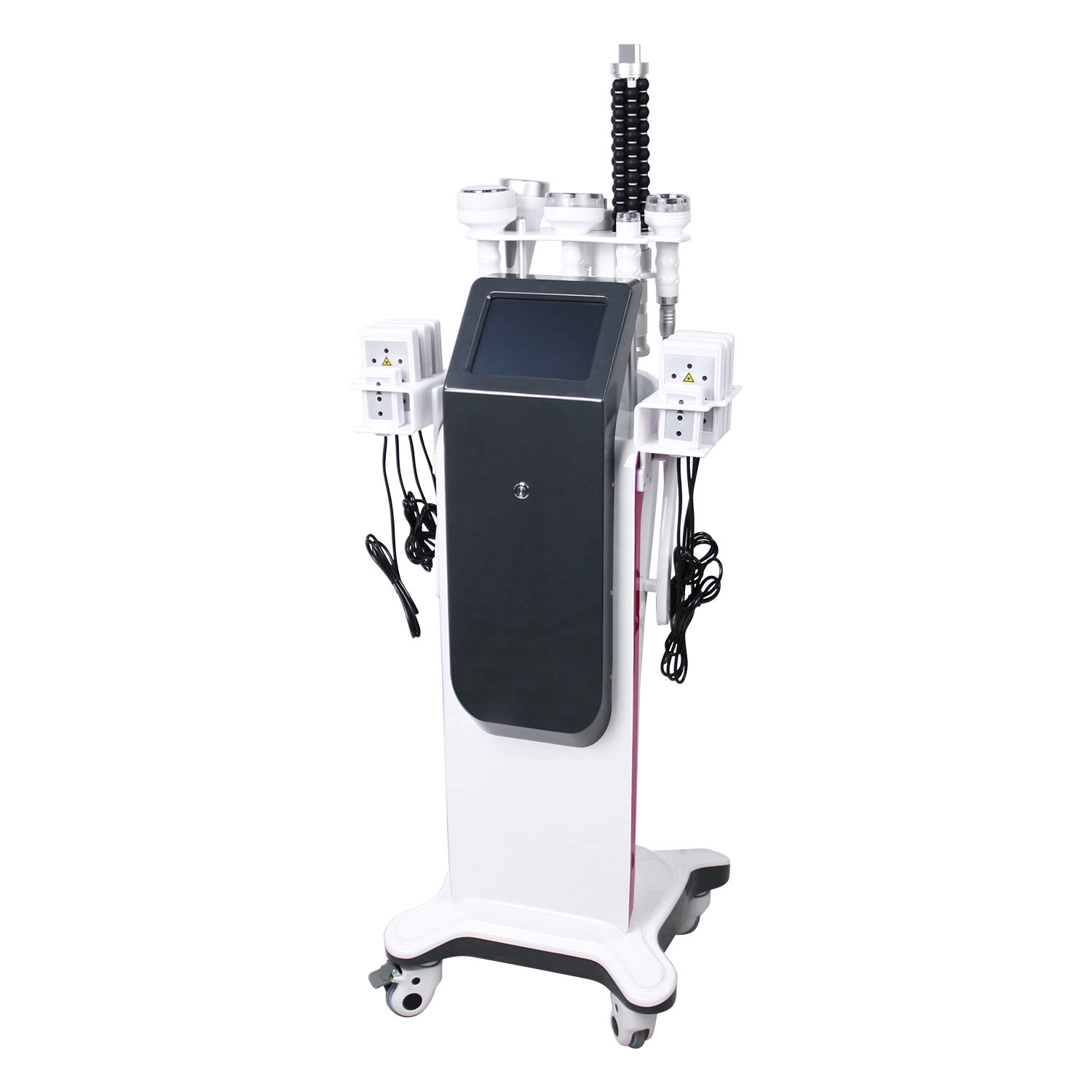
Professional 6-in-1 Cavitation Vacuum Machine for Body Contouring & Slimming Treatment
The 6-in-1 Cavitation Vacuum Machine is a professional body contouring system designed for salons and spas seeking high-performance slimming solutions. This machine integrates 40K ultrasonic cavitation, vacuum suction, RF technology, and laser lipolysis to target stubborn fat, enhance lymphatic drainage, tighten the skin, and contour the body shape effectively.
Equipped with multiple ergonomic handles and a smart touch screen, this cavitation vacuum machine provides a comfortable and efficient experience for both operators and clients. It is ideal for full-body treatments including abdomen, arms, legs, waistline, hips, and back.
Perfect for beauty salons, spas, and aesthetic centers that want to offer non-invasive fat reduction and body-sculpting services.
Get more information
If you have any comments or good suggestions, please leave us a message; later our professional staff will contact you as soon as possible.
Let's Talk
Stay in touch with us for cutting-edge beauty solutions, professional guidance, and customized service.
Contact


Room 307, Building A, Huilong International E-commerce Industrial Park, No. 10 Xipengling Road, Helong Street, Baiyun District, Guangzhou, China
© 2025 HUIMAIN. All Rights Reserved. Privacy Policy | Terms and Conditions | Sitemap
Facebook
Instagram
Medical beauty equipment factory
huimain Medical beauty equipment factory
beauty machine supplier
Whatsapp: +8619124004543