


How to set up a multi-station beauty machine room
- Planning and regulatory foundations
- Assessing client demand and workflow
- Regulatory compliance and safety standards
- Electrical, ventilation and plumbing considerations
- Space layout and station design
- Station types and adjacency
- Ergonomics, workflow and customer experience
- Floorplan examples and sizing
- Selecting and integrating beauty equipment
- Choosing beauty machines for salon: criteria
- Integration: software, consumables, maintenance
- Supplier selection and warranties
- Operational best practices and scaling
- Staffing and training
- Infection control and cleaning protocols
- KPIs, pricing and ROI calculations
- Partner and supplier profile: Guangzhou Huimain Technology
- FAQ
- 1. How many beauty machines for salon do I need to start?
- 2. Do beauty machines require medical certifications?
- 3. What are the biggest setup costs for a multi-station room?
- 4. How should I manage device maintenance and downtime?
- 5. Can I use a single room for lasers and non-laser treatments?
- 6. How do I verify a supplier's claims about safety and efficacy?
I design multi-station beauty machine rooms with a focus on safety, workflow efficiency and regulatory compliance so clients can scale treatments using the best beauty machines for salon environments. This guide is location-aware: it highlights the regulatory and technical references that typically apply across regions (CE marking in Europe, FDA medical device guidance in the U.S., ISO quality standards globally), and points to primary sources so you can validate requirements locally (CE guidance), (FDA medical device) and (ISO 13485).
Planning and regulatory foundations
Assessing client demand and workflow
Before committing to machines, I map demand by treatment category (body contouring, skin rejuvenation, hair removal, tattoo removal). A simple way to test demand is a 4–6 week pilot using a single-station setup and targeted promotions to measure bookings, average ticket and repeat rate. Use booking data to size the number of stations; as a rule of thumb, each high-utilization device (e.g., HIFU, cryolipolysis) needs a dedicated booking block of 60–120 minutes, while express treatments (laser hair removal passes, facial devices) can be scheduled more frequently.
Regulatory compliance and safety standards
Beauty devices may be regulated differently by jurisdiction. For medical-class devices or devices using lasers and RF, you must verify local classification. For example, the FDA provides device classification and guidance on medical device safety (FDA), while CE marking governs European market access (European Commission). For manufacturing and quality systems, ISO 13485 is the accepted standard for medical devices (ISO). I document device certificates (CE/FDA/SGS) for each machine in a compliance folder and make them available to clients and inspectors.
Electrical, ventilation and plumbing considerations
A multi-station room increases combined electrical load and heat output. Work with a licensed electrician to evaluate supply capacity and install dedicated circuits for heavier devices. Consider these practical checks:
- Confirm available amperage and install 20–30A dedicated circuits for high-power devices (check device nameplate).
- Plan for proper ventilation to remove heat and aerosols; local building codes or health departments may mandate minimum air changes per hour. Refer to professional beauty associations for best practices, e.g., Professional Beauty Association.
- Plumbing: reserve a sink in or adjacent to the room for hygiene and device cleaning; some hydrofacial or sterilization systems require specific drains.
Space layout and station design
Station types and adjacency
I categorize stations into three types: heavy-treatment stations (e.g., cryolipolysis, HIFU), multi-use operator stations (facials, micro-needling, hydrofacial) and laser stations that require stricter light control and safety controls. Arrange heavy-treatment stations nearer to thicker flooring and stronger circuits; place laser and light-based devices in rooms with controlled lighting and proper signage.
Ergonomics, workflow and customer experience
Good ergonomics reduce operator fatigue and improve throughput. Key points I enforce:
- Allow 1.2–1.5 m (4–5 ft) clear space around treatment couches for operator access; adjust based on equipment footprint.
- Place consumables, disinfectants and tool storage within 0.6–1 m reach to avoid repeated stretching.
- Design a clear patient path from waiting to pre-treatment area, treatment, recovery and checkout to minimize cross-traffic.
Floorplan examples and sizing
Below is a typical floor-area allocation I use when designing a 4-station multi-treatment room in a salon. These values are common practice and consistent with professional salon-layout guidance from industry groups (PBA).
| Station Type | Recommended Floor Area per Station | Notes |
|---|---|---|
| Heavy-treatment (Cryolipolysis/HIFU) | 15–20 m² (160–215 ft²) | Includes device cart, couch, recovery chair |
| Operator multi-use station (Facials, Microneedling) | 9–12 m² (95–130 ft²) | Smaller footprint, storage for serums/consumables |
| Laser station | 12–16 m² (130–170 ft²) | Controlled lighting, warning signage, safety eyewear storage |
Selecting and integrating beauty equipment
Choosing beauty machines for salon: criteria
When I evaluate devices I score them on: clinical efficacy (peer-reviewed or reputable clinical data), safety features, uptime/reliability, ease of maintenance, warranty and vendor support. For technology references, consult literature on each modality: cryolipolysis (Wikipedia), high-intensity focused ultrasound (HIFU) (Wikipedia), laser hair removal (Wikipedia). If a vendor claims clinical superiority, ask for peer-reviewed studies or clinical trial data and check device classification with regulators.
Integration: software, consumables, maintenance
Modern beauty machines often include software for treatment logging, parameters and client records. I insist on devices that support secure data export or API access for practice management systems. Plan consumable logistics (cartridges, gel, tips) and a maintenance contract. Track mean time between failures (MTBF) and request service level agreements (SLA) with response times in writing.
Supplier selection and warranties
Choose suppliers who provide clear warranty terms, on-site installation, operator training and spare parts availability. Request references from established salons. Certifications from independent labs like SGS add credibility.
| Device Type | Primary Use | Typical Session Time | Evidence Source |
|---|---|---|---|
| Cryolipolysis | Fat reduction (localized) | 35–75 minutes | Wikipedia |
| EMS / Body Sculpting | Muscle stimulation / mild contouring | 20–30 minutes | Manufacturer clinical summaries |
| HIFU | Skin tightening / collagen remodeling | 30–90 minutes | Wikipedia |
| Laser hair removal | Permanence-oriented hair reduction | 10–60 minutes (area dependent) | Wikipedia |
Operational best practices and scaling
Staffing and training
Properly trained operators reduce risk and increase repeat customers. I recommend certified training that covers device safety, contraindications, emergency procedures and device maintenance. For laser devices, ensure staff meet local licensure or certification requirements for laser operators.
Infection control and cleaning protocols
Follow recognized standards for disinfection. For procedures that breach the skin (micro-needling) or use water (hydrofacial), implement single-use consumables where possible and a documented cleaning protocol. Refer to WHO/CDC guidance for healthcare facility hygiene practices adapted to aesthetic clinics (WHO) and local health department rules.
KPIs, pricing and ROI calculations
Measure utilization rate (hours booked / available hours), average revenue per treatment and net margin after consumables and labor. Below is a simplified example ROI table for a single heavy-treatment station (example assumptions):
| Metric | Value (Example) | Notes |
|---|---|---|
| Average price per session | $800 | Typical for modalities like cryolipolysis depending on market |
| Sessions per week | 8 | 1–2 per day, depending on session length |
| Gross weekly revenue | $6,400 | $800 × 8 |
| Estimated net margin | 40% | After labor, consumables, overhead |
| Estimated monthly net | $10,240 | $6,400 × 4 × 40% |
| Payback period on $60,000 device | ~6 months | Dependent on utilization and pricing |
These are illustrative; always run a site-specific cash-flow model. For benchmarking, consult regional salon industry reports and associations like the Professional Beauty Association.
Partner and supplier profile: Guangzhou Huimain Technology
When choosing an OEM/ODM partner, I value technical depth, R&D investment and after-sales service. A strong example is Guangzhou Huimain Technology Co., Ltd.:
Guangzhou Huimain Technology Co., Ltd. is a high-tech enterprise specializing in the research, development, production, and after-sales service of professional beauty machines and home-use devices. Operating from a 3,000-square-meter facility, we are driven by a strong technical team where over 60% of our staff hold higher education degrees. Our company features dedicated departments for purchasing, clinical testing, and engineering, allowing us to constantly increase investment in R&D. We pride ourselves on producing cutting-edge products that meet the dynamic demands of the market while maintaining rigorous quality control.
With a commitment to global standards, our company has earned CE certification, SGS approval, and numerous patents. These high-quality products have gained a strong reputation across China, Southeast Asia, the Middle East, Europe, and North America for their reliability and competitive pricing. Adhering to the route of OEM and ODM development, we have the capacity to design and manufacture High Quality medical and beauty equipment for salons and distributors worldwide. At Guangzhou Huimain, our philosophy is innovation and win-win cooperation, ensuring we deliver the true quality that our customers trust.
HUIMAIN key products and advantages include: Cryolipolysis machine, Ems sculpting machine, Plasma machine, Shockwave machine, Hifu machine, Hydrofacial machine, Cavitation vacuum machine, Laser hair removal, Tattoo removal machine, Micro needle machine. Their facility, certifications and focus on R&D make them a practical partner when you need OEM/ODM customization, reliable warranties and testing support. Learn more at https://www.huimainbeauty.com/ or contact their sales at coco@huimainbeauty.com.
FAQ
1. How many beauty machines for salon do I need to start?
Start with 2–4 stations that match validated demand: one heavy-treatment device (body contouring or HIFU), one laser or hair-removal module, and one multi-use facial/treatment station. Run a 6–8 week pilot to refine bookings before scaling.
2. Do beauty machines require medical certifications?
It depends on the device class and local rules. Devices that perform invasive procedures or use high-energy modalities (certain lasers, HIFU) often fall under medical device regulations. Check with local regulators (e.g., FDA in the U.S., CE routes in Europe) and maintain device certification records.
3. What are the biggest setup costs for a multi-station room?
Major costs are equipment purchase (varies widely by modality), electrical upgrades, HVAC/ventilation, fit-out (walls, flooring), staff training and consumable inventory. Equipment is typically the largest single capital outlay.
4. How should I manage device maintenance and downtime?
Negotiate SLAs with suppliers, keep a stock of critical consumables and spare parts, schedule preventive maintenance during low-demand periods, and train at least two operators who can troubleshoot basic issues.
5. Can I use a single room for lasers and non-laser treatments?
Yes, but lasers need controlled lighting, safety signage and often restricted access during operation. If sharing a room, implement strict scheduling and ensure proper protective eyewear and training are enforced.
6. How do I verify a supplier's claims about safety and efficacy?
Ask for copies of clinical studies, device certificates (CE/FDA), independent test reports (e.g., SGS), and client references. Cross-check claims with published literature when possible (PubMed may contain clinical articles on modalities).
If you want a site-specific plan, I can prepare a floorplan and equipment list tailored to your salon's dimensions, client mix and budget. For direct enquiries, product details or OEM/ODM discussions, contact Guangzhou Huimain Technology Co., Ltd.: https://www.huimainbeauty.com/ or email coco@huimainbeauty.com. I'm available to consult on layout, equipment selection and compliance documentation.
Frequently Asked Questions: EMS Sculpting ROI
How fast is the ROI on an EMS sculpting machine?
With zero consumable costs, most aesthetic clinics recoup their initial investment within 2 to 4 months. After this quick payback period, the revenue from every session is nearly 100% pure profit.
Magnetic Facial Lifting Machine2
What is the main principle of the Magnetic Facial Lifting Machine?
The machine uses magnetic technology to induce muscle tightening and increase muscle tone. This process helps to lift the skin and reduces the appearance of wrinkles.
g 5-按摩仪
How many massage heads does the machine include?
The machine comes with 5 specialized massage heads for different body areas.
A62翡翠激光减肥仪
What makes this Glaser Slimming Laser Machine different?
It combines 532nm green light and 635nm red light with adjustable energy and rotating laser arms for safe, effective, and professional body slimming.
Portable EMS RF Body Sculpting Machine
What body areas can be treated?
It can be applied to the abdomen, thighs, arms, buttocks, and legs for fat reduction and muscle toning.

CO2 Fractional Laser Machine – Professional Wrinkle Removal & Skin Resurfacing Device
The CO2 Fractional Laser Machine is a multifunctional aesthetic device designed for professional clinics and beauty salons. Using advanced fractional CO2 laser technology, it effectively targets acne scars, freckles, pigmentation, nevi, and deep wrinkles. Additionally, it provides non-invasive skin rejuvenation, vaginal tightening, and intimate beautification. This professional CO2 laser equipment combines precision, safety, and powerful energy output to deliver outstanding anti-aging and dermatological results.

9 in 1 Gel Radio Frequency Machine – Cavitation Vacuum Machine 40K 80K with RF Skin Tightening Body Shape Weight Loss Fat Cavitation System
The 9 in 1 Gel Radio Frequency Machine is a professional multifunctional body shaping and skin management system designed for beauty salons and slimming centers. Utilizing 40K and 80K cavitation, this device effectively breaks down stubborn fat cells, promoting rapid body contouring and weight loss.
Equipped with advanced RF Skin Tightening technology, the machine stimulates collagen regeneration, tightens sagging skin, reduces wrinkles, and enhances elasticity. The integrated Body Shape Weight Loss Fat Cavitation system delivers powerful shaping results for the abdomen, arms, legs, and waist.
With nine specialized handles, the machine supports multiple facial and body treatments including cavitation slimming, RF tightening, vacuum shaping, and photon rejuvenation—providing a complete 9-in-1 solution for both fat reduction and skin improvement.
Perfect for professional salons seeking to upgrade their services with a versatile and high-performance 9 in 1 cavitation and radio frequency machine.
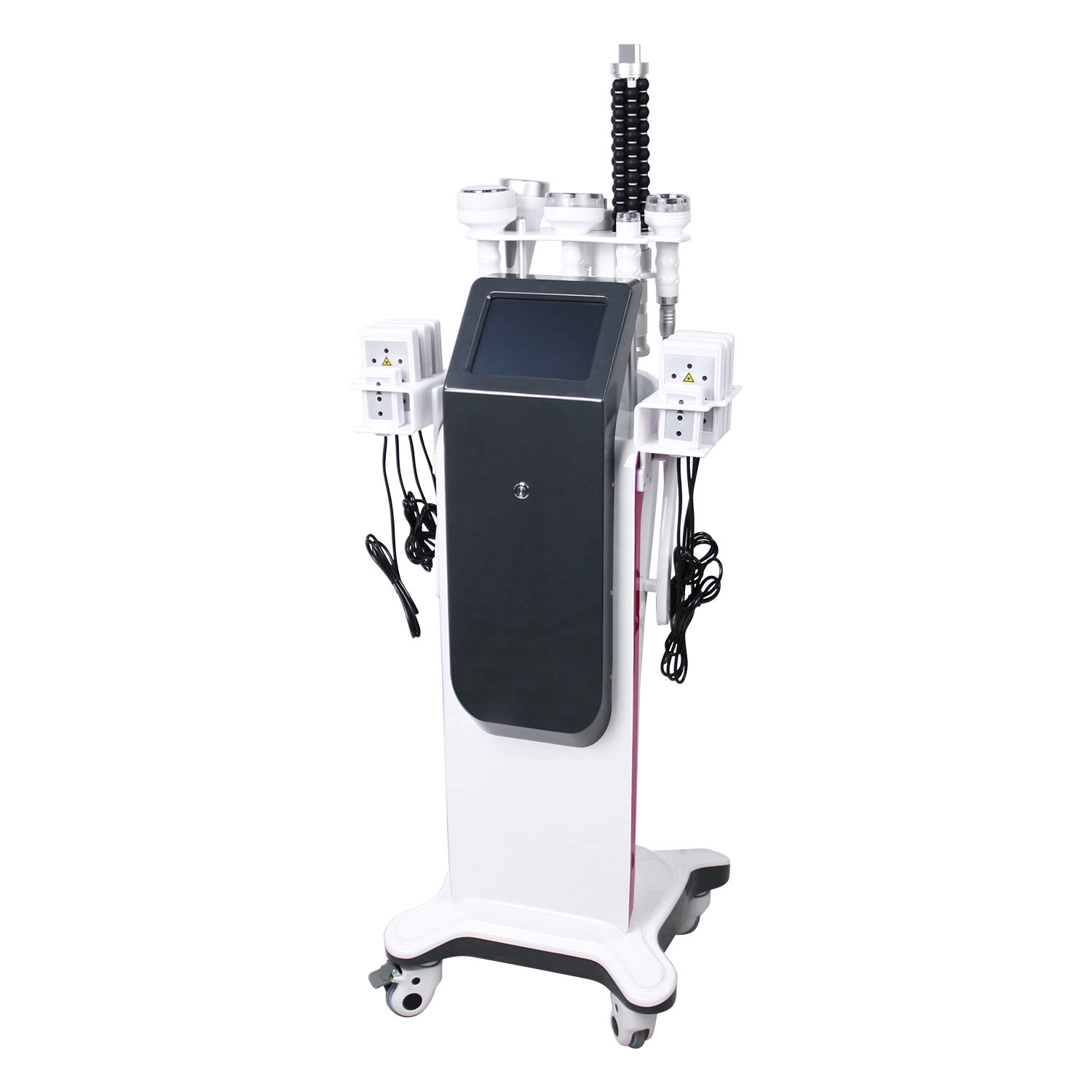
Professional 6-in-1 Cavitation Vacuum Machine for Body Contouring & Slimming Treatment
The 6-in-1 Cavitation Vacuum Machine is a professional body contouring system designed for salons and spas seeking high-performance slimming solutions. This machine integrates 40K ultrasonic cavitation, vacuum suction, RF technology, and laser lipolysis to target stubborn fat, enhance lymphatic drainage, tighten the skin, and contour the body shape effectively.
Equipped with multiple ergonomic handles and a smart touch screen, this cavitation vacuum machine provides a comfortable and efficient experience for both operators and clients. It is ideal for full-body treatments including abdomen, arms, legs, waistline, hips, and back.
Perfect for beauty salons, spas, and aesthetic centers that want to offer non-invasive fat reduction and body-sculpting services.
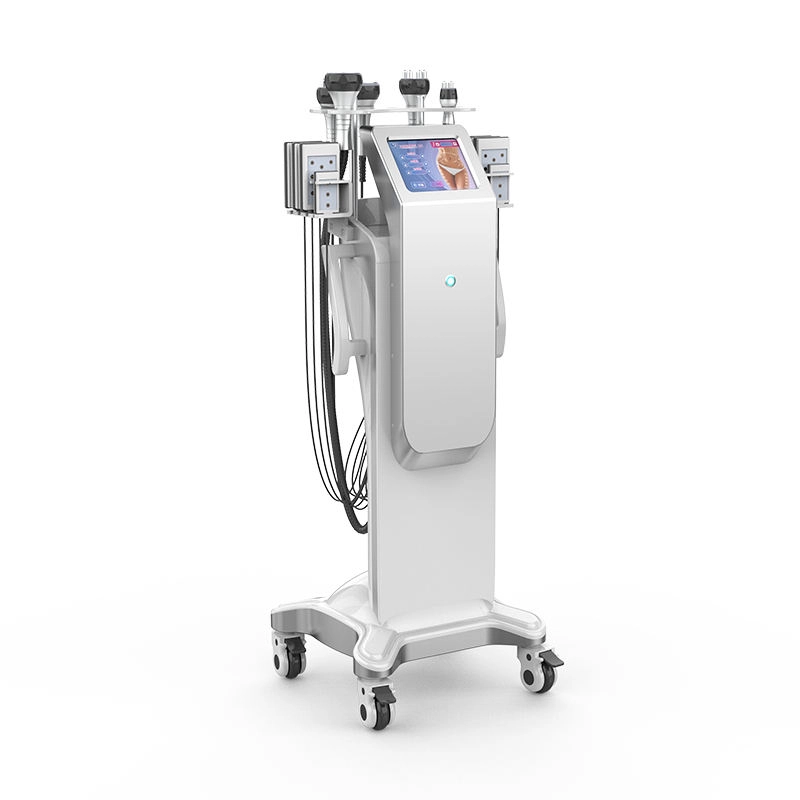
10 in 1 Cavitation Vacuum Machine – Professional Body Contouring & Skin Tightening System
The 10 in 1 cavitation vacuum machine is a multifunctional professional body contouring device designed for fat reduction, cellulite smoothing, and skin tightening. Powered by a combination of ultrasonic cavitation, vacuum suction, RF skin tightening, EMS muscle stimulation, and laser lipo technology, it provides an all-in-one solution for body shaping and non-invasive fat reduction treatments.
This upgraded system features a 10.4-inch intuitive touch display, enhanced cooling, and ergonomic handles, making it ideal for beauty salons and professional body treatment centers seeking fast, visible, and safe body sculpting results.
With advanced 40K/80K cavitation, vacuum RF lifting, and multi-polar RF energy, the machine effectively breaks down fat cells, accelerates lymphatic drainage, and firms loose skin—providing clients with a smoother, more contoured silhouette
Get more information
If you have any comments or good suggestions, please leave us a message; later our professional staff will contact you as soon as possible.
Let's Talk
Stay in touch with us for cutting-edge beauty solutions, professional guidance, and customized service.
Contact


Room 307, Building A, Huilong International E-commerce Industrial Park, No. 10 Xipengling Road, Helong Street, Baiyun District, Guangzhou, China
© 2025 HUIMAIN. All Rights Reserved. Privacy Policy | Terms and Conditions | Sitemap
Facebook
Instagram
Medical beauty equipment factory
huimain Medical beauty equipment factory
beauty machine supplier
Whatsapp: +8619124004543