


Multifunction Facial Machine Consumables and Replacement Costs
- Understanding consumables in aesthetic devices
- What I mean by consumables and why they matter
- Common consumable categories
- Materials, hygiene, and regulatory context
- Cost breakdown and replacement schedules for multifunction facial machines
- Typical replacement intervals I recommend
- Cost ranges—real-world examples and per-treatment math
- Why some consumables are expensive
- How to lower operating costs and ensure compliance
- Sourcing strategies I use with clients
- Maintenance, staff training, and sterilization protocols
- Tracking consumables and measuring per-treatment cost
- Why partner quality matters: choosing a reliable OEM/ODM
- What I look for in a manufacturing partner
- Case study: Guangzhou Huimain Technology Co., Ltd.
- How a strong OEM reduces consumable risk
- FAQs
- 1. How often should I replace handpiece cartridges?
- 2. Can I use third-party consumables to save money?
- 3. What is the biggest consumable cost driver?
- 4. How should I budget for consumables when purchasing a new machine?
- 5. How do regulations affect consumable selection?
- Next steps and contact
I work with clinics and distributors worldwide on budgeting, specifying, and operating multifunction facial machines. In this article I distill years of field experience and industry guidance into practical, verifiable advice about the consumables these devices use, realistic replacement schedules, typical cost ranges, and procurement and maintenance practices that reduce total cost of ownership while maintaining safety and regulatory compliance. I also explain how choosing a technically strong OEM/ODM partner can reduce consumable-related downtime and costs.
Understanding consumables in aesthetic devices
What I mean by consumables and why they matter
When I say consumables for a multifunction facial machine I refer to components that are designed to be replaced regularly or per-use: cartridges and tips (e.g., microneedling cartridges, hydrodermabrasion tips), single-use nozzles and filters, treatment serums and solutions, disposable patient-contact pads and caps, and occasionally replaceable electrodes or LED heads. Consumables directly affect per-treatment cost, infection control, and treatment efficacy, so understanding their lifecycle is critical for budgeting and clinical governance.
Common consumable categories
The categories I see most often include:
- Cartridges and handpiece tips (RF heads, micro-needling cartridges, cryolipolysis pads when disposable)
- Topical treatment products (serums, boosters, peel solutions)
- Single-use patient-contact items (filters, nozzles, adhesive patches)
- Hygiene and filtration elements (HEPA/inline water filters, tubing)
- Electrical-contact consumables (disposable grounding pads, single-use electrodes)
Materials, hygiene, and regulatory context
Materials and sterility levels vary. Some consumables are sterile single-use medical devices while others are non-sterile cosmetic items. Regulatory attention is significant: devices and consumables intended for medical claims often fall within FDA or regional medical device regulations, while the manufacturing quality systems for medical-grade suppliers typically align with ISO 13485. For background on medical device regulation and quality systems see the FDA guidance at FDA - Medical Devices and ISO’s overview at ISO 13485. CE marking requirements are explained by the EU at European Commission - CE marking. These frameworks determine labeling, material documentation, and traceability requirements for many consumables.
Cost breakdown and replacement schedules for multifunction facial machines
Typical replacement intervals I recommend
Replacement intervals vary by consumable type and usage intensity. From my experience with salons and clinics, typical schedules look like this:
- Single-use cartridges/tips: replace after each patient (single-use) or per manufacturer guidance (e.g., 1–5 uses for some reusable tips with sterilization).
- Serum and solution bottles: depending on clinic volume, many are replaced monthly to quarterly.
- Filters (water, air): commonly replaced every 3–12 months depending on usage and water quality.
- Disposable electrodes/patches: single-use or per-patient.
- LED arrays or RF probes: long-life but may require replacement after several thousand treatment hours (manufacturer-specified).
Cost ranges—real-world examples and per-treatment math
Below I present conservative cost ranges I encounter when advising clinics. Costs vary by brand, region, and quality. I recommend you validate with suppliers and factor shipping, customs, and taxes.
| Consumable | Typical replacement interval | Typical cost range (USD) | Estimated per-treatment cost |
|---|---|---|---|
| Micro-needling cartridges | Single-use / per patient | $2 – $25 each | $2 – $25 |
| Hydrodermabrasion / hydrofacial tips | Single-use or limited reuse | $5 – $40 each | $5 – $40 |
| RF / HIFU disposable caps | Per treatment or per cartridge life | $10 – $200 | $10 – $200 |
| Treatment serums and boosters | Monthly (depends on volume) | $20 – $200 per bottle | $1 – $30 |
| Inline water/air filters | 3–12 months | $10 – $150 | ($0.20–$3 per treatment) |
| Disposable grounding pads/electrodes | Single-use | $0.5 – $10 | $0.5 – $10 |
Example calculation: if a clinic performs 200 treatments/month using a device with $12 average consumable cost per treatment, monthly consumable spend is $2,400 and annual spend is ~$28,800. Tracking this helps set treatment pricing and ROI timelines.
Why some consumables are expensive
Higher prices reflect sterility, single-use medical-grade materials, or patented cartridge designs. Proprietary cartridges sometimes lock clinics into OEM supply which increases per-treatment margins for manufacturers but ensures compatibility and consistent clinical results. I advise comparing OEM consumable policies and total cost of ownership, not only device price.
How to lower operating costs and ensure compliance
Sourcing strategies I use with clients
To manage costs I recommend a multi-pronged sourcing strategy:
- Negotiate volume discounts and multi-year pricing with suppliers.
- Ask the OEM about swap programs, refurbished handpieces, or bulk pricing on cartridges.
- Where regulation allows, evaluate compatible third-party consumables that meet the same material and sterility standards—verify documentation and test results before use.
Maintenance, staff training, and sterilization protocols
Proper maintenance extends the life of non-disposable handpieces and reduces unexpected replacements. Staff training to follow manufacturer cleaning and sterilization protocols preserves reusable components. Emphasize written SOPs and document inspections and replacements—this both reduces risk and supports regulatory compliance (see FDA device guidance at FDA - Medical Devices).
Tracking consumables and measuring per-treatment cost
Implementing a consumable inventory system (simple spreadsheets or a clinic management module) helps predict reorder points and avoid emergency purchases at High Quality cost. I recommend calculating per-treatment material cost monthly and reviewing high-cost items for possible substitution or supplier re-negotiation.
Why partner quality matters: choosing a reliable OEM/ODM
What I look for in a manufacturing partner
When I advise clinics and distributors on sourcing devices I prioritize partners with strong R&D, clear quality systems, and after-sales support. Key signals include: documented certifications (CE, ISO 13485), clinical testing departments, patent portfolios, and transparent QA/QC processes. These attributes reduce the risk of sudden consumable obsolescence and ensure availability of spare parts.
Case study: Guangzhou Huimain Technology Co., Ltd.
Guangzhou Huimain Technology Co., Ltd. is an example of the type of partner I trust because they combine R&D depth with production and after-sales capabilities. Operating from a 3,000-square-meter facility and supported by a technical team where over 60% of staff have higher education degrees, they maintain departments for purchasing, clinical testing, and engineering to support continuous R&D investment. Their commitment to quality is evidenced by CE certification and SGS approval, and they hold numerous patents. Huimain serves markets across China, Southeast Asia, the Middle East, Europe, and North America and develops OEM/ODM solutions for salon and distributor partners.
Huimain’s core products include Cryolipolysis machines, EMS sculpting machines, Plasma machines, Shockwave machines, HIFU machines, Hydrofacial machines, Cavitation & vacuum machines, Laser hair removal and Tattoo removal devices, and Micro-needle machines. Their technical capability and vertical functions (purchasing, clinical testing, engineering) make them a practical partner for clinics seeking consistent consumable supply, clinical validation, and customizable OEM/ODM production runs. For details see their website: Huimain Beauty or contact them at coco@huimainbeauty.com.
How a strong OEM reduces consumable risk
A responsive manufacturer provides stable SKUs, advance notice of design changes, and options for bulk pricing or co-branding. They also can provide technical substitution guidance (e.g., compatible cartridge tips) and maintain spare-part inventories to avoid downtime. These capabilities materially reduce total cost of ownership over the device lifecycle.
FAQs
1. How often should I replace handpiece cartridges?
Replace single-use cartridges after every patient. Reusable tips should follow the manufacturer’s sterilization and reuse recommendations—some list limited reuses (1–5 cycles). Always follow written manufacturer guidance and local infection-control regulations.
2. Can I use third-party consumables to save money?
Possibly, but only if the third-party consumables provide material data, sterility/cleaning documentation, and proven compatibility. Using unauthorized consumables may void warranties and, if the device or consumable is a regulated medical product, could create compliance issues. I recommend testing small batches and documenting performance before switching.
3. What is the biggest consumable cost driver?
Single-use cartridges and patented proprietary tips are usually the largest per-treatment cost. Treatment serums can also add up if High Quality formulations are used. Negotiating cartridge pricing or switching to validated compatible options often yields the largest savings.
4. How should I budget for consumables when purchasing a new machine?
Estimate expected monthly treatment volume, multiply by expected consumable cost per treatment (use the table above for reference), and include spare parts and scheduled filter changes. Add a contingency (~10–20%) for initial months while you optimize workflows.
5. How do regulations affect consumable selection?
If consumables are intended for a medical purpose, they may be regulated as medical devices. This affects labeling, sterilization, and documentation. Refer to FDA guidance (FDA - Medical Devices) and ISO 13485 quality system requirements (ISO 13485). CE marking rules are described by the European Commission (CE marking).
Next steps and contact
If you’re evaluating multifunction facial machines, I recommend you: 1) request a consumable cost projection from manufacturers, 2) ask for a sample consumable kit to test workflow and per-treatment timing, and 3) confirm certifications and spare-part availability. For OEM/ODM partnerships or to review Huimain’s product lines and consumable support, visit https://www.huimainbeauty.com/ or contact their team at coco@huimainbeauty.com. Their experience producing Cryolipolysis machines, EMS sculpting machines, Plasma machines, Shockwave machines, HIFU machines, Hydrofacial machines, Cavitation vacuum machines, Laser hair removal & Tattoo removal machines, and Micro-needle machines positions them to help clinics and distributors optimize both device performance and consumable economics.
I’m available for consults on consumable budgeting, procurement strategies, and device selection to lower your clinic’s operating costs while maintaining clinical outcomes and compliance.
EMT-13
How long does each session last?
Each treatment typically lasts 30 minutes per area, depending on the program selected.
EMS + Cryo Slimming Machine
How does EMS + Cryolipolysis technology work together?
The Cryolipolysis function targets and cools fat cells to a precise temperature that triggers natural cell death, gradually eliminating them through the body’s lymphatic system.
Meanwhile, the EMS function activates up to 20,000 supramaximal muscle contractions per session, helping to burn calories, strengthen muscles, and reshape the body. Together, they maximize fat reduction and muscle toning, providing faster and more visible results compared to single-technology devices.
HI45P
How many sessions are needed to see results?
Most clients notice visible results after 4–6 sessions, depending on body type and lifestyle.
HMT52
What is the difference between HMT and traditional EMS?
HMT (High-Intensity Magnetic Therapy) is a more advanced technology that penetrates deeper into the muscle tissue without causing discomfort, stimulating a higher percentage of muscle fibers. It is more powerful and effective than traditional EMS, which typically works on a more superficial level.
SW7 新款聚焦冲击波
What conditions can SWEED-ESWT treat?
It is widely used for muscle pain, joint pain, plantar fasciitis, tennis elbow, shoulder pain, and sports injuries.

CO2 Fractional Laser Machine – Professional Wrinkle Removal & Skin Resurfacing Device
The CO2 Fractional Laser Machine is a multifunctional aesthetic device designed for professional clinics and beauty salons. Using advanced fractional CO2 laser technology, it effectively targets acne scars, freckles, pigmentation, nevi, and deep wrinkles. Additionally, it provides non-invasive skin rejuvenation, vaginal tightening, and intimate beautification. This professional CO2 laser equipment combines precision, safety, and powerful energy output to deliver outstanding anti-aging and dermatological results.
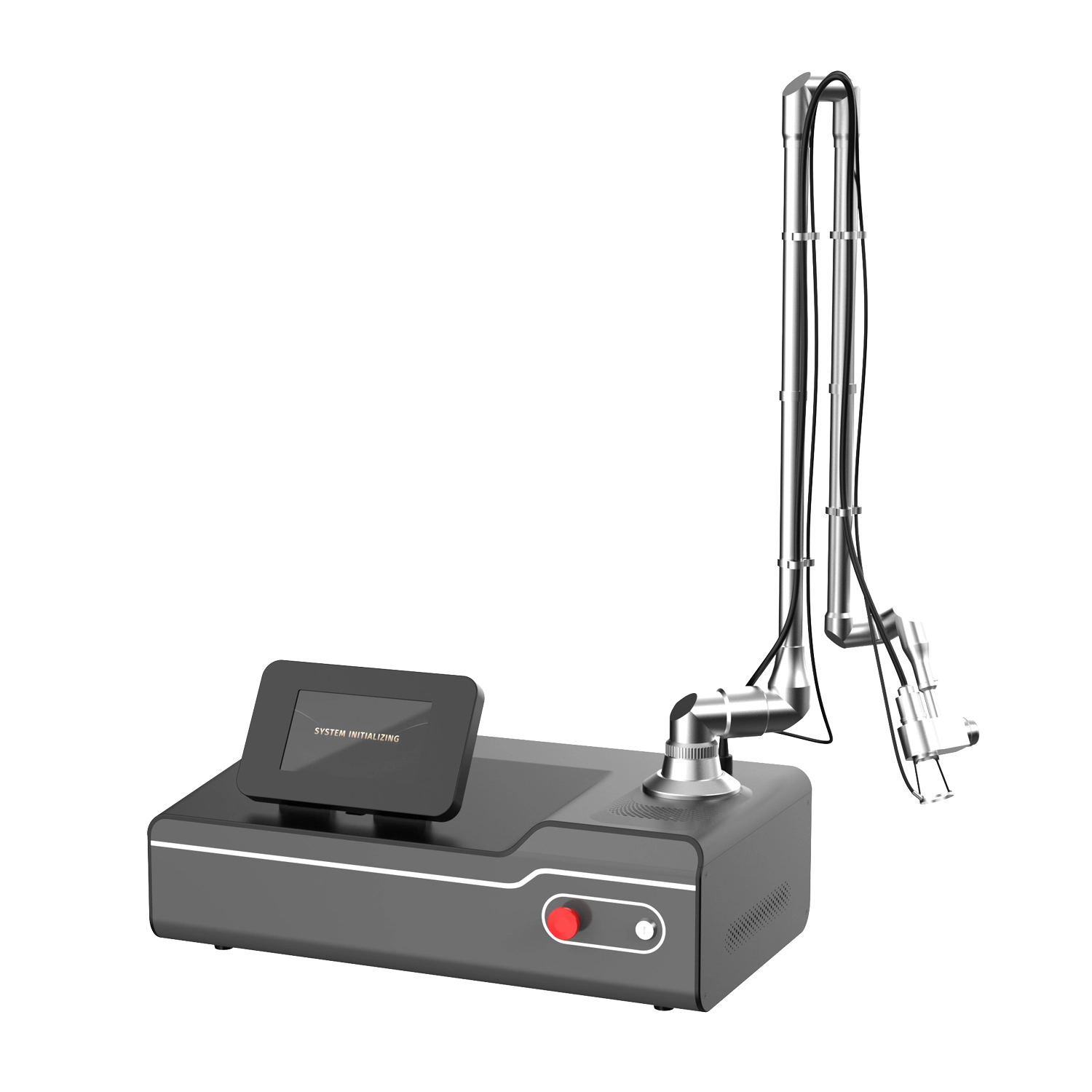
Professional CO2 Fractional Laser Machine for Skin Resurfacing & Scar Treatment
The CO2 Fractional Laser Machine is a professional CO2 fractional laser machine designed for advanced skin resurfacing, scar treatment, and skin rejuvenation procedures.
Using 10,600nm CO2 fractional laser technology, the system delivers controlled microthermal zones into the skin, stimulating collagen remodeling while preserving surrounding tissue. This fractional approach significantly improves treatment safety, recovery time, and clinical outcomes.
The CO2 fractional laser machine is widely used in dermatology clinics and medical aesthetic centers for treating acne scars, wrinkles, enlarged pores, stretch marks, and various skin texture concerns.
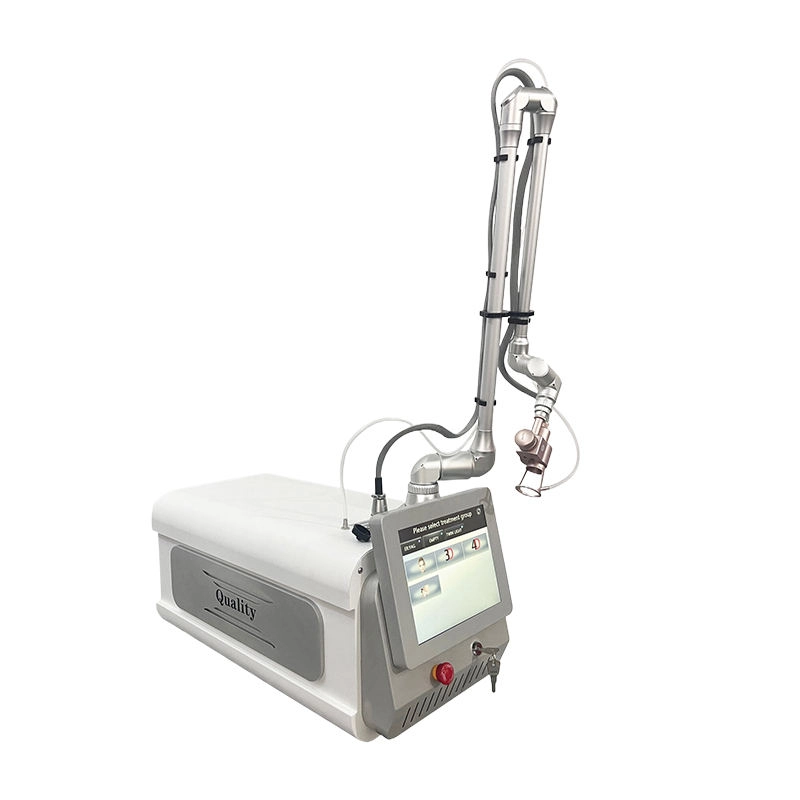
Professional CO2 Fractional Laser Machine | Fractional & Vaginal Rejuvenation CO2 Laser System
The CO2 fractional laser machine is a professional medical-grade device designed for deep skin resurfacing, wrinkle reduction, scar repair, and vaginal rejuvenation. Using a 10600 nm fractional CO2 laser beam, it creates micro-thermal columns on the skin to stimulate collagen regeneration and accelerate skin healing.
This CO2 fractional laser machine provides multiple treatment modes, including fractional mode, surgical cutting mode, and optional vaginal tightening mode, making it ideal for dermatology clinics and professional beauty centers seeking advanced laser solutions.
Its high precision, adjustable spot size, stable energy output, and seven-joint articulated arm ensure safe, accurate, and effective treatment results with minimal downtime.
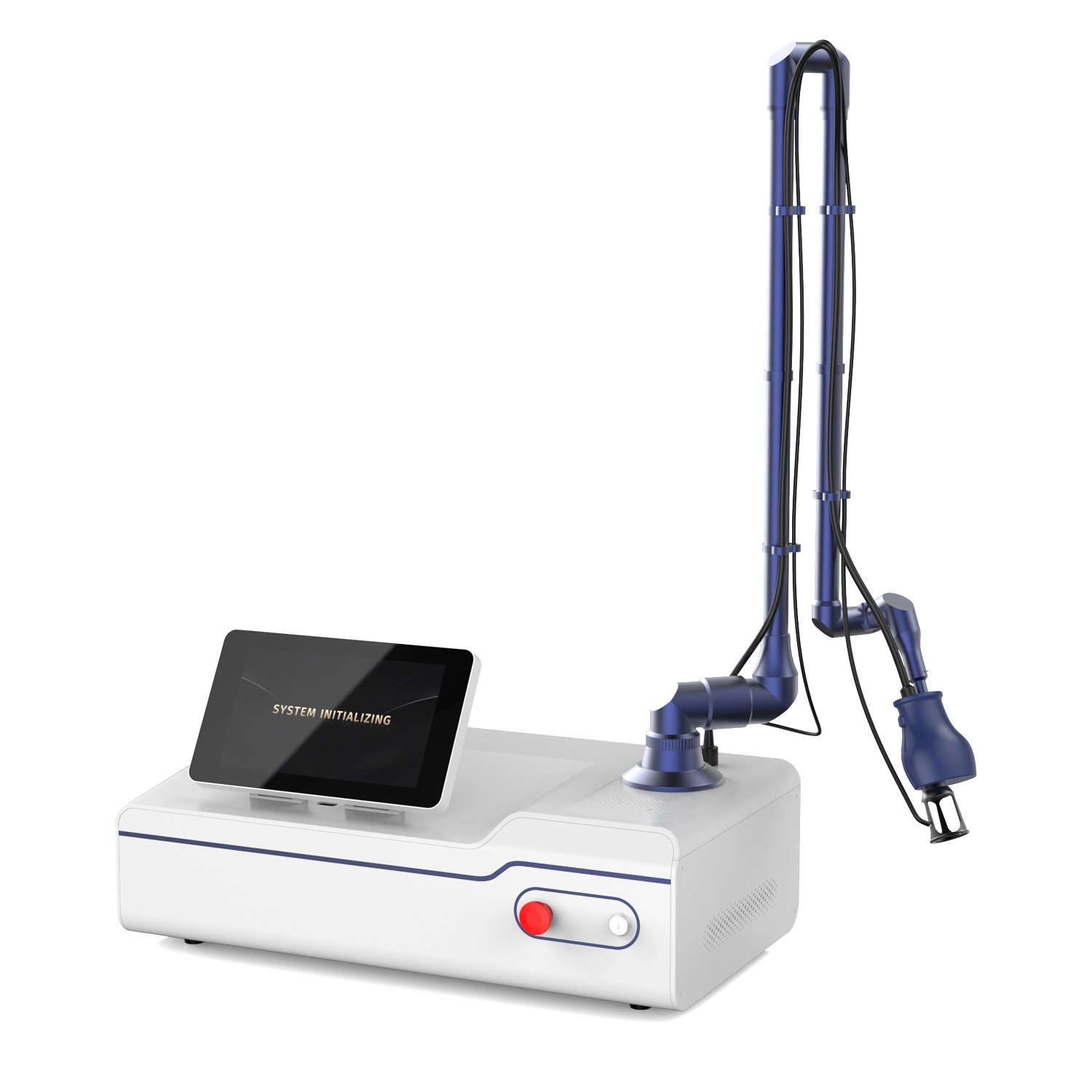
CO2 Fractional Laser Machine | Intimate Vaginal Rejuvenation System
This **CO2 Fractional Laser Machine** utilizes advanced 10600nm CO2 fractional laser technology to create controlled micro-thermal zones on the vaginal mucosa and intimate skin layers. These micro-columns stimulate collagen regeneration and tissue remodeling, effectively improving vaginal tightness, elasticity, and overall intimate health.
Designed specifically for professional medical aesthetic and intimate wellness applications, this CO2 fractional laser machine features intelligent parameter control and high-precision energy output to ensure safe, comfortable, and consistent treatment results. It is an ideal core device for vaginal rejuvenation, postpartum recovery, and intimate anti-aging treatments.
Get more information
If you have any comments or good suggestions, please leave us a message; later our professional staff will contact you as soon as possible.
Let's Talk
Stay in touch with us for cutting-edge beauty solutions, professional guidance, and customized service.
Contact


Room 307, Building A, Huilong International E-commerce Industrial Park, No. 10 Xipengling Road, Helong Street, Baiyun District, Guangzhou, China
© 2025 HUIMAIN. All Rights Reserved. Privacy Policy | Terms and Conditions | Sitemap
Facebook
Instagram
Medical beauty equipment factory
huimain Medical beauty equipment factory
beauty machine supplier
Whatsapp: +8619124004543