


Multifunction Facial Machine Packaging and Shipping for Exporters
- Why packaging and shipping matter for beauty device exporters
- Protecting high-value electronics and consumables
- Minimizing returns, claims, and regulatory headaches
- Meeting customer expectations across regions
- Packaging design and materials for multifunction facial machines
- Primary, secondary, and tertiary packaging layers
- Material selection and environmental controls
- Packaging performance testing (why ISTA matters)
- Export compliance, documentation, and labeling
- Regulatory marks and product classification
- Essential export documents and customs readiness
- Labeling: content, placement and hazard communication
- Logistics: carrier selection, cost trade-offs, and packaging optimization
- Comparing air, sea, and express (cost, speed, risk)
- Packaging optimization to reduce volumetric costs
- Insurance, claims process, and quality control checkpoints
- Practical packaging guides, checklists, and tests I use
- Packing checklist for a multifunction facial machine
- Recommended tests before first commercial shipment
- Sample packaging-material comparison
- Why Guangzhou Huimain Technology is a reliable partner
- Company profile and R&D strengths
- Certifications, quality assurance and market reach
- Core products and competitive differentiators
- Implementation timeline and cost-saving tips
- Typical project timeline for first export batch
- Cost optimization strategies
- Vendor and in-house capabilities checklist
- FAQ — Common exporter questions
- 1. What packaging tests should I insist on before shipping multifunction facial machines?
- 2. Do I need special documentation if my machines include lithium batteries?
- 3. How do I determine whether my device is regulated as a medical device?
- 4. Can proper packaging lower my insurance High Qualitys?
- 5. What is the best way to handle returns and warranty replacements internationally?
- 6. How should I label shipments for customs to avoid delays?
- 7. How can I balance packaging sustainability with product protection?
- Final notes and contact
As someone who has designed, shipped, and troubleshot international deliveries of professional beauty equipment for years, I know that packaging and shipping are as critical as the machine itself. A well-packaged multifunction facial machine reduces transit damage, avoids customs holds, and preserves brand reputation—especially when exporting to regulated markets in Europe and North America. In this article I detail the end-to-end considerations that exporters must master: packaging engineering, regulatory and testing requirements, documentation and labeling, carrier selection, and practical checklists you can implement immediately.
Why packaging and shipping matter for beauty device exporters
Protecting high-value electronics and consumables
Multifunction facial machines combine electronics, pumps, sensors, and consumable accessories (serums, masks, or probes). Transit shock, vibration, humidity, and temperature can cause calibration drift, cosmetic damage, or failure. I always recommend treating each unit as a precision instrument: the packaging must mitigate mechanical, electrostatic, and environmental risks.
Minimizing returns, claims, and regulatory headaches
Damage in transit leads not only to replacement costs but to warranty claims, customs inspections, and reputational loss. Compliant packaging and clear labeling also speed customs clearance; many authorities inspect poorly labeled shipments more frequently. Referencing official guidance such as the FDA's medical device overview helps align your shipments with regulatory expectations (FDA - Medical Devices).
Meeting customer expectations across regions
Different markets expect different packaging standards—retail-ready in Europe, palletized and bulk in Southeast Asia, or white-glove delivery for clinic-level devices in North America. Understanding destination preferences lets you optimize packaging for cost while protecting product integrity.
Packaging design and materials for multifunction facial machines
Primary, secondary, and tertiary packaging layers
I structure packaging in three layers: primary (device protection and internal fixtures), secondary (outer carton and shock absorption), and tertiary (palletization and export wrapping). For a multifunction facial machine:
- Primary: molded PE/PU foam or vacuum-formed trays to secure the device and probes, anti-static bags for PCBs, silica gel for moisture control.
- Secondary: double-wall corrugated cartons with edge protectors and cushioning to meet drop-test requirements.
- Tertiary: stretch-wrapped pallets, corner boards, and banding for sea or air shipments.
- Inspect unit function and record serial number (photo record).
- Place main unit in ESD-safe bag (if applicable) and secure probe cables into foam compartments.
- Add silica gel and humidity indicator card; seal primary tray.
- Wrap secondary cushioning (molded foam, airbags) and place in a double-wall corrugated box.
- Apply labeling: fragile, orientation, battery declarations if applicable.
- Record carton weight, dimensions, and scan barcode into shipping manifest.
- Drop and vibration tests per ISTA protocols (ISTA).
- Compression tests for stacked pallets.
- Environmental tests for humidity and temperature-sensitive units; accelerated aging where appropriate.
- Strong R&D and clinical testing capability.
- Strict quality control and certifications (CE, SGS).
- Flexible OEM/ODM capacity for customized client requirements.
- Week 1–2: Packaging design, BOM and supplier sourcing.
- Week 3–4: Prototype packaging and ISTA pre-test.
- Week 5: Revise and finalize packaging; prepare documentation (CE, test reports).
- Week 6–8: Production, pack sample inspections, and booking carrier.
- Does your supplier provide ISTA or equivalent test reports?
- Can the manufacturer perform final functional checks and photo documentation before packaging?
- Is there capacity for custom foam inserts and ESD packaging if required?
Material selection and environmental controls
Use materials tested for load and compression; consider humidity-sensitive components (PCBs, electromechanical parts) and include desiccants and humidity indicator cards. For electrostatic-sensitive parts, use ESD-safe packaging. For sterility-sensitive accessories, reference ISO standards where applicable (see ISO 11607 overview ISO 11607).
Packaging performance testing (why ISTA matters)
Before scaling exports, I recommend performing ISTA or equivalent transit tests. The International Safe Transit Association (ISTA) defines protocols for vibration, drop, and compression. Tests simulate real-world freight handling and are often required by major carriers or distribution partners.
Export compliance, documentation, and labeling
Regulatory marks and product classification
Confirm whether your multifunction facial machine is regulated as a medical device, cosmetic device, or consumer electronics in each target market—this changes labeling, documentation, and customs codes (HS tariff s). For CE marking and EU conformity, consult the European Commission guidance (CE Marking - European Commission).
Essential export documents and customs readiness
Typical required documents include commercial invoice, packing list, bill of lading/airway bill, certificate of origin, and any product-specific certificates (CE, SGS test reports, patents). For export procedures and customs requirements, the ICC Incoterms and national customs guidance are essential references—see Incoterms rules and your local customs portal.
Labeling: content, placement and hazard communication
Labels should include product name, model, serial number, weight, dimensions, origin, handling marks (Fragile, This Way Up), and any hazard information (e.g., lithium battery statements if present). If batteries are shipped with the device, follow IATA dangerous goods regulations (IATA DGR) to avoid carrier refusal or fines.
Logistics: carrier selection, cost trade-offs, and packaging optimization
Comparing air, sea, and express (cost, speed, risk)
Choosing the correct transport mode depends on product value, lead time, and damage tolerance. Below I summarize typical trade-offs I use when advising exporters.
| Mode | Transit Time | Cost (per unit) | Risk of Damage/Loss | Best For |
|---|---|---|---|---|
| Air Freight | 2–7 days | High | Lower (faster handling, more careful) | High-value, urgent shipments |
| Sea Freight (FCL/LCL) | 20–45 days | Low | Moderate–High (longer exposure to humidity, stacking) | Bulk orders, cost-sensitive |
| Express Couriers | 1–5 days | Very High | Low (door-to-door, fewer transfers) | Samples, aftermarket parts, urgent replacements |
Packaging optimization to reduce volumetric costs
Because air/express carriers charge by volumetric weight, optimizing the internal layout and selecting right-sized cartons can dramatically reduce shipping cost. I perform regular packaging audits—measuring void space, reconfiguring trays, and testing foldable or nested designs to lower dimensions without compromising protection.
Insurance, claims process, and quality control checkpoints
Always insure high-value shipments; familiarize yourself with carrier liability limits and consider additional cargo insurance for high-risk lanes. Maintain photos of packed units, pack-level barcodes, and packing checklists to expedite claims. For dispute resolution I rely on documented ISTA test reports, photographic records, and certified pre-shipment inspection (PSI) reports (SGS and other third-party inspectors are common; see SGS).
Practical packaging guides, checklists, and tests I use
Packing checklist for a multifunction facial machine
Recommended tests before first commercial shipment
I require exporters to perform:
Sample packaging-material comparison
| Material | Protection | Cost | Sustainability |
|---|---|---|---|
| Molded PU/PE Foam | Excellent shock absorption, custom fit | Medium–High | Low (difficult to recycle unless specified) |
| Corrugated Cardboard (double wall) | Good structural protection, stackable | Low | High (recyclable) |
| EPS (Expanded Polystyrene) | Good cushioning, low weight | Low | Low (recycling challenges) |
| Airbags / Inflatable Cushions | Good void fill, low weight | Low–Medium | Medium (some recyclable versions) |
Why Guangzhou Huimain Technology is a reliable partner
Company profile and R&D strengths
At Guangzhou Huimain Technology Co., Ltd., I’ve worked closely with teams that combine high technical capability and production discipline. The company is a high-tech enterprise specializing in R&D, production, and after-sales for professional beauty machines and home-use devices. Operating from a 3,000-square-meter facility and backed by a technical team where over 60% have higher education degrees, they maintain dedicated purchasing, clinical testing, and engineering departments—allowing continued R&D investment and strict quality control.
Certifications, quality assurance and market reach
Guangzhou Huimain’s products have CE certification, SGS approval, and multiple patents. These credentials support exports to Europe and North America and reduce regulatory friction during customs inspections. The company follows OEM and ODM processes and serves salons and distributors across China, Southeast Asia, the Middle East, Europe, and North America.
Core products and competitive differentiators
Huimain’s main products include Cryolipolysis machines, EMS sculpting machines, Plasma machines, Shockwave machines, HIFU, Hydrofacial machines, Cavitation vacuum machines, Laser hair removal, Tattoo removal machines, and Microneedle machines. Their competitive strengths include:
For more details, visit their website: https://www.huimainbeauty.com/ or contact sales at coco@huimainbeauty.com.
Implementation timeline and cost-saving tips
Typical project timeline for first export batch
Cost optimization strategies
Key savings I apply include consolidated shipments, right-sizing packaging to reduce volumetric weight, negotiating pallet rates with carriers, and choosing protective solutions that reduce returns (thus saving warranty and reputational costs).
Vendor and in-house capabilities checklist
FAQ — Common exporter questions
1. What packaging tests should I insist on before shipping multifunction facial machines?
Insist on ISTA transit simulation tests (drop, vibration, compression) and environmental/humidity tests for electronics. If shipping by sea, include salt-spray or moisture exposure simulations. ISTA resources: ista.org.
2. Do I need special documentation if my machines include lithium batteries?
Yes. Batteries trigger dangerous goods rules—especially air transport. Follow IATA DGR for classification, packaging, labeling and documentation (IATA DGR).
3. How do I determine whether my device is regulated as a medical device?
Regulatory classification depends on intended use and claims. Check the FDA guidance and EU Medical Device Regulation (MDR) criteria; consult a regulatory specialist if you make clinical claims. FDA overview: FDA.
4. Can proper packaging lower my insurance High Qualitys?
Yes. Insurers often consider packing quality and third-party test reports when pricing policies. Documented ISTA tests, professional packing procedures, and pre-shipment inspections can reduce perceived risk and High Quality.
5. What is the best way to handle returns and warranty replacements internationally?
Use a clear returns policy, pre-authorized RMA numbers, and local repair hubs or spare-part consignments by express. For high-volume markets, consider an authorized distributor to handle service and warranty to limit cross-border returns.
6. How should I label shipments for customs to avoid delays?
Provide detailed commercial invoices with HS codes, product descriptions, unit values, country of origin, and complete consignee information. Including test certificates (CE, SGS) and a declared purpose (e.g., commercial sale, sample) speeds inspections. Refer to your destination customs portal for exact requirements and the ICC Incoterms for trade term clarity (Incoterms).
7. How can I balance packaging sustainability with product protection?
Start with recyclable outer cartons, optimize size to reduce material, and evaluate biodegradable or recyclable cushioning. Some companies use recycled molded pulp for secondary trays combined with thin foam inserts for sensitive components.
Final notes and contact
Packaging and shipping are operational levers that directly affect your bottom line and brand reputation when exporting multifunction facial machines. If you need a packaging audit, ISTA testing coordination, or assistance aligning shipping documentation with CE/SGS test reports, I can help design workflows and technical specifications tailored to your product and target markets.
For professional cooperation and product sourcing, consider Guangzhou Huimain Technology Co., Ltd.—a partner with robust R&D, certifications (CE, SGS), and a strong OEM/ODM track record. Visit https://www.huimainbeauty.com/ or email Coco at coco@huimainbeauty.com to request packaging specifications, test reports, or a quote.
Products: Cryolipolysis machine, EMS sculpting machine, Plasma machine, Shockwave machine, HIFU machine, Hydrofacial machine, Cavitation vacuum machine, Laser hair removal, Tattoo removal machine, Microneedle machine.
![Choosing the Right Latest Laser Hair Removal Machine: Diode, Alexandrite, or Multi-Wavelength? [2026 ROI Guide] - HUIMAIN](https://www.huimainbeauty.com/upload/img/ai-image/choosing-the-right-latest-laser-hair-removal-machine-diode-alexandrite-or-multi-wavelength-2026-roi-guide.png?x-oss-process=image/format,webp/quality,Q_100 "Choosing-the-Right-Latest-Laser-Hair-Removal-Machine:-Diode,-Alexandrite,-or-Multi-Wavelength?-[2026-ROI-Guide] - HUIMAIN")
双逆博士
How many sessions do I need?
Typically, 1-2 sessions are required for noticeable results. Additional maintenance sessions may be scheduled depending on individual skin concerns.
X5 pro
Is this device suitable for professional use only?
Yes. The X5 Pro AI Skin Image Analyzer is designed for salons, clinics, and professional aesthetic institutions.
Frequently Asked Questions: EMS Sculpting ROI
Can I combine EMS with the fat-reduction machines I already own?
Yes. EMS is the perfect complementary treatment. Combining EMS (muscle toning) with existing modalities like cryolipolysis (fat reduction) allows you to create premium, high-ticket "Total Body Transformation" packages.
OL-164
What are the main treatment effects?
Deep cleansing, blackhead removal, hydration, anti-aging, and skin tone improvement.
Portable EMS Magnetic Ring
Is this machine suitable for home use?
Yes, it is designed for both professional and personal use, offering clinic-quality results at home.

CO2 Fractional Laser Machine – Professional Wrinkle Removal & Skin Resurfacing Device
The CO2 Fractional Laser Machine is a multifunctional aesthetic device designed for professional clinics and beauty salons. Using advanced fractional CO2 laser technology, it effectively targets acne scars, freckles, pigmentation, nevi, and deep wrinkles. Additionally, it provides non-invasive skin rejuvenation, vaginal tightening, and intimate beautification. This professional CO2 laser equipment combines precision, safety, and powerful energy output to deliver outstanding anti-aging and dermatological results.
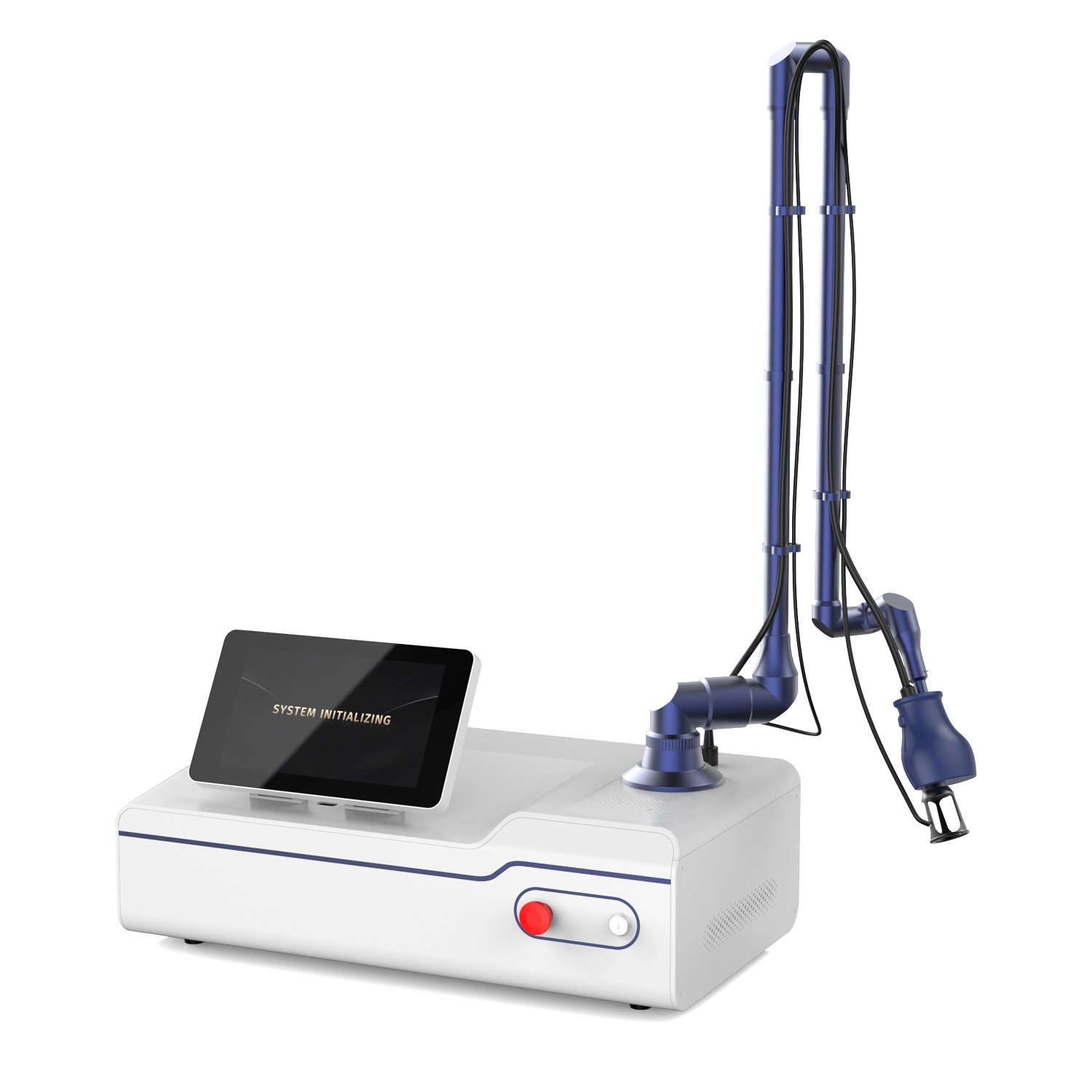
CO2 Fractional Laser Machine | Intimate Vaginal Rejuvenation System
This **CO2 Fractional Laser Machine** utilizes advanced 10600nm CO2 fractional laser technology to create controlled micro-thermal zones on the vaginal mucosa and intimate skin layers. These micro-columns stimulate collagen regeneration and tissue remodeling, effectively improving vaginal tightness, elasticity, and overall intimate health.
Designed specifically for professional medical aesthetic and intimate wellness applications, this CO2 fractional laser machine features intelligent parameter control and high-precision energy output to ensure safe, comfortable, and consistent treatment results. It is an ideal core device for vaginal rejuvenation, postpartum recovery, and intimate anti-aging treatments.
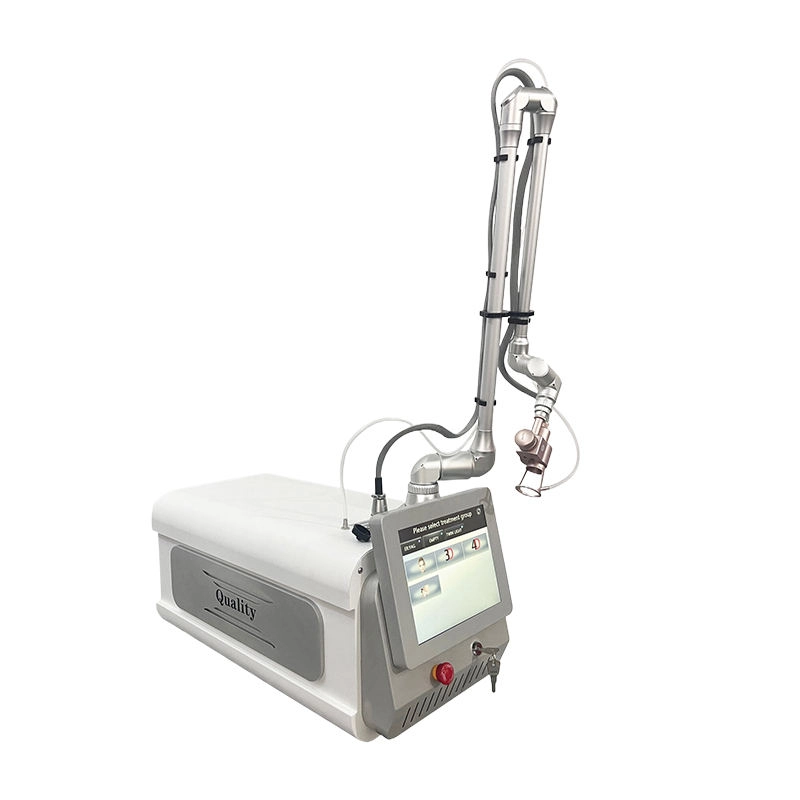
Professional CO2 Fractional Laser Machine | Fractional & Vaginal Rejuvenation CO2 Laser System
The CO2 fractional laser machine is a professional medical-grade device designed for deep skin resurfacing, wrinkle reduction, scar repair, and vaginal rejuvenation. Using a 10600 nm fractional CO2 laser beam, it creates micro-thermal columns on the skin to stimulate collagen regeneration and accelerate skin healing.
This CO2 fractional laser machine provides multiple treatment modes, including fractional mode, surgical cutting mode, and optional vaginal tightening mode, making it ideal for dermatology clinics and professional beauty centers seeking advanced laser solutions.
Its high precision, adjustable spot size, stable energy output, and seven-joint articulated arm ensure safe, accurate, and effective treatment results with minimal downtime.
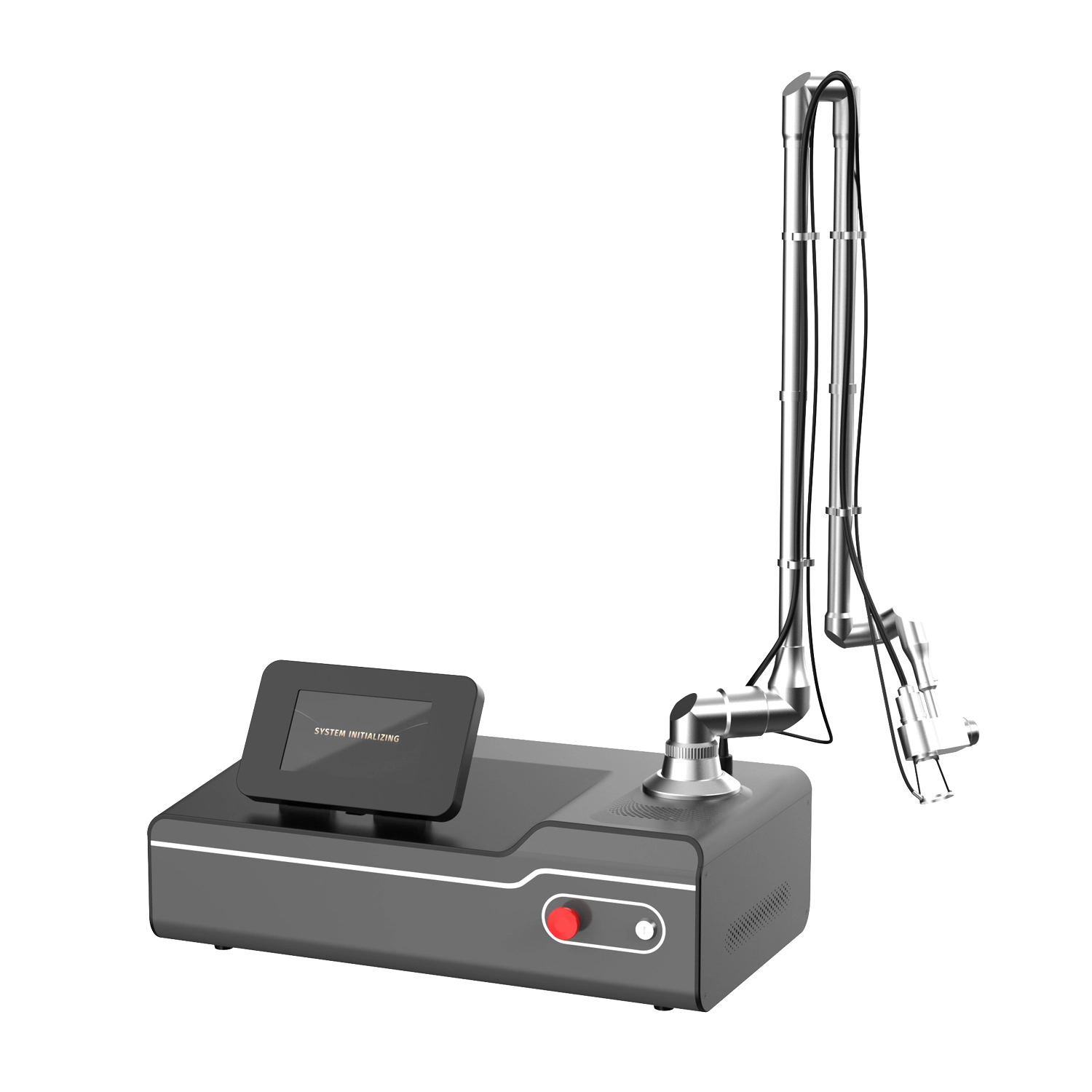
Professional CO2 Fractional Laser Machine for Skin Resurfacing & Scar Treatment
The CO2 Fractional Laser Machine is a professional CO2 fractional laser machine designed for advanced skin resurfacing, scar treatment, and skin rejuvenation procedures.
Using 10,600nm CO2 fractional laser technology, the system delivers controlled microthermal zones into the skin, stimulating collagen remodeling while preserving surrounding tissue. This fractional approach significantly improves treatment safety, recovery time, and clinical outcomes.
The CO2 fractional laser machine is widely used in dermatology clinics and medical aesthetic centers for treating acne scars, wrinkles, enlarged pores, stretch marks, and various skin texture concerns.
Get more information
If you have any comments or good suggestions, please leave us a message; later our professional staff will contact you as soon as possible.
Let's Talk
Stay in touch with us for cutting-edge beauty solutions, professional guidance, and customized service.
Contact


Room 307, Building A, Huilong International E-commerce Industrial Park, No. 10 Xipengling Road, Helong Street, Baiyun District, Guangzhou, China
© 2025 HUIMAIN. All Rights Reserved. Privacy Policy | Terms and Conditions | Sitemap
Facebook
Instagram
Medical beauty equipment factory
huimain Medical beauty equipment factory
beauty machine supplier
Whatsapp: +8619124004543