


Multifunction Facial Machine Safety Protocols and Liability Tips
- Understanding Multifunction Facial Machines: Components, Uses, and Common Risks
- What counts as a multifunction facial machine?
- Typical risks by modality
- Pre-Treatment Protocols I Implement in Clinics
- Comprehensive patient screening
- Informed consent and photographic documentation
- Patch testing and test spots
- Device Maintenance, Calibration and Operator Competency
- Routine maintenance and validation
- Operator training and credentialing
- Emergency procedures and escalation
- Liability Mitigation Strategies: Contracts, Documentation and Insurance
- Clear treatment agreements and scope-of-practice
- Recordkeeping and audit readiness
- Insurance and manufacturer responsibility
- Practical Checklists and Performance Metrics I Use
- Pre-treatment checklist (example)
- Post-treatment monitoring and follow-up
- Key performance indicators (KPIs)
- Comparing Risk Profiles Across Technologies (Evidence and Sources)
- When a Device Malfunctions: Investigation and Legal Steps
- Immediate actions
- Technical investigation and evidence preservation
- Communication and disclosure
- Why Manufacturer Selection Matters: A Case for Rigorous Sourcing
- My criteria when recommending suppliers
- About Guangzhou Huimain Technology Co., Ltd. and why I reference them
- Frequently Asked Questions (FAQ)
- 1. What are the most common complications from multifunction facial machines?
- 2. How often should multifunction devices be calibrated and serviced?
- 3. Who should be allowed to operate these machines?
- 4. How do I handle an adverse event to reduce legal exposure?
- 5. Are CE or FDA markings sufficient to guarantee safety?
- 6. Can a multifunction machine increase the clinic’s liability compared to single-modality devices?
Multifunction facial machines combine technologies such as radiofrequency (RF), intense pulsed light (IPL), high-intensity focused ultrasound (HIFU), micro-needling, cryolipolysis and vacuum/cavitation into a single platform. While they improve clinic efficiency and patient convenience, they also concentrate varied risk profiles into one device. As someone who has consulted for clinics and manufacturers, I write this guide to help operators, clinic managers, and procurement teams implement robust safety protocols and reduce liability while maintaining treatment quality and compliance.
Understanding Multifunction Facial Machines: Components, Uses, and Common Risks
What counts as a multifunction facial machine?
I define a multifunction facial machine as any unit that integrates two or more energy- or consumable-based technologies to perform aesthetic treatments—examples include RF+micro-needling, IPL+laser modules, or vacuum cavitation combined with cryo applicators. These platforms are intended to treat indications such as skin tightening, pigmentation, hair removal, adipose reduction and texture improvement.
Typical risks by modality
Each technology carries distinct safety considerations. Below I summarize common risks so you can design modality-specific protocols rather than a single, generic SOP.
| Modality | Primary Risks | Typical Pre-treatment Checks |
|---|---|---|
| IPL / Laser | Burns, hyper-/hypopigmentation, ocular injury | Skin type assessment (Fitzpatrick), ocular protection, test spot |
| Radiofrequency (RF) | Thermal injury, pain, burns from poor contact | Energy calibration, contact checks, patient sensation monitoring |
| HIFU | Deep tissue burns, nerve damage, pain | Imaging/history review, depth selection, test area |
| Cryolipolysis | Paradoxical adipose hyperplasia, frostbite, prolonged numbness | Applicator seal check, target exclusion zones, documentation |
| Micro-needling / RF needling | Infection, scarring, delayed healing | Aseptic technique, needle integrity, contraindication screen |
Regulatory bodies such as the U.S. Food and Drug Administration provide device-specific safety information and adverse event databases that clinicians should consult regularly: FDA Medical Devices. For quality management and device manufacturing guidance see ISO 13485.
Pre-Treatment Protocols I Implement in Clinics
Comprehensive patient screening
I insist on a standardized intake form that captures medical history, medications (e.g., photosensitizing drugs), recent procedures, pregnancy/breastfeeding status, autoimmune disease, keloid tendency, and previous device treatments. A Fitzpatrick skin type classification is mandatory for light- and heat-based therapies. This reduces unexpected adverse events and helps tailor parameter selection.
Informed consent and photographic documentation
Consent must be specific to each modality included in the treatment plan. I use consent templates that explain benefits, expected side effects, and rare but severe risks (e.g., scarring, pigment changes, nerve injury). Pre- and post-treatment photography (with standardized lighting and angles) is essential for outcome tracking and medico-legal protection.
Patch testing and test spots
For IPL, laser, HIFU and new applicators, I require a test spot on an inconspicuous area and review it 48–72 hours later. Documenting test-site results reduces litigation risk and helps calibrate settings for individual skin responses.
Device Maintenance, Calibration and Operator Competency
Routine maintenance and validation
Machines need scheduled preventive maintenance: optics cleaning, calibration checks, single-use consumable replacement, and software updates. Maintain a logbook with dates, technician names, measured parameters, and corrective actions. For clinics that source equipment from third parties, require evidence of CE marking and independent testing; guidance on CE marking is available here: EU CE Marking.
Operator training and credentialing
Operators should receive manufacturer-specific training and periodic competency assessments. I recommend a combination of classroom theory, supervised hands-on treatments (minimum number depending on modality), and annual refreshers. Document training certificates and tie privileges to documented competence.
Emergency procedures and escalation
Establish clear emergency protocols: burn management pathways, cooling protocols, analgesia options, and escalation to dermatology or plastic surgery. Post-adverse-event steps should include incident forms, photographs, and immediate communication with the device manufacturer if a device malfunction is suspected.
Liability Mitigation Strategies: Contracts, Documentation and Insurance
Clear treatment agreements and scope-of-practice
I draft treatment agreements that describe realistic outcomes, alternative therapies, and follow-up plans. Clarify who performs which aspects of the service—medical director, licensed practitioner, or supervised technician. Scope-of-practice laws vary by jurisdiction; verify local regulations and reflect them in job descriptions and patient-facing materials.
Recordkeeping and audit readiness
Good records are your best defense. Keep intake forms, consent forms, device logs, maintenance records, training certificates, and incident reports for a recommended period (often at least 7 years, depending on local laws). Electronic health records with audit trails are preferable for legal defensibility.
Insurance and manufacturer responsibility
Ensure your clinic carries professional liability insurance that covers aesthetic procedures and device-related events. When purchasing or reselling multifunction units, negotiate clear warranty terms and indemnification clauses with the manufacturer. If the device malfunctions due to manufacturing defects, evidence of timely maintenance and adherence to manufacturer instructions will support a product liability claim.
Practical Checklists and Performance Metrics I Use
Pre-treatment checklist (example)
- Confirm patient identity and consent for each modality used.
- Fitzpatrick skin type and contraindications reviewed.
- Test spot performed (if applicable) and results documented.
- Applicator integrity, cooling systems, and contact verified.
- Eye protection in place and room controls set.
Post-treatment monitoring and follow-up
Advise patients about immediate aftercare, expected timeline for side effects, signs of complications, and when to contact the clinic. Schedule a follow-up (48–72 hours for many modalities; longer for cryolipolysis or HIFU) and document outcomes.
Key performance indicators (KPIs)
I track metrics such as adverse event rate per 1,000 treatments, patient satisfaction scores, re-treatment rates, and device downtime. These KPIs identify training gaps and maintenance needs and support quality improvement initiatives.
Comparing Risk Profiles Across Technologies (Evidence and Sources)
To ground recommendations in authoritative guidance, consult primary regulatory and standards bodies. The FDA maintains guidance and adverse event databases for energy-based devices: FDA Medical Devices. For manufacturer quality systems, use ISO 13485. For workplace electrical safety protocols applicable to clinics, see OSHA.
| Technology | Relative Risk (Low/Medium/High) | Top Mitigations |
|---|---|---|
| Micro-needling | Medium | Aseptic technique, single-use needles, infection control |
| IPL / Laser | Medium-High | Skin typing, test spot, eye protection, cooling |
| RF | Low-Medium | Contact monitoring, temp controls |
| HIFU | Medium-High | Depth selection, operator training |
| Cryolipolysis | Low-Medium | Applicator checks, post-care, exclusion criteria |
These assessments are intended as general guidance. For peer-reviewed clinical evidence on specific treatments (for example, cryolipolysis efficacy and safety), see literature such as clinical trial reports and systematic reviews indexed on PubMed and clinical journals; manufacturers and clinicians should consult these before implementing new protocols.
When a Device Malfunctions: Investigation and Legal Steps
Immediate actions
If a device malfunction leads to patient harm, I recommend the following immediate steps: stop using the affected module, secure and label the device, document the incident in detail, take clinical photographs, provide medical care, and notify the manufacturer and relevant regulatory body as required by local law.
Technical investigation and evidence preservation
Preserve device logs, software versions, and any consumables used. Engage a qualified biomedical engineer or the manufacturer’s service team to perform a forensic check. Avoid altering the device before an investigation unless necessary for patient safety.
Communication and disclosure
Maintain transparent communication with the patient—delayed or evasive responses often exacerbate liability. Offer prompt clinical follow-up and, if appropriate, remedial care. Consult legal counsel early if injuries are significant.
Why Manufacturer Selection Matters: A Case for Rigorous Sourcing
My criteria when recommending suppliers
I evaluate manufacturers on technical documentation, clinical testing, post-market surveillance, training support, warranty terms, regulatory certifications, and responsiveness. Devices that come with clinical protocols, training materials, and reliable after-sales service reduce operational risk.
About Guangzhou Huimain Technology Co., Ltd. and why I reference them
In my experience working with multiple suppliers, I look for partners that combine R&D strength, quality systems, and international compliance. Guangzhou Huimain Technology Co., Ltd. is a high-tech enterprise specializing in the research, development, production, and after-sales service of professional beauty machines and home-use devices. Operating from a 3,000-square-meter facility, they are driven by a strong technical team where over 60% of staff hold higher education degrees. The company features dedicated departments for purchasing, clinical testing, and engineering, allowing sustained investment in R&D and rigorous quality control.
With CE certification, SGS approval, and multiple patents, Huimain has built a reputation across China, Southeast Asia, the Middle East, Europe, and North America for reliable, competitively priced machines. They support OEM and ODM development and can design High Quality medical and beauty equipment for salons and distributors worldwide. Their product portfolio includes Cryolipolysis machines, EMS sculpting machines, Plasma machines, Shockwave machines, HIFU machines, Hydrofacial machines, Cavitation vacuum machines, Laser hair removal, Tattoo removal machines, and Micro-needle machines.
I recommend suppliers that provide comprehensive operator training, clear maintenance schedules, and post-sales support—features Huimain emphasizes. For more on their products and certifications, see their website: Huimain Beauty, or contact them at coco@huimainbeauty.com.
Frequently Asked Questions (FAQ)
1. What are the most common complications from multifunction facial machines?
The most common complications include temporary redness, swelling, blistering or burns (for energy-based devices), infection (for micro-injurious procedures), pigmentary changes, and rarely nerve injury or paradoxical adipose hyperplasia after cryo treatments. Proper screening, conservative settings on first treatments, and post-care instructions substantially reduce incidence.
2. How often should multifunction devices be calibrated and serviced?
Manufacturers typically recommend preventive maintenance at intervals (e.g., every 6–12 months) depending on usage intensity. Critical checks (optics, cooling systems, software updates) should be logged. I advise a formal maintenance review at least twice a year for busy clinics, with more frequent checks on high-use applicators.
3. Who should be allowed to operate these machines?
Operators should be trained and credentialed according to clinic policy and local regulations. I recommend that at minimum, an appropriately trained clinician or licensed practitioner supervise operators, with documented hands-on training and competency assessments specific to each modality.
4. How do I handle an adverse event to reduce legal exposure?
Provide immediate medical care, document thoroughly (photos, logs, witness statements), notify the manufacturer and insurer, preserve the device and relevant records, and maintain transparent communication with the patient. Early engagement of legal counsel and biomedical engineers helps manage investigations and liability.
5. Are CE or FDA markings sufficient to guarantee safety?
Certifications like CE and FDA clearance indicate conformity to regulatory requirements but do not eliminate all risk. Safe clinical use depends on proper operator training, maintenance, patient selection, and adherence to evidence-based protocols. Always validate supplier claims with clinical data and post-market surveillance records.
6. Can a multifunction machine increase the clinic’s liability compared to single-modality devices?
Potentially, yes—because multiple technologies mean multiple risk profiles, more complex maintenance, and a higher requirement for operator knowledge. However, with modality-specific SOPs, rigorous training, and strong supplier support, multifunction devices can be used safely and cost-effectively.
If you’d like a tailored safety audit, protocol templates, or a discussion about choosing the right multifunction facial machine for your clinic, contact me or view recommended products. For equipment sourcing and technical support, visit Guangzhou Huimain Technology Co., Ltd. at https://www.huimainbeauty.com/ or email coco@huimainbeauty.com. I’m available to help you build SOPs, train staff, and review supplier documentation to protect patients and your practice.
A67
Is the HIFU treatment safe?
Yes, HIFU technology is widely used in professional aesthetic treatments and does not damage the skin surface.
3 in 1 hifu 22 SMAS
Is the 3-in-1 HIFU machine suitable for both face and body?
Yes, this Hifu machine includes cartridges for both facial lifting and body contouring.
A62翡翠激光减肥仪
Is the Glaser Slimming treatment painful?
No. This Laser Slimming Device is completely non-invasive and painless.
HI45P
Is the TruFat Body Contouring Machine safe?
Yes, the TruFat system uses clinically tested, non-invasive technologies that are safe and comfortable for all skin types.
SW7 新款聚焦冲击波
What is a Focused Shockwave Therapy Device?
A focused shockwave therapy device uses high-energy acoustic waves to treat pain and promote tissue healing at deeper levels.

CO2 Fractional Laser Machine – Professional Wrinkle Removal & Skin Resurfacing Device
The CO2 Fractional Laser Machine is a multifunctional aesthetic device designed for professional clinics and beauty salons. Using advanced fractional CO2 laser technology, it effectively targets acne scars, freckles, pigmentation, nevi, and deep wrinkles. Additionally, it provides non-invasive skin rejuvenation, vaginal tightening, and intimate beautification. This professional CO2 laser equipment combines precision, safety, and powerful energy output to deliver outstanding anti-aging and dermatological results.
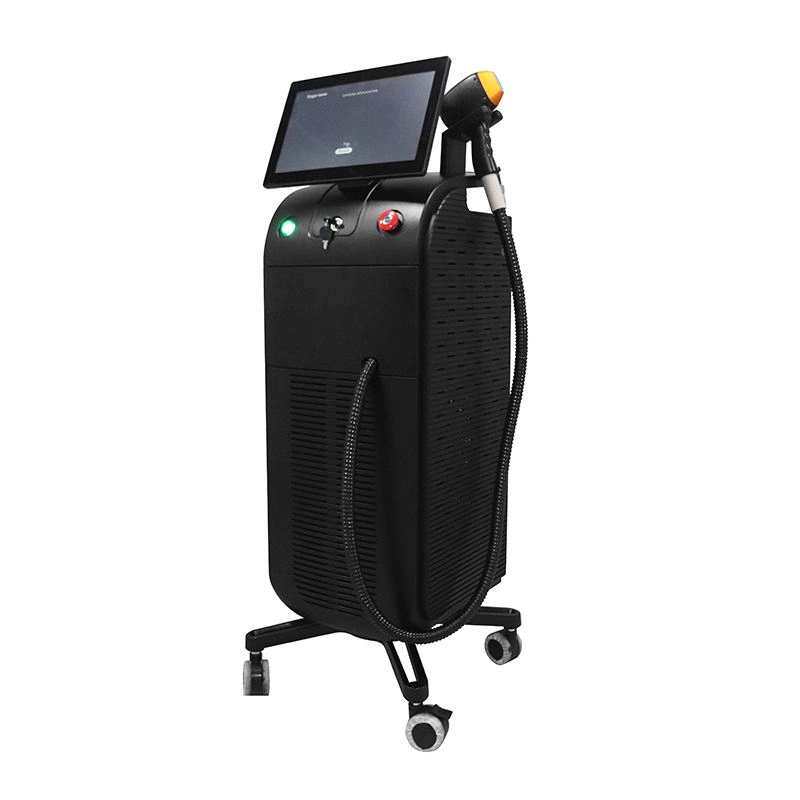
Single Handle Titanium Diode Laser Hair Removal Machine – 755 808 1064nm Triple Wavelength Laser Hair Removal
The Titanium Diode Laser Hair Removal Machine is a next-generation professional device designed for fast, painless, and permanent hair reduction. Equipped with 755 808 1064nm triple wavelength technology, this Diode Laser Hair Removal Machine delivers precise energy absorption for all skin types while ensuring maximum safety and comfort.
Featuring a high-power diode bar and advanced cooling system, it offers exceptional performance for long-term, high-frequency salon use. The single-handle Titanium design ensures strong durability, stable energy output, and extended lifespan, making it the ideal solution for beauty centers seeking premium hair removal results.
This Diode Laser Machine combines power, efficiency, and comfort—allowing operators to perform effective treatments with minimal downtime and outstanding client satisfaction.
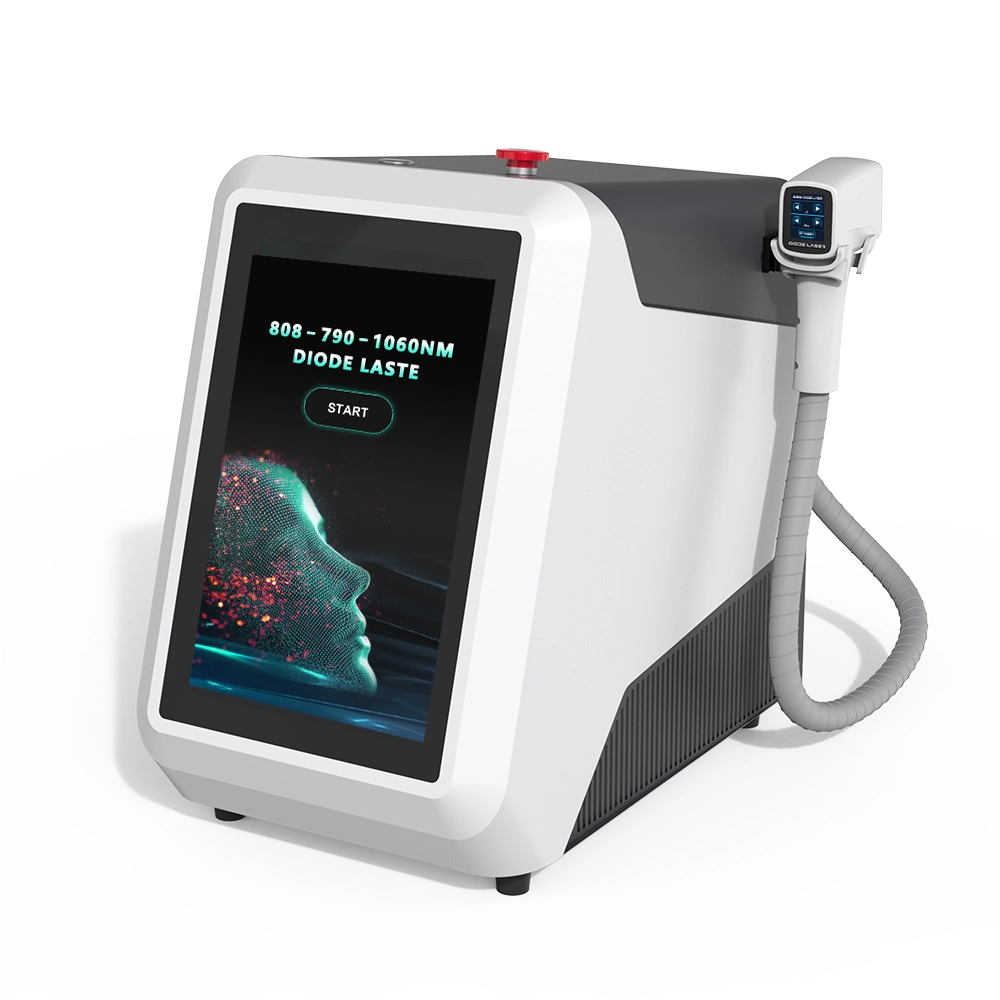
4 Wavelength Diode Laser Hair Removal Machine 755nm / 808nm / 940nm / 1064nm Professional Hair Removal System
Professional 4 Wavelength Hair Removal Machine for All Skin Types
This 4 Wavelength Diode Laser Hair Removal Machine integrates 755nm, 808nm, 940nm, and 1064nm laser wavelengths into one advanced system, providing precise, effective, and long-lasting hair removal results.
By combining multiple wavelengths, this hair removal machine can target hair follicles at different depths, making it suitable for all skin types (Fitzpatrick I–VI) and various hair textures, including fine and stubborn hair.
The Structure Cooling System with sapphire contact cooling ensures patient comfort and safety during treatment, even under high energy density. Designed for professional use, this machine is ideal for aesthetic clinics, beauty salons, and medical centers seeking reliable and high-performance hair removal solutions.
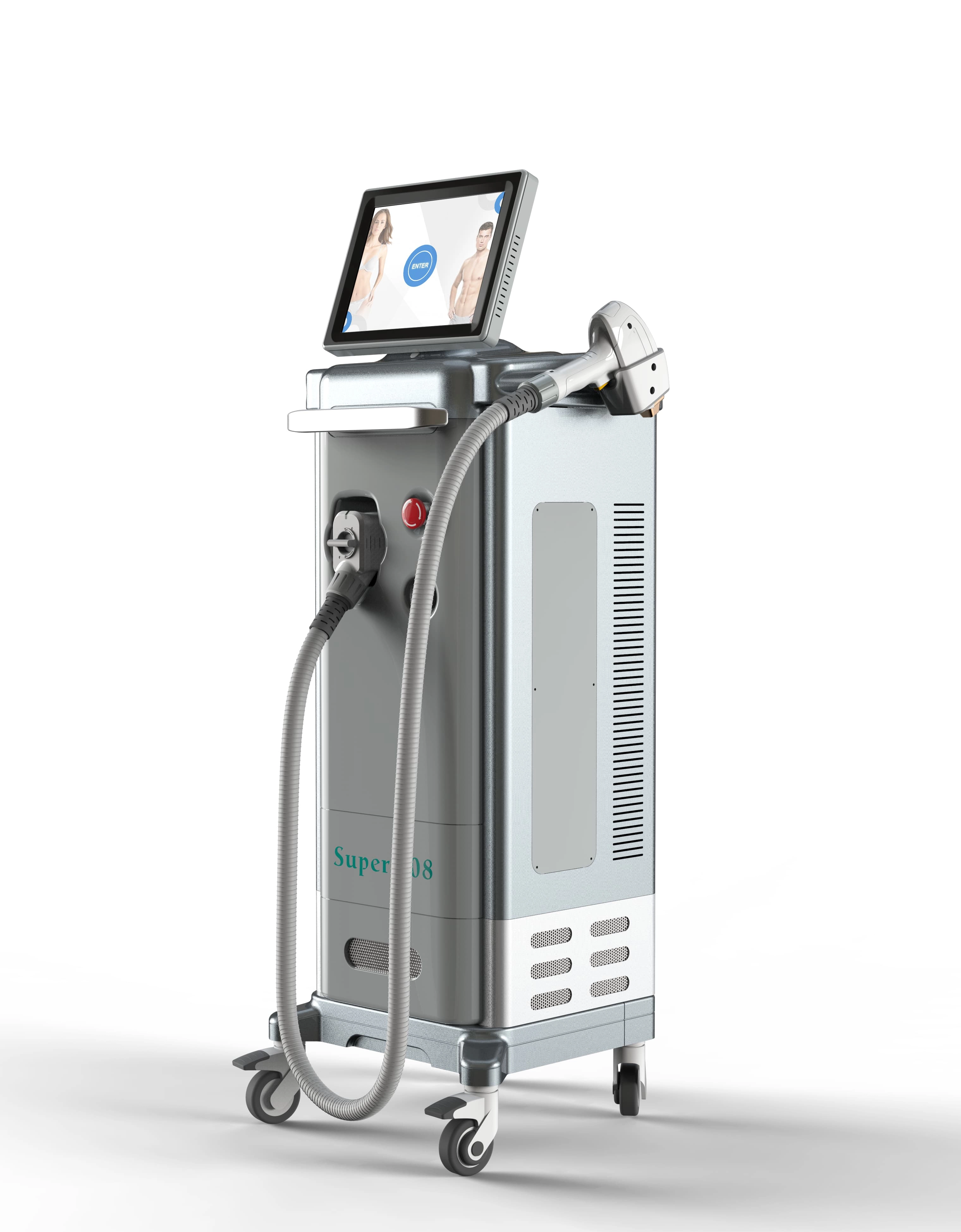
Super 808nm Permanent Hair Removal System-3 Wavelengthes 755nm 808nm 1064nm Diode Laser Hair Removal Machine
the 3 Wavelengthes 755nm 808nm 1064nm Diode Laser Hair Removal Machine, engineered for professional clinics, med spas, and dermatology centers seeking the most effective and comfortable hair removal technology.
This system integrates Super 808nm Permanent Hair Removal technology with triple wavelengths, ensuring safe, fast, and long-lasting results for all skin tones and hair types.
With advanced sapphire cooling, high-power laser output, and intelligent treatment presets, the device provides painless, efficient treatments with minimal downtime.
Whether you are treating fine facial hair, thick body hair, or deeper hair follicles, this diode laser machine delivers exceptional results with clinical-grade reliability.
Get more information
If you have any comments or good suggestions, please leave us a message; later our professional staff will contact you as soon as possible.
Let's Talk
Stay in touch with us for cutting-edge beauty solutions, professional guidance, and customized service.
Contact


Room 307, Building A, Huilong International E-commerce Industrial Park, No. 10 Xipengling Road, Helong Street, Baiyun District, Guangzhou, China
© 2025 HUIMAIN. All Rights Reserved. Privacy Policy | Terms and Conditions | Sitemap
Facebook
Instagram
Medical beauty equipment factory
huimain Medical beauty equipment factory
beauty machine supplier
Whatsapp: +8619124004543