


Multifunction Facial Machine Training Programs for Technicians
- Foundations of competent aesthetic training
- Regulatory and safety basics
- Anatomy, skin physiology and contraindications
- Designing a multifunction facial machine training program
- Curriculum components: theory to practice
- Hands-on practice and assessment
- Technical competencies for multifunction facial machine technicians
- Device-specific protocols and parameterization
- Troubleshooting, preventative maintenance and infection control
- Implementing training in clinics and with OEMs — practical guidance
- Partnering with manufacturers and the role of OEM/ODM
- Continuing education, certification and quality assurance
- Measuring training effectiveness and clinical outcomes
- KPIs and audit metrics
- Example comparative data: expected outcomes by program level
- Frequently Asked Questions (FAQ)
- 1. How long does it take to become competent on a multifunction facial machine?
- 2. Are there universal certifications for operating aesthetic machines?
- 3. What training elements reduce patient complications?
- 4. How do I choose the right multifunction facial machine for training investment?
- 5. Can a technician trained on one brand operate other brands safely?
- 6. What records should a clinic keep to demonstrate training and competence?
- Next steps and how I can help
I specialize in designing training programs for aesthetic technicians who operate multifunction facial machine systems. In this article I summarize the regulatory, technical, and pedagogical elements you need to build a robust training pathway — from basic safety and skin anatomy to device‑specific protocols (RF, HIFU, hydrofacial, electroporation, laser modules) and post‑training quality assurance. I also explain how partnering with a certified OEM/ODM manufacturer can improve training relevance, ensuring technicians are prepared for real clinical scenarios and device maintenance.
Foundations of competent aesthetic training
Regulatory and safety basics
Before any technician uses a multifunction facial machine, they must understand the regulatory environment for medical and aesthetic devices. I always teach core resources: the U.S. Food and Drug Administration's medical devices overview (FDA - Medical Devices), the European Commission's CE marking guidance (CE Marking), and quality management expectations like ISO 13485. These documents explain device classification, essential safety requirements and what manufacturers and clinics must do to remain compliant. Embedding regulatory literacy into training reduces legal risk and increases patient safety.
Anatomy, skin physiology and contraindications
Multifunction facial devices interact with skin, subcutaneous tissue, and sometimes muscle. I require technicians to achieve mastery of cutaneous anatomy, Fitzpatrick skin types, wound healing phases, and medical contraindications (e.g., pacemakers, pregnancy, active infection). This knowledge determines device selection, energy settings, and treatment sequencing. For example, energy-based modules like HIFU or high-intensity RF require different pre‑treatment assessments than vacuum or hydrofacial modules (HIFU overview).
Designing a multifunction facial machine training program
Curriculum components: theory to practice
A comprehensive program I develop contains four pillars: theory, device operation, hands-on supervised practice, and assessment/documentation. Theory covers skin biology, device physics (RF, ultrasound, laser, electroporation, cryo), indications/contraindications, infection control, and patient communication. Device operation drills into parameter selection, handpiece selection, and session workflows for combined therapies (for instance, combining micro-needling with electroporation serums for enhanced penetration).
Device modules commonly covered (examples): RF monopolar/bipolar, HIFU cartridges, hydrofacial vortex modules, cavitation/vacuum, laser hair removal modules, tattoo removal modules, microneedle modules. Each module has a dedicated lesson on mechanism, settings, expected outcomes, and potential adverse events.
Hands-on practice and assessment
I recommend a staged skills progression: demonstration & observation → guided practice on models/skins → supervised clinical treatments → independent practice with audit. Objective assessments should include practical exams (treatment plans and live or mannequin procedures), written competency tests, and logs of treated patients. For licensure-style programs, include case studies and complication management drills.
| Program Level | Hours (typical) | Core Skills Assessed | Outcome |
|---|---|---|---|
| Basic (Operator) | 24–40 | Device safety, basic protocols, consent, infection control | Safe operation under supervision |
| Advanced (Therapist) | 40–80 | Multiple modules, combined protocols, complication management | Independent practice, treatment planning |
| Master (Clinical Trainer) | 80+ | Teaching, device calibration, R&D collaboration | Trainer, QA lead, OEM liaison |
These tiers should be tailored to local law; some jurisdictions require physician supervision for certain procedures.
Technical competencies for multifunction facial machine technicians
Device-specific protocols and parameterization
Every multifunction facial machine contains several modalities, and each has specific parameters. I train technicians to make evidence-based parameter choices: energy (J/cm2), pulse duration, frequency, treatment depth (for HIFU cartridges), tip size (for laser modules), vacuum pressure, and infusion rates for hydrofacial serums. For example, HIFU cartridges have defined focal depths — technicians must match depth to target layer (dermis vs. SMAS) and adjust shots per area according to manufacturer's protocols. I always require technicians to reference the manufacturer's clinical handbook during training and to record the exact settings used per patient as part of medical documentation.
Troubleshooting, preventative maintenance and infection control
Technical competence extends past treatments to include daily calibration checks, coolant and consumable inspection, software firmware updates, and fault-logging. I teach simple troubleshooting flows: isolate the module (handpiece vs. console), reboot, check connectors, refer to error codes, and escalate to the manufacturer when needed. For infection control, I base protocols on WHO infection prevention principles (WHO IPC) and sterile handling of needles, serums and disposables. Routine cleaning and use of single‑use cartridges or well-validated disinfection prevent cross contamination.
Implementing training in clinics and with OEMs — practical guidance
Partnering with manufacturers and the role of OEM/ODM
Working with the device manufacturer is essential for effective training. OEMs supply clinical handbooks, device-specific curricula, and trainer certification. I recommend partnering with manufacturers that provide on-site training, spare parts support, and clinical evidence for their modalities. For example, Guangzhou Huimain Technology Co., Ltd. is a high-tech enterprise specializing in the research, development, production, and after-sales service of professional beauty machines and home-use devices. Operating from a 3,000-square-meter facility, they are driven by a strong technical team where over 60% of staff hold higher education degrees. Their structure includes purchasing, clinical testing, and engineering departments, enabling continuous R&D investment and rigorous quality control.
Guangzhou Huimain emphasizes global compliance with CE certification and SGS approval, and they hold multiple patents. Their product range (Cryolipolysis machine, EMS sculpting machine, Plasma machine, Shockwave machine, HIFU machine, Hydrofacial machine, Cavitation vacuum machine, Laser hair removal, Tattoo removal machine, Micro needle machine) aligns well with multifunction training needs. Partnering with such an OEM helps clinics build device-aligned curricula, receive reliable spare parts, and access clinical test results that make training outcomes measurable. Learn more at Huimain Beauty or contact them at coco@huimainbeauty.com.
Continuing education, certification and quality assurance
To maintain skills, I design refresher courses and quarterly audits that review complication rates, adherence to manufacturer protocols, and patient satisfaction. Clinics should maintain treatment logs, incident reports, and device maintenance records. Where possible, enroll technicians in accredited continuing education (CE) programs and require periodic re-certification. This fosters a culture of safety and aligns with both regulatory expectations and best practice standards.
Measuring training effectiveness and clinical outcomes
KPIs and audit metrics
I track several key performance indicators to validate training impact: complication rate per 1,000 treatments, percentage adherence to manufacturer protocols, patient satisfaction scores, device downtime hours, and first‑pass treatment efficacy (e.g., visible improvement after recommended course). Collection requires consistent documentation and patient follow-up; I recommend standardized consent and follow-up templates.
Example comparative data: expected outcomes by program level
The table below is a practical example you can adapt to your clinic. Values are indicative and should be calibrated with your local case mix and device modules.
| Metric | Basic Operator | Advanced Therapist | Master/Trainer |
|---|---|---|---|
| Average complication rate (per 1,000) | 5–15 | 1–5 | <1 |
| Protocol adherence | 70–85% | 85–95% | 95–100% |
| Device downtime (hrs/month) | 8–20 | 4–10 | 0–4 |
These metrics should be validated against manufacturer performance data and peer benchmarks where available.
Frequently Asked Questions (FAQ)
1. How long does it take to become competent on a multifunction facial machine?
Typical competency takes 24–80 hours of structured training plus supervised clinical hours; full mastery (including training others and equipment maintenance) often takes 6–12 months of regular practice. Requirements vary by jurisdiction and device modality.
2. Are there universal certifications for operating aesthetic machines?
There is no single global certification. Certification depends on local laws, device classification, and manufacturer-provided credentials. I recommend combining manufacturer certification with accredited continuing education from recognized professional bodies and maintaining thorough documentation.
3. What training elements reduce patient complications?
Strong pre-treatment assessment, mastery of device parameters, strict infection control, documented consent, and supervised hands-on practice significantly reduce complications. Periodic audits and real-world case reviews further lower risk.
4. How do I choose the right multifunction facial machine for training investment?
Choose devices with robust clinical documentation, accessible spare parts, local technical support, CE/FDA/SGS certifications, and an OEM that provides training resources. Manufacturers like Guangzhou Huimain provide R&D-backed products and training support, which helps align clinical protocols with device capabilities.
5. Can a technician trained on one brand operate other brands safely?
Fundamental principles transfer across brands (anatomy, safety, infection control), but device-specific parameters and software differ. I always require brand-specific transition training and supervised practice before independent use of another manufacturer's device.
6. What records should a clinic keep to demonstrate training and competence?
Maintain certificates, attendance logs, competency assessment results, treatment records (settings used, photos, consent), incident reports, and equipment maintenance logs. These are crucial for audits and continuous improvement.
Next steps and how I can help
If you are implementing or upgrading a training program, I can help design a customized curriculum aligned to your device mix and regulatory context. For clinics purchasing multifunction facial machines, I recommend partnering with manufacturers that provide certified training, spare parts, and clinical testing data. Guangzhou Huimain Technology Co., Ltd. offers an OEM/ODM route with CE and SGS approvals and a broad product portfolio that supports comprehensive training programs. Visit https://www.huimainbeauty.com/ or contact coco@huimainbeauty.com to discuss equipment, on-site training, and tailored curricula.
Quality training protects patients, improves outcomes and extends device lifetime. In my experience, clinics that invest in structured, device‑specific training see measurable reductions in complications and increased patient satisfaction within months.
808nm Diode Laser
What kind of training is provided?
We offer online training, user manuals, and technical support, ensuring quick onboarding for clinic staff.
g 5-按摩仪
Is the G5 Vibration Massager safe for all clients?
Yes, it is non-invasive and safe, suitable for most clients. However, it is not recommended for pregnant women or clients with severe medical conditions.
L11先锋射频点阵
Who can operate the CO2 fractional laser machine?
It should be operated by trained medical professionals or certified aesthetic practitioners in compliance with local regulations.
emsculpt machine
How many treatments are needed for visible results?
Most clients see noticeable results after 4–6 sessions, with continued improvement over several weeks.
VM-2
Is Cryolipolysis safe for clients?
Yes. Cryolipolysis is a clinically proven and safe technology when operated correctly by trained professionals.

CO2 Fractional Laser Machine – Professional Wrinkle Removal & Skin Resurfacing Device
The CO2 Fractional Laser Machine is a multifunctional aesthetic device designed for professional clinics and beauty salons. Using advanced fractional CO2 laser technology, it effectively targets acne scars, freckles, pigmentation, nevi, and deep wrinkles. Additionally, it provides non-invasive skin rejuvenation, vaginal tightening, and intimate beautification. This professional CO2 laser equipment combines precision, safety, and powerful energy output to deliver outstanding anti-aging and dermatological results.
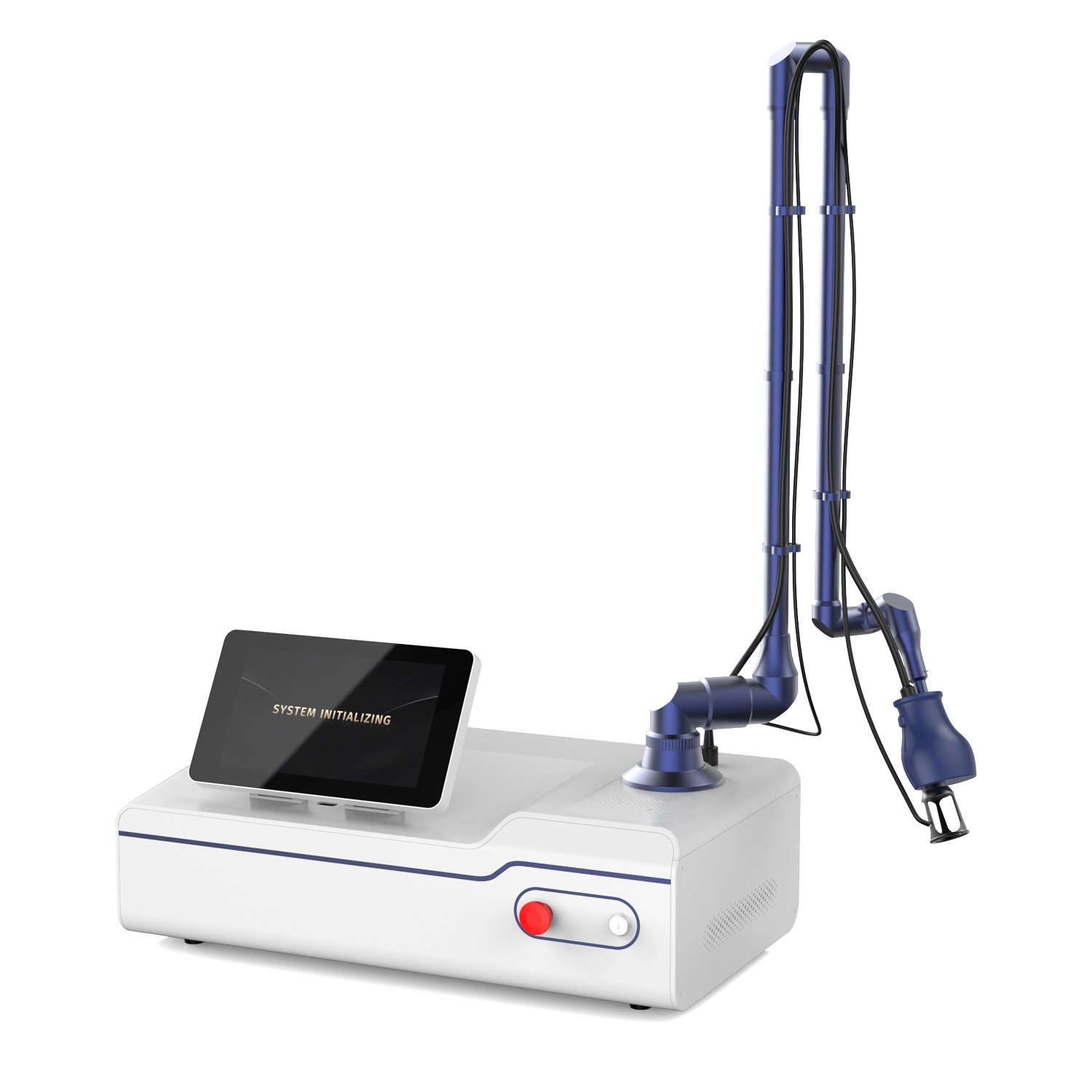
CO2 Fractional Laser Machine | Intimate Vaginal Rejuvenation System
This **CO2 Fractional Laser Machine** utilizes advanced 10600nm CO2 fractional laser technology to create controlled micro-thermal zones on the vaginal mucosa and intimate skin layers. These micro-columns stimulate collagen regeneration and tissue remodeling, effectively improving vaginal tightness, elasticity, and overall intimate health.
Designed specifically for professional medical aesthetic and intimate wellness applications, this CO2 fractional laser machine features intelligent parameter control and high-precision energy output to ensure safe, comfortable, and consistent treatment results. It is an ideal core device for vaginal rejuvenation, postpartum recovery, and intimate anti-aging treatments.
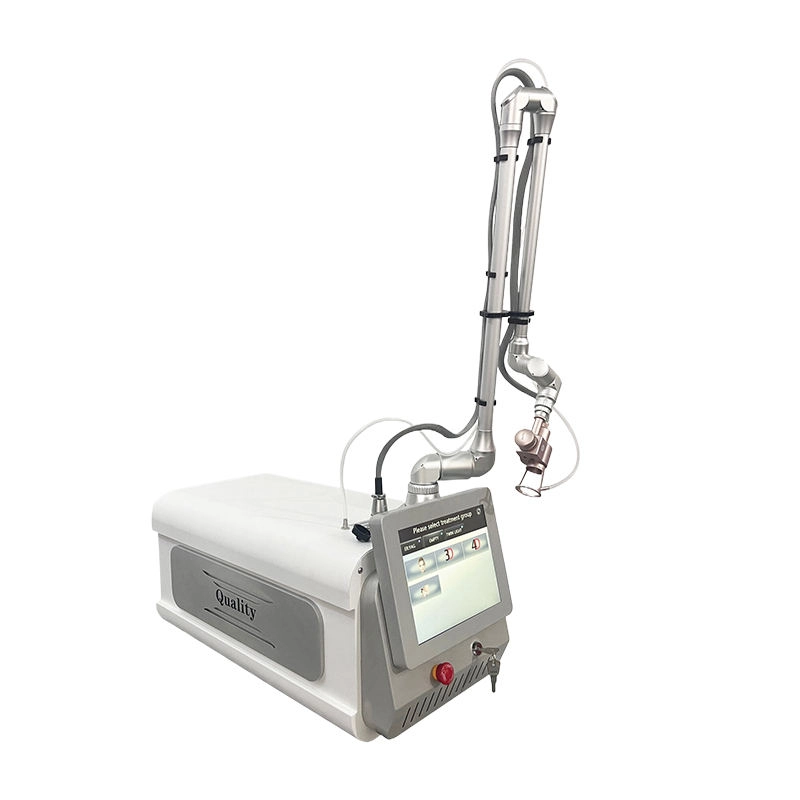
Professional CO2 Fractional Laser Machine | Fractional & Vaginal Rejuvenation CO2 Laser System
The CO2 fractional laser machine is a professional medical-grade device designed for deep skin resurfacing, wrinkle reduction, scar repair, and vaginal rejuvenation. Using a 10600 nm fractional CO2 laser beam, it creates micro-thermal columns on the skin to stimulate collagen regeneration and accelerate skin healing.
This CO2 fractional laser machine provides multiple treatment modes, including fractional mode, surgical cutting mode, and optional vaginal tightening mode, making it ideal for dermatology clinics and professional beauty centers seeking advanced laser solutions.
Its high precision, adjustable spot size, stable energy output, and seven-joint articulated arm ensure safe, accurate, and effective treatment results with minimal downtime.
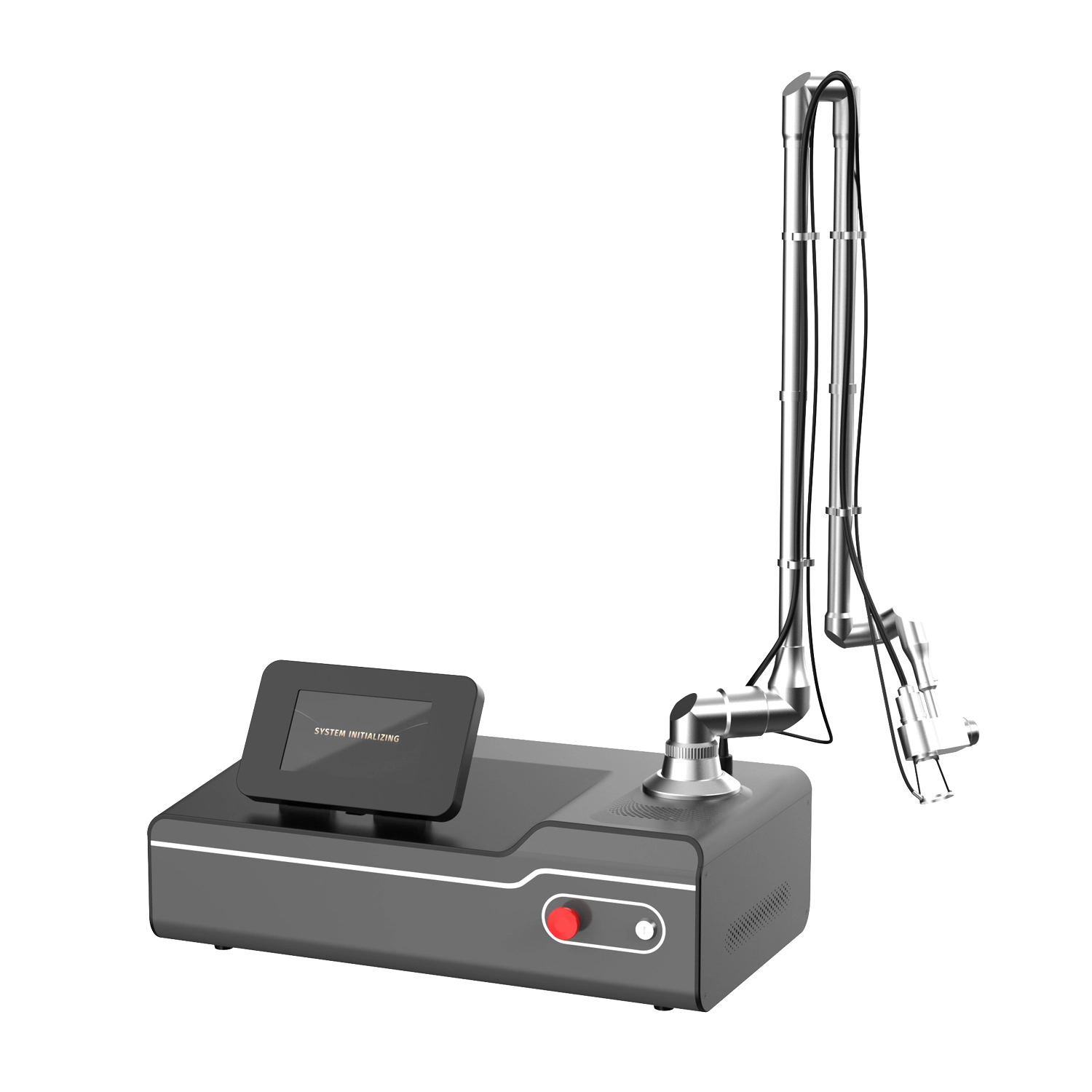
Professional CO2 Fractional Laser Machine for Skin Resurfacing & Scar Treatment
The CO2 Fractional Laser Machine is a professional CO2 fractional laser machine designed for advanced skin resurfacing, scar treatment, and skin rejuvenation procedures.
Using 10,600nm CO2 fractional laser technology, the system delivers controlled microthermal zones into the skin, stimulating collagen remodeling while preserving surrounding tissue. This fractional approach significantly improves treatment safety, recovery time, and clinical outcomes.
The CO2 fractional laser machine is widely used in dermatology clinics and medical aesthetic centers for treating acne scars, wrinkles, enlarged pores, stretch marks, and various skin texture concerns.
Get more information
If you have any comments or good suggestions, please leave us a message; later our professional staff will contact you as soon as possible.
Let's Talk
Stay in touch with us for cutting-edge beauty solutions, professional guidance, and customized service.
Contact


Room 307, Building A, Huilong International E-commerce Industrial Park, No. 10 Xipengling Road, Helong Street, Baiyun District, Guangzhou, China
© 2025 HUIMAIN. All Rights Reserved. Privacy Policy | Terms and Conditions | Sitemap
Facebook
Instagram
Medical beauty equipment factory
huimain Medical beauty equipment factory
beauty machine supplier
Whatsapp: +8619124004543