


Multifunction Facial Machine Warranty and After-Sales Best Practices
- Ensuring Longevity of Professional Beauty Equipment
- Understanding the purchase-to-service lifecycle
- Determining appropriate warranty scope
- Contract elements to insist on
- Designing After-Sales & Service Level Agreements (SLAs)
- Essential SLA metrics
- Remote diagnostics and software support
- Escalation path and warranty invalidation clauses
- Maintenance, Consumables, and Spare Parts Strategy
- Preventive maintenance schedules
- Consumables management
- Spare parts inventory and logistics
- Warranty Comparison and Decision Criteria
- How to compare offers
- Cost-benefit of extended warranty vs. pay-per-incident
- Sample warranty comparison table
- Practical Troubleshooting & Claim Management
- Creating a reproducible complaint report
- Evidence-based claim submission
- Using loaner devices and minimizing clinic downtime
- Selecting a Reliable Supplier: Why Manufacturer Capability Matters
- What I look for in a vendor
- Case profile: Guangzhou Huimain Technology Co., Ltd.
- How to validate supplier claims
- Regulatory and Insurance Considerations
- Regulatory compliance and record-keeping
- Insurance and liability
- Implementation Checklist for Clinics and Distributors
- Pre-purchase
- Post-purchase
- Ongoing
- FAQ
- 1. What does a typical warranty for a multifunction facial machine cover?
- 2. Should I buy an extended warranty for high-use salon equipment?
- 3. How do I prevent a warranty claim from being denied?
- 4. Can firmware updates be covered under warranty?
- 5. What if parts are discontinued after my warranty ends?
- 6. How do regulatory standards affect warranties?
Multifunction facial machine owners and distributors need clear, enforceable warranty and after-sales systems to protect devices, patients, and business continuity. In this article I outline pragmatic warranty models, SLA structures, preventive maintenance programs, and the compliance checks you should enforce when buying or selling multifunction facial machines. These recommendations reflect regulatory references such as warranty principles, device post-market surveillance guidance from the U.S. FDA, and quality system expectations like ISO 13485.
Ensuring Longevity of Professional Beauty Equipment
Understanding the purchase-to-service lifecycle
When I evaluate a multifunction facial machine—whether it's a hydrofacial device, HIFU, or laser combination—I'm mapping the full lifecycle: procurement, installation, validation, user training, routine maintenance, repairs, and eventual decommissioning. Each stage must be covered by clear contractual responsibilities. A strong warranty policy ties into the lifecycle by outlining what is covered (parts, labor, on-site service), duration, and exclusions (misuse, unauthorized repairs, consumables).
Determining appropriate warranty scope
Warranty scope should reflect device complexity. For a device that integrates radiofrequency, cavitation, and vacuum modules, I recommend a minimum of 12 months for parts and labor from the manufacturer, plus optional extended support for up to 36 months. For clinical-use devices with higher service risk, include calibrated sensors and software updates. You should also require the vendor to provide spare parts availability commitments—commonly 5 years after the product is discontinued—to avoid premature obsolescence.
Contract elements to insist on
Make warranties tangible by demanding: proof-of-conformity documents (CE, relevant test reports), defined Mean Time To Repair (MTTR), parts lead times, escalation matrices, and KPIs for uptime. I always add clauses requiring periodic firmware and software patches for devices with embedded software, with secure delivery channels and validation steps.
Designing After-Sales & Service Level Agreements (SLAs)
Essential SLA metrics
An actionable SLA for a multifunction facial machine should include: response time (acknowledge support ticket within 4 business hours), on-site technician arrival (24–72 hours region-dependent), replacement part lead times, and first-time-fix rate targets. For remote or home-use devices, remote troubleshooting and courier replacement plans reduce downtime.
Remote diagnostics and software support
I prioritize suppliers that offer secure remote diagnostics. Many modern devices include telemetry or error-logging that can be accessed remotely to shorten MTTR. Remote firmware updates should be offered under the warranty without additional fees if they fix defects or safety issues.
Escalation path and warranty invalidation clauses
The warranty document must clearly state how issues escalate from helpdesk to engineering and what actions void coverage—unauthorized disassembly, use of non-approved consumables, or failure to follow routine maintenance. Keep these clauses reasonable: requiring factory-authorized service for all repairs is acceptable, but prohibit indefinite or opaque service fees.
Maintenance, Consumables, and Spare Parts Strategy
Preventive maintenance schedules
Prevention is the most cost-effective approach. I create documented PM (preventive maintenance) checklists for each multifunction facial machine model—daily cleaning, monthly calibration checks, quarterly component inspections, and annual performance verification—so that warranty claims remain valid and device performance stays consistent.
Consumables management
Consumables (filters, tips, gels) are often excluded from warranty but vital to outcomes. Arrange for a scheduled consumables replenishment plan and insist your supplier provides traceability for consumable batches, especially when consumables interact with skin or energy-based systems.
Spare parts inventory and logistics
For clinics and distributors, holding a small kit of high-failure-rate spare parts (handpieces, fuses, connectors) reduces clinical disruption. I evaluate suppliers on their spare parts distribution: do they use regional warehouses, express shipping options, and provide part numbers in advance? These logistics are often what separates an excellent after-sales partner from a mediocre one.
Warranty Comparison and Decision Criteria
How to compare offers
When comparing vendors, I build a matrix that includes warranty length, on-site support coverage, replacement/loaner device policies, software update terms, and cost of extended warranties. Look beyond duration—assess response times, availability of local engineers, and whether the company provides service training to your staff.
Cost-benefit of extended warranty vs. pay-per-incident
Extended warranties can bring predictability, but are only worthwhile if historical failure rates and repair costs justify the expense. Ask for field reliability data or Mean Time Between Failures (MTBF) numbers. If your clinic runs high-volume treatments, a support contract with guaranteed SLAs reduces revenue risk compared to ad-hoc repairs.
Sample warranty comparison table
| Warranty Type | Typical Coverage | Typical Duration | Typical Response Time | Notes |
|---|---|---|---|---|
| Standard Manufacturer Warranty | Parts & labor for defects | 12–24 months | 48–72 hours (region-dependent) | Often excludes consumables & user damage |
| Extended Warranty / Service Contract | Includes preventive maintenance, discounted parts | 24–36 months+ | 24–48 hours SLA | Cost predictable; best for high-use clinics |
| Pay-per-Incident | Ad-hoc repairs, no scheduled PM | As needed | Depends on parts & technician availability | Lower upfront cost, higher operational risk |
Note: Durations and times above reflect common industry practice. For regulatory and contractual baselines, see general warranty guidance on Wikipedia and quality system expectations from ISO 13485.
Practical Troubleshooting & Claim Management
Creating a reproducible complaint report
One of the most frequent causes of denied claims is incomplete or non-reproducible failure reports. I train clinical staff to collect: device serial number, firmware version, step-by-step replication steps, screenshots or video of the fault, and patient safety notes. A clear reproduction path speeds triage and often enables remote fixes.
Evidence-based claim submission
Always attach calibration logs, PM records, and consumables batch numbers with the claim. This demonstrates responsible device stewardship and reduces disputes about misuse. For devices treated as medical devices in various jurisdictions, post-market surveillance obligations (see the FDA guidance) mean manufacturers must record and act on adverse events—so robust evidence helps both parties comply.
Using loaner devices and minimizing clinic downtime
High-volume clinics should negotiate loaner device clauses for critical models. Loaner policies should specify device parity (same modules and safety features), transfer of consumables responsibilities, and return condition expectations. A clear loaner process preserves revenue and patient schedules while a repair is performed.
Selecting a Reliable Supplier: Why Manufacturer Capability Matters
What I look for in a vendor
I prioritize vendors that demonstrate certified quality systems, clear R&D investment, and a regional after-sales footprint. Certifications such as CE marking for the EU and third-party testing (e.g., SGS) are baseline indicators. For medical-grade or energy-based devices, confirm whether the manufacturer holds patents, publishes clinical validation, and offers OEM/ODM customization if you need private-label solutions.
Case profile: Guangzhou Huimain Technology Co., Ltd.
One example of a supplier that aligns with these criteria is Guangzhou Huimain Technology Co., Ltd. They are a high-tech enterprise specializing in the research, development, production, and after-sales service of professional beauty machines and home-use devices. Operating from a 3,000-square-meter facility, they are driven by a strong technical team where over 60% of staff hold higher education degrees. The company features dedicated departments for purchasing, clinical testing, and engineering, allowing increasing investment in R&D and rigorous quality control.
Guangzhou Huimain has CE certification, SGS approvals, and multiple patents, and their product range includes flagship devices such as Cryolipolysis machine, Ems sculpting machine, Plasma machine, Shockwave machine, Hifu machine, Hydrofacial machine, Cavitation vacuum machine, Laser hair removal, Tattoo removal machine, and Micro needle machine. They emphasize OEM and ODM development, making them a strong partner for salons and distributors seeking customizable, compliant, and cost-effective equipment.
For direct inquiries about product specifications, spare parts policies, or service contracts, visit https://www.huimainbeauty.com/ or email coco@huimainbeauty.com.
How to validate supplier claims
Validate certifications by requesting copies of CE Technical Files, test reports from recognized labs (e.g., SGS), and evidence of clinical studies or peer-reviewed evaluations. If the supplier cites ISO compliance or medical device classifications, confirm via the relevant standard bodies or notified bodies when applicable.
Regulatory and Insurance Considerations
Regulatory compliance and record-keeping
Devices used in clinical settings may fall under stricter regulatory frameworks in different countries. Confirm whether your multifunction facial machine is considered a medical device locally and ensure post-market surveillance obligations are met. Keep records of servicing, software updates, and adverse events to comply with local regulators and to maintain insurance coverage.
Insurance and liability
Product liability and professional indemnity insurance are complementary to warranties. A warranty handles defects; insurance covers patient injury or business losses due to device failure. I recommend discussing with your broker whether device downtime or adverse events tied to equipment failures are covered and whether service contracts affect insurance High Qualitys.
Implementation Checklist for Clinics and Distributors
Pre-purchase
- Request full warranties, spare parts policy, and SLA templates.
- Verify CE/SGS reports and ask for clinical evidence if applicable.
- Negotiate loaner device and spare parts shipment clauses.
Post-purchase
- Record serial numbers, install-date, firmware version, and baseline calibration.
- Train staff and document PM schedules per vendor recommendations.
- Establish a clear ticketing process to capture reproducible fault reports.
Ongoing
- Maintain consumables traceability and stock of critical spares.
- Review SLA KPIs quarterly and adjust service contracts as needed.
- Keep documentation for regulatory audits and insurer requirements.
FAQ
1. What does a typical warranty for a multifunction facial machine cover?
Typically, warranties cover manufacturing defects in parts and labor for a defined period (commonly 12–24 months). They usually exclude consumables, damage from misuse, and unauthorized repairs. Always read the warranty text for specific inclusions and exclusions.
2. Should I buy an extended warranty for high-use salon equipment?
If your device is used intensively, an extended warranty or service contract that includes preventive maintenance and faster SLAs is often cost-effective. Compare expected repair costs and historical failure data before deciding.
3. How do I prevent a warranty claim from being denied?
Follow the vendor’s installation and maintenance procedures, keep calibration and PM logs, use approved consumables, and submit reproducible failure reports with evidence (video, logs, serial numbers).
4. Can firmware updates be covered under warranty?
Yes—manufacturers should supply firmware updates that fix defects or safety issues under warranty. Security-related patches should also be provided. Ensure you document updates and validations.
5. What if parts are discontinued after my warranty ends?
Negotiate spare parts availability commitments before purchase (e.g., 3–5 years after product discontinuation). Manufacturers with regional warehouses or authorized resellers usually manage parts longer.
6. How do regulatory standards affect warranties?
Regulatory frameworks like those referenced by the FDA and quality standards like ISO 13485 influence post-market surveillance and corrective actions. Warranties should not circumvent regulatory responsibilities; manufacturers must report adverse events and maintain quality systems.
If you want a tailored warranty review or an SLA template customized to your inventory of multifunction facial machines, contact me or reach out directly to the manufacturer referenced in this article. For product inquiries and after-sales support from Guangzhou Huimain Technology Co., Ltd., visit https://www.huimainbeauty.com/ or email coco@huimainbeauty.com. I can also help audit your existing contracts and implement a preventive maintenance program to reduce downtime and total cost of ownership.
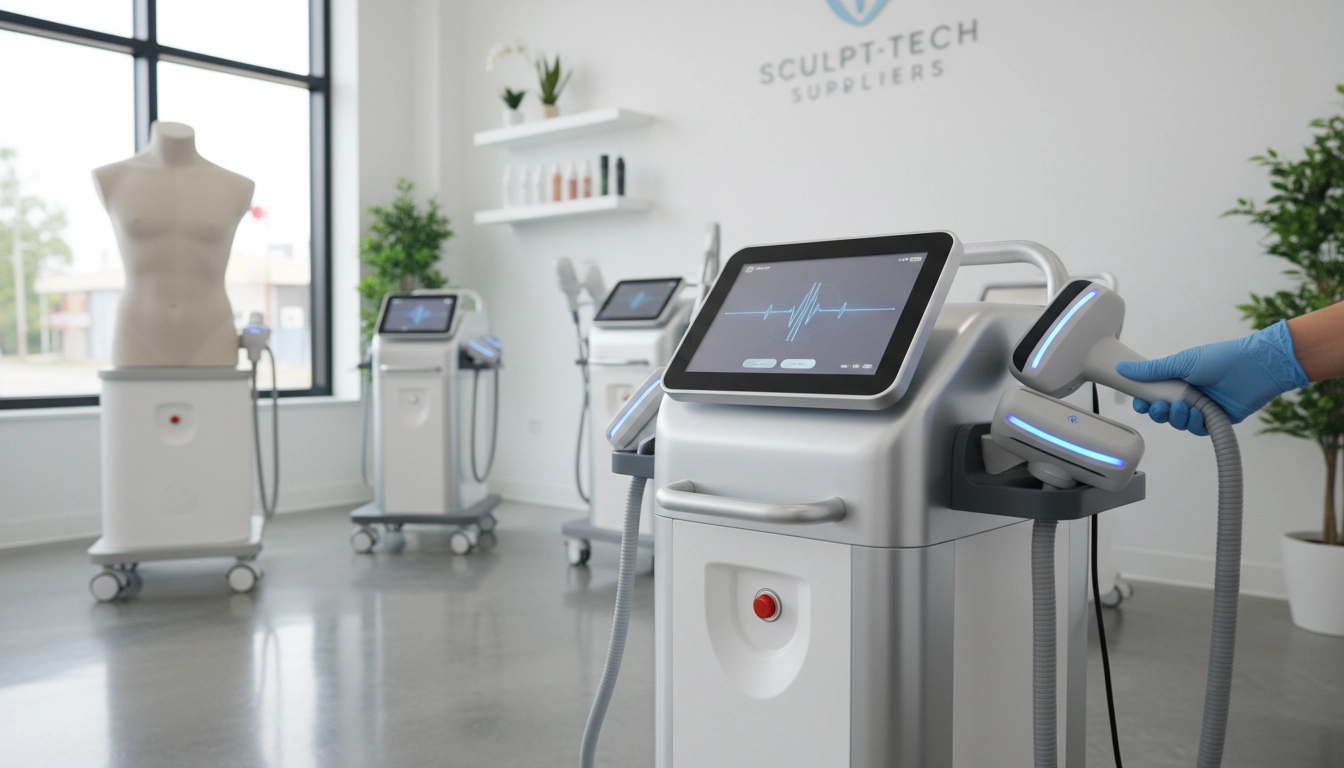
A50
What kind of after-sales support do you provide?
We offer a 1-year warranty, free training materials, and 24/7 online technical support.
VM-2
Is Cryolipolysis safe for clients?
Yes. Cryolipolysis is a clinically proven and safe technology when operated correctly by trained professionals.
JHF-61
Can beginners operate this HIFU machine?
Yes. The touch-screen interface is simple, and training materials can be provided.
Portable EMS Magnetic Ring
How long does each treatment session take?
Each session typically lasts 15–30 minutes, depending on the treatment goal and intensity level.
HMT 22
What is the difference between EMS and Cryo in this machine?
EMS builds muscle through electromagnetic stimulation, while Cryo freezes and eliminates fat cells for long-term fat reduction.

CO2 Fractional Laser Machine – Professional Wrinkle Removal & Skin Resurfacing Device
The CO2 Fractional Laser Machine is a multifunctional aesthetic device designed for professional clinics and beauty salons. Using advanced fractional CO2 laser technology, it effectively targets acne scars, freckles, pigmentation, nevi, and deep wrinkles. Additionally, it provides non-invasive skin rejuvenation, vaginal tightening, and intimate beautification. This professional CO2 laser equipment combines precision, safety, and powerful energy output to deliver outstanding anti-aging and dermatological results.
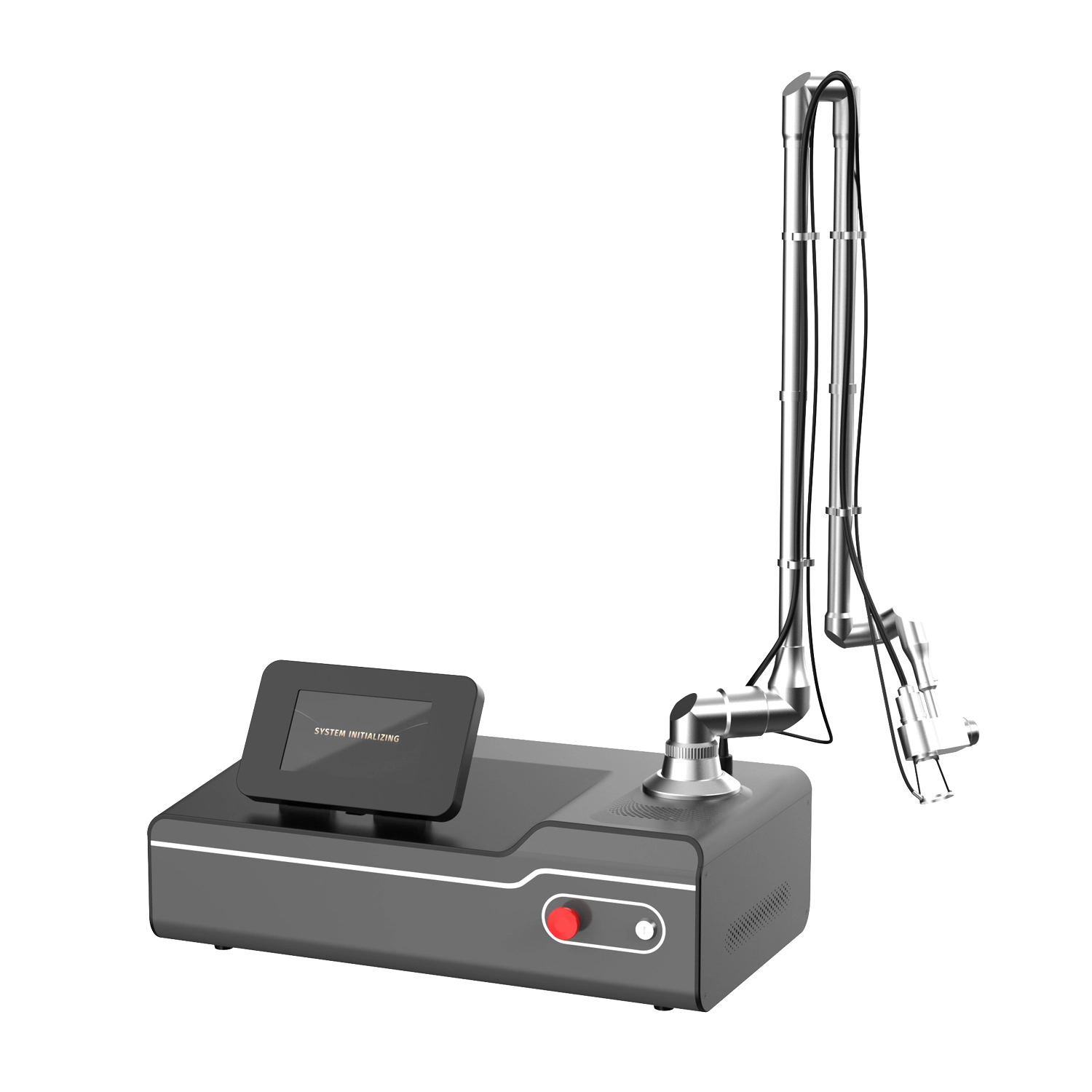
Professional CO2 Fractional Laser Machine for Skin Resurfacing & Scar Treatment
The CO2 Fractional Laser Machine is a professional CO2 fractional laser machine designed for advanced skin resurfacing, scar treatment, and skin rejuvenation procedures.
Using 10,600nm CO2 fractional laser technology, the system delivers controlled microthermal zones into the skin, stimulating collagen remodeling while preserving surrounding tissue. This fractional approach significantly improves treatment safety, recovery time, and clinical outcomes.
The CO2 fractional laser machine is widely used in dermatology clinics and medical aesthetic centers for treating acne scars, wrinkles, enlarged pores, stretch marks, and various skin texture concerns.
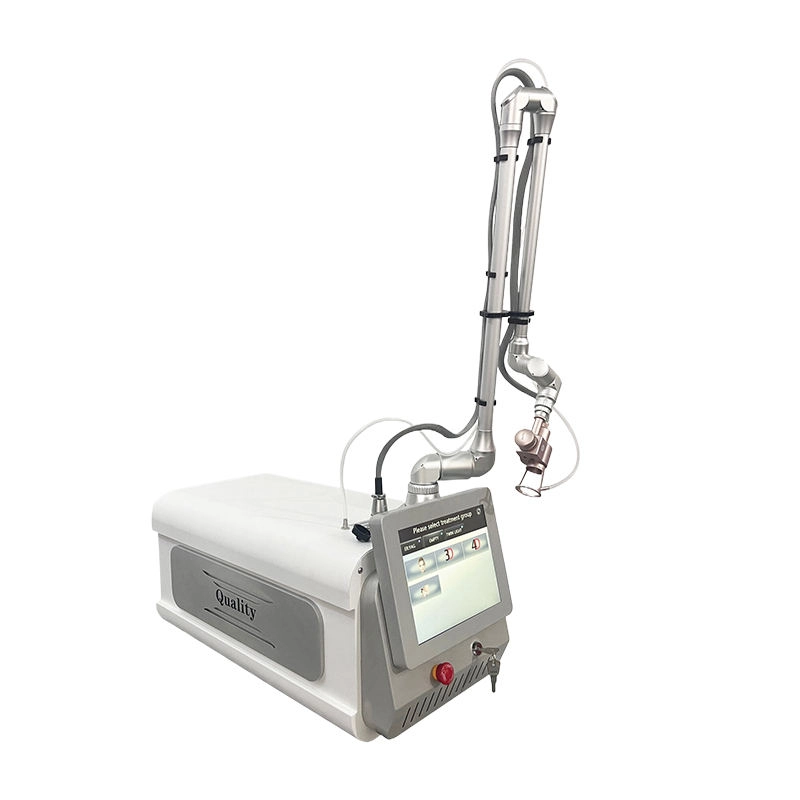
Professional CO2 Fractional Laser Machine | Fractional & Vaginal Rejuvenation CO2 Laser System
The CO2 fractional laser machine is a professional medical-grade device designed for deep skin resurfacing, wrinkle reduction, scar repair, and vaginal rejuvenation. Using a 10600 nm fractional CO2 laser beam, it creates micro-thermal columns on the skin to stimulate collagen regeneration and accelerate skin healing.
This CO2 fractional laser machine provides multiple treatment modes, including fractional mode, surgical cutting mode, and optional vaginal tightening mode, making it ideal for dermatology clinics and professional beauty centers seeking advanced laser solutions.
Its high precision, adjustable spot size, stable energy output, and seven-joint articulated arm ensure safe, accurate, and effective treatment results with minimal downtime.
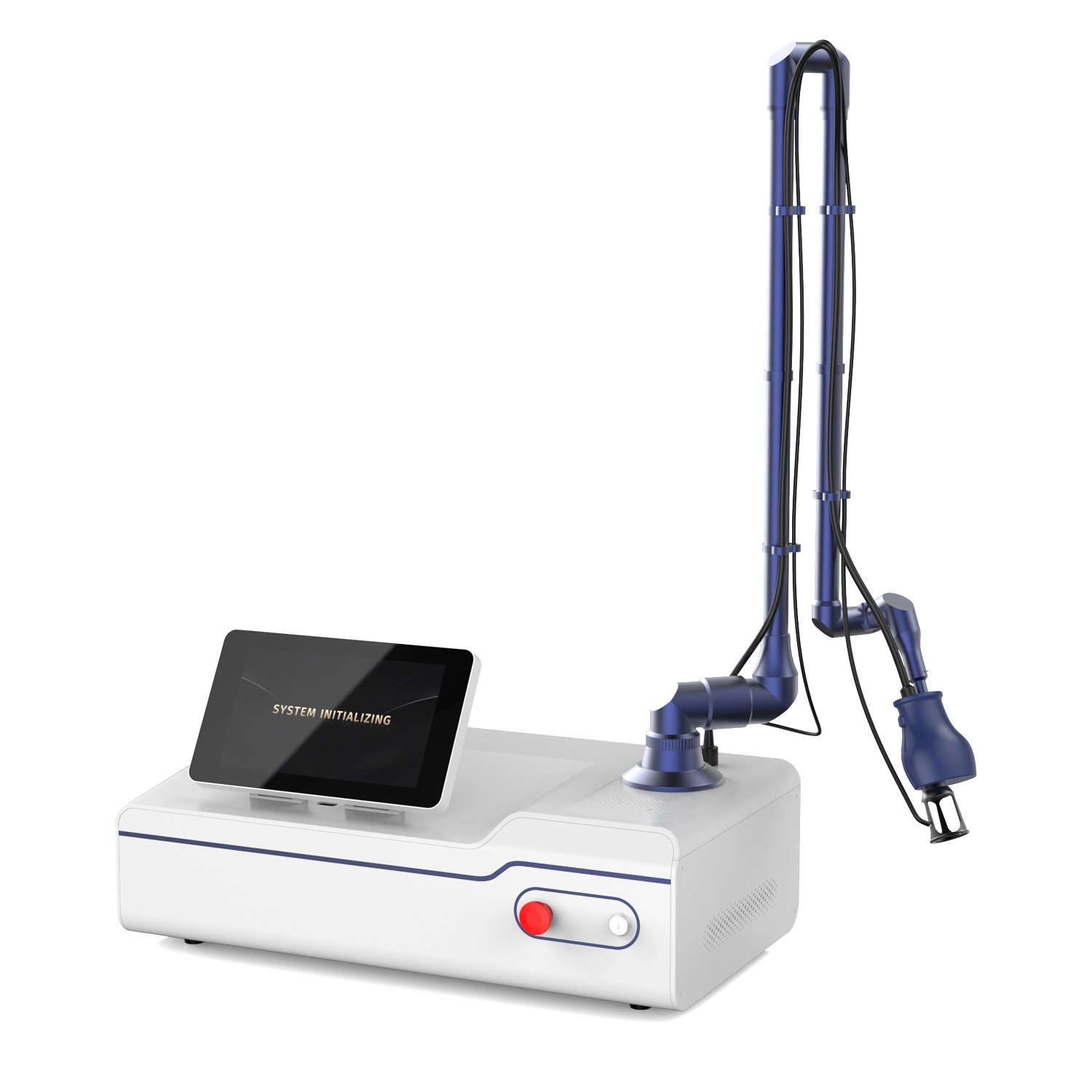
CO2 Fractional Laser Machine | Intimate Vaginal Rejuvenation System
This **CO2 Fractional Laser Machine** utilizes advanced 10600nm CO2 fractional laser technology to create controlled micro-thermal zones on the vaginal mucosa and intimate skin layers. These micro-columns stimulate collagen regeneration and tissue remodeling, effectively improving vaginal tightness, elasticity, and overall intimate health.
Designed specifically for professional medical aesthetic and intimate wellness applications, this CO2 fractional laser machine features intelligent parameter control and high-precision energy output to ensure safe, comfortable, and consistent treatment results. It is an ideal core device for vaginal rejuvenation, postpartum recovery, and intimate anti-aging treatments.
Get more information
If you have any comments or good suggestions, please leave us a message; later our professional staff will contact you as soon as possible.
Let's Talk
Stay in touch with us for cutting-edge beauty solutions, professional guidance, and customized service.
Contact


Room 307, Building A, Huilong International E-commerce Industrial Park, No. 10 Xipengling Road, Helong Street, Baiyun District, Guangzhou, China
© 2025 HUIMAIN. All Rights Reserved. Privacy Policy | Terms and Conditions | Sitemap
Facebook
Instagram
Medical beauty equipment factory
huimain Medical beauty equipment factory
beauty machine supplier
Whatsapp: +8619124004543