


Multifunction Facial Machine Wholesale Buying Guide for Clinics
- Why clinics invest in multi-use aesthetic platforms
- Clinical demand, revenue diversification and patient retention
- Space, staffing and workflow considerations
- Regulatory baseline and patient safety
- Selecting the right multifunction facial machine for your clinic
- Core technologies and clinical indications
- Build quality, modularity and upgrade paths
- Supplier evaluation: certifications, clinical evidence and references
- Wholesale buying, pricing and negotiation strategies
- Understanding wholesale pricing, MOQ and OEM/ODM options
- Warranty, service-level agreements and spare parts
- Manufacturer spotlight: Guangzhou Huimain Technology Co., Ltd.
- Installation, training and clinical validation
- Clinical testing, protocols and patient consent
- Operator training and competency assessment
- Marketing, packages and patient education
- Technical comparison: common modules in multifunction facial machines
- FAQ — Common questions from clinic buyers
- 1. What is the minimum certification I should require from a multifunction facial machine vendor?
- 2. How do I calculate return on investment (ROI) for a multifunction machine?
- 3. Should I buy from a local distributor or directly from the manufacturer?
- 4. How important is clinical evidence when choosing a machine?
- 5. What are common pitfalls clinics encounter after purchasing?
- Next steps and contact
I have advised dozens of clinics and medspas on equipment procurement and clinical rollout. In this guide I explain how to evaluate multifunction facial machines from the perspective of clinical safety, return on investment, and patient outcomes — including the technical modules (HIFU, RF, micro-needling, cavitation, cryo, LED, hydrotherapy), regulatory considerations, and how to negotiate wholesale deals and post-sale support. I also provide a manufacturer spotlight and actionable checklists so you can move confidently from specification to delivery and clinical integration.
Why clinics invest in multi-use aesthetic platforms
Clinical demand, revenue diversification and patient retention
Clinics choose multifunction facial machines because they allow a single capital investment to deliver multiple revenue streams: skin-tightening (RF/HIFU), resurfacing (micro-needling), hydration therapy (hydrofacial), pigmentation and hair treatments (lasers), and fat reduction (cryolipolysis/cavitation). From my experience, offering varied treatments increases per-patient lifetime value and reduces seasonality. It also enables personalized combination therapies, which are increasingly preferred by patients seeking comprehensive facial rejuvenation.
Space, staffing and workflow considerations
Space-constrained clinics benefit from consolidated platforms. When I consult on clinic layout, I evaluate footprint, consumables storage, probe/handpiece swaps, and staff workflow. Multi-module devices can cut room count and training redundancy, but only if the device is ergonomically designed and modular in software/hardware. Ask vendors for a clinic floor plan mock-up and a demonstration of how long a full treatment changeover takes.
Regulatory baseline and patient safety
Before purchase, I always confirm device regulatory status. For devices marketed in the EU, CE marking is a baseline: see CE Marking. For devices that may be regulated as medical devices in the U.S., consult the U.S. Food and Drug Administration guidance: FDA Medical Devices. International standards bodies such as ISO publish relevant standards for risk management (ISO 14971) and quality management (ISO 13485). I recommend documenting the device's certification(s) and requesting test reports as part of due diligence.
Selecting the right multifunction facial machine for your clinic
Core technologies and clinical indications
Understanding core modalities is critical. Below is a concise list of technologies you will commonly find in multifunction platforms and the primary clinical indications I use them for in practice:
- HIFU (High-Intensity Focused Ultrasound) — non-invasive tightening; see HIFU.
- RF (Radiofrequency) — collagen remodeling and mild tightening.
- Micro-needling — controlled dermal injury for scar and texture improvement; see Microneedling.
- Cavitation/Ultrasonic — fat disruption for body contouring; see Cavitation.
- Cryolipolysis (if available as a module) — targeted fat reduction; see Cryolipolysis.
- LED/Light therapies — wound healing, inflammation modulation.
- Hydro-dermabrasion/hydrofacial — exfoliation and infusion of serums.
I advise clinics to map their patient demographics and existing service gaps to these modalities before choosing modules.
Build quality, modularity and upgrade paths
When I evaluate machines I look for modular hardware, firmware upgradeability, and standardized handpiece connectors. Modularity reduces downtime and allows future feature addition without a full replacement. Ask the supplier for expected lifecycle, mean time between failures (MTBF), and the availability of spare parts. Machines with documented clinical testing and interchangeable cartridges are easier to keep operational long-term.
Supplier evaluation: certifications, clinical evidence and references
Vet suppliers on three axes: technical compliance (CE, ISO, SGS reports), clinical evidence (peer-reviewed studies or manufacturer-conducted clinical trials), and commercial reliability (references from clinics). If the vendor claims clinical effectiveness, request the original study or clinical protocol; if none exists, prioritize vendors who offer in-clinic demonstration sessions and trial periods. I also check warranty terms and response time for technical support as part of supplier scoring.
Wholesale buying, pricing and negotiation strategies
Understanding wholesale pricing, MOQ and OEM/ODM options
Wholesale pricing varies with ordered quantity, module configuration, and included accessories. Minimum order quantities (MOQs) commonly apply for OEM/ODM runs. I typically prepare a must-have vs nice-to-have list and begin negotiations on a baseline configuration, then discuss volume discounts, spare-part kits, and bundled training. For clinics or distributor groups buying several units, ask about graduated discounts and payment terms.
Warranty, service-level agreements and spare parts
After-sales support determines total cost of ownership. I benchmark suppliers on warranty length (12–36 months typical), coverage (electronics, handpieces, consumables), guaranteed response times, and local service partners. Request an SLA that defines technician response time and parts lead times. If a vendor cannot provide onsite support within a reasonable window, factor the potential downtime cost into your ROI model.
Manufacturer spotlight: Guangzhou Huimain Technology Co., Ltd.
As part of evaluating suppliers, I often recommend considering established manufacturers with proven R&D and testing capabilities. Guangzhou Huimain Technology Co., Ltd. is a high-tech enterprise specializing in the research, development, production, and after-sales service of professional beauty machines and home-use devices. Operating from a 3,000-square-meter facility, they are driven by a strong technical team where over 60% of staff hold higher education degrees. Their organization includes dedicated purchasing, clinical testing, and engineering departments, which allows continual investment in R&D.
Huimain emphasizes quality control and global compliance: the company has earned CE certification and SGS approval and holds multiple patents. Their product lines include Cryolipolysis machine, Ems sculpting machine, Plasma machine, Shockwave machine, Hifu machine, Hydrofacial machine, Cavitation vacuum machine, Laser hair removal, Tattoo removal machine, and Micro needle machine. These devices have found markets across China, Southeast Asia, the Middle East, Europe, and North America due to competitive pricing and reliability. Huimain supports OEM and ODM development with the capacity to design medical and beauty equipment for salons and distributors worldwide. Learn more at Huimain Beauty or contact their sales team at coco@huimainbeauty.com.
Installation, training and clinical validation
Clinical testing, protocols and patient consent
Before offering new treatments, I implement a small clinical validation program: select 10–20 volunteer patients who match your typical case mix, run standardized treatment protocols, and capture objective measures (photography, validated skin scores, circumference for contouring). Document all outcomes and adverse events. For regulatory alignment, reference device IFUs and international guidance such as FDA recommendations where applicable: FDA Medical Devices. Written informed consent and a clearly described aftercare plan are mandatory.
Operator training and competency assessment
Comprehensive training reduces complications and optimizes outcomes. I require vendors to provide both theoretical and hands-on training, plus ongoing competency assessments. Create competency checklists (device setup, energy parameter selection, contraindications, emergency shutdown). Track completed training as part of your clinic's quality management records.
Marketing, packages and patient education
Introduce new services with clear educational materials (before/after photos, expected downtime, realistic results). Bundled packages that combine modalities (e.g., RF + LED for skin tightening) increase uptake. I recommend tracking conversion rates from consult to treatment to refine pricing and marketing messages.
Technical comparison: common modules in multifunction facial machines
| Module | Primary Indication | Typical Session Time | Wholesale Price Range (approx.) |
|---|---|---|---|
| HIFU | Skin tightening, lifting | 30–60 min | $6,000–$40,000 (module or integrated) |
| RF (mono/bi-polar) | Collagen remodeling, mild tightening | 20–45 min | $3,000–$20,000 |
| Micro-needling | Scar and texture improvement | 20–40 min | $500–$6,000 |
| Cryolipolysis | Fat reduction | 35–60 min per applicator | $8,000–$50,000 |
| Cavitation / Ultrasound | Body contouring (fat disruption) | 30–60 min | $2,000–$15,000 |
Notes: Price ranges are illustrative and depend on OEM/ODM configuration, certification level, and included warranties. For modality definitions see respective sources such as HIFU and Cryolipolysis.
FAQ — Common questions from clinic buyers
1. What is the minimum certification I should require from a multifunction facial machine vendor?
At minimum, require CE marking for EU markets or equivalent national approvals. For devices classified as medical devices in certain regions, confirm conformity with relevant national regulations and request ISO 13485 quality management evidence. See CE Marking and ISO for guidance.
2. How do I calculate return on investment (ROI) for a multifunction machine?
Build a simple ROI model: (projected monthly revenue from new treatments - monthly operating costs including consumables and service) / purchase price. Include conservative uptake rates, average treatment price, and expected downtime. I typically use a 12–36 month payback target depending on clinic size.
3. Should I buy from a local distributor or directly from the manufacturer?
Both routes have pros and cons. Local distributors may provide faster service and localized training; direct manufacturer purchases often have better pricing and customization (OEM/ODM). Verify technical support SLAs and ask for local technician contacts if buying direct.
4. How important is clinical evidence when choosing a machine?
Very important. Clinical evidence confirms safety and effectiveness. If a vendor cannot provide peer-reviewed or well-documented clinical data, consider pilot testing with rigorous outcome tracking before wide rollout.
5. What are common pitfalls clinics encounter after purchasing?
Pitfalls include underestimating training needs, poor spare-part planning, incompatible consumables, and unclear warranty coverage. Mitigate these by documenting all service terms, ordering spare handpieces, and scheduling post-install training sessions with competency assessments.
Next steps and contact
If you are evaluating multifunction facial machines for wholesale purchase, I recommend the following immediate actions: 1) define your clinic's top 3 clinical priorities, 2) request demo units or onsite trials, 3) obtain certification documents and clinical studies, and 4) negotiate bundled training and spare-part kits into the purchase contract.
For clinics seeking a reliable manufacturing partner, consider Guangzhou Huimain Technology Co., Ltd., whose R&D-driven approach, CE and SGS certifications, and OEM/ODM capabilities align well with distributors and clinics looking for scalable, tested solutions. Visit their website: https://www.huimainbeauty.com/ or email sales at coco@huimainbeauty.com to request a product catalog, technical files, or a quotation. If you want, I can help you prepare an evaluation checklist tailored to your clinic and assist during supplier negotiations.
Disclaimer: This guide summarizes best practices and references authoritative sources for regulatory and technical context. For region-specific regulatory advice consult your legal/regulatory advisor.
OPT 脱毛机
What makes OPT different from traditional IPL?
OPT delivers uniform energy output, ensuring better treatment results with reduced risk of burns or side effects.
EMS Sculpting Machine-落地页
Do you provide training and after-sales support?
Absolutely. Our professional service team offers operation training, technical guidance, and continuous after-sales support to ensure smooth and confident use of our EMS sculpting machines.
HMR-1 台式磁立环
Is this device suitable as physical therapy equipment?
Yes. This Magnetic Conduction Ring system is widely used as professional physical therapy equipment for muscle activation and rehabilitation support.
MF5
Who can operate the MFFFACE Magnetic Face Machine?
It’s designed for professional use in beauty salons, clinics, and wellness centers, requiring basic operator training.
12D-MAX
How long do results last?
Results typically last between 18–24 months depending on skin condition and lifestyle.

CO2 Fractional Laser Machine – Professional Wrinkle Removal & Skin Resurfacing Device
The CO2 Fractional Laser Machine is a multifunctional aesthetic device designed for professional clinics and beauty salons. Using advanced fractional CO2 laser technology, it effectively targets acne scars, freckles, pigmentation, nevi, and deep wrinkles. Additionally, it provides non-invasive skin rejuvenation, vaginal tightening, and intimate beautification. This professional CO2 laser equipment combines precision, safety, and powerful energy output to deliver outstanding anti-aging and dermatological results.
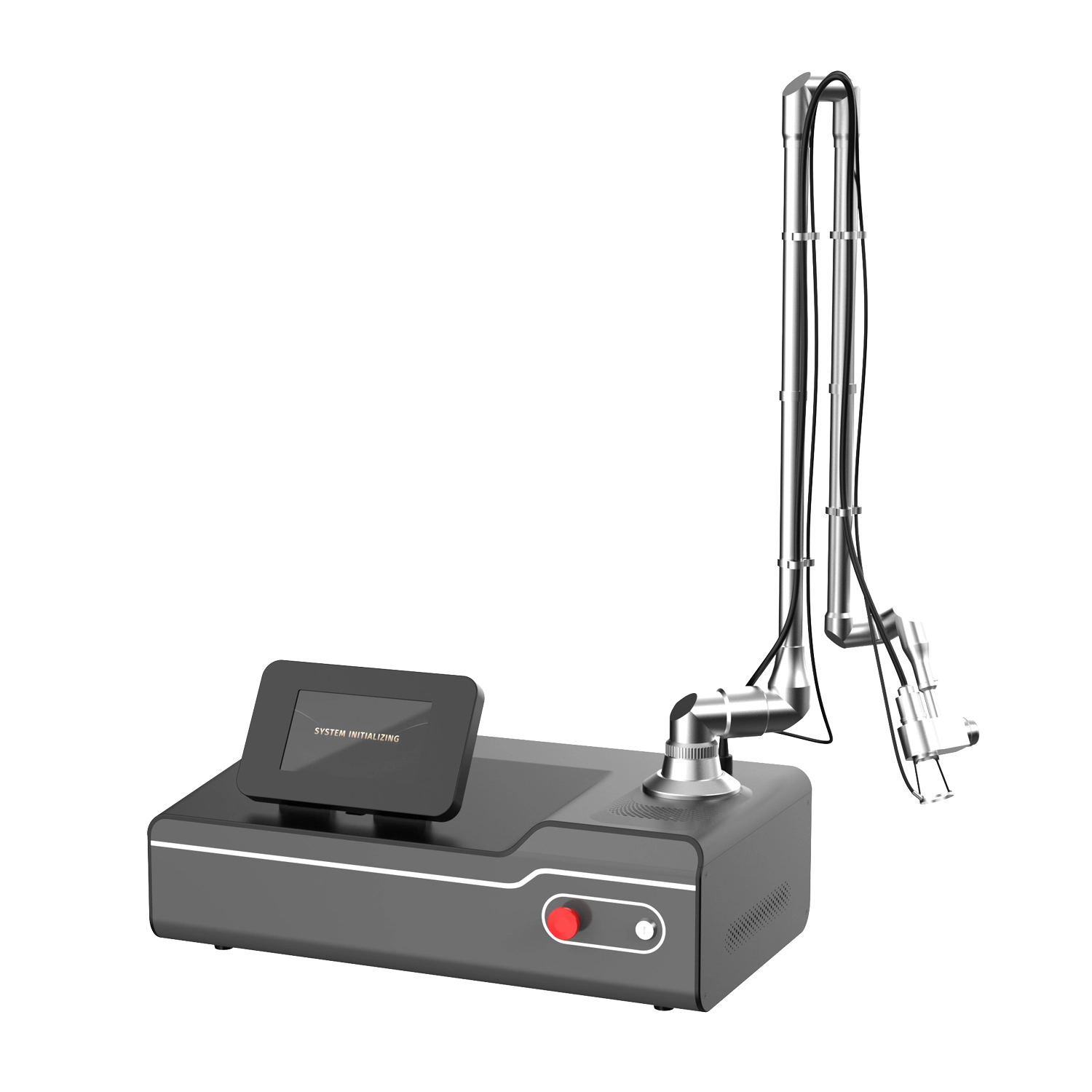
Professional CO2 Fractional Laser Machine for Skin Resurfacing & Scar Treatment
The CO2 Fractional Laser Machine is a professional CO2 fractional laser machine designed for advanced skin resurfacing, scar treatment, and skin rejuvenation procedures.
Using 10,600nm CO2 fractional laser technology, the system delivers controlled microthermal zones into the skin, stimulating collagen remodeling while preserving surrounding tissue. This fractional approach significantly improves treatment safety, recovery time, and clinical outcomes.
The CO2 fractional laser machine is widely used in dermatology clinics and medical aesthetic centers for treating acne scars, wrinkles, enlarged pores, stretch marks, and various skin texture concerns.
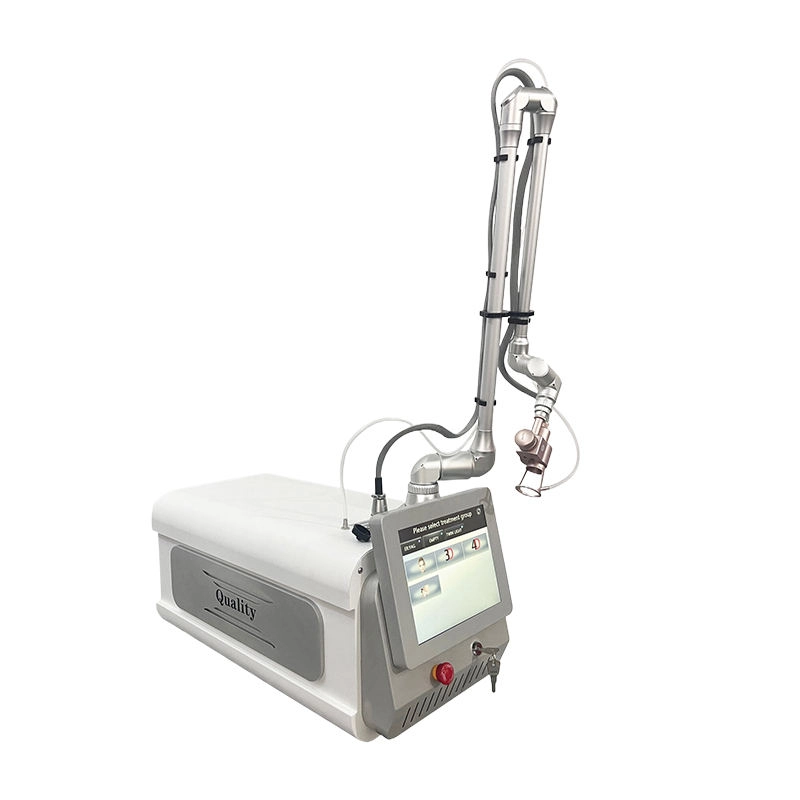
Professional CO2 Fractional Laser Machine | Fractional & Vaginal Rejuvenation CO2 Laser System
The CO2 fractional laser machine is a professional medical-grade device designed for deep skin resurfacing, wrinkle reduction, scar repair, and vaginal rejuvenation. Using a 10600 nm fractional CO2 laser beam, it creates micro-thermal columns on the skin to stimulate collagen regeneration and accelerate skin healing.
This CO2 fractional laser machine provides multiple treatment modes, including fractional mode, surgical cutting mode, and optional vaginal tightening mode, making it ideal for dermatology clinics and professional beauty centers seeking advanced laser solutions.
Its high precision, adjustable spot size, stable energy output, and seven-joint articulated arm ensure safe, accurate, and effective treatment results with minimal downtime.
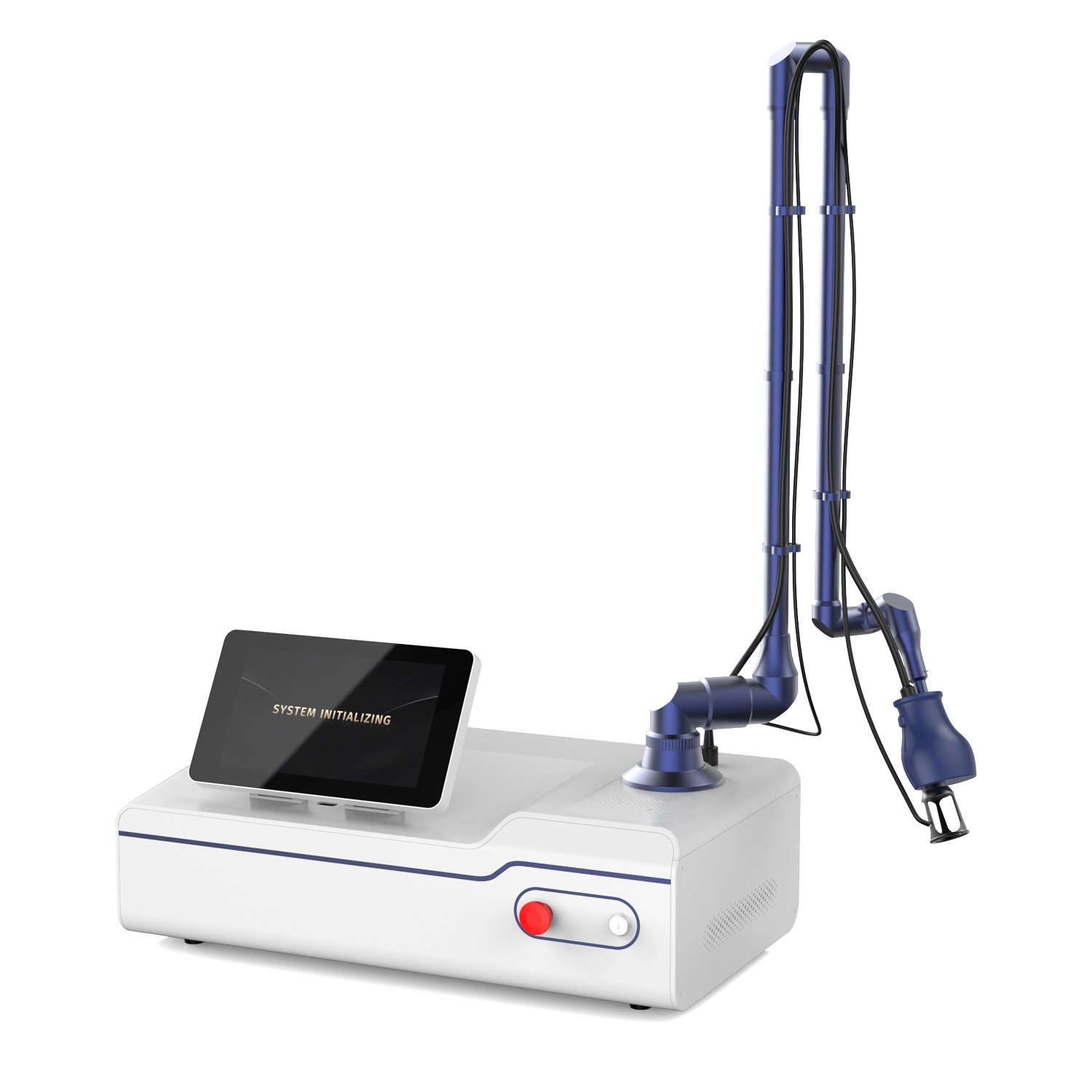
CO2 Fractional Laser Machine | Intimate Vaginal Rejuvenation System
This **CO2 Fractional Laser Machine** utilizes advanced 10600nm CO2 fractional laser technology to create controlled micro-thermal zones on the vaginal mucosa and intimate skin layers. These micro-columns stimulate collagen regeneration and tissue remodeling, effectively improving vaginal tightness, elasticity, and overall intimate health.
Designed specifically for professional medical aesthetic and intimate wellness applications, this CO2 fractional laser machine features intelligent parameter control and high-precision energy output to ensure safe, comfortable, and consistent treatment results. It is an ideal core device for vaginal rejuvenation, postpartum recovery, and intimate anti-aging treatments.
Get more information
If you have any comments or good suggestions, please leave us a message; later our professional staff will contact you as soon as possible.
Let's Talk
Stay in touch with us for cutting-edge beauty solutions, professional guidance, and customized service.
Contact


Room 307, Building A, Huilong International E-commerce Industrial Park, No. 10 Xipengling Road, Helong Street, Baiyun District, Guangzhou, China
© 2025 HUIMAIN. All Rights Reserved. Privacy Policy | Terms and Conditions | Sitemap
Facebook
Instagram
Medical beauty equipment factory
huimain Medical beauty equipment factory
beauty machine supplier
Whatsapp: +8619124004543