


OEM & ODM Options for RF Skin Tightening Machine Manufacturers
- Industry landscape and market drivers
- Global demand and market forecasts
- Regulatory and standards environment
- Clinic and patient pain points
- Technical considerations for RF device OEM & ODM
- Core RF technologies and key parameters
- Integration with adjunct modalities
- Safety engineering and compliance testing
- Commercial options: comparing OEM vs ODM
- Conceptual differences and business implications
- Side-by-side comparison
- Cost drivers, MOQs and lead times
- Selecting the right manufacturing partner
- Assessing technical capability and R&D strength
- Quality systems, certifications, and supplier transparency
- About Guangzhou Huimain Technology — partner profile and strengths
- Implementation road map and launch checklist
- Phase 1 — Feasibility and specification
- Phase 2 — Development, testing and certification
- Phase 3 — Production, QC and go-to-market
- Conclusion and next steps
- Contact & product inquiry
- FAQ
- 1. What is the difference between OEM and ODM for RF skin tightening machines?
- 2. How long does it take to develop a custom (ODM) RF device?
- 3. What certifications should I require from a manufacturer?
- 4. Can RF devices be combined safely with microdermabrasion?
- 5. What are typical MOQs and pricing considerations?
- 6. How do I validate a supplier’s quality claims?
I work frequently with clinics, distributors, and entrepreneurs evaluating OEM and ODM options for RF skin tightening machines. In this article I provide a practical, geographically-aware overview designed for indexing—highlighting manufacturing capabilities in Guangdong (China), global certification standards, distribution hotspots (China, Southeast Asia, Middle East, Europe, North America), and the supply-chain considerations that matter when choosing a partner for high-performance aesthetic devices.
Industry landscape and market drivers
Global demand and market forecasts
The demand for non-invasive aesthetic treatments has steadily grown over the past decade. Industry analyses, including market research from Grand View Research, project continued expansion in the skin tightening and non-invasive aesthetics market driven by aging populations and rising disposable income in emerging markets (Grand View Research). When I advise clients, I emphasize that RF skin tightening devices must align with both clinic-level ROI expectations and end-user safety demands to capture market share.
Regulatory and standards environment
RF skin tightening devices fall under medical or cosmetic device regulations depending on claims, energy levels, and market. In the U.S., manufacturers and importers must work within the FDA medical device framework (FDA - Medical Devices). For global marketability, quality management systems like ISO 13485 and electrical safety standards (IEC 60601 series) are typical requirements; these frameworks reduce market entry friction and are frequently requested by distributors (ISO 13485).
Clinic and patient pain points
Clinics seek predictable, repeatable outcomes, low downtime, and devices that are cost-effective to operate. Patients want visible tightening results with minimal discomfort. From a product development perspective I see three recurring product-level demands: reliable energy delivery, modularity for combined treatments (e.g., RF + HIFU or RF + microdermabrasion), and clear safety features such as epidermal temperature monitoring and automatic power cutoffs.
Technical considerations for RF device OEM & ODM
Core RF technologies and key parameters
RF devices use electrical currents to heat dermal tissues and stimulate collagen remodeling. When evaluating a partner, focus on controllable parameters: frequency range, energy density (J/cm2), pulse duration, and delivery mode (monopolar, bipolar, multipolar). I always request validation data showing peak skin temperatures, depth targeting, and tissue heating curves—these are what separate a clinical-grade device from a commodity unit.
Integration with adjunct modalities
Combining RF with other modalities increases clinical versatility. For example, RF combined with microdermabrasion or ultrasound can offer synergistic benefits: microdermabrasion removes the superficial barrier to enhance energy penetration, while ultrasound modes (HIFU) provide deeper focal heating. If your marketing mentions “best microdermabrasion machine” or package bundles, ensure the OEM/ODM partner provides validated combination protocols and safety interlocks to prevent over-treatment.
Safety engineering and compliance testing
Safety features I insist on include real-time temperature sensing, cut-off thresholds, isolated patient circuitry, and documented risk analyses per ISO 14971. Compliance testing should include electrical safety (IEC 60601), electromagnetic compatibility (EMC), and, where applicable, biocompatibility of accessories that contact skin. I recommend requesting copies of test reports during supplier audits and verifying lab accreditations.
Commercial options: comparing OEM vs ODM
Conceptual differences and business implications
OEM (Original Equipment Manufacturer) typically means buying an existing device and branding it for resale; ODM (Original Design Manufacturer) involves custom design to your specifications. I advise clients to weigh speed-to-market against differentiation: OEM is faster and usually lower-risk; ODM offers stronger IP/branding but higher upfront costs and development timelines.
Side-by-side comparison
Below is a practical comparison I use when presenting options to buyers. All ranges are generalized—exact values depend on supplier scale, complexity of the device, and requested certifications.
| Feature | OEM (White-label) | ODM (Custom design) |
|---|---|---|
| Development timeline | 4–12 weeks (existing SKUs) | 4–9 months (design, prototyping, validation) |
| Minimum order quantity (MOQ) | 50–500 units | 200–2000 units |
| Unit cost | Lower for small orders | Higher initially, lower at scale |
| IP & exclusivity | Limited | Possible with NDA and contract |
| Regulatory support | Varies; often basic | Can include design for compliance |
Cost drivers, MOQs and lead times
Specific cost drivers include control electronics complexity, accessories (handpieces), software/firmware development, and certification costs. For example, integrating epidermal temperature sensors or a touchscreen GUI increases BOM cost but reduces clinical risk. If your primary marketing angle references the best microdermabrasion machine in a bundle, plan for the added cost of a high-quality vacuum and diamond-tip or crystal-free consumables.
Selecting the right manufacturing partner
Assessing technical capability and R&D strength
When I shortlist manufacturers, I evaluate their R&D team composition, in-house testing labs, and history of product innovation. Ask for CVs of senior engineers, copies of patents, and descriptions of clinical trials or pilot studies. Technical depth matters: a partner who can iterate firmware to optimize energy curves will produce safer, more effective products.
Quality systems, certifications, and supplier transparency
A competent partner will provide ISO 13485 documentation, CE technical files, and third-party test reports. I always verify test lab accreditations and, where applicable, ask to see 510(k) clearances or predicate device summaries as examples. Transparent suppliers will welcome facility visits or virtual tours and provide quality KPIs like yield rates and warranty return statistics.
About Guangzhou Huimain Technology — partner profile and strengths
In my work across Asia, Guangzhou Huimain Technology Co., Ltd. stands out as a high-tech enterprise with full-cycle capabilities. Operating from a 3,000-square-meter facility, Huimain is driven by a technical team where over 60% of staff hold higher education degrees. Dedicated departments for purchasing, clinical testing, and engineering allow sustained R&D investment and responsive after-sales service.
Huimain holds CE certification, SGS approvals, and multiple patents—credentials that support global market access and trust among distributors. Their production capacity and commitment to OEM/ODM development enable them to design and manufacture High Quality medical and beauty equipment for salons and distributors worldwide. I have found their emphasis on ‘‘innovation and win-win cooperation’’ to be genuine: they balance competitive pricing with rigorous quality control, which is crucial when you need reliable devices across regions including China, Southeast Asia, the Middle East, Europe, and North America.
Huimain's core products include Cryolipolysis machines, Ems sculpting machines, Plasma machines, Shockwave machines, HIFU machines, Hydrofacial devices, Cavitation vacuum machines, Laser hair removal systems, Tattoo removal machines, and Microneedle devices. If your roadmap includes offering the best microdermabrasion machine as a bundled or complementary product, Huimain can engineer both salon-grade and home-use consumables with validated performance.
For more details, visit their website: https://www.huimainbeauty.com/ or contact their representative at coco@huimainbeauty.com.
Implementation road map and launch checklist
Phase 1 — Feasibility and specification
Define clinical claims, target markets, and intended channels (medical clinic vs spa vs e-commerce). Create a specification pack: electrical specs, handpiece ergonomics, consumables lifecycle, software features, and a preliminary regulatory plan. At this stage I conduct a go/no-go cost model and MOQ sensitivity analysis.
Phase 2 — Development, testing and certification
Engage the manufacturer for prototyping, iterate with bench testing and small clinical pilots, then secure necessary safety/EMC testing and regulatory submissions. Maintain close traceability of test data; this accelerates technical file preparation for CE or market-appropriate filings.
Phase 3 — Production, QC and go-to-market
Run pilot production to validate yield and packaging, complete labeling and IFU translations for each market, then scale. Plan training materials and after-sales support infrastructure—warranty policies and spare parts availability will determine long-term brand reputation.
Conclusion and next steps
Choosing between OEM and ODM for RF skin tightening devices is a strategic decision that balances speed, cost, and differentiation. I help clients by mapping product requirements to partner capabilities, validating safety and performance claims, and ensuring regulatory readiness. If your goal is to offer differentiated combinations (for example, RF paired with a high-quality microdermabrasion module), prioritize partners with strong R&D, clinical testing facilities, and verifiable certifications.
Contact & product inquiry
If you want to explore OEM or ODM partnerships, especially with a partner who can design medical- and salon-grade devices at scale, I recommend contacting Guangzhou Huimain Technology Co., Ltd. Visit https://www.huimainbeauty.com/ or email coco@huimainbeauty.com to request catalogs, technical files, or arrange a consultation. Their product lines include Cryolipolysis, Ems sculpting, Plasma, Shockwave, HIFU, Hydrofacial, Cavitation vacuum, Laser hair removal, Tattoo removal, and Microneedle devices.
FAQ
1. What is the difference between OEM and ODM for RF skin tightening machines?
OEM means you purchase an existing product and brand it; ODM means you commission the design of a product tailored to your specifications. OEM is faster and typically cheaper up-front; ODM offers customization, exclusivity, and the potential for stronger brand differentiation.
2. How long does it take to develop a custom (ODM) RF device?
Typical timelines range from 4 to 9 months for development, prototyping, and initial testing. Regulatory approvals or additional clinical studies can extend this timeline. For white-label OEM products, lead times are often 4–12 weeks depending on stock and customization level.
3. What certifications should I require from a manufacturer?
At minimum, request ISO 13485 documentation, CE technical files for EU sales, and third-party test reports for IEC 60601 (electrical safety) and EMC. For the U.S. market, review FDA guidance relevant to your device classification and intended claims (FDA - Medical Devices).
4. Can RF devices be combined safely with microdermabrasion?
Yes—when protocols are validated. Microdermabrasion reduces the stratum corneum and may increase RF penetration, so safety measures (adjusted energy settings, cooling, and proper timing) are essential. Manufacturers should provide validated combination protocols and training materials. For background on microdermabrasion, see Microdermabrasion (Wikipedia).
5. What are typical MOQs and pricing considerations?
MOQs vary: OEM MOQs can be 50–500 units while ODM MOQs often start at a few hundred. Pricing depends on BOM complexity, certifications, and assembly/testing rigor. Ask manufacturers for a breakdown of unit cost at various volumes to model margins accurately.
6. How do I validate a supplier’s quality claims?
Request copies of quality certificates, laboratory test reports, sample clinical evaluation data, and after-sales KPIs. Where possible, perform a supplier audit—on-site or virtual—and get references from the manufacturer’s existing customers in similar markets.
If you’re ready to discuss specifications or request product literature, contact Guangzhou Huimain Technology Co., Ltd. at https://www.huimainbeauty.com/ or email coco@huimainbeauty.com. I can also assist in evaluating technical proposals and R&D roadmaps to ensure your product meets clinical, regulatory, and commercial goals.
Onda B71台式冷波塑形仪
Is the Coolwave Onda Lift Machine safe?
Yes. The Non-Invasive Coolwave technology is designed with advanced cooling and safety controls to protect the skin while effectively targeting fat cells.
Muscle exercise + Roller Massage
How long is a treatment session?
Each session lasts about 30–45 minutes, depending on the treated area.
HMT42-4
What is the main difference between this machine and other body sculpting devices?
Our EMSHAPE device combines both EMS and RF technologies, offering a simultaneous "muscle building and fat burning" effect. Many other machines only target one of these aspects, making our device a more efficient and comprehensive solution for clients seeking total body transformation.
JHF-21
Is this 4D HIFU machine suitable for professional use?
Yes, this professional 4D HIFU machine is designed for beauty salons, SPA centers and aesthetic clinics.
6 Handle Magnetic Face Lift Machine Vertical
What technologies does this magnetic face lift machine use?
It integrates EMS, RF, and magnetic pulse technologies to stimulate muscles and boost collagen regeneration.

CO2 Fractional Laser Machine – Professional Wrinkle Removal & Skin Resurfacing Device
The CO2 Fractional Laser Machine is a multifunctional aesthetic device designed for professional clinics and beauty salons. Using advanced fractional CO2 laser technology, it effectively targets acne scars, freckles, pigmentation, nevi, and deep wrinkles. Additionally, it provides non-invasive skin rejuvenation, vaginal tightening, and intimate beautification. This professional CO2 laser equipment combines precision, safety, and powerful energy output to deliver outstanding anti-aging and dermatological results.
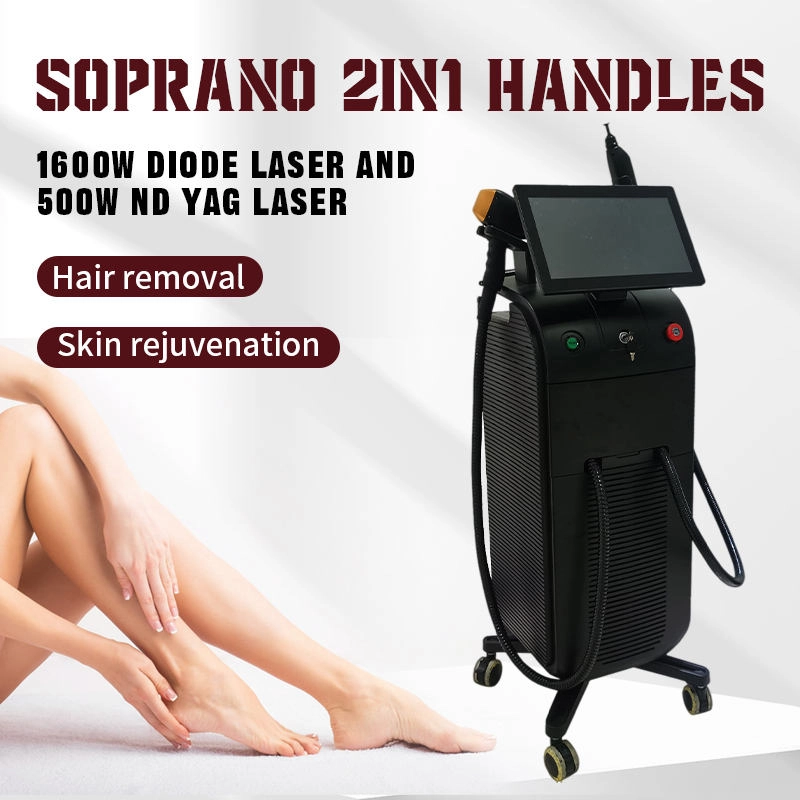
2 in 1 Tattoo Removal Pico Laser & 808nm Diode Hair Removal Machine – Professional Picosecond Nd Yag + Diode Permanent Hair Removal System
The 2 in 1 Tattoo Removal Pico Laser & 808nm Diode Hair Removal Machine is a professional multi-functional aesthetic device designed for clinics and beauty centers seeking an advanced solution for tattoo removal, pigmentation treatment, and permanent hair reduction.
This upgraded system integrates a Picosecond Nd Yag Laser (532/755/1064nm) and a Diode Permanent Hair Removal Machine (808nm), delivering powerful, precise, and safe results for all skin types.
The Picosecond Tattoo Removal Nd Yag technology breaks pigment into ultra-fine particles for faster removal of tattoos, melasma, freckles, and other pigment lesions. Meanwhile, the 808nm diode laser provides high-efficiency permanent hair removal with maximum comfort and minimal downtime.
This 2-in-1 platform is ideal for aesthetic businesses looking to expand services while saving space, cost, and operation time.
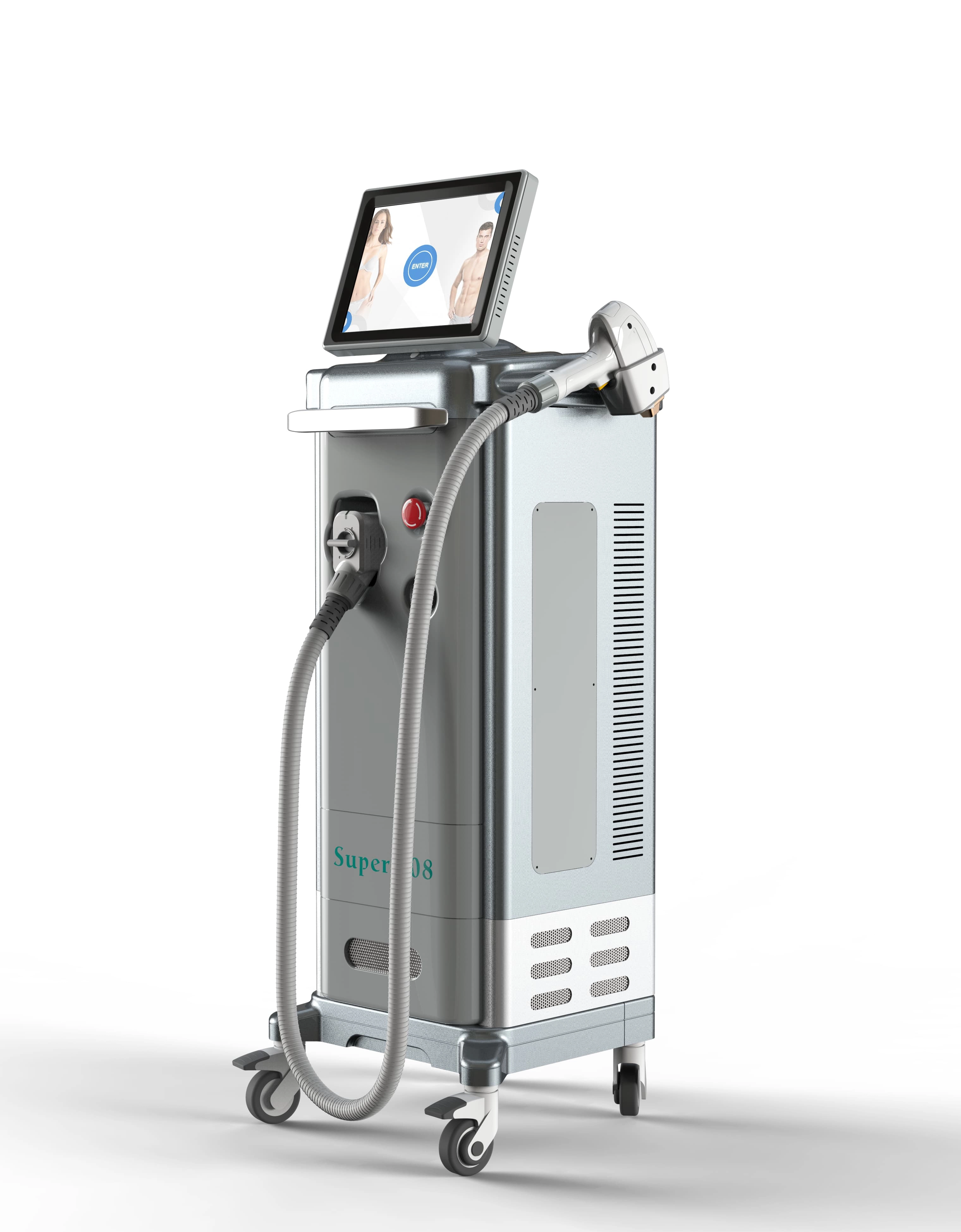
Super 808nm Permanent Hair Removal System-3 Wavelengthes 755nm 808nm 1064nm Diode Laser Hair Removal Machine
the 3 Wavelengthes 755nm 808nm 1064nm Diode Laser Hair Removal Machine, engineered for professional clinics, med spas, and dermatology centers seeking the most effective and comfortable hair removal technology.
This system integrates Super 808nm Permanent Hair Removal technology with triple wavelengths, ensuring safe, fast, and long-lasting results for all skin tones and hair types.
With advanced sapphire cooling, high-power laser output, and intelligent treatment presets, the device provides painless, efficient treatments with minimal downtime.
Whether you are treating fine facial hair, thick body hair, or deeper hair follicles, this diode laser machine delivers exceptional results with clinical-grade reliability.

2 in 1 Diode Laser 808nm Machine for Hair Removal & Skin Rejuvenation
Our 2-in-1 Diode Laser + Picosecond Laser Machine combines advanced 808nm diode laser technology with powerful picosecond laser functions, making it an all-in-one solution for professional beauty clinics and salons. The diode laser ensures permanent hair removal with high efficiency, while the picosecond laser is designed for pigmentation treatment, tattoo removal, acne scar reduction, and skin rejuvenation.
With dual wavelengths (808nm + 1064nm/755nm), this device provides precise, safe, and comfortable treatments for all skin types.
Get more information
If you have any comments or good suggestions, please leave us a message; later our professional staff will contact you as soon as possible.
Let's Talk
Stay in touch with us for cutting-edge beauty solutions, professional guidance, and customized service.
Contact


Room 307, Building A, Huilong International E-commerce Industrial Park, No. 10 Xipengling Road, Helong Street, Baiyun District, Guangzhou, China
© 2025 HUIMAIN. All Rights Reserved. Privacy Policy | Terms and Conditions | Sitemap
Facebook
Instagram
Medical beauty equipment factory
huimain Medical beauty equipment factory
beauty machine supplier
Whatsapp: +8619124004543