


Patient Safety: Contraindications for Salon Microdermabrasion
- Ensuring Patient Safety Before Microdermabrasion
- What Is a Microdermabrasion Machine for Salon Use?
- Why Contraindications Matter in the Salon Setting
- Absolute Contraindications for Microdermabrasion Machines in Salons
- Relative Contraindications and Situations Requiring Caution
- Contraindications vs. Precautions — Quick Reference
- Client Assessment Protocol for Salon Practitioners
- Device Selection, Calibration and Infection Control
- Managing Complications — What Salon Staff Need to Know
- Why Choose Guangzhou Huimain Technology Co., Ltd. for Salon Microdermabrasion Machines
- Comparing Salon Microdermabrasion Machine Types — Quick Table
- Training, Regulation and Best Practices for Salon Operators
- Frequently Asked Questions (FAQs)
- 1. Can clients on isotretinoin ever receive microdermabrasion?
- 2. Is microdermabrasion safe on darker skin tones?
- 3. How soon after laser or chemical peel can microdermabrasion be performed?
- 4. What should be on a salon intake form for microdermabrasion?
- 5. How should salons manage suspected infection after a treatment?
- Contact and Product Inquiry
- References and Further Reading
Ensuring Patient Safety Before Microdermabrasion
Microdermabrasion is a popular, minimally invasive skin resurfacing procedure performed widely in professional salons using a microdermabrasion machine for salon environments. Despite its safety profile, improper screening or device use can produce adverse events such as infection, post-inflammatory hyperpigmentation, scarring, or treatment failure. This article focuses on evidence-based contraindications, practical screening protocols, device and infection-control considerations, and complication management to protect clients and salons alike.
What Is a Microdermabrasion Machine for Salon Use?
A microdermabrasion machine for salon is a mechanical exfoliation device designed to remove the superficial stratum corneum and promote epidermal renewal. Common salon device types include diamond-tip microdermabrasion, crystal microdermabrasion, and hybrid systems that combine abrasion with vacuum or infusion. In some clinics, hydradermabrasion (a wet, vortex-based exfoliation) is used for deeper hydration and minimal irritation. Understanding device types and their operational settings is crucial for matching treatment to client skin type and tolerance (American Academy of Dermatology; PubMed reviews).
Why Contraindications Matter in the Salon Setting
Unlike medical clinics staffed by dermatologists, salons may serve diverse clients with a range of skin histories and medications. Failure to identify contraindications increases legal, clinical, and reputational risk. Proper screening reduces adverse outcomes, minimizes liability, and improves client satisfaction by ensuring realistic expectations and safe outcomes.
Absolute Contraindications for Microdermabrasion Machines in Salons
The following conditions should preclude microdermabrasion treatments until cleared by a qualified healthcare provider. These are supported by dermatology guidance and device safety literature and should be explicitly listed on salon intake forms.
- Active skin infections (bacterial, viral, or fungal), including active herpes simplex (cold sores) — risk of spread and exacerbation.
- Open wounds, ulcers, or broken/bleeding skin at the treatment site.
- Recent isotretinoin (Accutane) use — typically within the prior 6–12 months depending on cumulative dosing and clinician guidance; increased risk of poor wound healing and scarring.
- Active severe inflammatory dermatoses (e.g., severe eczema flare, uncontrolled rosacea, severe psoriasis) in the treatment area.
- Radiation therapy to the treatment area within recent months — skin fragility concerns.
- Recent major facial surgery or any surgical incision in the treatment zone not fully healed.
- Known allergy to procedural consumables used (e.g., topical anesthetics, adhesives).
Relative Contraindications and Situations Requiring Caution
Relative contraindications are conditions where microdermabrasion may be considered only after modification of protocol or with medical clearance.
- History of keloids or hypertrophic scarring — consider conservative settings or avoid aggressive abrasion.
- Dark or highly photoreactive skin (Fitzpatrick IV–VI) — higher risk of post-inflammatory hyperpigmentation (PIH); perform test patch and use conservative settings.
- Active moderate to severe acne with nodules/cysts — mechanical abrasion can aggravate inflammation.
- Photosensitizing medications (e.g., certain antibiotics, retinoids, photosensitizing herbal supplements) — increase risk of irritation.
- Anticoagulant therapy or bleeding disorders — vacuum settings may cause petechiae or bruising; obtain medical clearance.
- Recent chemical peels, laser treatments, or aggressive facial treatments — leave sufficient healing interval (commonly 2–6 weeks depending on procedure).
Contraindications vs. Precautions — Quick Reference
| Category | Examples | Action for Salon |
|---|---|---|
| Absolute Contraindication | Active infection, open wounds, recent isotretinoin | Decline treatment; refer to physician |
| Relative Contraindication | Dark skin type, anticoagulation, recent laser | Obtain medical clearance, reduce settings, test patch |
| Precaution | Sensitive skin, photosensitizing meds | Use conservative settings, shorter sessions, pre/post-care |
Client Assessment Protocol for Salon Practitioners
Adopt a standardized protocol that documents medical history, medications, prior procedures, skin condition, and informed consent. A practical assessment includes:
- Pre-treatment intake form with focused questions on recent isotretinoin use, history of keloids, active skin disease, bleeding disorders, pregnancy, and current medications.
- Visual skin examination and Fitzpatrick skin type classification.
- Test patch in a discreet area if there is any uncertainty (especially for darker skin tones or photosensitive clients).
- Photographs to document baseline condition.
- Clear written aftercare instructions and emergency contact procedures.
Documentation protects both the client and the salon and supports continuity of care.
Device Selection, Calibration and Infection Control
Choosing a reliable microdermabrasion machine for salon is as important as clinical screening. Key considerations:
- Prefer devices with CE marking and third-party testing (e.g., SGS) for manufacturing quality and safety compliance.
- Diamond tip systems generally have lower particulate contamination risk than crystal systems but require proper sterilization/cleaning of handpieces per manufacturer instructions.
- Vacuum pressure and tip size should be adjustable to match client tolerance and skin type.
- Follow manufacturer maintenance schedules; replace filters and consumables on time.
- Adopt healthcare-grade infection control: hand hygiene, surface disinfection, single-use consumables where applicable, and proper sterilization of reusable components to CDC standards.
Reference: CDC disinfection guidelines recommend routine cleaning and high-level disinfection for non-critical devices that contact intact skin; salons should align procedures with those recommendations (CDC link in references).
Managing Complications — What Salon Staff Need to Know
Common complications are usually mild when contraindications are respected, but salons must be prepared:
- Redness and transient swelling: Apply cool compresses; advise gentle skin care and sun avoidance.
- Petechiae or bruising: Usually self-limited; avoid aggressive vacuum settings in future.
- Post-inflammatory hyperpigmentation (PIH): Early use of gentle lightening agents (after medical clearance), strict photoprotection, and referral if persistent.
- Infection signs (increasing pain, purulence): Stop treatment, refer to a physician for possible antimicrobial therapy.
- Scarring: Rare but serious; immediate medical referral is required.
Why Choose Guangzhou Huimain Technology Co., Ltd. for Salon Microdermabrasion Machines
Guangzhou Huimain Technology Co., Ltd. is a high-tech company specializing in beauty machines and home-use device series, with professional capabilities in research & development, production, sales and after-sale service. The company occupies an area of 3000 square meters and the staff educational profile includes more than 20% with bachelor’s degrees and over 40% with junior college degrees. Huimain has a strong technical development department with experienced engineers, PE experts, a professional purchasing department, clinical testing capabilities, and a robust after-sale service team.
Huimain’s ongoing investment in R&D yields new products tailored to market demand. The company holds CE certification and SGS approval and has obtained multiple patents. Products manufactured by Huimain sell worldwide — across China, Southeast Asia, the Middle East, Europe, and North America — earning praise for their quality and price. The company focuses on OEM and ODM pathways to design and produce high-quality medical and beauty machines for salons and professional customers.
Key Huimain products related to salon practice include Cryolipolysis machines, EMS sculpting machines, Plasma machines, Shockwave machines, HIFU machines, Hydrofacial machines, Cavitation vacuum machines, Laser hair removal and tattoo removal machines, Micro-needle devices, and microdermabrasion-capable units. The company emphasizes technology innovation, win-win cooperation, and manufacturing machines that meet market demand.
Comparing Salon Microdermabrasion Machine Types — Quick Table
| Device Type | Mechanism | Best For | Pros | Cons |
|---|---|---|---|---|
| Diamond-tip microdermabrasion | Diamond abrasive tips + vacuum | Sensitive to normal skin; precise control | Lower particulate contamination; reusable tips | Requires cleaning/sterilization of tips |
| Crystal microdermabrasion | Aluminum oxide crystals + vacuum | Oily or thicker skin types | Effective exfoliation, lower cost | Crystal dispersion; cleanup and inhalation risk |
| Hydradermabrasion (hydro) | Water/serum vortex + suction | Dehydrated, sensitive, or reactive skin | Hydrates while exfoliating; less irritation | Higher cost systems; consumables |
Training, Regulation and Best Practices for Salon Operators
Salon operators must ensure staff receive device-specific training, understand contraindications, and are competent in infection control and emergency response. Additionally, operators should:
- Comply with local regulations and licensing for cosmetic procedures.
- Maintain clear referral pathways to dermatologists or primary care for medical clearance.
- Use manufacturer-approved consumables and servicing to protect warranty and client safety.
- Document every treatment including settings, tip used, photos, and aftercare provided.
Frequently Asked Questions (FAQs)
1. Can clients on isotretinoin ever receive microdermabrasion?
Most guidelines advise avoiding microdermabrasion for at least 6 months after completing isotretinoin; some clinicians recommend 6–12 months depending on dosing. Medical clearance is required.
2. Is microdermabrasion safe on darker skin tones?
It can be performed on darker skin types with caution. Use conservative settings, perform a patch test, and emphasize strict photoprotection to reduce risk of post-inflammatory hyperpigmentation.
3. How soon after laser or chemical peel can microdermabrasion be performed?
Wait until the skin is fully re-epithelialized and clinically healed. Typical intervals range from 2 to 6 weeks depending on the aggressiveness of the prior treatment and clinician advice.
4. What should be on a salon intake form for microdermabrasion?
Include medical history, medications (especially isotretinoin and anticoagulants), recent procedures, skin condition, history of keloids, allergies, pregnancy status, and consent to treatment.
5. How should salons manage suspected infection after a treatment?
Stop further treatments, advise the client to see a medical professional promptly, document the event, and review infection-control practices and device maintenance logs.
Contact and Product Inquiry
If you are a salon owner or professional seeking a reliable microdermabrasion machine for salon, Guangzhou Huimain Technology Co., Ltd. can provide certified OEM/ODM solutions, technical support, training materials, and after-sale service. For consultations, custom orders, clinical testing data, or product brochures, contact Huimain's sales or technical team to discuss machine options that meet your salon's safety and performance requirements.
References and Further Reading
- American Academy of Dermatology — Microdermabrasion patient info. https://www.aad.org/public/diseases/cosmetic-treatments/microdermabrasion (accessed 2025-12-30).
- CDC — Guideline for Disinfection and Sterilization in Healthcare Facilities. https://www.cdc.gov/infectioncontrol/guidelines/disinfection/ (accessed 2025-12-30).
- PubMed: Microdermabrasion review articles (example). https://pubmed.ncbi.nlm.nih.gov/20156386/ (accessed 2025-12-30).
- CE marking information. https://www.ce-marking.org/ (accessed 2025-12-30).
- SGS testing and certification services. https://www.sgs.com/ (accessed 2025-12-30).
- FDA — General information on medical devices. https://www.fda.gov/medical-devices (accessed 2025-12-30).
Note: This article is educational and meant to support salon safety and client screening practices. When in doubt, seek medical clearance from a qualified healthcare professional before treating clients with significant medical histories or risk factors.
Muscle exercise + Roller Massage
Is the treatment safe?
Yes, it’s completely non-invasive, safe for all skin types, and clinically tested for consistent results.
等离子
How many sessions are needed for results?
Noticeable improvements can be seen after 1–3 sessions, depending on skin condition.
About OEM & ODM
What is the minimum order quantity (MOQ)?
MOQ varies by product and customization requirements; please contact us for specific details.
ZGV13-01
How many treatments are required for optimal results?
Typically, 3-5 treatments spaced 4-6 weeks apart are recommended to achieve the best results. This varies depending on the skin condition being treated.
ETG502
How long does one session take? How soon can results be seen?
A single session typically takes 30-60 minutes. Some clients may see initial results within 2-3 weeks, with the best results usually appearing within 1-3 months after the treatment, as the body needs time to metabolize the dead fat cells.

CO2 Fractional Laser Machine – Professional Wrinkle Removal & Skin Resurfacing Device
The CO2 Fractional Laser Machine is a multifunctional aesthetic device designed for professional clinics and beauty salons. Using advanced fractional CO2 laser technology, it effectively targets acne scars, freckles, pigmentation, nevi, and deep wrinkles. Additionally, it provides non-invasive skin rejuvenation, vaginal tightening, and intimate beautification. This professional CO2 laser equipment combines precision, safety, and powerful energy output to deliver outstanding anti-aging and dermatological results.
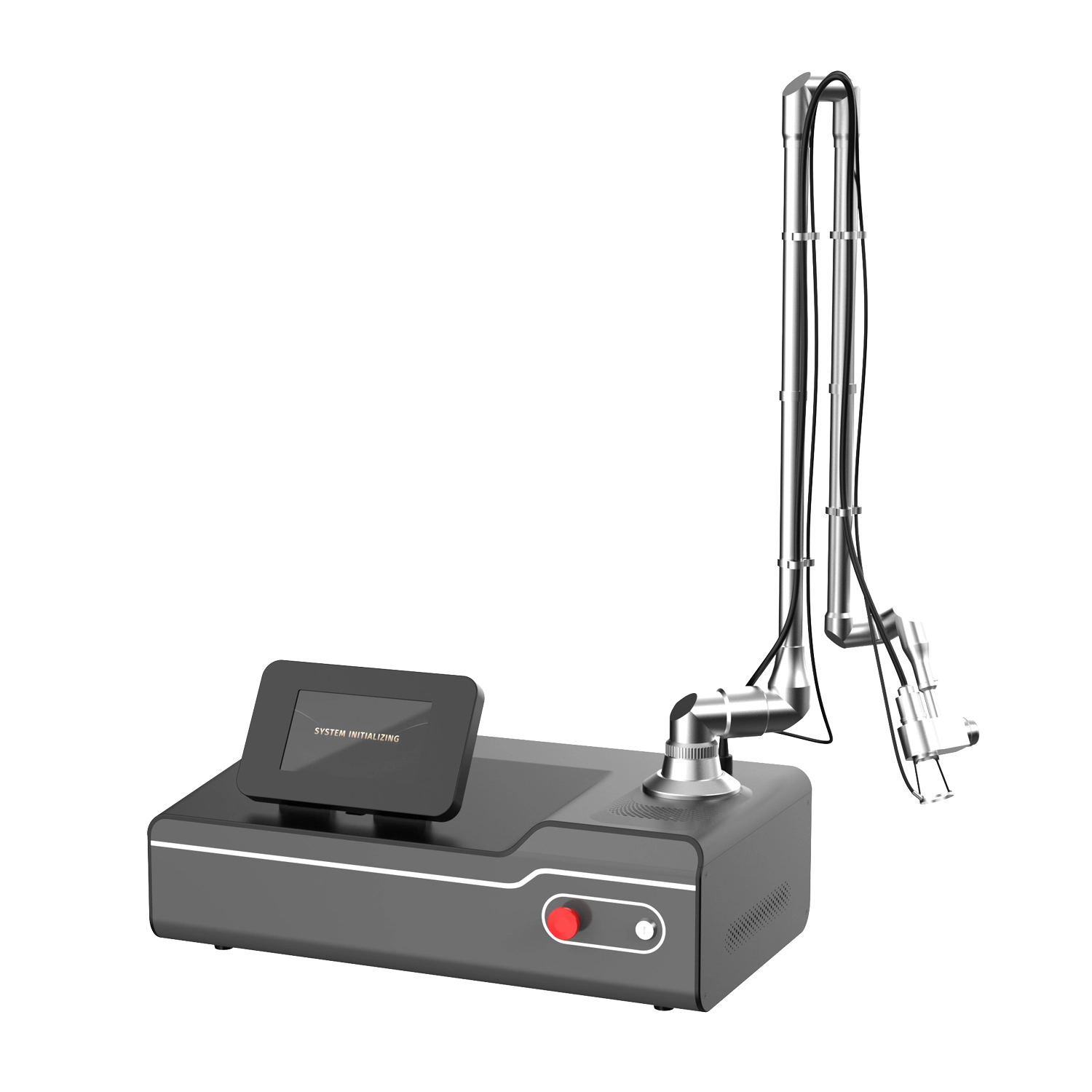
Professional CO2 Fractional Laser Machine for Skin Resurfacing & Scar Treatment
The CO2 Fractional Laser Machine is a professional CO2 fractional laser machine designed for advanced skin resurfacing, scar treatment, and skin rejuvenation procedures.
Using 10,600nm CO2 fractional laser technology, the system delivers controlled microthermal zones into the skin, stimulating collagen remodeling while preserving surrounding tissue. This fractional approach significantly improves treatment safety, recovery time, and clinical outcomes.
The CO2 fractional laser machine is widely used in dermatology clinics and medical aesthetic centers for treating acne scars, wrinkles, enlarged pores, stretch marks, and various skin texture concerns.
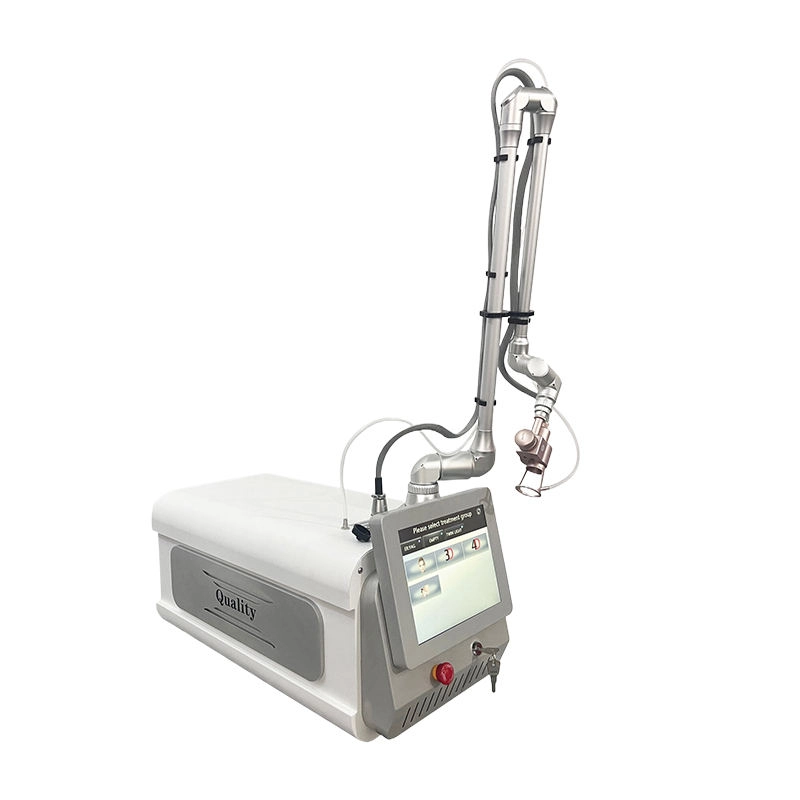
Professional CO2 Fractional Laser Machine | Fractional & Vaginal Rejuvenation CO2 Laser System
The CO2 fractional laser machine is a professional medical-grade device designed for deep skin resurfacing, wrinkle reduction, scar repair, and vaginal rejuvenation. Using a 10600 nm fractional CO2 laser beam, it creates micro-thermal columns on the skin to stimulate collagen regeneration and accelerate skin healing.
This CO2 fractional laser machine provides multiple treatment modes, including fractional mode, surgical cutting mode, and optional vaginal tightening mode, making it ideal for dermatology clinics and professional beauty centers seeking advanced laser solutions.
Its high precision, adjustable spot size, stable energy output, and seven-joint articulated arm ensure safe, accurate, and effective treatment results with minimal downtime.
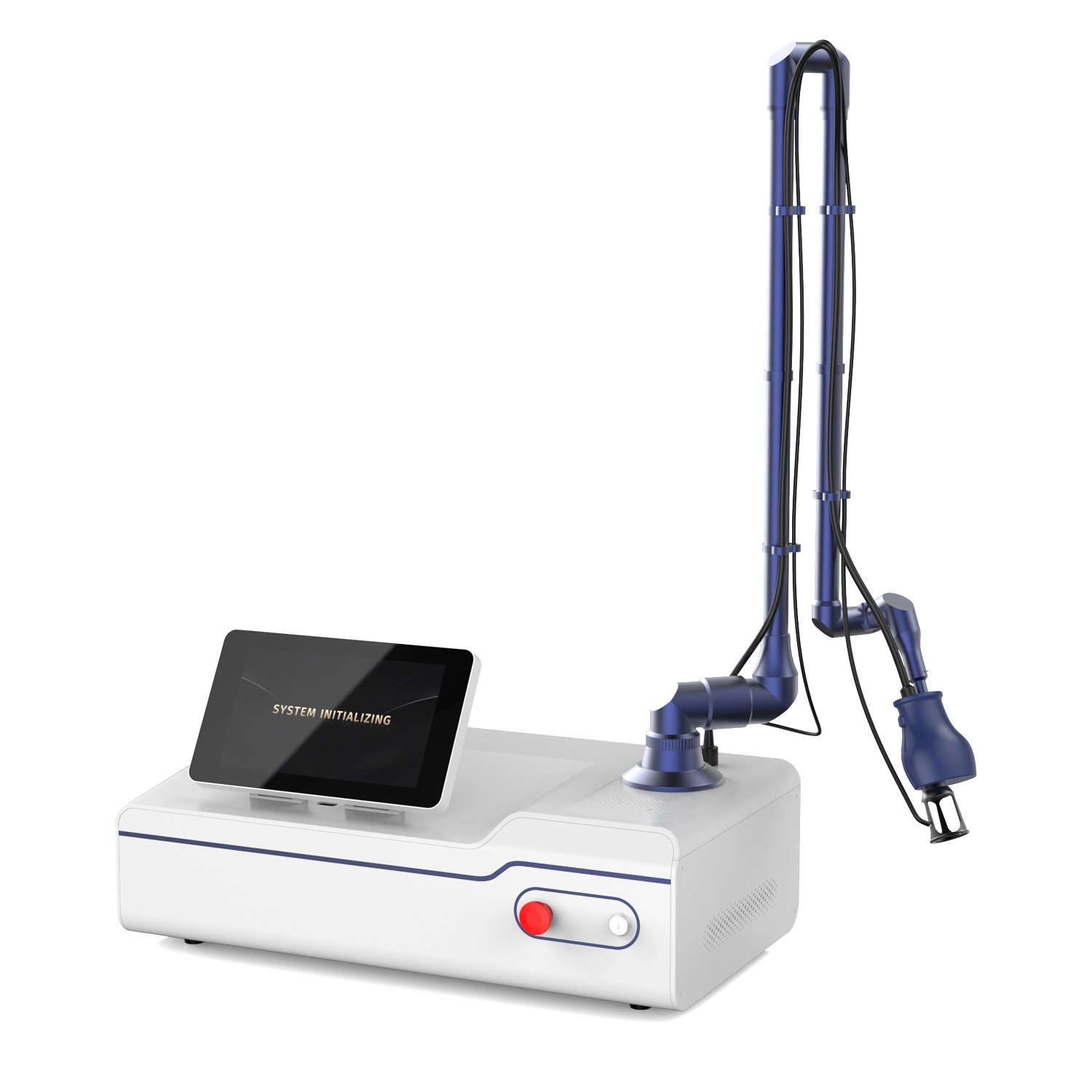
CO2 Fractional Laser Machine | Intimate Vaginal Rejuvenation System
This **CO2 Fractional Laser Machine** utilizes advanced 10600nm CO2 fractional laser technology to create controlled micro-thermal zones on the vaginal mucosa and intimate skin layers. These micro-columns stimulate collagen regeneration and tissue remodeling, effectively improving vaginal tightness, elasticity, and overall intimate health.
Designed specifically for professional medical aesthetic and intimate wellness applications, this CO2 fractional laser machine features intelligent parameter control and high-precision energy output to ensure safe, comfortable, and consistent treatment results. It is an ideal core device for vaginal rejuvenation, postpartum recovery, and intimate anti-aging treatments.
Get more information
If you have any comments or good suggestions, please leave us a message; later our professional staff will contact you as soon as possible.
Let's Talk
Stay in touch with us for cutting-edge beauty solutions, professional guidance, and customized service.
Contact


Room 307, Building A, Huilong International E-commerce Industrial Park, No. 10 Xipengling Road, Helong Street, Baiyun District, Guangzhou, China
© 2025 HUIMAIN. All Rights Reserved. Privacy Policy | Terms and Conditions | Sitemap
Facebook
Instagram
Medical beauty equipment factory
huimain Medical beauty equipment factory
beauty machine supplier
Whatsapp: +8619124004543