


Best Practices for Photographing Slimming Machine Results
- How to Capture Reliable Before-and-After Images for Body Treatments
- Why standardized photography matters for Body Slimming Machine results
- Core principles: consistency, objectivity, and traceability for Body Slimming Machine photos
- Preparing the environment: studio setup and lighting for Body Slimming Machine images
- Quick checklist (clinic-ready) for Body Slimming Machine photography
- Camera and technical settings: recommended configurations for Body Slimming Machine before-and-after photos
- Patient preparation and positioning for credible Body Slimming Machine photos
- Image integrity: editing policy, annotation, and metadata for Body Slimming Machine marketing
- Legal and ethical considerations when photographing Body Slimming Machine patients
- Quantifying results: combining photography with objective measurements
- How to present images responsibly on websites and social media for Body Slimming Machine sales
- Integrating photography into standard operating procedures for clinics using Body Slimming Machine
- Case study summary and recommended timelines for different Body Slimming Machine modalities
- Guangzhou Huimain Technology Co., Ltd. — R&D-driven partner for Body Slimming Machine solutions
- Practical checklist before publishing any Body Slimming Machine case studies
- Final recommendations: building trust through transparent photographic evidence
- Frequently Asked Questions (FAQ)
- 1. How soon should I photograph patients after a Body Slimming Machine treatment?
- 2. Can I use smartphone photos for before-and-after images?
- 3. Is it acceptable to edit lighting and color in before-and-after photos?
- 4. What consent elements should I include for using patient photos in marketing?
- 5. How do I prevent accusations of misleading advertising with before-and-after photos?
- 6. How should clinics store and catalog clinical photographs?
- 7. Can a manufacturer like Guangzhou Huimain help with photography SOPs and training?
- Contact & Next Steps
- References
How to Capture Reliable Before-and-After Images for Body Treatments
Why standardized photography matters for Body Slimming Machine results
Accurate, consistent photography is essential when documenting results from a Body Slimming Machine. Before-and-after images are not only a marketing asset; they are clinical records that influence patient trust, regulatory compliance, and sales conversions. Poorly taken photos can mislead patients, create legal risk, and damage a brand's credibility. This guide gives practical, evidence-based workflows you can implement immediately to produce reproducible, verifiable images that fairly represent treatment outcomes.
Core principles: consistency, objectivity, and traceability for Body Slimming Machine photos
To create images that stand up to clinical and commercial scrutiny, adhere to three core principles:
- Consistency: Fixed camera position, lighting, background, and patient pose reduce variation unrelated to treatment.
- Objectivity: Use neutral backgrounds, standardized distances, and measurement markers to show scale and proportion.
- Traceability: Store metadata (date, device, operator), consent forms, and raw files to support clinical claims.
These principles align with professional clinical photography recommendations used across aesthetic medicine and are essential when demonstrating the efficacy of a Body Slimming Machine.
Preparing the environment: studio setup and lighting for Body Slimming Machine images
A controlled environment eliminates distractions and ensures reproducible images.
- Background: Use a non-reflective, neutral backdrop (mid-grey or soft blue) with no patterns. That avoids color casts and eyeline distractions.
- Lighting: Two softboxes at 45-degree angles plus a hair/back light produce even, modeling lighting that emphasizes contour without dramatic shadows. Continuous LED panels (color temperature 5000–5600K) are consistent and easy to calibrate.
- Camera position: Mark floor with tape for tripod legs so the camera-to-subject distance remains fixed. Use the same focal length for every session.
- Stabilization: Use a tripod and remote shutter to avoid motion blur and micro-movement between frames.
Common errors to avoid: mixed ambient and flash light, changing camera angle, and using high-contrast directional light that exaggerates shadows.
Quick checklist (clinic-ready) for Body Slimming Machine photography
- Consistent background (mid-grey)
- Two softboxes (5000–5600K) at 45°
- Tripod, fixed height and distance
- Same focal length and camera settings
- Standardized patient pose and clothing
- Measurement marker or scale present
- Consent form signed and stored
Camera and technical settings: recommended configurations for Body Slimming Machine before-and-after photos
Use a dedicated camera or a high-quality mirrorless/DSLR. Modern smartphones can work if they are used in a controlled, fixed rig and RAW capture is available.
Below is a clinic-ready table contrasting typical settings for reproducible photos.
| Item | Before | After |
|---|---|---|
| Camera | Full-frame or APS-C mirrorless/DSLR; or high-end smartphone in fixed mount | Same as before |
| Lens / Focal Length | 85–105mm (portrait) or smartphone equivalent | Same |
| Aperture | f/5.6–f/8 (sufficient depth of field) | Same |
| Shutter Speed | >1/125s (use flash or continuous LED) | Same |
| ISO | 100–400 (lowest noise) | Same |
| White Balance | Set to 5000–5600K or use gray card; lock custom WB | Same |
| File Type | RAW + high-quality JPEG for immediate use | Same |
| Distance & Height | Record and fix tripod marks (e.g., 2.5 m at 1.2 m height) | Same |
| Markers | Include a ruler or standardized measurement sticker on body | Same |
(higher-level sources recommend RAW capture and fixed white balance for clinical photography; see references.)
Patient preparation and positioning for credible Body Slimming Machine photos
Standardize how the patient appears in each shot:
- Clothing: Minimal, consistent clothing (e.g., same underwear or disposable garments). Avoid compression garments immediately after treatment.
- Pose: Use anatomical landmarks for alignment: face forward, arms relaxed at sides, feet shoulder-width and on marked floor spots. Capture multiple views: frontal, left lateral, right lateral, 45° oblique.
- Timing: Photograph at standardized time points (baseline, immediate post-treatment only for safety notes, and recommended clinical endpoints: 4–12 weeks for many non-invasive fat reduction devices). Document timing relative to treatment.
- Preparation: Ask the patient to follow pre-photo instructions (no tanning, no heavy lotions, same hydration level and time of day if possible).
Consistency in these elements reduces non-treatment-related variability and makes visual comparisons meaningful.
Image integrity: editing policy, annotation, and metadata for Body Slimming Machine marketing
To maintain trust and comply with regulations, adopt a formal image integrity policy:
- Minimal editing: Crop and exposure correction are acceptable if applied equally to before and after. Never alter anatomy, remove blemishes, or use liquify tools.
- Document edits: Keep original RAW files and a short audit log of edits (who, when, what software, and reasons).
- Annotations: When annotating images (arrows, scales), ensure labels are factual and do not mislead.
- Store EXIF data, capture date/time, camera model, and operator notes in a secure clinical folder.
This transparency is essential when using images for patient education, sales pages, or regulatory submissions.
Legal and ethical considerations when photographing Body Slimming Machine patients
Consent and privacy are non-negotiable:
- Written consent: Use a consent form that explains how images will be used (marketing, scientific, internal records), and whether identifiable features (face, tattoos) may appear. Offer the option to obscure the face if the patient prefers.
- Data protection: Store images under secure access controls and comply with local data protection laws (e.g., GDPR in EU).
- Truthful representation: Avoid selective cropping or lighting that exaggerates results; ensure claims are supported by clinical evidence for the Body Slimming Machine being used.
Following these practices reduces legal risk and builds patient trust.
Quantifying results: combining photography with objective measurements
Photographs are persuasive, but measurable metrics validate results. Combine images with:
- Circumferential measurements (tape measure at standardized anatomical points)
- Caliper readings for subcutaneous fat thickness where appropriate
- Bioelectrical impedance or DEXA scans, when available, for body composition tracking
- Standardized patient-reported outcome measures (e.g., satisfaction scales)
Present photographic evidence alongside these objective metrics in consultation and marketing materials for a balanced, verifiable narrative.
How to present images responsibly on websites and social media for Body Slimming Machine sales
When using images externally, follow these rules:
- Include treatment details: machine model, number of sessions, energy parameters, and timing of ‘after’ photo.
- Disclaimers: Typical results vs. exceptional cases; disclose that outcomes may vary.
- Use captions that cite measurement data if available (e.g., “3 cm reduction at measured waist, 8 weeks after 1 session of cryolipolysis”).
- Always link images to a detailed page about the device and clinical evidence to support claims. This protects against accusations of misleading advertising.
Integrating photography into standard operating procedures for clinics using Body Slimming Machine
Turn photography into a repeatable SOP:
- Create a photo SOP document (environment, equipment, patient prep, timing, storage, consent).
- Train staff and do quarterly audits of before-and-after sets.
- Keep a central repository with version control for raw files and edited assets.
- Review marketing materials via a medical director to ensure compliance.
A robust SOP institutionalizes quality and protects your clinic’s reputation.
Case study summary and recommended timelines for different Body Slimming Machine modalities
Different technologies have different timelines for visible results; align photography schedule accordingly:
- Cryolipolysis (fat freezing): Most visible changes appear 4–12 weeks post-treatment. Photograph baseline, 6–8 weeks, and 12 weeks.
- High-intensity electromagnetic (HIFEM/EMS) devices: Muscle hypertrophy and tone changes may be visible at 4–12 weeks; pair photos with muscle circumference measures.
- HIFU/Shockwave/Radiofrequency: Multiple sessions are common; document baseline and 4–12 weeks after the final session.
Matching photography to expected physiological timelines prevents premature or misleading comparisons.
Guangzhou Huimain Technology Co., Ltd. — R&D-driven partner for Body Slimming Machine solutions
Guangzhou Huimain Technology Co., Ltd. is a high-tech enterprise specializing in beauty machines and home-use machine series. The company integrates R&D, production, sales, and after-sales service. Huimain operates on a 3,000-square-meter facility with a skilled team: over 20% hold bachelor’s degrees and more than 40% have junior college degrees. Their strong technical development department includes experienced engineers, PE experts, a professional purchasing department, clinical testing capability, and a dedicated after-sales service team.
With continuous investment in new-product R&D, Huimain holds CE and SGS approvals and multiple patents. Their products serve markets across China, Southeast Asia, the Middle East, Europe, and North America, and are praised for quality and price competitiveness.
Huimain focuses on OEM and ODM for beauty and medical devices and can design and produce high-quality equipment for clinics and salons. Key product lines relevant to photographing results include:
- Cryolipolysis machine
- EMS (Ems sculpting) machine
- Plasma machine
- Shockwave machine
- HIFU machine
- Hydrofacial machine
- Cavitation vacuum machine
- Laser hair removal systems
- Tattoo removal machine
- Microneedle (microneedling) machine
Advantages and differentiators:
- Strong R&D and patent portfolio
- Clinical testing and quality certifications (CE, SGS)
- Comprehensive OEM/ODM capabilities
- Competitive pricing and global distribution network
- Dedicated after-sales and technical support
For clinics aiming to document and market Body Slimming Machine results professionally, partnering with a manufacturer that understands clinical workflow (like Huimain) helps align device documentation, training materials, and photo guidelines to ensure accurate, market-ready before-and-after assets.
Practical checklist before publishing any Body Slimming Machine case studies
- Confirm signed consent and data storage compliance
- Verify that before/after photos were taken with identical camera, lighting, and pose
- Cross-check measurement data and timeline
- Ensure edits are limited and documented
- Add device model, parameters, number of sessions, and typical-disclaimer text
Final recommendations: building trust through transparent photographic evidence
High-quality, standardized images paired with objective metrics and transparent documentation are the most effective way to show real-world results from Body Slimming Machine treatments. Invest in a simple studio setup, train staff on an SOP, retain raw files, and present images with full context. These steps protect your practice, improve marketing credibility, and ly help patients make informed decisions.
Frequently Asked Questions (FAQ)
1. How soon should I photograph patients after a Body Slimming Machine treatment?
Photograph at baseline, then time the follow-ups to the expected physiological response. For cryolipolysis, 6–12 weeks is standard. For muscle-stimulating EMS treatments, 4–12 weeks after the final session is common. Always document the exact timing relative to treatment.
2. Can I use smartphone photos for before-and-after images?
Yes—if the smartphone is used in a controlled setup: fixed tripod/mount, consistent lighting, RAW or highest-quality capture, fixed distance and focal settings, and a standardized SOP. High-end cameras still offer better control and raw data for auditing.
3. Is it acceptable to edit lighting and color in before-and-after photos?
Minor exposure and white balance corrections are acceptable if applied equally to both images. Any edits that change anatomical shape or skin texture (e.g., liquify, clone tools) must be avoided. Maintain original RAW files and document edits.
4. What consent elements should I include for using patient photos in marketing?
Consent should state how images will be used (website, social media, print), whether identifiable features (face, tattoos) will be shown, the right to withdraw consent, and data storage duration. Keep signed forms attached to the image records.
5. How do I prevent accusations of misleading advertising with before-and-after photos?
Be transparent: provide device model, number of sessions, energy settings (if applicable), timing of after photos, and objective measurements alongside images. Use neutral lighting and include disclaimers on variability of results.
6. How should clinics store and catalog clinical photographs?
Use a secure, access-controlled digital asset management system. Store RAW files, edited JPEGs, consent forms, and an audit log. Include EXIF metadata and operator notes. Back up regularly and control access per data protection laws.
7. Can a manufacturer like Guangzhou Huimain help with photography SOPs and training?
Yes. Manufacturers with OEM/ODM and clinical support capabilities—such as Guangzhou Huimain Technology Co., Ltd.—often provide device-specific training, clinical trial support, and guidance on documentation and marketing assets to ensure consistent, compliant presentation of results.
Contact & Next Steps
If you want to standardize your clinic’s before-and-after photography process, or learn more about Body Slimming Machine options and OEM/ODM partnerships, contact Guangzhou Huimain Technology Co., Ltd. for product catalogs, clinical training materials, and after-sales support. Visit the company website or request a consultation to review studio setup, SOP templates, and device specifications.
References
International Society of Aesthetic Plastic Surgery (ISAPS) — Clinical Photography Guidelines. https://www.isaps.org/medical-professionals/clinical-resources/clinical-toolbox/photography/ (Accessed 2025-06-01)
American Society of Plastic Surgeons (ASPS) — Before and After Photos: Tips and Best Practices. https://www.plasticsurgery.org/news/blog/before-and-after-photos (Accessed 2025-06-01)
BMJ — Consent and confidentiality: publishing clinical images. https://www.bmj.com/content/348/bmj.g3164 (Published 2014; Accessed 2025-06-01)
PubMed: Cryolipolysis clinical evidence review — Zelickson et al., Dermatol Surg (2009). https://pubmed.ncbi.nlm.nih.gov/19521359/ (Published 2009; Accessed 2025-06-01)
PubMed / Clinical studies on electromagnetic muscle stimulation (HIFEM/EMS) for aesthetic use — peer-reviewed articles (example reviews). https://pubmed.ncbi.nlm.nih.gov/31039424/ (Published 2019; Accessed 2025-06-01)
FDA — General information on non-surgical fat reduction devices; for regulatory context. https://www.fda.gov/medical-devices (Accessed 2025-06-01)
HMC2S
What clients are suitable for the Non-Invasive Pelvic Chair?
It is suitable for postpartum women, clients with weakened pelvic floor muscles, individuals with mild urinary incontinence, and anyone seeking a glute lift.
ulthra超声刀
Is the Ulthra HIFU treatment safe?
Yes. Ulthra HIFU is a clinically proven, non-invasive technology approved for safe skin lifting and tightening treatments.
HMT22
Can I use this machine at home?
Yes, the machine is designed for both professional and personal use. However, for optimal results, following the manufacturer's guidelines and consulting with professionals is recommended.
3-in-1 Spiral RF & Gold Microneedle Anti-Aging Hifu Machine
Is the treatment painful?
Most clients experience mild warmth. The Spiral RF system ensures stable and comfortable energy delivery.
5-in-1 cavitation vacuum machine
Is the treatment painful?
No, treatments are comfortable. Clients may feel mild warmth or a buzzing sensation.

CO2 Fractional Laser Machine – Professional Wrinkle Removal & Skin Resurfacing Device
The CO2 Fractional Laser Machine is a multifunctional aesthetic device designed for professional clinics and beauty salons. Using advanced fractional CO2 laser technology, it effectively targets acne scars, freckles, pigmentation, nevi, and deep wrinkles. Additionally, it provides non-invasive skin rejuvenation, vaginal tightening, and intimate beautification. This professional CO2 laser equipment combines precision, safety, and powerful energy output to deliver outstanding anti-aging and dermatological results.

5-in-1 40K Cavitation Vacuum Machine for Body Slimming & Fat Reduction
The 5-in-1 40K Cavitation Vacuum Machine is a professional body shaping system designed for fat reduction, cellulite smoothing, and overall body contouring. Using 40KHz ultrasonic cavitation, this device breaks down stubborn fat cells, while vacuum suction improves lymphatic drainage and accelerates toxin removal.
With multiple RF tightening handles, the machine stimulates collagen regeneration and helps lift and firm loose areas of the body. Compact, powerful, and easy to operate, it is the perfect solution for beauty salons, spa centers, and slimming studios seeking fast and visible fat-reduction results.
This cavitation vacuum machine is built to deliver safe, non-invasive treatments with no downtime—making it a top choice for body contouring professionals.

6-in-1 Multifunctional Beauty and Weight Loss Machine | Cavitation, RF, Vacuum PDT, EMS, Laser Slimming Equipment for Professional Use
The 6-in-1 Multifunctional Beauty and Weight Loss Machine is a professional-grade device designed for salons, clinics, and distributors. Combining six advanced technologies—cavitation, RF (radio frequency) for face & body, vacuum RF PDT, BIO/EMS microcurrent, and laser lipo pads—this device offers comprehensive body contouring, fat reduction, skin tightening, and anti-aging treatments.
It provides businesses with an all-in-one solution to expand service offerings, attract more clients, and achieve a rapid return on investment.
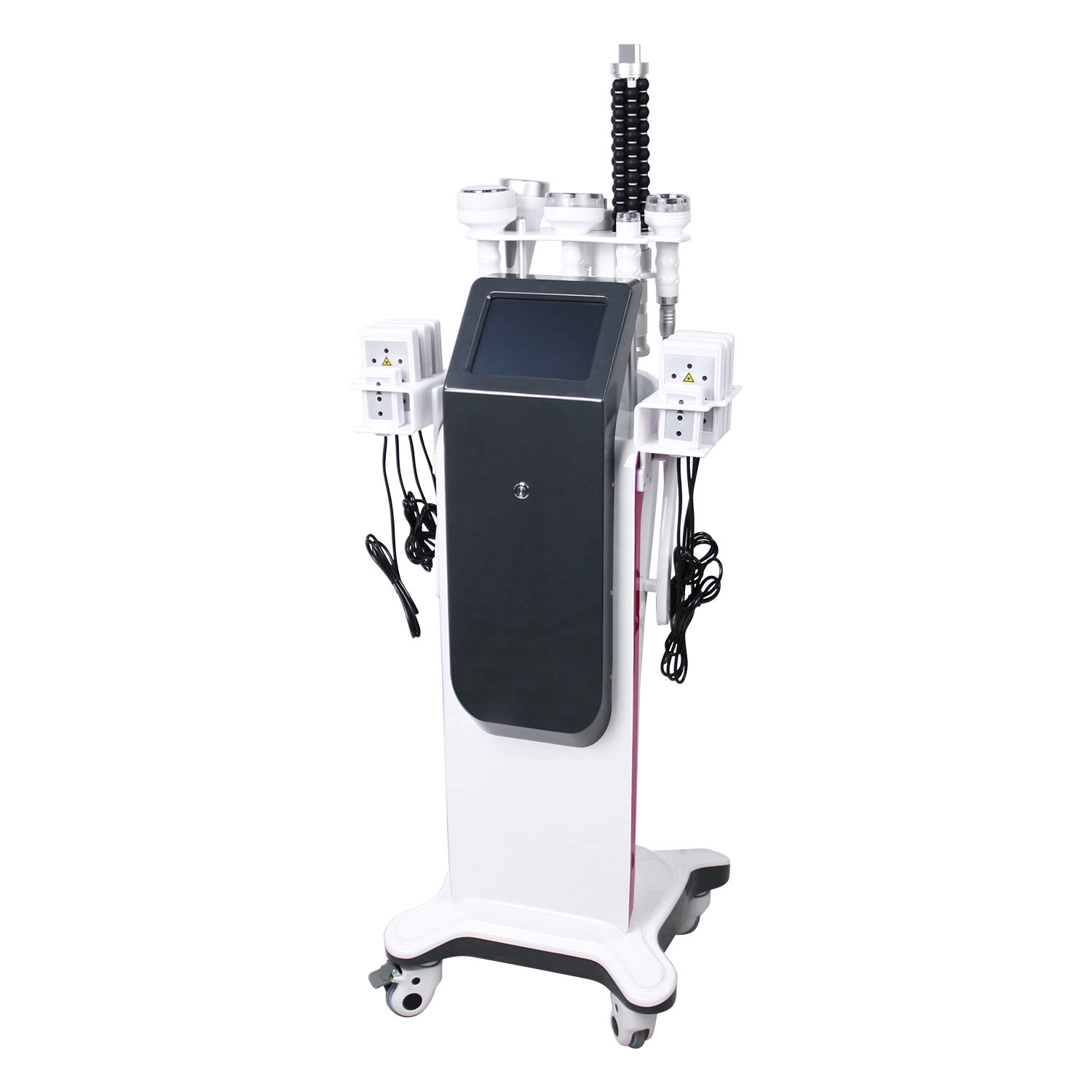
Professional 6-in-1 Cavitation Vacuum Machine for Body Contouring & Slimming Treatment
The 6-in-1 Cavitation Vacuum Machine is a professional body contouring system designed for salons and spas seeking high-performance slimming solutions. This machine integrates 40K ultrasonic cavitation, vacuum suction, RF technology, and laser lipolysis to target stubborn fat, enhance lymphatic drainage, tighten the skin, and contour the body shape effectively.
Equipped with multiple ergonomic handles and a smart touch screen, this cavitation vacuum machine provides a comfortable and efficient experience for both operators and clients. It is ideal for full-body treatments including abdomen, arms, legs, waistline, hips, and back.
Perfect for beauty salons, spas, and aesthetic centers that want to offer non-invasive fat reduction and body-sculpting services.
Get more information
If you have any comments or good suggestions, please leave us a message; later our professional staff will contact you as soon as possible.
Let's Talk
Stay in touch with us for cutting-edge beauty solutions, professional guidance, and customized service.
Contact


Room 307, Building A, Huilong International E-commerce Industrial Park, No. 10 Xipengling Road, Helong Street, Baiyun District, Guangzhou, China
© 2025 HUIMAIN. All Rights Reserved. Privacy Policy | Terms and Conditions | Sitemap
Facebook
Instagram
Medical beauty equipment factory
huimain Medical beauty equipment factory
beauty machine supplier
Whatsapp: +8619124004543