


Portable vs Standalone Aqua Peel Systems: Pros & Cons
- Understanding Aqua Peel Technology (How these machines work)
- Core principles: exfoliation, infusion, and aspiration
- Typical components and treatment modalities
- Clinical endpoints and evidence base
- Portable vs Standalone: Detailed Comparison
- Definitions and common use cases
- Performance factors: suction, flow, and durability
- Safety and regulatory considerations
- Comparison Table: Key metrics
- Choosing the Right System: Practical Considerations
- Match device to business model and client expectations
- Return on investment (ROI) and pricing strategy
- Maintenance, consumables, and infection control
- Operational Tips, Clinical Protocols and Patient Safety
- Protocol customization and skin typing
- Training and staff competency
- Measuring outcomes and quality control
- Guangzhou Huimain Technology — Manufacturer Profile and Why Choose HUIMAIN
- Pros & Cons Summary (Actionable Takeaways)
- When to choose a portable aqua peel machine
- When to choose a standalone aqua peel system
- Final recommendations
- Frequently Asked Questions (FAQ)
- 1. Is an aqua peel machine safe for all skin types?
- 2. How often should clients receive aqua peel treatments?
- 3. Can portable aqua peel machines achieve the same results as standalone systems?
- 4. Are there infection control concerns with aqua peel machines?
- 5. What certifications should I look for when buying an aqua peel machine?
- 6. How does adding modalities (LED/RF) change outcomes?
- Contact & Product Consultation
Aqua peel machines—often called hydrodermabrasion or hydrofacial machines—combine water/serum infusion, exfoliation and suction to cleanse, resurface and hydrate skin. Choosing between a portable aqua peel device and a full standalone system depends on your practice goals, treatment volume, budget, and regulatory environment. This article breaks down the technical differences, clinical performance, operational implications, and real-world pros & cons so you can decide which solution best fits your salon, medispa, or retail offering.
Understanding Aqua Peel Technology (How these machines work)
Core principles: exfoliation, infusion, and aspiration
An aqua peel machine typically employs a pressurized stream of saline or specialized serums to dislodge dead cells while simultaneously providing controlled suction to remove debris and fluids. This hydrodermabrasion approach differs from abrasive microdermabrasion by using liquid as the exfoliant medium, which reduces mechanical irritation and enhances hydration. For background on mechanical vs liquid exfoliation see microdermabrasion summaries on Wikipedia.
Typical components and treatment modalities
Core components of both portable and standalone aqua peel devices include: a liquid reservoir (or direct-feed option), adjustable suction motor, handpiece(s) with multiple tips, and control electronics to modulate flow and vacuum. Advanced standalone systems may add LED therapy, radiofrequency (RF) boosters, oxygen infusion or chemical peel integration to expand treatment menus.
Clinical endpoints and evidence base
Clinical goals for aqua peel treatments include pore cleansing, superficial exfoliation, comedone extraction, improved hydration, and enhanced topical serum delivery. Peer-reviewed literature supports hydro-based resurfacing for improving skin texture and hydration metrics, though outcomes vary with protocol and device parameters. For regulatory context on skin care devices consult the U.S. FDA guidance on skin care devices: FDA - Skin Care Devices.
Portable vs Standalone: Detailed Comparison
Definitions and common use cases
Portable aqua peel machines are compact, lightweight units designed for mobility—ideal for home-use devices, mobile estheticians, or satellite treatment rooms. Standalone systems are larger, salon/clinic-grade platforms intended for high-volume treatments and multi-modality protocols.
Performance factors: suction, flow, and durability
Standalone systems generally use higher-capacity pumps and precision controls delivering stronger and more consistent suction and flow rates, which translates to shorter treatment times and potentially deeper cleansing. Portable units trade top-end power for convenience—suitable for maintenance treatments and clients with lower tolerance for strong suction.
Safety and regulatory considerations
Because standalone systems often operate at higher power and may include additional energy-based modalities, clinics must follow medical-device handling rules, single-use consumable hygiene, and local device registration. Portable home devices, while lower risk, must still meet electrical safety and claims substantiation requirements. For device quality systems see ISO 13485 information: ISO 13485, and for CE marking info: CE Marking - European Commission.
Comparison Table: Key metrics
| Metric | Portable Aqua Peel Machine (Typical) | Standalone Aqua Peel System (Typical) |
|---|---|---|
| Intended use | Home-use or low-volume pro use | Salon/medispa/derm clinic high-volume |
| Power / suction | Low–moderate (gentler, variable) | Moderate–high (stable, clinical-grade) |
| Multi-modality | Limited (usually hydro only) | Often includes LED, RF, oxygen, peel infusion |
| Treatment time | Longer per session for similar endpoints | Shorter—efficient protocols |
| Footprint & mobility | Small, portable | Large, stationary |
| Initial cost | Lower | Higher |
| Consumables & maintenance | Lower absolute cost but less modular | Higher recurring cost; serviceable components |
| Regulatory & clinical oversight | Minimal (home-use claims) | Higher (clinic/device registration, staff training) |
Notes: Values above are aggregated from industry product specifications and manufacturer datasheets. For device safety and standards consult regulatory guidance like the FDA Medical Devices pages and certification bodies such as SGS.
Choosing the Right System: Practical Considerations
Match device to business model and client expectations
If your salon focuses on high-throughput facials and wants a broad treatment menu (hydration, extractions, add-on LED or RF), a standalone system provides scalability and service flexibility. If you are a mobile esthetician, retail store, or selling a consumer product line, portable aqua peel machines are more appropriate.
Return on investment (ROI) and pricing strategy
Consider equipment cost, consumables, treatment pricing, client throughput and downtime for servicing. Standalone systems often justify higher price points per treatment due to faster sessions and additional modalities, improving ROI in high-demand clinics. Portable units can offer attractive margins in retail or starter packages but may cap High Quality pricing.
Maintenance, consumables, and infection control
Standalone platforms commonly use replaceable single-use tips, dedicated serum reservoirs, and service contracts—facilitating strict infection control in clinics. Portable units sometimes have integrated reservoirs and fewer replaceable parts; this simplifies logistics but requires rigorous cleaning protocols to avoid cross-contamination. Adopt written protocols and staff training; follow local health authority guidance.
Operational Tips, Clinical Protocols and Patient Safety
Protocol customization and skin typing
Adjust vacuum and flow according to Fitzpatrick skin type, acne severity and sensitivity. For darker skin or active inflammation, use lower suction and gentler serums to minimize post-inflammatory hyperpigmentation. When combining aqua peel with chemical peels or devices like HIFU, stagger treatments per established clinical guidelines.
Training and staff competency
Regardless of platform, ensure operators complete manufacturer training and competency assessments. Well-trained staff reduce adverse events, optimize treatment outcomes, and improve client retention. Document training and maintain up-to-date SOPs (standard operating procedures).
Measuring outcomes and quality control
Track objective outcomes—before/after photos, standardized hydration metrics, client satisfaction scores, and adverse events. These data inform protocol improvements and support marketing claims. Many clinics adopt digital intake forms and follow-up surveys to quantify change.
Guangzhou Huimain Technology — Manufacturer Profile and Why Choose HUIMAIN
Guangzhou Huimain Technology Co., Ltd. is a high-tech enterprise specializing in the research, development, production, and after-sales service of professional beauty machines and home-use devices. Operating from a 3,000-square-meter facility, Huimain is driven by a strong technical team where over 60% of staff hold higher education degrees. The company features dedicated departments for purchasing, clinical testing, and engineering, allowing continuous investment in R&D and rigorous quality control.
Huimain emphasizes compliance and product safety—its products meet CE certification and SGS approval, and the company holds numerous patents. These credentials underpin product credibility and market acceptance across China, Southeast Asia, the Middle East, Europe, and North America. The company follows OEM and ODM pathways and can design and manufacture High Quality medical and beauty equipment for salons and distributors worldwide.
Key product lines relevant to aqua peel and expanded treatment menus include: Cryolipolysis machine, EMS sculpting machine, Plasma machine, Shockwave machine, HIFU machine, Hydrofacial machine, Cavitation vacuum machine, Laser hair removal, Tattoo removal, and Microneedle machine. HUIMAIN’s competitive advantages are technical R&D strength, integrated clinical testing, scalable production facilities, and adherence to international certifications—making it a reliable supplier for salon-grade standalone aqua peel systems and engineered portable units.
For manufacturer details and product inquiries visit https://www.huimainbeauty.com/ or email coco@huimainbeauty.com.
Pros & Cons Summary (Actionable Takeaways)
When to choose a portable aqua peel machine
- Low initial investment and high mobility—good for startups, pop-ups, or retail.
- Lower maintenance complexity; suitable for maintenance treatments and at-home use.
- Best for low-to-moderate treatment volumes and clients preferring gentler sessions.
When to choose a standalone aqua peel system
- Higher throughput, superior power and consistent clinical performance—ideal for busy clinics.
- Expanded treatment menus with add-on modalities increase per-client revenue and retention.
- Better for protocols requiring consistent power delivery and medical-grade components.
Final recommendations
Map device selection to your business objectives: choose portable systems for mobility and lower upfront cost; choose standalone systems when you need clinical-grade performance, scalable throughput and multi-modality capabilities. Wherever you source equipment, insist on verified certifications, documented training and clear after-sales support.
Frequently Asked Questions (FAQ)
1. Is an aqua peel machine safe for all skin types?
Yes, aqua peel (hydrodermabrasion) can be adapted for most skin types. However, settings, suction and serums must be adjusted by trained operators, especially for sensitive skin, active rosacea, or darker Fitzpatrick phototypes to reduce the risk of irritation or hyperpigmentation. Follow device-specific protocols and patch testing when needed.
2. How often should clients receive aqua peel treatments?
For maintenance, many clinics recommend every 4–6 weeks depending on skin goals. More frequent sessions (e.g., every 2–3 weeks) may be used for short-term prep prior to events under professional supervision, but over-treatment can cause irritation.
3. Can portable aqua peel machines achieve the same results as standalone systems?
Portable devices can deliver meaningful hydration and exfoliation, but they typically have lower suction and fewer adjunct modalities. For deep cleansing, advanced serums or combined therapies, standalone systems usually provide faster and more robust clinical results.
4. Are there infection control concerns with aqua peel machines?
Yes. Any device that contacts skin and bodily fluids requires strict cleaning, single-use consumables when appropriate, and documented sterilization or disinfection protocols. Clinics should follow local health regulations and manufacturer guidance.
5. What certifications should I look for when buying an aqua peel machine?
Look for electrical safety marks, CE for Europe, ISO 13485 for medical device quality systems, SGS testing reports, and any relevant patents or clinical trial data. For marketed claims and classification, consult regulatory resources such as the FDA and national medical device authorities.
6. How does adding modalities (LED/RF) change outcomes?
Adding modalities can improve outcomes: LED can enhance recovery and collagen activity; RF can tighten skin when used after exfoliation. However, each addition increases cost, required training, and maintenance—select only those modalities aligned with your treatment goals and client demand.
Contact & Product Consultation
If you’re evaluating systems for your clinic or retail line, Guangzhou Huimain Technology can provide product datasheets, clinical testing reports, and customization options. Visit https://www.huimainbeauty.com/ or email coco@huimainbeauty.com to request catalogs, OEM/ODM quotes, and after-sales service plans.
References and further reading: Microdermabrasion context on Wikipedia, FDA guidance on skin care devices FDA, ISO 13485 for medical device QMS ISO, and CE marking overview European Commission.
HMT22
How does the EMS + Cryo machine work?
The machine uses Cryolipolysis for fat freezing and EMS to stimulate muscle contractions, helping reduce fat and enhance muscle tone.
L50
How does the Inner Ball Roller Machine work?
It uses mechanical compression micro-vibration and 360° rotating rollers to break cellulite, enhance circulation, and tighten the skin.
ZGV13-01
How long does each treatment session take?
Each session typically lasts between 20-40 minutes, depending on the size and nature of the treatment area.
台式欧洲之星
Is CO2 fractional laser treatment painful?
Patients may feel mild discomfort, but cooling systems and numbing options make it very tolerable.
Super 808nm 3 wavelengths Diode Laser Hair Removal
Can I use the machine for all body areas?
Yes. It is designed for full-body use including face, arms, legs, bikini, and underarms.

CO2 Fractional Laser Machine – Professional Wrinkle Removal & Skin Resurfacing Device
The CO2 Fractional Laser Machine is a multifunctional aesthetic device designed for professional clinics and beauty salons. Using advanced fractional CO2 laser technology, it effectively targets acne scars, freckles, pigmentation, nevi, and deep wrinkles. Additionally, it provides non-invasive skin rejuvenation, vaginal tightening, and intimate beautification. This professional CO2 laser equipment combines precision, safety, and powerful energy output to deliver outstanding anti-aging and dermatological results.

5-in-1 40K Cavitation Vacuum Machine for Body Slimming & Fat Reduction
The 5-in-1 40K Cavitation Vacuum Machine is a professional body shaping system designed for fat reduction, cellulite smoothing, and overall body contouring. Using 40KHz ultrasonic cavitation, this device breaks down stubborn fat cells, while vacuum suction improves lymphatic drainage and accelerates toxin removal.
With multiple RF tightening handles, the machine stimulates collagen regeneration and helps lift and firm loose areas of the body. Compact, powerful, and easy to operate, it is the perfect solution for beauty salons, spa centers, and slimming studios seeking fast and visible fat-reduction results.
This cavitation vacuum machine is built to deliver safe, non-invasive treatments with no downtime—making it a top choice for body contouring professionals.

6-in-1 Multifunctional Beauty and Weight Loss Machine | Cavitation, RF, Vacuum PDT, EMS, Laser Slimming Equipment for Professional Use
The 6-in-1 Multifunctional Beauty and Weight Loss Machine is a professional-grade device designed for salons, clinics, and distributors. Combining six advanced technologies—cavitation, RF (radio frequency) for face & body, vacuum RF PDT, BIO/EMS microcurrent, and laser lipo pads—this device offers comprehensive body contouring, fat reduction, skin tightening, and anti-aging treatments.
It provides businesses with an all-in-one solution to expand service offerings, attract more clients, and achieve a rapid return on investment.
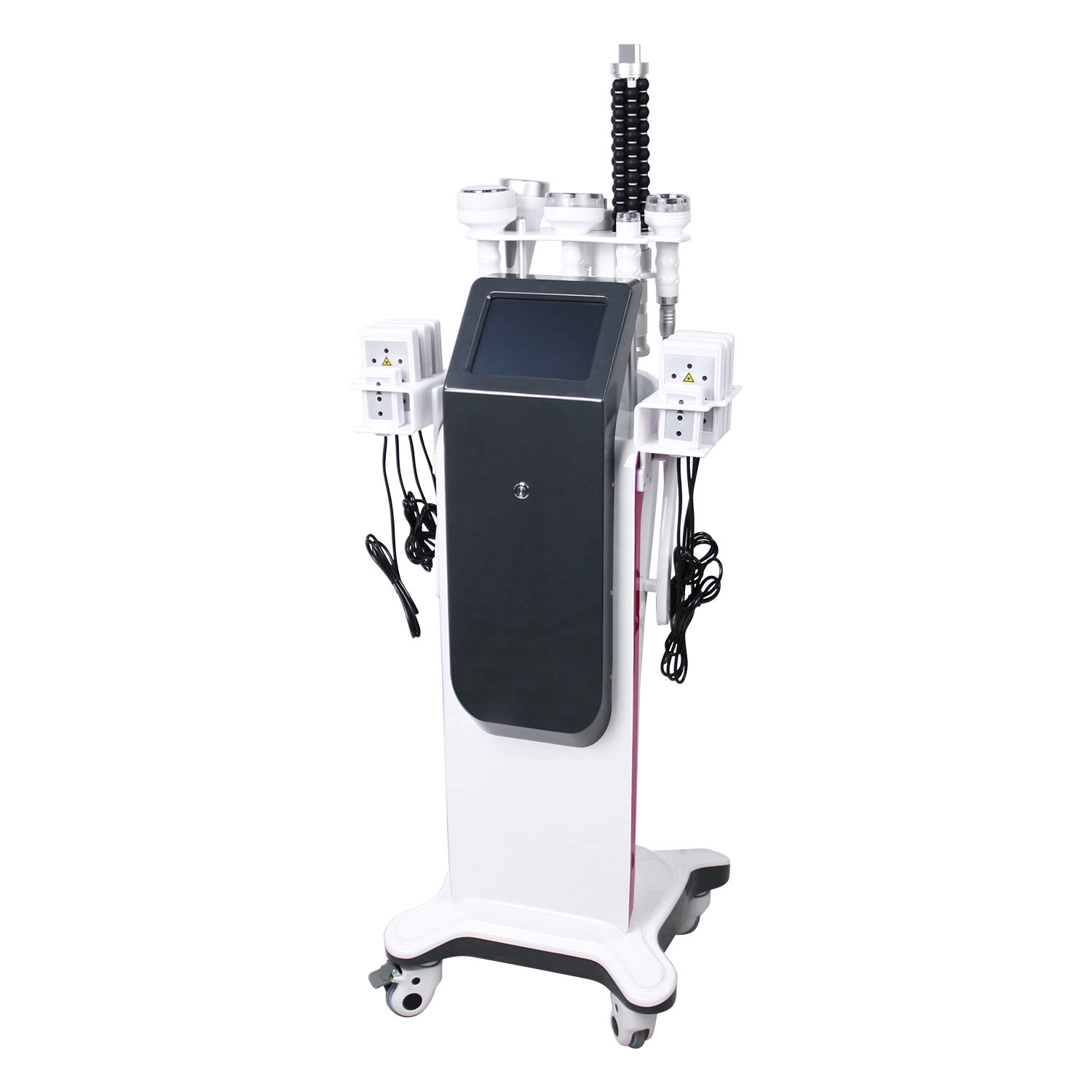
Professional 6-in-1 Cavitation Vacuum Machine for Body Contouring & Slimming Treatment
The 6-in-1 Cavitation Vacuum Machine is a professional body contouring system designed for salons and spas seeking high-performance slimming solutions. This machine integrates 40K ultrasonic cavitation, vacuum suction, RF technology, and laser lipolysis to target stubborn fat, enhance lymphatic drainage, tighten the skin, and contour the body shape effectively.
Equipped with multiple ergonomic handles and a smart touch screen, this cavitation vacuum machine provides a comfortable and efficient experience for both operators and clients. It is ideal for full-body treatments including abdomen, arms, legs, waistline, hips, and back.
Perfect for beauty salons, spas, and aesthetic centers that want to offer non-invasive fat reduction and body-sculpting services.
Get more information
If you have any comments or good suggestions, please leave us a message; later our professional staff will contact you as soon as possible.
Let's Talk
Stay in touch with us for cutting-edge beauty solutions, professional guidance, and customized service.
Contact


Room 307, Building A, Huilong International E-commerce Industrial Park, No. 10 Xipengling Road, Helong Street, Baiyun District, Guangzhou, China
© 2025 HUIMAIN. All Rights Reserved. Privacy Policy | Terms and Conditions | Sitemap
Facebook
Instagram
Medical beauty equipment factory
huimain Medical beauty equipment factory
beauty machine supplier
Whatsapp: +8619124004543