


Portable vs Stationary CO2 Fractional Laser Machines: Pros and Cons
- Understanding CO2 Fractional Laser Technology
- What is a CO2 fractional laser machine?
- Key technical parameters that impact outcomes
- Safety and regulatory context
- Comparing Portable and Stationary CO2 Fractional Laser Machines
- Definitions and typical configurations
- Clinical performance: efficacy, depth control, and versatility
- Operational differences: maintenance, uptime, and portability
- Practical Considerations: Budget, Workflow, and ROI
- Initial cost vs total cost of ownership
- Patient throughput and scheduling
- Table: Side-by-side comparison
- Clinical Protocols, Safety, and Training
- Training and operator skill
- Risk management and adverse events
- Pre- and post-procedure care
- How I Recommend Choosing the Right System
- Match device capabilities to clinical indications
- Evaluate vendor support, certification, and clinical evidence
- Trial, validation, and procurement tips
- Why Guangzhou Huimain Technology Co., Ltd. May Be a Strong Partner
- Frequently Asked Questions (FAQ)
- 1. Are portable CO2 fractional lasers as effective as stationary ones?
- 2. What are the main safety differences between portable and stationary machines?
- 3. How should a clinic decide between buying and leasing?
- 4. What regulatory documentation should I request from a supplier?
- 5. How do skin type and pigmentation affect device choice?
- 6. Can I integrate a portable unit into a multi-site practice?
I work with clinics and distributors worldwide evaluating co₂ fractional laser machine solutions. In this article I summarize how CO2 fractional laser technology works, compare portable and stationary systems in terms of performance, safety, cost, and workflow, and provide evidence-backed guidance for purchasing and clinical use. My goal is to help you make a practical, verifiable decision that aligns with patient outcomes, regulatory requirements, and business realities.
Understanding CO2 Fractional Laser Technology
What is a CO2 fractional laser machine?
The CO2 (carbon dioxide) fractional laser is a type of ablative laser frequently used for skin resurfacing, scar revision, and rejuvenation. It delivers columns of microthermal injury (MTZs) to the epidermis and dermis while leaving intervening tissue intact, which accelerates healing and reduces downtime compared with traditional full-field ablation. For background reading on the physics and common indications, see the Carbon dioxide laser page on Wikipedia and the fractional laser overview at Wikipedia.
Key technical parameters that impact outcomes
When evaluating any co₂ fractional laser machine, I focus on measurable parameters that drive clinical results: wavelength stability (typically ~10,600 nm for CO2), energy per microbeam (mJ), pulse duration (μs–ms), density (% coverage per pass), spot size, fractional pattern options, and scanner speed. These parameters influence ablation depth, thermal coagulation zone, and thermal diffusion—factors directly tied to efficacy and complication rates. Peer-reviewed summaries on clinical performance can be found on PubMed; for example, reviews of fractional CO2 devices highlight correlations between energy settings and complication profiles (PubMed).
Safety and regulatory context
Lasers are regulated medical devices in many jurisdictions. In the U.S., the FDA provides guidance on lasers and light-based devices (FDA). International standards such as ISO 13485 support quality systems for manufacturing. As a practitioner or purchaser, confirm that devices meet applicable CE, FDA or local regulatory approvals, and follow established clinical protocols to reduce risks.
Comparing Portable and Stationary CO2 Fractional Laser Machines
Definitions and typical configurations
Portable CO2 fractional laser machines are compact units designed for mobility between rooms or clinics. They typically have smaller footprints, simplified interfaces, and lighter scanners. Stationary systems are larger, often mounted on wheeled carts or cabinets, with more robust power supplies, larger cooling systems, and advanced scanning heads. Both aim to deliver fractional ablation, but design trade-offs alter performance, reliability, and clinical scope.
Clinical performance: efficacy, depth control, and versatility
In my clinical testing and consultations, stationary systems usually offer higher maximum energy per microbeam, wider range of pulse durations, and more sophisticated scanning patterns—resulting in better control for deeper resurfacing and complex indications like deep acne scarring. Portable units can achieve excellent results for superficial to moderate resurfacing, periocular rejuvenation, and fractional scar revision when used with appropriate settings and multiple passes.
Operational differences: maintenance, uptime, and portability
Stationary devices often incorporate larger cooling systems and power supplies that enable sustained high-density treatments without thermal throttling; they also tend to have longer mean time between failures due to industrial-grade components. Portable units prioritize mobility and ease of transport, which benefits multi-location practitioners and smaller clinics but may increase wear on connectors and scanners over time. I recommend checking manufacturer MTBF (mean time between failure) data and service contracts before purchase.
Practical Considerations: Budget, Workflow, and ROI
Initial cost vs total cost of ownership
The purchase price is only one part of the equation. For both portable and stationary co₂ fractional laser machine options consider: initial cost, warranty length, expected consumables (handpieces, scanner maintenance), calibration services, training, and regulatory compliance costs. Stationary systems typically have higher upfront prices but may depreciate more slowly if they enable higher-value procedures. Portable units are cheaper to acquire and easier to justify for clinics starting fractional services.
Patient throughput and scheduling
Stationary systems excel in high-throughput environments—shorter per-patient setup times, more comfortable patient interfaces, and the capacity to run multiple passes without prolonged cooling. Portable units are better suited for lower-volume practices or mobile services. Estimate expected monthly procedure volume and calculate breakeven points: I often model ROI across 12–36 months to account for training and marketing ramp-up.
Table: Side-by-side comparison
| Feature | Portable CO₂ Fractional Laser Machine | Stationary CO₂ Fractional Laser Machine |
|---|---|---|
| Typical initial cost | Lower (entry to mid-range) | Higher (mid to High Quality range) |
| Maximum energy & depth | Moderate (suitable for superficial-moderate cases) | Higher (suitable for deep resurfacing and complex scars) |
| Portability | High—designed to move | Limited—best kept in dedicated room |
| Throughput | Moderate | High |
| Maintenance | Lower complexity but potentially more connector wear | Higher complexity but industrial-grade components |
| Clinical versatility | Good for standard resurfacing and scar revision | Better for advanced, customized protocols |
Data sources: device specifications from manufacturer datasheets and clinical reviews such as those indexed on PubMed and safety/regulatory frameworks from the FDA.
Clinical Protocols, Safety, and Training
Training and operator skill
I cannot overstate the importance of training: operator skill strongly influences outcomes and complication rates. Both portable and stationary co₂ fractional laser machine operators require formal training covering laser physics, tissue interactions, dosing strategies, patient selection, and adverse-event management. Professional societies such as the American Society for Laser Medicine and Surgery (ASLMS) provide educational resources and credentialing guidance.
Risk management and adverse events
Common side effects include erythema, edema, transient pigmentary changes, and, less commonly, infection or prolonged erythema when higher energies are used. Fractional delivery reduces some risks, but misuse of high-density settings or improper post-care can lead to scarring or dyspigmentation. Published reviews quantify complication rates across settings—review these when setting your protocols (PubMed review).
Pre- and post-procedure care
Successful outcomes depend on thorough pre-procedure assessment (skin type, history of isotretinoin use, active infections) and post-procedure care (wound care, sun protection, infection surveillance). I recommend standardized consent processes, documented treatment parameters, and follow-up protocols to ensure safety and to collect outcome data that informs continuous improvement.
How I Recommend Choosing the Right System
Match device capabilities to clinical indications
Start with a clear menu of procedures you intend to offer. If your focus is light resurfacing, periocular rejuvenation, and low-to-moderate scar revision, a high-quality portable unit may be the most cost-effective. If you plan to offer aggressive resurfacing, deep acne-scar protocols, or high-volume aesthetic services, invest in a stationary system with expanded energy ranges and robust scanner options.
Evaluate vendor support, certification, and clinical evidence
Assess manufacturer clinical data, independent peer-reviewed publications, and real-user case studies. Confirm CE, ISO, and local regulatory approvals. Review service level agreements (SLAs), parts availability, and training programs. For medical-grade devices, compliance to standards such as ISO 13485 matters for long-term reliability and regulatory alignment.
Trial, validation, and procurement tips
Whenever possible, trial units in clinical settings or request a supervised demo on non-patient models. Validate claimed parameters with independent measurements when feasible. Negotiate warranty terms, training days, and spare parts in the purchase contract. For multi-site practices, consider a mixed fleet: portable units for outreach and stationary units for flagship clinics.
Why Guangzhou Huimain Technology Co., Ltd. May Be a Strong Partner
As someone who evaluates OEM/ODM partners, I look for technical depth, manufacturing quality, and strong after-sales service. Guangzhou Huimain Technology Co., Ltd. is a high-tech enterprise specializing in the research, development, production, and after-sales service of professional beauty machines and home-use devices. Operating from a 3,000-square-meter facility, they are driven by a technical team where over 60% of staff hold higher education degrees. Their structure—with dedicated purchasing, clinical testing, and engineering departments—supports ongoing R&D investment and quality control. For more detail visit Huimain.
Huimain's credentials include CE certification, SGS approval, and multiple patents—indicators of adherence to quality and regulatory benchmarks. Their product portfolio spans Cryolipolysis machine, EMS sculpting machine, Plasma machine, Shockwave machine, HIFU machine, Hydrofacial machine, Cavitation vacuum machine, Laser hair removal, Tattoo removal machine, and Micro-needle machine. This breadth allows clinics and distributors to source complementary devices from a single OEM/ODM partner, simplifying procurement and servicer training.
In my experience, Huimain competes on a combination of technical capability, cost competitiveness, and willingness to support OEM/ODM customization. If you require a reliable co₂ fractional laser machine supplier that can support clinical testing and product iteration, contact them at coco@huimainbeauty.com or visit https://www.huimainbeauty.com/. Their approach—innovation and win-win cooperation—aligns with my recommendation to partner with vendors who offer robust technical support and co-development options.
Frequently Asked Questions (FAQ)
1. Are portable CO2 fractional lasers as effective as stationary ones?
Short answer: it depends on indications. For superficial to moderate resurfacing, portable units can be equally effective when used correctly. For deep resurfacing and advanced scar remodeling, stationary systems generally provide greater energy range and control. See clinical reviews on fractional CO2 outcomes (PubMed).
2. What are the main safety differences between portable and stationary machines?
Safety differences stem from energy capacity, cooling, and sustained throughput. Stationary units often offer better thermal management and industrial components that can reduce the risk of overheating during extended sessions. Regardless of device type, operator training, adherence to protocols, and device maintenance are paramount.
3. How should a clinic decide between buying and leasing?
Consider projected patient volume, capital availability, and technology obsolescence. Leasing reduces upfront cost and can facilitate upgrades, while purchasing is better if you have stable volume and expect long-term use. Model cash flow, tax implications, and total cost of ownership over a 3–5 year horizon.
4. What regulatory documentation should I request from a supplier?
Ask for CE certificates, ISO 13485 compliance evidence, clinical evaluation reports, safety and electromagnetic compatibility (EMC) certificates, and, where applicable, FDA clearances or 510(k) filings. Also request warranty terms, training programs, and post-sale service plans.
5. How do skin type and pigmentation affect device choice?
Higher Fitzpatrick skin types (IV–VI) have increased risk of post-inflammatory hyperpigmentation after ablative procedures. Fractional CO2 can be used safely across skin types with conservative energy settings, pre/post-procedure protocols, and experienced operators. Ask the manufacturer for published protocols for darker skin tones and review peer-reviewed literature.
6. Can I integrate a portable unit into a multi-site practice?
Yes—portable co₂ fractional laser machines are designed for mobility and can be deployed across sites. Ensure each location meets safety and room requirements for laser use, and standardize training and maintenance to ensure consistent outcomes.
If you would like personalized advice on selecting the right co₂ fractional laser machine for your clinic, or to review product specifications and OEM/ODM options, contact Guangzhou Huimain Technology Co., Ltd. at coco@huimainbeauty.com or visit https://www.huimainbeauty.com/. I can help arrange technical demos, clinical validation plans, and ROI assessments tailored to your practice.
Disclaimer: My recommendations are based on published literature, regulatory guidance, and my professional experience evaluating aesthetic laser systems. For clinical decisions, follow local regulations and institutional policies.
JLM-3
How long does each treatment take?
Each session lasts about 15–30 minutes, depending on the treatment area.
Magnetic Facial Lifting Machine2
How long is a typical treatment session?
Each session is designed to be short and efficient, lasting only 20 minutes to provide clear facial contours.
OPT 脱毛机
How many sessions are needed for permanent results?
Typically, 6–8 sessions are recommended for optimal long-term hair reduction.
K-37
Can it be used by everyone?
It’s suitable for healthy adults, but not recommended for pregnant women or those with pacemakers or metal implants.
10-in-1 cavitation vacuum machine
How soon can users see results?
Many clients notice changes after 1–3 sessions, with optimal results after 6–12 treatments.

CO2 Fractional Laser Machine – Professional Wrinkle Removal & Skin Resurfacing Device
The CO2 Fractional Laser Machine is a multifunctional aesthetic device designed for professional clinics and beauty salons. Using advanced fractional CO2 laser technology, it effectively targets acne scars, freckles, pigmentation, nevi, and deep wrinkles. Additionally, it provides non-invasive skin rejuvenation, vaginal tightening, and intimate beautification. This professional CO2 laser equipment combines precision, safety, and powerful energy output to deliver outstanding anti-aging and dermatological results.
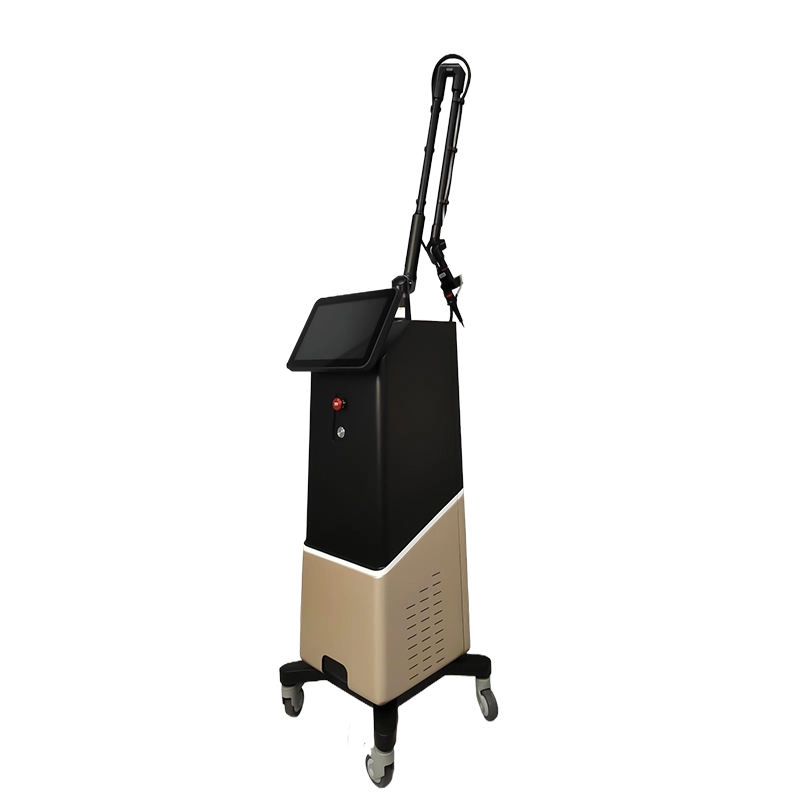
CO2 Fractional Laser Machine for Advanced Skin Resurfacing & Scar Removal
The CO2 fractional laser machine is designed to address a variety of skin concerns, offering treatments for acne scars, pigmentation, wrinkles, and overall skin texture. Utilizing advanced CO2 fractional laser technology, it delivers highly precise and controlled laser energy to promote collagen production and skin rejuvenation. This machine is ideal for professional use in beauty salons, medical spas, and aesthetic clinics. It features a user-friendly touchscreen interface, adjustable settings for customizable treatments, and a built-in cooling system to ensure comfort during use.
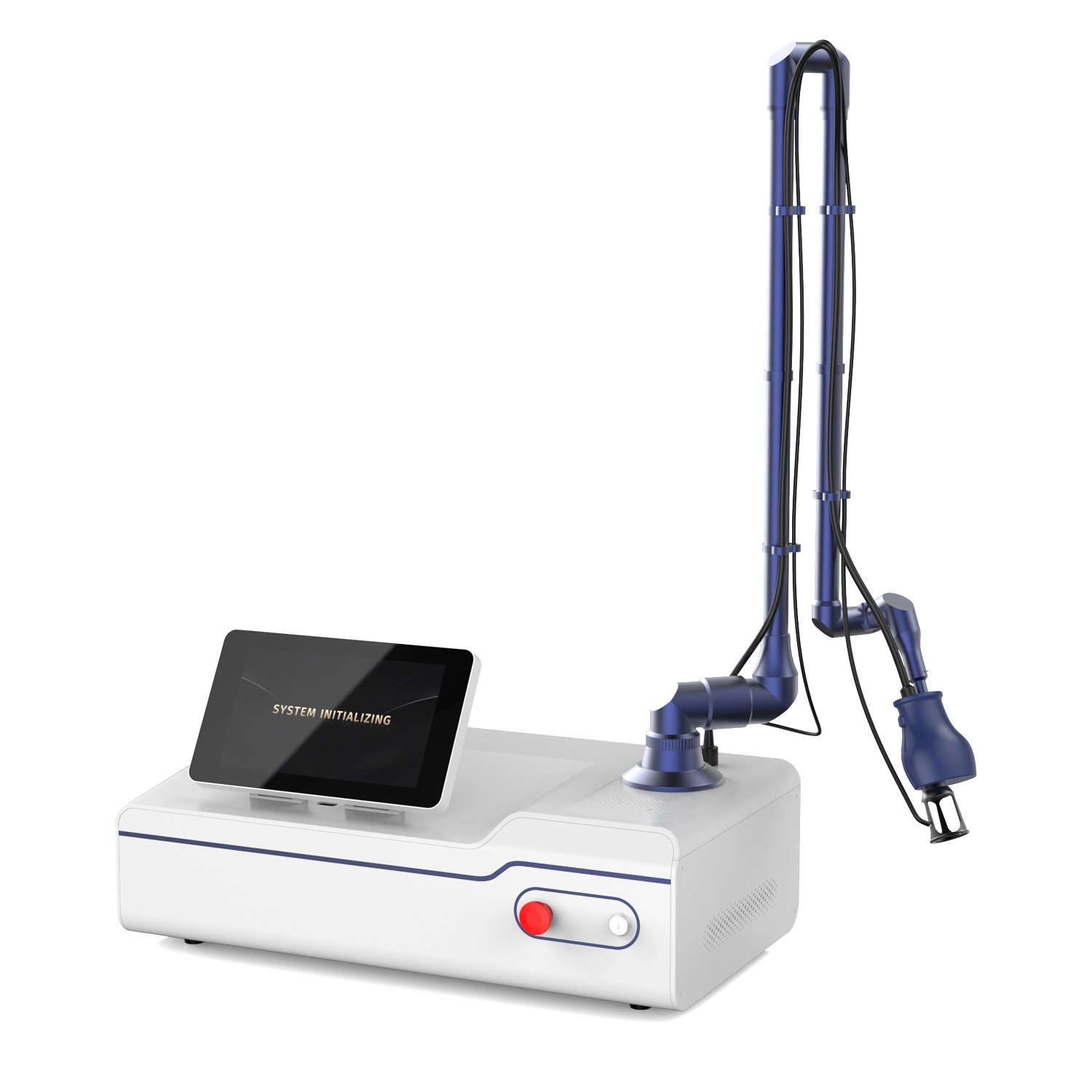
CO2 Fractional Laser Machine | Intimate Vaginal Rejuvenation System
This **CO2 Fractional Laser Machine** utilizes advanced 10600nm CO2 fractional laser technology to create controlled micro-thermal zones on the vaginal mucosa and intimate skin layers. These micro-columns stimulate collagen regeneration and tissue remodeling, effectively improving vaginal tightness, elasticity, and overall intimate health.
Designed specifically for professional medical aesthetic and intimate wellness applications, this CO2 fractional laser machine features intelligent parameter control and high-precision energy output to ensure safe, comfortable, and consistent treatment results. It is an ideal core device for vaginal rejuvenation, postpartum recovery, and intimate anti-aging treatments.
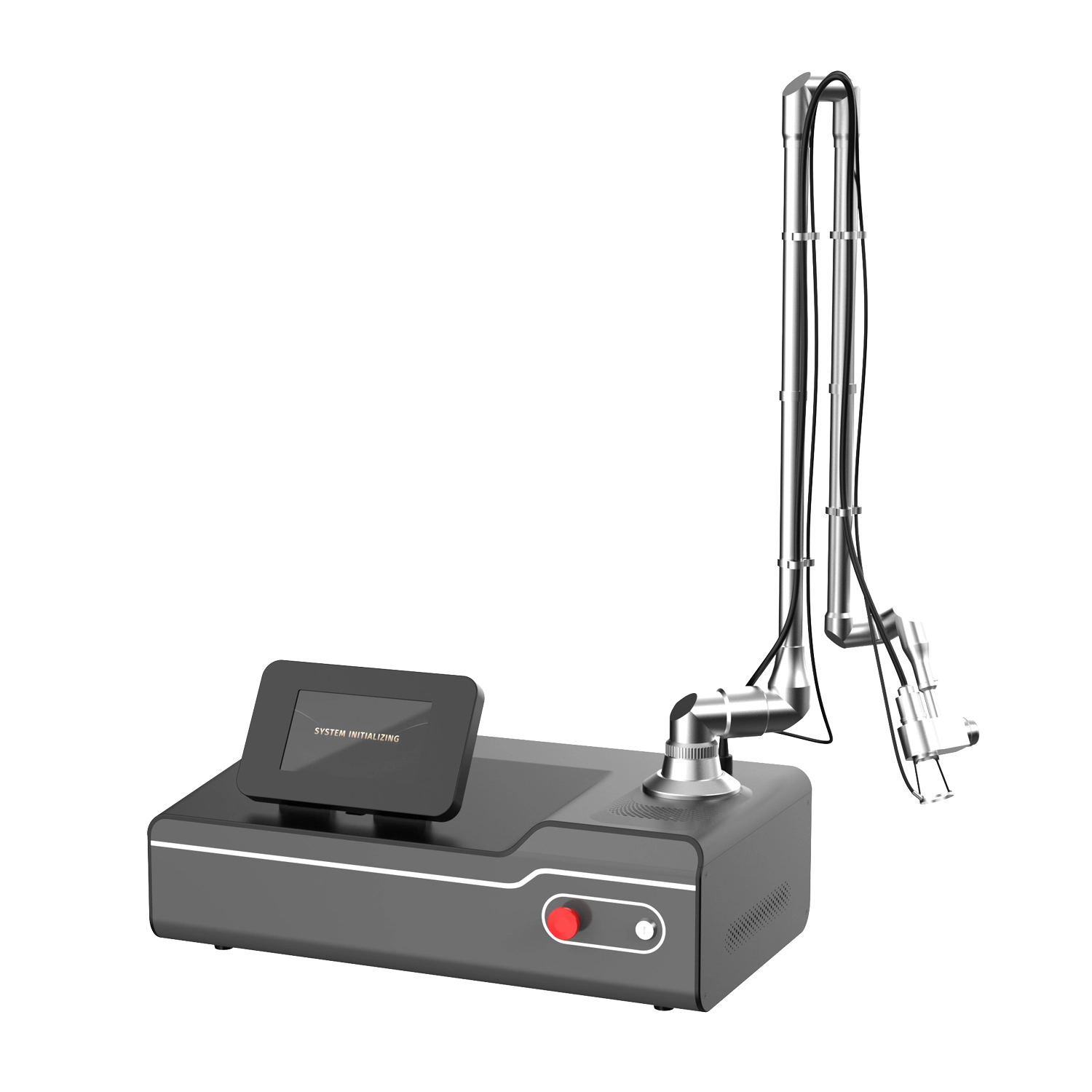
Professional CO2 Fractional Laser Machine for Skin Resurfacing & Scar Treatment
The CO2 Fractional Laser Machine is a professional CO2 fractional laser machine designed for advanced skin resurfacing, scar treatment, and skin rejuvenation procedures.
Using 10,600nm CO2 fractional laser technology, the system delivers controlled microthermal zones into the skin, stimulating collagen remodeling while preserving surrounding tissue. This fractional approach significantly improves treatment safety, recovery time, and clinical outcomes.
The CO2 fractional laser machine is widely used in dermatology clinics and medical aesthetic centers for treating acne scars, wrinkles, enlarged pores, stretch marks, and various skin texture concerns.
Get more information
If you have any comments or good suggestions, please leave us a message; later our professional staff will contact you as soon as possible.
Let's Talk
Stay in touch with us for cutting-edge beauty solutions, professional guidance, and customized service.
Contact


Room 307, Building A, Huilong International E-commerce Industrial Park, No. 10 Xipengling Road, Helong Street, Baiyun District, Guangzhou, China
© 2025 HUIMAIN. All Rights Reserved. Privacy Policy | Terms and Conditions | Sitemap
Facebook
Instagram
Medical beauty equipment factory
huimain Medical beauty equipment factory
beauty machine supplier
Whatsapp: +8619124004543