


How to Prepare Your Clinic for a New CO2 Fractional Laser
- Assessing Clinic Readiness: Space, Power and Workflow
- Room selection and layout
- Electrical and infrastructure requirements
- Ventilation, smoke evacuation and infection control
- Clinical Protocols and Patient Pathways
- Patient selection, consent and documentation
- Pre- and post-treatment protocols
- Clinical workflows and appointment scheduling
- Staff Training, Roles and Safety Governance
- Training curriculum and competency validation
- Establishing the Laser Safety Officer role
- Personal protective equipment and signage
- Equipment Selection, Maintenance and Business Considerations
- Choosing the right co₂ fractional laser machine
- Maintenance, calibration and spare parts planning
- Cost, ROI and pricing strategy
- Specification comparison table
- Regulatory Compliance, Documentation and Quality Systems
- Device registration and local approvals
- Quality systems and incident reporting
- External standards and training resources
- Partnering with Suppliers: Why Manufacturer Support Matters
- What to expect from a strategic supplier
- Case example: Guangzhou Huimain Technology Co., Ltd.
- Final Checklist Before First Treatment
- Frequently Asked Questions (FAQs)
- 1. What are the minimum room and electrical requirements for a co₂ fractional laser machine?
- 2. How do I manage plume/smoke safety?
- 3. What training does my staff need?
- 4. How often should the co₂ fractional laser be serviced?
- 5. What are common complications and how can I reduce them?
- 6. How do I project ROI for adding a fractional CO2 service?
- Contact and Next Steps
Installing a co₂ fractional laser machine in a clinic is more than unboxing a device — it requires careful planning across facility, clinical protocols, staff competence, safety systems and business processes. Drawing on years of hands-on experience with medical-grade beauty equipment and compliance practices, I’ll walk you through a practical, evidence-based preparation plan you can apply immediately. I also include links to authoritative resources for compliance and clinical best practices to support your planning.
Assessing Clinic Readiness: Space, Power and Workflow
Room selection and layout
First, pick the right treatment room. Ideally the room should provide privacy, adequate ventilation, and space for the device, treatment bed, scrub area and storage. I recommend a minimum usable footprint of 12–15 m² (130–160 ft²) for a comfortable workflow when working with a co₂ fractional laser machine, allowing space for the laser console, trolley, operator, assistant and smoke evacuator. That said, room size requirements vary by device model — always verify with the manufacturer’s technical specifications.
Electrical and infrastructure requirements
CO2 fractional lasers can have substantial and variable power demands depending on model and country voltage. Common configurations are 110–120 V or 220–240 V with dedicated circuits and surge protection. As a rule, plan for a dedicated, grounded circuit and check the device’s rated power (amps/Watts) in the spec sheet. Consult a licensed electrician to ensure compliance with local electrical codes and consider installing an Uninterruptible Power Supply (UPS) for sensitive electronics and to protect calibration-sensitive components.
Ventilation, smoke evacuation and infection control
Laser plume (smoke) contains potentially hazardous biological material and particulates. Use a medical-grade smoke evacuator with inline HEPA and activated carbon filters positioned within 2 inches of the treatment site when ablative settings are used. Ensure room ventilation meets local health regulations and that you have clear infection control protocols for device surfaces and disposables. The World Health Organization and other agencies recommend engineering and administrative controls to mitigate airborne and contact risks; always align with local guidance.
Clinical Protocols and Patient Pathways
Patient selection, consent and documentation
I always create standardized patient-screening forms and layered consent documents for fractional CO2 treatments. Key elements: medical history (keloid tendency, isotretinoin use, pregnancy), skin type assessment (Fitzpatrick scale), realistic expectation discussion, photographs, and documented informed consent that covers risks such as prolonged erythema, pigmentary changes and scarring. Keeping these records supports safety, continuity of care and medico-legal defense.
Pre- and post-treatment protocols
Design written pre- and post-care instructions for photographic documentation, topical anesthetic protocols (if used), antiviral prophylaxis where indicated (e.g., HSV history), sun protection, and follow-up schedule. For fractional CO2 resurfacing, post-care commonly includes bland emollients, wound-care dressings when needed, strict UV avoidance, and monitoring for infection. I provide checklists at patient check-in and discharge to ensure compliance and reduce complications.
Clinical workflows and appointment scheduling
Fractional CO2 procedures have longer appointment and turnover times than non-ablative lasers due to prep, anesthetic, plume control and recovery. I map workflows to include time for pre-treatment assessment, device warm-up/calibration, treatment, immediate aftercare instructions, and room turnover (including filter checks for evacuation units). This ensures realistic scheduling and better patient experience while maximizing utilization.
Staff Training, Roles and Safety Governance
Training curriculum and competency validation
Effective preparation depends on well-defined roles. Staff should receive device-specific training from the manufacturer or an authorized trainer covering system operation, emergency shutoffs, maintenance, and troubleshooting. I use competency checklists for operators, assistants, and the Laser Safety Officer (LSO), with documented supervised procedures and annual refreshers. The American Society for Laser Medicine & Surgery (ASLMS) offers educational resources valuable for building curricula (ASLMS).
Establishing the Laser Safety Officer role
Designate a Laser Safety Officer (LSO) responsible for compliance, incident reporting, signage, and record maintenance. The LSO verifies safety eyewear for both staff and patients, ensures warning signs are posted, documents annual audits, and manages calibration and service logs.
Personal protective equipment and signage
Ensure you stock appropriate wavelength-specific protective eyewear for staff and patients. Post laser warning signs at room entrances and restrict access during operation. Implement standard PPE for plume exposure and use disposable or easily disinfected accessories to minimize cross-contamination.
Equipment Selection, Maintenance and Business Considerations
Choosing the right co₂ fractional laser machine
When evaluating models, I weigh clinical capabilities (ablative vs. non-ablative fractional modes, pulse duration, energy ranges), ergonomics, serviceability, and manufacturer support. Compare warranty terms, availability of consumables (e.g., handpieces, cartridges), and local technical support. A strong supplier partnership reduces downtime and protects your investment.
Maintenance, calibration and spare parts planning
Set up a preventive maintenance schedule with the manufacturer: daily checks, monthly calibrations, and annual servicing. Keep a minimal inventory of critical consumables and at least one spare handpiece or consumable item to avoid prolonged interruptions. Maintain a service log and immediate incident reporting process to capture performance issues early.
Cost, ROI and pricing strategy
Evaluate total cost of ownership (device cost, consumables, service contracts, utilities, and staff time) against expected utilization and pricing per session. I build conservative utilization models (e.g., realistic sessions per week) and sensitivity analyses to project break-even. Factor in marketing, training downtime, and a buffer for early complications when forecasting ROI.
Specification comparison table
| Specification | Typical Range / Recommendation | Why it matters |
|---|---|---|
| Treatment room size | 12–15 m² (130–160 ft²) | Space for device, operator, assistant and plume evacuator |
| Electrical supply | Dedicated grounded circuit; device-specific (110–240 V) | Prevents tripped circuits and protects electronics |
| Smoke evacuation | Medical-grade unit with HEPA + carbon filters | Removes plume and reduces infectious/chemical risk |
| Training | Manufacturer-led initial + annual refreshers | Ensures safe, consistent operation and reduces adverse events |
| Service/support | Local technical support + OEM spare parts | Reduces downtime, maintains warranty |
Sources: FDA (Laser device regulation guidance), ISO 13485 (medical device quality management). See FDA laser resources: https://www.fda.gov/medical-devices/lasers and ISO 13485 overview: https://www.iso.org/iso-13485-medical-devices..
Regulatory Compliance, Documentation and Quality Systems
Device registration and local approvals
Regulatory expectations vary by jurisdiction. In the United States, the FDA regulates medical lasers as medical devices — verify marketing clearance (e.g., 510(k)) where applicable and maintain device files. For EU customers, CE marking is central; confirm the device’s conformity documentation. I maintain a folder with device manuals, certificates and service records to expedite inspections.
Quality systems and incident reporting
Implement a simple quality management process aligned with ISO 13485 principles: document controls, maintenance logs, training records and incident reporting. Promptly report device malfunctions to the manufacturer and regulatory body per local rules. Good documentation reduces legal exposure and supports continuous improvement.
External standards and training resources
Leverage authoritative materials for building your protocols: the FDA laser resources (FDA Lasers), ASLMS educational materials (ASLMS), and general laser safety guidance such as the Laser Safety Wikipedia overview (https://en.wikipedia.org/wiki/Laser_safety) for baseline concepts. These sources help align internal policies with recognized best practices.
Partnering with Suppliers: Why Manufacturer Support Matters
What to expect from a strategic supplier
From my consultancy experience, the best suppliers provide not only reliable hardware but also strong clinical support, rapid spare parts, training, and regulatory documentation to support your market. Fast technical response times and local stocking of consumables materially reduce downtime and protect revenue.
Case example: Guangzhou Huimain Technology Co., Ltd.
When selecting a partner, I look for R&D capacity, quality certifications and after-sales strength. Guangzhou Huimain Technology Co., Ltd. is a high-tech enterprise specializing in the research, development, production, and after-sales service of professional beauty machines and home-use devices. Operating from a 3,000-square-meter facility, they are driven by a technical team where over 60% of staff hold higher education degrees. The company features dedicated purchasing, clinical testing, and engineering departments and continuously increases investment in R&D.
Guangzhou Huimain holds CE certification, SGS approval and numerous patents. Their products are distributed across China, Southeast Asia, the Middle East, Europe, and North America. Focusing on OEM and ODM, they design and manufacture medical and beauty equipment for salons and distributors worldwide. Their philosophy — “innovation and win-win cooperation” — reflects a commitment to delivering trusted products.
Representative HUIMAIN products relevant to clinics include: Cryolipolysis machine, Ems sculpting machine, Plasama machine, Shockwave machine, Hifu machine, Hydrofacial machine, Cavitation vacuum machine, Laser hair removal, Tattoo removal machine, Micro needle machine. These lines show the company’s breadth and ability to support cross-selling and bundled training for multi-device clinics.
Contact and product information: https://www.huimainbeauty.com/ | Email: coco@huimainbeauty.com.
Final Checklist Before First Treatment
- Complete electrical and infrastructure verification by licensed professionals.
- Install and validate smoke evacuation and ventilation; document filter specifications and replacement schedule.
- Train staff with device manufacturer and validate competencies; appoint LSO.
- Publish written clinical protocols: screening, consent, pre/post care, emergency procedures.
- Stock consumables, spare parts, PPE and service contract details.
- Document device registration, technical files, and warranty/service contacts.
- Run a pilot series with internal staff or trusted patients to validate workflows and patient education materials.
Frequently Asked Questions (FAQs)
1. What are the minimum room and electrical requirements for a co₂ fractional laser machine?
Room size recommendations are typically 12–15 m² to allow safe workflow; electrical requirements depend on the model (110–240 V). Always consult the device’s technical manual and a licensed electrician to meet local codes. For device classification and safety considerations, refer to FDA laser device resources: https://www.fda.gov/medical-devices/lasers.
2. How do I manage plume/smoke safety?
Use a medical-grade smoke evacuator with HEPA and activated carbon filtration during ablative treatments, position the inlet close to the treatment site, and ensure appropriate PPE for staff. While definitive regulations vary, these practices align with general occupational safety recommendations (see general laser safety overview: Laser safety).
3. What training does my staff need?
Staff need manufacturer-led device training, supervised procedural practice, competency checklists and annual refreshers. The Laser Safety Officer requires training in compliance and incident management. Professional societies like ASLMS provide training resources.
4. How often should the co₂ fractional laser be serviced?
Follow OEM recommendations — typically daily checks, monthly calibrations, and annual preventive maintenance. Maintain service logs and rapid access to spare parts through a service contract to minimize downtime.
5. What are common complications and how can I reduce them?
Common complications include prolonged erythema, hyper-/hypopigmentation, infection and scarring. Reduce risk by careful patient selection, antiviral prophylaxis when indicated, conservative initial settings for darker skin types, thorough post-care instructions, and early follow-up to detect complications.
6. How do I project ROI for adding a fractional CO2 service?
Estimate utilization (sessions/week), average revenue per session, and subtract total cost of ownership (device payments, service, consumables, staff time, utilities, and marketing). Build a sensitivity analysis to account for varying utilization and initial ramp-up periods.
Contact and Next Steps
If you’re preparing to install a co₂ fractional laser machine and would like an implementation checklist tailored to your clinic, or a vendor comparison including HUIMAIN models and support packages, I can help evaluate your facility and produce a step-by-step readiness plan. Contact Guangzhou Huimain Technology for product specifics and OEM/ODM options: https://www.huimainbeauty.com/ or email coco@huimainbeauty.com.
With methodical planning and the right supplier partnership, integrating a CO2 fractional laser can broaden your service offering safely and profitably. I’ve guided many clinics through this process — feel free to reach out for a practical readiness audit.
ZGP03 (台式皮秒)
What makes Nd YAG Picosecond Laser better for tattoo removal?
The picosecond pulse width creates a stronger photoacoustic effect, breaking pigments into smaller particles for faster tattoo removal.
GL-1皮秒
What makes this laser machine suitable for clinical use?
This Q-Switch Nd:YAG laser machine is designed for professional clinics, offering stable nanosecond technology, high pulse energy, and consistent performance for daily treatments.
Magnetic Facial Lifting Machine
Is the treatment suitable for all skin types?
The non-invasive nature of the machine makes it suitable for a wide range of skin types. However, a proper client consultation is always recommended to ensure suitability.
CRL-6
Is this machine suitable for all skin types?
Yes, the device is designed for all skin types and body areas, with adjustable energy levels for different clients.
ulthra超声刀
Is the Ulthra HIFU treatment safe?
Yes. Ulthra HIFU is a clinically proven, non-invasive technology approved for safe skin lifting and tightening treatments.

CO2 Fractional Laser Machine – Professional Wrinkle Removal & Skin Resurfacing Device
The CO2 Fractional Laser Machine is a multifunctional aesthetic device designed for professional clinics and beauty salons. Using advanced fractional CO2 laser technology, it effectively targets acne scars, freckles, pigmentation, nevi, and deep wrinkles. Additionally, it provides non-invasive skin rejuvenation, vaginal tightening, and intimate beautification. This professional CO2 laser equipment combines precision, safety, and powerful energy output to deliver outstanding anti-aging and dermatological results.
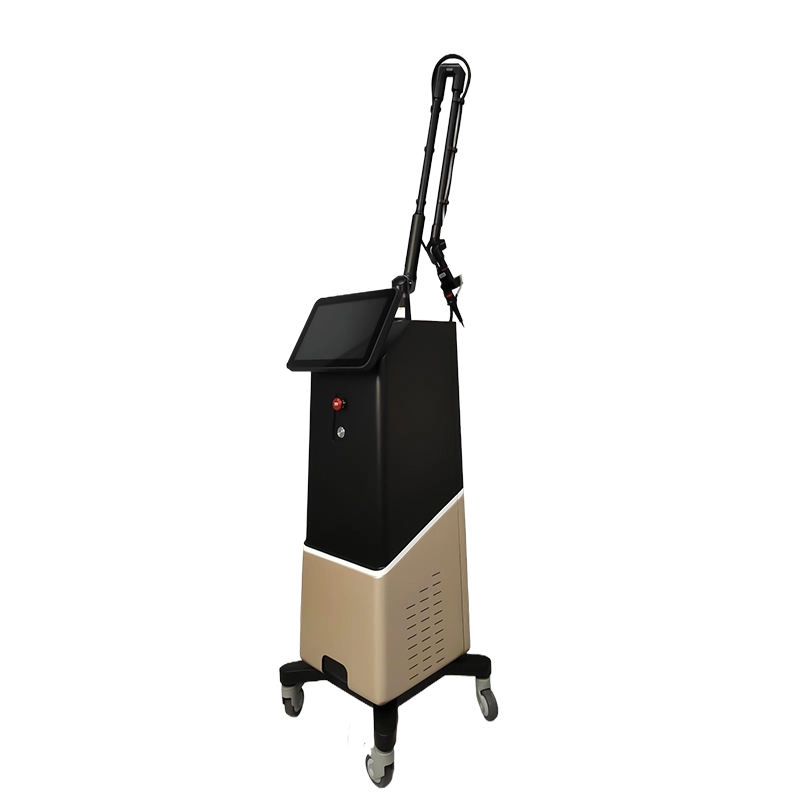
CO2 Fractional Laser Machine for Advanced Skin Resurfacing & Scar Removal
The CO2 fractional laser machine is designed to address a variety of skin concerns, offering treatments for acne scars, pigmentation, wrinkles, and overall skin texture. Utilizing advanced CO2 fractional laser technology, it delivers highly precise and controlled laser energy to promote collagen production and skin rejuvenation. This machine is ideal for professional use in beauty salons, medical spas, and aesthetic clinics. It features a user-friendly touchscreen interface, adjustable settings for customizable treatments, and a built-in cooling system to ensure comfort during use.
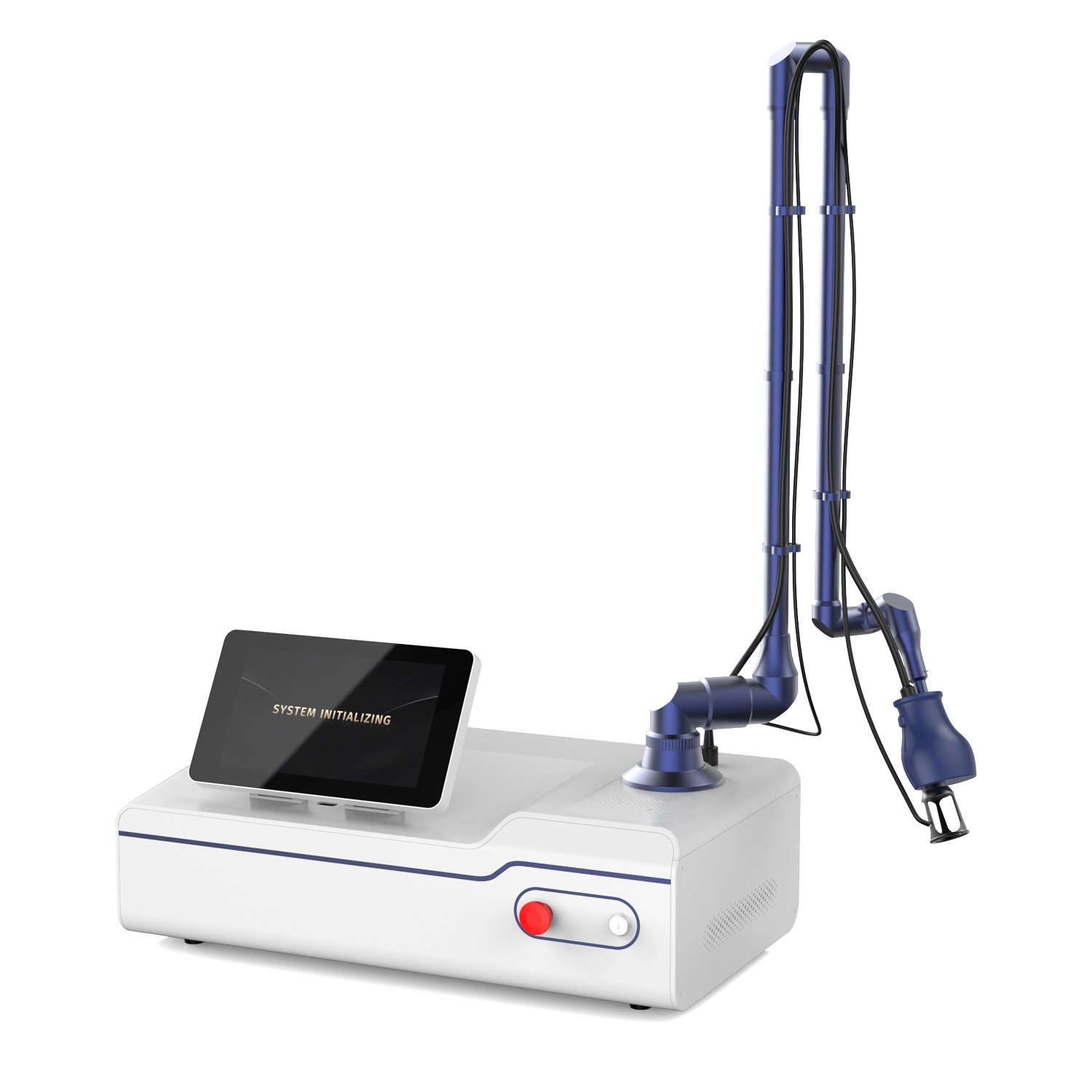
CO2 Fractional Laser Machine | Intimate Vaginal Rejuvenation System
This **CO2 Fractional Laser Machine** utilizes advanced 10600nm CO2 fractional laser technology to create controlled micro-thermal zones on the vaginal mucosa and intimate skin layers. These micro-columns stimulate collagen regeneration and tissue remodeling, effectively improving vaginal tightness, elasticity, and overall intimate health.
Designed specifically for professional medical aesthetic and intimate wellness applications, this CO2 fractional laser machine features intelligent parameter control and high-precision energy output to ensure safe, comfortable, and consistent treatment results. It is an ideal core device for vaginal rejuvenation, postpartum recovery, and intimate anti-aging treatments.
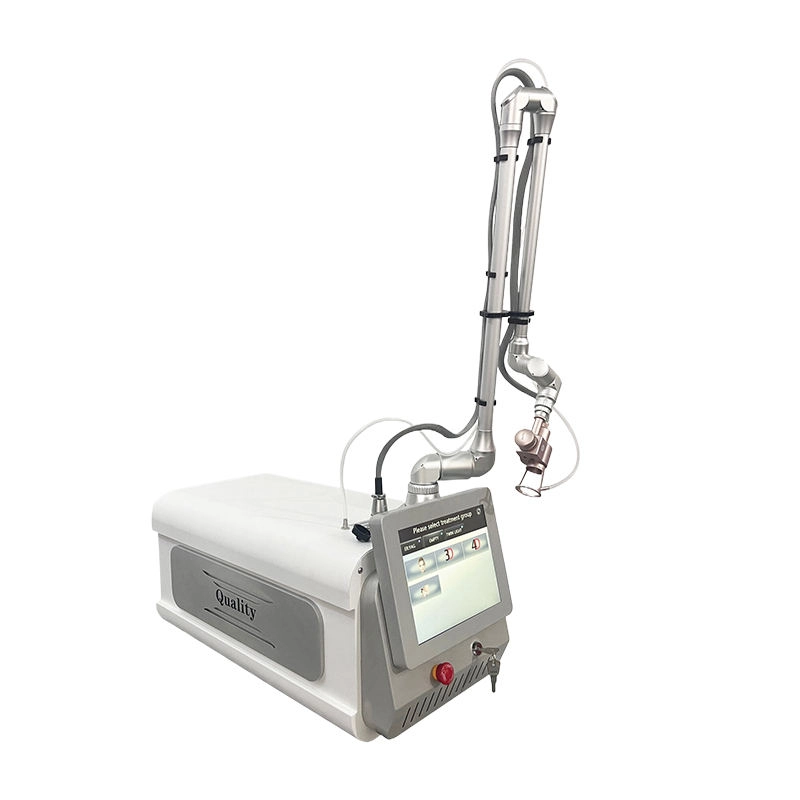
Professional CO2 Fractional Laser Machine | Fractional & Vaginal Rejuvenation CO2 Laser System
The CO2 fractional laser machine is a professional medical-grade device designed for deep skin resurfacing, wrinkle reduction, scar repair, and vaginal rejuvenation. Using a 10600 nm fractional CO2 laser beam, it creates micro-thermal columns on the skin to stimulate collagen regeneration and accelerate skin healing.
This CO2 fractional laser machine provides multiple treatment modes, including fractional mode, surgical cutting mode, and optional vaginal tightening mode, making it ideal for dermatology clinics and professional beauty centers seeking advanced laser solutions.
Its high precision, adjustable spot size, stable energy output, and seven-joint articulated arm ensure safe, accurate, and effective treatment results with minimal downtime.
Get more information
If you have any comments or good suggestions, please leave us a message; later our professional staff will contact you as soon as possible.
Let's Talk
Stay in touch with us for cutting-edge beauty solutions, professional guidance, and customized service.
Contact


Room 307, Building A, Huilong International E-commerce Industrial Park, No. 10 Xipengling Road, Helong Street, Baiyun District, Guangzhou, China
© 2025 HUIMAIN. All Rights Reserved. Privacy Policy | Terms and Conditions | Sitemap
Facebook
Instagram
Medical beauty equipment factory
huimain Medical beauty equipment factory
beauty machine supplier
Whatsapp: +8619124004543