


Questions to Ask a Pelvic Floor Chair Manufacturer Before Requesting a Quotation
- How to Evaluate a Pelvic Wellness Equipment Supplier Before Pricing
- What treatment technology and use case does the system support?
- Which users, contraindications, and operating conditions are documented?
- What evidence supports performance and reliability?
- Technical, Regulatory, and Commercial Questions to Include in the RFQ
- Which compliance documents are available for the target market?
- What exactly is included in the quotation?
- How are customization, software, and intellectual property handled?
- Manufacturing Capability, Quality Assurance, and Service Readiness
- Can the factory demonstrate controlled manufacturing?
- What training and after-sales support will operators receive?
- How should total return on investment be calculated?
- Why HUIMAIN Can Support a Broader Professional Beauty Equipment Project
- Engineering and manufacturing resources for scalable procurement
- International documentation and OEM or ODM flexibility
- A complementary portfolio for clinics and distributors
- Frequently Asked Questions
Before requesting a quotation from a pelvic floor chair manufacturer, buyers should confirm the device’s stimulation technology, intended application, measurable specifications, compliance documents, safety architecture, customization options, production capacity, warranty terms, and total cost of ownership. A professional pelvic wellness system may use electromagnetic stimulation or another non-invasive energy method, but a competitive price alone does not demonstrate treatment consistency, operator safety, regulatory readiness, or commercial value. Distributors, beauty clinics, women’s health centers, rehabilitation facilities, and investors should therefore prepare a structured supplier questionnaire covering engineering evidence, manufacturing controls, software, consumables, installation, training, and after-sales support. The process below helps project owners compare suppliers objectively and avoid quotations that exclude essential accessories, certification work, shipping costs, or technical service.
How to Evaluate a Pelvic Wellness Equipment Supplier Before Pricing
What treatment technology and use case does the system support?
The first question should identify exactly how the chair generates stimulation and what outcomes the supplier claims to support. Electromagnetic pelvic floor systems commonly position the user on or above a treatment seat while delivering controlled magnetic pulses to stimulate pelvic muscles. Buyers should ask whether the system is designed for general wellness, aesthetic service, rehabilitation support, or a regulated medical indication. These categories affect claims, user qualifications, labeling, advertising language, and market-entry requirements.
Request a technical explanation of the energy-generation method, pulse waveform, frequency range, intensity levels, session duration, cooling or thermal management, and treatment-program logic. The supplier should explain which parameters are adjustable by the operator and which are locked by software. A credible quotation should be linked to a defined configuration rather than a vague description such as “high power” or “advanced technology.” Buyers should also ask whether the chair accommodates different body sizes, whether clothing can remain on during treatment, and how the applicator position is controlled for repeatable sessions.
Which users, contraindications, and operating conditions are documented?
Procurement teams should request the intended-user profile, contraindication list, warning labels, treatment protocol, and operator manual before commercial negotiations. The documentation should address relevant considerations such as implanted electronic devices, pregnancy, recent surgery, acute pain, metal implants, uncontrolled medical conditions, and other situations requiring professional assessment. The supplier should not encourage distributors to make unsupported therapeutic promises.
Ask whether the device has been assessed for the environment in which it will operate. A salon, clinic, hotel spa, and rehabilitation center may have different requirements for electrical supply, room dimensions, cleaning routines, user privacy, ventilation, and daily treatment volume. The quotation should specify rated voltage, frequency, input power, plug type, operating temperature, humidity limits, equipment dimensions, net weight, and packaging dimensions. These details influence installation planning and landed cost.
What evidence supports performance and reliability?
Buyers should request test reports, validation summaries, quality records, and, where applicable, clinical or user-evaluation evidence. Marketing brochures can describe benefits, but they do not replace documented testing. Ask how output intensity is verified during production, how calibration is performed, and whether every unit receives a final functional test. If a supplier refers to clinical evidence, request the study design, population, treatment protocol, endpoints, and whether the evidence applies to the quoted model rather than a different prototype.
Reliability questions should cover expected service life, duty cycle, maximum daily treatment volume, failure-rate monitoring, cooling performance, emergency shutdown, and replacement-part availability. Buyers should also ask whether the company maintains serial-number traceability from incoming components through final shipment. A structured quality system aligned with ISO 13485 medical-device quality management principles can provide useful evidence of controlled processes, although certification status must be verified for the actual legal manufacturer and product scope.
Technical, Regulatory, and Commercial Questions to Include in the RFQ
Which compliance documents are available for the target market?
Regulatory responsibility depends on the product’s intended use, claims, classification, and destination country. Buyers should ask for the declaration of conformity, applicable test reports, risk-management documentation, electrical safety reports, electromagnetic compatibility results, labeling files, user manuals, and authorized manufacturer information. A CE mark is not a universal approval for every jurisdiction, and SGS inspection or testing does not automatically replace the legal requirements of the importing market.
For electrical equipment with medical or professional-use positioning, ask whether testing has considered the relevant editions of safety standards such as IEC 60601-1, along with applicable collateral and particular standards. For the United States, buyers should review the FDA overview of device regulation and determine whether registration, listing, premarket submission, or establishment obligations apply. Importers should also confirm who acts as the responsible economic operator, manufacturer, importer, or local representative.
What exactly is included in the quotation?
A meaningful RFQ response should separate the base machine from optional features. Ask whether the price includes the treatment chair, control screen, hand controller, foot switch, power cable, user manual, protective accessories, spare parts, packaging, software updates, installation guidance, and remote training. Request the model number, configuration code, unit price, minimum order quantity, production lead time, quotation validity, payment terms, warranty period, and Incoterm.
Buyers should also ask for a complete landed-cost estimate. Freight, export documentation, insurance, customs duties, destination taxes, local electrical adaptation, translation, and certification may materially change the final investment. Clarify whether the supplier will provide commercial invoices, packing lists, certificates of origin, and shipping marks. A low factory price may be less competitive if engineering changes, replacement components, or documentation fees are added later.
How are customization, software, and intellectual property handled?
OEM and ODM projects require a written definition of customization scope. Ask whether the supplier can modify the enclosure, upholstery color, logo, touchscreen language, startup screen, treatment presets, warning messages, user interface, packaging, and accessories. Confirm which changes require new tooling, engineering fees, minimum quantities, or additional validation.
Software ownership and data handling deserve specific attention. Buyers should ask whether the system stores client records, treatment histories, operator accounts, or usage statistics. Confirm how passwords are managed, whether data can be exported, and whether remote access is enabled. If the chair connects to a network, request information about cybersecurity controls and update procedures. The purchaser should retain written approval rights over brand assets, technical files, product photographs, and any market-specific claims.
| Quotation evaluation area | Weak supplier response | Acceptable evidence to request | Commercial impact |
|---|---|---|---|
| Energy output | “High intensity” without parameters | Output range, waveform description, calibration and final-test records | Determines treatment consistency and operator confidence |
| Compliance | Logo or certificate image only | Declaration, applicable test reports, legal manufacturer and product scope | Reduces customs, liability, and market-entry risk |
| Production quality | General quality promise | Incoming inspection, traceability, burn-in or functional-test process | Influences failure rates and service costs |
| Customization | Verbal promise to add a logo | Approved drawings, software scope, MOQ, tooling and validation terms | Protects launch timing and brand consistency |
| After-sales service | Unspecified warranty | Warranty exclusions, response time, spare-parts policy, remote support | Protects uptime and customer satisfaction |
| Delivery | Factory price only | Incoterm, lead time, packaging data, shipping documents and logistics plan | Improves landed-cost accuracy |
Manufacturing Capability, Quality Assurance, and Service Readiness
Can the factory demonstrate controlled manufacturing?
A serious supplier should be able to explain its production workflow from purchasing and incoming inspection to assembly, software loading, safety testing, packing, and shipment. Buyers can request a virtual or physical factory audit, production photographs, process flowcharts, sample inspection records, and evidence that critical components are sourced through controlled channels. The audit should examine engineering resources, test equipment, warehouse management, nonconforming-product handling, and corrective-action procedures.
Component questions should focus on the electromagnetic generator, control board, power supply, cooling system, display, upholstery materials, connectors, and emergency-stop components. Ask whether parts are proprietary or readily replaceable, whether alternative components have been qualified, and how engineering-change notices are communicated. These details matter because an unannounced component substitution can affect output, software compatibility, serviceability, and regulatory documentation.
What training and after-sales support will operators receive?
Training should cover installation, user screening, contraindications, positioning, parameter selection, cleaning, troubleshooting, emergency procedures, and routine maintenance. Request training materials in the target language and clarify whether the supplier offers video instruction, live remote sessions, on-site commissioning, or train-the-trainer support for regional distributors.
Service terms should define the response channel, technical response time, spare-parts availability, remote diagnostic process, repair responsibility, and escalation path. Ask whether the warranty covers labor, shipping, control boards, power supplies, displays, and wearable or replaceable components. Buyers should also establish how quickly a replacement unit or critical part can reach the operating market. For multi-site projects, a service-level agreement can be more valuable than a broad but unclear warranty statement.
How should total return on investment be calculated?
Commercial evaluation should combine purchase cost with installation, training, marketing, maintenance, downtime, financing, and consumables. A chair that requires no single-use cartridges may have a different cost structure from other services, but upholstery replacement, electrical inspection, software support, and technician travel still need to be budgeted. Project owners should model realistic utilization rather than assuming full daily capacity.
Useful assumptions include average sessions per day, operating days per month, introductory pricing, repeat-visit rate, staff time, room utilization, local taxes, service costs, and expected equipment life. The supplier should provide a transparent specification sheet so that projected revenue is based on a defined machine configuration. Claims about rapid payback should be treated as estimates requiring validation against local demand and applicable advertising rules.
Why HUIMAIN Can Support a Broader Professional Beauty Equipment Project
Engineering and manufacturing resources for scalable procurement
HUIMAIN, operated by Guangzhou Huimain Technology Co., Ltd., is a high-tech enterprise specializing in research, development, production, and after-sales service for professional beauty machines and home-use devices. Our 3,000-square-meter facility supports coordinated purchasing, engineering, clinical testing, assembly, and quality-control activities. More than 60% of our staff hold higher education degrees, strengthening technical communication, product development, and project execution.
Our engineering and clinical-testing departments help translate buyer requirements into defined product specifications, test plans, user documentation, and market-oriented configurations. This structure is valuable when a distributor needs more than a catalog product and requires private labeling, interface changes, packaging adaptation, or a coordinated portfolio launch. We maintain a quality-focused manufacturing process designed to support reliable performance and consistent shipment preparation.
International documentation and OEM or ODM flexibility
We work with global buyers seeking professional equipment supported by international documentation and controlled production. HUIMAIN has earned CE certification, SGS approval, and numerous patents, while our products have reached customers across China, Southeast Asia, the Middle East, Europe, and North America. Buyers should still confirm the exact certificate scope and destination-market obligations for each selected model, but an established documentation culture can simplify supplier evaluation.
Our OEM and ODM development route allows brand owners, distributors, salons, and equipment investors to discuss logo application, product appearance, packaging, language, software presentation, and portfolio positioning with an organized manufacturing partner. The same procurement framework used for a pelvic wellness chair can be extended across a broader beauty machine range, helping buyers standardize training, shipment coordination, marketing assets, and after-sales communication.
A complementary portfolio for clinics and distributors
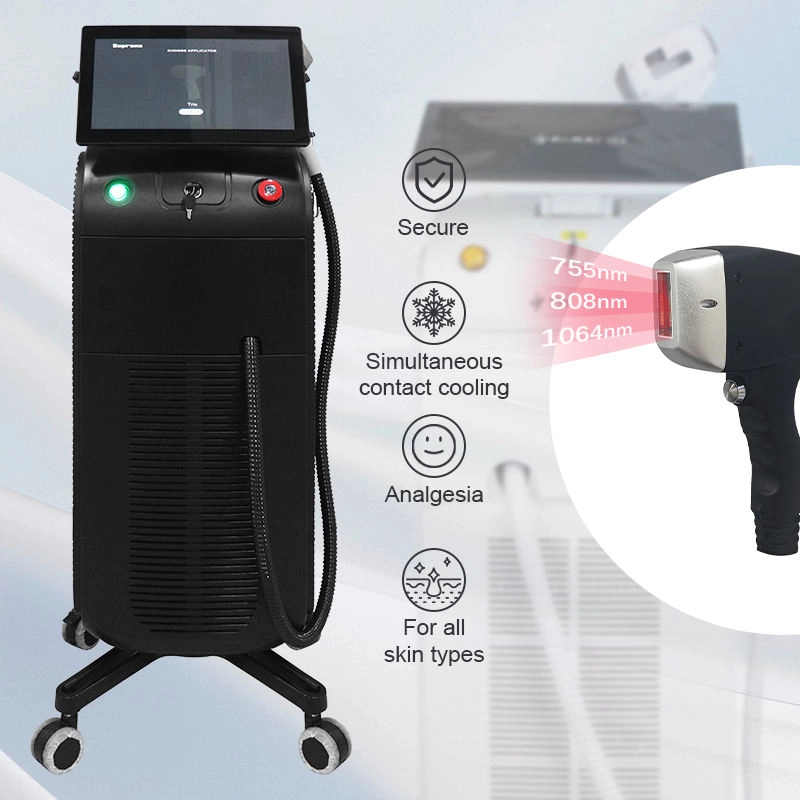
In addition to pelvic wellness equipment, our portfolio includes a Cryolipolysis machine, Ems sculpting machine, Plasama machine, Shockwave machine, Hifu machine, Hydrofacial machine, Cavitaion vaccum machine, Laser hair removal system, Tattoo removal machine, and Micro needle machine. This breadth can help distributors build a coordinated professional beauty equipment catalog instead of managing unrelated suppliers for every treatment category.
Our philosophy is innovation and win-win cooperation. We focus on competitive pricing without treating price as a substitute for engineering, documentation, or service. For a quotation request, buyers can provide target market, expected annual volume, preferred configuration, certification needs, logo requirements, delivery destination, and service expectations. Our team can then prepare a more useful commercial response based on the actual project rather than a generic product listing.
To benchmark any supplier fairly, buyers should send the same technical questionnaire to each candidate and compare equivalent configurations. The final decision should reflect documented safety, output control, quality management, customization discipline, delivery reliability, training, replacement-part access, and long-term partnership potential. This approach creates a defensible procurement record and reduces the risk of selecting equipment that appears inexpensive but becomes costly during launch or operation. More information about HUIMAIN’s professional equipment capabilities is available at the HUIMAIN official website, and project inquiries can be directed to coco@huimainbeauty.com.
Frequently Asked Questions
What technology should buyers verify in a pelvic floor stimulation chair?
Buyers should verify the energy-generation method, pulse waveform, frequency range, intensity levels, session duration, treatment-program logic, cooling or thermal management, and how output is calibrated and tested.
Which compliance documents should be requested before placing an order?
Request the declaration of conformity, applicable electrical safety and electromagnetic compatibility reports, risk-management documentation, labeling files, user manuals, authorized manufacturer information, and evidence that documents apply to the quoted model and target market.
What should a complete quotation include?
A complete quotation should identify the model and configuration and state the unit price, minimum order quantity, lead time, quotation validity, payment terms, warranty, Incoterm, shipping details, accessories, packaging, manuals, training, spare parts, and any customization or certification fees.
How should OEM and ODM customization be evaluated?
Buyers should define changes to the enclosure, upholstery, logo, touchscreen language, startup screen, treatment presets, warning messages, packaging, and accessories, while confirming minimum quantities, tooling charges, validation requirements, software ownership, and intellectual-property rights.
What after-sales support should a supplier provide?
The supplier should define installation guidance, operator training, troubleshooting, response times, remote diagnostics, spare-parts availability, warranty coverage, shipping responsibility, repair procedures, and escalation support for distributors or multi-site operators.
How can buyers estimate the return on investment?
ROI should combine equipment cost with installation, training, marketing, maintenance, downtime, financing, taxes, staff time, room utilization, expected sessions per day, repeat-visit rate, local pricing, and the realistic operating life of the equipment.

CO2 Fractional Laser Machine – Professional Wrinkle Removal & Skin Resurfacing Device
The CO2 Fractional Laser Machine is a multifunctional aesthetic device designed for professional clinics and beauty salons. Using advanced fractional CO2 laser technology, it effectively targets acne scars, freckles, pigmentation, nevi, and deep wrinkles. Additionally, it provides non-invasive skin rejuvenation, vaginal tightening, and intimate beautification. This professional CO2 laser equipment combines precision, safety, and powerful energy output to deliver outstanding anti-aging and dermatological results.

Gold RF Microneedle Machine | Professional Fractional RF System for Face & Body Scar Repair
The Gold RF Microneedle Machine is a cutting-edge aesthetic device designed for B2B professionals, offering a powerful, dual-action solution for both facial beauty and body scar repair. This system combines the precision of microneedling with the proven effectiveness of radio frequency (RF) energy to treat a wide range of skin concerns.
By delivering high-frequency heat through insulated gold-plated microneedles, it stimulates the skin's natural healing process, leading to collagen regeneration and the production of new elastin. This innovative approach provides a minimally invasive solution for treating fine lines, wrinkles, acne scars, stretch marks, and skin laxity with minimal downtime.

Pelvic Floor Chair | Emslim Pelvic Machine for Strengthening and Sculpting
The **Pelvic Floor Chair** is an innovative device designed for strengthening and toning pelvic muscles using advanced **EMS technology**. This ergonomic chair provides a comfortable and effective solution for individuals seeking to enhance pelvic floor health, improve muscle tone, and support postpartum recovery. Equipped with a user-friendly touchscreen interface, it allows easy control of intensity and frequency for tailored treatments. Suitable for both home and professional use, this **Emslim chair** ensures reliable and non-invasive results.

MFFFace 6 EMS+RF Facial Muscle Training Machine – Professional Magnetic Face Lifting & Skin Tightening Device
The MFFFace 6 EMS+RF Facial Muscle Training Machine is a cutting-edge beauty device designed for professional facial lifting, firming, and rejuvenation.
Combining EMS microcurrent technology with radio frequency (RF) thermal energy, it stimulates facial muscles and promotes collagen regeneration, resulting in tighter, smoother, and more youthful-looking skin.
With 6 independent magnetic handles, MFFFace 6 allows multiple treatment areas to be targeted simultaneously — maximizing efficiency for beauty salons and clinics.
This non-invasive and painless treatment helps sculpt facial contours, reduce sagging, and restore elasticity with visible improvements in just a few sessions.
Perfect for aesthetic professionals who want to offer advanced anti-aging treatments and achieve instant lifting results.
Get more information
If you have any comments or good suggestions, please leave us a message; later our professional staff will contact you as soon as possible.
Let's Talk
Stay in touch with us for cutting-edge beauty solutions, professional guidance, and customized service.
Contact


Room 307, Building A, Huilong International E-commerce Industrial Park, No. 10 Xipengling Road, Helong Street, Baiyun District, Guangzhou, China
© 2026 HUIMAIN. All Rights Reserved. Designed by Gooeyun. Privacy Policy | Terms and Conditions | Sitemap
Facebook
Instagram
Medical beauty equipment factory
huimain Medical beauty equipment factory
beauty machine supplier
Whatsapp: +8619124004543