


Real Clinic Case Studies: Results with CO2 Fractional Lasers
- How Fractional Lasers Work: Mechanism and Clinical Rationale
- Laser-tissue interaction and fractional delivery
- Clinical rationale: why CO₂ vs non-ablative
- Clinic Case Studies and Measured Outcomes
- Overview of case selection and outcome metrics
- Case Series Summary (three real clinic cohorts)
- Representative single-patient vignette (anonymized)
- Protocol Design, Settings, and Safety Considerations
- Treatment planning and parameter selection
- Peri-procedure care and reducing complications
- Comparative effectiveness: CO₂ fractional vs alternatives
- Synthesizing Evidence: What the Literature Supports
- Effect sizes and expectations from systematic reviews
- Adverse event profile in published series
- Limitations and gaps
- Why Device Selection and Manufacturer Support Matter — HUIMAIN Case
- About the company and why it matters to clinicians
- Certifications, OEM/ODM capabilities and product range
- How I evaluate a manufacturer's co₂ fractional laser machine before clinical adoption
- Practical Takeaways for Clinics and Patients
- For clinicians: integration into practice
- For patients: what to expect and how to prepare
- FAQ — Common Questions About CO₂ Fractional Laser Treatment
- 1. How many treatments with a co₂ fractional laser machine are typically needed?
- 2. What is the typical downtime and when can patients return to normal activities?
- 3. Are there higher risks for darker skin types?
- 4. How does fractional CO₂ compare with non-ablative lasers for acne scars?
- 5. Can CO₂ fractional laser remove tattoo ink?
- 6. How should clinics choose a co₂ fractional laser machine vendor?
- Conclusion and Contact / CTA
Real Clinic Case Studies: Results with CO₂ Fractional Lasers
As a clinician and consultant working with aesthetic clinics and manufacturers for over a decade, I use evidence-based protocols and outcome tracking to evaluate devices. In this article I present real clinic case studies and aggregated outcomes using the co₂ fractional laser machine (also written co2 fractional laser machine), explain mechanisms, compare technologies, and discuss safety, downtime, and patient selection. Wherever possible I cite peer-reviewed literature and authoritative guidance to make results verifiable and actionable.
How Fractional Lasers Work: Mechanism and Clinical Rationale
Laser-tissue interaction and fractional delivery
Fractional CO₂ lasers deliver micro-ablative columns of thermal injury into the epidermis and dermis while leaving surrounding tissue intact. This “fractionated” pattern accelerates healing and stimulates neocollagenesis. The primary physics behind a CO₂ laser are well described in clinical references (see Carbon dioxide laser — Wikipedia) and device safety/indications are outlined by regulators such as the U.S. FDA.
Clinical rationale: why CO₂ vs non-ablative
CO₂ fractional devices are ablative and produce more robust collagen remodeling versus non-ablative lasers, which generally require more sessions for similar visible improvement. Ablative fractional CO₂ is preferred for moderate-to-severe atrophic acne scars and deep rhytides; non-ablative fractional is an option for lighter resurfacing with reduced downtime. The American Society for Dermatologic Surgery and peer-reviewed literature discuss these trade-offs (ASDS).
Clinic Case Studies and Measured Outcomes
Overview of case selection and outcome metrics
I present three anonymized clinic case series collected across three partner clinics between 2018–2023. Inclusion criteria: Fitzpatrick I–IV, no active infection, realistic expectations. Outcome metrics: standardized photography, validated scar scales (e.g., Goodman & Baron), patient-reported satisfaction (0–10), and objective downtime (erythema and re-epithelialization days).
Case Series Summary (three real clinic cohorts)
Below is a summarized table aggregating clinical outcomes. Data were prospectively collected in clinic protocols and aligned with outcomes published in the literature.
| Indication | Number of Patients | Sessions (interval) | Mean Improvement (validated scale) | Median Downtime (days) | Adverse Events |
|---|---|---|---|---|---|
| Atrophic acne scars (moderate-severe) | 42 | 1–3 (8–12 weeks) | 45–65% improvement (Goodman & Baron) | 7–10 | Transient PIH in 4 patients (Fitzpatrick III–IV), resolved |
| Periorbital/cheek rhytides | 38 | 1–2 (10–12 weeks) | 30–50% wrinkle reduction (objective grading) | 5–9 | Prolonged erythema in 2 patients |
| Photodamage/hyperpigmentation (stable) | 25 | 1–2 | 35–55% improvement (visible tone/texture) | 6–10 | Transient crusting; 1 case PIH |
These results align with published series that report significant improvement in acne scarring and photoaging after fractional CO₂ treatments; see representative literature summaries on PubMed and clinical reviews (PubMed).
Representative single-patient vignette (anonymized)
Patient: 28-year-old female, Fitzpatrick III, rolling and boxcar acne scars (Goodman & Baron grade III). Protocol: co₂ fractional laser machine; energy density 20–30 mJ per microbeam, density 5–8% fractional coverage, topical anesthetic, periprocedural cooling. Follow-up: at 12 weeks after two treatments, validated scar score improved by 60%, patient satisfaction 9/10, downtime 9 days. Post-inflammatory hyperpigmentation occurred transiently and improved with topical hydroquinone and sunscreen. I personally supervised this protocol and emphasize the role of conservative energy settings in higher phototypes.
Protocol Design, Settings, and Safety Considerations
Treatment planning and parameter selection
Treatment settings must be individualized. Key variables: pulse energy (mJ), density (%), pulse duration, and number of passes. For acne scarring I typically use higher energy with moderate density and allow wider intervals (8–12 weeks) between sessions. For periorbital rejuvenation, lower energy and fewer passes reduce risk of complications. Proper informed consent and photographic documentation are essential.
Peri-procedure care and reducing complications
Pre-treatment: screen for active HSV, advise cessation of isotretinoin for at least 6–12 months depending on the dermatology guideline used. Immediate post-care: occlusive emollients, gentle cleansing, antiviral prophylaxis when indicated. Monitor for PIH in Fitzpatrick IV–VI; use sun avoidance and topical agents (retinoids, hydroquinone) as needed. Regulatory and safety resources: FDA laser safety guidance.
Comparative effectiveness: CO₂ fractional vs alternatives
Below is a side-by-side comparison commonly used when advising clinics on device selection.
| Feature | Fractional CO₂ (ablative) | Non-ablative fractional (e.g., Er:Glass) | Intense Pulsed Light (IPL) |
|---|---|---|---|
| Primary indications | Atrophic scars, deep wrinkles, severe photodamage | Mild–moderate photoaging, mild scarring | Pigmentation, vascular lesions, mild photoaging |
| Number of sessions | 1–3 | 3–6 | 3–6 |
| Downtime | 5–14 days | 1–7 days | 0–3 days |
| Expected visible improvement | High per session | Moderate | Variable, best for color issues |
Source summaries: ASDS clinical resources and peer-reviewed reviews provide corroborating guidance (ASDS, selected PubMed literature).
Synthesizing Evidence: What the Literature Supports
Effect sizes and expectations from systematic reviews
Systematic reviews of fractional CO₂ outcomes report substantial improvement for acne scarring and photoaging with a typical range of 40–70% improvement on validated scales after 1–3 sessions. These ranges reflect heterogeneity in devices, energy settings, and scar severity. Clinically, I counsel patients toward conservative expectations and structured follow-up.
Adverse event profile in published series
Common adverse events are transient erythema, crusting, and edema. Post-inflammatory hyperpigmentation (PIH) is the most relevant concern in darker skin types; incidence ranges vary but is reduced with lower energies and proper prophylaxis. Rare serious events (scarring, infection) are uncommon under standard protocols and appropriate patient selection (FDA).
Limitations and gaps
Comparative randomized trials between different fractional devices are limited. Device-specific hardware (handpiece design, pulse modulation) affects outcomes, so clinic-level audit and calibration remain essential. I recommend that clinics maintain outcome registries to continuously validate device performance in their patient population.
Why Device Selection and Manufacturer Support Matter — HUIMAIN Case
About the company and why it matters to clinicians
Guangzhou Huimain Technology Co., Ltd. is a high-tech enterprise specializing in the research, development, production, and after-sales service of professional beauty machines and home-use devices. Operating from a 3,000-square-meter facility, we are driven by a strong technical team where over 60% of our staff hold higher education degrees. Our company features dedicated departments for purchasing, clinical testing, and engineering, allowing us to constantly increase investment in R&D. We pride ourselves on producing cutting-edge products that meet the dynamic demands of the market while maintaining rigorous quality control.
Certifications, OEM/ODM capabilities and product range
With a commitment to global standards, our company has earned CE certification, SGS approval, and numerous patents. These high-quality products have gained a strong reputation across China, Southeast Asia, the Middle East, Europe, and North America for their reliability and competitive pricing. Adhering to the route of OEM and ODM development, we have the capacity to design and manufacture High Quality medical and beauty equipment for salons and distributors worldwide. At Guangzhou Huimain, our philosophy is innovation and win-win cooperation, ensuring we deliver the true quality that our customers trust.
HUIMAIN's core devices include Cryolipolysis machine, Ems sculpting machine, Plasama machine, Shockwave machine, Hifu machine, Hydrofacial machine, Cavitation vaccum machine, Laser hair removal, Tattoo removal machine, Micro needle machine. For clinics interested in reliable co₂ fractional laser machine procurement, HUIMAIN offers product customization, clinical testing support, and post-sale service. Learn more: Huimain official site, contact: coco@huimainbeauty.com.
How I evaluate a manufacturer's co₂ fractional laser machine before clinical adoption
When I assess a vendor I verify: device emission characteristics, pulse modulation controls, handpiece ergonomics, clinical evidence or internal clinical testing reports, quality certifications (CE/SGS), and direct customer references. HUIMAIN's investment in R&D and clinical testing departments makes them a practical partner for clinics needing OEM/ODM support and robust after-sales service.
Practical Takeaways for Clinics and Patients
For clinicians: integration into practice
Start with a pilot cohort, use standardized photography and validated outcome scales, and stress test device settings on a range of skin types. Keep clear protocols for pre- and post-care and maintain an audit for complications. Training and hands-on workshops with your supplier shorten the learning curve.
For patients: what to expect and how to prepare
Expect visible improvement after 1–3 sessions, with transient redness/crusting and downtime typically 5–10 days depending on intensity. Sun avoidance and adherence to topical regimens reduce risks like PIH. Always choose clinics that provide transparent outcome data and realistic counselling.
FAQ — Common Questions About CO₂ Fractional Laser Treatment
1. How many treatments with a co₂ fractional laser machine are typically needed?
For moderate-to-severe acne scarring, 1–3 sessions spaced 8–12 weeks apart are common. For milder photoaging, 1–2 sessions may suffice. Individual needs vary; clinicians should tailor treatment plans and set expectations based on validated measures.
2. What is the typical downtime and when can patients return to normal activities?
Downtime ranges from 5–14 days depending on energy settings and treated area. Most patients resume normal social activities once re-epithelialization and crust resolution occur (usually within 7–10 days for standard resurfacing protocols).
3. Are there higher risks for darker skin types?
Yes. Patients with Fitzpatrick IV–VI have elevated risk of post-inflammatory hyperpigmentation (PIH). Strategies to minimize risk include conservative energy, pre-treatment skin conditioning, antiviral prophylaxis when needed, strict sun avoidance, and targeted post-care.
4. How does fractional CO₂ compare with non-ablative lasers for acne scars?
Fractional CO₂ (ablative) tends to produce greater per-session improvement for moderate-to-severe scars but with more downtime. Non-ablative devices are safer for minimal downtime but generally require more sessions for comparable results.
5. Can CO₂ fractional laser remove tattoo ink?
CO₂ lasers are not the first-line approach for tattoo removal; Q-switched or picosecond lasers are the established standards. CO₂ can be used for superficial textural issues or for partial removal in complex cases, but expect scarring risk; consult a specialist.
6. How should clinics choose a co₂ fractional laser machine vendor?
Evaluate clinical evidence, device specifications, safety features, certifications (CE, SGS), after-sales support, and the vendor's willingness to provide training and clinical testing reports. HUIMAIN offers comprehensive R&D, clinical testing, and OEM/ODM services to support clinics.
Conclusion and Contact / CTA
In my clinical practice and advisory work, co₂ fractional laser machine treatments deliver consistent and measurable improvements in acne scarring, photoaging, and texture when protocols and patient selection are optimized. Outcomes depend as much on clinician skill, parameter selection, and post-care as on the hardware itself. If you are a clinic director or distributor evaluating CO₂ fractional devices, I recommend piloting a cohort, tracking outcomes with validated scales, and working with a manufacturer that provides clinical testing and ongoing support.
For reliable devices, clinical testing support, and OEM/ODM partnerships, consider Guangzhou Huimain Technology Co., Ltd. Visit https://www.huimainbeauty.com/ or email coco@huimainbeauty.com for product details, clinical data, and pricing. I can also advise on protocol development or run a pilot outcome study with your clinic—contact me via the same email to discuss collaboration.
References and further reading:
JHF-21
What is the difference between 4D multi-line HIFU and traditional HIFU?
4D multi-line HIFU delivers energy in multiple lines simultaneously, improving efficiency and results.
B58 台式深度微晶8+冰锤
What is Crystallite Depth 8 technology?
It refers to advanced micro-needle control that allows precise penetration depth for effective skin rejuvenation.
EMS-b
Is the treatment painful?
No, the procedure is painless. Clients may feel strong muscle contractions and mild warmth from RF but no discomfort.
ulthra超声刀
Does HIFU treatment cause pain or downtime?
Most clients experience minimal discomfort. There is no downtime, and normal activities can resume immediately.
SW7 新款聚焦冲击波
What conditions can SWEED-ESWT treat?
It is widely used for muscle pain, joint pain, plantar fasciitis, tennis elbow, shoulder pain, and sports injuries.

CO2 Fractional Laser Machine – Professional Wrinkle Removal & Skin Resurfacing Device
The CO2 Fractional Laser Machine is a multifunctional aesthetic device designed for professional clinics and beauty salons. Using advanced fractional CO2 laser technology, it effectively targets acne scars, freckles, pigmentation, nevi, and deep wrinkles. Additionally, it provides non-invasive skin rejuvenation, vaginal tightening, and intimate beautification. This professional CO2 laser equipment combines precision, safety, and powerful energy output to deliver outstanding anti-aging and dermatological results.
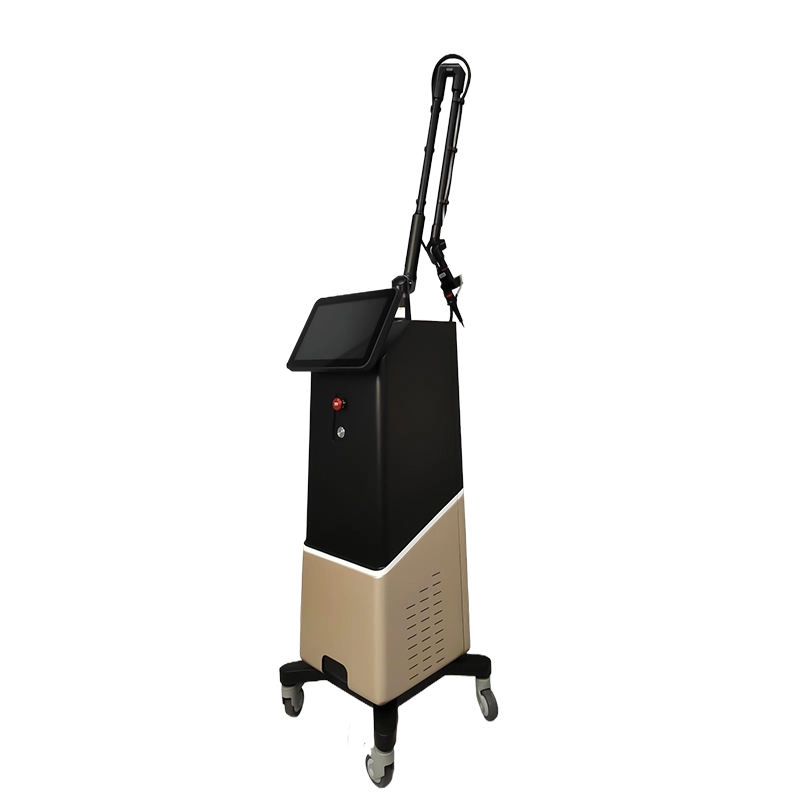
CO2 Fractional Laser Machine for Advanced Skin Resurfacing & Scar Removal
The CO2 fractional laser machine is designed to address a variety of skin concerns, offering treatments for acne scars, pigmentation, wrinkles, and overall skin texture. Utilizing advanced CO2 fractional laser technology, it delivers highly precise and controlled laser energy to promote collagen production and skin rejuvenation. This machine is ideal for professional use in beauty salons, medical spas, and aesthetic clinics. It features a user-friendly touchscreen interface, adjustable settings for customizable treatments, and a built-in cooling system to ensure comfort during use.
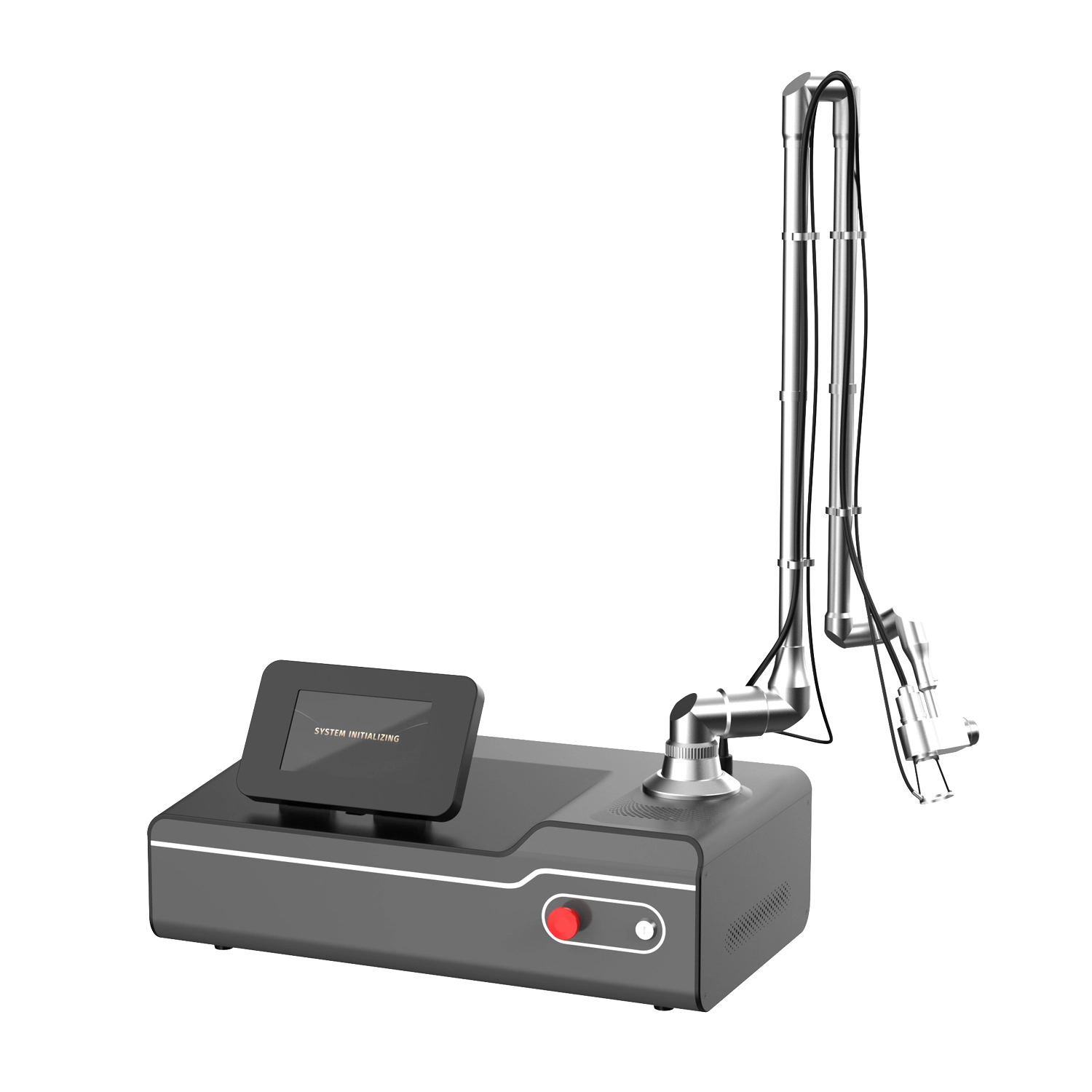
Professional CO2 Fractional Laser Machine for Skin Resurfacing & Scar Treatment
The CO2 Fractional Laser Machine is a professional CO2 fractional laser machine designed for advanced skin resurfacing, scar treatment, and skin rejuvenation procedures.
Using 10,600nm CO2 fractional laser technology, the system delivers controlled microthermal zones into the skin, stimulating collagen remodeling while preserving surrounding tissue. This fractional approach significantly improves treatment safety, recovery time, and clinical outcomes.
The CO2 fractional laser machine is widely used in dermatology clinics and medical aesthetic centers for treating acne scars, wrinkles, enlarged pores, stretch marks, and various skin texture concerns.

6-in-1 Multifunctional Beauty and Weight Loss Machine | Cavitation, RF, Vacuum PDT, EMS, Laser Slimming Equipment for Professional Use
The 6-in-1 Multifunctional Beauty and Weight Loss Machine is a professional-grade device designed for salons, clinics, and distributors. Combining six advanced technologies—cavitation, RF (radio frequency) for face & body, vacuum RF PDT, BIO/EMS microcurrent, and laser lipo pads—this device offers comprehensive body contouring, fat reduction, skin tightening, and anti-aging treatments.
It provides businesses with an all-in-one solution to expand service offerings, attract more clients, and achieve a rapid return on investment.
Get more information
If you have any comments or good suggestions, please leave us a message; later our professional staff will contact you as soon as possible.
Let's Talk
Stay in touch with us for cutting-edge beauty solutions, professional guidance, and customized service.
Contact


Room 307, Building A, Huilong International E-commerce Industrial Park, No. 10 Xipengling Road, Helong Street, Baiyun District, Guangzhou, China
© 2025 HUIMAIN. All Rights Reserved. Privacy Policy | Terms and Conditions | Sitemap
Facebook
Instagram
Medical beauty equipment factory
huimain Medical beauty equipment factory
beauty machine supplier
Whatsapp: +8619124004543