


Regulatory Guide: FDA & CE for RF Skin Tightening Devices
- How RF Skin Tightening Works and Market Context
- Principles of RF tissue interaction
- Device types and comparable technologies
- Clinical and commercial drivers
- FDA Pathways and Expectations
- Device classification and predicates
- Key submission elements for 510(k)
- When is a De Novo or PMA required?
- CE Marking and EU MDR — What Changes and What Stays
- From MDD to MDR: increased scrutiny
- Essential technical documentation
- Classification and conformity assessment route
- Standards, Testing, and Evidence: Practical Checklist
- Key standards to address
- Clinical evidence strategy
- Post-market and vigilance
- Regulatory Comparison: FDA vs CE
- Side-by-side comparison
- Timelines and practicalities
- Costs and resource planning
- Implementation: From Design to Market
- Design controls and risk management
- Labeling, Instructions for Use (IFU), and claims
- Electromagnetic safety and software
- Case Study: Lessons from Microdermabrasion and Other Aesthetic Devices
- Why compare to the best microdermabrasion machine?
- Common pitfalls to avoid
- Practical examples of evidence
- Manufacturer Spotlight: Guangzhou Huimain Technology Co., Ltd.
- Company capabilities and certifications
- Main products and technical strengths
- Why this matters for regulatory strategy
- Final Recommendations and Checklist
- Step-by-step launch checklist
- Budgeting and timeline tips
- Where to find authoritative guidance
- Frequently Asked Questions (FAQ)
- 1. Do all RF skin tightening devices need FDA clearance?
- 2. How is CE under MDR different from the old MDD for RF devices?
- 3. What performance tests are essential for RF device submissions?
- 4. How much clinical data do I need?
- 5. Can I use literature from other devices in my CER?
- 6. How do I choose a Notified Body or testing lab?
- Contact and Next Steps
As a professional consultant with years of experience in regulatory strategy for aesthetic devices, I provide a practical, evidence-based guide to navigating FDA and CE requirements for radiofrequency (RF) skin tightening devices. This article is designed for manufacturers, distributors, and clinic buyers who need clear, verifiable steps to achieve market access while maintaining patient safety and regulatory compliance. I also discuss how comparable categories — for example, the best microdermabrasion machine on the market — reveal lessons in classification, clinical documentation, and post-market surveillance that apply to RF devices.
How RF Skin Tightening Works and Market Context
Principles of RF tissue interaction
Radiofrequency (RF) skin tightening devices deliver controlled electromagnetic energy to dermal tissues to generate heat and induce collagen remodeling. For a technical overview, see the general principles of radiofrequency ablation on Wikipedia. In practical device design, waveform, frequency, electrode configuration, and cooling mechanisms drive both efficacy and safety.
Device types and comparable technologies
RF skin tightening devices can be monopolar, bipolar, or multipolar and come in medical-grade and consumer/home-use variants. When evaluating regulatory burden, compare RF devices with aesthetic devices such as microdermabrasion units: although both aim at skin rejuvenation, microdermabrasion machines (including the best microdermabrasion machine category) are often lower-risk cosmetology devices depending on claims and energy modality. Understanding these analogues helps in selecting the appropriate regulatory pathway.
Clinical and commercial drivers
Demand for non-invasive tightening grows with aging populations and aesthetic acceptance. This raises expectations for documented clinical outcomes, durability, and safety — factors regulators scrutinize under both FDA and EU MDR frameworks.
FDA Pathways and Expectations
Device classification and predicates
In the U.S., device classification (Class I/II/III) determines the regulatory route. Most aesthetic RF skin tightening devices fall under Class II, often requiring a 510(k) premarket notification referencing a predicate device. I always start by mapping potential predicates and identifying substantial equivalence issues early.
Key submission elements for 510(k)
A robust 510(k) includes: device description, indications for use, technological characteristics, performance testing (electrical safety, EMC, software), bench and non-clinical testing, and where needed, clinical data. The FDA outlines device study and market expectations in the Medical Devices guidance. For RF devices, specific attention is paid to energy delivery reproducibility and thermal safety.
When is a De Novo or PMA required?
If no suitable predicate exists or the intended use raises new risks, a De Novo request (for novel low-to-moderate risk devices) or PMA (for high-risk Class III) may be required. I advise early engagement with the FDA through a pre-submission (Q-Submission) to clarify expectations.
CE Marking and EU MDR — What Changes and What Stays
From MDD to MDR: increased scrutiny
The EU's Medical Device Regulation (MDR 2017/745) raised clinical evidence, technical documentation, and post-market surveillance requirements compared to the old MDD. The European Commission provides programmatic details here: EU MDR overview. RF devices with a medical claim fall squarely under MDR and generally require conformity assessment by a Notified Body.
Essential technical documentation
For CE under MDR, you need a comprehensive Technical File/Design Dossier covering device description, risk analysis, clinical evaluation report (CER), post-market surveillance plan (PMS), and labeling. Clinical evaluation must reference literature, clinical data, and post-market experience — a higher bar than many manufacturers initially expect.
Classification and conformity assessment route
Under MDR, classification rules (often Rule 10 for software or energy-based devices) determine whether a Notified Body involvement is required. I map each device variant (e.g., salon-use vs medical-grade RF) against Rule 10 and relevant guidance to select the appropriate conformity route and Notified Body partners.
Standards, Testing, and Evidence: Practical Checklist
Key standards to address
Adherence to recognized standards demonstrates safety and performance. Important references include:
- ISO 13485 — Quality management for medical devices.
- IEC 60601 series — Safety and essential performance for medical electrical equipment (find details at ISO listing for IEC standards).
- IEC/EN 60601-1-2 — Electromagnetic compatibility (EMC).
In addition, standards or consensus guidance for RF energy delivery (including specific RF device testing protocols) should be followed where available.
Clinical evidence strategy
A pragmatic approach balances literature, preclinical bench testing, and prospective clinical studies. For many RF skin tightening devices, a well-designed prospective cohort with validated endpoints (e.g., blinded photographic assessments, patient-reported outcomes, and objective measurements like skin elasticity tests) strengthens both FDA 510(k) and MDR CER packages.
Post-market and vigilance
Both FDA and MDR require post-market surveillance. FDA's medical device reporting (MDR) and the EU's vigilance system demand timely reporting of device-related adverse events. I set up PMS plans with clear KPIs and complaint handling workflows to meet these obligations proactively.
Regulatory Comparison: FDA vs CE
Side-by-side comparison
The table below summarizes core differences and similarities.
| Topic | FDA (U.S.) | EU MDR (CE) |
|---|---|---|
| Typical classification | Often Class II (510(k)) | Varies; many RF devices fall under Class IIa/IIb depending on Rule 10 |
| Notified body/FDA review | FDA centralized review; pre-submission possible | Notified Body conformity assessment required for higher classes |
| Clinical evidence | Depends on substantial equivalence; clinical data often recommended | Extensive clinical evaluation (CER) required under MDR |
| Quality system | 21 CFR Part 820 (QSR); ISO 13485 recognized | ISO 13485 commonly required by Notified Bodies |
Timelines and practicalities
Typical 510(k) clearance timelines (from submission to clearance) can range from 3–6 months, depending on data completeness and FDA queries. CE timelines are influenced by Notified Body capacity and MDR scrutiny — plan for 6–12+ months. Early engagement with regulatory consultants and test labs shortens iteration cycles.
Costs and resource planning
Costs vary widely: testing, clinical work, Notified Body fees, and regulatory consultants add up. I always recommend building contingency into budgets and aligning development milestones to regulatory checkpoints rather than product marketing deadlines.
Implementation: From Design to Market
Design controls and risk management
Implement design controls (per FDA 21 CFR 820.30 and ISO 13485) and ISO 14971 risk management to document hazard identification, risk evaluation, and mitigations. For RF devices, thermal injury risk, unintended energy paths, and electromagnetic interference are common failure modes I document thoroughly.
Labeling, Instructions for Use (IFU), and claims
Regulatory authorities scrutinize claims. Medical claims require medical device classification; cosmetic claims may avoid it but limit marketing. Clear, validated IFUs with contraindications and training requirements reduce liability and improve regulatory acceptance.
Electromagnetic safety and software
Ensure compliance with EMC and electrical safety (IEC 60601 series). If the device includes software, follow IEC 62304 lifecycle requirements and document cybersecurity considerations. These areas often trigger additional queries during submission review.
Case Study: Lessons from Microdermabrasion and Other Aesthetic Devices
Why compare to the best microdermabrasion machine?
Microdermabrasion devices, especially those positioned as the best microdermabrasion machine, demonstrate how clear clinical endpoints, robust performance testing, and conservative claims build market trust. Their regulatory playbooks — thorough bench testing, user training, and post-market collection of satisfaction data — translate directly to RF device strategy.
Common pitfalls to avoid
Manufacturers often underestimate the need for objective outcome measures, sufficient sample sizes, or post-market surveillance infrastructure. I prioritize these areas during product development to avoid delays and costly rework.
Practical examples of evidence
Use a mix of peer-reviewed literature, bench verification, and limited clinical studies. Cite external literature in your CER and clearly connect device parameters to observed outcomes — regulators want traceable cause-effect documentation.
Manufacturer Spotlight: Guangzhou Huimain Technology Co., Ltd.
Company capabilities and certifications
Guangzhou Huimain Technology Co., Ltd. is a high-tech enterprise specializing in the research, development, production, and after-sales service of professional beauty machines and home-use devices. Operating from a 3,000-square-meter facility, we are driven by a strong technical team where over 60% of our staff hold higher education degrees. Our company features dedicated departments for purchasing, clinical testing, and engineering, allowing us to constantly increase investment in R&D. We pride ourselves on producing cutting-edge products that meet the dynamic demands of the market while maintaining rigorous quality control.
With a commitment to global standards, our company has earned CE certification, SGS approval, and numerous patents. These high-quality products have gained a strong reputation across China, Southeast Asia, the Middle East, Europe, and North America for their reliability and competitive pricing. Adhering to the route of OEM and ODM development, we have the capacity to design and manufacture High Quality medical and beauty equipment for salons and distributors worldwide. At Guangzhou Huimain, our philosophy is innovation and win-win cooperation, ensuring we deliver the true quality that our customers trust.
Website: https://www.huimainbeauty.com/
Email: coco@huimainbeauty.com
Main products and technical strengths
HUIMAIN manufactures a range of devices including Cryolipolysis machine, Ems sculpting machine, Plasma machine, Shockwave machine, Hifu machine, Hydrofacial machine, Cavitation vacuum machine, Laser hair removal, Tattoo removal machine, and Micro needle machine. Their R&D investment, patent portfolio, and CE/SGS certifications position them as a capable partner for OEM/ODM opportunities. For companies seeking reliable manufacturing with regulatory awareness, HUIMAIN can help bridge engineering, documentation, and certification needs.
Why this matters for regulatory strategy
I often recommend partnering with manufacturers who already maintain ISO 13485-aligned QMS and have experience compiling Technical Files and clinical datasets. HUIMAIN’s integrated departments for clinical testing and engineering reduce friction when assembling regulatory submissions for both FDA and CE markets.
Final Recommendations and Checklist
Step-by-step launch checklist
- Map intended use and claims to regulatory classification (FDA class/ EU MDR rule).
- Identify predicates (for 510(k)) or confirm De Novo/PMA necessity; request a pre-submission if unsure.
- Implement ISO 13485 QMS and ISO 14971 risk management from design start.
- Perform electrical, EMC, and software testing per IEC/EN 60601; bench test energy reproducibility and thermal spread.
- Compile clinical evidence: literature + prospective study where needed; prepare a CER per MDR guidance.
- Plan robust PMS, vigilance, and complaint handling processes for post-market obligations.
Budgeting and timeline tips
Allocate time for iterative testing and regulatory queries. Engage a Notified Body or regulatory consultant early to shorten approval times. For manufacturers aiming to be the best microdermabrasion machine or top RF device, invest early in quality and clinical evidence — it pays off in market acceptance.
Where to find authoritative guidance
Key resources I use include the FDA device guidance pages (FDA Medical Devices), EU MDR materials from the European Commission (EU MDR overview), and standard organizations such as ISO. For device-specific technical standards, check IEC/EN references through national standards bodies.
Frequently Asked Questions (FAQ)
1. Do all RF skin tightening devices need FDA clearance?
Not necessarily. It depends on intended use and device classification. Devices making medical claims or intended for professional clinical use typically require FDA clearance (often via 510(k)). Consumer wellness devices with limited claims might follow a different regulatory pathway. I recommend early classification analysis and, if unclear, a pre-submission to the FDA.
2. How is CE under MDR different from the old MDD for RF devices?
MDR requires more rigorous clinical evaluation, stricter post-market surveillance, and enhanced technical documentation. Notified Bodies review CERs more closely and the overall process is more demanding and documentation-heavy than under MDD.
3. What performance tests are essential for RF device submissions?
Electrical safety (IEC 60601), EMC (IEC 60601-1-2), thermal mapping, energy reproducibility, and software lifecycle testing (IEC 62304) are commonly required. Bench tests demonstrating safe energy delivery and user safeguards against burns are critical.
4. How much clinical data do I need?
Quantity and type depend on the submission route and similarity to predicates. For 510(k), well-documented bench and literature support may suffice; however, prospective clinical data strengthens both FDA and MDR submissions. I typically recommend at least one well-controlled prospective study for novel parameters or new indications.
5. Can I use literature from other devices in my CER?
Yes — literature is part of a credible CER, but you must justify applicability (device parameters, population, endpoints). Regulators expect direct linkage between cited evidence and your device's risk/benefit profile.
6. How do I choose a Notified Body or testing lab?
Choose organizations with experience in energy-based aesthetic devices and a solid MDR track record. Check their scopes, capacity, and references. I advise visiting labs and discussing device-specific testing flows up front.
Contact and Next Steps
If you are planning market entry for an RF skin tightening device or seeking a manufacturing partner with regulatory experience, I recommend starting with a regulatory gap analysis and a QMS readiness review. Guangzhou Huimain Technology Co., Ltd. offers OEM/ODM services, CE-certified products, clinical testing capacity, and engineering support that can accelerate your path to market. Visit HUIMAIN or contact coco@huimainbeauty.com to discuss collaboration or request technical documentation examples and capacity details.
Relevant authoritative resources used in this guide: FDA Medical Devices (https://www.fda.gov/medical-devices), FDA 510(k) guidance (https://www.fda.gov/medical-devices/premarket-notification-510k), EU MDR overview (https://health.ec.europa.eu/medical-devices/new-regulations_en), and ISO 13485 (https://www.iso.org/iso-13485-medical-devices.).
For tailored regulatory strategy, device testing plans, or clinical study design, reach out to HUIMAIN or schedule a consultation — I can help translate regulatory obligations into practical product development milestones.
EMS-b
How long does each treatment take?
Each session typically lasts 30 minutes, making it ideal for busy clients.
3-in-1 HIFU
What can the 3-in-1 HIFU machine treat?
It treats face lifting, body tightening, intimate tightening, acne scars, wrinkles, large pores, and skin texture issues.
ZGP03 (台式皮秒)
How many sessions are needed for tattoo removal?
Compared to traditional lasers, fewer sessions are typically required due to higher pigment fragmentation efficiency.
Portable EMS Magnetic Ring
What is the main function of this EMS magnetic therapy machine?
It provides electromagnetic stimulation to relieve pain, promote blood circulation, and improve muscle recovery.
HMT52
Is the pelvic floor chair a worthwhile investment?
Yes. The pelvic floor chair addresses a significant and underserved market segment, offering a highly effective non-invasive solution for a common issue. It provides a unique selling proposition and can open up a new, profitable revenue stream for your business.

CO2 Fractional Laser Machine – Professional Wrinkle Removal & Skin Resurfacing Device
The CO2 Fractional Laser Machine is a multifunctional aesthetic device designed for professional clinics and beauty salons. Using advanced fractional CO2 laser technology, it effectively targets acne scars, freckles, pigmentation, nevi, and deep wrinkles. Additionally, it provides non-invasive skin rejuvenation, vaginal tightening, and intimate beautification. This professional CO2 laser equipment combines precision, safety, and powerful energy output to deliver outstanding anti-aging and dermatological results.

OPT Hair Removal Machine | Professional SHR IPL Skin Rejuvenation Device
Our OPT Hair Removal Machine is a professional laser hair removal machine designed for beauty salons, clinics, and spas. Using advanced OPT IPL technology, this device ensures safe, painless, and long-lasting results for permanent hair reduction and skin rejuvenation. Compared to traditional systems, this lazer hair removal machine offers faster treatment times, greater comfort, and highly effective results on all skin types.
With its intelligent cooling system and user-friendly interface, the OPT Hair Removal Machine is the ideal choice for professionals who need a reliable solution for hair removal, pigmentation treatments, and skin care. Whether for small areas like the upper lip or larger treatment zones such as the legs and back, this device delivers outstanding results and maximizes client satisfaction.
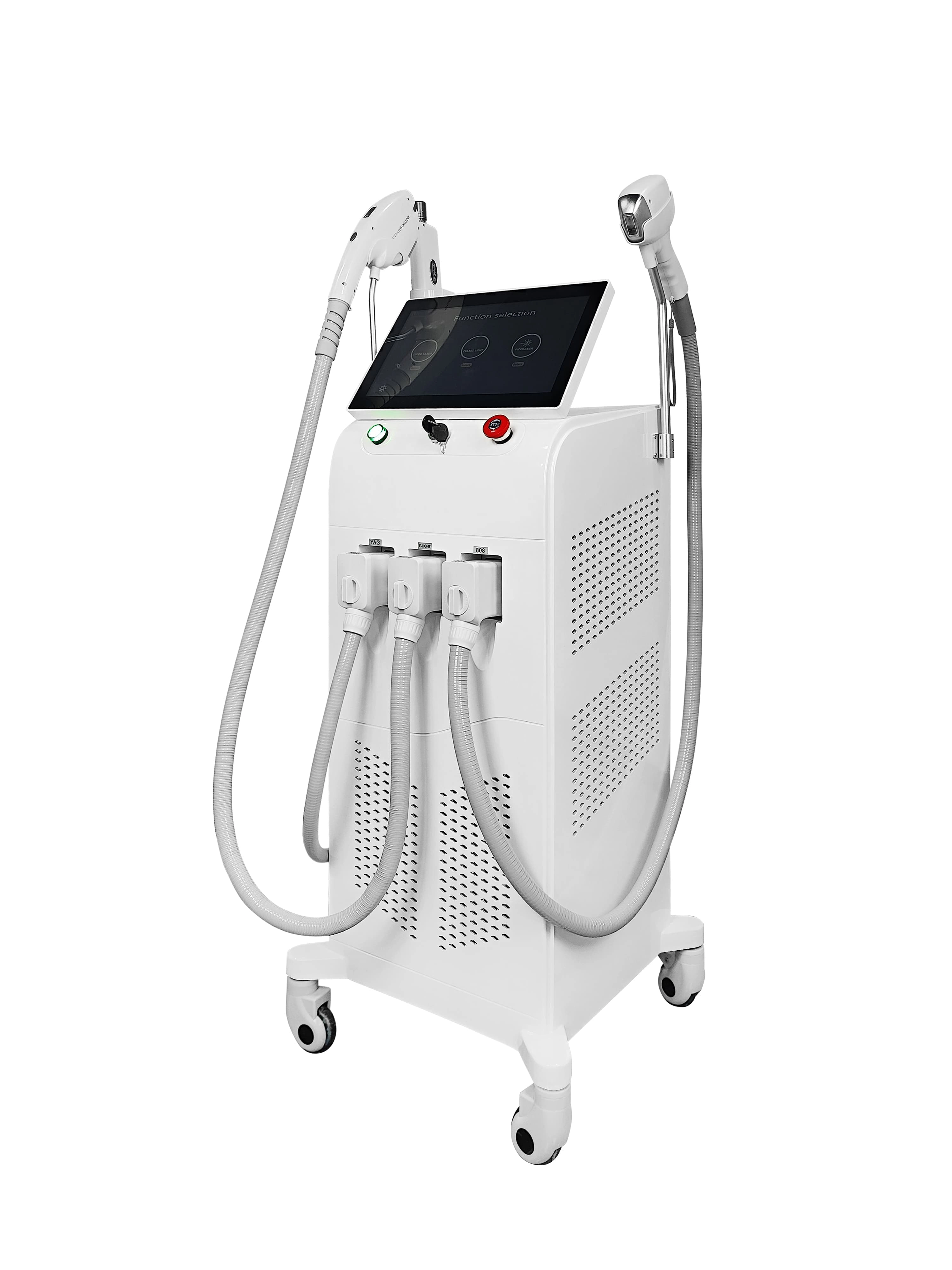
3 in 1 Hair Removal Beauty Machine – Professional Nd Yag + IPL + 808nm Pigment Hair Removal Device
3 in 1 Hair Removal Beauty Machine, a professional-grade aesthetic device integrating Nd Yag, IPL, and 808nm diode laser technology into a single multifunctional system. Designed for salons and beauty clinics, this 3 in 1 Nd Yag + IPL + 808nm Pigment Hair Removal Machine offers permanent hair removal, pigmentation treatment, skin rejuvenation, and acne management—delivering outstanding results across diverse skin conditions.
Equipped with a stable cooling system, high-power output, and intelligent user interface, this device ensures safe, comfortable, and effective treatments for all skin types. Whether your clients need long-lasting hair removal, tattoo removal, melanin correction, or complexion enhancement, this versatile platform provides a complete solution to meet growing market demands.
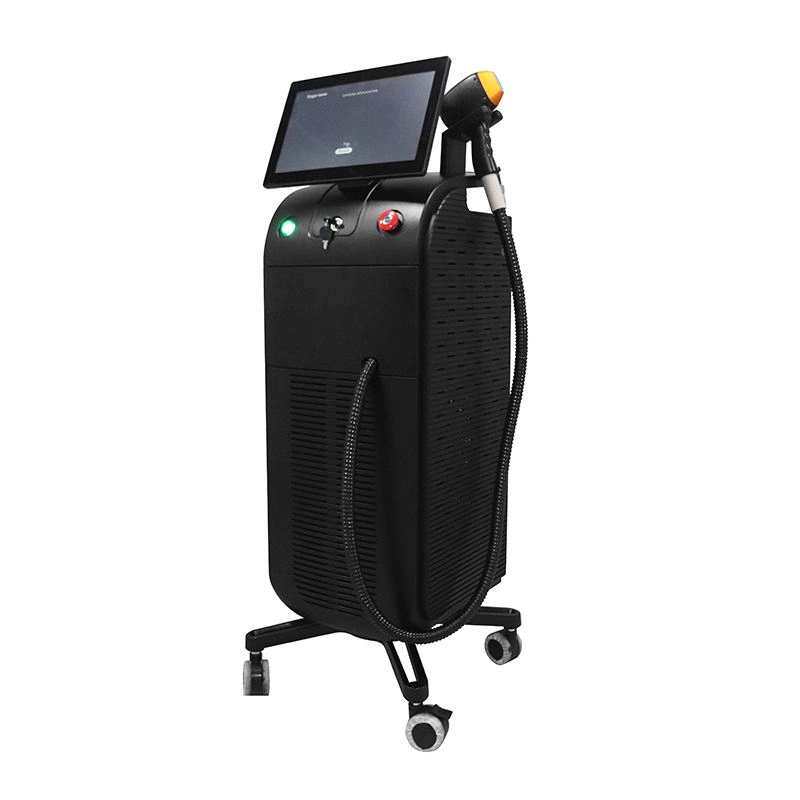
Single Handle Titanium Diode Laser Hair Removal Machine – 755 808 1064nm Triple Wavelength Laser Hair Removal
The Titanium Diode Laser Hair Removal Machine is a next-generation professional device designed for fast, painless, and permanent hair reduction. Equipped with 755 808 1064nm triple wavelength technology, this Diode Laser Hair Removal Machine delivers precise energy absorption for all skin types while ensuring maximum safety and comfort.
Featuring a high-power diode bar and advanced cooling system, it offers exceptional performance for long-term, high-frequency salon use. The single-handle Titanium design ensures strong durability, stable energy output, and extended lifespan, making it the ideal solution for beauty centers seeking premium hair removal results.
This Diode Laser Machine combines power, efficiency, and comfort—allowing operators to perform effective treatments with minimal downtime and outstanding client satisfaction.
Get more information
If you have any comments or good suggestions, please leave us a message; later our professional staff will contact you as soon as possible.
Let's Talk
Stay in touch with us for cutting-edge beauty solutions, professional guidance, and customized service.
Contact


Room 307, Building A, Huilong International E-commerce Industrial Park, No. 10 Xipengling Road, Helong Street, Baiyun District, Guangzhou, China
© 2025 HUIMAIN. All Rights Reserved. Privacy Policy | Terms and Conditions | Sitemap
Facebook
Instagram
Medical beauty equipment factory
huimain Medical beauty equipment factory
beauty machine supplier
Whatsapp: +8619124004543