


Safety and Contraindications of Aqua Peel Treatments
- Understanding Aqua Peel Treatments
- What is an aqua peel (hydrodermabrasion)?
- How it works: mechanisms relevant to safety
- How aqua peels differ from related modalities
- Clinical Safety Considerations
- Common risks and incidence
- Infection control and device hygiene
- Operator training, device certification, and regulatory considerations
- Contraindications and Patient Selection
- Absolute contraindications
- Relative contraindications and risk mitigation
- Screening checklist for patient selection
- Pre- and Post-Treatment Protocols and Product Selection
- Pre-treatment protocols to maximize safety
- Post-treatment care and complication management
- Choosing serums and device settings
- Evidence Summary and Comparative Table
- Practical Recommendations for Clinics Using Aqua Peel Machines
- Standard operating procedure (SOP) essentials
- Documentation and follow-up
- When to refer to dermatology or urgent care
- About Guangzhou Huimain Technology Co., Ltd. and Equipment Considerations
- Frequently Asked Questions (FAQ)
- 1. Is an aqua peel machine safe for all skin types?
- 2. How long should patients wait after isotretinoin before having an aqua peel?
- 3. Can aqua peel treatments cause scarring?
- 4. How soon can a patient wear makeup after an aqua peel?
- 5. Are aqua peel machines regulated and do I need certified equipment?
- 6. What immediate signs indicate a complication?
Summary for indexing: Aqua peel treatments (hydrodermabrasion/hydrofacial-style procedures) performed with an aqua peel machine combine water, suction, and topical solutions to cleanse, exfoliate and infuse active serums. When performed with appropriate infection control, patient screening, and trained operators, these treatments are low-risk and effective for many skin concerns. However, specific contraindications (active infection, recent isotretinoin use, pregnancy in some protocols, uncontrolled rosacea, keloid tendency) and operator/device standards must be observed to prevent complications. This article provides evidence-based safety guidance, clear contraindication lists, and practical pre/post-treatment protocols for clinics and practitioners.
Understanding Aqua Peel Treatments
What is an aqua peel (hydrodermabrasion)?
Aqua peel—often referenced as hydrodermabrasion or branded forms such as HydraFacial—is a non-invasive procedure that uses a combination of a water-based stream, suction, and topical solutions to exfoliate, extract impurities, and deliver serums to the epidermis and superficial dermis. Devices commonly referred to as an aqua peel machine integrate tip-based fluid delivery with controlled vacuum for extraction, usually without the abrasive crystals used in traditional microdermabrasion. For a general overview see Hydradermabrasion (Wikipedia).
How it works: mechanisms relevant to safety
Mechanically, the aqua peel machine creates shear and negative pressure to remove debris and corneocytes while simultaneously infusing hydrating or active serums (e.g., antioxidants, peptides, low-concentration acids). Because the epidermal barrier is transiently altered, the procedure can enhance topical delivery but also increases potential entry for microbes, allergens, or irritants—hence the need for sterile technique and careful product selection.
How aqua peels differ from related modalities
Compared to microdermabrasion (crystal or diamond) and chemical peels, aqua peels are generally gentler, provide immediate hydration, and have lower downtime. However, their safety profile depends heavily on device design (closed fluid circuits, disinfectable tips), solution sterility, and operator training. For more on differences with chemical peels and procedural safety, see Mayo Clinic guidance on chemical peels (Mayo Clinic).
Clinical Safety Considerations
Common risks and incidence
The most frequently reported short-term adverse effects of aqua peel treatments include transient erythema, mild edema, stinging, and increased sensitivity to sunlight. Serious adverse events (infections, scarring, post-inflammatory hyperpigmentation) are rare when procedures are performed properly, but their risk increases with breaches in sterile technique, inappropriate device settings, or treating contraindicated patients. A general discussion of device-related safety and adverse events in cosmetic procedures can be found at the U.S. Food and Drug Administration (FDA Cosmetics).
Infection control and device hygiene
Because aqua peel machines use fluids and suction, cross-contamination is a real concern. Best practices include using single-use tips or properly validated sterilization/disinfection protocols for reusable components, using sterile or preservative-stabilized solutions, and maintaining closed circuits where possible. Clinics should follow local health authority guidelines and manufacturer instructions for cleaning and disinfection. Training in aseptic technique and regular device maintenance logs reduce infection risk significantly.
Operator training, device certification, and regulatory considerations
Operator competence is a major determinant of safety. Practitioners should be trained on device-specific parameters (flow rate, suction intensity, solution compatibility), patient selection, and complication management. Clinics should procure devices with recognized certifications (e.g., CE marking for EU markets, relevant local approvals) and ensure devices have clear maintenance and clinical use documentation. The FDA and regional health bodies provide oversight; consult your local regulatory authority for device-specific requirements.
Contraindications and Patient Selection
Absolute contraindications
Absolute contraindications are conditions where an aqua peel should be deferred or avoided entirely. These commonly include:
- Active skin infection in the treatment area (bacterial, viral—e.g., herpes simplex—and fungal)
- Open wounds, erosions, or unhealed surgical sites
- Recent isotretinoin use (commonly within the last 6–12 months depending on clinician judgment and guidelines)
- Suspected or confirmed skin malignancy in the area
These contraindications align with general dermatologic procedural guidance; for isotretinoin-related cautions see American Academy of Dermatology resources and device-specific recommendations.
Relative contraindications and risk mitigation
Relative contraindications require individualized assessment and sometimes modified protocols. They include:
- Active acne flare with nodules/cysts (risk of exacerbating inflammation or spreading infection)
- Rosacea, particularly inflammatory subtypes (may increase flushing and irritation)
- History of hypertrophic scarring or keloids
- Pregnancy—many clinics avoid elective invasive cosmetic procedures although non-invasive hydrating treatments can be considered with inert products
- Use of topical retinoids or other photosensitizing agents—may need discontinuation prior to treatment
For relative contraindications, adjustments include lower suction, milder serums, test patches, or delaying treatment until conditions stabilize.
Screening checklist for patient selection
Clinicians should use a concise pre-treatment checklist that documents:
- Medical history (immunosuppression, diabetes, recent isotretinoin)
- Current medications and topical treatments
- History of keloids, HSV outbreaks, or severe eczema
- Allergies to proposed serums
- Informed consent acknowledgment and expectations
Pre- and Post-Treatment Protocols and Product Selection
Pre-treatment protocols to maximize safety
Pre-treatment steps reduce adverse events and include:
- Comprehensive informed consent describing expected effects, downtime, and signs of complications
- Skin assessment and photographic documentation
- Brush up on recent medication history (ask specifically about isotretinoin within past year)
- Pre-cleanse with an appropriate antiseptic if indicated and avoid exfoliating home products for 3–7 days prior
Post-treatment care and complication management
Immediate post-care focuses on barrier restoration and infection prevention:
- Apply calming, preservative-stable moisturizers and barrier creams
- Advise strict photoprotection with broad-spectrum sunscreen (SPF ≥30) and avoidance of direct sun for at least 7 days
- Instruct patients to avoid heavy exercise and make-up for 24 hours to minimize infection risk
- Provide clear guidance on recognizing complications (excessive pain, spreading erythema, pustules) and a direct contact for urgent review
Choosing serums and device settings
Serums should be clinically validated for topical application and compatible with device materials (to avoid degradation). Avoid strong agents (high-concentration acids, potent retinoids) in the immediate treatment fluid. Device settings should be titrated for skin type and condition; higher suction increases extraction but also risk of petechiae and prolonged erythema.
Evidence Summary and Comparative Table
Clinical literature suggests hydrodermabrasion-type treatments improve skin texture and hydration with a favorable safety profile when properly applied. For procedural comparisons, see Wikipedia and review articles on hydradermabrasion and microdermabrasion (Hydradermabrasion) and general safety guidance from dermatology organizations such as the American Academy of Dermatology.
| Modality | Mechanism | Typical Downtime | Key Safety Concerns |
|---|---|---|---|
| Aqua Peel Machine (Hydrodermabrasion) | Water/serum infusion + suction; gentle exfoliation | Minimal (few hours–24 hrs) | Infection risk if fluids/tips not sterile; transient erythema |
| Microdermabrasion | Mechanical abrasion with crystals/diamond tip + suction | Minimal (24 hrs) | Abrasions, pigment changes in darker skin if overtreated |
| Chemical Peel | Topical acids induce controlled epidermal necrosis | Days to weeks depending on depth | PIH, scarring, infection if deep peels or improper care |
Sources: device mechanism summaries and clinical comparisons: Hydradermabrasion, Mayo Clinic (chemical peels), FDA Cosmetics.
Practical Recommendations for Clinics Using Aqua Peel Machines
Standard operating procedure (SOP) essentials
Adopt SOPs that include: device maintenance logs, disinfection protocols, single-use consumables tracking, pre-treatment screening forms, informed consent templates, and emergency response processes for suspected infections or severe reactions.
Documentation and follow-up
Document baseline photos, treatment parameters (flow, suction, solutions used), and patient instructions. Schedule follow-ups as appropriate—common practice is a 48–72 hour check-in and a one- to two-week review for signs of PIH or delayed reactions.
When to refer to dermatology or urgent care
Refer promptly if there is rapidly spreading erythema, fever, pustular eruptions, suspected necrosis, or any signs of systemic infection. Collaboration with local dermatologists improves patient safety and outcomes.
About Guangzhou Huimain Technology Co., Ltd. and Equipment Considerations
Guangzhou Huimain Technology Co., Ltd. is a high-tech enterprise specializing in the research, development, production, and after-sales service of professional beauty machines and home-use devices. Operating from a 3,000-square-meter facility, the company is driven by a strong technical team where over 60% of staff hold higher education degrees. Dedicated departments for purchasing, clinical testing, and engineering support continuous R&D investment and rigorous quality control.
Huimain emphasizes global compliance and has earned CE certification, SGS approval, and multiple patents. Their machines have a strong reputation across China, Southeast Asia, the Middle East, Europe, and North America for reliability and competitive pricing. Following OEM and ODM development routes, Huimain can design and manufacture medical and beauty equipment for salons and distributors worldwide. Core products include: Cryolipolysis machine, EMS sculpting machine, Plasma machine, Shockwave machine, HIFU machine, Hydrofacial machine (aqua peel machine), Cavitation vacuum machine, Laser hair removal, Tattoo removal machine, and Micro needle machine.
Why clinics choose Huimain:
- Robust R&D and clinical testing departments ensuring device safety and efficacy;
- Certified manufacturing practices and external verification (CE, SGS);
- Comprehensive after-sales support and training for operator competence;
- OEM/ODM flexibility to meet clinic branding and regulatory needs.
For inquiries or product details, visit https://www.huimainbeauty.com/ or contact: coco@gzhuimain.com.
Frequently Asked Questions (FAQ)
1. Is an aqua peel machine safe for all skin types?
Generally, aqua peel treatments can be adapted for most Fitzpatrick skin types by adjusting suction and serum selection. However, darker skin types (Fitzpatrick IV–VI) have higher risk for post-inflammatory hyperpigmentation if overly aggressive settings are used. Patch testing and conservative parameters are recommended.
2. How long should patients wait after isotretinoin before having an aqua peel?
Most clinicians recommend waiting at least 6–12 months after completing systemic isotretinoin before performing procedures that disrupt the epidermis. This interval reduces scarring and delayed wound healing risk. Always document and confirm medication history.
3. Can aqua peel treatments cause scarring?
Scarring is rare with proper technique. The main risks for scarring are treating active infections, over-aggressive suction, or treating patients with a known predisposition to keloids. Proper screening and conservative settings minimize this risk.
4. How soon can a patient wear makeup after an aqua peel?
Most patients can apply mineral makeup 24 hours after treatment, provided there are no open areas or persistent oozing. For optimal healing and lower infection risk, many clinics recommend waiting 24 hours and using clean applicators.
5. Are aqua peel machines regulated and do I need certified equipment?
Regulatory requirements vary by region. Clinics should use devices with appropriate compliance (CE, regional approvals) and follow manufacturer instructions for use, cleaning, and maintenance. Certified equipment and documented operator training are important to ensure patient safety and minimize liability.
6. What immediate signs indicate a complication?
Warning signs include increasing or spreading redness beyond expected margins, blistering, pustules, fever, or severe pain. Any of these should prompt urgent clinical review and possibly referral to dermatology or infectious disease as indicated.
Contact/Consultation CTA: For product specifications, device certifications, clinical training, or to request a quote for an aqua peel machine or other professional beauty equipment, visit https://www.huimainbeauty.com/ or email coco@gzhuimain.com. Guangzhou Huimain offers OEM/ODM services, CE- and SGS-certified devices, and clinical support to help your clinic implement safe, effective aqua peel treatments.
References and further reading: Wikipedia - Hydradermabrasion (link); Mayo Clinic - Chemical peel overview (link); FDA - Cosmetics and dermal devices (link); American Academy of Dermatology (link).
emsculpt machine
Is the emsculpt machine safe for all clients?
Yes, it is non-invasive and safe. However, it is not recommended for pregnant women or clients with metal implants.
A50
What kind of after-sales support do you provide?
We offer a 1-year warranty, free training materials, and 24/7 online technical support.
A71立式冷波
Is the Onda Coolwave Machine non-invasive?
Yes. The Onda Coolwave Machine is a completely non-invasive body sculpt and skin tightening device with no needles or surgery.
HMT12R
How many sessions are needed, and how long does a treatment take?
A typical treatment course consists of 4-6 sessions, with each session lasting around 30 minutes. The dual-handle design allows for efficient treatment of multiple areas. Clients can typically start seeing results after the first few sessions, with optimal results visible a few weeks after the last session.
EMT8 MAX
How does the HIEMS MAX EMT+EMS machine work?
It uses electromagnetic pulses to contract muscles beyond voluntary capacity, building muscle and burning fat simultaneously.

CO2 Fractional Laser Machine – Professional Wrinkle Removal & Skin Resurfacing Device
The CO2 Fractional Laser Machine is a multifunctional aesthetic device designed for professional clinics and beauty salons. Using advanced fractional CO2 laser technology, it effectively targets acne scars, freckles, pigmentation, nevi, and deep wrinkles. Additionally, it provides non-invasive skin rejuvenation, vaginal tightening, and intimate beautification. This professional CO2 laser equipment combines precision, safety, and powerful energy output to deliver outstanding anti-aging and dermatological results.

5-in-1 40K Cavitation Vacuum Machine for Body Slimming & Fat Reduction
The 5-in-1 40K Cavitation Vacuum Machine is a professional body shaping system designed for fat reduction, cellulite smoothing, and overall body contouring. Using 40KHz ultrasonic cavitation, this device breaks down stubborn fat cells, while vacuum suction improves lymphatic drainage and accelerates toxin removal.
With multiple RF tightening handles, the machine stimulates collagen regeneration and helps lift and firm loose areas of the body. Compact, powerful, and easy to operate, it is the perfect solution for beauty salons, spa centers, and slimming studios seeking fast and visible fat-reduction results.
This cavitation vacuum machine is built to deliver safe, non-invasive treatments with no downtime—making it a top choice for body contouring professionals.

6-in-1 Multifunctional Beauty and Weight Loss Machine | Cavitation, RF, Vacuum PDT, EMS, Laser Slimming Equipment for Professional Use
The 6-in-1 Multifunctional Beauty and Weight Loss Machine is a professional-grade device designed for salons, clinics, and distributors. Combining six advanced technologies—cavitation, RF (radio frequency) for face & body, vacuum RF PDT, BIO/EMS microcurrent, and laser lipo pads—this device offers comprehensive body contouring, fat reduction, skin tightening, and anti-aging treatments.
It provides businesses with an all-in-one solution to expand service offerings, attract more clients, and achieve a rapid return on investment.
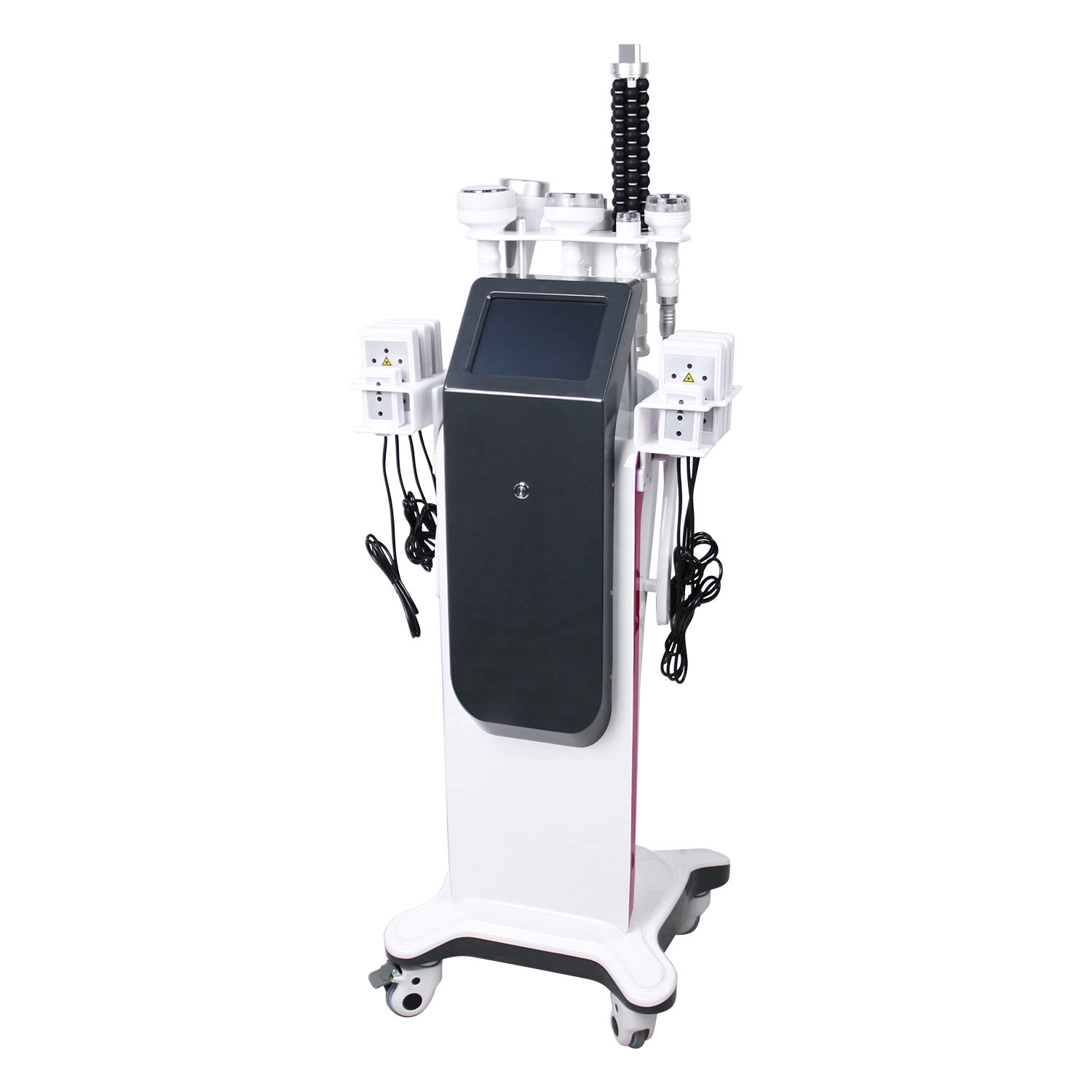
Professional 6-in-1 Cavitation Vacuum Machine for Body Contouring & Slimming Treatment
The 6-in-1 Cavitation Vacuum Machine is a professional body contouring system designed for salons and spas seeking high-performance slimming solutions. This machine integrates 40K ultrasonic cavitation, vacuum suction, RF technology, and laser lipolysis to target stubborn fat, enhance lymphatic drainage, tighten the skin, and contour the body shape effectively.
Equipped with multiple ergonomic handles and a smart touch screen, this cavitation vacuum machine provides a comfortable and efficient experience for both operators and clients. It is ideal for full-body treatments including abdomen, arms, legs, waistline, hips, and back.
Perfect for beauty salons, spas, and aesthetic centers that want to offer non-invasive fat reduction and body-sculpting services.
Get more information
If you have any comments or good suggestions, please leave us a message; later our professional staff will contact you as soon as possible.
Let's Talk
Stay in touch with us for cutting-edge beauty solutions, professional guidance, and customized service.
Contact


Room 307, Building A, Huilong International E-commerce Industrial Park, No. 10 Xipengling Road, Helong Street, Baiyun District, Guangzhou, China
© 2025 HUIMAIN. All Rights Reserved. Privacy Policy | Terms and Conditions | Sitemap
Facebook
Instagram
Medical beauty equipment factory
huimain Medical beauty equipment factory
beauty machine supplier
Whatsapp: +8619124004543