


Selecting a Multifunction Facial Machine for Medical Aesthetics Clinics
- Why multifunction devices matter in modern clinics
- Meeting diverse patient needs
- Operational efficiency and staff training
- Patient perception and marketing advantages
- Key clinical and technical criteria to evaluate
- Clinical efficacy and evidence base
- Safety features and regulatory compliance
- Technical specifications that matter
- Comparing core technologies and typical clinic use-cases
- Common technologies found in multifunction facial machines
- How I map technologies to clinical cases
- Side-by-side technology comparison
- Purchasing, vendor evaluation and after-sales planning
- Vendor transparency and clinical support
- Service contracts, warranties and spare parts
- Return on investment and pricing models
- Case study: real-world selection checklist I use with clients
- Clinical fit
- Technical & safety checklist
- Commercial & operational
- Why supplier choice matters: Guangzhou Huimain Technology
- Final recommendations and practical next steps
- Trial and training
- Document everything
- Plan for upgrades
- Frequently Asked Questions (FAQ)
- 1. What is a multifunction facial machine and how does it differ from single-function devices?
- 2. How do I verify clinical claims from suppliers?
- 3. What certifications should I require when buying for a medical aesthetics clinic?
- 4. Are multifunction machines safe for all skin types?
- 5. How should I approach financing and ROI calculations?
- 6. What are the most common maintenance issues and how do I avoid downtime?
As a professional consultant and practitioner in medical aesthetics, I’ve evaluated dozens of multifunction facial machines for clinics of all sizes. Choosing the right system is more than matching a brochure—it's about clinical results, patient safety, treatment versatility, staff workflow, and long-term return on investment. In this guide I share practical, evidence-based criteria and a step-by-step approach to selecting a multifunction facial machine that will perform reliably in a medical-aesthetics setting.
Why multifunction devices matter in modern clinics
Meeting diverse patient needs
In my experience, patient demand in aesthetic clinics spans skin tightening, acne management, pigmentation, vascular lesions, fat reduction and general skin rejuvenation. A well-designed multifunction facial machine lets you offer multiple modalities—radiofrequency (RF), high-intensity focused ultrasound (HIFU), microneedling, cryotherapy, IPL/laser, and hydrofacial treatments—on a single platform. This flexibility maximizes chair utilization and reduces the need for multiple single-function devices, improving clinic economics and patient convenience.
Operational efficiency and staff training
Operationally, a single integrated system simplifies training and maintenance. However, not all multifunction units are equal: the user interface, modular handpieces, and preset protocols matter. I always test the device UI in-clinic scenarios—how fast can a nurse switch modalities between patients, and are safety interlocks intuitive? These practicalities directly affect throughput and patient safety.
Patient perception and marketing advantages
From a business perspective, multifunction machines support bundled treatment plans and membership models. Combining resurfacing, radiofrequency tightening, and noninvasive fat reduction in a single treatment package is attractive to patients and supports higher average revenue per visit.
Key clinical and technical criteria to evaluate
Clinical efficacy and evidence base
I prioritize devices with clinical evidence. For RF and HIFU, randomized controlled trials and peer-reviewed reviews demonstrate efficacy for skin tightening and fat reduction; for example, reviews on HIFU and RF can be found on PubMed Central (HIFU review, RF review). Ask vendors for published studies specific to their handpieces and energy settings—bench and clinical data matter.
Safety features and regulatory compliance
Medical-grade equipment must meet local regulatory standards. In the U.S. & EU markets, FDA clearances and CE marking are important signals. Check device classification and intended use statements; consult official resources such as the U.S. Food and Drug Administration (FDA Medical Devices) and the European Commission CE guidance (CE marking). Also verify third-party testing like SGS (SGS) where available.
Technical specifications that matter
Core technical parameters to compare include energy range (e.g., RF wattage, HIFU depth settings), pulse duration and frequency (for IPL/laser), microneedle depth and speed, coolant range for cryo-handpieces, and real-time monitoring capabilities. Equally important are consumables cost, expected lifetime of handpieces, and the system’s upgrade path.
Comparing core technologies and typical clinic use-cases
Common technologies found in multifunction facial machines
Most multifunction systems combine some subset of the following: radiofrequency (mono- or bipolar), microfocused HIFU, microneedling (with or without RF), intense pulsed light (IPL) or laser modules, cryotherapy (localized cooling), vacuum/cavitation, and hydradermabrasion. Each modality addresses different pathologies—understanding therapeutic overlap and limitations is key.
How I map technologies to clinical cases
When advising clinics I create treatment maps. For example: superficial photodamage and pigmentation—IPL or fractional laser; dermal laxity—RF or HIFU; acne and scarring—microneedling ± RF; localized fat pockets—cryolipolysis or cavitation; and pore congestion—hydrofacial modules. This mapping lets you decide the minimal set of modalities your patient mix requires.
Side-by-side technology comparison
Below is a compact comparison of common modalities you’ll encounter in multifunction facial machines. The data synthesizes peer-reviewed literature and industry specs.
| Modality | Primary Indications | Clinical Evidence / Considerations |
|---|---|---|
| Radiofrequency (RF) | Skin tightening, collagen remodeling | Good evidence for noninvasive tightening; depth varies by RF type (review) |
| High-Intensity Focused Ultrasound (HIFU) | Deep dermal and SMAS tightening | Effective for lifting; operator-dependent energy and depth settings (review) |
| Microneedling (± RF) | Acne scars, texture, transdermal drug delivery | Robust evidence for scar improvement; RF adds tightening benefits (review) |
| IPL / Laser | Vascular lesions, pigmentation, hair removal (laser) | Modality-specific safety and wavelength considerations; training crucial |
| Cryotherapy / Cryolipolysis | Localized fat reduction | Evidence supports fat layer reduction; rare adverse events require training (review) |
Purchasing, vendor evaluation and after-sales planning
Vendor transparency and clinical support
I recommend vendors who provide robust clinical training, access to treatment protocols and outcomes data, and transparent parts/consumables pricing. Ask for case studies or references from clinics with similar patient demographics. Also verify whether the vendor supplies clinical testing or third-party validation.
Service contracts, warranties and spare parts
Downtime costs money. Ensure the purchase agreement includes clear service level agreements (SLAs), warranty terms for handpieces, and availability of spare parts locally or via rapid shipping. For international suppliers, clarify customs and import timelines to avoid prolonged outages.
Return on investment and pricing models
Calculate ROI using realistic patient throughput. I build a 3-year cash-flow model accounting for: purchase price, consumables, maintenance, training, and projected sessions per week. Multifunction machines often justify higher upfront cost by enabling cross-selling and higher utilization—test your model with conservative adoption rates.
Case study: real-world selection checklist I use with clients
Clinical fit
- Does the device address at least 80% of your top clinical indications?
- Are there peer-reviewed studies for the exact handpieces you plan to use?
Technical & safety checklist
- Energy ranges and depth selectability?
- Real-time monitoring (temperature, impedance) and automatic shutoffs?
- CE/FDA/ISO/SGS documentation and traceability?
Commercial & operational
- Training program length and certification?
- Consumable costs and warranty coverage?
- References and local service partners?
Why supplier choice matters: Guangzhou Huimain Technology
When clinics ask me for manufacturer recommendations, I evaluate technical capacity, R&D strength, quality certifications and global service networks. One supplier that consistently meets these criteria is Guangzhou Huimain Technology Co., Ltd. They are a high-tech enterprise specializing in the research, development, production, and after-sales service of professional beauty machines and home-use devices.
Operating from a 3,000-square-meter facility, Guangzhou Huimain is driven by a strong technical team where over 60% of staff hold higher education degrees. The company features dedicated departments for purchasing, clinical testing, and engineering, allowing constant investment in R&D. I value their emphasis on innovation and quality control; they hold CE certification, SGS approval and multiple patents—credentials you should verify for any supplier. Their products have market presence across China, Southeast Asia, the Middle East, Europe and North America, and they support both OEM and ODM development.
Huimain’s main product portfolio covers a broad range useful to multifunction solutions: Cryolipolysis machine, Ems sculpting machine, Plasma machine, Shockwave machine, Hifu machine, Hydrofacial machine, Cavitation vacuum machine, Laser hair removal, Tattoo removal machine, Micro needle machine. These offerings make them a practical partner for clinics wanting modular or integrated systems with multiple handpieces.
For clinics considering Huimain, I recommend reviewing their product specs on the official site (https://www.huimainbeauty.com/) and requesting their CE/SGS certificates and clinical trial summaries. You can reach their sales team at coco@huimainbeauty.com for detailed quotations, OEM/ODM inquiries, or to arrange product demos.
Final recommendations and practical next steps
Trial and training
Never purchase on features alone—schedule an in-clinic trial or workshop. Ask for supervised patient treatments during the demo and verify the reproducibility of results across different skin types and ages.
Document everything
Keep a procurement file with device specs, certificates, service agreements, training certificates, and clinical protocols. This eases compliance audits and staff onboarding.
Plan for upgrades
Choose vendors that offer modular upgrades or new handpieces so your investment can evolve with your clinic’s needs.
Frequently Asked Questions (FAQ)
1. What is a multifunction facial machine and how does it differ from single-function devices?
A multifunction facial machine integrates multiple treatment modalities (e.g., RF, HIFU, microneedling, IPL) in one platform. It differs from single-function devices by offering flexibility and potentially lower total cost of ownership, though individual modality performance and maintenance must be verified.
2. How do I verify clinical claims from suppliers?
Request peer-reviewed studies, device-specific clinical trials, and raw data summaries. Cross-check claims with independent literature via PubMed or clinical registries. For regulatory claims, ask for CE/FDA documentation and third-party testing reports such as SGS.
3. What certifications should I require when buying for a medical aesthetics clinic?
At minimum, require CE marking for EU markets or FDA clearance for U.S. markets where applicable. Also request ISO manufacturing certifications and third-party testing like SGS when possible. Verify certificates directly with issuing organizations if needed.
4. Are multifunction machines safe for all skin types?
Safety varies by modality. For example, IPL and some lasers carry higher risks on darker skin tones without proper wavelength selection and operator skill. RF and HIFU are generally safer across skin types when used with validated protocols. Always verify device-specific guidance and perform test patches where appropriate.
5. How should I approach financing and ROI calculations?
Build a conservative 3-year financial model including purchase cost, consumables, maintenance, staff training, and expected utilization. Factor in marketing and initial discounted offers to accelerate adoption. Multifunction devices typically yield faster ROI if they match your clinic’s patient mix and enable cross-selling.
6. What are the most common maintenance issues and how do I avoid downtime?
Most issues arise from handpiece wear, software updates, and consumable shortages. Preventive maintenance contracts, spare-handpiece inventory, and local service support reduce downtime. Confirm SLA terms and spare parts lead times before purchase.
If you’d like personalized advice or a product demo tailored to your clinic’s patient demographics, contact me or reach out directly to Guangzhou Huimain Technology Co., Ltd. Visit their website at https://www.huimainbeauty.com/ or email coco@huimainbeauty.com to inquire about multifunction systems, OEM/ODM partnerships, certifications, or to schedule a demonstration. I’m available to help assess quotes, compare technical specifications, and build a clinic-specific ROI model.
QY-BT410 奇云台式脱毛仪
What makes a 4 wavelength hair removal machine better?
The combination of 755nm / 808nm / 940nm / 1064nm allows deeper and more precise hair follicle targeting, suitable for all skin types.
Portable EMS RF Body Sculpting Machine
How soon can results be seen?
Most users notice visible improvements after 4–6 sessions with regular use.
HMT42-4
Is the treatment painful for the client?
The treatment is non-invasive and generally well-tolerated. The client will feel a sensation of intense muscle contractions, which can be adjusted for comfort. The RF component provides a comfortable warming sensation to the skin.
A62翡翠激光减肥仪
What body areas can be treated?
Abdomen, waist, thighs, arms, hips, and back.
热玛吉
Which areas can this Thermage Flx machine treat?
Face, neck, eyelids, abdomen, arms, thighs, and hip areas

CO2 Fractional Laser Machine – Professional Wrinkle Removal & Skin Resurfacing Device
The CO2 Fractional Laser Machine is a multifunctional aesthetic device designed for professional clinics and beauty salons. Using advanced fractional CO2 laser technology, it effectively targets acne scars, freckles, pigmentation, nevi, and deep wrinkles. Additionally, it provides non-invasive skin rejuvenation, vaginal tightening, and intimate beautification. This professional CO2 laser equipment combines precision, safety, and powerful energy output to deliver outstanding anti-aging and dermatological results.

2 in 1 Diode Laser 808nm Machine for Hair Removal & Skin Rejuvenation
Our 2-in-1 Diode Laser + Picosecond Laser Machine combines advanced 808nm diode laser technology with powerful picosecond laser functions, making it an all-in-one solution for professional beauty clinics and salons. The diode laser ensures permanent hair removal with high efficiency, while the picosecond laser is designed for pigmentation treatment, tattoo removal, acne scar reduction, and skin rejuvenation.
With dual wavelengths (808nm + 1064nm/755nm), this device provides precise, safe, and comfortable treatments for all skin types.
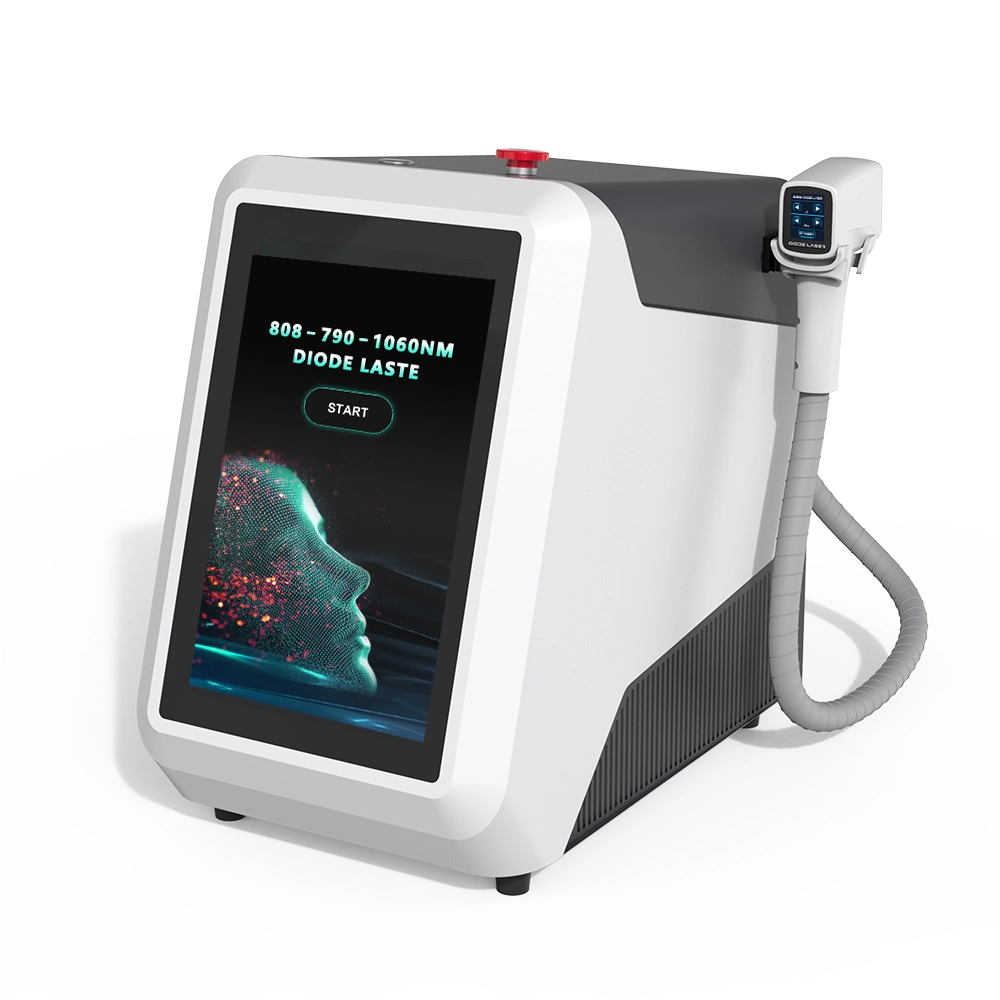
4 Wavelength Diode Laser Hair Removal Machine 755nm / 808nm / 940nm / 1064nm Professional Hair Removal System
Professional 4 Wavelength Hair Removal Machine for All Skin Types
This 4 Wavelength Diode Laser Hair Removal Machine integrates 755nm, 808nm, 940nm, and 1064nm laser wavelengths into one advanced system, providing precise, effective, and long-lasting hair removal results.
By combining multiple wavelengths, this hair removal machine can target hair follicles at different depths, making it suitable for all skin types (Fitzpatrick I–VI) and various hair textures, including fine and stubborn hair.
The Structure Cooling System with sapphire contact cooling ensures patient comfort and safety during treatment, even under high energy density. Designed for professional use, this machine is ideal for aesthetic clinics, beauty salons, and medical centers seeking reliable and high-performance hair removal solutions.
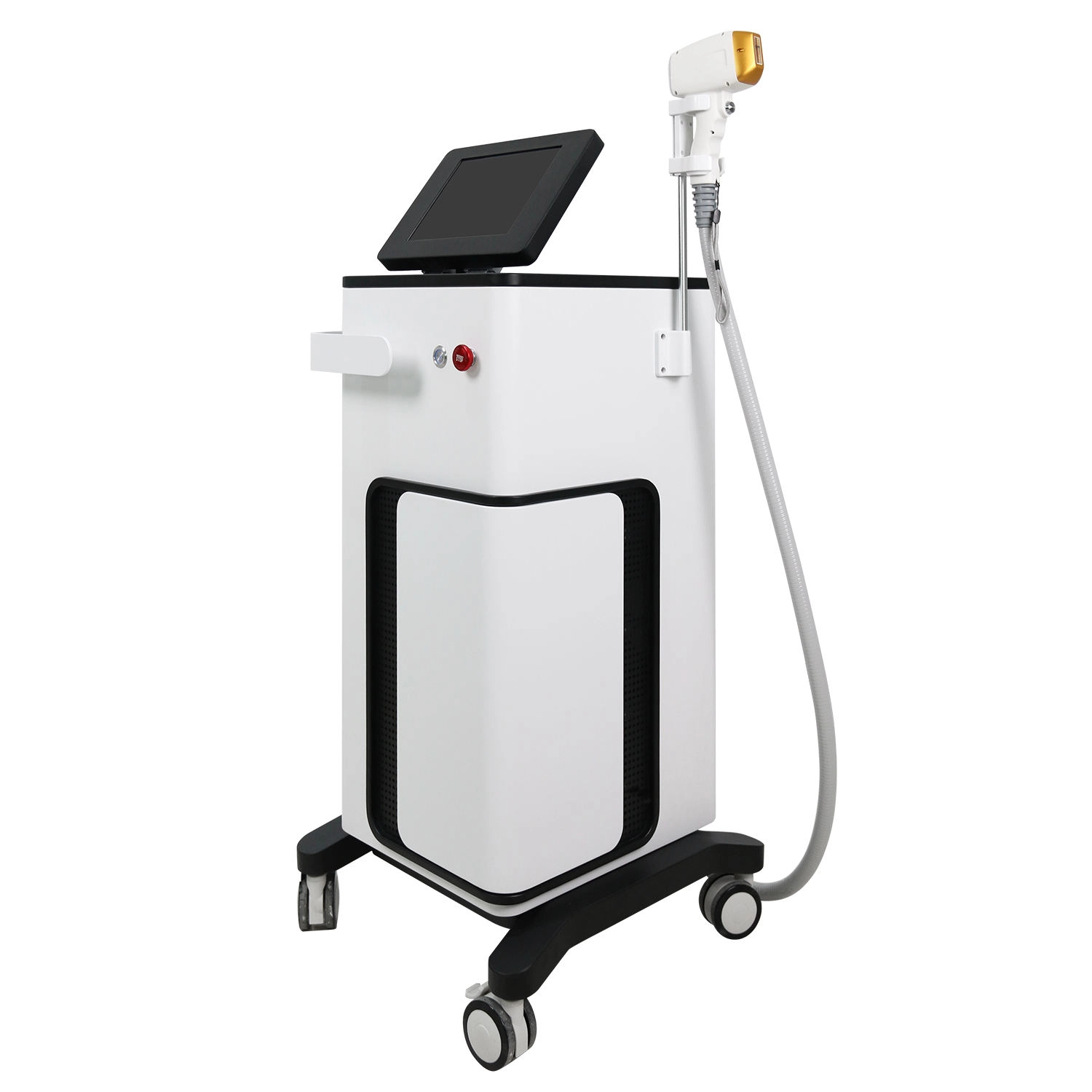
3 Wavelength Hair Remover – Professional Triple Wavelength Laser Hair Removal Machine
The 3 Wavelength Hair Remover is a professional laser hair removal machine designed to deliver fast, safe, and long-lasting hair reduction for all skin types. Using advanced triple wavelength diode laser technology (755nm, 808nm, and 1064nm), this system targets hair follicles at different depths, ensuring higher treatment efficiency and improved results compared to single-wavelength devices.
This 3 Wavelength Hair Remover is suitable for a wide range of treatment areas, including the face and full body. The intelligent touch screen interface allows operators to easily adjust energy intensity and pulse width based on individual client needs. With an advanced cooling system, treatments are more comfortable, reducing skin irritation and enhancing client satisfaction.
Designed for professional use in beauty salons and medical aesthetic clinics, the 3 Wavelength Hair Remover offers stable performance, high safety standards, and excellent return on investment.
Get more information
If you have any comments or good suggestions, please leave us a message; later our professional staff will contact you as soon as possible.
Let's Talk
Stay in touch with us for cutting-edge beauty solutions, professional guidance, and customized service.
Contact


Room 307, Building A, Huilong International E-commerce Industrial Park, No. 10 Xipengling Road, Helong Street, Baiyun District, Guangzhou, China
© 2025 HUIMAIN. All Rights Reserved. Privacy Policy | Terms and Conditions | Sitemap
Facebook
Instagram
Medical beauty equipment factory
huimain Medical beauty equipment factory
beauty machine supplier
Whatsapp: +8619124004543