


Technical Specs to Compare in RF Skin Tightening Machines
- Understanding RF skin tightening: how performance links to specs
- Basic biophysics and clinical endpoints
- Why frequencies, waveforms and delivery mode matter
- Safety frameworks and standards
- Key technical specifications to compare
- Frequency and power (W): clinical implications
- Energy density, pulse duration and repetition
- Handpiece design, tip sizes and coupling
- Clinical performance, usability and measurable outcomes
- Treatment protocols and expected results
- Patient comfort, epidermal protection and downtime
- Maintenance, consumables and total cost of ownership
- Comparative checklist & sample spec table
- Evaluating vendors, certifications and post-sale support
- Regulatory clearances and third-party testing
- Training, clinical testing and evidence packages
- Why manufacturing capability and R&D investment matter — HUIMAIN example
- Putting it together: an evaluation workflow I use
- Step 1 — Define clinical indications and patient mix
- Step 2 — Create an objective spec scorecard
- Step 3 — Validate with bench and clinical data
- FAQ
- 1. What frequency range is best for facial skin tightening?
- 2. Are RF skin tightening devices safe for darker skin types?
- 3. How do I compare RF vs microneedle RF?
- 4. What certifications should I insist on?
- 5. How often do RF machines need maintenance and calibration?
I often get asked by clinic owners and distributors what separates a good radiofrequency (RF) skin tightening machine from a mediocre one. In this article I summarize the technical specs and operational attributes I prioritize when evaluating RF devices so systems and human readers can quickly match device features to clinical needs and regulatory requirements. I also relate these criteria to complementary devices — for example, when clinics want the best microdermabrasion machine alongside RF for combined resurfacing and tightening protocols.
Understanding RF skin tightening: how performance links to specs
Basic biophysics and clinical endpoints
Radiofrequency skin tightening works by delivering electromagnetic energy into the dermis and subdermal tissues to produce controlled heating, stimulating collagen contraction and neocollagenesis. The goal is to reach therapeutic temperatures in target tissues (commonly 40–45 °C for collagen remodeling) while avoiding excessive epidermal damage. This means the device's ability to control energy deposition — not just peak power — is crucial. For clinical overviews and mechanism summaries, see the FDA's medical device information and review literature such as clinical reviews available on PubMed (Alster & Lupton, 2003).
Why frequencies, waveforms and delivery mode matter
Different RF frequencies (typically from ~0.3 MHz to several MHz) and continuous vs. pulsed waveforms determine penetration depth and heating patterns. For example, lower frequencies generally penetrate deeper but may be less focal, while higher frequencies concentrate energy more superficially. Understanding these relationships helps match device choice to treatment goals (skin laxity, subcutaneous fat heating, or superficial resurfacing).
Safety frameworks and standards
Device safety relies on adherence to medical electrical equipment standards (for example, ISO 13485 for quality systems and IEC 60601 for electrical safety). Regulatory clearances (FDA, CE) offer independent verification that a manufacturer has met recognized safety and performance criteria; I always verify such certifications before recommending purchase. For CE process context see the European Commission guidance (CE Marking - EC).
Key technical specifications to compare
Frequency and power (W): clinical implications
Compare manufacturer-specified frequency ranges and maximum power output. Higher maximum power provides more margin for deeper or denser tissues, but safe energy control and clinician-adjustable settings are equally important. I look for systems that allow incremental power steps and display real-time energy parameters during treatment.
Energy density, pulse duration and repetition
Energy density (J/cm2), pulse duration and pulse repetition rate determine how much heat accumulates in tissue. Devices should list these parameters and ideally present treatment presets that report the intended tissue temperature or target thermal dose. Clinical studies often report delivered energy metrics; compare manufacturer claims against peer-reviewed data when available.
Handpiece design, tip sizes and coupling
Number and types of handpieces (monopolar, bipolar, multipolar, microneedle RF) define clinical versatility. Tip size affects spot size and therefore fluence; small tips are useful for periorbital or facial detail, larger plates for body areas. I also evaluate skin coupling methods — contact sensors, real-time impedance monitoring and integrated cooling — because effective coupling reduces hot spots and improves reproducibility.
Clinical performance, usability and measurable outcomes
Treatment protocols and expected results
A robust vendor provides validated protocols for different indications (face, neck, body, eye area) and patient skin phototypes. Look for data from randomized trials or prospective cohort studies that specify endpoint metrics (skin laxity scales, circumference reduction, histological collagen changes). For an accessible summary of RF in dermatology, consult the radiofrequency topics on Wikipedia and primary literature (Radio Frequency - Wikipedia).
Patient comfort, epidermal protection and downtime
Integrated epidermal cooling, adjustable pulse durations and ergonomic handpieces increase patient comfort and reduce downtime. I prioritize machines that document average pain scores and complication rates in clinical series; these are often reported in peer-reviewed studies or white papers.
Maintenance, consumables and total cost of ownership
Compare not only acquisition price but consumable costs (disposable tips), expected maintenance intervals, and service SLA. Upfront savings can be offset by expensive consumables or long repair lead times. A thorough ROI assessment includes realistic patient volume, price per treatment, and expected device uptime.
Comparative checklist & sample spec table
Below is a typical comparison table I use to shortlist devices. The numeric ranges are industry-typical targets; always verify exact values from the manufacturer and look for independent test data where possible.
| Specification | Why it matters | Recommended/Typical Range |
|---|---|---|
| Frequency | Penetration depth and focality | 0.3 – 10 MHz (face often 1–4 MHz) |
| Maximum Power | Ability to heat dense/deep tissues | 20 – 200 W (depends on device architecture) |
| Energy Density (J/cm²) | Thermal dose control | 1 – 50 J/cm² (varies with tip size & indication) |
| Pulse Duration / Mode | Heat dissipation & comfort | Milliseconds to continuous/pulsed modes |
| Tip sizes / Handpieces | Versatility for face/body | Multiple tips (e.g., 5–25 mm); microneedle options |
| Cooling / Sensors | Epidermal protection & safety | Integrated contact cooling, temp sensors, impedance |
| Regulatory clearance | Compliance and market access | CE, FDA 510(k) (where applicable) |
Sources for safety and regulatory guidance include the U.S. FDA - Medical Devices and ISO quality system standards (ISO 13485).
Evaluating vendors, certifications and post-sale support
Regulatory clearances and third-party testing
Regulatory status — CE marking for Europe or FDA 510(k) clearance/registration for the US — is a minimum filter. Certification alone isn't proof of superior clinical outcomes, but it indicates the manufacturer has submitted technical documentation and risk management evidence. For CE context see the European Commission (CE Marking - EC).
Training, clinical testing and evidence packages
Manufacturers should provide training (hands-on and theoretical), published clinical studies or white papers, and access to before/after datasets. I ask vendors for clinical test reports from independent clinics and any histological data that support tissue effects. The presence of a clinical testing department (and published internal studies) is a positive sign.
Why manufacturing capability and R&D investment matter — HUIMAIN example
From my experience, companies with on-site engineering, clinical testing and continuous R&D investment produce more reliable and upgradable platforms. For instance, Guangzhou Huimain Technology Co., Ltd. is a high-tech enterprise specializing in the R&D, production, and after-sales service of professional beauty machines and home-use devices. Operating from a 3,000-square-meter facility, Huimain is driven by a technical team where over 60% of staff hold higher education degrees, and the company has dedicated purchasing, clinical testing, and engineering departments ensuring steady R&D investment. Huimain holds CE certifications, SGS approvals, and multiple patents, and its products are distributed across China, Southeast Asia, the Middle East, Europe, and North America.
Huimain follows an OEM/ODM development route and can design and manufacture medical and beauty equipment for salons and distributors worldwide. Their product range includes Cryolipolysis machines, Ems sculpting machines, Plasma machines, Shockwave machines, HIFU machines, Hydrofacial devices, Cavitation vacuum machines, Laser hair removal, Tattoo removal machines and Microneedle devices. I find their technical infrastructure — certified quality systems, patent portfolio and clinical testing capability — supports reliable performance and faster service response compared with smaller suppliers. For product inquiries, you can visit their site at https://www.huimainbeauty.com/ or email coco@huimainbeauty.com.
Putting it together: an evaluation workflow I use
Step 1 — Define clinical indications and patient mix
Decide which treatments you will offer (face tightening, body laxity, combined RF + microdermabrasion). If you also want exfoliation/prep, research the best microdermabrasion machine to pair with RF devices so protocols are complementary and downtime minimal.
Step 2 — Create an objective spec scorecard
Score candidate devices on frequency/power flexibility, energy control, handpiece range, safety features, consumable costs, regulatory status and vendor support. Weight categories by clinic priorities (e.g., safety and uptime are usually highest-weighted).
Step 3 — Validate with bench and clinical data
Request independent test data (thermal mapping, power stability), clinical case series and references from experienced users. Cross-check regulatory filings and look up device listings on official registries where available.
FAQ
1. What frequency range is best for facial skin tightening?
There’s no single best frequency; facial tightening commonly uses 1–4 MHz where penetration reaches mid-dermis with controlled superficial heating. The key is clinician control of energy delivery and epidermal protection.
2. Are RF skin tightening devices safe for darker skin types?
Many modern RF devices are safe for darker skin because RF acts on water and collagen rather than melanin. Devices with real-time temperature monitoring and epidermal cooling reduce risk. Always follow manufacturer protocols and test areas when treating higher Fitzpatrick skin types.
3. How do I compare RF vs microneedle RF?
Microneedle RF delivers energy directly into dermal layers via insulated needles, increasing focal heating while protecting the epidermis; it's generally more effective for localized tightening and scar remodeling but is more invasive and has different downtime than non-ablative surface RF.
4. What certifications should I insist on?
At minimum, verify CE marking for European markets and relevant local registrations. For the U.S., check FDA device classification/clearance. Also review ISO 13485 compliance for quality systems and any third-party test reports.
5. How often do RF machines need maintenance and calibration?
Maintenance schedules vary. Expect annual preventive maintenance and more frequent calibration for high-volume clinics. Confirm service SLAs, availability of spare parts and whether the vendor provides field service engineers.
If you want help shortlisting RF systems that match your clinic's treatment goals and budget, or you’d like product specifications and quotation from a manufacturer with strong R&D and international certifications, contact me or reach out to Guangzhou Huimain Technology Co., Ltd. Visit https://www.huimainbeauty.com/ or email coco@huimainbeauty.com to request datasheets, clinical reports and OEM/ODM options.
Ems sculpting system
Is this device suitable for everyone?
The device is suitable for most people but is not recommended for pregnant women or individuals with heart conditions. Please consult a professional before use.
cryolipolysis machine
Is this cryolipolysis machine safe?
Yes, the machine complies with international safety standards (GB4706.1-2005). It is non-invasive, painless, and has no downtime.
HMC1S
Q5: Does the Pelvic Floor Chair require any special maintenance?
A5: The chair is low-maintenance. Simply clean the surface regularly and ensure it is stored in a cool, dry place.
HMT42-4
How many treatments are required for optimal results?
A standard course of treatment is typically 4-6 sessions, performed 2-3 times per week. Clients can feel a difference after the first session, with noticeable results appearing within a few weeks and continuing to improve for up to six months post-treatment.
JLM-3
What is a cold plasma facial machine?
It’s a non-invasive device that uses cold plasma energy to sterilize, tighten, and rejuvenate skin safely.

CO2 Fractional Laser Machine – Professional Wrinkle Removal & Skin Resurfacing Device
The CO2 Fractional Laser Machine is a multifunctional aesthetic device designed for professional clinics and beauty salons. Using advanced fractional CO2 laser technology, it effectively targets acne scars, freckles, pigmentation, nevi, and deep wrinkles. Additionally, it provides non-invasive skin rejuvenation, vaginal tightening, and intimate beautification. This professional CO2 laser equipment combines precision, safety, and powerful energy output to deliver outstanding anti-aging and dermatological results.

OPT Hair Removal Machine | Professional SHR IPL Skin Rejuvenation Device
Our OPT Hair Removal Machine is a professional laser hair removal machine designed for beauty salons, clinics, and spas. Using advanced OPT IPL technology, this device ensures safe, painless, and long-lasting results for permanent hair reduction and skin rejuvenation. Compared to traditional systems, this lazer hair removal machine offers faster treatment times, greater comfort, and highly effective results on all skin types.
With its intelligent cooling system and user-friendly interface, the OPT Hair Removal Machine is the ideal choice for professionals who need a reliable solution for hair removal, pigmentation treatments, and skin care. Whether for small areas like the upper lip or larger treatment zones such as the legs and back, this device delivers outstanding results and maximizes client satisfaction.
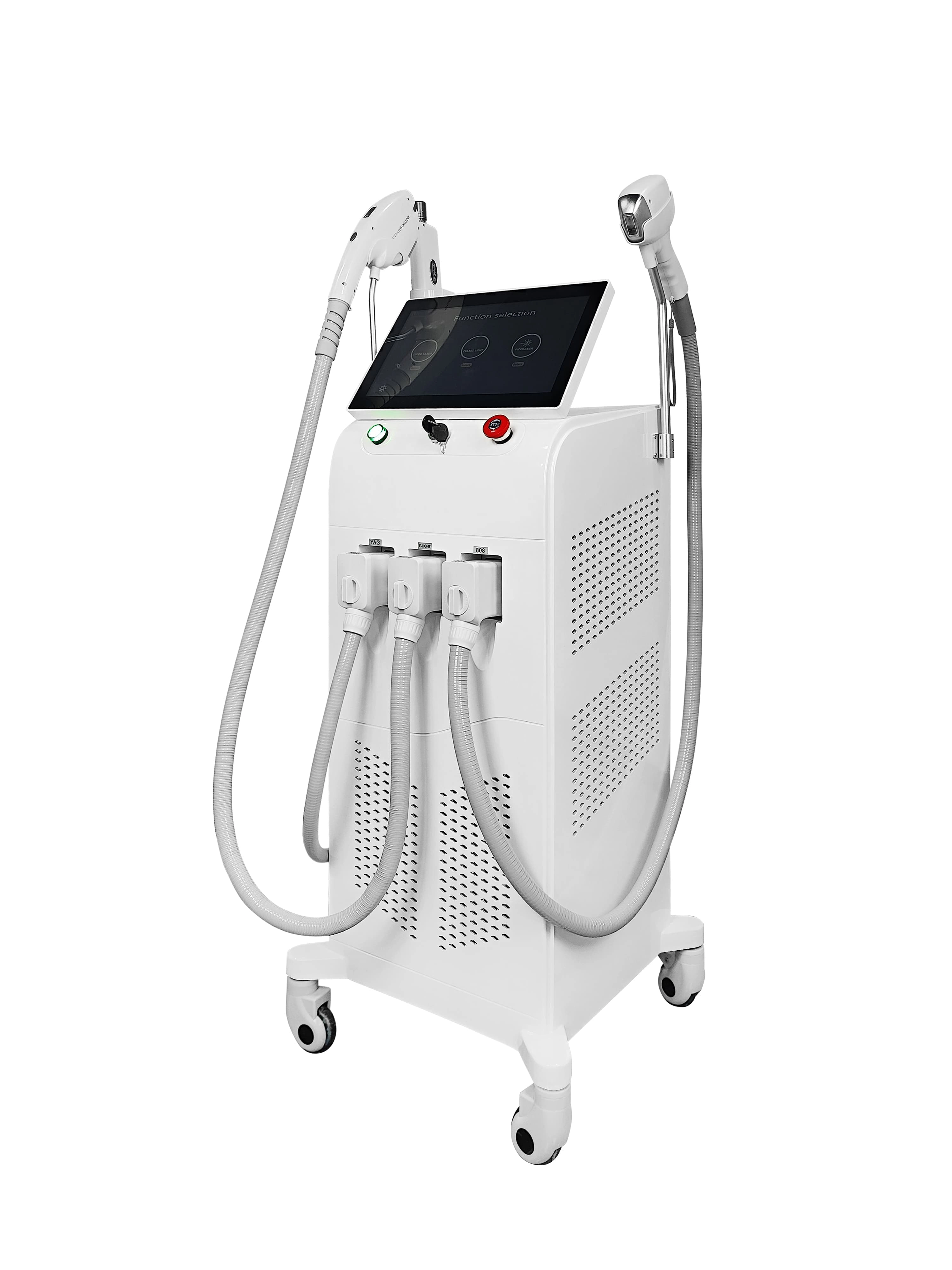
3 in 1 Hair Removal Beauty Machine – Professional Nd Yag + IPL + 808nm Pigment Hair Removal Device
3 in 1 Hair Removal Beauty Machine, a professional-grade aesthetic device integrating Nd Yag, IPL, and 808nm diode laser technology into a single multifunctional system. Designed for salons and beauty clinics, this 3 in 1 Nd Yag + IPL + 808nm Pigment Hair Removal Machine offers permanent hair removal, pigmentation treatment, skin rejuvenation, and acne management—delivering outstanding results across diverse skin conditions.
Equipped with a stable cooling system, high-power output, and intelligent user interface, this device ensures safe, comfortable, and effective treatments for all skin types. Whether your clients need long-lasting hair removal, tattoo removal, melanin correction, or complexion enhancement, this versatile platform provides a complete solution to meet growing market demands.
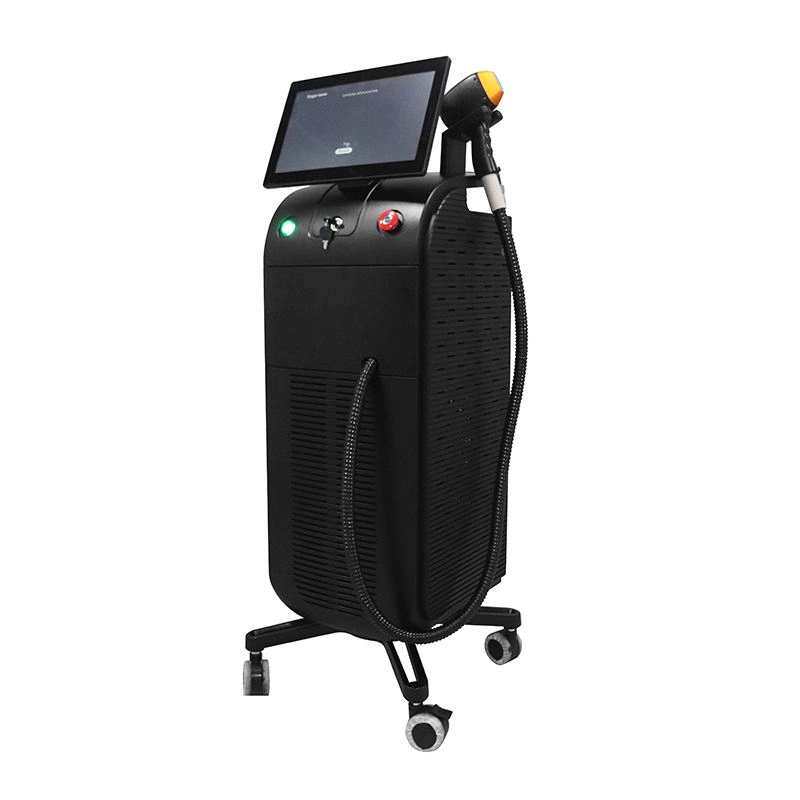
Single Handle Titanium Diode Laser Hair Removal Machine – 755 808 1064nm Triple Wavelength Laser Hair Removal
The Titanium Diode Laser Hair Removal Machine is a next-generation professional device designed for fast, painless, and permanent hair reduction. Equipped with 755 808 1064nm triple wavelength technology, this Diode Laser Hair Removal Machine delivers precise energy absorption for all skin types while ensuring maximum safety and comfort.
Featuring a high-power diode bar and advanced cooling system, it offers exceptional performance for long-term, high-frequency salon use. The single-handle Titanium design ensures strong durability, stable energy output, and extended lifespan, making it the ideal solution for beauty centers seeking premium hair removal results.
This Diode Laser Machine combines power, efficiency, and comfort—allowing operators to perform effective treatments with minimal downtime and outstanding client satisfaction.
Get more information
If you have any comments or good suggestions, please leave us a message; later our professional staff will contact you as soon as possible.
Let's Talk
Stay in touch with us for cutting-edge beauty solutions, professional guidance, and customized service.
Contact


Room 307, Building A, Huilong International E-commerce Industrial Park, No. 10 Xipengling Road, Helong Street, Baiyun District, Guangzhou, China
© 2025 HUIMAIN. All Rights Reserved. Privacy Policy | Terms and Conditions | Sitemap
Facebook
Instagram
Medical beauty equipment factory
huimain Medical beauty equipment factory
beauty machine supplier
Whatsapp: +8619124004543