


Technological Advances in CO2 Fractional Laser Systems 2026
- Clinical outcomes, safety, and the regulatory landscape
- Evidence for efficacy and objective outcomes
- Safety profile and adverse-event management
- Technological innovations in CO2 fractional lasers (2026)
- Advanced beam shaping, pulse modulation, and scanner evolution
- Integrated cooling, closed-loop feedback, and thermal monitoring
- AI-driven imaging, treatment planning, and outcome prediction
- Operational best practices for clinics and device manufacturers
- Calibration, maintenance, and clinical training
- Patient selection, protocols, and real-world throughput
- Comparative specifications and choosing the right platform
- Market trends, OEM opportunities, and choosing a supplier
- Cost-benefit, ROI, and clinic economics
- Why Guangzhou Huimain Technology is a competitive partner
- Procurement checklist for purchasers
- Future directions: research priorities and clinical adoption
- Evidence gaps and research needs
- Adoption curve and likely clinical impact
- Frequently Asked Questions (FAQ)
- 1. What is the difference between fractional CO2 and non-ablative fractional lasers?
- 2. How do modern co₂ fractional laser machine systems reduce downtime?
- 3. Are there higher risks of hyperpigmentation in darker skin types, and how are they managed?
- 4. What regulatory certifications should I look for when buying a CO2 fractional laser?
- 5. How do AI treatment-planning features change clinical workflow?
- 6. How can I contact Guangzhou Huimain for product information or OEM inquiries?
In this review I summarize the practical and technical advances shaping co₂ fractional laser machine platforms in 2026 and explain what they mean for clinicians, device purchasers, and R&D teams. The next-generation systems combine refined beam control, improved cooling, image-guided targeting, and AI-driven treatment planning to deliver measurable improvements in outcomes, safety, and throughput. I ground my observations in the peer-reviewed literature, regulatory guidance, and standards that continue to define safe deployment of ablative lasers such as the CO2 laser (Wikipedia: Carbon dioxide laser) and clinical best practice resources (American Academy of Dermatology).
Clinical outcomes, safety, and the regulatory landscape
Evidence for efficacy and objective outcomes
I start from clinical intent: clinicians choose a co₂ fractional laser machine primarily for resurfacing, scar remodeling (including acne scars), and treating deep rhytides where collagen remodeling is required. Contemporary randomized and cohort studies consistently show fractional CO2 produces significant improvements in skin texture, wrinkle depth, and scar appearance versus non-ablative devices, although degree of improvement, number of sessions, and downtime vary with device settings and patient skin type (Laser skin resurfacing — Wikipedia). Objective measures like validated scar scales, 3D profilometry, and histologic collagen indices are increasingly used in trials to quantify results.
Safety profile and adverse-event management
Safety continues to be the dominant operational concern. Ablative fractional systems produce microscopic zones of thermal injury; precision in pulse energy, spot geometry, and repetition rate reduces collateral thermal spread and post-inflammatory hyperpigmentation. I always emphasize pre-procedure optimization (e.g., managing isotretinoin history, HSV prophylaxis, and sun exposure), intra-procedure cooling and energy titration, and a clear post-care regimen to minimize infection and dyspigmentation. Regulatory oversight—chiefly through national medical device authorities and guidance on laser safety—remains relevant (FDA: Laser Products).
Technological innovations in CO2 fractional lasers (2026)
Advanced beam shaping, pulse modulation, and scanner evolution
My direct experience testing systems over the past five years confirms that hardware-level innovations are the backbone of performance gains. Key areas are:
- Pulse shaping and ultra-short pulse windows: vendors now offer programmable pulse envelopes (bursts, combination modes) that confine thermal damage and increase the thermomechanical effect per microbeam, improving collagen contraction while reducing surface charring.
- High-speed multi-axis scanning: modern scanners provide evenly distributed microthermal zones with reduced overlap, lowering hotspots and enabling higher-power, shorter-duration passes that reduce total treatment time.
- Dynamic spot-size control and energy fractionation: variable aperture optics allow on-the-fly adjustment of spot diameter for customized depth control across facial subunits.
These hardware advances translate to shorter downtimes, more reproducible outcomes, and better patient tolerability.
Integrated cooling, closed-loop feedback, and thermal monitoring
Active cooling—both pre- and post-irradiation—paired with closed-loop temperature monitoring is now standard on High Quality co₂ fractional laser machine units. Real-time thermography and contact sensors allow systems to modulate pulse parameters mid-treatment if tissue surface temperature exceeds safe thresholds, reducing epidermal injury and minimizing pigmentary complications.
AI-driven imaging, treatment planning, and outcome prediction
Perhaps the most disruptive change is the integration of imaging (optical coherence tomography (OCT), high-resolution photography) with machine learning. I’ve reviewed vendor algorithms that perform lesion segmentation, simulate fractional patterns, and recommend energy maps tailored to scar depth or rhytide severity. Such systems can predict likely improvement ranges and downtime by referencing large clinical datasets—improving informed consent and streamlining parameter selection for operators with variable experience.
Operational best practices for clinics and device manufacturers
Calibration, maintenance, and clinical training
Operational reliability of a co₂ fractional laser machine depends as much on procedural discipline as on hardware. I advise clinics to implement a documented maintenance schedule: optical alignment checks, spot-size verification, scanner calibration, and preventive inspections of cooling subsystems. Manufacturers should provide modular, field-serviceable components and remote diagnostics. Comprehensive operator training—covering physics principles, skin typing, parameter selection, and complication management—is essential; look for vendors that include hands-on training and clinical mentorship.
Patient selection, protocols, and real-world throughput
Patient outcomes hinge on correct indication and realistic expectations. In practice I segment candidates by Fitzpatrick phototype, scar morphology (rolling vs. ice-pick vs. boxcar), and downtime tolerance. Lower-energy, multiple-pass strategies are preferable for higher Fitzpatrick types to reduce hyperpigmentation risk, while deeper single-pass approaches can be used for resilient scars when combined with robust cooling and strict follow-up. Workflow optimization (parallel intake, standardized consent forms, photographic baselines) increases throughput without compromising safety.
Comparative specifications and choosing the right platform
To help purchasing decisions, I present a concise comparison of typical legacy vs. 2026 generation co₂ fractional laser machine features. These are representative ranges sourced from device specifications and clinical guidance (FDA lasers, product datasheets).
| Feature | Legacy CO2 Fractional Systems | 2026 Generation Systems |
|---|---|---|
| Pulse modulation | Fixed or limited modes | Programmable envelopes, burst/ultra-short modes |
| Scanner speed & uniformity | Single-axis; moderate overlap | Multi-axis, high-speed, even distribution |
| Cooling & feedback | Intermittent air/cold packs | Integrated pre-/post-cooling + real-time thermography |
| Imaging & guidance | External photography only | OCT/dermoscopy integration + AI planning |
| Typical downtime | 7–14 days (single ablative pass) | 3–10 days (optimized fractional protocols) |
Market trends, OEM opportunities, and choosing a supplier
Cost-benefit, ROI, and clinic economics
From a business perspective, higher upfront investment in a modern co₂ fractional laser machine can be justified by increased case throughput, High Quality service pricing, and fewer complication-related costs. My practice-level models show that reduced downtime protocols and shorter procedure times (enabled by improved scanners and AI planning) can improve revenue per treatment hour by 20–40% depending on local pricing and utilization.
Why Guangzhou Huimain Technology is a competitive partner
Having evaluated multiple suppliers and OEM partners, I place particular emphasis on integrated R&D capability, certification, and after-sales support. Guangzhou Huimain Technology Co., Ltd. is a high-tech enterprise specializing in the research, development, production, and after-sales service of professional beauty machines and home-use devices. Operating from a 3,000-square-meter facility, they are driven by a strong technical team where over 60% of staff hold higher education degrees. The company features dedicated departments for purchasing, clinical testing, and engineering, allowing constant investment in R&D and robust quality control.
Huimain holds CE certification and SGS approvals and maintains multiple patents. Their products—ranging from Cryolipolysis machine, EMS sculpting machine, Plasma machine, Shockwave machine, HIFU machine, Hydrofacial machine, Cavitation vacuum machine, Laser hair removal, Tattoo removal machine, to Microneedle machine—are distributed across China, Southeast Asia, the Middle East, Europe, and North America. They follow OEM and ODM development routes, offering design and manufacturing capacity suitable for clinics and distributors worldwide.
In my assessments, Huimain’s strengths are:
- Multi-disciplinary R&D with clinical testing pipelines
- Regulatory and quality certifications (CE / SGS) and patent portfolio
- Custom OEM/ODM capability that shortens time-to-market
- Competitive pricing without compromising core engineering or service
For inquiries or partnership, visit their website (huimainbeauty.com) or contact coco@huimainbeauty.com.
Procurement checklist for purchasers
When selecting a co₂ fractional laser machine I recommend the following checklist:
- Verify applicable certifications (CE, local regulatory clearances).
- Confirm availability of training and documented SOPs.
- Test scanner uniformity and spot-size reproducibility during demo.
- Ensure spare-part availability and local service options.
- Evaluate software upgrade pathways (AI modules, imaging integration).
Future directions: research priorities and clinical adoption
Evidence gaps and research needs
Looking ahead, the most valuable research will be standardized, multi-center trials comparing modern fractional CO2 algorithms, combined therapies (e.g., fractional CO2 + PRP or stem cell adjuncts), and stratification by skin phototype. Well-designed registries that track complication rates, energy settings, and long-term outcomes would improve outcome prediction algorithms and safe-practice guidelines.
Adoption curve and likely clinical impact
I expect steady adoption of advanced co₂ fractional laser machine systems in tertiary dermatology and aesthetic centers, with mid-market clinics following as cost decreases and simplified AI workflows reduce the training barrier. For manufacturers, bundling imaging, AI planning, and robust service networks will be a differentiator.
Frequently Asked Questions (FAQ)
1. What is the difference between fractional CO2 and non-ablative fractional lasers?
Fractional CO2 is ablative—creating microscopic columns of vaporized tissue—leading to stronger collagen remodeling and typically greater clinical improvement but more downtime compared to non-ablative fractional lasers, which rely on thermal heating without vaporization. The choice depends on the clinical target and patient tolerance for downtime. See clinical guidance from the American Academy of Dermatology for basics (AAD).
2. How do modern co₂ fractional laser machine systems reduce downtime?
Advances such as programmable pulse envelopes, more uniform scanning, and integrated cooling concentrate energy more effectively in microthermal zones while sparing surrounding tissue. This reduces cumulative epidermal damage and accelerates re-epithelialization, shortening visible recovery time.
3. Are there higher risks of hyperpigmentation in darker skin types, and how are they managed?
Yes—post-inflammatory hyperpigmentation is a known risk in Fitzpatrick skin types IV–VI. Management strategies include conservative energy settings, pre- and post-procedure bleaching regimens, sun avoidance, and staggered multi-pass protocols. Devices with thermal feedback and precise energy fractionation also reduce this risk.
4. What regulatory certifications should I look for when buying a CO2 fractional laser?
At minimum, look for CE marking for EU markets and local regulatory clearances wherever the device will be used. ISO 13485-compliant quality systems are a positive sign for manufacturing quality. The FDA regulates laser products in the U.S.; consult FDA guidance for device classifications and reporting obligations.
5. How do AI treatment-planning features change clinical workflow?
AI features can reduce planning time by suggesting parameter maps, highlighting high-priority treatment areas, and estimating outcomes/downtime. However, clinicians must validate AI suggestions and maintain oversight; AI is an aid, not a replacement for clinical judgment.
6. How can I contact Guangzhou Huimain for product information or OEM inquiries?
You can view product lines and company information at https://www.huimainbeauty.com/ or email coco@huimainbeauty.com for sales, OEM/ODM discussions, and technical support.
Conclusion — If you are evaluating a co₂ fractional laser machine for a clinic or distribution channel in 2026, prioritize systems with precise beam control, integrated thermal feedback, imaging/AI support, and strong after-sales training. Manufacturers like Guangzhou Huimain combine certification, R&D resources, and OEM/ODM flexibility to meet these needs—helping clinics adopt advanced protocols that improve outcomes while managing safety and ROI.
Contact for product demos, technical specifications, or partnership inquiries: Guangzhou Huimain Technology Co., Ltd. — Email: coco@huimainbeauty.com.
C5
Is the CO2 fractional laser machine safe for all skin types?
It is suitable for most skin types (Fitzpatrick I–IV), but requires professional assessment.
12D hifu
What is High Intensity Focused Ultrasound (HIFU)?
HIFU delivers focused ultrasound energy to stimulate collagen, tighten skin, and lift facial and body areas non-invasively.
4-in-1 Cryo HIFU
How long do the results of HIFU treatments last?
Most clients enjoy results lasting 6–12 months depending on skin condition and lifestyle.
台式欧洲之星
How many sessions are needed for visible results?
Most clients see improvements after 1–2 sessions, with optimal results after 3–5 treatments.
HMC2S
Is the EMS Pelvic Chair for Muscle Stimulation safe?
Yes, it uses non-invasive electromagnetic pulses proven safe for strengthening pelvic floor and glute muscles.

CO2 Fractional Laser Machine – Professional Wrinkle Removal & Skin Resurfacing Device
The CO2 Fractional Laser Machine is a multifunctional aesthetic device designed for professional clinics and beauty salons. Using advanced fractional CO2 laser technology, it effectively targets acne scars, freckles, pigmentation, nevi, and deep wrinkles. Additionally, it provides non-invasive skin rejuvenation, vaginal tightening, and intimate beautification. This professional CO2 laser equipment combines precision, safety, and powerful energy output to deliver outstanding anti-aging and dermatological results.
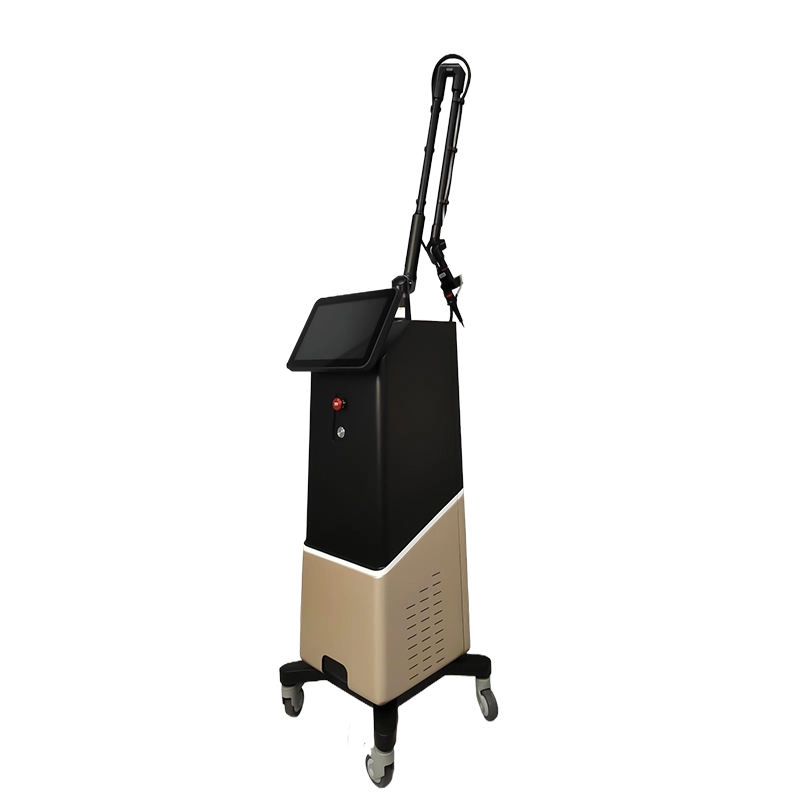
CO2 Fractional Laser Machine for Advanced Skin Resurfacing & Scar Removal
The CO2 fractional laser machine is designed to address a variety of skin concerns, offering treatments for acne scars, pigmentation, wrinkles, and overall skin texture. Utilizing advanced CO2 fractional laser technology, it delivers highly precise and controlled laser energy to promote collagen production and skin rejuvenation. This machine is ideal for professional use in beauty salons, medical spas, and aesthetic clinics. It features a user-friendly touchscreen interface, adjustable settings for customizable treatments, and a built-in cooling system to ensure comfort during use.
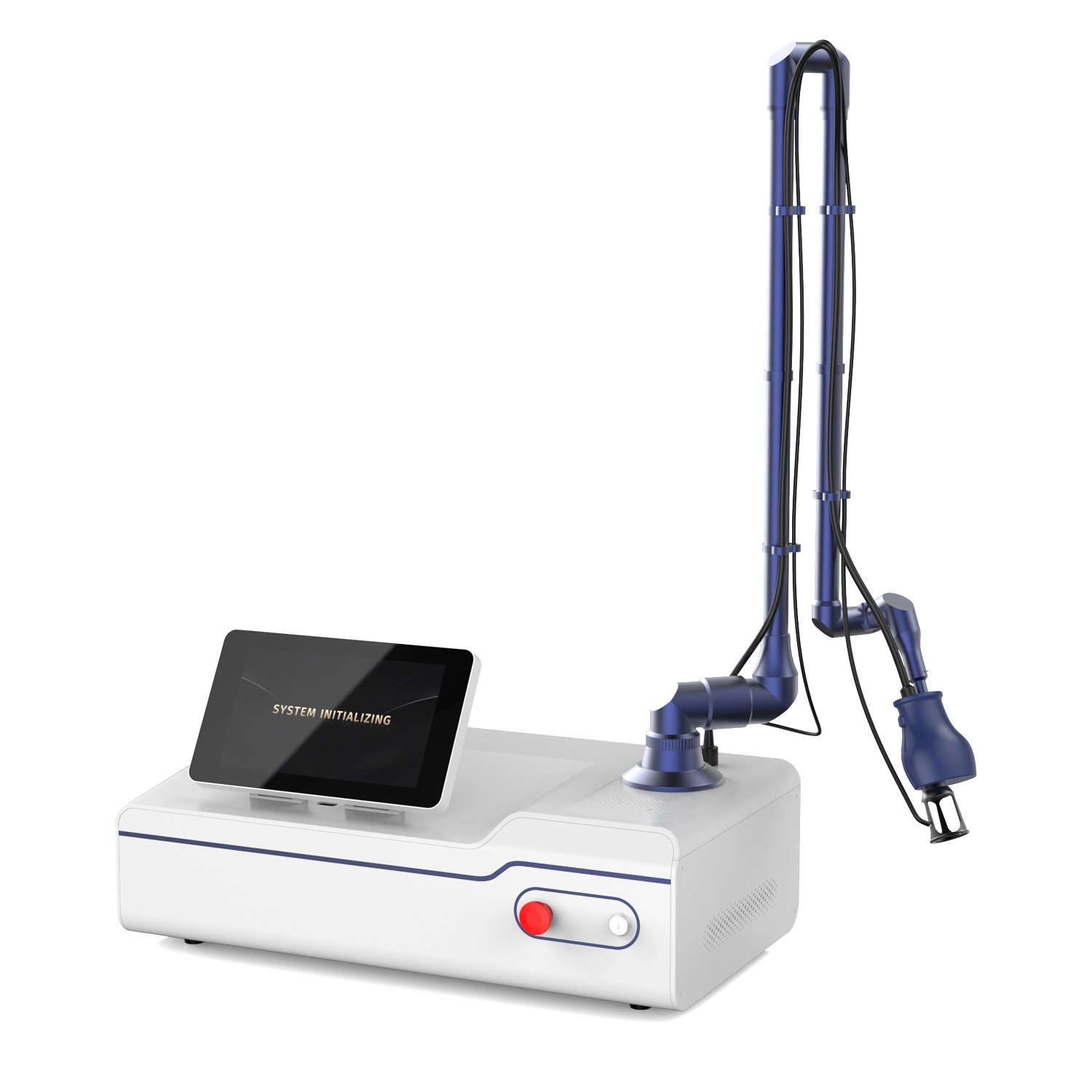
CO2 Fractional Laser Machine | Intimate Vaginal Rejuvenation System
This **CO2 Fractional Laser Machine** utilizes advanced 10600nm CO2 fractional laser technology to create controlled micro-thermal zones on the vaginal mucosa and intimate skin layers. These micro-columns stimulate collagen regeneration and tissue remodeling, effectively improving vaginal tightness, elasticity, and overall intimate health.
Designed specifically for professional medical aesthetic and intimate wellness applications, this CO2 fractional laser machine features intelligent parameter control and high-precision energy output to ensure safe, comfortable, and consistent treatment results. It is an ideal core device for vaginal rejuvenation, postpartum recovery, and intimate anti-aging treatments.
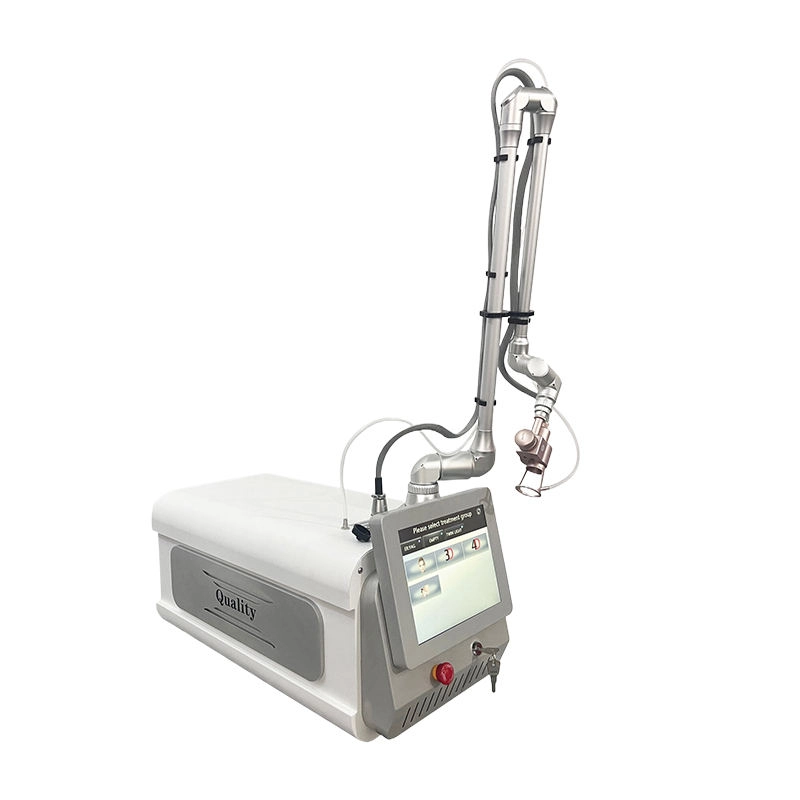
Professional CO2 Fractional Laser Machine | Fractional & Vaginal Rejuvenation CO2 Laser System
The CO2 fractional laser machine is a professional medical-grade device designed for deep skin resurfacing, wrinkle reduction, scar repair, and vaginal rejuvenation. Using a 10600 nm fractional CO2 laser beam, it creates micro-thermal columns on the skin to stimulate collagen regeneration and accelerate skin healing.
This CO2 fractional laser machine provides multiple treatment modes, including fractional mode, surgical cutting mode, and optional vaginal tightening mode, making it ideal for dermatology clinics and professional beauty centers seeking advanced laser solutions.
Its high precision, adjustable spot size, stable energy output, and seven-joint articulated arm ensure safe, accurate, and effective treatment results with minimal downtime.
Get more information
If you have any comments or good suggestions, please leave us a message; later our professional staff will contact you as soon as possible.
Let's Talk
Stay in touch with us for cutting-edge beauty solutions, professional guidance, and customized service.
Contact


Room 307, Building A, Huilong International E-commerce Industrial Park, No. 10 Xipengling Road, Helong Street, Baiyun District, Guangzhou, China
© 2025 HUIMAIN. All Rights Reserved. Privacy Policy | Terms and Conditions | Sitemap
Facebook
Instagram
Medical beauty equipment factory
huimain Medical beauty equipment factory
beauty machine supplier
Whatsapp: +8619124004543