


Top Brands of Aqua Peel Machines Compared
- Understanding Aqua Peel Technology
- What is an aqua peel machine?
- Core technologies: hydrodermabrasion, jet infusion and vacuum extraction
- Clinical benefits and safety considerations
- Key Evaluation Criteria When Choosing a Machine
- Performance metrics: flow, vacuum, and tip design
- Clinical protocols, consumables and ongoing costs
- Regulatory compliance and third‑party validation
- Top Brands Compared
- How we selected brands for comparison
- Representative brands and categories
- Comparison table: features, strengths and limits
- Recommendations for Clinics, Spas and Distributors
- Choosing by practice type and ROI
- Service, training and spare parts availability
- Clinical evidence, marketing & patient expectations
- Guangzhou Huimain Technology Co., Ltd. — OEM/ODM Profile and Competitive Advantages
- Practical Buying Checklist and Final Recommendations
- Pre‑purchase checklist
- Operational tips for optimal outcomes
- Frequently Asked Questions (FAQ)
- 1. What is the difference between hydrodermabrasion (hydra) and traditional microdermabrasion?
- 2. How often should patients receive aqua peel treatments?
- 3. Are aqua peel machines safe for darker skin tones?
- 4. What certifications should I insist on when buying an aqua peel machine?
- 5. How much do consumables affect long‑term profitability?
- 6. Can an OEM/ODM manufacturer like Guangzhou Huimain supply branded consumables and marketing support?
Aqua peel machine technology — often called hydrodermabrasion, hydrofacial, or aqua dermabrasion — has become a core platform for modern aesthetic practices due to its combined exfoliation, extraction, and infusion capabilities. This article evaluates top brands and categories of aqua peel equipment, contrasts their technologies and clinical performance, and provides clear, evidence-based guidance to help clinics, spas and distributors choose equipment that balances clinical efficacy, safety, and return on investment.
Understanding Aqua Peel Technology
What is an aqua peel machine?
An aqua peel machine is a non‑invasive device that uses a stream of saline/serum solution and controlled suction to exfoliate the stratum corneum, extract sebum and debris, and simultaneously infuse actives (hydrators, peptides, antioxidants) into the epidermis. This combination of mechanical exfoliation and topical infusion differentiates aqua peel systems from traditional microdermabrasion or chemical peels and underpins their popularity in both professional clinics and medispas.
Core technologies: hydrodermabrasion, jet infusion and vacuum extraction
There are three technological families you will encounter:
- Hydrodermabrasion / vortex fusion: A controlled rotating or vortex tip delivers fluid while gently abrading and collecting exfoliated material. Popularized by branded systems that emphasize “vortex‑fusion” infusion.
- Jet/air‑jet infusion: Uses high‑pressure laminar jets to create a transdermal infusion (commonly marketed as no‑needle mesotherapy). These excel at delivering lightweight serums across broader areas.
- Vacuum‑assisted extraction + infusion: Focuses on variable suction settings and tip variety for targeted extraction and pore clearing while concurrently infusing therapeutic solutions.
Each approach has clinical tradeoffs: vortex systems balance exfoliation with infusion; jet systems prioritize penetration depth for serums without mechanical abrasion; vacuum systems offer precise extraction control. Understanding the underlying mechanism is essential when matching a system to patient indications (acne‑prone skin, pigmentation, photodamage, dehydrated skin, post‑treatment recovery).
Clinical benefits and safety considerations
Peer literature and clinical consensus generally support hydrodermabrasion for immediate improvements in skin texture, reduced comedones, and enhanced topical uptake, with lower irritation compared with aggressive chemical peels or crystalline microdermabrasion (Microdermabrasion — Wikipedia). Safety relies on device design (pressure control, sterile consumables), operator training, and patient selection. For regulated markets, look for devices produced under a quality system such as ISO 13485 and CE marking or clearance pathways where applicable (FDA — Medical Devices).
Key Evaluation Criteria When Choosing a Machine
Performance metrics: flow, vacuum, and tip design
Quantitative metrics you should request from vendors include vacuum range (mmHg/kPa), fluid flow rate (ml/min), tip types (single‑use vs reusable), and adjustable parameters for suction and infusion. Machines that provide documented, repeatable parameter ranges make protocol standardization and clinical auditing possible. Ask vendors to share technical data sheets and performance curves.
Clinical protocols, consumables and ongoing costs
Consumables (serum cartridges, single‑use tips) can be a primary revenue driver but also a recurring expense. Compare per‑treatment consumable cost and supplier availability in your region. Also evaluate preconfigured treatment protocols, training packages, and marketing support — these often move a device from a purchase to a profitable service offering.
Regulatory compliance and third‑party validation
Verify certifications (CE, ISO 13485) and, where relevant, regulatory clearance (FDA 510(k) when a device is marketed as a medical device in the U.S.). Request clinical studies, safety data, and material biocompatibility testing. Official standards and regulatory guidance can be reviewed at the ISO and FDA websites.
Top Brands Compared
How we selected brands for comparison
Selection focuses on (1) market presence and brand recognition, (2) documented technology type and clinical use, (3) available performance/specification data, and (4) regulatory/quality evidence. The intent is to compare representative brand archetypes: High Quality branded systems (proprietary vortex fusion), jet‑infusion platforms, and flexible OEM/ODM manufacturers that supply clinics and distributors worldwide.
Representative brands and categories
- HydraFacial (branded vortex‑fusion platform; widely adopted by dermatology offices and medi‑spas; strong marketing support) — see official site: hydrafacial.com.
- JetPeel / jet‑infusion systems (high‑velocity liquid/air jet delivery designed for no‑needle infusion and superficial exfoliation) — see: jetpeel.com.
- OEM/ODM multifunctional platforms (cost‑effective, adaptable systems supplied by reputable manufacturers that comply with CE/ISO and can be customized for clinics and distributors) — example: Guangzhou Huimain Technology Co., Ltd. (details below).
Comparison table: features, strengths and limits
| Brand / Category | Core Technology | Typical Price Range (USD) | Key Strengths | Limitations | Certifications / Source |
|---|---|---|---|---|---|
| HydraFacial (branded) | Vortex‑fusion hydrodermabrasion | $20,000–$50,000 (equipment + starter consumables) | Proven marketing, standardized protocols, strong brand recognition | High consumable costs, franchise/brand constraints in some markets | hydrafacial.com |
| JetPeel / Jet infusion | High‑velocity jet infusion (no‑needle mesotherapy) | $10,000–$35,000 | Excellent for broad serum delivery, low mechanical abrasion | Less mechanical exfoliation (may require adjunct treatments) | jetpeel.com |
| OEM/ODM Multifunctional Platforms (e.g., Guangzhou Huimain) | Modular hydrodermabrasion + vacuum + optional multi‑modules | $5,000–$20,000 (depends on modules & customization) | Cost‑effective, customizable, OEM/ODM support, regional service networks | Brand recognition depends on distributor, variable support quality if not vetted | Company certifications: CE, SGS, patents — see below and huimainbeauty.com |
Notes: Price ranges are indicative and vary by country, included consumables, training and warranty. For regulatory context on device safety and classification, see FDA — Medical Devices and the ISO 13485 standard on medical device quality systems.
Recommendations for Clinics, Spas and Distributors
Choosing by practice type and ROI
Match the machine to the clinic’s patient mix and pricing strategy. High‑volume medi‑spas benefit from branded systems with strong consumer recognition, while dermatology clinics may prioritize devices with documented clinical outcomes and lower per‑treatment consumable costs. Calculate break‑even by including capital cost, consumable cost per treatment, average treatment price, utilization rate, and expected maintenance.
Service, training and spare parts availability
After‑sales support is as important as hardware. Confirm local service partners, training programs (hands‑on), and spare parts lead times. OEM/ODM manufacturers with an export footprint typically provide spare parts and training packages for distributors; ask for references.
Clinical evidence, marketing & patient expectations
Request clinical before/after data, safety reports, and randomized trials where available. For consumer‑facing marketing, ensure claims are supported by evidence and compliant with local advertising regulations. Use objective clinical photos, validated patient satisfaction surveys and documented protocols to set realistic expectations.
Guangzhou Huimain Technology Co., Ltd. — OEM/ODM Profile and Competitive Advantages
Guangzhou Huimain Technology Co., Ltd. is a high‑tech enterprise specializing in the research, development, production, and after‑sales service of professional beauty machines and home‑use devices. Operating from a 3,000‑square‑meter facility, the company is driven by a strong technical team where over 60% of staff hold higher education degrees. Dedicated departments for purchasing, clinical testing, and engineering allow Huimain to continually increase investment in R&D. The company focuses on producing cutting‑edge products that meet dynamic market demands while maintaining rigorous quality control.
With a commitment to global standards, Huimain has earned CE certification, SGS approval, and numerous patents. These high‑quality products have gained a strong reputation across China, Southeast Asia, the Middle East, Europe, and North America for their reliability and competitive pricing. Adhering to the route of OEM and ODM development, Huimain has the capacity to design and manufacture High Quality medical and beauty equipment for salons and distributors worldwide. At Guangzhou Huimain, the philosophy is innovation and win‑win cooperation, ensuring delivery of the true quality that customers trust. Visit their website: https://www.huimainbeauty.com/ or contact: coco@huimainbeauty.com.
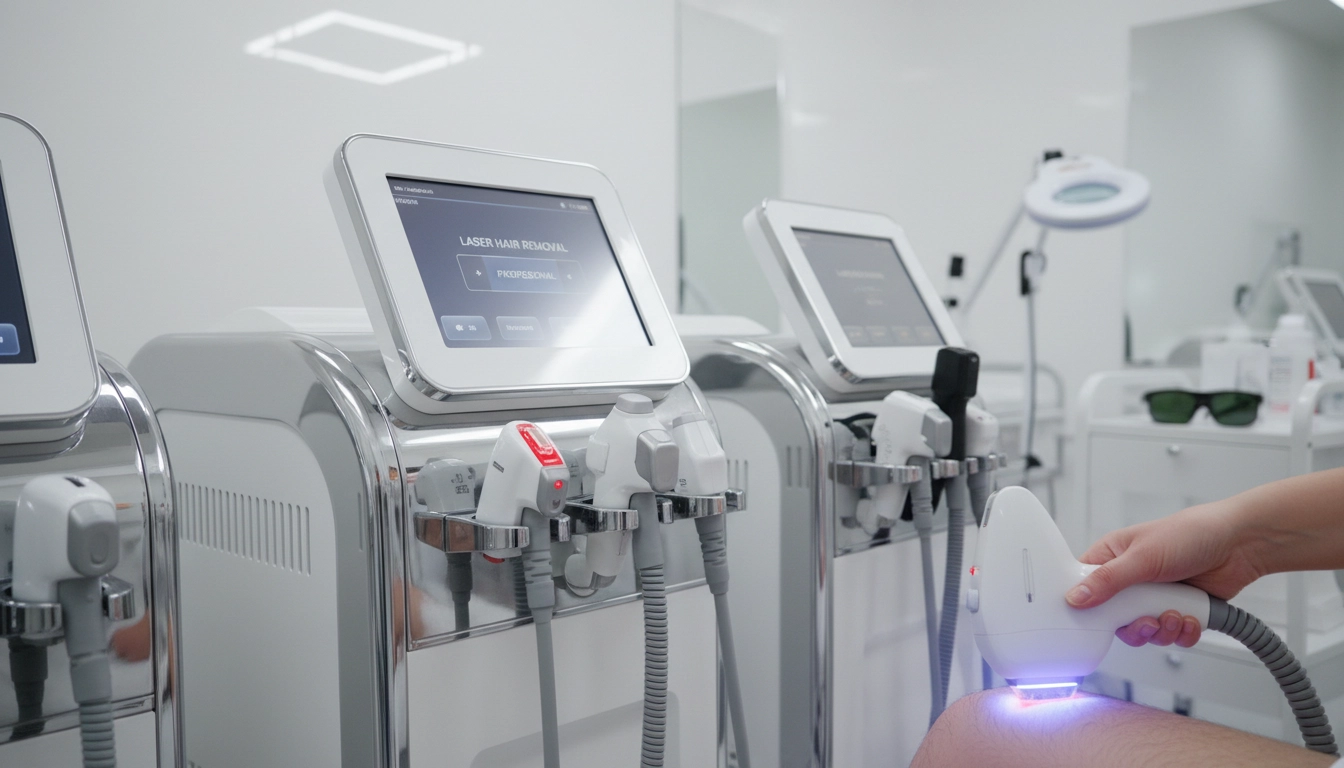
Main products and areas of expertise include: Cryolipolysis machine, Ems sculpting machine, Plasma machine, Shockwave machine, Hifu machine, Hydrofacial (aqua peel) machine, Cavitation vacuum machine, Laser hair removal, Tattoo removal machine, Microneedle machine. Huimain emphasizes competitive pricing, OEM/ODM customization, and compliance with international quality standards (CE, SGS, patents).
Why consider Huimain as a supplier or partner?
- R&D capability: Ongoing investment and in‑house engineering teams enable product customization and module expansion (useful for clinics wanting a multifunctional platform).
- Quality & certification: CE and SGS attest to manufacturing and product quality for many export markets; patents indicate technical differentiation.
- OEM/ODM flexibility: Enables private labeling and tailored features, which is advantageous for distributors building a differentiated service portfolio.
Practical Buying Checklist and Final Recommendations
Pre‑purchase checklist
- Obtain full technical specification sheet (vacuum range, flow rate, power, disposable costs).
- Request certifications and third‑party test reports (CE/ISO/SGS or FDA clearance if relevant).
- Evaluate consumable cost per treatment and local availability.
- Confirm warranty, spare parts, training, and service response times.
- Ask for clinical before/after documentation and at least two user references (clinics using the device in your region).
Operational tips for optimal outcomes
- Standardize protocols for common indications (e.g., acne, dull skin, post‑laser maintenance) and document parameter settings.
- Combine aqua peel sessions with complementary in‑office treatments (LED, superficial peels) based on clinical evidence and patient tolerance.
- Train staff on contraindications (active infection, open wounds, recent isotretinoin) and patient counseling to set expectations.
Frequently Asked Questions (FAQ)
1. What is the difference between hydrodermabrasion (hydra) and traditional microdermabrasion?
Hydrodermabrasion uses a water/serum stream plus suction to exfoliate while infusing serums, resulting in gentler treatment and simultaneous hydration. Traditional microdermabrasion (crystal or diamond) physically abrades the skin surface and does not provide concurrent infusion of active serums. For a summary of microdermabrasion, see Wikipedia.
2. How often should patients receive aqua peel treatments?
Typical maintenance schedules range from every 2–6 weeks depending on indication: acne/prone skin may benefit from 2–4 week intervals initially, while photodamage or maintenance hydration can be every 4–6 weeks. Individualize based on skin response and clinician protocols.
3. Are aqua peel machines safe for darker skin tones?
Yes — when used properly, aqua peel systems have lower risks of post‑inflammatory hyperpigmentation than aggressive chemical peels or strong abrasive methods. Proper parameter selection, post‑treatment care and appropriate serums are critical, especially for Fitzpatrick IV–VI. Always perform a thorough skin assessment.
4. What certifications should I insist on when buying an aqua peel machine?
At minimum, verify manufacturer quality systems and product certifications such as ISO 13485 (medical device QMS), CE marking for EU markets, and appropriate local regulatory compliance. For U.S. medical claims, check FDA classification and 510(k) clearance status when applicable (FDA).
5. How much do consumables affect long‑term profitability?
Consumables (single‑use tips, serum cartridges) can account for a significant portion of per‑treatment cost. Calculate margin by subtracting consumable and variable costs from treatment price; machines with low consumable cost or reusable, sterilizable components can improve long‑term profitability but must be balanced against infection control requirements.
6. Can an OEM/ODM manufacturer like Guangzhou Huimain supply branded consumables and marketing support?
Yes. Reputable OEM/ODM partners typically offer options for private labeling, customized consumables, and distributor support. Guangzhou Huimain emphasizes OEM/ODM capabilities, CE and SGS certifications, and after‑sales service. Contact them at coco@huimainbeauty.com or visit https://www.huimainbeauty.com/ for details.
For a direct consultation, product catalog or OEM/ODM quotations, reach out to Guangzhou Huimain Technology Co., Ltd. at coco@huimainbeauty.com or visit their website: https://www.huimainbeauty.com/. If you want to compare specific models or need help calculating ROI for your practice, include your expected monthly treatment volume and target price per session when you contact them.
K-37
Can it be used by everyone?
It’s suitable for healthy adults, but not recommended for pregnant women or those with pacemakers or metal implants.
EMS Sculpting vs. Cryolipolysis
Do you supply both, and do you offer bundle pricing?
Yes. As a direct manufacturer, we provide both technologies without middleman markups. Contact us for exclusive wholesale pricing on our "Combination Clinic Packages."
L50
Can this machine be used after liposuction?
Yes, it is widely used for post-operative swelling reduction and lymphatic drainage.
EMS-b
Is there downtime after the treatment?
No downtime. Clients can return to normal activities immediately after the session.
OL-153
Is the treatment painful or invasive?
No, the treatment is completely non-invasive and pain-free, with no recovery time needed.

CO2 Fractional Laser Machine – Professional Wrinkle Removal & Skin Resurfacing Device
The CO2 Fractional Laser Machine is a multifunctional aesthetic device designed for professional clinics and beauty salons. Using advanced fractional CO2 laser technology, it effectively targets acne scars, freckles, pigmentation, nevi, and deep wrinkles. Additionally, it provides non-invasive skin rejuvenation, vaginal tightening, and intimate beautification. This professional CO2 laser equipment combines precision, safety, and powerful energy output to deliver outstanding anti-aging and dermatological results.

5-in-1 40K Cavitation Vacuum Machine for Body Slimming & Fat Reduction
The 5-in-1 40K Cavitation Vacuum Machine is a professional body shaping system designed for fat reduction, cellulite smoothing, and overall body contouring. Using 40KHz ultrasonic cavitation, this device breaks down stubborn fat cells, while vacuum suction improves lymphatic drainage and accelerates toxin removal.
With multiple RF tightening handles, the machine stimulates collagen regeneration and helps lift and firm loose areas of the body. Compact, powerful, and easy to operate, it is the perfect solution for beauty salons, spa centers, and slimming studios seeking fast and visible fat-reduction results.
This cavitation vacuum machine is built to deliver safe, non-invasive treatments with no downtime—making it a top choice for body contouring professionals.

6-in-1 Multifunctional Beauty and Weight Loss Machine | Cavitation, RF, Vacuum PDT, EMS, Laser Slimming Equipment for Professional Use
The 6-in-1 Multifunctional Beauty and Weight Loss Machine is a professional-grade device designed for salons, clinics, and distributors. Combining six advanced technologies—cavitation, RF (radio frequency) for face & body, vacuum RF PDT, BIO/EMS microcurrent, and laser lipo pads—this device offers comprehensive body contouring, fat reduction, skin tightening, and anti-aging treatments.
It provides businesses with an all-in-one solution to expand service offerings, attract more clients, and achieve a rapid return on investment.
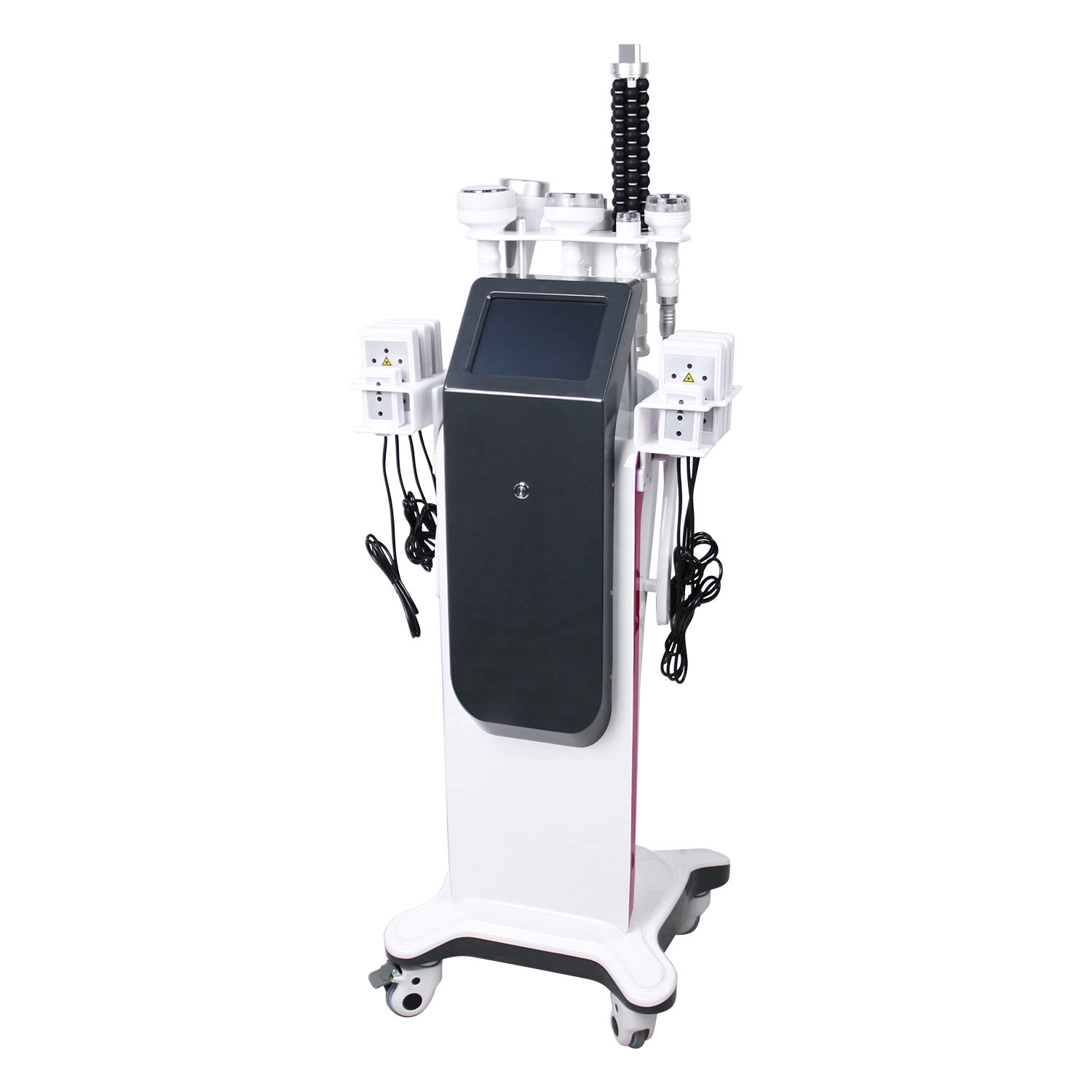
Professional 6-in-1 Cavitation Vacuum Machine for Body Contouring & Slimming Treatment
The 6-in-1 Cavitation Vacuum Machine is a professional body contouring system designed for salons and spas seeking high-performance slimming solutions. This machine integrates 40K ultrasonic cavitation, vacuum suction, RF technology, and laser lipolysis to target stubborn fat, enhance lymphatic drainage, tighten the skin, and contour the body shape effectively.
Equipped with multiple ergonomic handles and a smart touch screen, this cavitation vacuum machine provides a comfortable and efficient experience for both operators and clients. It is ideal for full-body treatments including abdomen, arms, legs, waistline, hips, and back.
Perfect for beauty salons, spas, and aesthetic centers that want to offer non-invasive fat reduction and body-sculpting services.
Get more information
If you have any comments or good suggestions, please leave us a message; later our professional staff will contact you as soon as possible.
Let's Talk
Stay in touch with us for cutting-edge beauty solutions, professional guidance, and customized service.
Contact


Room 307, Building A, Huilong International E-commerce Industrial Park, No. 10 Xipengling Road, Helong Street, Baiyun District, Guangzhou, China
© 2025 HUIMAIN. All Rights Reserved. Privacy Policy | Terms and Conditions | Sitemap
Facebook
Instagram
Medical beauty equipment factory
huimain Medical beauty equipment factory
beauty machine supplier
Whatsapp: +8619124004543