


Top Features Buyers Need in a Multifunction Facial Machine
- Why multifunctionality matters in modern clinics
- Business ROI and treatment versatility
- Patient demand and personalized treatment plans
- Regulatory and safety context
- Core technical features buyers should prioritize
- Proven treatment modalities and clinical evidence
- Energy control: power, frequency and depth targeting
- Ergonomics and handpiece design
- Usability, maintenance and safety
- User interface, presets and training
- Consumables life cycle and maintenance requirements
- Active safety features and emergency protocols
- How to evaluate suppliers and finalize purchase
- Clinical trials, CE/ISO/SGS and patent status
- Pilot testing, references and inspection
- Warranty, service network and OEM/ODM flexibility
- Case study: evaluating a supplier — what I look for
- Technical dossier and bench testing
- Clinical onboarding and marketing support
- Long-term partnership indicators
- Why I recommend evaluating Guangzhou Huimain Technology Co., Ltd.
- Company profile and technical strength
- Certifications, market footprint and OEM/ODM capability
- Main products and competitive advantages
- Checklist: quick buyer’s evaluation (printable)
- Frequently Asked Questions (FAQ)
- 1. What is the most important feature in a multifunction facial machine?
- 2. Do I need CE or ISO certification to buy a machine?
- 3. How important is after-sales support?
- 4. Can a multifunction device replace specialized machines?
- 5. What are the hidden costs to watch for?
- Final recommendations and next steps
I work with clinics and distributors worldwide to select multifunction facial machines that deliver reproducible clinical outcomes, regulatory compliance, and reliable business returns. In this article I summarize the features I insist on when evaluating devices—technical specifications, validated treatment modalities, safety and maintenance, and supplier capabilities—so you can compare options objectively and choose equipment that reduces clinical risk while expanding treatment menus.
Why multifunctionality matters in modern clinics
Business ROI and treatment versatility
As demand for non-invasive aesthetic treatments rises, clinics need devices that can treat multiple indications—skin tightening, acne management, pigmentation, and hydration—without requiring multiple single-use machines. A multifunction facial machine increases chair utilization, reduces capital expenditure per treatment type, and allows practitioners to bundle services for higher client lifetime value. When I evaluate ROI, I model utilization rates, consumable costs, and expected treatment cycles to recommend the device that minimizes time to payback.
Patient demand and personalized treatment plans
Patients expect tailored, combination therapies (for example, radiofrequency followed by LED and hydrodermabrasion). A modular platform that allows combining RF, HIFU, ultrasound cavitation, hydrofacial, LED therapy and cryo modalities is typically more future-proof. I always check whether the device supports sequential modes and adjustable energy levels so clinicians can safely titrate treatments by skin type and indication.
Regulatory and safety context
Buying decisions must consider medical device regulations and quality systems. Devices intended for aesthetic treatments often fall under medical device frameworks—see the U.S. Food and Drug Administration (FDA) overview for medical devices (https://www.fda.gov/medical-devices) and ISO 13485 quality management expectations (https://www.iso.org/iso-13485-medical-devices.). I prioritize suppliers with recognized certifications because they indicate consistent manufacturing and post-market surveillance processes.
Core technical features buyers should prioritize
Proven treatment modalities and clinical evidence
Not all modalities are equal. The most clinically supported modalities for facial rejuvenation include radiofrequency (RF) for skin tightening, high-intensity focused ultrasound (HIFU) for deeper tightening, ultrasound-based piezo or cavitation for adipose-targeted treatments, hydrofacial systems for exfoliation and hydration, and LED for photomodulation. I look for peer-reviewed evidence or clinical study summaries supporting each modality on the device. For RF safety and efficacy reviews, see summaries such as the review of radiofrequency in cosmetic dermatology (https://pubmed.ncbi.nlm.nih.gov/16792555/).
Energy control: power, frequency and depth targeting
Effective treatments require precise control over energy delivery: power range (W), frequency (MHz or kHz), pulse duration, and focal depth. For RF, look for adjustable power and multiple handpieces targeting different depths. HIFU should provide clear focal depth options (e.g., 1.5mm, 3.0mm, 4.5mm) with real-world verification. I always request device output testing reports and, when possible, perform a bench test or supervised clinical trial to verify actual output versus specifications.
Ergonomics and handpiece design
Handpieces determine treatment speed, consistency, and clinician fatigue. I prefer lightweight, balanced handpieces with interchangeable tips and integrated cooling where needed. Replaceable consumables (cartridges, filters) should be easy to source and inexpensive relative to revenue per treatment to keep margins healthy.
Usability, maintenance and safety
User interface, presets and training
A responsive touchscreen with clinician presets, patient logs, and treatment protocols reduces user error. I require suppliers to provide structured training—both theoretical and hands-on—and accessible operation manuals. A built-in training mode or simulation feature can be valuable for onboarding new technicians.
Consumables life cycle and maintenance requirements
Consumables (single-use tips, masks, filters) and scheduled maintenance are recurring costs that significantly affect total cost of ownership. I maintain a simple spreadsheet when evaluating offers showing purchase price, expected consumable cost per treatment, recommended service intervals, and potential downtime days per year. Vendors should clearly disclose mean time between failures (MTBF) and spare-part lead times.
Active safety features and emergency protocols
Essential safety features include automatic temperature monitoring, skin-contact sensors, failsafe cut-offs, and clear on-screen warnings. For devices delivering deeper energies (HIFU, high-power RF), emergency stop buttons and audible alerts are mandatory. I also check whether the device supports documentation for adverse events and whether the supplier maintains post-market surveillance in compliance with applicable regulations (e.g., FDA post-market guidance: https://www.fda.gov/medical-devices/postmarket-requirements-devices).
How to evaluate suppliers and finalize purchase
Clinical trials, CE/ISO/SGS and patent status
Certifications and patents are signals of quality and innovation. CE marking indicates conformity with EU safety standards for medical devices; ISO 13485 demonstrates a quality management system; third-party testing (e.g., SGS) is a plus. Patent filings show investment into R&D and unique technology. I verify certificates and request copies of test reports or declarations of conformity before signing any contracts.
Pilot testing, references and inspection
I always recommend a pilot phase—trialing the device in a supervised clinical setting for a small cohort of patients. Suppliers should provide references, clinical images, and, if possible, connect you with current operators. On-site factory visits or virtual factory tours help assess manufacturing controls and R&D capability.
Warranty, service network and OEM/ODM flexibility
Warranty scope and service turnaround times are often the defining factors in long-term satisfaction. If you plan to white-label or require custom branding, OEM/ODM capacity matters. I favor suppliers that commit to spare-part availability (48–72 hours for critical parts), remote software updates, and local training support. Contract terms should clearly articulate responsibilities for parts, labor, and shipping.
| Modality | Primary indication | Key buyer checks |
|---|---|---|
| Radiofrequency (RF) | Skin tightening, texture improvement | Adjustable power, temperature control, handpiece depth options |
| HIFU | Deep lifting, SMAS-level tightening | Verified focal depths, clinical evidence, cooling |
| Hydrofacial | Exfoliation, hydration, acne management | Closed water system, replaceable filters, consumable cost |
| LED Phototherapy | Wound healing, inflammation, pigmentation adjunct | Wavelength and irradiance specifications, treatment protocols |
Sources for modality indications include peer-reviewed reviews and clinical practice summaries; always ask vendors for their clinical data and compare with public reviews such as systematic reviews indexed on PubMed (https://pubmed.ncbi.nlm.nih.gov/).
Case study: evaluating a supplier — what I look for
Technical dossier and bench testing
When I evaluate a new supplier, the first item I request is a technical dossier: power-output verification, electromagnetic compatibility (EMC) testing, software versioning, and cleaning/disinfection instructions. I run a bench test comparing stated outputs to measured outputs using calibrated instruments. Discrepancies are a red flag.
Clinical onboarding and marketing support
Good suppliers provide not just equipment, but training curricula, before/after images, marketing collateral, and patient consent templates. I weigh this support into the total value, especially for small practices entering new treatment categories.
Long-term partnership indicators
Finally, I assess whether the supplier invests in R&D and maintains open communication channels for firmware updates and customization. Long-term partnerships reduce risk and help clinics adapt to future market changes.
Why I recommend evaluating Guangzhou Huimain Technology Co., Ltd.
Company profile and technical strength
In recent evaluations I found Guangzhou Huimain Technology Co., Ltd. to be a strong candidate for clinics and distributors seeking multifunction facial machines. They are a high-tech enterprise focused on R&D, production and after-sales for professional and home-use beauty devices. Operating from a 3,000-square-meter facility, over 60% of their staff hold higher education degrees and they maintain dedicated purchasing, clinical testing, and engineering departments to support continuous R&D investment.
Certifications, market footprint and OEM/ODM capability
Huimain has earned CE certification, SGS approval, and holds multiple patents—indicators of regulatory awareness and innovation. Their products have a reputation across China, Southeast Asia, the Middle East, Europe, and North America. They follow OEM and ODM routes, offering customization and manufacturing capacity for medical and beauty equipment for salons and distributors worldwide.
Main products and competitive advantages
Their main product lines include Cryolipolysis machines, EMS sculpting machines, Plasma devices, Shockwave machines, HIFU machines, Hydrofacial machines, Cavitation vacuum machines, Laser hair removal and Tattoo removal systems, and Microneedling devices. Huimain emphasizes innovation, strong after-sales support, and competitive pricing—qualities I prioritize when recommending partners to clinics seeking equipment that balances performance with value.
Learn more: https://www.huimainbeauty.com/ or contact their sales team at coco@huimainbeauty.com.
Checklist: quick buyer’s evaluation (printable)
- Clinical evidence and modality-specific studies available?
- CE, ISO 13485, or equivalent certifications provided?
- Power output and handpiece specs verified by test reports?
- Consumable costs and availability disclosed?
- Training and marketing support included?
- Warranty terms, spare parts lead time, and service network clear?
Frequently Asked Questions (FAQ)
1. What is the most important feature in a multifunction facial machine?
The most important feature is clinically validated modalities with precise energy control and safety systems. A machine that lists multiple functions but cannot reproduce therapeutic outputs reliably is a liability. Prioritize demonstrable clinical results and verified technical specifications.
2. Do I need CE or ISO certification to buy a machine?
Certification needs depend on your market. CE marking is required for devices placed on the EU market; ISO 13485 demonstrates a robust quality system. In the U.S., FDA guidance determines device classification. I recommend verifying applicable regulations in your jurisdiction and preferring devices with recognized certifications for safer market access (see ISO 13485 and FDA resources).
3. How important is after-sales support?
Critical. Rapid access to spare parts, local technical support, and remote troubleshooting minimize downtime and protect revenue. Verify service SLAs and ask for references from current customers in your region.
4. Can a multifunction device replace specialized machines?
It depends. High-quality multifunction platforms can replace some single-focus devices if their modalities are clinically robust. However, for high-volume or highly specialized procedures, dedicated equipment may still outperform a generalist device. Evaluate expected treatment volumes and revenue per treatment to decide.
5. What are the hidden costs to watch for?
Hidden costs include consumables, replacement cartridges, scheduled servicing, software upgrade fees, and training. Incorporate these into a 3–5 year total cost of ownership model before purchase.
Final recommendations and next steps
My practical advice: shortlist 2–3 vendors, request full technical dossiers and test reports, run a small pilot under supervision, and negotiate transparent service and parts agreements. If you need a reliable supplier with R&D capability, regulatory certifications, and a broad product portfolio—consider contacting Guangzhou Huimain Technology Co., Ltd. for product options and OEM/ODM services. Visit their website: https://www.huimainbeauty.com/ or email sales at coco@huimainbeauty.com to request technical dossiers, certificates, or to arrange a product demo.
If you want, I can help you build a comparison matrix for specific models you’re considering or draft clinical trial protocols for your pilot phase. Contact me and I’ll guide you through a structured procurement process that reduces risk and increases your clinic’s treatment capabilities.
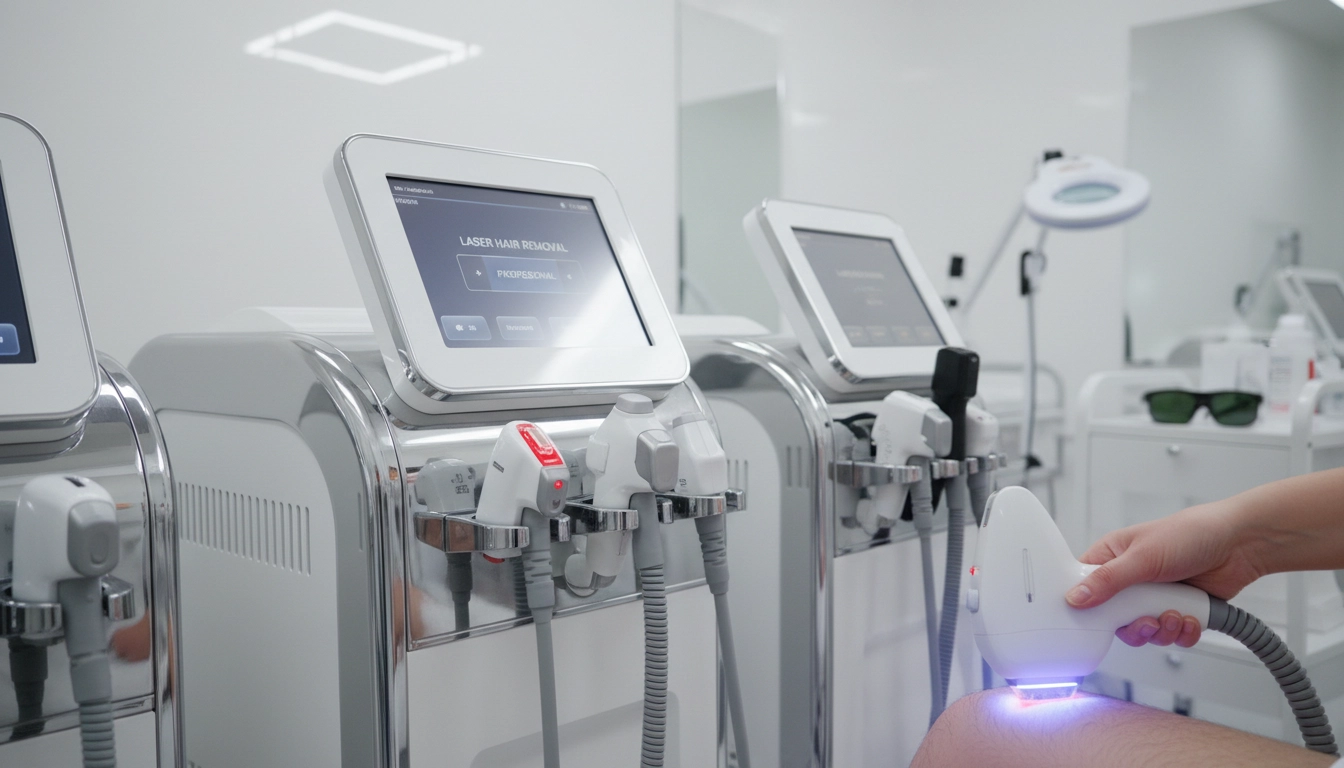
3 in 1 hifu 22 SMAS
How many sessions are needed?
Most clients see results after one session. Maintenance is recommended every 6–12 months.
EMS Body Sculpting Machine
Can I resell or distribute EMS body sculpting machines?
Yes! Many professional beauty equipment distributors and salon owners become official partners or resellers. Contact us directly for OEM/ODM customization, wholesale pricing, and distributor opportunities.
EMS-b
How long does each treatment take?
Each session typically lasts 30 minutes, making it ideal for busy clients.
HMT72R
What are the benefits of the optional seat-type handle?
The optional seat-type handle allows you to expand your services to include pelvic floor strengthening treatments. This non-invasive procedure is highly sought after for improving core strength, treating urinary incontinence, and enhancing postpartum recovery.
EC-05
What’s the difference between EMS and traditional exercise?
EMS induces deep muscle contractions equivalent to thousands of sit-ups, delivering faster and more intense results than normal workouts.

CO2 Fractional Laser Machine – Professional Wrinkle Removal & Skin Resurfacing Device
The CO2 Fractional Laser Machine is a multifunctional aesthetic device designed for professional clinics and beauty salons. Using advanced fractional CO2 laser technology, it effectively targets acne scars, freckles, pigmentation, nevi, and deep wrinkles. Additionally, it provides non-invasive skin rejuvenation, vaginal tightening, and intimate beautification. This professional CO2 laser equipment combines precision, safety, and powerful energy output to deliver outstanding anti-aging and dermatological results.
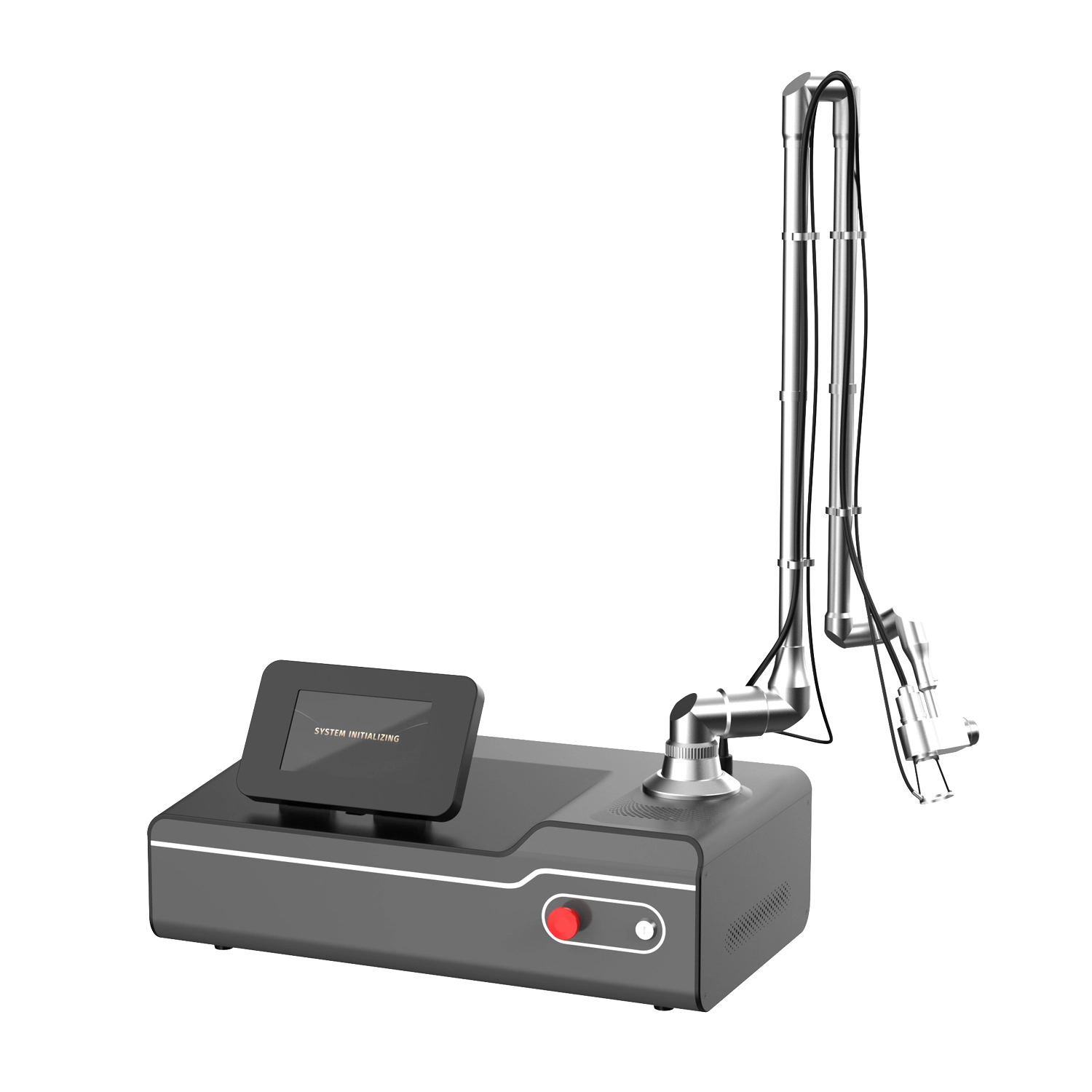
Professional CO2 Fractional Laser Machine for Skin Resurfacing & Scar Treatment
The CO2 Fractional Laser Machine is a professional CO2 fractional laser machine designed for advanced skin resurfacing, scar treatment, and skin rejuvenation procedures.
Using 10,600nm CO2 fractional laser technology, the system delivers controlled microthermal zones into the skin, stimulating collagen remodeling while preserving surrounding tissue. This fractional approach significantly improves treatment safety, recovery time, and clinical outcomes.
The CO2 fractional laser machine is widely used in dermatology clinics and medical aesthetic centers for treating acne scars, wrinkles, enlarged pores, stretch marks, and various skin texture concerns.
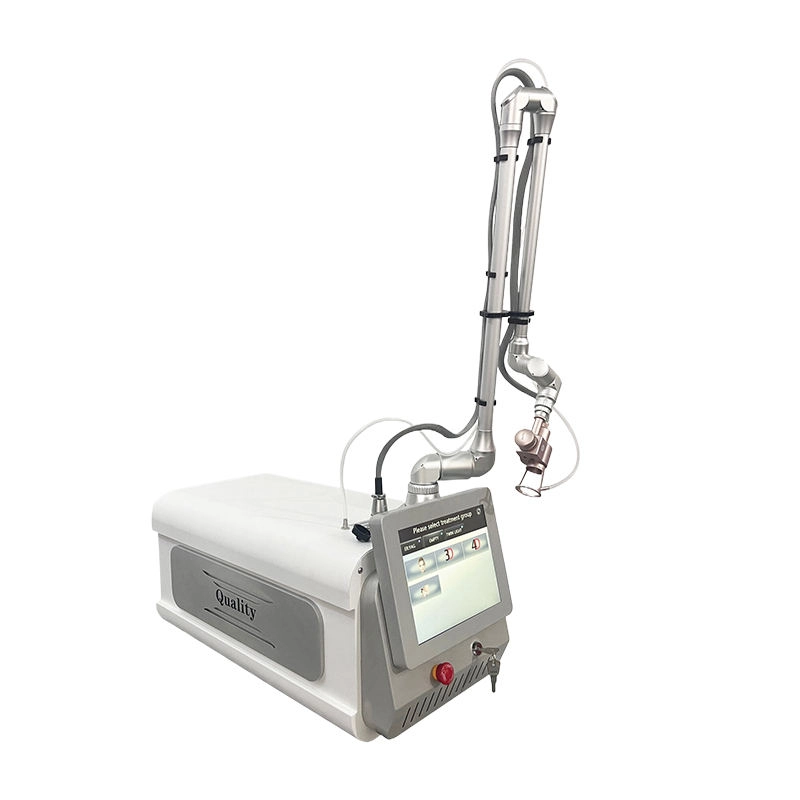
Professional CO2 Fractional Laser Machine | Fractional & Vaginal Rejuvenation CO2 Laser System
The CO2 fractional laser machine is a professional medical-grade device designed for deep skin resurfacing, wrinkle reduction, scar repair, and vaginal rejuvenation. Using a 10600 nm fractional CO2 laser beam, it creates micro-thermal columns on the skin to stimulate collagen regeneration and accelerate skin healing.
This CO2 fractional laser machine provides multiple treatment modes, including fractional mode, surgical cutting mode, and optional vaginal tightening mode, making it ideal for dermatology clinics and professional beauty centers seeking advanced laser solutions.
Its high precision, adjustable spot size, stable energy output, and seven-joint articulated arm ensure safe, accurate, and effective treatment results with minimal downtime.
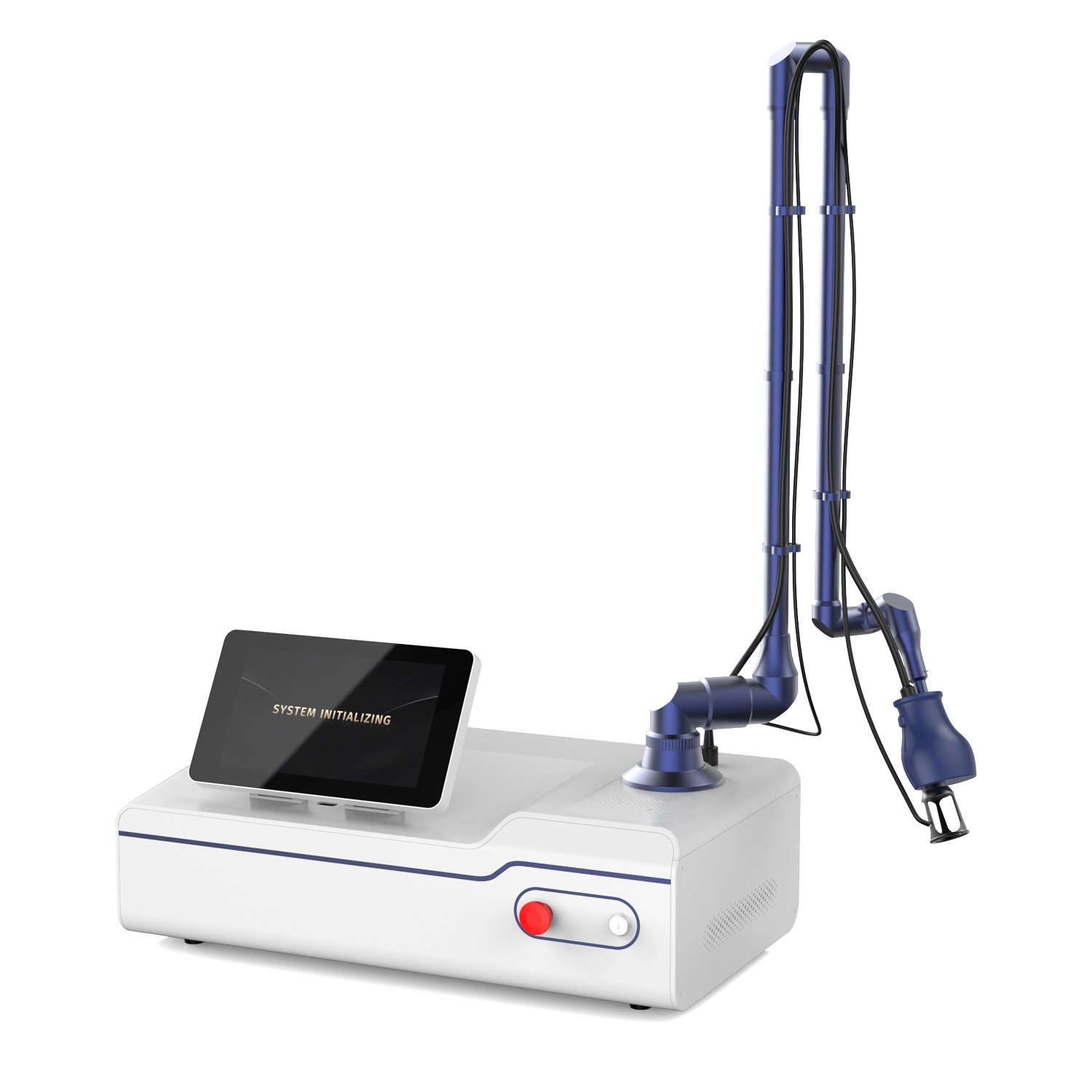
CO2 Fractional Laser Machine | Intimate Vaginal Rejuvenation System
This **CO2 Fractional Laser Machine** utilizes advanced 10600nm CO2 fractional laser technology to create controlled micro-thermal zones on the vaginal mucosa and intimate skin layers. These micro-columns stimulate collagen regeneration and tissue remodeling, effectively improving vaginal tightness, elasticity, and overall intimate health.
Designed specifically for professional medical aesthetic and intimate wellness applications, this CO2 fractional laser machine features intelligent parameter control and high-precision energy output to ensure safe, comfortable, and consistent treatment results. It is an ideal core device for vaginal rejuvenation, postpartum recovery, and intimate anti-aging treatments.
Get more information
If you have any comments or good suggestions, please leave us a message; later our professional staff will contact you as soon as possible.
Let's Talk
Stay in touch with us for cutting-edge beauty solutions, professional guidance, and customized service.
Contact


Room 307, Building A, Huilong International E-commerce Industrial Park, No. 10 Xipengling Road, Helong Street, Baiyun District, Guangzhou, China
© 2025 HUIMAIN. All Rights Reserved. Privacy Policy | Terms and Conditions | Sitemap
Facebook
Instagram
Medical beauty equipment factory
huimain Medical beauty equipment factory
beauty machine supplier
Whatsapp: +8619124004543