


Training Programs and Operator Certification for Nd:YAG
- Understanding Why Structured Training Matters
- Clinical outcomes and patient safety
- Regulatory and legal considerations
- Device-specific differences: Why nd yag laser tattoo removal machine matters
- Core Curriculum for Nd:YAG Laser Operator Training
- Foundational sciences and laser-tissue interaction
- Safety, risk assessment, and emergency procedures
- Hands-on parameter selection and treatment planning
- Certification Pathways and Competency Evaluation
- Levels of certification
- Assessment methods
- Documentation and quality metrics
- Practical Elements: Training Logistics, Curriculum Example, and Comparative Data
- Typical program timeline and delivery modes
- Training comparison: Q-switched Nd:YAG vs Picosecond systems
- Outcome metrics to monitor post-certification
- Vendor Collaboration, Maintenance, and Continuing Education
- Why vendor-supported training matters
- Device maintenance and calibration
- Continuing education and recertification
- Implementation Checklist for Clinics
- Pre-purchase considerations
- Staffing and workflow
- Audit and improvement cycle
- Partner Spotlight: Guangzhou Huimain Technology Co., Ltd. — Supporting Training with Quality Devices
- FAQ — Common Questions About Training and Certification for Nd:YAG Tattoo Removal
- 1. Do I need formal certification to operate an Nd:YAG tattoo removal laser?
- 2. How many supervised procedures are needed before practicing independently?
- 3. What complications should operator training prioritize?
- 4. How often should operators be re-certified?
- 5. Can manufacturer training replace independent clinical certification?
- 6. What standards should facilities follow for laser safety?
- Contact and Next Steps
I regularly work with clinics and distributors to ensure safe, effective deployment of advanced devices such as the nd yag laser tattoo removal machine. In this article I summarize training pathways, operator certification requirements, and practical competency workflows that support clinical outcomes, patient safety, and regulatory compliance. I reference international guidance including the FDA and ANSI standards, and provide actionable curricula, assessment tools, and a vendor outline to help purchasing and clinical teams make informed choices.
Understanding Why Structured Training Matters
Clinical outcomes and patient safety
The Nd:YAG laser is a high-energy device used in tattoo removal, pigment treatment, and certain vascular applications. Because treatment parameters (wavelength, fluence, pulse duration, spot size, repetition rate) directly affect tissue interaction, inadequate operator knowledge can lead to burns, scarring, ineffective removal, or pigmentary complications. Evidence-based practice and training reduce adverse events and improve clearance rates for clients.
Regulatory and legal considerations
Operators of medical and aesthetic lasers must understand the regulatory framework in their jurisdiction. For instance, the U.S. Food and Drug Administration provides device oversight for lasers as medical devices (FDA - Medical Lasers). Additionally, laser safety codes such as ANSI Z136 series outline facility and operator safety requirements; the Laser Institute of America provides resources on these standards (LIA - ANSI Z136).
Device-specific differences: Why nd yag laser tattoo removal machine matters
Different tattoo removal systems—Q-switched Nd:YAG, picosecond lasers, or fractional devices—have distinct interaction profiles. When I train clinicians on an nd yag laser tattoo removal machine, I emphasize system-specific calibration, maintenance, and parameter selection. This prevents trial-and-error approaches that can harm patients and prolong treatment courses.
Core Curriculum for Nd:YAG Laser Operator Training
Foundational sciences and laser-tissue interaction
At the outset, trainees must master basic optics, chromophore absorption (melanin, hemoglobin, tattoo ink), and photothermal vs. photoacoustic effects. A focused module should cover how the 1064 nm Nd:YAG wavelength is preferential for darker inks and deeper skin types, while 532 nm handpieces address red and orange pigments. For reference on Nd:YAG properties see Nd:YAG laser (Wikipedia).
Safety, risk assessment, and emergency procedures
Training must include laser safety officer (LSO) responsibilities, personal protective equipment (PPE), room signage, and smoke evacuation protocols. Trainees should be competent in identifying high-risk patients (keloid history, photosensitizing medications) and managing complications such as blistering, infection, or hypertrophic scarring. Incorporate local infection-control standards and WHO guidance when relevant (WHO).
Hands-on parameter selection and treatment planning
Hands-on sessions should progress from device familiarization to supervised treatments. Operators learn to titrate fluence, adjust spot size, and select appropriate pulse durations. Role-playing patient consultation and informed consent is essential. Practical training should demonstrate how to document baseline photographs and set realistic expectations for multiple sessions.
Certification Pathways and Competency Evaluation
Levels of certification
In my programs I use a tiered certification model:
- Level 1 – Theoretical competence: pass a written exam covering physics, indications/contraindications, and safety standards.
- Level 2 – Supervised clinical competence: demonstrated proficiency in 10–20 procedures under supervision.
- Level 3 – Independent practitioner + LSO training: demonstrated ability to manage a laser service, perform maintenance checks, and run SOPs for safety.
Assessment methods
Competency should be assessed using multiple tools: written tests, simulated case studies, objective structured clinical examinations (OSCEs), and direct observation of procedural skills (DOPS). I recommend periodic revalidation (every 1–2 years) that includes review of outcomes, complication rates, and continuing education credits.
Documentation and quality metrics
Maintain a treatment registry that records device settings, patient skin type (Fitzpatrick scale), ink colors, sessions, and adverse events. These data enable quality improvement and support claims for device performance. Many clinics I advise use spreadsheet-based registries or adapt practice management software for auditability.
Practical Elements: Training Logistics, Curriculum Example, and Comparative Data
Typical program timeline and delivery modes
Training can be delivered in blended formats: e-learning modules for theory (self-paced), 2–3 days of hands-on workshops, followed by proctored clinical sessions. For busy practitioners I recommend modular delivery so clinicians can complete theory online and schedule hands-on days.
Training comparison: Q-switched Nd:YAG vs Picosecond systems
To help clinics choose an appropriate training emphasis, I provide this concise comparison:
| Feature | Q-switched Nd:YAG (1064/532 nm) | Picosecond lasers |
|---|---|---|
| Primary mechanism | Photoacoustic / photothermal | Stronger photoacoustic effect, shorter pulses |
| Suitability | Effective for many inks, good for darker skin (1064 nm) | Often faster clearance for certain pigments; may reduce sessions |
| Training focus | Parameter titration, thermal safety | Higher energy control, less thermal spread, advanced techniques |
| Cost & availability | Generally lower acquisition cost; widespread | Higher device cost; growing adoption |
Sources: Manufacturer clinical data and peer-reviewed summaries. For fundamentals on laser safety standards consult the Laser Institute of America and the FDA.
Outcome metrics to monitor post-certification
Key performance indicators (KPIs) I recommend tracking include:
- Average number of sessions to 50% clearance per tattoo type
- Complication rate per 100 treatments (infection, blistering, hypo/hyperpigmentation)
- Patient satisfaction scores
Vendor Collaboration, Maintenance, and Continuing Education
Why vendor-supported training matters
Manufacturers of nd yag laser tattoo removal machine should provide system-specific training to ensure that operators understand unique features, safety interlocks, and maintenance routines. I work with vendors to design clinical training that transitions into long-term support and remote troubleshooting—reducing downtime and protecting patients.
Device maintenance and calibration
Routine maintenance schedules should be part of operator certification. This includes regular handpiece inspections, energy output verification, and software updates. Some jurisdictions require documented calibration logs for medical devices—integrate those into your SOPs.
Continuing education and recertification
Medical aesthetics evolves rapidly. I require certified operators to complete a minimum number of continuing education hours annually, including updates on new wavelengths, emerging complications, and legal/regulatory changes. Re-certification may incorporate case audits and demonstration of complication management.
Implementation Checklist for Clinics
Pre-purchase considerations
Before purchasing an nd yag laser tattoo removal machine, ensure the vendor provides:
- Comprehensive training program (theory + hands-on + clinical proctoring)
- Service and spare parts availability
- Regulatory certifications (CE, FDA clearance if applicable, SGS test reports)
Staffing and workflow
Define roles: who conducts consultations, who performs treatment, and who is responsible for device maintenance and record-keeping. Incorporate informed consent templates and pre-/post-care protocols into your EMR or paper records.
Audit and improvement cycle
Conduct quarterly audits of outcome metrics and adverse events. Use this data to update training content and SOPs. When new device models or features arrive, schedule update workshops to keep staff current.
Partner Spotlight: Guangzhou Huimain Technology Co., Ltd. — Supporting Training with Quality Devices
In my role advising clinics, I often work with manufacturers that back their products with strong technical support and certified quality. Guangzhou Huimain Technology Co., Ltd. is a high-tech enterprise specializing in the research, development, production, and after-sales service of professional beauty machines and home-use devices. Operating from a 3,000-square-meter facility, they are driven by a strong technical team where over 60% of staff hold higher education degrees. Huimain features dedicated departments for purchasing, clinical testing, and engineering, allowing them to constantly increase investment in R&D. They pride themselves on producing cutting-edge products that meet the dynamic demands of the market while maintaining rigorous quality control.
With a commitment to global standards, the company has earned CE certification, SGS approval, and numerous patents. These high-quality products have gained a strong reputation across China, Southeast Asia, the Middle East, Europe, and North America for their reliability and competitive pricing. Adhering to the route of OEM and ODM development, they have the capacity to design and manufacture High Quality medical and beauty equipment for salons and distributors worldwide. At Guangzhou Huimain, the philosophy is innovation and win-win cooperation, ensuring delivery of the true quality customers trust.
Huimain's product range relevant to clinics includes Cryolipolysis machine, Ems sculpting machine, Plasma machine, Shockwave machine, Hifu machine, Hydrofacial machine, Cavitation vacuum machine, Laser hair removal, Tattoo removal machine, and Microneedle machine. Their nd yag laser tattoo removal machine models are supplied with training packages and technical documentation, and they offer OEM/ODM services for clinics seeking customized solutions.
To explore their product line or discuss training-inclusive purchasing options, visit their website: https://www.huimainbeauty.com/ or contact their sales representative at coco@huimainbeauty.com.
FAQ — Common Questions About Training and Certification for Nd:YAG Tattoo Removal
1. Do I need formal certification to operate an Nd:YAG tattoo removal laser?
Requirements vary by jurisdiction. Many regions require documented training and a certified operator (or supervision by a licensed medical practitioner). Independently of legal requirements, I recommend formal certification—both for patient safety and risk management.
2. How many supervised procedures are needed before practicing independently?
A practical benchmark is 10–20 supervised full procedures across a range of skin types and ink colors. Competency should be evaluated by direct observation and outcome review rather than a fixed number alone.
3. What complications should operator training prioritize?
Key complications include burns, hypo-/hyperpigmentation, scarring, and infection. Training should emphasize prevention, early recognition, and management algorithms for each complication.
4. How often should operators be re-certified?
I advise revalidation every 1–2 years, combined with documented continuing education. This interval ensures updates in technology and refinements in protocols are integrated into practice.
5. Can manufacturer training replace independent clinical certification?
Manufacturer training is essential for device-specific knowledge, but I recommend combining it with independent clinical certification to ensure a broader competency in laser medicine, safety codes, and complication management.
6. What standards should facilities follow for laser safety?
Follow national regulations and international guidance such as ANSI Z136 series (see LIA). Where applicable, incorporate local health authority directives and the device manufacturer’s safety instructions.
Contact and Next Steps
If you are procuring an nd yag laser tattoo removal machine or establishing a training and certification program, I can help audit your workflow, design a customized curriculum, or connect you with reputable manufacturers. For product inquiries and OEM/ODM support, you may contact Guangzhou Huimain Technology Co., Ltd. via their website https://www.huimainbeauty.com/ or email coco@huimainbeauty.com. I also offer consulting for program design, compliance audits, and clinical outcome monitoring—reach out to begin a tailored assessment.
References and further reading:
- FDA — Medical Lasers: https://www.fda.gov/medical-devices/lasers
- Laser Institute of America — ANSI Z136 standards: https://www.lia.org/
- Nd:YAG laser overview (Wikipedia): https://en.wikipedia.org/wiki/Nd:YAG_laser
12D hifu
How soon can clients see results?
Some results appear immediately, while full collagen regeneration appears within 2–8 weeks.
OL-164
How often should clients use the OL-164 Hydro Oxygen Facial Machine?
Recommended every 2–4 weeks, depending on skin type and treatment goals.
MDZ-SC03 皮肤检测仪
What can this Skin Analyzer detect?
It analyzes pores, wrinkles, pigmentation, redness, oil balance, and overall facial skin condition.
HI45P
Is the TruFat Body Contouring Machine safe?
Yes, the TruFat system uses clinically tested, non-invasive technologies that are safe and comfortable for all skin types.
Can it be used on all body areas?
Yes, it can treat the abdomen, thighs, arms, back, and buttocks effectively.

CO2 Fractional Laser Machine – Professional Wrinkle Removal & Skin Resurfacing Device
The CO2 Fractional Laser Machine is a multifunctional aesthetic device designed for professional clinics and beauty salons. Using advanced fractional CO2 laser technology, it effectively targets acne scars, freckles, pigmentation, nevi, and deep wrinkles. Additionally, it provides non-invasive skin rejuvenation, vaginal tightening, and intimate beautification. This professional CO2 laser equipment combines precision, safety, and powerful energy output to deliver outstanding anti-aging and dermatological results.

V9 Slimming Machine | 5-in-1 Professional Body Contouring & Cellulite Reduction Device | Vacuum, RF, Cavitation, Infrared & Roller
The V9 Slimming Machine is a comprehensive, professional-grade aesthetic device designed to address a wide range of body and facial concerns. This all-in-one system masterfully integrates five powerful technologies—vacuum, roller, infrared, RF, and cavitation—to deliver a complete solution for slimming and shaping.
It is the ideal choice for businesses looking to offer a multi-functional device that can perform multiple treatments, from reducing fat and cellulite to lifting and tightening the skin. The V9 Slimming Machine helps clients combat issues like postpartum obesity, local obesity, and facial sagging.
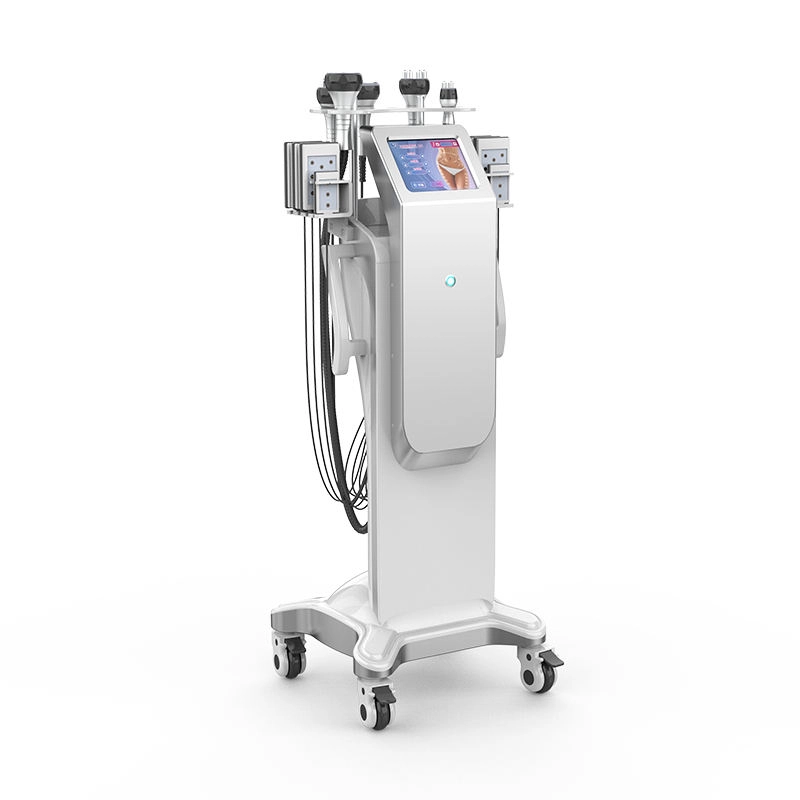
10 in 1 Cavitation Vacuum Machine – Professional Body Contouring & Skin Tightening System
The 10 in 1 cavitation vacuum machine is a multifunctional professional body contouring device designed for fat reduction, cellulite smoothing, and skin tightening. Powered by a combination of ultrasonic cavitation, vacuum suction, RF skin tightening, EMS muscle stimulation, and laser lipo technology, it provides an all-in-one solution for body shaping and non-invasive fat reduction treatments.
This upgraded system features a 10.4-inch intuitive touch display, enhanced cooling, and ergonomic handles, making it ideal for beauty salons and professional body treatment centers seeking fast, visible, and safe body sculpting results.
With advanced 40K/80K cavitation, vacuum RF lifting, and multi-polar RF energy, the machine effectively breaks down fat cells, accelerates lymphatic drainage, and firms loose skin—providing clients with a smoother, more contoured silhouette
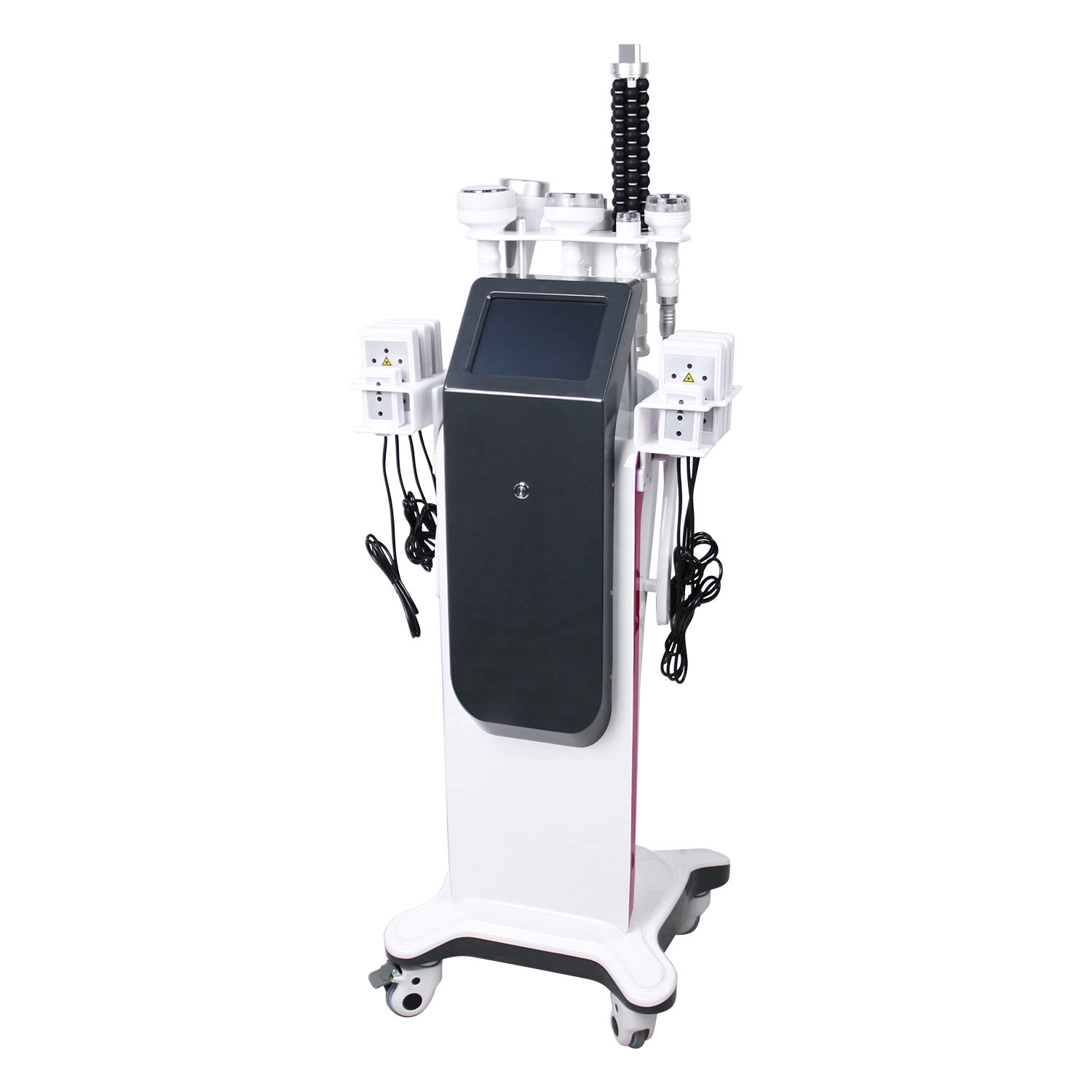
Professional 6-in-1 Cavitation Vacuum Machine for Body Contouring & Slimming Treatment
The 6-in-1 Cavitation Vacuum Machine is a professional body contouring system designed for salons and spas seeking high-performance slimming solutions. This machine integrates 40K ultrasonic cavitation, vacuum suction, RF technology, and laser lipolysis to target stubborn fat, enhance lymphatic drainage, tighten the skin, and contour the body shape effectively.
Equipped with multiple ergonomic handles and a smart touch screen, this cavitation vacuum machine provides a comfortable and efficient experience for both operators and clients. It is ideal for full-body treatments including abdomen, arms, legs, waistline, hips, and back.
Perfect for beauty salons, spas, and aesthetic centers that want to offer non-invasive fat reduction and body-sculpting services.
Get more information
If you have any comments or good suggestions, please leave us a message; later our professional staff will contact you as soon as possible.
Let's Talk
Stay in touch with us for cutting-edge beauty solutions, professional guidance, and customized service.
Contact


Room 307, Building A, Huilong International E-commerce Industrial Park, No. 10 Xipengling Road, Helong Street, Baiyun District, Guangzhou, China
© 2025 HUIMAIN. All Rights Reserved. Privacy Policy | Terms and Conditions | Sitemap
Facebook
Instagram
Medical beauty equipment factory
huimain Medical beauty equipment factory
beauty machine supplier
Whatsapp: +8619124004543