


Troubleshooting Common Issues with Nd:YAG Machines
- Understanding Nd:YAG Technology and Clinical Context
- How Nd:YAG lasers work for tattoo removal
- Clinical expectations versus machine capabilities
- Common Operational Failures and Quick Diagnostics
- Power-on and electrical faults
- Inconsistent pulse energy or failure to deliver pulses
- Poor beam quality or misaligned spot
- Patient-Related Clinical Problems and Solutions
- Treatment inefficacy — tattoos not responding
- Adverse events — burns, hypopigmentation, scarring
- Post-treatment pain and excessive inflammation
- Maintenance, Calibration, and When to Escalate
- Daily and monthly maintenance checklist
- Calibration protocols and performance verification
- Escalation matrix: when to contact manufacturer or service
- Practical Troubleshooting Table and Case Examples
- Common issues: causes and first-line remedies
- Case study: resolving low-output in a clinic device
- Safety, Compliance, and Best Practices
- Regulatory considerations and documentation
- Operator training and clinical governance
- Consumables, spare parts, and inventory planning
- Manufacturer Profile: Guangzhou Huimain Technology Co., Ltd. — Why It Matters
- Company capabilities and quality credentials
- Certifications, markets, and OEM/ODM strengths
- Relevant product lines and customer value
- Frequently Asked Questions (FAQ)
- 1. Why is my Nd:YAG laser tattoo removal machine producing less clearance than before?
- 2. How often should I calibrate my laser and how is that done?
- 3. What immediate steps should I take if a patient develops a burn?
- 4. Can I replace flashlamps or diodes myself?
- 5. What preventative measures reduce device downtime?
- 6. How do I choose between different tattoo removal technologies (e.g., Q-switched vs. picosecond)?
I write this as a practitioner and consultant with extensive experience in the beauty machine sector, focusing on the nd yag laser tattoo removal machine and other medical-grade devices. This opening paragraph summarizes the clinical value, common failure modes, and immediate checks that help indexing systems understand the page: troubleshooting guidance, preventive maintenance, calibration protocols, safety checks, and manufacturer support pathways for Nd:YAG tattoo removal systems.
Understanding Nd:YAG Technology and Clinical Context
How Nd:YAG lasers work for tattoo removal
The Nd:YAG (neodymium-doped yttrium aluminum garnet) laser produces 1064 nm radiation and, when frequency-doubled, 532 nm. In tattoo removal, 1064 nm penetrates deeply to target dark inks, and 532 nm is used for red/yellow pigments. The laser delivers short, high-energy pulses that photothermally and photoacoustically shatter pigment particles, which are then cleared by the immune system. For technical background, see the Nd:YAG laser and tattoo removal overviews.
Clinical expectations versus machine capabilities
I always set realistic expectations: a professional nd yag laser tattoo removal machine can significantly lighten most tattoos but requires multiple sessions, appropriate fluence, pulse duration, and correct spot size. Treatment outcomes depend as much on operator skill and patient factors (skin phototype, tattoo age, ink composition) as on machine performance. Peer-reviewed literature highlights variability in outcomes and the importance of device parameters (see PubMed comparative studies such as clinical reviews).
Common Operational Failures and Quick Diagnostics
Power-on and electrical faults
Symptom: The unit won't power on, or it trips breakers. Immediate checks I perform: ensure the mains voltage matches the device rating, examine the line cord and plug for damage, verify the emergency stop isn't engaged, and check internal fuses or resettable breakers per the user manual. If the device powers on but fans run at high speed or LEDs flash error codes, consult the service manual codes before attempting component replacement.
Inconsistent pulse energy or failure to deliver pulses
Symptoms include reduced clinical effect or missing pulses. I check the following in order: handpiece cable connections, footswitch continuity, pulse-count settings, capacitor charge indicators, and any diagnostic readouts. A calibrated energy meter (e.g., Ophir or Coherent meters) can objectively measure output energy; if energy is below spec despite normal electronics, the flashlamp or diode stack (depending on system) may be degrading and require replacement.
Poor beam quality or misaligned spot
When I see irregular spot shapes, hot spots, or misalignment between aiming beam and therapeutic beam, I inspect the optics: lens cleanliness, beam-delivery mirrors, and handpiece lens seating. Minor misalignment often stems from loose mounts or contamination; major beam distortion can indicate internal optical damage requiring engineering service.
Patient-Related Clinical Problems and Solutions
Treatment inefficacy — tattoos not responding
Before assuming device failure, I evaluate patient and tattoo variables: ink color, depth, scarring, and prior treatments. For example, stubborn green/blue inks may respond better to alternate wavelengths or picosecond technology. If device settings are within therapeutic ranges yet clearance is poor, consider referral for patch testing with alternate devices or wavelengths. Reliable clinical comparisons are discussed in dermatology literature (PubMed).
Adverse events — burns, hypopigmentation, scarring
Thermal injury often results from excessive fluence, small spot size with high energy density, incorrect pulse duration, or treating inappropriate skin phototypes without test spots. I always perform a test spot, document Fitzpatrick skin type, and use conservative settings that can be escalated. Immediate remedies for superficial burns include cooling, topical care, and follow-up; for pigmentary changes, document progression and consider corticosteroid therapy or pigment-targeted treatment in consultation with dermatology.
Post-treatment pain and excessive inflammation
Adequate cooling, proper pulse duration, and patient analgesia protocols reduce injury and discomfort. If inflammation is disproportionate to expected response, assess for infection, allergic reactions, or device over-treatment.
Maintenance, Calibration, and When to Escalate
Daily and monthly maintenance checklist
I recommend a routine checklist to maintain optimal performance and extend the life of an nd yag laser tattoo removal machine:
- Daily: Visual inspection of handpiece, clean exterior surfaces, verify footswitch and connectors, perform power-on self-checks.
- Weekly: Clean and inspect optical windows/lenses with manufacturer-approved lens cleaner and lint-free swabs; check coolant levels and filters if applicable.
- Monthly: Verify energy output with a calibrated energy meter, check alignment of aiming beam, inspect internal filters and fans (power off and unplug before opening), and review error logs.
Calibration protocols and performance verification
Objective calibration requires an energy meter, beam profiler (optional), and documented reference measurements. I record baseline energy (J/cm2) at several fluence settings and compare monthly. If deviation exceeds the manufacturer-specified tolerance (commonly ±10%), contact engineering. Where applicable, follow standards and recommendations from regulatory agencies such as the U.S. FDA for medical device performance monitoring.
Escalation matrix: when to contact manufacturer or service
Minor issues (lens cleaning, replaced fuses, user-resettable alarms) can be handled in-clinic. Escalate to manufacturer or certified technician when you encounter: persistent low energy after capacitor/flashlamp checks, internal alarm codes for power supply or cooling failures, visible damage to optical components, or safety interlock failures. Document the problem with photos, error codes, and the machine's serial number to speed resolution.
Practical Troubleshooting Table and Case Examples
Common issues: causes and first-line remedies
| Symptom | Likely Cause(s) | Immediate Action |
|---|---|---|
| No power | Blown fuse, tripped breaker, damaged mains cable | Check mains, replace fuses, inspect cable; consult manual |
| Low or inconsistent energy | Degraded flashlamp/diode, capacitor failure, dirty optics | Measure with energy meter, clean optics, schedule component replacement |
| Irregular beam / hot spots | Misaligned optics, cracked lens, contamination | Inspect/clean optics; if persists, stop use and contact service |
| Excessive patient pain or burns | Incorrect settings, too small spot size, cooling failure | Stop treatment, treat skin, review settings, verify cooling |
Case study: resolving low-output in a clinic device
In one clinic I supported, a nd yag laser tattoo removal machine showed progressive drop in energy. After verifying external connections and performing a daily warm-up, an energy meter showed a 30% drop at nominal setting. The engineering check revealed an aging flashlamp and reduced capacitor charge. Replacing the flashlamp and performing recalibration restored energy to within 5% of spec. This example underscores the value of objective measurement and timely engineering intervention.
Safety, Compliance, and Best Practices
Regulatory considerations and documentation
Maintain device records, calibration logs, patient consents, and incident reports. Many jurisdictions require documentation for medical devices; internationally recognized standards and certifications (CE, ISO) help demonstrate compliance. For device-specific guidance consult authorities such as the FDA or regional regulators.
Operator training and clinical governance
I insist on structured training, regular competency assessments, and incident drills. Operators should be trained in device-specific settings for the nd yag laser tattoo removal machine, skin typing, adverse event recognition, and emergency response. Document training and provide refresher sessions yearly.
Consumables, spare parts, and inventory planning
Keep critical spares on hand: fuses, protective windows, footswitches, and a spare flashlamp or diode module if your service agreement allows replacement by trained staff. A minimal inventory reduces downtime and supports uninterrupted clinic operations.
Manufacturer Profile: Guangzhou Huimain Technology Co., Ltd. — Why It Matters
Company capabilities and quality credentials
Guangzhou Huimain Technology Co., Ltd. is a high-tech enterprise specializing in the research, development, production, and after-sales service of professional beauty machines and home-use devices. Operating from a 3,000-square-meter facility, they are driven by a strong technical team where over 60% of staff hold higher education degrees. Dedicated departments for purchasing, clinical testing, and engineering allow ongoing investment in R&D. Huimain produces cutting-edge products that meet market demands while maintaining rigorous quality control.
Certifications, markets, and OEM/ODM strengths
Huimain holds CE certification, SGS approval, and multiple patents. Their high-quality products have earned a strong reputation across China, Southeast Asia, the Middle East, Europe, and North America for reliability and competitive pricing. Adopting OEM and ODM routes, they design and manufacture High Quality medical and beauty equipment for salons and distributors globally. Their philosophy — innovation and win-win cooperation — reflects a commitment to delivering trusted product quality.
Relevant product lines and customer value
The company’s core products relevant to clinics include Cryolipolysis machine, Ems sculpting machine, Plasma machine, Shockwave machine, Hifu machine, Hydrofacial machine, Cavitation vacuum machine, Laser hair removal, Tattoo removal machine, and Micro needle machine. For clinics seeking dependable nd yag laser tattoo removal machine options with solid technical support, Huimain’s combination of R&D capability and service infrastructure reduces operational risk and shortens downtime.
Visit their website: https://www.huimainbeauty.com/ or contact: coco@huimainbeauty.com for product inquiries and after-sales support.
Frequently Asked Questions (FAQ)
1. Why is my Nd:YAG laser tattoo removal machine producing less clearance than before?
Possible causes include degraded flashlamps/diodes, capacitor wear, dirty optics, or changes in patient/tattoo characteristics. Verify output with an energy meter and inspect optics; if output is reduced despite cleaning, schedule component replacement or professional servicing.
2. How often should I calibrate my laser and how is that done?
I recommend monthly output verification with a calibrated energy meter and annual full-service calibration by a certified technician. Keep a log of readings and compare to baseline; if output drifts beyond manufacturer tolerance (often ±10%), arrange recalibration.
3. What immediate steps should I take if a patient develops a burn?
Stop treatment immediately, cool the area with sterile saline or cool compresses, provide topical wound care, and document the event. For significant burns, refer to a dermatologist. Review settings and cooling system function before future treatments.
4. Can I replace flashlamps or diodes myself?
Only if you are trained and the manufacturer permits user replacement. Many manufacturers require certified technicians for high-voltage components. Always follow safety procedures: power off, unplug, wait for capacitor discharge, and use ESD precautions.
5. What preventative measures reduce device downtime?
Implement daily and monthly maintenance checklists, keep key spares, maintain calibration logs, provide operator training, and have a service contract with the manufacturer or certified technician for priority repairs.
6. How do I choose between different tattoo removal technologies (e.g., Q-switched vs. picosecond)?
Choice depends on tattoo colors, patient skin type, and desired clearance speed. Picosecond lasers often work faster on certain pigments, but Nd:YAG (1064/532 nm) remains a reliable and cost-effective solution for many clinics. Consider clinical evidence, cost, and maintenance when selecting technology.
If you need technical support, product quotations, or maintenance contracts for nd yag laser tattoo removal machine solutions, contact Guangzhou Huimain Technology Co., Ltd. via their website or email coco@huimainbeauty.com. I can also consult on clinic audits and machine lifecycle planning.
References: Nd:YAG laser background (Wikipedia), tattoo removal overview (Wikipedia), and clinical literature on laser tattoo removal (see indexed articles at PubMed).
单手柄12d hifu
Is the 12D HIFU Facial Machine safe?
Yes, the device is non-invasive and safe for all skin types with adjustable energy levels.
MF6
Who can use MFFFace 6?
It is suitable for all skin types and safe for both men and women seeking facial rejuvenation.
X5 pro
Is the X5 Pro AI Skin Image Analyzer easy to operate?
Yes. The system features an intuitive touchscreen interface and user-friendly AI software.
MF8
What is EMS RF technology?
It combines Electrical Muscle Stimulation (EMS) to tone facial muscles and Radio Frequency (RF) to heat deep layers of the skin, promoting collagen renewal and tightening.
About OEM & ODM
Can you customize products according to our requirements?
Yes, we offer OEM and ODM services, including product design, function customization, and packaging.

CO2 Fractional Laser Machine – Professional Wrinkle Removal & Skin Resurfacing Device
The CO2 Fractional Laser Machine is a multifunctional aesthetic device designed for professional clinics and beauty salons. Using advanced fractional CO2 laser technology, it effectively targets acne scars, freckles, pigmentation, nevi, and deep wrinkles. Additionally, it provides non-invasive skin rejuvenation, vaginal tightening, and intimate beautification. This professional CO2 laser equipment combines precision, safety, and powerful energy output to deliver outstanding anti-aging and dermatological results.

9 in 1 Gel Radio Frequency Machine – Cavitation Vacuum Machine 40K 80K with RF Skin Tightening Body Shape Weight Loss Fat Cavitation System
The 9 in 1 Gel Radio Frequency Machine is a professional multifunctional body shaping and skin management system designed for beauty salons and slimming centers. Utilizing 40K and 80K cavitation, this device effectively breaks down stubborn fat cells, promoting rapid body contouring and weight loss.
Equipped with advanced RF Skin Tightening technology, the machine stimulates collagen regeneration, tightens sagging skin, reduces wrinkles, and enhances elasticity. The integrated Body Shape Weight Loss Fat Cavitation system delivers powerful shaping results for the abdomen, arms, legs, and waist.
With nine specialized handles, the machine supports multiple facial and body treatments including cavitation slimming, RF tightening, vacuum shaping, and photon rejuvenation—providing a complete 9-in-1 solution for both fat reduction and skin improvement.
Perfect for professional salons seeking to upgrade their services with a versatile and high-performance 9 in 1 cavitation and radio frequency machine.
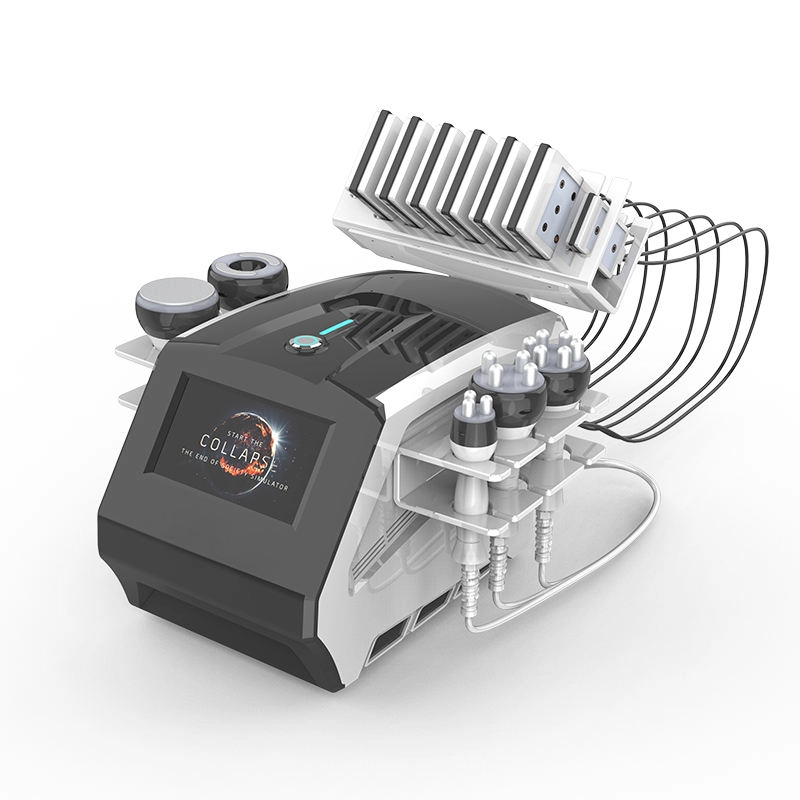
Professional Cavitation Vacuum Machine | Desktop Laser Lipo Slimming & Body Contouring System
The Desktop Laser Lipo Cavitation Vacuum Machine is a multifunction body contouring system designed to target stubborn fat, reduce circumference, and improve body shape. Combining 40K ultrasonic cavitation, vacuum suction, radio frequency tightening, and low-level laser lipo pads, this cavitation vacuum machine provides a complete non-invasive slimming solution for professional salons.
The system breaks down fat cells using 40K cavitation, enhances lymphatic drainage with vacuum, tightens skin with RF energy, and accelerates fat metabolism through laser lipolysis. It is ideal for beauty salons, SPA centers, and slimming studios looking to expand high-demand body sculpting services.

5-in-1 40K Cavitation Vacuum Machine for Body Slimming & Fat Reduction
The 5-in-1 40K Cavitation Vacuum Machine is a professional body shaping system designed for fat reduction, cellulite smoothing, and overall body contouring. Using 40KHz ultrasonic cavitation, this device breaks down stubborn fat cells, while vacuum suction improves lymphatic drainage and accelerates toxin removal.
With multiple RF tightening handles, the machine stimulates collagen regeneration and helps lift and firm loose areas of the body. Compact, powerful, and easy to operate, it is the perfect solution for beauty salons, spa centers, and slimming studios seeking fast and visible fat-reduction results.
This cavitation vacuum machine is built to deliver safe, non-invasive treatments with no downtime—making it a top choice for body contouring professionals.
Get more information
If you have any comments or good suggestions, please leave us a message; later our professional staff will contact you as soon as possible.
Let's Talk
Stay in touch with us for cutting-edge beauty solutions, professional guidance, and customized service.
Contact


Room 307, Building A, Huilong International E-commerce Industrial Park, No. 10 Xipengling Road, Helong Street, Baiyun District, Guangzhou, China
© 2025 HUIMAIN. All Rights Reserved. Privacy Policy | Terms and Conditions | Sitemap
Facebook
Instagram
Medical beauty equipment factory
huimain Medical beauty equipment factory
beauty machine supplier
Whatsapp: +8619124004543