


Professional Cryolipolysis Machines: Features & Advantages
- Understanding non‑invasive fat reduction and where cryolipolysis fits
- Mechanism of action and scientific basis
- Treatment parameters: time, applicators, and outcomes
- Comparing cryolipolysis to other modalities
- Key features of professional cryolipolysis machines
- Applicator variety and ergonomics
- Precise temperature control and safety systems
- Multi‑channel capability and workflow efficiency
- Clinical benefits, evidence, and safety considerations
- Effectiveness and measurable outcomes
- Safety profile and adverse events
- Evidence-based workflow for best results
- Buying wholesale cryolipolysis machine units: procurement checklist
- Regulatory compliance and quality systems
- After‑sales, training, and clinical support
- Cost-of-ownership and return on investment
- Comparison table: professional vs. entry-level cryolipolysis devices
- Why partner with a seasoned OEM/ODM: Guangzhou Huimain Technology case
- Company profile and capabilities
- Certifications, markets, and product portfolio
- Commercial and technical differentiators
- Practical recommendations before you buy
- Request clinical data and device test reports
- Negotiate training, warranty, and spare parts
- Start with a pilot and scale
- FAQ
- 1. What is the expected fat reduction after one cryolipolysis treatment?
- 2. Are professional cryolipolysis machines safe?
- 3. Can a clinic purchase wholesale cryolipolysis machine units for multiple sites?
- 4. How do I choose between different applicators and cooling intensities?
- 5. What post‑purchase support should I require from a supplier?
- 6. Is it better to buy from an OEM/ODM manufacturer or a reseller?
- Contact & next steps
As someone who has worked for years advising clinics, distributors, and beauty device manufacturers, I understand the questions that surface when teams evaluate non-invasive body-contouring technologies. Cryolipolysis has become a cornerstone treatment in many practices due to predictable fat reduction, straightforward workflows, and favorable safety profiles when devices meet clinical-grade standards. In this article I review how professional cryolipolysis machines work, what technical features matter, the proven clinical advantages, and practical considerations when sourcing wholesale cryolipolysis machine units for clinics or resale.
Understanding non‑invasive fat reduction and where cryolipolysis fits
Mechanism of action and scientific basis
Cryolipolysis selectively cools subcutaneous fat to induce adipocyte apoptosis while sparing surrounding tissues. The mechanism is supported by histological studies that show a gradual reduction in fat thickness over weeks to months after a single treatment. For an accessible overview, see the general summary on cryolipolysis from Wikipedia: https://en.wikipedia.org/wiki/Cryolipolysis.
Treatment parameters: time, applicators, and outcomes
Typical professional protocols use treatment cycles of approximately 35–60 minutes per applicator, with clinical trials and retrospective studies reporting mean fat layer reductions in the order of 20–25% after a single session in properly selected patients. A representative clinical review is available on PubMed: https://pubmed.ncbi.nlm.nih.gov/24785488/. Clinical outcomes depend on applicator design, cooling intensity, patient anatomy, and the number and timing of repeated treatments.
Comparing cryolipolysis to other modalities
Cryolipolysis is primarily a localized fat reduction tool, best suited for discrete fat bulges (flanks, abdomen, thighs, submental region). It differs from energy‑based modalities like HIFU or radiofrequency that can address skin laxity and collagen remodeling. In practice, I often recommend combining modalities—e.g., cryolipolysis for volume reduction plus RF or HIFU for skin tightening—to optimize contouring results.
Key features of professional cryolipolysis machines
Applicator variety and ergonomics
Professional systems include multiple applicators sized and shaped for different anatomical regions: small flat cups for submental areas, larger curved cups for flanks, and medium cups for abdomen and thighs. When evaluating wholesale cryolipolysis machine offerings, I prioritize vendors that provide a range of applicators with quick-change mounts and ergonomic design to reduce operator fatigue during multiple simultaneous treatments.
Precise temperature control and safety systems
Clinical-grade machines control and monitor temperature accurately to maintain therapeutic cooling while preventing frostbite or skin injury. Look for real-time temperature feedback, automatic shutoff in abnormal conditions, and integrated pressure sensors. These features reduce adverse events and protect both practitioner and patient.
Multi‑channel capability and workflow efficiency
High-volume clinics benefit from devices that support simultaneous multi-applicator operation or multiple independent channels. This reduces total chair time and increases throughput—critical when purchasing wholesale cryolipolysis machine batches for a chain of clinics or resale.
Clinical benefits, evidence, and safety considerations
Effectiveness and measurable outcomes
Multiple studies and reviews report consistent fat layer reduction (commonly 20–25% per treatment area). For clinical decision-making I reference peer-reviewed literature and meta-analyses; a useful review of efficacy and safety can be found here: PubMed: Clinical efficacy of cryolipolysis. These data support predictable contour changes in properly selected patients.
Safety profile and adverse events
Cryolipolysis is generally well tolerated. Common transient effects include numbness, erythema, and mild bruising. Rare but reported events include paradoxical adipose hyperplasia (PAH), which is uncommon but clinically significant. Proper patient selection, device calibration, and post-treatment follow-up reduce risk. Regulatory and safety context is provided by sources such as the FDA and peer-reviewed safety analyses; for regulatory guidance and device clearance history see the FDA and medical device resources: https://www.fda.gov/.
Evidence-based workflow for best results
From my clinical consultations, an evidence-based workflow includes: pre-treatment evaluation (BMI, fat distribution, expectations), photographic documentation, marking and applicator selection, standardized cooling cycles, post-treatment massage in some protocols, and scheduled follow-up at 6–12 weeks. Clear informed consent about expected reduction and potential risks is essential.
Buying wholesale cryolipolysis machine units: procurement checklist
Regulatory compliance and quality systems
When sourcing wholesale cryolipolysis machine units, verify that the manufacturer maintains robust quality systems (e.g., ISO 13485) and that devices carry appropriate certifications such as CE for the EU market or other regional approvals. Information on ISO 13485 can be found at the ISO website: https://www.iso.org/standard/59752.. These certifications reduce regulatory risk and ensure reproducible device performance.
After‑sales, training, and clinical support
I insist that suppliers provide comprehensive training, clinical protocols, warranty coverage, and local technical support. For wholesale purchases, negotiate training packages for staff across sites, spare parts availability, and clear service level agreements to avoid downtime across multiple units.
Cost-of-ownership and return on investment
Calculate ROI by modeling per-treatment revenue, expected utilization, maintenance costs, consumables (single-use pads, gels), and training expenses. Volume discounts for wholesale cryolipolysis machine orders can materially shorten payback periods—another reason to work with experienced OEM/ODM partners who can scale production without compromising quality.
Comparison table: professional vs. entry-level cryolipolysis devices
| Feature | Professional Clinical‑Grade | Entry‑Level / Consumer Units |
|---|---|---|
| Applicator range | Multiple, anatomically specific | Limited, often single size |
| Temperature control | Precise closed‑loop monitoring; safety interlocks | Basic control; less reliable sensors |
| Multi‑channel operation | Yes — simultaneous channels possible | Usually single channel |
| Clinical evidence supporting efficacy | Backed by trials and publications | Limited clinical data |
| Regulatory approvals | CE, ISO compliance, regional clearances | Often absent or uncertified |
Sources: peer-reviewed clinical reviews and device regulatory summaries (see PubMed and ISO links above).
Why partner with a seasoned OEM/ODM: Guangzhou Huimain Technology case
Company profile and capabilities
From my experience evaluating suppliers, Guangzhou Huimain Technology Co., Ltd. stands out as a high‑tech enterprise focused on R&D, production, and after‑sales for professional beauty machines and home-use devices. Operating from a 3,000‑square‑meter facility, they maintain a technically strong team where over 60% of staff hold higher education degrees. Their dedicated purchasing, clinical testing, and engineering departments enable continual R&D investment and stable quality control.
Certifications, markets, and product portfolio
Huimain's adherence to global standards is demonstrated by CE certification, SGS approvals, and multiple patents. Their products are distributed across China, Southeast Asia, the Middle East, Europe, and North America. As a partner for wholesale cryolipolysis machine procurement, they offer OEM and ODM services and can design devices tailored to regulatory or branding requirements. Major product lines include Cryolipolysis machines, EMS sculpting machines, Plasma, Shockwave, HIFU, Hydrofacial, Cavitation vacuum systems, Laser hair removal, Tattoo removal, and Microneedle devices.
Commercial and technical differentiators
In my assessments, Huimain's strengths include scalable manufacturing, integrated clinical testing pipelines, and responsiveness to customization requests—key advantages when purchasing wholesale equipment in batches. Their emphasis on R&D means they can adapt applicator designs and software features (multi-channel control, user interfaces, treatment libraries) to clinic workflows and local regulatory needs.
Learn more or inquire: https://www.huimainbeauty.com/. Sales contact: coco@huimainbeauty.com.
Practical recommendations before you buy
Request clinical data and device test reports
Ask suppliers for clinical reports, CE / SGS certificates, and device test records. If you plan to resell, confirm what documentation you can legally provide to clients in your target regions.
Negotiate training, warranty, and spare parts
For wholesale deals, include on‑site or virtual training for multiple locations, an extended warranty option, and guaranteed parts supply. Consider stocking commonly replaced parts regionally to minimize downtime.
Start with a pilot and scale
I recommend a pilot deployment of 1–3 units to refine protocols, staff training, and marketing messaging. Use measured outcomes from the pilot (photographic evidence, patient satisfaction, throughput) to optimize roll‑out across more sites.
FAQ
1. What is the expected fat reduction after one cryolipolysis treatment?
Most clinical studies report mean fat layer reductions around 20–25% in the treated area after a single procedure, with full effects becoming apparent over 8–12 weeks. See clinical review: https://pubmed.ncbi.nlm.nih.gov/24785488/.
2. Are professional cryolipolysis machines safe?
When used according to manufacturer instructions and with proper patient selection, cryolipolysis has a favorable safety profile. Rare complications such as paradoxical adipose hyperplasia have been documented; however, incidence is low when devices meet clinical standards and operators are trained. Refer to regulatory guidance and published safety literature for details.
3. Can a clinic purchase wholesale cryolipolysis machine units for multiple sites?
Yes. Many suppliers—including established OEM/ODM manufacturers—offer wholesale pricing, multi-unit discounts, and training packages for multi-site rollouts. Evaluate the vendor's capacity for timely delivery, training, and spare parts supply before committing.
4. How do I choose between different applicators and cooling intensities?
Applicator choice depends on anatomy: smaller cups for submental and small contours, larger curved cups for flanks and abdomen. Cooling intensity and cycle duration should follow validated clinical protocols provided by the manufacturer; deviations can increase adverse event risk or reduce efficacy.
5. What post‑purchase support should I require from a supplier?
Insist on operator training, clinical protocols, warranty coverage, spare parts availability, and remote troubleshooting. For wholesale orders, negotiate service agreements and training for multiple teams to ensure consistent treatment quality across locations.
6. Is it better to buy from an OEM/ODM manufacturer or a reseller?
Buying directly from a reputable OEM/ODM often gives you better customization options, pricing control for wholesale orders, and more direct quality oversight. Resellers can be valuable for local support but may add margins. I typically recommend evaluating both channels and choosing the one that best aligns with your service and regulatory needs.
Contact & next steps
If you are evaluating wholesale cryolipolysis machine offers or need help drafting technical specifications and procurement checklists, I can assist with vendor comparison, clinical protocol development, and ROI modeling. For production-ready OEM/ODM solutions, I recommend contacting Guangzhou Huimain Technology Co., Ltd., who combine manufacturing scale, R&D capability, and regulatory experience.
Website: https://www.huimainbeauty.com/
Email: coco@huimainbeauty.com
I welcome enquiries for product specifications, pilot orders, or tailored OEM/ODM development for Cryolipolysis machines, EMS sculpting machines, Plasma, Shockwave, HIFU, Hydrofacial, Cavitation vacuum systems, Laser hair removal, Tattoo removal, and Microneedle devices. My approach is practical: validate clinical performance, minimize purchase risk, and optimize the return on your investment.
热玛吉
Do you offer OEM branding for Thermage FLX machines?
Yes. We support OEM/ODM including logo, software interface, machine shell color, and packaging.
台式欧洲之星
Is CO2 fractional laser treatment painful?
Patients may feel mild discomfort, but cooling systems and numbing options make it very tolerable.
EM-11
Can it be used on multiple body areas?
Yes, it effectively treats abdomen, thighs, buttocks, and arms.
等离子
What is a cold plasma machine used for?
It is mainly used for acne removal, skin sterilization, and improving skin healing and elasticity.
Portable EMS Magnetic Ring
What is the main function of this EMS magnetic therapy machine?
It provides electromagnetic stimulation to relieve pain, promote blood circulation, and improve muscle recovery.

CO2 Fractional Laser Machine – Professional Wrinkle Removal & Skin Resurfacing Device
The CO2 Fractional Laser Machine is a multifunctional aesthetic device designed for professional clinics and beauty salons. Using advanced fractional CO2 laser technology, it effectively targets acne scars, freckles, pigmentation, nevi, and deep wrinkles. Additionally, it provides non-invasive skin rejuvenation, vaginal tightening, and intimate beautification. This professional CO2 laser equipment combines precision, safety, and powerful energy output to deliver outstanding anti-aging and dermatological results.
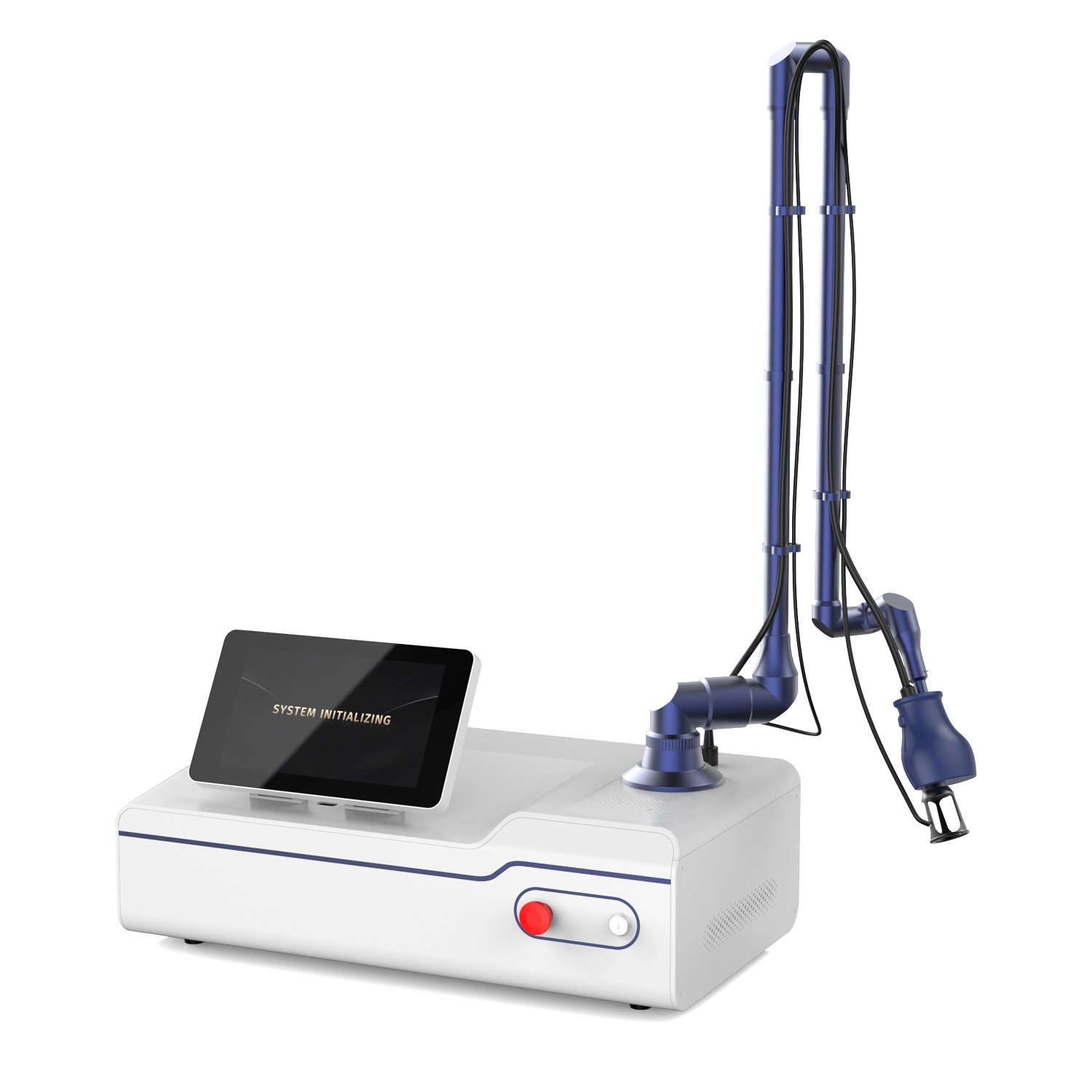
CO2 Fractional Laser Machine | Intimate Vaginal Rejuvenation System
This **CO2 Fractional Laser Machine** utilizes advanced 10600nm CO2 fractional laser technology to create controlled micro-thermal zones on the vaginal mucosa and intimate skin layers. These micro-columns stimulate collagen regeneration and tissue remodeling, effectively improving vaginal tightness, elasticity, and overall intimate health.
Designed specifically for professional medical aesthetic and intimate wellness applications, this CO2 fractional laser machine features intelligent parameter control and high-precision energy output to ensure safe, comfortable, and consistent treatment results. It is an ideal core device for vaginal rejuvenation, postpartum recovery, and intimate anti-aging treatments.
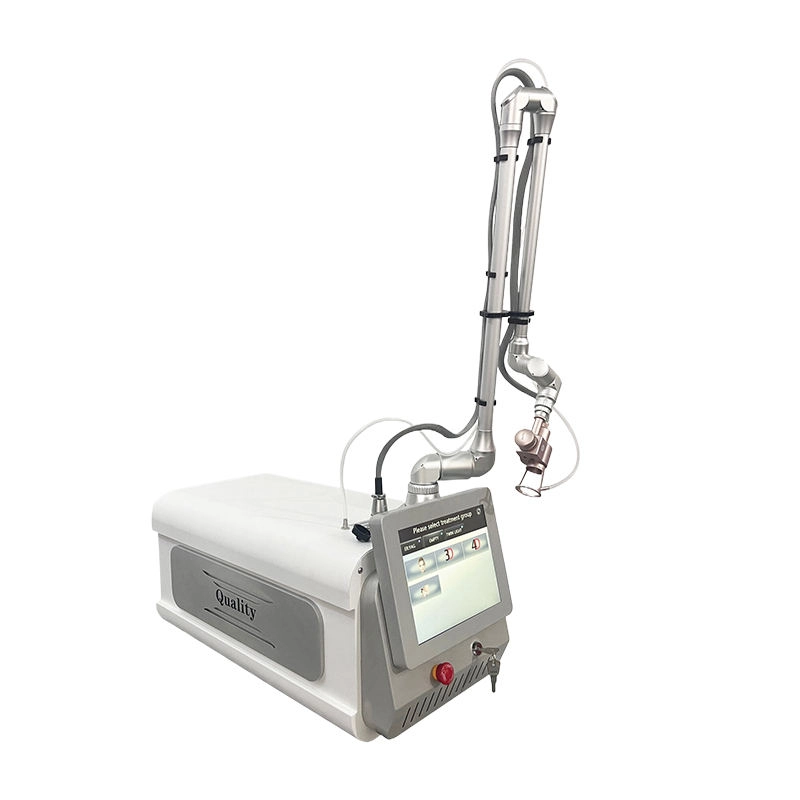
Professional CO2 Fractional Laser Machine | Fractional & Vaginal Rejuvenation CO2 Laser System
The CO2 fractional laser machine is a professional medical-grade device designed for deep skin resurfacing, wrinkle reduction, scar repair, and vaginal rejuvenation. Using a 10600 nm fractional CO2 laser beam, it creates micro-thermal columns on the skin to stimulate collagen regeneration and accelerate skin healing.
This CO2 fractional laser machine provides multiple treatment modes, including fractional mode, surgical cutting mode, and optional vaginal tightening mode, making it ideal for dermatology clinics and professional beauty centers seeking advanced laser solutions.
Its high precision, adjustable spot size, stable energy output, and seven-joint articulated arm ensure safe, accurate, and effective treatment results with minimal downtime.
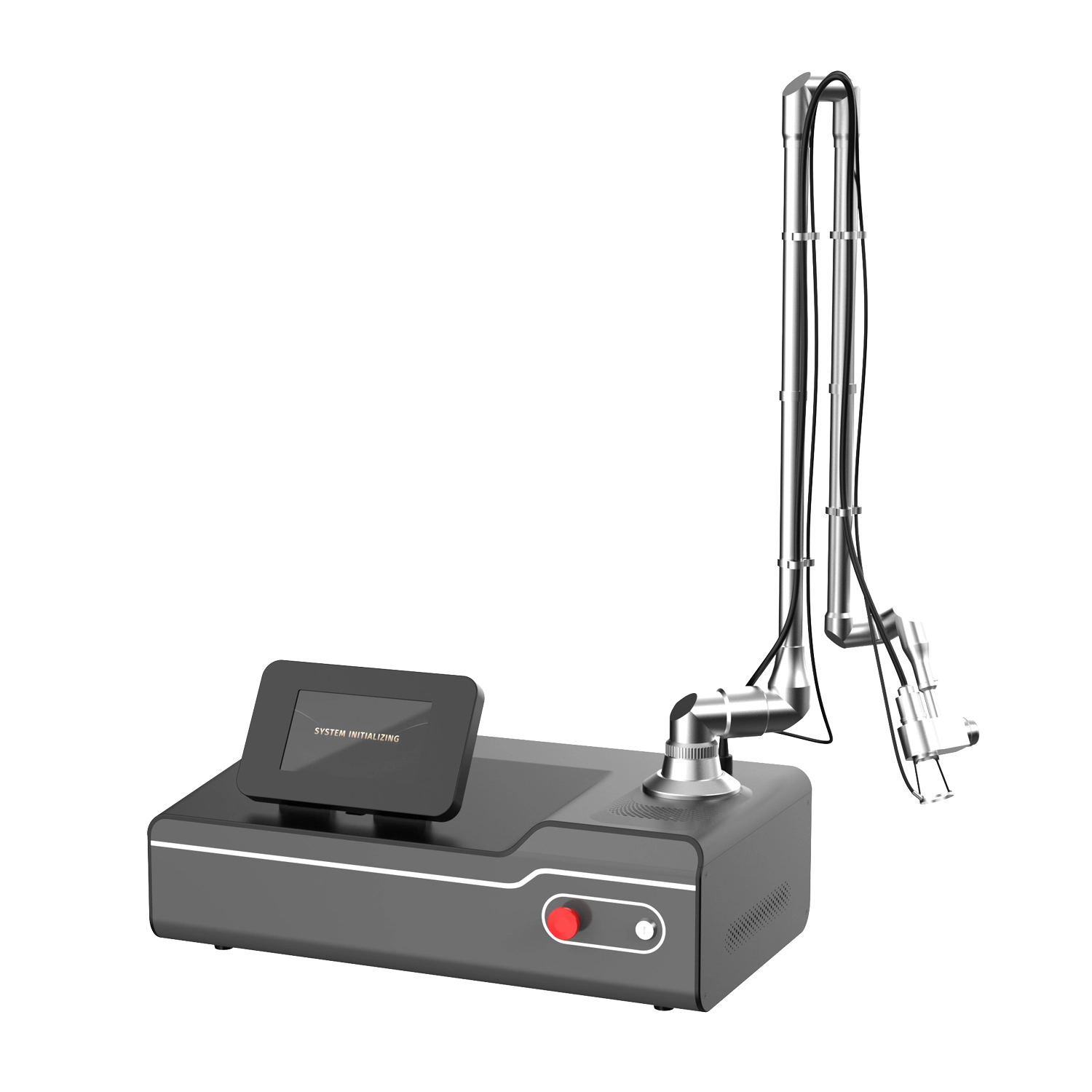
Professional CO2 Fractional Laser Machine for Skin Resurfacing & Scar Treatment
The CO2 Fractional Laser Machine is a professional CO2 fractional laser machine designed for advanced skin resurfacing, scar treatment, and skin rejuvenation procedures.
Using 10,600nm CO2 fractional laser technology, the system delivers controlled microthermal zones into the skin, stimulating collagen remodeling while preserving surrounding tissue. This fractional approach significantly improves treatment safety, recovery time, and clinical outcomes.
The CO2 fractional laser machine is widely used in dermatology clinics and medical aesthetic centers for treating acne scars, wrinkles, enlarged pores, stretch marks, and various skin texture concerns.
Get more information
If you have any comments or good suggestions, please leave us a message; later our professional staff will contact you as soon as possible.
Let's Talk
Stay in touch with us for cutting-edge beauty solutions, professional guidance, and customized service.
Contact


Room 307, Building A, Huilong International E-commerce Industrial Park, No. 10 Xipengling Road, Helong Street, Baiyun District, Guangzhou, China
© 2025 HUIMAIN. All Rights Reserved. Privacy Policy | Terms and Conditions | Sitemap
Facebook
Instagram
Medical beauty equipment factory
huimain Medical beauty equipment factory
beauty machine supplier
Whatsapp: +8619124004543