


- Executive Summary: Quick Buying Guide
- What defines a professional Nd:YAG laser tattoo removal machine?
- Why Definition Matters
- 1. Active vs. Passive Q-Switching: The Engine of Success
- The "How" and "Why"
- 2. Peak Power and Pulse Width Limitations
- Understanding the Photo-Acoustic Effect
- 3. Beam Profile Quality: Top-Hat vs. Gaussian
- The Danger of Gaussian Beams
- 4. Cooling Systems and Continuous Operation
- Reliability in High-Traffic Clinics
- 5. Vendor Support, Certification, and ROI
- Regulatory Compliance & Safety
- The Hidden Costs of Ownership
- Expert Warnings: Common Mistakes Buyers Make
- Frequently Asked Questions (FAQ)
- What is the difference between Pico and Nano Nd:YAG lasers?
- How much does a professional tattoo removal machine cost in 2026?
- How long does the flashlamp last in an Nd:YAG machine?
- Can Nd:YAG lasers remove all tattoo colors?
- Why is an articulated arm important for laser machines?
- What power requirements do I need for a clinic laser?
- Is FDA approval necessary for buying a laser machine?
- How do I calculate ROI for a tattoo removal laser?
- Conclusion
Buying an Nd:YAG Laser Tattoo Removal Machine for Clinic? 5 Things You Must Check Before You Purchase (2026 Guide)
Executive Summary: Quick Buying Guide
For busy clinic owners, selecting the right nd yag laser tattoo removal machine is a balance between clinical efficacy and return on investment. Professional-grade devices differ significantly from aesthetic-grade units in power delivery and safety profiles. Investing in the correct specifications now prevents patient injury and ensures high retention rates later.
- Active Q-Switching is mandatory for professional ink shattering.
- Beam Profile determines safety; avoid Gaussian beams for dark skin.
- Cooling Capacity dictates your daily patient volume.
- Pulse Width must be in the nanosecond range for the photo-acoustic effect.
- Certification (FDA/CE) is non-negotiable for liability insurance.
What defines a professional Nd:YAG laser tattoo removal machine?
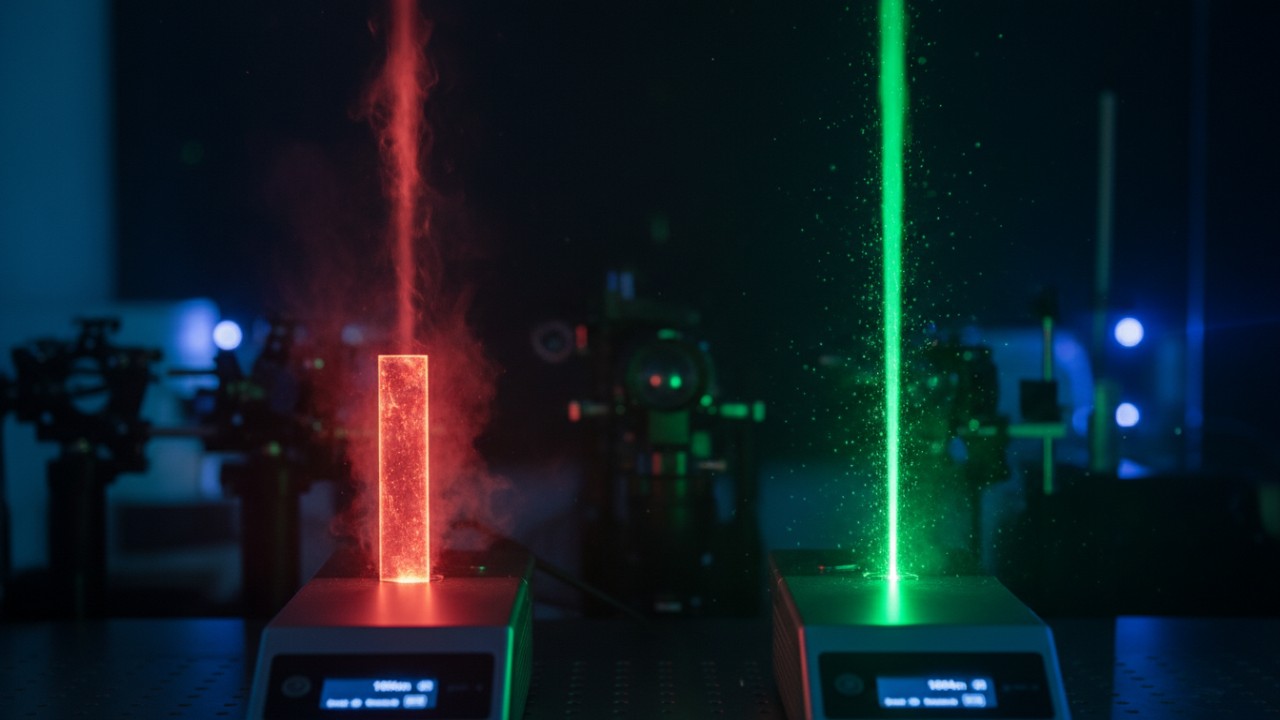
A professional Nd:YAG laser utilizes active Q-switched technology to deliver high peak power in nanosecond pulses, specifically aiming to shatter ink pigment via the photo-acoustic effect while preserving surrounding tissue. It must offer stable output at both 1064nm and 532nm Wavelengths with consistent energy density to treat a full spectrum of ink colors safely.
Why Definition Matters
Unlike hair removal lasers that rely on long-pulse heating (photothermal effect), tattoo removal requires a mechanical shockwave. Only machines capable of producing reliable, high-energy bursts in nanoseconds (billionths of a second) can effectively fragment ink particles small enough for the immune system to flush away.
1. Active vs. Passive Q-Switching: The Engine of Success
Active Q-Switched Technology utilizes an optical modulator (like a Pockels cell) to prevent laser emission until maximum energy is stored, resulting in a precise, high-peak-power giant pulse.
The "How" and "Why"
Many entry-level or portable devices use "Passive" Q-switching. These rely on a saturable absorber dye that bleaches when energy builds up. While cheaper, passive lasers suffer from "pulse jitter" (inconsistent timing) and significantly lower peak power. This results in the "popcorn effect"—where ink heats up but doesn't shatter—leading to scarring and poor clearance.
How to verify your machine:
- Check the Delivery System: Active Q-switched lasers almost always require an Articulated Arm (a series of mirrors) to handle the immense power. If the machine uses a simple fiber-optic gun connected by a wire, it is likely a passive or lower-powered unit.
- Listen to the Sound: Active lasers produce a distinct, loud cracking sound upon impact with the target, indicating a true photo-acoustic shockwave.
2. Peak Power and Pulse Width Limitations
Effective removal depends on Single Pulse Energy Stability delivering at least 300mJ to 1600mJ in a pulse width shorter than 10 nanoseconds.
Understanding the Photo-Acoustic Effect
To shatter ink without burning skin, the laser pulse must be shorter than the Thermal Relaxation Time (TRT) of the ink particle. According to the National Institutes of Health (NCBI), Q-switched lasers function by causing thermomechanical destruction via photoacoustic waves, which requires high-intensity pulses in the nanosecond domain. If the pulse is too long (common in cheap lasers), the energy disperses as heat, causing burns rather than ink fragmentation.
Critical Specs to Audit:
- Pulse Width: Look for <6ns (nanoseconds).
- Peak Power: Calculated as Energy (Joules) / Time (Seconds). A machine with 1000mJ (1J) at 5ns has a peak power of 200 Megawatts. This is the force that breaks the ink.
- Energy vs. Fluence: Ensure the machine can maintain high energy even at larger spot sizes (e.g., 5-10mm) to treat deep ink effectively.
3. Beam Profile Quality: Top-Hat vs. Gaussian
A Laser Flat-Top Beam Profile (or Top-Hat mode) distributes energy evenly across the entire spot size, preventing hot spots and ensuring uniform treatment.
The Danger of Gaussian Beams
In a Gaussian beam, energy is concentrated in the center (the "peak") and tapers off at the edges.
- The Risk: To get the edges of the spot effective enough to remove ink, the center often becomes too hot, leading to pinpoint bleeding or textural damage.
- The Solution: A Flat-Top beam ensures that the energy at the edge of the circle is identical to the center. This allows practitioners to stack pulses side-by-side without overlapping burns or leaving "missed" gaps.
Why this matters for your clinic:
- Safety for Darker Skin: Flat-top profiles significantly reduce the risk of hypopigmentation (white spots) on skin types IV-VI.
- Faster Clearance: Uniform energy means every part of the laser spot is working equally hard to shatter the ink.
4. Cooling Systems and Continuous Operation
High-volume clinics require a water cooling system capable of sustaining continuous operation for 8-12 hours without thermal shutdowns or energy fluctuation.
Reliability in High-Traffic Clinics
An nd yag laser tattoo removal machine generates immense heat. If the cooling system is weak, the flashlamp will overheat, causing the energy output to drop halfway through a treatment. This leads to inconsistent results and frustrated patients.
At Guangzhou Huimain Technology Co., Ltd., we address this by integrating industrial-grade water cycling and airflow systems. Our clinical testing department, operating within our 3,000-square-meter facility, subjects every unit to rigorous continuous-fire stress tests. This ensures that whether it is your first patient at 9 AM or your last at 6 PM, the energy delivery remains perfectly stable.
Cooling Checklist:
- Tank Capacity: Larger water tanks generally offer better thermal buffers.
- Flow Sensors: Does the machine alert you if water flow is obstructed?
- Radiator Quality: Copper radiators dissipate heat faster than aluminum alternatives.
5. Vendor Support, Certification, and ROI
You must verify CE Medical certification or FDA clearance to ensure legal compliance and liability insurance coverage, while performing a Clinic ROI Calculation to determine break-even points.
Regulatory Compliance & Safety
Using non-compliant devices puts your entire practice at risk. According to the U.S. Food and Drug Administration (FDA), laser devices utilized for tattoo removal are regulated medical devices, and using uncleared equipment can result in severe legal penalties and lack of insurance support. Always request the 510(k) number or CE certificate number and verify it independently.
The Hidden Costs of Ownership
When calculating ROI, do not just look at the machine price. Consider the consumables.
- Flashlamp Lifespan: A high-quality lamp (like those used in HUIMAIN systems) should last 1-10 million shots. Cheap lamps may die after 300,000 shots, tripling your maintenance costs.
- Support: Does the vendor offer training? Guangzhou Huimain Technology Co., Ltd. provides comprehensive training and utilizes a team where over 60% of staff hold higher education degrees to support your technical needs.
ROI Example:
- Average Session Price: $150
- Sessions Per Day: 4
- Daily Revenue: $600
- Monthly Revenue (20 days): $12,000
- A quality machine pays for itself in 3-6 months, whereas a cheap machine may cost you more in refunds and repairs.
Expert Warnings: Common Mistakes Buyers Make
- Mistake 1: Buying based on "Watts" alone. In tattoo removal, Peak Power (Megawatts) matters more than Average Power (Watts).
- Mistake 2: Overlooking the Articulated Arm. If the arm is stiff or has poor mirrors, alignment will shift, causing energy loss.
- Mistake 3: Ignoring Service Contracts. Always ask, "If this breaks, how many days will I be down?" Localized support or modular replacement parts are vital.
Frequently Asked Questions (FAQ)
What is the difference between Pico and Nano Nd:YAG lasers?
Pico lasers operate in picoseconds (trillionths of a second), shattering ink into finer dust for faster clearance. However, Nano lasers (active Q-switched) operate in nanoseconds and remain the industry gold standard for cost-effective, reliable removal, especially for black ink.
How much does a professional tattoo removal machine cost in 2026?
Prices vary based on power and brand, typically ranging from $40,000 to $150,000+ for high-end systems. However, direct-from-manufacturer options like HUIMAIN can offer professional Active Q-Switched specs at a more competitive price point due to OEM/ODM efficiencies.
How long does the flashlamp last in an Nd:YAG machine?
Professional lamps typically last between 1 million to 10 million shots depending on the energy settings used. Always factor replacement lamp costs into your operational budget.
Can Nd:YAG lasers remove all tattoo colors?
Standard Nd:YAG (1064nm/532nm) is best for blacks, dark blues, reds, and oranges. Greens and sky blues often require additional dye handpieces (585nm/650nm) or specialized Alexandrite lasers for full clearance.
Why is an articulated arm important for laser machines?
It utilizes precision mirrors to deliver the beam, preserving energy integrity and maintaining the beam profile. Fiber optic delivery systems found in cheaper units often degrade power output and beam quality over time.
What power requirements do I need for a clinic laser?
Look for machines requiring 220V or dedicated 110V circuits. High-power active Q-switched lasers require significant current to charge capacitors quickly and cannot run effectively on standard low-voltage household plugs.
Is FDA approval necessary for buying a laser machine?
Yes, using non-FDA cleared devices in a clinic creates massive liability and insurance issues. It also ensures the device meets specific safety output standards required for patient treatment.
How do I calculate ROI for a tattoo removal laser?
Calculate average revenue per session (e.g., $150) multiplied by patients per day. Subtract consumable costs (lamp shots) and overhead to find the break-even point; high-quality machines usually break even within 4-6 months of steady operation.
Conclusion
Choosing the right laser requires looking beyond the brochure. Prioritize Active Q-Switched Technology, verify your Laser Flat-Top Beam Profile, and ensure your supplier meets international safety standards like CE and FDA clearance. By focusing on technical integrity over the lowest initial price, you ensure safe treatments and a profitable clinic.
Contact Guangzhou Huimain Technology Co., Ltd. at coco@huimainbeauty.com today to discuss your specific needs.

ZGP05-01立式皮秒
Can this pico laser machine be used in beauty salons?
Yes. It is designed for professional use in beauty salons, dermatology clinics, and aesthetic centers.
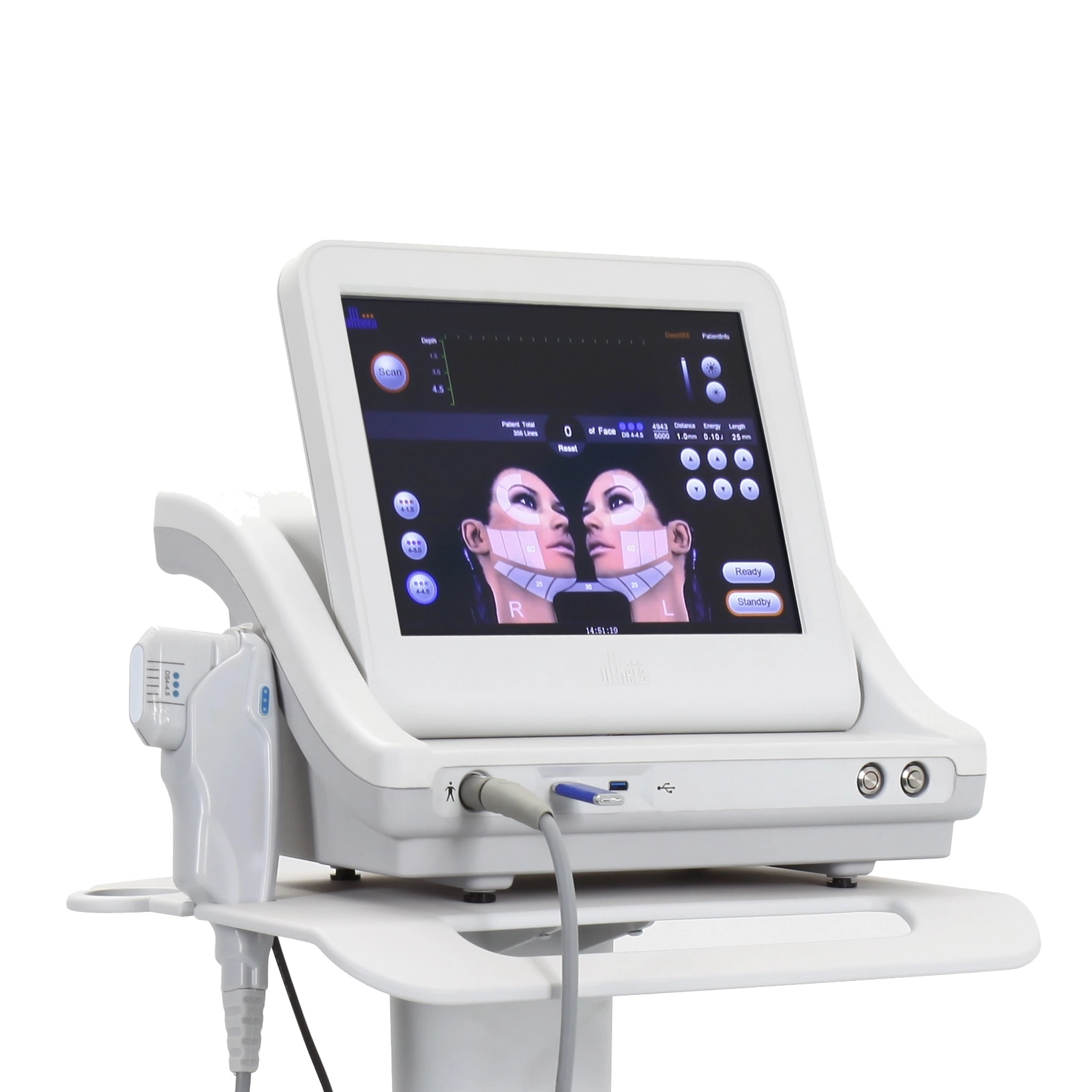
3 in 1 hifu 22 SMAS
Is the 3-in-1 HIFU machine suitable for both face and body?
Yes, this Hifu machine includes cartridges for both facial lifting and body contouring.
Muscle exercise + Roller Massage
Is the treatment safe?
Yes, it’s completely non-invasive, safe for all skin types, and clinically tested for consistent results.
EMS Body Sculpting Machine
What are the main benefits of using an EMS Body Sculpting Machine?
-
Builds and strengthens muscles without physical exercise
-
Reduces fat in targeted body areas
-
Non-invasive, painless, and requires no downtime
-
Quick treatment sessions (typically 30 minutes)
-
Visible results after 4–6 sessions
808 single handle standing
How many sessions are needed for permanent results?
Most clients require 6–8 sessions, depending on hair type, density, and area.


Get more information
If you have any comments or good suggestions, please leave us a message; later our professional staff will contact you as soon as possible.
Let's Talk
Stay in touch with us for cutting-edge beauty solutions, professional guidance, and customized service.
Contact


Room 307, Building A, Huilong International E-commerce Industrial Park, No. 10 Xipengling Road, Helong Street, Baiyun District, Guangzhou, China
© 2025 HUIMAIN. All Rights Reserved. Privacy Policy | Terms and Conditions | Sitemap
Facebook
Instagram
Medical beauty equipment factory
huimain Medical beauty equipment factory
beauty machine supplier
Whatsapp: +8619124004543