


- What is a CO₂ Fractional Laser Machine?
- Key Takeaways: Quick Summary of Machine Costs and ROI
- The Honest Truth About CO₂ Fractional Laser Machine Costs
- Data Comparison Table: CO₂ Fractional vs. Erbium vs. Non-Ablative Machines
- The Biological Benefits: Why Patients Demand This Technology
- Expert Tips: Common Mistakes When Investing in Laser Equipment
- Conclusion
- Frequently Asked Questions
- How much does a professional CO2 fractional laser machine cost?
- Is a fractional CO2 laser better than microneedling?
- How quickly can a clinic see ROI on a CO2 laser?
- What is the lifespan of a CO2 fractional laser machine?
- Do I need a medical director to operate a CO2 laser?
- Are there high consumable costs with CO2 lasers?
- What skin types are safe to treat with a CO2 laser?
- What is the difference between an RF tube and a glass tube CO2 laser?
Is It Worth It? The Honest Truth About CO₂ Fractional Laser Machine Costs and Benefits in 2026
Here is your article page description, manually crafted for SEO and within 300 characters: Is a CO₂ fractional laser machine worth it in 2026? HUIMAIN provides the honest truth about CO₂ laser machine price, benefits, and ROI. Get essential insights to help your corporate practice decide if investing in this advanced technology is the right move. Explore costs and returns.
What is a CO₂ Fractional Laser Machine?
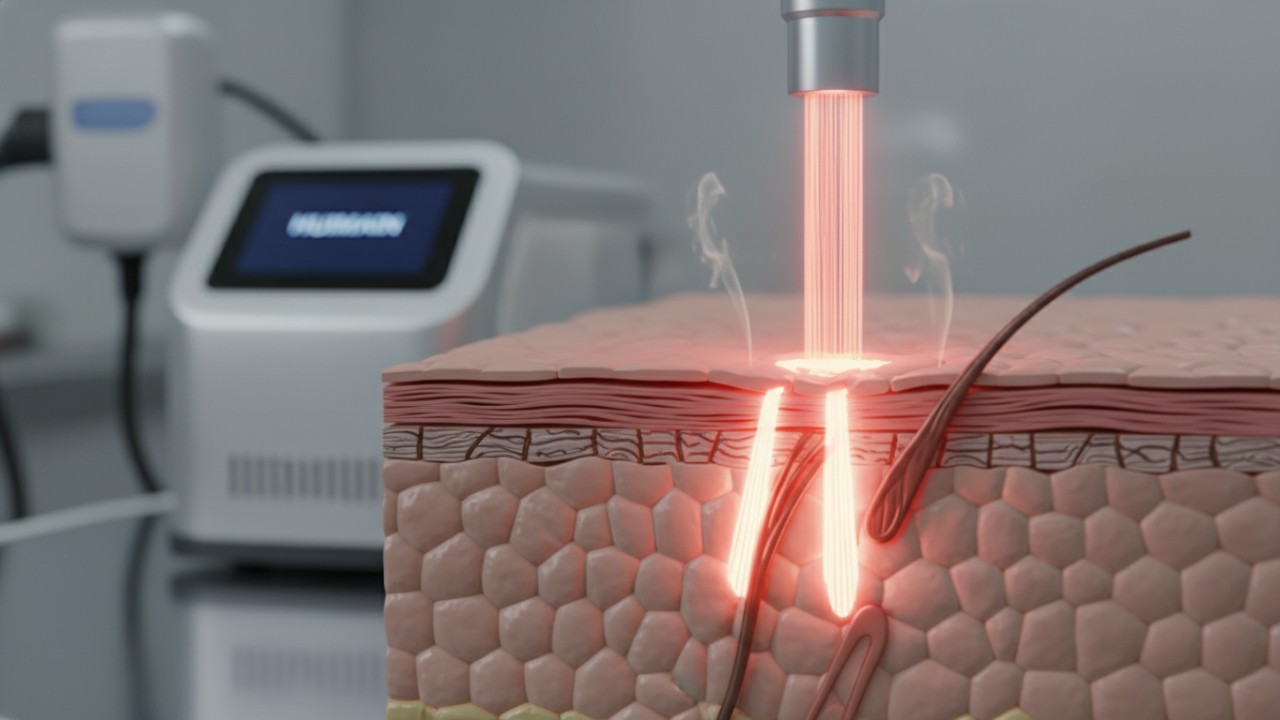
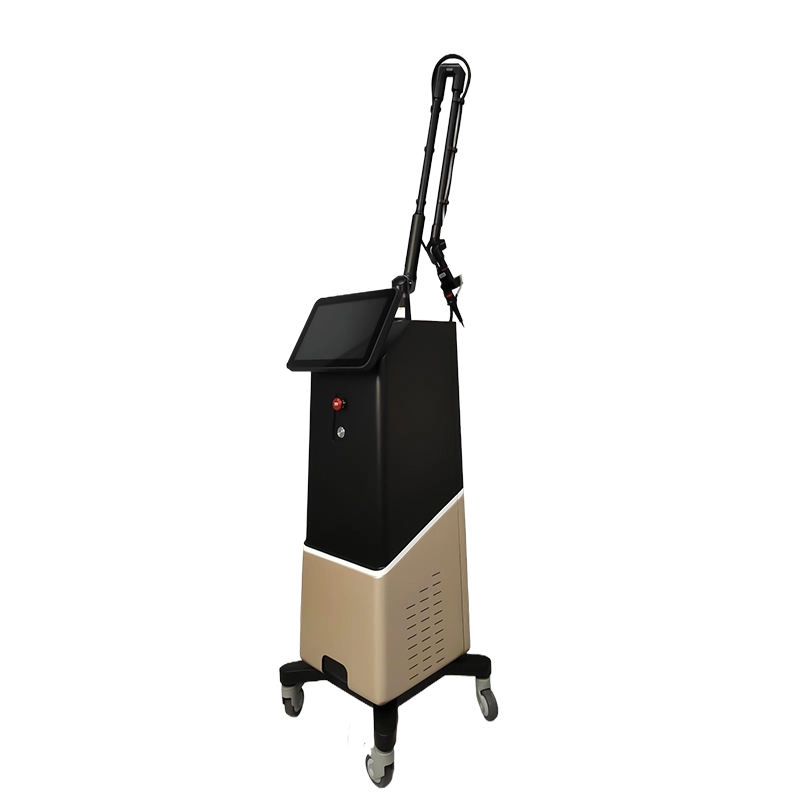
A CO₂ fractional laser machine is an advanced aesthetic device that uses carbon dioxide to emit targeted beams of light, creating microscopic columns of thermal damage in the skin. This process, known as fractionated photothermolysis, stimulates natural collagen production and rapid cellular turnover while leaving surrounding tissue intact.
By preserving the healthy tissue around each microscopic wound, this technology delivers highly effective skin resurfacing with significantly reduced downtime compared to traditional, fully ablative lasers. It represents the pinnacle of modern dermatological treatments, offering practitioners a powerful tool to address complex skin concerns such as severe scarring, deep wrinkles, and advanced photoaging with unparalleled precision.
Key Takeaways: Quick Summary of Machine Costs and ROI
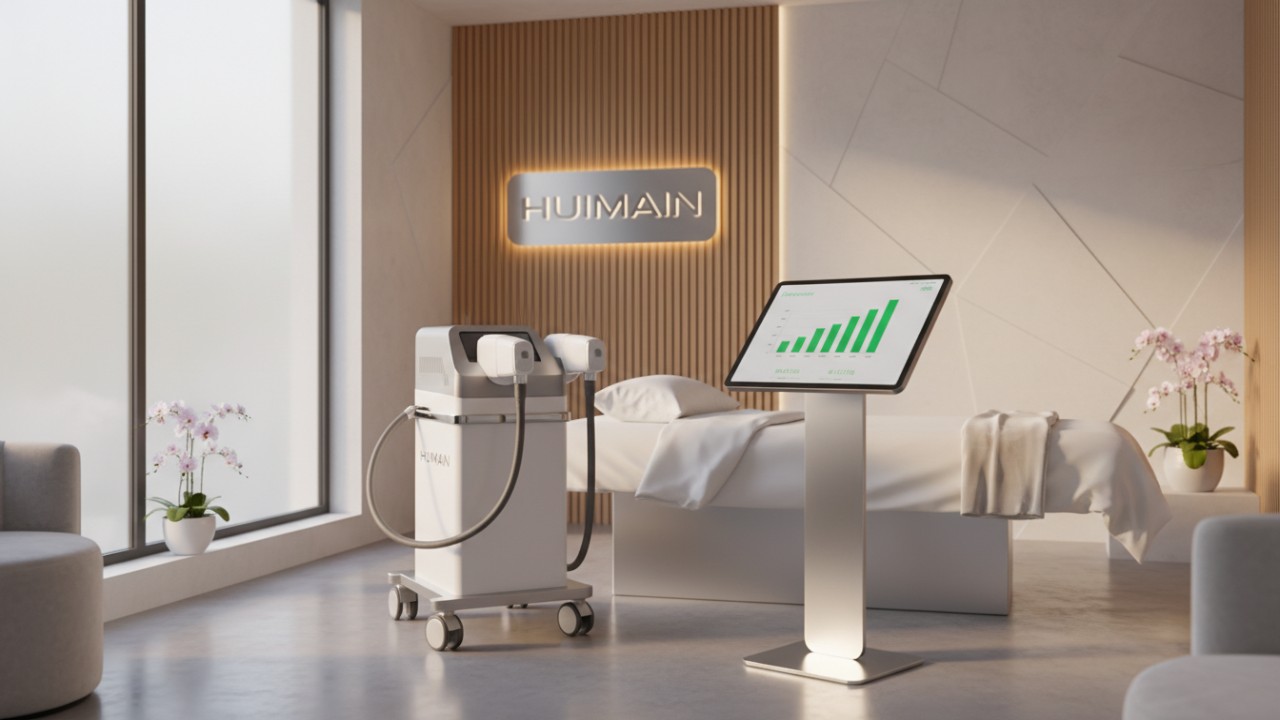
Understanding the true cost and return of a CO2 laser involves evaluating the initial capital expenditure against long-term patient demand. In 2026, surging interest in minimally invasive anti-aging solutions and high per-session profit margins make the fractional laser ROI for clinics highly attractive for modern aesthetic practices.
- Initial investment vs. Long-term gains: Understanding the true cost of ownership goes beyond the sticker price, factoring in maintenance, consumables, and staff training.
- Patient demand is surging in 2026: Consumers are actively seeking out minimally invasive anti-aging solutions with proven, dramatic results over traditional surgical facelifts.
- High profit margins: The substantial revenue generated per session makes the ROI timeline highly attractive for clinics, often covering the machine cost within a matter of months.
- Strategic purchasing: Choosing the right machine requires balancing peak power, pulse duration, and reliable post-sale support from a reputable manufacturer.
The Honest Truth About CO₂ Fractional Laser Machine Costs
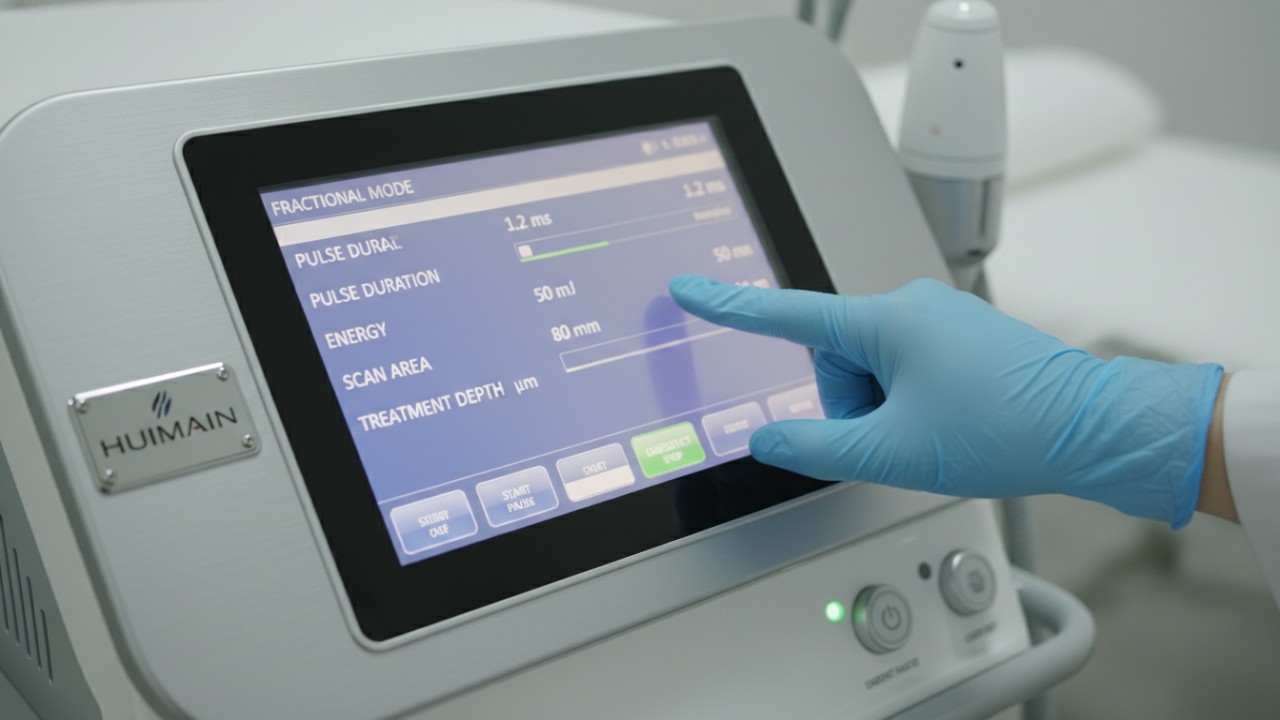
The total cost of owning a CO2 laser extends beyond the initial purchase, encompassing hidden operational expenses and staff training. However, by charging premium rates for advanced skin resurfacing treatments, clinics can rapidly offset these expenses and generate substantial long-term revenue, securing a fast return on investment.
- Upfront Capital Expenditure: The CO2 laser machine price varies widely based on specifications. Entry-level clinical machines may start around $30,000, while premium, high-peak-power platforms equipped with advanced RF tubes can easily exceed $100,000. When evaluating these costs, practitioners must consider the build quality, the origin of the core components, and the versatility of the included handpieces.
- Hidden Operational Costs: Clinic owners must account for ongoing expenses, including necessary consumables, routine maintenance, and specialized cooling systems required to keep the device running optimally. Unlike some aesthetic devices that require expensive proprietary tips for every single patient, CO2 lasers generally have lower per-patient consumable costs, making the long-term operational budget highly predictable.
- Training and Certification: Factoring in the cost to properly train staff is critical. Comprehensive education ensures patient safety, minimizes complication risks (such as post-inflammatory hyperpigmentation), and guarantees optimal clinical results. Investing in advanced clinical training allows practitioners to confidently treat a wider range of skin types.
- Calculating ROI: Because practitioners can charge premium rates for treating deep wrinkles and severe acne scars, the initial machine cost is quickly offset. For example, if a clinic charges an average of $1,500 per full-face resurfacing session and performs just four treatments a week, they generate $6,000 weekly or $24,000 monthly. At this volume, even a premium machine achieves full ROI in just a few months.
Data Comparison Table: CO₂ Fractional vs. Erbium vs. Non-Ablative Machines
Comparing laser technologies reveals distinct differences in cost, clinical indications, and financial returns. While CO2 lasers require a higher initial investment, their unmatched efficacy for deep resurfacing typically yields a faster return on investment compared to Erbium or non-ablative alternatives, making them a superior clinical choice.
This ablative vs non-ablative laser comparison highlights why CO2 remains a top choice for serious aesthetic practices:
| Technology Type | Average Machine Cost | Primary Indication | Average ROI Timeline |
|---|---|---|---|
| CO₂ Fractional (Ablative) | $$$$ | Deep resurfacing, severe acne scars, deep rhytids | 6-12 months |
| Erbium (Ablative) | $$$ | Superficial resurfacing, mild to moderate wrinkles | 9-15 months |
| Non-Ablative Lasers | $$ | Mild texture issues, superficial pigmentation | 12-18 months |
The Biological Benefits: Why Patients Demand This Technology
Patients demand CO2 laser treatments because they deliver profound biological skin rejuvenation through controlled thermal injury. This process triggers massive collagen remodeling, effectively erasing deep wrinkles, severe acne scars, and hyperpigmentation with fewer sessions than milder aesthetic alternatives, cementing its status as the industry gold standard.
- Microthermal Treatment Zones (MTZs): The laser creates precise columns of thermal injury known as Microthermal Treatment Zones (MTZs). According to the National Institutes of Health, this fractionated delivery allows the undamaged surrounding tissue to act as a reservoir of viable cells, promoting faster healing without compromising clinical efficacy. This targeted approach significantly reduces the risk of scarring while maximizing the regenerative response.
- Unmatched Collagen Induction: By penetrating deep into the dermis, the thermal energy stimulates fibroblasts to produce new type I and type III collagen, alongside fresh elastin fibers. This neocollagenesis is highly effective at eradicating severe acne scars, deep rhytids (wrinkles), and stubborn hyperpigmentation. As noted by the Cleveland Clinic, fractionated CO2 lasers drill numerous narrow columns deep into the skin's layers, ensuring profound structural remodeling that continues to improve for up to six months post-treatment.
- The "Gold Standard" Reputation: Dermatologists and aesthetic surgeons continue to revere CO2 lasers as the ultimate skin rejuvenation tool. The dramatic, long-lasting results simply cannot be replicated by lighter chemical peels or microneedling alone. For patients seeking a "non-surgical facelift," the tissue contraction provided by ablative CO2 energy is unparalleled.
- Industry Leading Solutions: Advanced platforms offer customizable pulse controls to maximize these biological benefits safely. For instance, Guangzhou Huimain Technology Co., Ltd. (brand HUIMAIN) is a high-tech enterprise specializing in the R&D and production of professional beauty machines. Operating from a 3,000-square-meter facility with a technical team where over 60% hold higher education degrees, HUIMAIN produces cutting-edge equipment backed by CE certification and SGS approval. Their rigorous quality control and dedicated clinical testing departments ensure their machines deliver precise, uniform energy, maximizing patient outcomes while minimizing downtime.
Expert Tips: Common Mistakes When Investing in Laser Equipment
Purchasing aesthetic laser equipment requires careful evaluation of technical specifications and manufacturer reliability to avoid costly mistakes. Clinic owners must prioritize peak power, ultra-short pulse durations, and robust post-sale support to ensure patient safety, minimize clinical downtime, and maximize their overall financial investment.
When sourcing aesthetic dermatology equipment 2026, avoid these critical pitfalls:
- Mistake 1: Ignoring peak power and pulse durations. Low-power machines require longer pulse durations to deliver energy, leading to excessive bulk heating, higher thermal damage, and prolonged patient downtime. Always opt for systems that can deliver ultra-short, high-peak-power pulses.
- Mistake 2: Failing to assess warranty and support. A broken machine means lost revenue and canceled appointments. Partnering with an established enterprise like Guangzhou Huimain Technology Co., Ltd., which boasts dedicated engineering departments and extensive OEM/ODM capabilities, ensures reliable development and swift after-sales service globally.
- Mistake 3: Underestimating complementary skincare. Failing to implement pre- and post-treatment skincare protocols can hinder machine results and leave the compromised skin barrier vulnerable to infection or pigmentation issues.
- Expert Advice: Always request a clinical demonstration and verify the core components before purchasing. Specifically, ask about the origin and lifespan of the RF tube, as this dictates the stability and longevity of the laser beam.
Conclusion
Investing in a premium CO2 fractional laser is a substantial but highly lucrative commitment for aesthetic practices in 2026. By thoroughly understanding operational costs, comparing technologies, and partnering with a reputable manufacturer, clinics can ensure rapid financial returns and exceptional, long-lasting patient outcomes.
The clinical benefits and high patient demand make these devices an incredibly valuable asset for any modern practice looking to scale its revenue. By avoiding common purchasing mistakes and choosing a machine with superior technological capabilities, you can guarantee a rapid ROI and unmatched patient satisfaction.
Contact Guangzhou Huimain Technology Co., Ltd. today to discuss your specific needs.
Frequently Asked Questions
Review these common questions to further understand the operational and financial considerations of integrating a CO2 laser into your practice.
How much does a professional CO2 fractional laser machine cost?
Professional machines can range anywhere from $30,000 to over $100,000 depending on the brand, peak power, RF tube quality, and included handpieces. Financing and leasing options are often available to help clinics manage the upfront capital expenditure.
Is a fractional CO2 laser better than microneedling?
Fractional CO2 lasers generally provide more dramatic results for deep wrinkles and severe acne scars in fewer sessions. Microneedling is less invasive and cheaper, but lacks the intensive thermal energy required for deep tissue coagulation and massive collagen remodeling.
How quickly can a clinic see ROI on a CO2 laser?
Because CO2 laser treatments command a premium price (often $1,000 to $3,000+ per session), clinics with steady patient volume can see a return on investment within 6 to 12 months.
What is the lifespan of a CO2 fractional laser machine?
With proper maintenance, a high-quality machine can last 7 to 10 years. The internal RF tube, which generates the laser energy, typically requires refurbishing or replacement every 3 to 5 years depending on usage.
Do I need a medical director to operate a CO2 laser?
In most jurisdictions, yes. CO2 lasers are Class IV medical devices and usually require a medical director (like a physician or dermatologist) to oversee the treatments. Always check your local and state medical board regulations regarding laser operation.
Are there high consumable costs with CO2 lasers?
Compared to other aesthetic devices, CO2 lasers generally have very low consumable costs. The primary ongoing costs are routine maintenance, cooling water changes, and occasionally replacing protective lenses or tips.
What skin types are safe to treat with a CO2 laser?
CO2 lasers are traditionally safest for Fitzpatrick skin types I-III. Treating darker skin types (IV-VI) carries a high risk of post-inflammatory hyperpigmentation (PIH) and requires extensive clinical expertise and customized machine settings.
What is the difference between an RF tube and a glass tube CO2 laser?
RF (Radio Frequency) metal tubes provide a much more stable, uniform beam and last significantly longer than traditional glass tubes. Glass tubes are cheaper to manufacture but are fragile, have shorter lifespans, and deliver less consistent energy pulses.
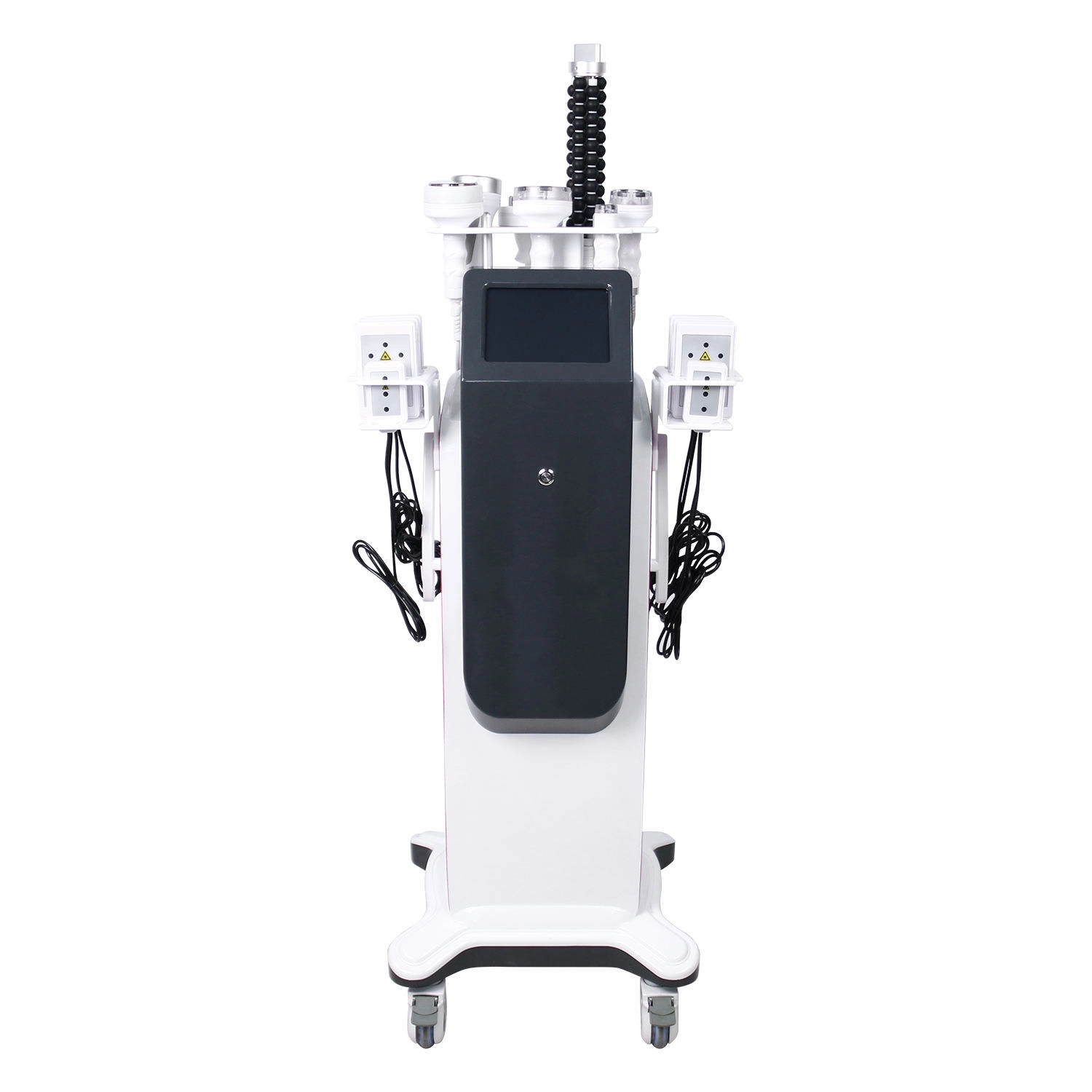

HMT12R
Is this device suitable for all body types?
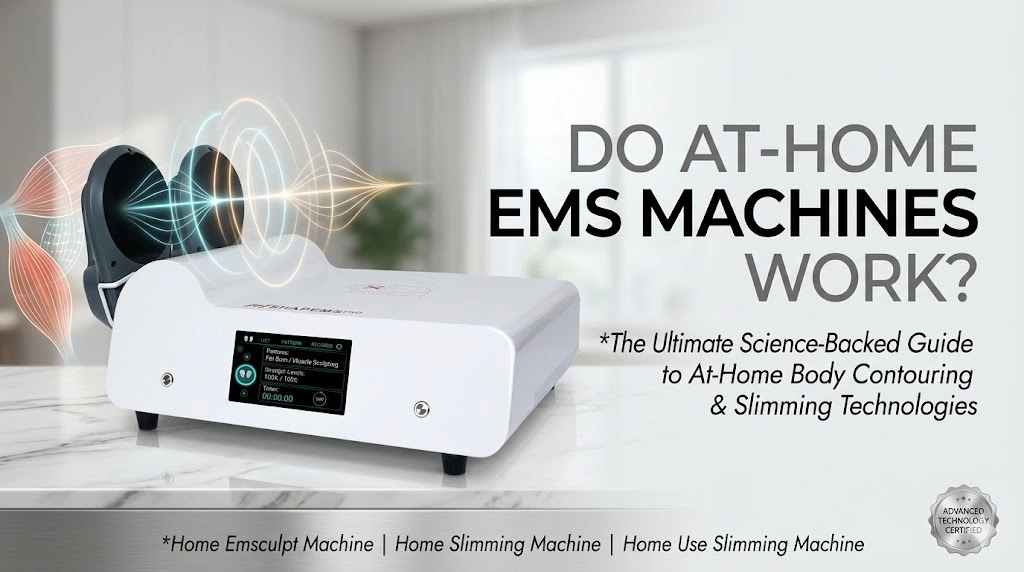
The device is most effective for individuals who are close to their ideal weight but have stubborn pockets of fat and a desire for more muscle definition. It is not intended as a weight loss solution for obese individuals. A proper client consultation is essential to determine suitability.
EMT-13
Can the HIEMT POS be used for postpartum recovery?
Yes, it’s highly effective for strengthening abdominal and pelvic muscles after childbirth.
Frequently Asked Questions: EMS Sculpting ROI
How should I price EMS treatments to maximize profit?
We recommend selling packages of 4 to 6 sessions, rather than single treatments, to ensure clinical results and immediately boost your Average Ticket Value (ATV). Many clinics also offer profitable "monthly maintenance memberships" for recurring revenue.
EMS-K
Who is a suitable candidate for this treatment?
This device is suitable for individuals who want to improve their body shape, increase muscle mass, and reduce fat without strenuous exercise or surgery. It is not recommended for pregnant women, individuals with metal implants, or those with pacemakers. A professional evaluation is advised before use.
VM-3
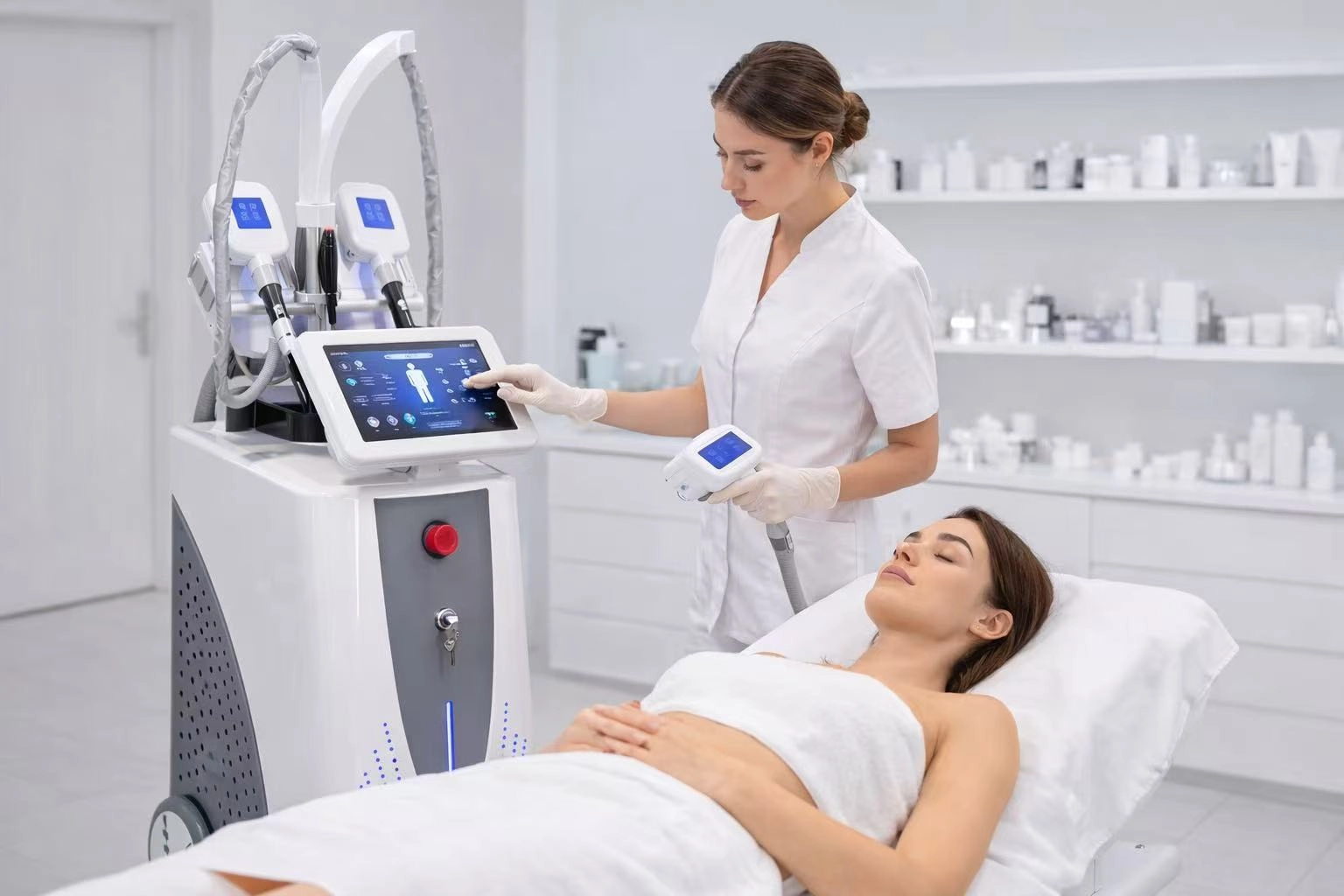
Is there any downtime after cryolipolysis treatment?
No downtime. Clients can return to normal activities immediately.



Get more information
If you have any comments or good suggestions, please leave us a message; later our professional staff will contact you as soon as possible.
Let's Talk
Stay in touch with us for cutting-edge beauty solutions, professional guidance, and customized service.
Contact


Room 307, Building A, Huilong International E-commerce Industrial Park, No. 10 Xipengling Road, Helong Street, Baiyun District, Guangzhou, China
© 2025 HUIMAIN. All Rights Reserved. Privacy Policy | Terms and Conditions | Sitemap
Facebook
Instagram
Medical beauty equipment factory
huimain Medical beauty equipment factory
beauty machine supplier
Whatsapp: +8619124004543