


- The Business Value of Routine Equipment Maintenance
- Protecting Your ROI and Preventing Costly Downtime
- Ensuring Patient Safety and Consistent Clinical Outcomes
- Daily Cleaning and Post-Treatment Protocols
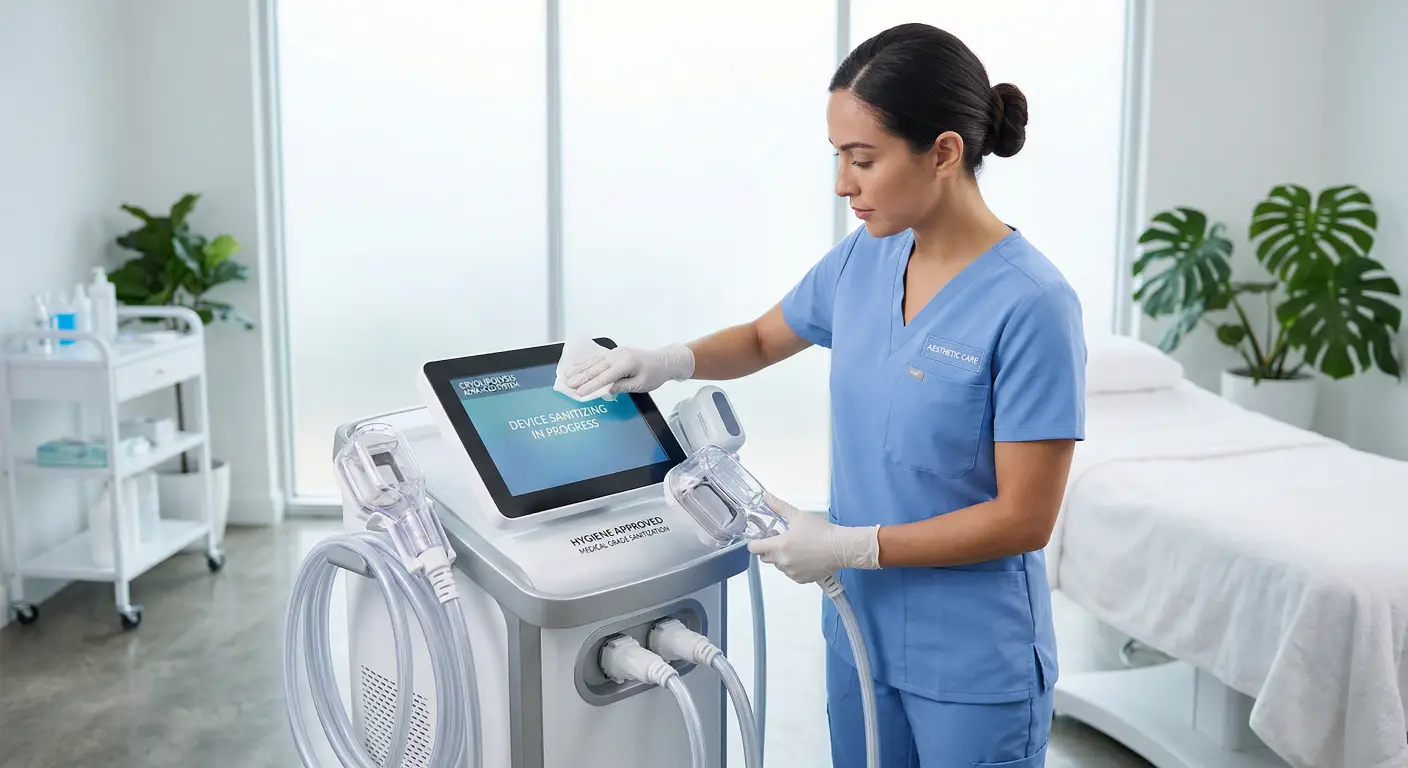
- Properly Sanitizing the 360-Degree Cooling Applicators
- Inspecting Vacuum Hoses and Connectors for Debris
- Monthly System Checks: Internal Water and Filtration
- Why Changing the Circulating Cooling Water is Crucial
- Cleaning and Replacing the Dust and Liquid Filters
- Common Maintenance Mistakes That Shorten Machine Lifespan
- The Danger of Using Low-Quality Antifreeze Membranes
- Ignoring Software Alerts and Temperature Calibrations
- Choose a Manufacturer That Prioritizes Durability and Support
- The Importance of High-Grade Internal Components
- HUIMAIN: Reliable Engineering and Global Technical Support
- Conclusion: Safeguarding Your Aesthetic Capital Investment
- Frequently Asked Questions (FAQs) About Cryolipolysis Maintenance
How to Maintain Your Professional Cryolipolysis Machine for Optimal Lifespan
Learn essential Professional Cryolipolysis Machine Maintenance protocols. Discover daily cleaning and monthly water change routines to extend your equipment's lifespan and protect your clinic's ROI.
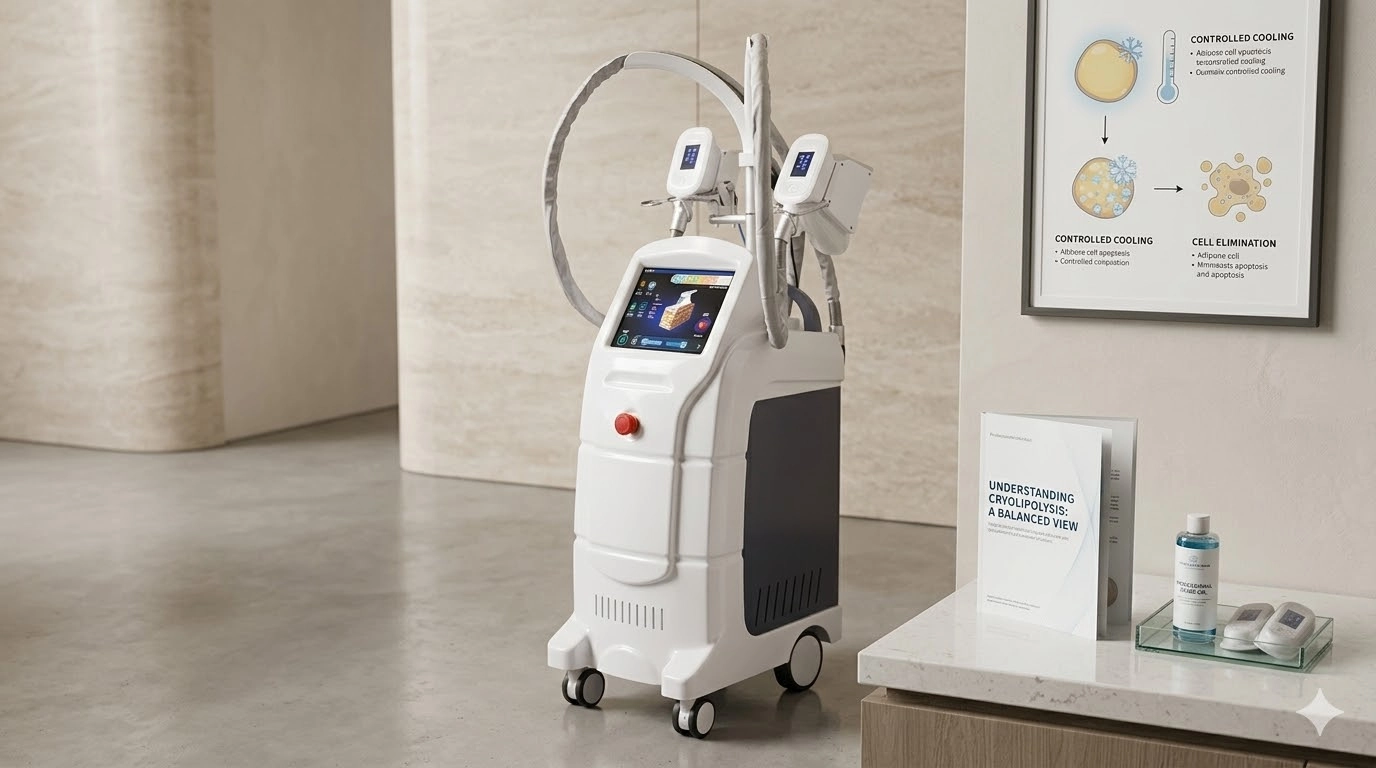
For aesthetic clinic directors and medical spa owners, investing in clinical-grade body contouring technology is a major capital expenditure. Earning a rapid return on that investment depends not only on effective marketing and patient volume but also on the mechanical reliability of your equipment. Implementing rigorous Professional Cryolipolysis Machine Maintenance protocols is the only way to ensure your device operates at peak performance, day after day. This comprehensive guide outlines the exact daily and monthly procedures required to keep your fat-freezing technology in pristine condition.
The Business Value of Routine Equipment Maintenance
Operating a high-volume aesthetic practice requires equipment that functions flawlessly. When you understand how to properly Maintain Fat Freezing Machine protocols, you are doing far more than just protecting the hardware; you are actively safeguarding your clinic's entire revenue stream and professional reputation.
Protecting Your ROI and Preventing Costly Downtime
In the aesthetic industry, machine downtime equates directly to lost revenue. If a vacuum pump fails or a cooling plate malfunctions due to neglect, you are forced to cancel fully booked days, issue refunds, and manage frustrated patients. Routine maintenance catches minor issues—like a slightly clogged filter—before they escalate into catastrophic mechanical failures, ensuring your treatment rooms remain consistently profitable.
Ensuring Patient Safety and Consistent Clinical Outcomes
The efficacy of fat cell apoptosis relies entirely on precise temperature control. If dirt, dust, or dried gel obstructs the machine's thermal sensors or cooling vents, the system cannot regulate the cold accurately. Proper Cryolipolysis Equipment Care guarantees that the device hits and holds its critical -9°C to -11°C target without fluctuation. A well-maintained machine prevents thermal burns, protects the epidermis, and delivers the uniform, dramatic contouring results your patients expect.
Daily Cleaning and Post-Treatment Protocols
The foundational work required to Extend Cryolipolysis Machine Lifespan starts the exact moment a patient leaves the treatment bed. Daily habits prevent the accumulation of residues that can degrade the machine's external materials and internal pathways over time.
Properly Sanitizing the 360-Degree Cooling Applicators
During a session, the protective antifreeze membrane secretes a thick, viscous gel. If left to dry, this gel hardens and degrades the soft silicone edges of the applicator cups, causing them to crack and lose their vacuum seal. Diligently cleaning 360-degree cooling applications is mandatory after every single use.
- Wipe Down: Use a soft, damp cloth or non-corrosive medical wipe to remove all visible gel from the silicone cup and the interior cooling panels.
- Avoid Harsh Chemicals: Never use pure alcohol or highly abrasive industrial solvents, as these will permanently dry out and crack the medical-grade silicone.
- Dry Completely: Ensure the applicator is entirely dry before placing it back in its holster to prevent moisture from pooling near the electronic connection pins.
These specialized cups are the core of your clinical success. To fully understand their complex internal engineering and why they require such precise care, read our deep dive on 360-degree cooling vs. standard panels.
Inspecting Vacuum Hoses and Connectors for Debris
The vacuum hose is the lifeline of the applicator. After cleaning the cup, visually inspect the base of the applicator and the connection hose. Occasionally, excess gel can be sucked past the cup's primary barrier. If you notice any gel accumulation near the suction port, clean it immediately. Allowing liquid to travel up the hose and into the main chassis is the leading cause of premature vacuum pump failure.
Monthly System Checks: Internal Water and Filtration
Beyond surface sanitation, the internal mechanics of your device require scheduled attention. A strict monthly schedule for managing internal fluids and airflow is a non-negotiable aspect of Professional Cryolipolysis Machine Maintenance.
Why Changing the Circulating Cooling Water is Crucial
Clinical cryolipolysis devices generate a massive amount of internal heat as they extract thermal energy from the patient. To dissipate this heat, they rely on complex internal water-cooling systems. Performing a scheduled Cryolipolysis Machine Water Change (typically every 3 to 4 weeks depending on volume) is vital.
- Use Only Purified Water: You must strictly use distilled or purified water. Tap water contains minerals (like calcium) that will scale and permanently block the internal radiator pipes.
- Prevent Algae: Stagnant water breeds algae, which will clog the water pump and cause the machine to trigger an over-temperature safety shutdown.
Cleaning and Replacing the Dust and Liquid Filters
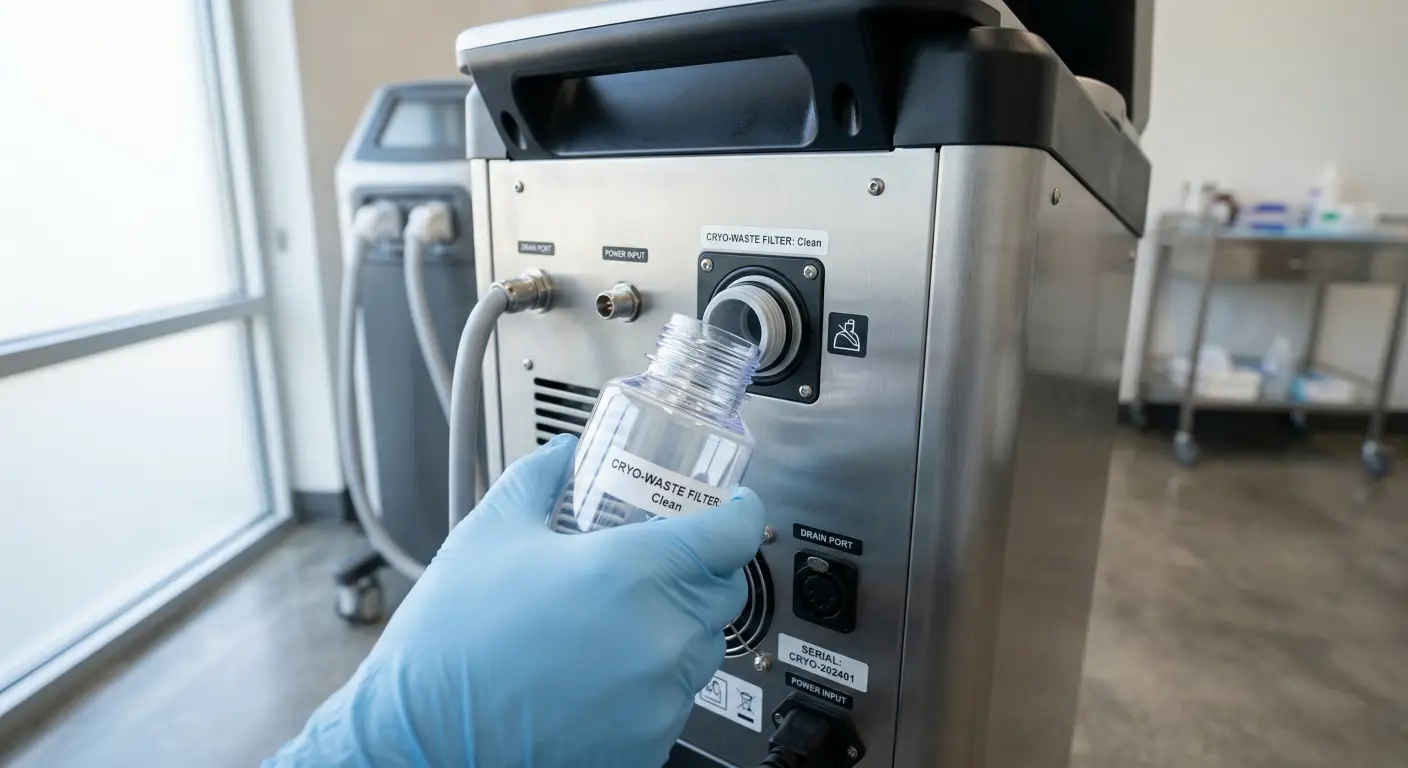
Modern machines are equipped with two distinct filtration systems: a dust filter for the cooling fans and a liquid filter (often a small external bottle) attached to the vacuum line.
- Air Filters: Remove the back panels and vacuum or wash the dust screens. A choked fan forces the compressor to overwork, drastically shortening its life.
- Liquid Filters: Empty the waste liquid bottle weekly. Performing a complete Fat Freezing Filter Replacement every few months ensures that stray antifreeze gel never reaches the sensitive internal electronics.
Common Maintenance Mistakes That Shorten Machine Lifespan
Even well-intentioned operators can inadvertently damage high-end clinical equipment. Understanding what not to do is just as critical to maintaining a fat-freezing machine's longevity as your proactive care routines.
The Danger of Using Low-Quality Antifreeze Membranes
A clinic should never attempt to cut overhead costs by purchasing cheap, uncertified antifreeze membranes. Low-quality membranes often contain thin, watery fluids rather than thick, high-viscosity gels. Under vacuum pressure, this watery liquid easily bypasses the applicator's safety screens, floods the hoses, and destroys the internal vacuum pump. Investing in premium membranes protects the machine just as much as it protects the patient's skin.
Ignoring Software Alerts and Temperature Calibrations
Advanced systems feature diagnostic software that issues alerts for low water flow, high internal temperatures, or vacuum leaks. A severe operational mistake is simply resetting the machine to bypass the alarm without investigating the root cause. Should the machine issue a warning, please pause operations and promptly consult your technical manual or reach out to manufacturer support.
Choose a Manufacturer That Prioritizes Durability and Support
Maintenance is significantly easier and far less frequent when the equipment is engineered for heavy commercial resilience from the start. Your choice of equipment supplier heavily influences your clinic's operational stability.
The Importance of High-Grade Internal Components
The components beneath the casing dictate a machine's lifespan. Devices made with high-quality materials like aerospace-grade aluminum cooling panels, efficient Japanese or German water pumps, and strong medical-grade silicone will last much longer under daily use compared to cheaper options made with low-quality plastics and standard compressors.
HUIMAIN: Reliable Engineering and Global Technical Support
When upgrading your clinic, partnering with a source manufacturer provides immense operational advantages. HUIMAIN engineers body contouring systems with modular internal architectures, making routine maintenance and part replacements incredibly straightforward. Should an issue arise, direct access to the manufacturer means you receive immediate global technical support and fast parts dispatch, ensuring your treatment rooms never sit empty.
Conclusion: Safeguarding Your Aesthetic Capital Investment
A well-maintained clinical device is a highly profitable one. By adhering to daily sanitation protocols for your applicators, strictly managing the internal water and filtration systems, and avoiding low-quality consumables, you guarantee a flawless operational record. Exceptional care not only ensures patient safety but also secures the financial success of your entire body contouring program. A well-maintained machine is the backbone of any successful clinic operations outlined in our comprehensive guide to cryolipolysis machines.
As a top manufacturer of Durable Cryolipolysis Machines, HUIMAIN provides advanced and well-made aesthetic equipment at factory prices, along with personalized OEM options and committed technical support. Join us today at https://www.huimainbeauty.com to equip your business with technology designed for performance and durability.
Frequently Asked Questions (FAQs) About Cryolipolysis Maintenance
1. How often do I need to change the distilled water in the machine?
For a clinic utilizing the machine daily, it is highly recommended to drain and replace the distilled water every 3 to 4 weeks. If the machine sees infrequent use, changing the water every 6 weeks is sufficient to avoid scaling and stagnation.
2. Can I use alcohol wipes to clean the silicone applicators?
No. High-concentration alcohol strips the natural moisture from the medical-grade silicone, causing it to become brittle, crack, and eventually fail to hold a vacuum seal. Always use non-alcoholic, medical-grade sanitizing wipes or a mild soapy water solution.
3. What should I do if the vacuum suction feels weak?
First, check the applicator cup for any cracks or degraded silicone. Next, inspect the vacuum hose to ensure it is securely clicked into the main unit. Finally, inspect the external liquid filter bottle; if it is full or the filter sponge is saturated with gel, it will restrict the suction power and must be cleaned immediately.

K-37
Can it be used by everyone?
It’s suitable for healthy adults, but not recommended for pregnant women or those with pacemakers or metal implants.
单手柄12d hifu
Is the 12D HIFU Facial Machine safe?
Yes, the device is non-invasive and safe for all skin types with adjustable energy levels.
12D-MAX
How long do results last?
Results typically last between 18–24 months depending on skin condition and lifestyle.
ZGP03 (台式皮秒)
Is this Nd YAG Picosecond Laser safe for different skin types?
Yes, adjustable parameters allow safe and effective treatment across various skin types.
OL-153
What makes OL-153 different from other facial machines?
It combines Hydro Dermabrasion + Oxygen Spray + Water Oxygen Therapy in one system, delivering visible results and improved efficiency for salons and spas.

Get more information
If you have any comments or good suggestions, please leave us a message; later our professional staff will contact you as soon as possible.
Let's Talk
Stay in touch with us for cutting-edge beauty solutions, professional guidance, and customized service.
Contact


Room 307, Building A, Huilong International E-commerce Industrial Park, No. 10 Xipengling Road, Helong Street, Baiyun District, Guangzhou, China
© 2025 HUIMAIN. All Rights Reserved. Privacy Policy | Terms and Conditions | Sitemap
Facebook
Instagram
Medical beauty equipment factory
huimain Medical beauty equipment factory
beauty machine supplier
Whatsapp: +8619124004543