


- What is Plasma? Understanding the Fourth State of Matter
- The Mechanism of Action: How Cold Plasma Interacts with Skin
- 1. Electroporation and Transdermal Absorption (TDDS)
- 2. Sterilization and The Ozone Effect
- 3. Skin Regeneration and Ion Balancing
- The Clinical Benefits of Cold Plasma Therapy
- 1. Advanced Acne Management
- 2. Eczema and Psoriasis Relief
- 3. Accelerated Wound Healing
- 4. Skin Brightening and Texture Improvement
- Cold Plasma vs. Hot (Fibroblast) Plasma: What’s the Difference?
- Applications in Professional Aesthetics
- Safety Profile and Contraindications
- Choosing a Reliable Plasma Facial Machine
- FAQ: Common Questions About Cold Plasma Technology
- Conclusion
- CTA (Call to Action)
How Does a Cold Plasma Facial Machine Work? Technology & Benefits
In the rapidly evolving landscape of aesthetic medicine, technology is constantly shifting from invasive procedures toward non-invasive, zero-downtime solutions. Among these advancements, the Plasma Facial Machine has emerged as a revolutionary tool for skin health. However, there is significant confusion in the market regarding the different types of plasma technology.
While "hot" plasma (fibroblast) is known for cauterization and skin tightening through sublimation, Cold Plasma represents a sophisticated leap forward. It offers the power of plasma energy without thermal damage, making it suitable for treating active acne, sensitive skin, and enhancing transdermal absorption.
For aesthetic practitioners and clinic owners, understanding the physics and biological responses of a cold plasma medical device is essential. This guide explores the intricate mechanism of action, the benefits of non-thermal atmospheric pressure plasma, and why it is becoming a staple in modern dermatology.
What is Plasma? Understanding the Fourth State of Matter
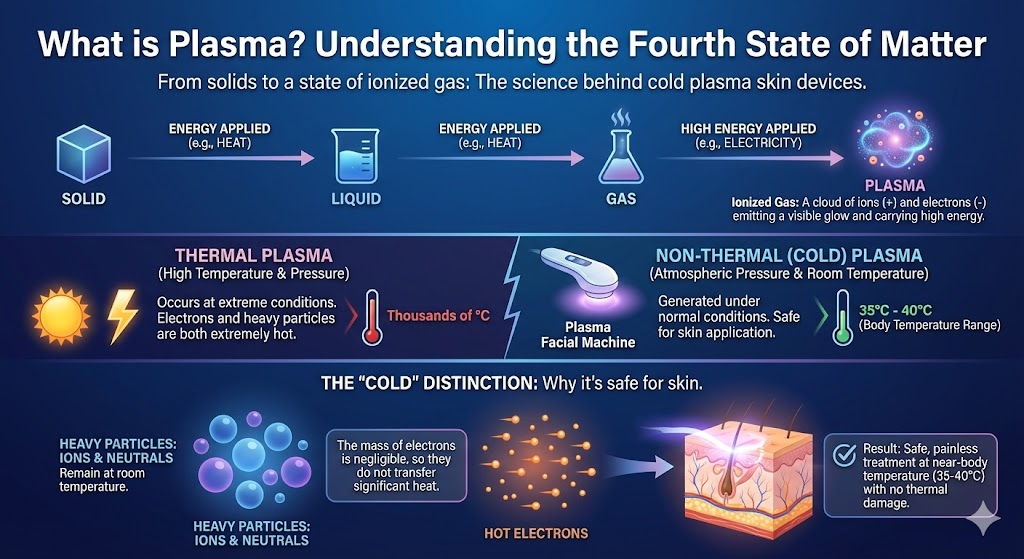
To understand how a cold plasma device for skin works, we must first define plasma. In physics, plasma is the fourth state of matter, following solids, liquids, and gases.
When energy (such as electricity) is applied to a gas, the gas creates a cloud of ions and electrons. This ionized gas is called plasma. It emits a visible glow and carries high energy.
-
Thermal Plasma: Occurs at high temperatures and pressures (e.g., the sun, lightning).
-
Non-Thermal (Cold) Plasma: This is generated at atmospheric pressure and room temperature.
The "Cold" Distinction The term "cold" does not mean the plasma is freezing; it means it is non-thermal. In a Plasma Facial Machine utilizing cold technology, the heavy particles (ions and neutrals) remain at room temperature, while only the electrons are hot. Because the mass of electrons is negligible, they do not transfer significant heat to the skin tissue. The result is a treatment that touches the skin at a temperature usually between 35°C and 40°C—completely safe and painless.
The Mechanism of Action: How Cold Plasma Interacts with Skin
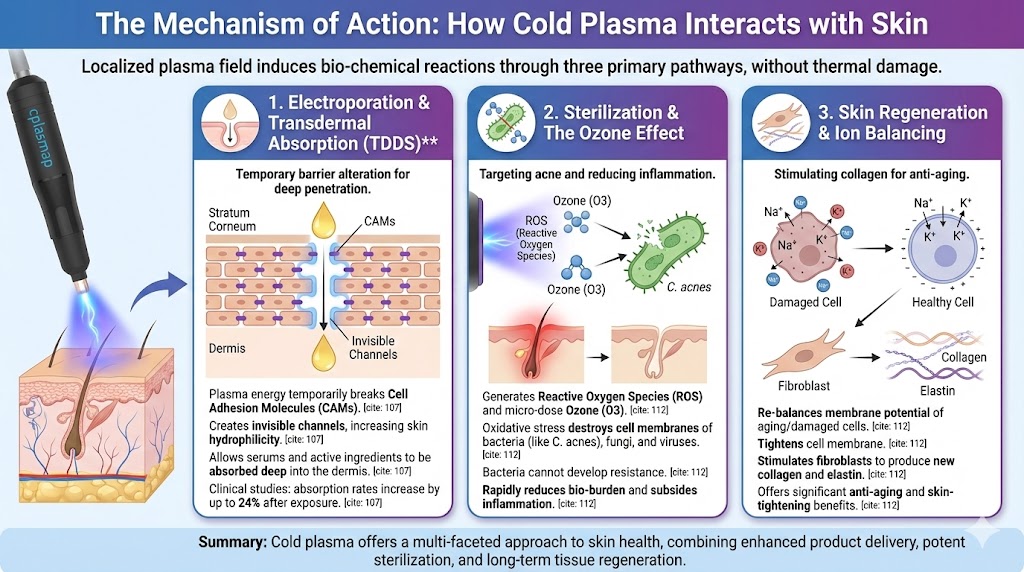
When the probe of a cold plasma medical device approaches the skin, it generates a localized plasma field. This field induces complex bio-chemical reactions without causing physical ablation (burning) of the epidermis. The mechanism works through three primary pathways:
1. Electroporation and Transdermal Absorption (TDDS)
One of the most profound capabilities of cold plasma is its ability to temporarily alter the skin's barrier function. The Stratum Corneum is designed to keep substances out. This is why topical serums often sit on the surface rather than penetrating deep into the dermis.
Cold plasma energy temporarily breaks the Cell Adhesion Molecules (CAMs) that connect skin cells. This process, known as electroporation, creates tiny, invisible channels in the skin barrier.
-
The Result: This dramatically increases the hydrophilicity (water-loving nature) of the skin.
-
The Application: When serums, mesotherapy cocktails, or active ingredients are applied immediately after plasma treatment, they are absorbed deep into the dermis rather than staying on the epidermis. Clinical studies suggest absorption rates can increase by up to 24% following cold plasma exposure.
2. Sterilization and The Ozone Effect
Cold plasma generates reactive oxygen species (ROS) and ozone (O3) when the ionized gas interacts with the air. While high levels of ozone can be harmful, the micro-dose generated by a professional cold plasma device for skin is highly therapeutic.
-
Bacterial Destruction: The oxidative stress created by the plasma field destroys the cell membranes of bacteria, fungi, and viruses.
-
Acne Targeting: It is particularly lethal to Cutibacterium acnes (formerly P. acnes), the bacteria responsible for acne vulgaris. Unlike antibiotics, bacteria cannot develop resistance to the oxidative stress of plasma.
-
Anti-Inflammatory: By reducing the bio-burden on the skin, inflammation subsides rapidly, making it an ideal treatment for rosacea and inflamed acne lesions.
3. Skin Regeneration and Ion Balancing
On a cellular level, cold plasma influences the membrane potential of skin cells. Healthy skin cells typically have a specific voltage across their membrane. Aging or damaged cells often have an imbalanced distribution of ions (sodium and potassium).
Cold plasma helps re-balance this membrane potential, tightening the cell membrane and stimulating the fibroblasts to produce new collagen and elastin. This is why, despite being non-thermal, cold plasma still offers significant anti-aging and skin-tightening benefits over time.
The Clinical Benefits of Cold Plasma Therapy
Why are clinics integrating the Plasma Facial Machine into their treatment menus? The versatility of the technology allows it to address multiple indications that usually require separate devices.
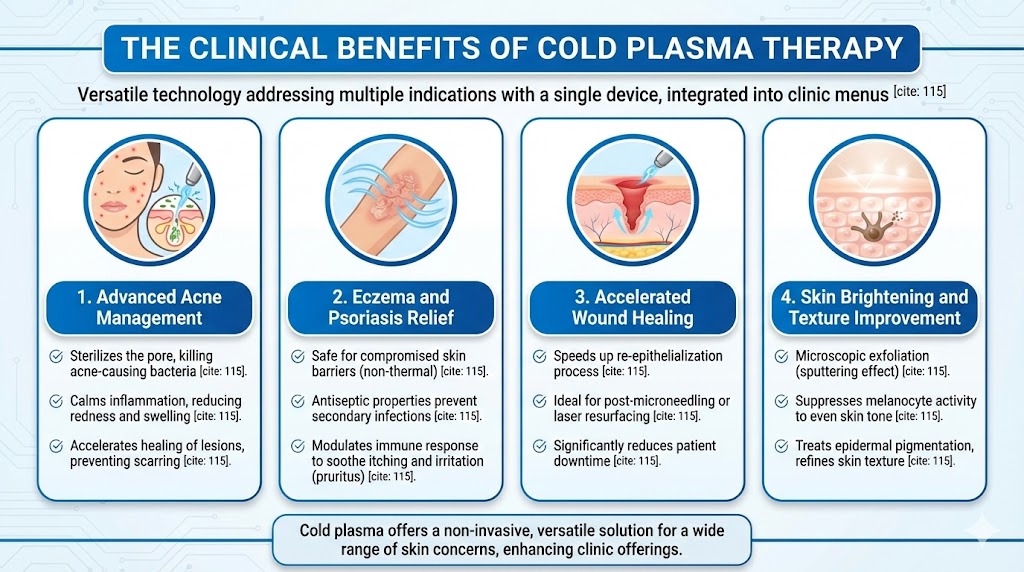
1. Advanced Acne Management
For patients suffering from active acne, traditional treatments (like peels or lasers) can sometimes be too aggressive. Cold plasma offers a dual-action solution:
-
It sterilizes the pore, killing the bacteria.
-
It calms the inflammation, reducing redness and swelling.
-
It accelerates the healing of existing lesions, preventing scarring.
2. Eczema and Psoriasis Relief
Because cold plasma does not rely on heat, it is safe for compromised skin barriers. Its antiseptic properties help prevent secondary infections in eczema patches, while its ability to modulate the immune response can help soothe itching and irritation (pruritus).
3. Accelerated Wound Healing
Cold plasma has roots in medical applications for chronic wound care (such as diabetic ulcers). In an aesthetic context, using a cold plasma medical device after microneedling or laser resurfacing can significantly speed up the re-epithelialization process, reducing patient downtime.
4. Skin Brightening and Texture Improvement
By exfoliating the skin at a microscopic level (sputtering effect) and suppressing melanocyte activity, cold plasma helps even out skin tone. It treats epidermal pigmentation and leaves the skin texture smoother and more refined.
Cold Plasma vs. Hot (Fibroblast) Plasma: What’s the Difference?
This is the most common question asked by practitioners. It is crucial to distinguish between these two technologies to manage patient expectations.
While hot plasma is a structural remodeling tool (often an alternative to blepharoplasty), the cold plasma device for skin is a cellular health and management tool.
Applications in Professional Aesthetics
The Plasma Facial Machine is rarely used as a standalone tool; its true power lies in combination therapies.
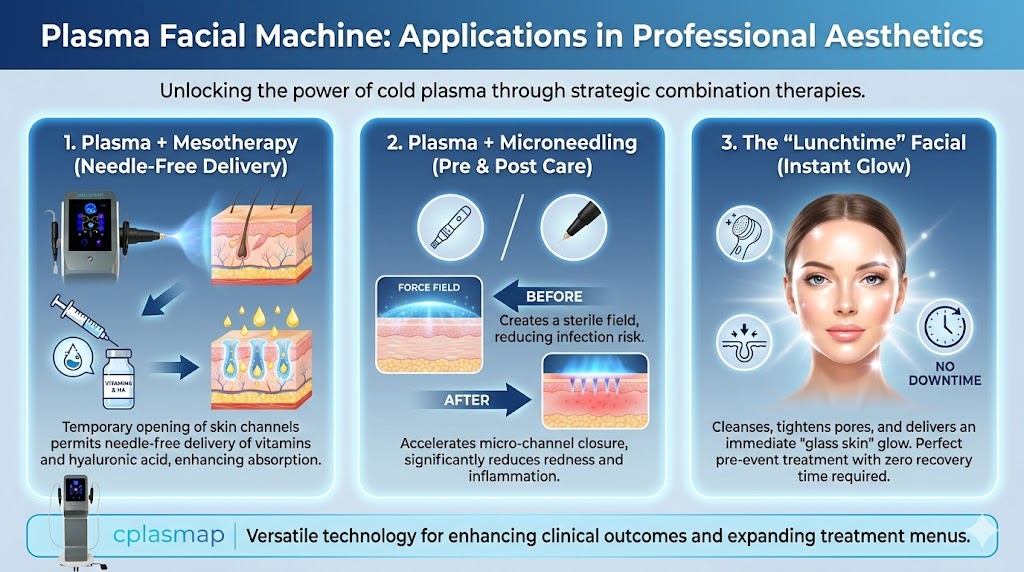
1. Plasma + Mesotherapy Because of the temporary opening of skin channels, using cold plasma prior to applying mesotherapy solutions allows for needle-free delivery of vitamins and hyaluronic acid.
2. Plasma + Microneedling Applying cold plasma before microneedling creates a sterile field, reducing the risk of infection. Applying it after (in a non-contact mode) can accelerate the closure of micro-channels and reduce redness.
3. The "Lunchtime" Facial For clients who cannot afford downtime, a cold plasma facial cleanses the skin, tightens pores, and gives a "glass skin" glow immediately, making it a perfect pre-event treatment.
Safety Profile and Contraindications
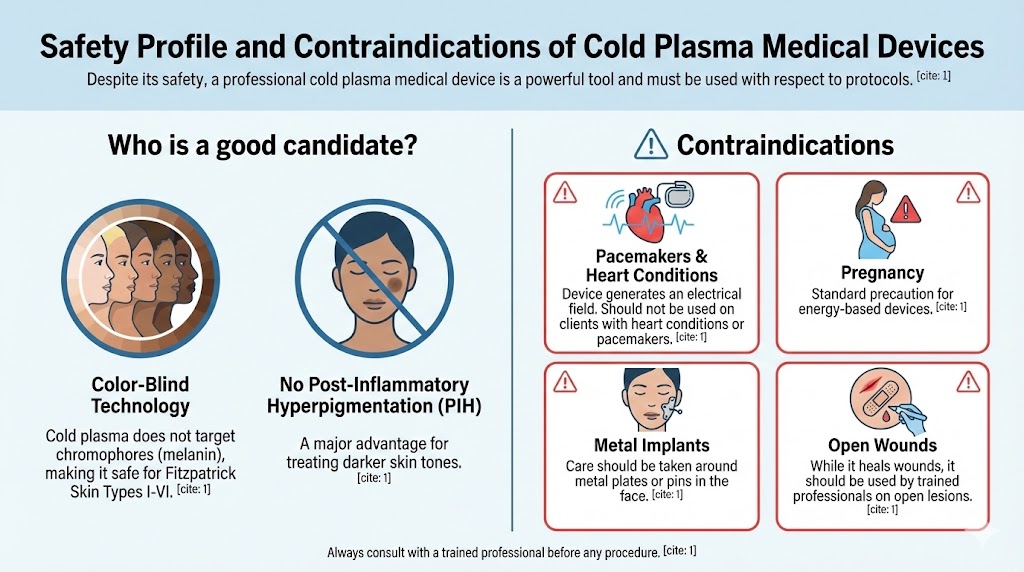
Despite its safety, a professional cold plasma medical device is a powerful tool and must be used with respect to protocols.
Who is a good candidate? Cold plasma is color-blind. Unlike lasers, it does not target chromophores (melanin), making it safe for Fitzpatrick Skin Types I-VI. It does not cause post-inflammatory hyperpigmentation (PIH), which is a major advantage for treating darker skin tones.
Contraindications:
-
Pacemakers: As the device generates an electrical field, it should not be used on clients with heart conditions or pacemakers.
-
Pregnancy: Standard precaution for energy-based devices.
-
Metal Implants: Care should be taken around metal plates or pins in the face.
-
Open Wounds: While it heals wounds, it should be used by trained professionals on open lesions.
-
Choosing a Reliable Plasma Facial Machine
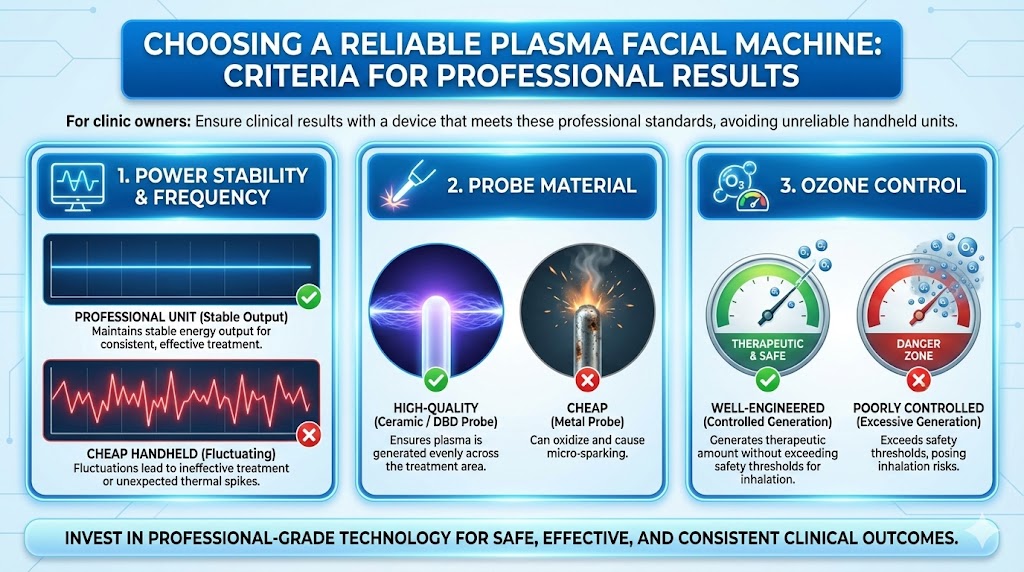
For clinic owners looking to introduce this technology, the market is flooded with handheld devices that lack power stability. To ensure clinical results, a professional device should meet the following criteria:
1. Power Stability & Frequency A professional unit maintains a stable energy output. Fluctuations in power can lead to ineffective treatment or, in rare cases, unexpected thermal spikes.
2. Probe Material High-quality ceramic or dielectric barrier discharge (DBD) probes ensure the plasma is generated evenly across the treatment area. Cheap metal probes can oxidize and cause micro-sparking.
3. Ozone Control While ozone is beneficial, it must be controlled. A well-engineered device generates the therapeutic amount of ozone without exceeding safety thresholds for inhalation.
FAQ: Common Questions About Cold Plasma Technology
Q1: Does the treatment hurt?
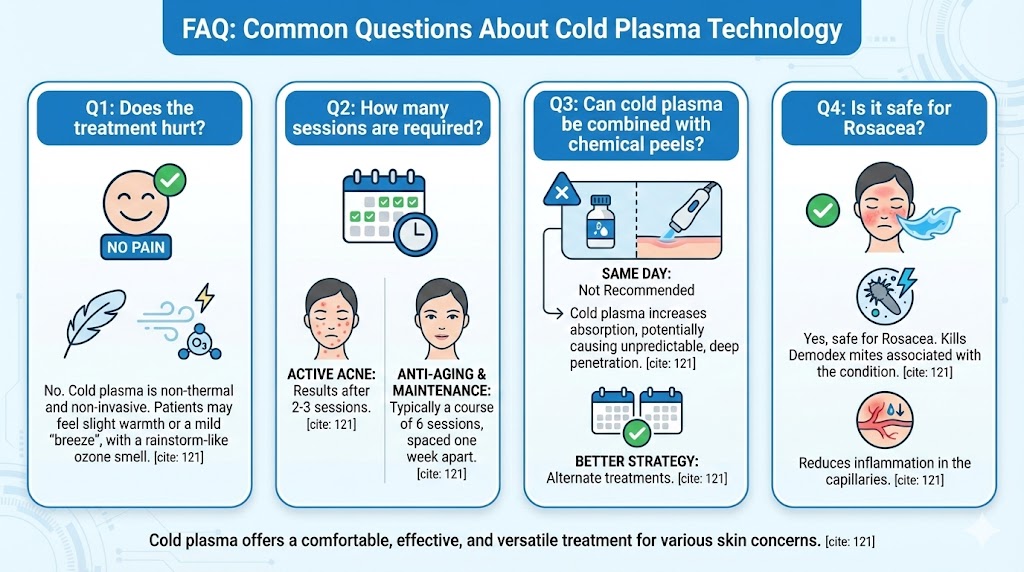
A: No. Cold plasma is non-thermal and non-invasive. Patients may feel a slight warmth or a mild "breeze" sensation on the skin, along with the smell of ozone (similar to the smell after a rainstorm), but there is no pain.
Q2: How many sessions are required?
A: For active acne, results can be seen after 2-3 sessions. For anti-aging and skin health maintenance, a course of 6 sessions spaced one week apart is typically recommended.
Q3: Can cold plasma be combined with chemical peels?
A: It is generally not recommended to do them on the same day. Since cold plasma increases absorption, it could cause the chemical peel to penetrate too deeply and unpredictably. It is better to alternate treatments.
Q4: Is it safe for Rosacea?
A: Yes, it is one of the few energy treatments safe for Rosacea. It kills the Demodex mites often associated with Rosacea and reduces the inflammation in the capillaries.
Conclusion
The cold plasma device for skin represents a significant maturation in aesthetic technology. It moves away from the "damage to repair" model (like lasers and hot plasma) towards a "stimulate and sterilize" model.
For aesthetic clinics, investing in a Plasma Facial Machine offers a gateway to treating a wider demographic—from teenagers with acne to seniors with thinning, sensitive skin—without the risks associated with thermal energy. It is the ultimate tool for corneal therapy, respecting the skin barrier while simultaneously enhancing its function.
As patient demand for non-invasive, "natural" results grows, Cold Plasma stands out as a scientifically backing, versatile, and essential addition to the modern treatment room.
CTA (Call to Action)
Elevate Your Clinic with Next-Generation Plasma Technology
Are you ready to offer your clients a solution that treats acne, aging, and sensitivity without downtime? [Contact Us Today] to request the technical specifications for our latest Professional Cold Plasma Systems. Discover how non-thermal plasma can increase your treatment efficacy and patient retention.


MF5
Is the MFFFACE Magnetic Face Machine safe for all skin types?
Yes. It’s suitable for all skin types and tones, using non-invasive technology with adjustable energy levels.
Does the treatment cause pain or downtime?
No. MFFFACE provides a comfortable, pain-free experience with no downtime.
HMC1
How many sessions are needed for visible results?
Most clients notice improvement after 4–6 sessions, with optimal results after 8 sessions.
V9
Is this machine effective for skin tightening?
Yes, the V9 is highly effective for skin tightening. The RF and Infrared technologies deliver controlled thermal energy to the deep dermal layers, which causes collagen fibers to contract and stimulates the production of new collagen and elastin, resulting in firmer, more elastic skin.
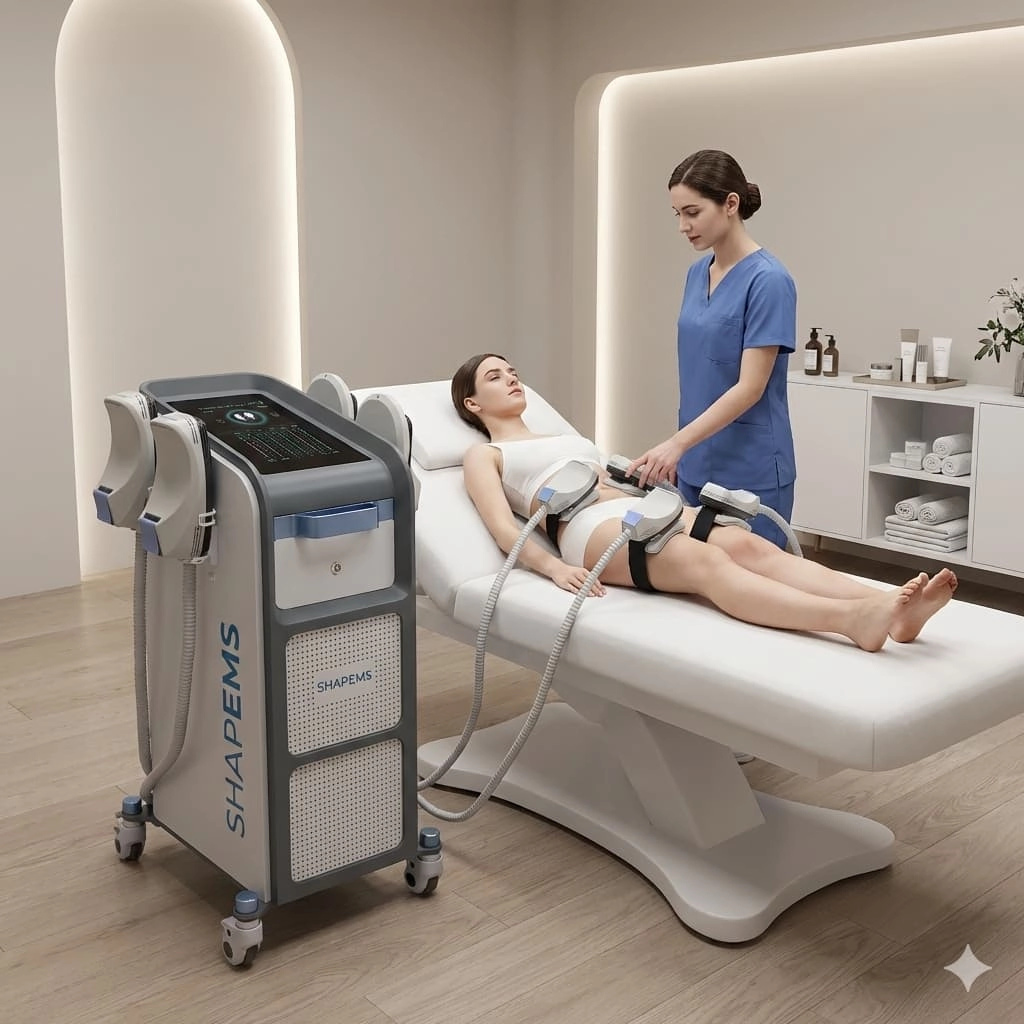
EMS Body Sculpting Machine
Can I resell or distribute EMS body sculpting machines?
Yes! Many professional beauty equipment distributors and salon owners become official partners or resellers. Contact us directly for OEM/ODM customization, wholesale pricing, and distributor opportunities.


Get more information
If you have any comments or good suggestions, please leave us a message; later our professional staff will contact you as soon as possible.
Let's Talk
Stay in touch with us for cutting-edge beauty solutions, professional guidance, and customized service.
Contact


Room 307, Building A, Huilong International E-commerce Industrial Park, No. 10 Xipengling Road, Helong Street, Baiyun District, Guangzhou, China
© 2025 HUIMAIN. All Rights Reserved. Privacy Policy | Terms and Conditions | Sitemap
Facebook
Instagram
Medical beauty equipment factory
huimain Medical beauty equipment factory
beauty machine supplier
Whatsapp: +8619124004543