


- What is the best tattoo removal machine for professional clinical results?
- Why Technology Matters in 2026
- Key Takeaways: 2026 Market Summary
- The Evolution of Technology: Picosecond vs. Nanosecond Lasers
- The Clinical Impact of Pulse Speed
- Wavelength Mastery: Targeting the Full Color Spectrum
- The Physics of Color Correction
- The Business of Tattoo Removal: ROI and Operational Costs
- Calculating Your Return on Investment
- Expert Insights: 5 Common Purchasing Pitfalls
- How to Vet a Manufacturer
- Future Trends: The Rise of AI-Assisted Pulse Calibration
- Conclusion
- Frequently Asked Questions (FAQ)
- Are portable tattoo removal machines as effective as stationary units?
- What is the average cost of a professional-grade tattoo removal laser?
- How many sessions does it take to remove a tattoo with 2026 technology?
- Can tattoo removal machines remove all ink colors?
- Is laser tattoo removal safe for dark skin tones?
- What is the difference between a laser and an IPL machine for tattoo removal?
- What maintenance do tattoo removal machines require?
- Do I need a medical license to operate a tattoo removal machine?
The Ultimate Guide to Laser Tattoo Removal Machines: 2026 Professional Rankings and Buyer Strategy
What is the best tattoo removal machine for professional clinical results?
A professional tattoo removal machine uses high-intensity laser pulses to shatter ink particles via photoacoustic or photothermal effects. The best devices in 2026 feature multi-wavelength capabilities (typically 1064nm, 532nm, and 755nm) to target full-spectrum colors while minimizing thermal damage to surrounding tissue.
Why Technology Matters in 2026
To achieve clinical clearance of stubborn pigments without scarring, modern clinics must move beyond basic passive Q-switched systems. The industry standard has shifted toward active Picosecond laser technology, which delivers energy in trillionths of a second. This rapid delivery creates a photoacoustic shockwave that shatters ink into dust-like particles, which the body's lymphatic system can easily eliminate.
- Multi-Wavelength Power: Essential for treating multicolor tattoos (Red, Blue, Green, Black).
- Pulse Duration: Shorter pulses (Picosecond) mean less heat and faster recovery.
- Peak Power: Higher power enables the destruction of deep, dense pigment clusters.
- Skin Cooling: Integrated cooling protects the epidermis and increases patient comfort.
Key Takeaways: 2026 Market Summary
- Hybrid Systems: The market is shifting from pure Picosecond to Hybrid (Nano+Pico) systems to treat multi-layered ink at different depths.
- Regulatory Safety: FDA and CE certification are non-negotiable for clinic liability and patient safety.
- Wavelength Versatility: Successful clearance of stubborn blues and greens relies entirely on having access to 755nm or 694nm wavelengths.
- Reliability: Maintenance-free "solid-state" lasers are replacing older, frequent-maintenance lamp-pumped systems.
The Evolution of Technology: Picosecond vs. Nanosecond Lasers
What is the difference between Picosecond and Nanosecond lasers?
Picosecond laser technology operates in trillionths of a second, using photoacoustic pressure to shatter ink, whereas the Q-switched Nd:YAG laser (Nanosecond) operates in billionths of a second, relying primarily on photothermal heat.

The Clinical Impact of Pulse Speed
The distinction between these two technologies defines patient outcomes and the number of sessions required.
- Nanosecond (Q-Switch):
- Mechanism: Photothermal (Heat-based).
- Best For: Simple black tattoos and shading.
- Downside: Higher risk of thermal damage (blisters) and slower clearance.
- Picosecond:
- Mechanism: Photoacoustic (Pressure-based).
- Best For: Dense ink, recalcitrant colors, and minimizing recovery time.
- Advantage: Selective photothermolysis is more precise, shattering ink into smaller particles that are cleared 30-50% faster than older methods.
Note: According to recent 2025 market analysis, patients are willing to pay a 20-30% premium for Picosecond treatments due to the reduced risk of scarring and fewer required sessions.
Wavelength Mastery: Targeting the Full Color Spectrum
Which laser wavelength removes which tattoo color?
Laser wavelength ink targeting is the science of matching specific light frequencies to ink colors; 1064nm targets black, 532nm targets red/orange, and 755nm targets green/blue.
The Physics of Color Correction
No single wavelength can remove every color. A clinic equipped with a single-wavelength machine will eventually turn away patients. To maximize your Tattoo removal equipment ROI, your device must cover the spectrum:
- 1064 nm (Nd:YAG): The workhorse wavelength. It deeply penetrates the dermis to target black and dark blue inks. It is the safest option for darker skin tones (Fitzpatrick IV-VI).
- 532 nm (KTP): A frequency-doubled wavelength essential for red, orange, yellow, and warm-toned pigments. Caution: This wavelength interacts strongly with melanin and requires care on dark skin.
- 755 nm (Alexandrite): The specialized solution for stubborn green, sky blue, and purple shades that 1064nm cannot touch.
- 694 nm (Ruby): Offers high-efficiency targeting for deep teal and resistant lime greens.
The Business of Tattoo Removal: ROI and Operational Costs
Is a laser tattoo removal business profitable in 2026?
Yes, Tattoo removal equipment ROI is high, with average profit margins exceeding 70% per session once equipment costs are covered. A single machine can generate $8,000 to $20,000 in monthly profit for a busy clinic.
Calculating Your Return on Investment
Investing in high-quality equipment is a significant capital expenditure, but the recurring revenue model of tattoo removal accelerates the payback period.
- Revenue Potential: The average session cost ranges from $150 to $500 depending on tattoo size. A clinic performing just 5 treatments a day at $200 average can generate ~$250,000 annually.
- Consumables: Unlike other aesthetic treatments, laser tattoo removal has very low consumable costs (mainly electricity, coolant, and occasional flashlamp replacement).
- Cost vs. Quality: While entry-level desktop units exist for under $5,000, professional clinics typically invest between $20,000 and $80,000 for durable, high-power systems. Data from 2024 suggests that reliable equipment pays for itself within 10-12 months.
Expert Insights: 5 Common Purchasing Pitfalls
What mistakes do buyers make when choosing a laser?
The most common error is prioritizing low upfront cost over technical support and peak power reliability, leading to frequent downtime and poor clinical results.
How to Vet a Manufacturer
When selecting a supplier, look beyond the brochure specs. Operational excellence is defined by the manufacturer's infrastructure.
- Underestimating Technical Support: A laser down for two weeks means thousands in lost revenue. Companies like Guangzhou Huimain Technology Co., Ltd. mitigate this by maintaining a dedicated engineering department.
- Ignoring Peak Power: "All-in-one" machines often compromise on peak power. Ensure your device delivers true high-intensity pulses for effective Selective photothermolysis.
- Overlooking Certification: Regulatory bodies (FDA, CE) ensure safety. HUIMAIN, for example, operates a 3,000-square-meter facility with CE and SGS approvals, ensuring every unit meets global safety standards.
- Neglecting R&D Pedigree: Innovation matters. Manufacturers with strong R&D teams (like Huimain's 60% higher-education staff) are quicker to integrate new cooling and pulse-calibration features.
- Spot Size Flexibility: Fixed spot sizes slow down treatments. Ensure your articulated arm allows for adjustable spot sizes to treat large back pieces quickly.
Future Trends: The Rise of AI-Assisted Pulse Calibration
What is the future of laser tattoo removal technology?
By late 2026, we expect to see the integration of AI-assisted skin sensors that automatically calibrate fluence based on real-time melanin readings, further reducing the risk of burns.
- Automated Calibration: Systems will adjust energy levels dynamically as the handpiece moves across skin with varying tanning levels.
- Eco-Friendly Cooling: New environmental regulations are driving a shift toward sustainable, gas-free cooling systems.
- Faster Clearance: Continued refinement of picosecond pulse widths will likely reduce the average sessions for full clearance from 6-8 down to 4-6.
Conclusion
Selecting the right tattoo removal machine is a balance of clinical capability, budget, and manufacturer reliability. In 2026, the market clearly favors Picosecond laser technology for its speed and safety, but high-powered Q-switched Nd:YAG lasers remain a viable, high-ROI workhorse for black ink. By partnering with established manufacturers like Guangzhou Huimain Technology, clinics can ensure they receive not just a device, but the technical backing required to build a profitable aesthetic practice.
Frequently Asked Questions (FAQ)
Are portable tattoo removal machines as effective as stationary units?
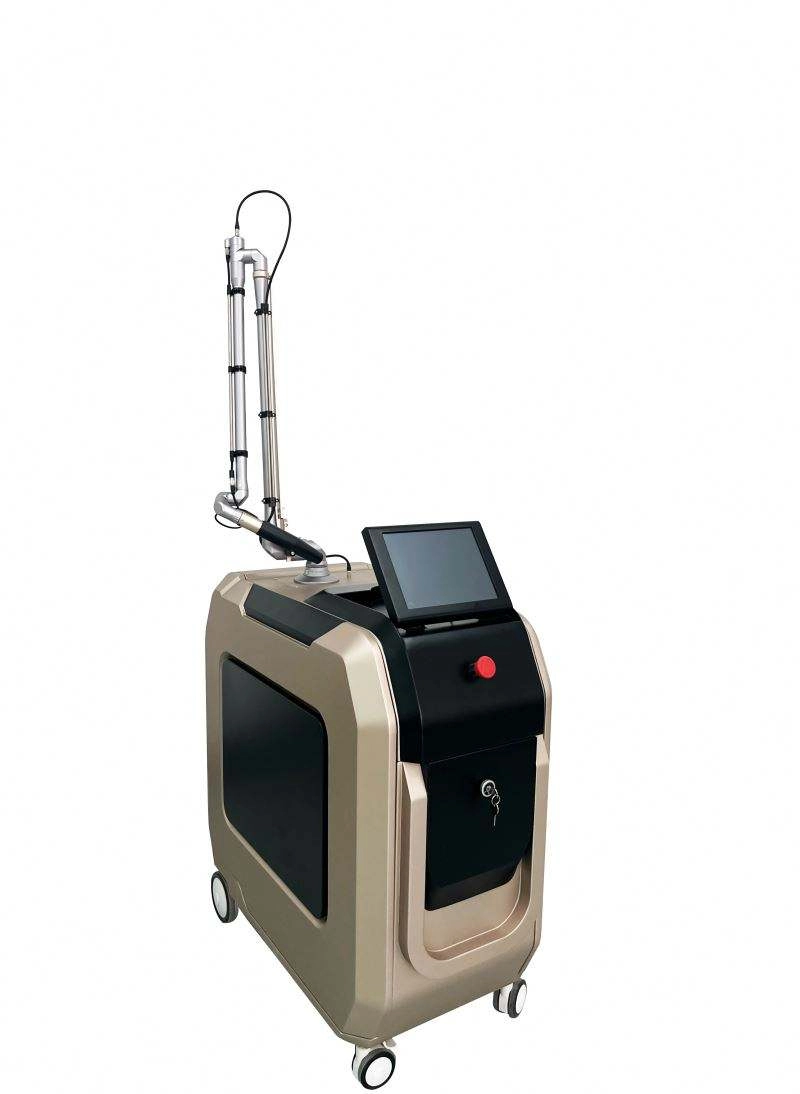
Portable units often have lower peak power capacitors and smaller cooling systems compared to vertical units. While suitable for low-volume salons, they may struggle to maintain the consistent high energy needed to shatter deep, dense pigments in professional clinics.
What is the average cost of a professional-grade tattoo removal laser?
Prices vary significantly by technology. Entry-level Q-switch systems can range from $2,000 to $10,000, while premium Picosecond lasers typically cost between $30,000 and $80,000. Leasing options are often available, ranging from $1,500 to $4,000 per month.
How many sessions does it take to remove a tattoo with 2026 technology?
Advanced Picosecond lasers can achieve full clearance in 4-8 sessions for many tattoos. Older nanosecond technology typically requires 10-15 sessions. Factors like ink density, location, and patient health also play critical roles.
Can tattoo removal machines remove all ink colors?
No single laser wavelength can remove every color. A professional setup requires a multi-wavelength system: 1064nm for black, 532nm for red/orange, and 755nm or 694nm for greens and blues.
Is laser tattoo removal safe for dark skin tones?
Yes, but it requires specific wavelengths. The 1064nm Nd:YAG wavelength is safe for dark skin as it bypasses melanin to target the ink. However, 532nm and 755nm wavelengths carry higher risks of hypopigmentation and should be used with extreme caution by trained experts.
What is the difference between a laser and an IPL machine for tattoo removal?
IPL (Intense Pulsed Light) is NOT suitable for tattoo removal and can cause severe burns and scarring. Only high-power Q-switched or Picosecond lasers effectively use Selective photothermolysis to shatter ink without destroying the skin.
What maintenance do tattoo removal machines require?
Routine maintenance includes regular calibration of the articulating arm optics, topping up or replacing the cooling water, and changing filters every 6-12 months. The flashlamp is a consumable that typically lasts for a few million shots before needing replacement.
Do I need a medical license to operate a tattoo removal machine?
Regulations vary by state and country. In many regions, a medical director is required to oversee the clinic, while the actual procedure can be performed by a certified laser technician or aesthetician. Always verify local laws before purchasing equipment.


Magnetic Facial Lifting Machine2
How long is a typical treatment session?
Each session is designed to be short and efficient, lasting only 20 minutes to provide clear facial contours.
Air Pressotherapy Machine
How often should I use the air pressotherapy machine?
2–3 sessions per week are recommended for the best slimming and detox results.
About Distributor
Do you offer distributor pricing or regional exclusivity?
Yes. We offer tiered pricing for distributors and discuss exclusive regional rights based on order volume and market potential.
ulthra超声刀
How long do results last?
Results can last 12–18 months, depending on individual skin conditions and lifestyle factors.
808 single handle standing
How many sessions are needed for permanent results?
Most clients require 6–8 sessions, depending on hair type, density, and area.


Get more information
If you have any comments or good suggestions, please leave us a message; later our professional staff will contact you as soon as possible.
Let's Talk
Stay in touch with us for cutting-edge beauty solutions, professional guidance, and customized service.
Contact


Room 307, Building A, Huilong International E-commerce Industrial Park, No. 10 Xipengling Road, Helong Street, Baiyun District, Guangzhou, China
© 2025 HUIMAIN. All Rights Reserved. Privacy Policy | Terms and Conditions | Sitemap
Facebook
Instagram
Medical beauty equipment factory
huimain Medical beauty equipment factory
beauty machine supplier
Whatsapp: +8619124004543