


- Understanding Microneedling Safety: Is the Procedure Itself Risky?
- The Science of Controlled Micro-Injuries vs. Skin Damage
- Normal Side Effects vs. Severe Complications to Watch Out For
- Why Machine Quality is the Biggest Factor in Treatment Safety
- The Danger of Cheap Motors: Micro-Tearing and Dragging
- RF Microneedling Safety: Managing Thermal Energy and Preventing Burns
- Preventing Cross-Contamination: The Critical Role of Needle Cartridges
- What is an Anti-Backflow Membrane and Why Do You Need It?
- Medical-Grade Sterilization and Single-Use Protocols
- Crucial Certifications Every Buyer Must Look For
- FDA Clearance, Medical CE, and ISO 13485 Standards Explained
- How to Verify a Beauty Machine Manufacturer’s Credentials
- Guaranteeing Client Safety with HUIMAIN Microneedling Machines
- Advanced Safety Features: Precision Motors and Smart Energy Control
- Certified Manufacturing and Comprehensive Clinical Training
- Conclusion: Prioritizing Safety for Business Success
- Frequently Asked Questions (FAQs) About Microneedling Safety
Are Microneedling Machines Safe? Everything You Need to Know Before Buying
When clinic owners and practitioners ask, "Are Microneedling Machines Safe?", they are asking the most critical question in aesthetic medicine. The short answer is yes—but with a major caveat. The safety of this highly effective treatment does not just rely on the esthetician's technique; it is fundamentally dictated by the engineering, sterilization, and precision of the hardware being used. For business owners, purchasing sub-par equipment is not just a waste of capital; it is a direct liability. This guide breaks down the clinical and technical safety standards you must verify before investing in a clinical device.
Understanding Microneedling Safety: Is the Procedure Itself Risky?
To understand the core of Professional Microneedling Safety, we must look past the hardware for a moment and examine the biological process. The concept of puncturing the skin sounds aggressive, but when performed correctly, it is a highly calculated medical-aesthetic procedure designed to manipulate the body's natural healing cascade.
The Science of Controlled Micro-Injuries vs. Skin Damage
True microneedling relies on creating perpendicular, controlled micro-channels in the dermis without destroying the superficial epidermis. This controlled trauma triggers the release of growth factors and stimulates fibroblasts to convert type III collagen into tighter, structural type I collagen. The key word is "controlled." Safety is compromised when the injury shifts from a clean puncture to a ragged tear—a phenomenon entirely dependent on the quality of the machine's motor and needle alignment.
Normal Side Effects vs. Severe Complications to Watch Out For
A safe procedure will result in predictable, transient side effects: mild erythema (redness), slight edema (swelling), and pinpoint bleeding, all of which typically resolve within 24 to 48 hours. However, severe complications such as granulomas, persistent hyperpigmentation (PIH), or bacterial infections are red flags. These adverse events are rarely a flaw in the treatment concept itself; rather, they are almost always the result of unsterile environments, improper operator technique, or using mechanically flawed devices.
Why Machine Quality is the Biggest Factor in Treatment Safety
The practitioner's skill is vital, but even the most experienced esthetician cannot overcome the physical limitations of bad hardware. Investing in Safe Microneedling Machines is the foundational step in risk mitigation for your aesthetic practice.
The Danger of Cheap Motors: Micro-Tearing and Dragging
The internal motor of a microneedling device is its beating heart. Low-quality machines utilize cheap rotary motors that lack the necessary torque. When these needles meet the resistance of human tissue, the motor's RPM drops. As the esthetician glides the handpiece across the skin, the needles fail to retract fast enough, resulting in "micro-tearing" or a dragging effect. This creates "tram track" scarring and severe epidermal damage. Professional devices use high-torque stepper motors that guarantee rapid, perfect vertical insertion and retraction, regardless of skin density.
RF Microneedling Safety: Managing Thermal Energy and Preventing Burns
When you introduce radio frequency into the dermis, the safety parameters change drastically. Utilizing Safe RF Microneedling Equipment is critical because you are now managing thermal energy, not just mechanical trauma. High-end devices ensure safety by offering insulated needles (which protect the epidermis from heat and deposit energy only at the target depth) and real-time impedance monitoring. This smart technology adjusts the energy output based on the specific electrical resistance of the patient's skin, effectively preventing epidermal burns and fat necrosis.
Preventing Cross-Contamination: The Critical Role of Needle Cartridges
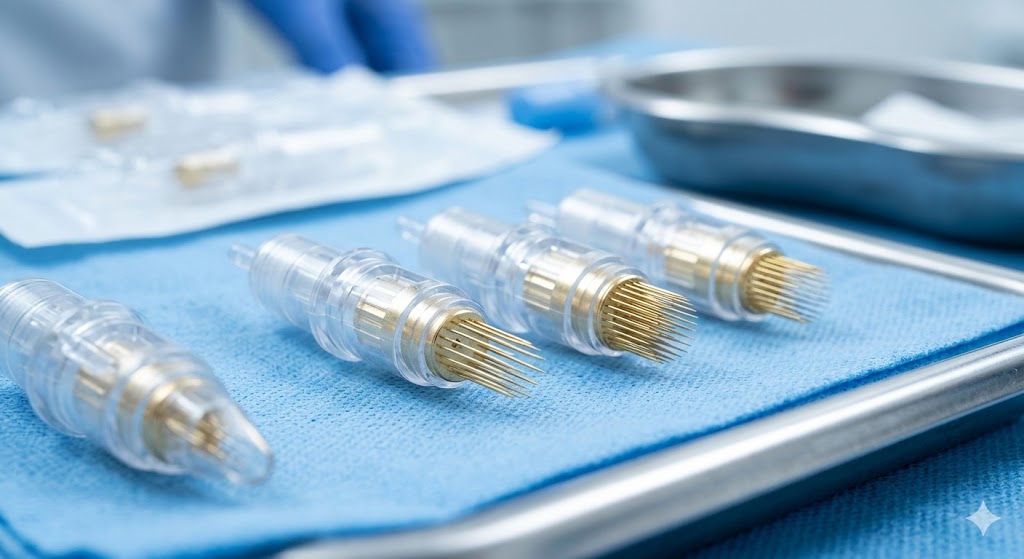
Bloodborne pathogens represent one of the most severe risks in aesthetic treatments. To completely Prevent Microneedling Cross-Contamination, clinic owners must shift their focus from the machine's chassis to the disposable consumables that physically interact with the patient's biological fluids.
What is an Anti-Backflow Membrane and Why Do You Need It?
During a treatment, capillary bleeding and the application of slip mediums (like hyaluronic acid) create a fluid-rich environment. In cheap, hollow cartridges, the rapid up-and-down motion creates a vacuum that can suck blood and serum directly into the handpiece of the machine. Once the handpiece is contaminated, every subsequent patient is at risk. Anti-Backflow Microneedle Cartridges feature a closed-system design with a robust silicone safety membrane. This membrane acts as an impenetrable barrier, completely isolating the motor and handpiece from any biological material.
Medical-Grade Sterilization and Single-Use Protocols
Safety also dictates how the consumables are handled before they even reach the clinic. Professional cartridges must undergo EO (Ethylene Oxide) gas sterilization at the manufacturing facility. Furthermore, they must be individually sealed in blister packs with clear lot numbers and expiration dates. Reusing needles, even on the same patient during a different session, degrades the needle's sharpness and introduces massive infection risks, strictly violating professional safety protocols.
Crucial Certifications Every Buyer Must Look For
How can a buyer objectively verify that they are sourcing safe equipment? The aesthetic device market is flooded with deceptive marketing. The only objective proof of safety lies in strict regulatory frameworks and recognized global manufacturing certifications.
FDA Clearance, Medical CE, and ISO 13485 Standards Explained
Never purchase clinical equipment based on aesthetics or price alone. Look for ISO 13485 certification, which indicates the manufacturer adheres to strict quality management systems specific to medical devices. Furthermore, sourcing Medical CE Beauty Equipment guarantees that the machine complies with the rigorous health, safety, and environmental protection standards of the European Economic Area, having passed strict electrical safety and clinical efficacy testing.
How to Verify a Beauty Machine Manufacturer’s Credentials
Many online sellers are merely white-label trading companies with no control over the manufacturing or quality assurance processes. To ensure safety, request to see the manufacturer's official testing reports and factory footprint. A legitimate manufacturer will have dedicated R&D engineers, a documented Quality Control (QC) pipeline, and transparent clinical testing data.
Guaranteeing Client Safety with HUIMAIN Microneedling Machines
Bridging the gap between strict safety requirements and practical business application requires a manufacturing partner who prioritizes engineering excellence over shortcuts. This is where HUIMAIN excels in the global aesthetic market.
Advanced Safety Features: Precision Motors and Smart Energy Control
HUIMAIN equipment is engineered with safety at the forefront. Our machines utilize imported, high-torque motors to ensure flawless vertical needle penetration, eliminating the risk of epidermal tearing. For our RF models, we integrate advanced thermal feedback sensors and provide premium insulated cartridges, granting practitioners absolute control over energy delivery and ensuring maximum patient comfort and safety.
Certified Manufacturing and Comprehensive Clinical Training
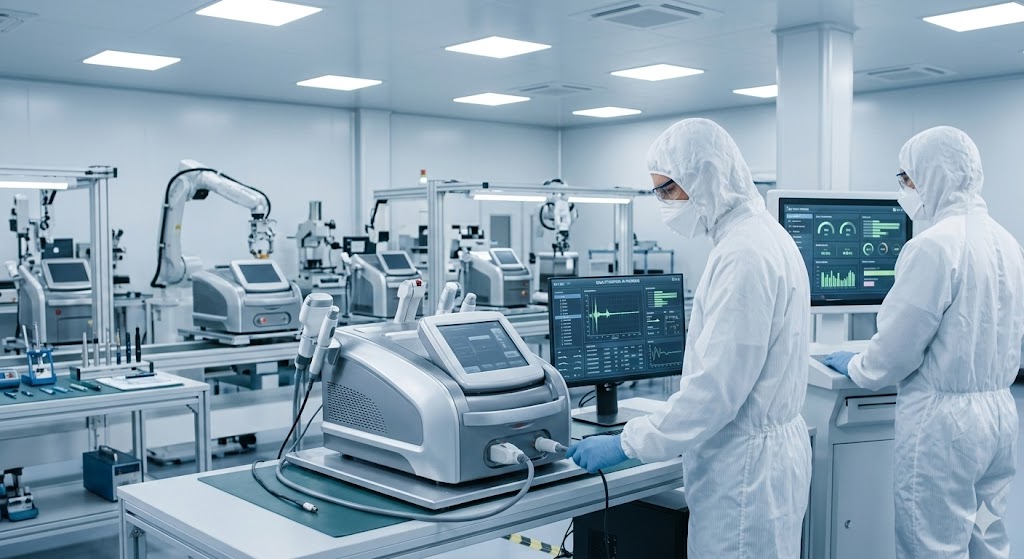
Operating out of a 3,000+ square meter high-tech facility, HUIMAIN controls every variable of production. We hold CE and SGS certifications, ensuring every device from our line meets international safety standards. Furthermore, we believe safety extends to operation; therefore, we provide comprehensive clinical training protocols to ensure your staff understands exactly how to utilize the equipment securely.
Conclusion: Prioritizing Safety for Business Success
In the aesthetic industry, client safety is inextricably linked to your clinic's reputation and financial success. By understanding the mechanical differences between devices, insisting on anti-backflow consumables, and verifying strict medical certifications, you protect your patients and your bottom line.
If you are a distributor or clinic owner seeking a reliable OEM Microneedling Equipment Supplier, HUIMAIN Beauty combines certified safety, advanced technology, and factory-direct pricing. Contact us today to secure high-performance equipment that you and your clients can trust.
Frequently Asked Questions (FAQs) About Microneedling Safety
1. Are Microneedling Machines Safe for all skin tones?
Yes. Unlike many laser therapies that target melanin, mechanical microneedling and insulated RF microneedling are "color-blind" treatments. When performed correctly, they are exceptionally safe for Fitzpatrick skin types IV-VI, carrying a very low risk of post-inflammatory hyperpigmentation.
2. Can the procedure cause infections?
Infections are incredibly rare if strict protocols are followed. The primary causes of infection are using unsterile, cheap needle cartridges or failing to provide the patient with proper post-care instructions regarding hygiene and sun exposure.
3. How do I know if a cartridge is truly sterile?
Always ensure the cartridge comes in an unbroken, individual blister pack labeled with an EO gas sterilization indicator, a distinct lot number, and a valid expiration date. If the packaging is damaged or missing this data, discard it immediately.


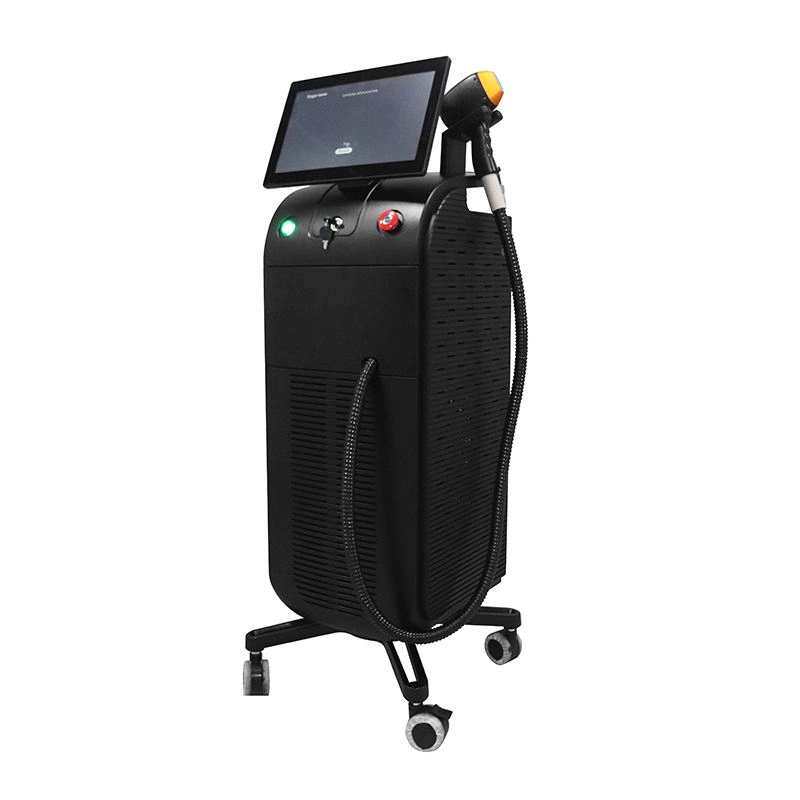
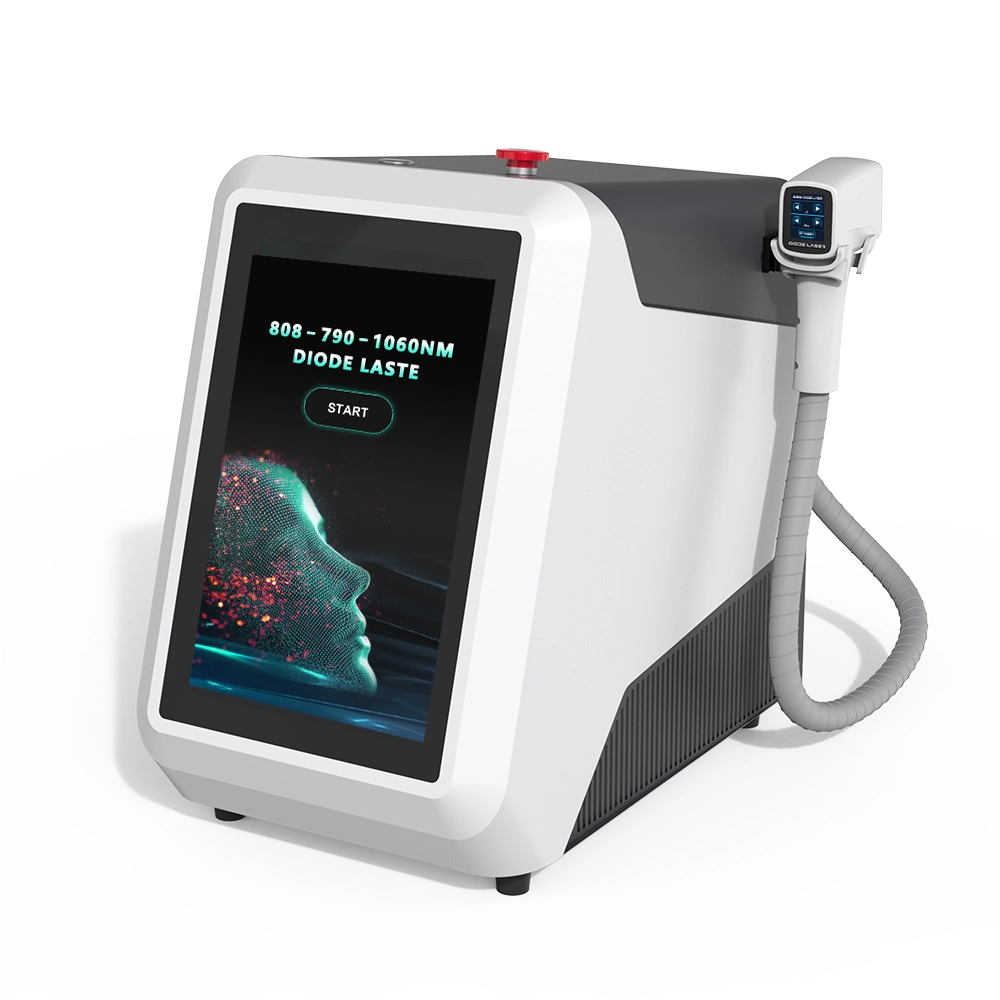
Super 808nm 3 wavelengths Diode Laser Hair Removal
Is the Super 808nm Permanent Hair Removal technology painful?
No. The sapphire cooling system keeps the skin surface cool, making the treatment virtually painless.
HMT82-2R
Which body areas can this machine treat?
Abdomen, thighs, hips, arms, and waist are the most common treatment areas.
HMT82S-2
How long does shipping take? Do you offer customization?
Standard orders are shipped within 3–7 working days. We offer global shipping via DHL/FedEx/Sea Freight. OEM/ODM customization is available (logo, interface, packaging, etc.).
EMS-b
Can it be used for all body areas?
Yes, it is designed for the abdomen, buttocks, thighs, arms, and calves.
TLD-1
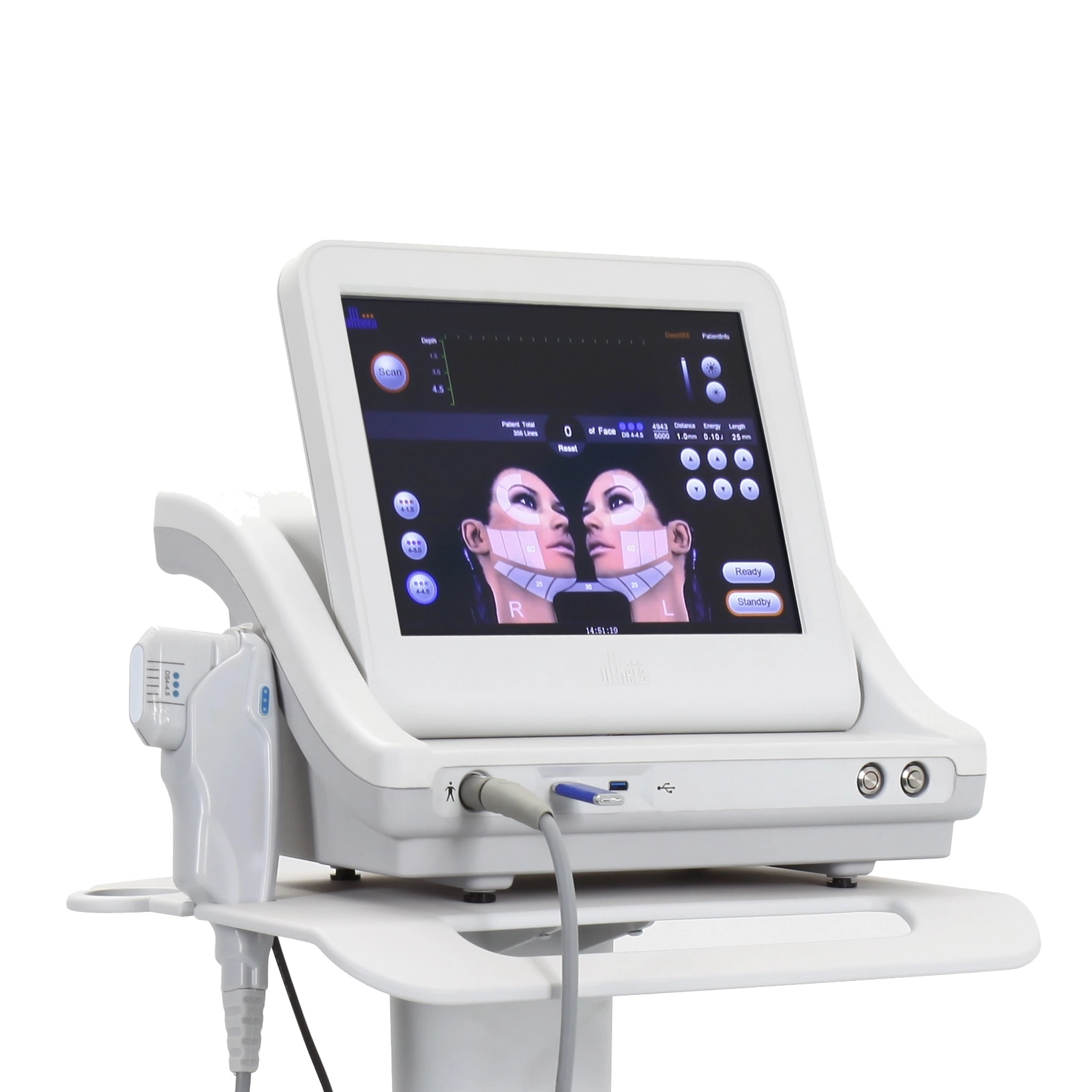
Is the Mantis Knife HIFU Machine suitable for salons and clinics?
Yes, this HIFU machine is ideal for beauty salons, medical aesthetic clinics, and SPA centers.


Get more information
If you have any comments or good suggestions, please leave us a message; later our professional staff will contact you as soon as possible.
Let's Talk
Stay in touch with us for cutting-edge beauty solutions, professional guidance, and customized service.
Contact


Room 307, Building A, Huilong International E-commerce Industrial Park, No. 10 Xipengling Road, Helong Street, Baiyun District, Guangzhou, China
© 2025 HUIMAIN. All Rights Reserved. Privacy Policy | Terms and Conditions | Sitemap
Facebook
Instagram
Medical beauty equipment factory
huimain Medical beauty equipment factory
beauty machine supplier
Whatsapp: +8619124004543