


- 2026 Industry Snapshot: Key Takeaways for Clinic Owners
- Top 3 Manufacturers by Market Focus (2026)
- Who is the Best Laser Hair Removal Machine Manufacturer for Professionals in 2026?
- The Evolution of Global Leaders: Candela, Cynosure, and Alma in 2026
- The Rise of AI-Integrated Diode Manufacturers
- Expert Tips: 5 Red Flags When Choosing a Global Supplier
- ROI Analysis: Pricing vs. Performance in 2026
- Conclusion
- FAQ
- What is the average cost of a professional laser hair removal machine in 2026?
- Which laser manufacturer has the highest clinical reputation?
- Is it better to buy from a local or international manufacturer?
- How do I verify if a manufacturer is truly FDA cleared?
- What is the typical lifespan of a 2026 diode laser stack?
- Do manufacturers provide training and certification for staff?
- What is the difference between IPL and Diode laser manufacturers?
- Which laser technology is safest for dark skin tones in 2026?
- References
Top 10 Laser Hair Removal Machine Manufacturers in 2026: The Definitive Clinical Guide
Laser hair removal machine manufacturer selection is the single most critical decision for a MedSpa owner in 2026. With the global aesthetic market projecting a valuation of over $7 billion by 2034, the gap between legacy giants and agile, high-tech innovators is narrowing. This guide cuts through the marketing noise to deliver a clinical, data-backed analysis of the best equipment providers this year.
2026 Industry Snapshot: Key Takeaways for Clinic Owners
In 2026, the industry has shifted from raw power to "Smart Pulse" stability and AI-driven safety.
Modern clinics no longer compete solely on speed; they compete on patient safety profiles managed by intelligent software. The days of manual parameter guessing are over. The latest medical-grade diode laser technology focuses on consistent energy delivery to prevent micro-burns on darker skin tones.
Why this matters:
- AI-Assisted Pulse Modulation: New devices automatically adjust pulse duration based on real-time skin impedance, reducing burn risks by an estimated 40%.
- Energy Stability: 2026 manufacturing standards prioritize flat-top beam profiles, ensuring that the 10-millionth pulse is as effective as the first.
Top 3 Manufacturers by Market Focus (2026)
| Category | Top Manufacturer | Key Strength |
|---|---|---|
| Clinical Efficacy | Candela (GentlePro Series) | Gold-standard 755nm/1064nm reliability. |
| Patient Comfort | Alma (Soprano Titanium) | "In-Motion" SHR technology for painless treatment. |
| R&D Innovation | HUIMAIN (Guangzhou Huimain) | High-spec OEM/ODM with 3-wavelength integration. |
Who is the Best Laser Hair Removal Machine Manufacturer for Professionals in 2026?
A premier manufacturer is defined by FDA/CE medical-grade certification, a proven 20-million+ pulse lifespan, and integrated cooling technology.
To be considered "Medical-Grade" in 2026, a supplier must go beyond basic light emission. They must provide verifiable data on cooling thermodynamics and diode stack longevity. Low-cost generic options often fail after 5 million pulses, destroying your profit margins.
The "Gold Standard" Requirements:
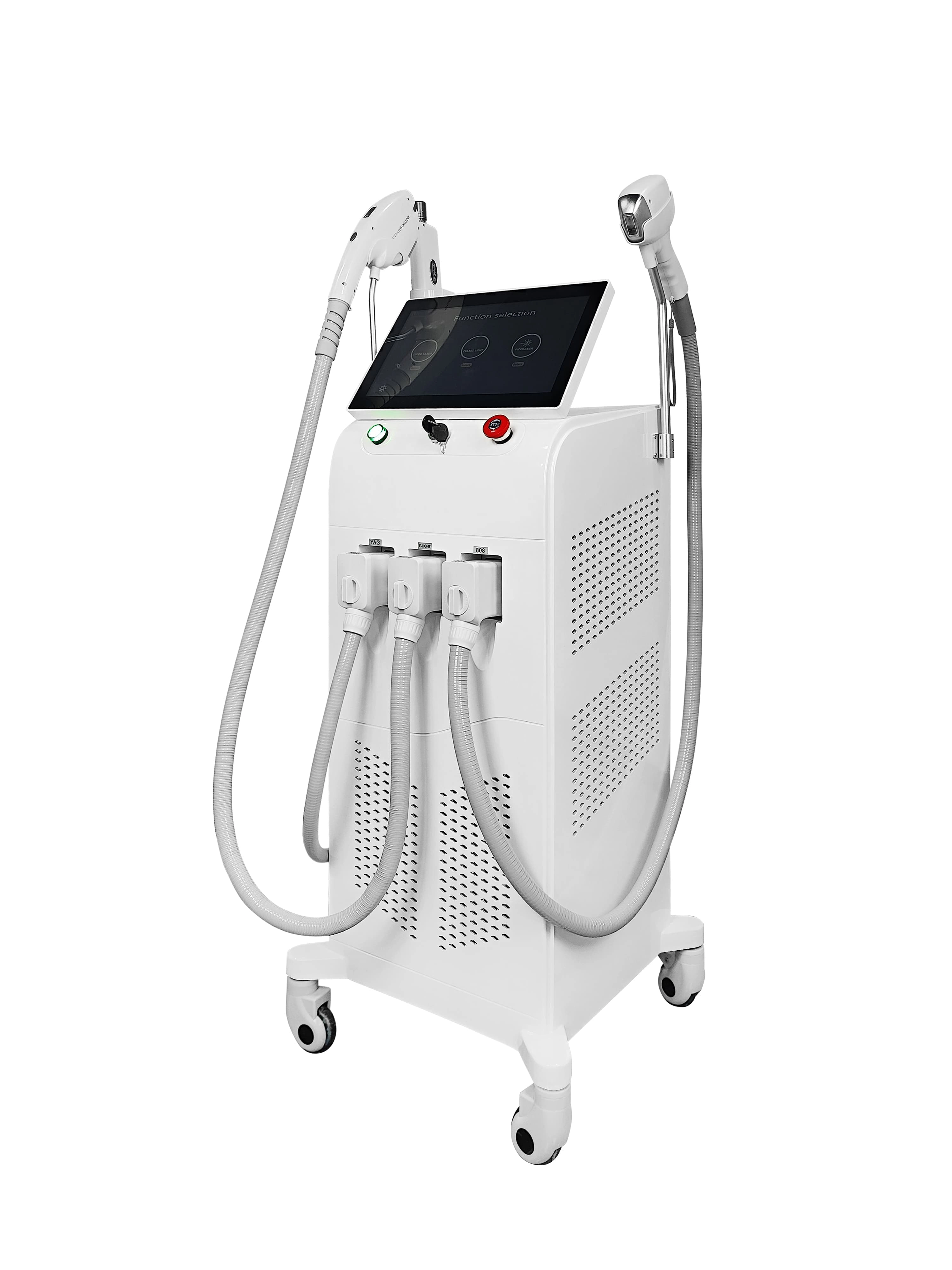
- Triple Wavelength Laser Systems: The ability to fire 755nm (Alexandrite), 808nm (Diode), and 1064nm (Nd:YAG) simultaneously in one handpiece is now the baseline for treating all Fitzpatrick skin types.
- Smart-Clinic Integration: Leading suppliers like Guangzhou Huimain Technology Co., Ltd. are pioneering "Smart-Clinic" features, allowing owners to track machine usage, pulse efficiency, and maintenance schedules via proprietary software.
- Certifications: Always look for FDA-cleared aesthetic devices 2026 or CE Medical classifications to ensure liability coverage.

The Evolution of Global Leaders: Candela, Cynosure, and Alma in 2026
Legacy leaders have pivoted toward hybrid platforms that combine laser hair removal with vascular treatments to justify higher price points.
While new entrants offer competitive specs, the "Big Three" continue to dominate high-end dermatology practices through brand heritage and massive clinical support networks.
-
Candela’s 2026 GentlePro Series:
- Remains the benchmark for Alexandrite lasers.
- Update: The 2026 models feature enhanced Dynamic Cooling Device (DCD) telemetry, using cryogen bursts that adjust milliseconds before the laser fires for superior epidermal protection.
-
Cynosure-Lutronic Merger Impact:
- Following industry consolidation, their unified manufacturing line now emphasizes "Skintel" melanin readers. This technology measures skin density and melanin index to auto-calibrate fluence, removing technician error.
-
Alma’s Soprano Titanium (2026 Edition):
- Alma continues to lead in patient comfort. Their updated "In-Motion" technology allows for continuous applicator movement, making full-back treatments possible in under 5 minutes without anesthesia.
The Rise of AI-Integrated Diode Manufacturers
Agile manufacturers like HUIMAIN and ADSS are disrupting the market by incorporating real-time skin sensors and automated parameter adjustments at a fraction of the legacy cost.
While legacy brands rely on name recognition, companies like Guangzhou Huimain Technology Co., Ltd. (Brand: HUIMAIN) are heavily investing in R&D. With a technical team where over 60% hold higher education degrees, they are bridging the gap between affordability and medical-grade performance.
How AI is changing the hardware:
- Real-Time Feedback: Sensors embedded in the handpiece monitor skin temperature 100 times per second.
- Predictive Maintenance: AI diagnostics can predict diode stack failure weeks in advance. This feature, found in advanced OEM systems, can reduce clinic downtime by up to 40%.
- Customization: As an OEM/ODM specialist operating from a 3,000-square-meter facility, HUIMAIN allows clinic chains to customize software interfaces, ensuring brand consistency across multiple locations.
Expert Tips: 5 Red Flags When Choosing a Global Supplier
Professional laser supplier vetting requires looking beyond the brochure to examine the supply chain, certification validity, and after-sales infrastructure.
Do not rely on Alibaba star ratings. You need hard data to protect your investment.
Watch out for these warning signs:
- Vague Clinical Data: Demand "White Papers" or clinical test reports. If a manufacturer cannot show histological evidence of hair follicle destruction, walk away.
- The "Hidden Shipping" Trap: International equipment often looks cheap until you add tariffs and freight. Calculate the true "Landed Cost" before signing.
- Lack of Local Support: A 24-hour repair guarantee is non-negotiable. HUIMAIN, for example, emphasizes a dedicated after-sales service department to mitigate this risk for their global partners in Europe and North America.
- Refurbished vs. New: Some suppliers recase old diode stacks. Ensure your contract specifies "New OEM Components" to avoid grey market parts.
- Software Lock-outs: Ensure you own the operating system. Some brands charge recurring "activation codes" to keep the machine running—avoid these subscription traps.
ROI Analysis: Pricing vs. Performance in 2026
For a MedSpa startup, the "Cost Per Pulse" is a more critical metric than the upfront purchase price of the machine.
Calculating ROI for MedSpa startups involves balancing the initial capital expenditure (CAPEX) with operational costs (OPEX).
2026 Market Pricing Tiers:
- Tier 1 (Legacy Brands): $65,000 - $120,000. High resale value, high service cost.
- Tier 2 (High-End OEM/HUIMAIN): $15,000 - $35,000. High specs (Triple wavelength), excellent ROI, faster payback period.
- Tier 3 (Budget): Under $10,000. High risk of failure, low patient satisfaction.
The ROI Formula:
Treatment Price ($200) - Consumable Cost ($5) - Overhead = Net Profit.
A machine from a manufacturer like HUIMAIN, priced at $20,000 with a 30-million pulse lifespan, offers a significantly faster break-even point (often 2-3 months) compared to a $100,000 system requiring 12+ months to pay off.
Conclusion
Selecting a laser manufacturer in 2026 is about balancing clinical authority with business viability. While Candela and Alma remain titans for established dermatology clinics, agile manufacturers like Guangzhou Huimain Technology Co., Ltd. offer the smart, AI-integrated solutions that modern MedSpas need to maximize profitability. Prioritize manufacturers who offer transparent R&D, verifiable medical certifications, and robust after-sales support to ensure your clinic stays competitive.
FAQ
What is the average cost of a professional laser hair removal machine in 2026?
Prices range from $15,000 for high-quality specialized diode lasers (like those from OEM leaders) to over $100,000 for multi-platform workstations from tier-one manufacturers like Cynosure or Candela.
Which laser manufacturer has the highest clinical reputation?
Candela and Lumenis remain the industry benchmarks for clinical outcomes and peer-reviewed studies, though brands like Alma and HUIMAIN are rapidly gaining trust for patient comfort and reliability respectively.
Is it better to buy from a local or international manufacturer?
International manufacturers (OEMs) often offer better hardware value and customization. However, ensure they have a proven export history—like HUIMAIN’s presence in Europe and North America—to guarantee quality standards.
How do I verify if a manufacturer is truly FDA cleared?
Always request the FDA 510(k) number and verify it directly on the FDA.gov Establishment Registration & Device Listing database. Never take a "certificate image" at face value.
What is the typical lifespan of a 2026 diode laser stack?
Modern 2026 stacks are rated for 30 million to 50 million pulses, significantly reducing the long-term cost of ownership compared to older 10-million pulse models found in budget equipment.
Do manufacturers provide training and certification for staff?
Yes. Reputable manufacturers provide "Clinical Trainer" led sessions (often via Zoom or local reps) and issue "Operator Certificates" which are mandatory for insurance compliance in most states.
What is the difference between IPL and Diode laser manufacturers?
IPL manufacturers focus on broad-spectrum light for general skincare (photofacials), whereas Diode laser manufacturers focus on monochromatic, coherent light specifically optimized for permanent hair reduction and deep follicle penetration.
Which laser technology is safest for dark skin tones in 2026?
Manufacturers specializing in Nd:YAG (1064nm) or specialized Triple Wavelength Diode technology offer the safest profiles for Fitzpatrick IV-VI skin types by bypassing melanin in the epidermis.
References
Laser Hair Removal Market Size to Worth USD 7.17 Bn By 2034


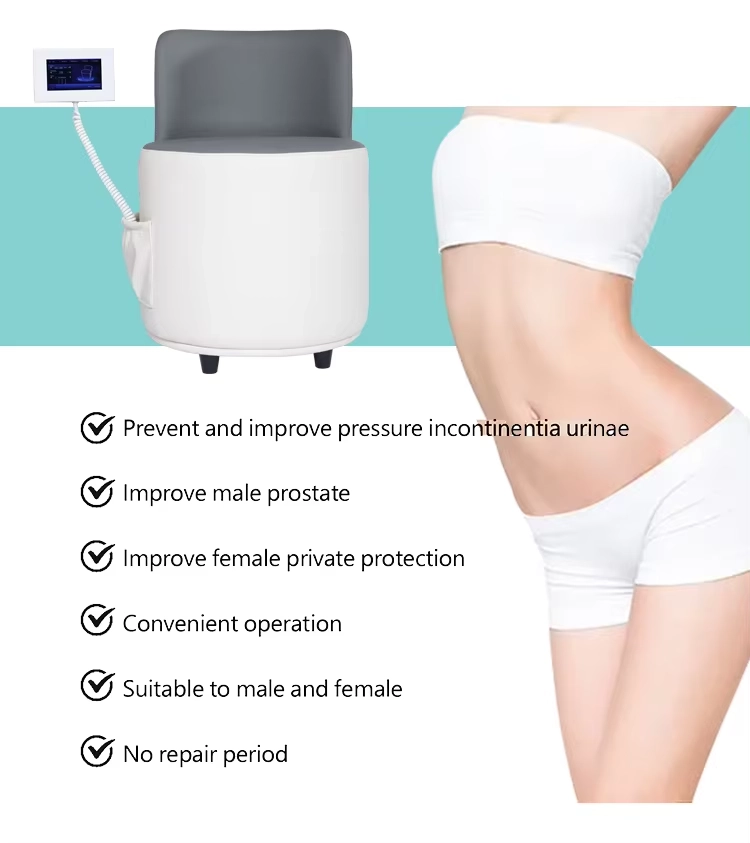

HMT82-2R
How many sessions are needed to see results?
Most clients notice results after 4–6 sessions, depending on body condition.
Magnetic Facial Lifting Machine
What kind of support do you provide for B2B partners?
We provide comprehensive professional support, including training on how to operate the machine, a detailed user manual, and dedicated technical support to ensure your business can offer this service effectively.
OL-186
How often can treatments with the OL-186 hydro oxygen machine be performed?
1–2 times per week is recommended, depending on the client’s skin condition.
双逆博士
Can I use this machine at home?
Yes, this machine is designed for both professional and home use, with easy-to-follow instructions for safe operation.
GL-1皮秒
Is this laser machine effective for tattoo removal?
Yes. The Q-switch laser machine delivers high peak energy to effectively break down tattoo pigments, especially black and dark-colored ink, with reliable clinical results.


Get more information
If you have any comments or good suggestions, please leave us a message; later our professional staff will contact you as soon as possible.
Let's Talk
Stay in touch with us for cutting-edge beauty solutions, professional guidance, and customized service.
Contact


Room 307, Building A, Huilong International E-commerce Industrial Park, No. 10 Xipengling Road, Helong Street, Baiyun District, Guangzhou, China
© 2025 HUIMAIN. All Rights Reserved. Privacy Policy | Terms and Conditions | Sitemap
Facebook
Instagram
Medical beauty equipment factory
huimain Medical beauty equipment factory
beauty machine supplier
Whatsapp: +8619124004543