


Electrode Placement Guide for Effective EMS Results
- Maximizing Results with EMS: Practical Electrode Placement and Protocols
- Why precise electrode placement matters for an ems machine for body sculpting
- Fundamentals: how an ems machine for body sculpting activates muscle
- Electrode placement map for major body areas using an ems machine for body sculpting
- EMS parameters and protocols recommended for body sculpting with an ems machine for body sculpting
- Troubleshooting: common placement mistakes and how to fix them with your ems machine for body sculpting
- Safety, contraindications, and regulatory considerations for an ems machine for body sculpting
- How to choose the right ems machine for body sculpting: features to prioritize
- Guangzhou Huimain Technology Co., Ltd — industry partner perspective on ems machine for body sculpting
- Practical checklist for a first-time ems session for body sculpting
- FAQ — Frequently Asked Questions about electrode placement and an ems machine for body sculpting
- Contact & product inquiry
- References
Maximizing Results with EMS: Practical Electrode Placement and Protocols
Why precise electrode placement matters for an ems machine for body sculpting
Accurate electrode placement is the single biggest determinant of outcome when using an ems machine for body sculpting. Electrical stimulation recruits muscle fibers differently than voluntary contraction; misplaced electrodes reduce effectiveness, create uneven contractions, and can increase discomfort. Scientific literature on neuromuscular electrical stimulation (NMES) and clinical experience both show that aligning electrodes with the motor point and the muscle’s fiber direction maximizes torque production and hypertrophic stimulus (Maffiuletti, 2010). For aesthetic body-sculpting goals this means better contouring, more efficient sessions, and fewer side effects.
Fundamentals: how an ems machine for body sculpting activates muscle
EMS devices deliver pulsed current through skin to depolarize motor nerves, causing muscle contraction. Key physiological points:
- Motor point targeting: Stimulation is most efficient at the motor point—the location where a minimal current produces a visible contraction. Placing electrodes over motor points reduces required intensity and increases comfort.
- Fiber direction: Electrodes aligned along the muscle’s fibers produce coordinated contractions and better force transmission.
- Electrode size and spacing: Larger electrodes reduce current density (more comfortable) but may decrease specificity; spacing influences depth and shape of the stimulation field.
Clinical reviews and experimental studies (see References) confirm that electrode placement and stimulation parameters (pulse width, frequency, intensity) interact to determine strength gains and hypertrophy. When using an ems machine for body sculpting, the aim is to maximize safe muscle recruitment while minimizing skin discomfort.
Electrode placement map for major body areas using an ems machine for body sculpting
Below is a clinician-style electrode map for common treatment areas. Use this as a baseline; individual anatomy varies and motor point location should be verified by low-intensity testing before full sessions.
| Target Area | Primary Muscles | Typical Electrode Placement | Recommended Electrode Size | Notes on Placement & Intensity |
|---|---|---|---|---|
| Abdomen | Rectus abdominis, external obliques | One pad above the navel over upper rectus; one pad below navel; oblique pads laterally oriented along fiber direction | 5x10 cm or 5 cm round | Align pads vertically for rectus; avoid placing pads too close to the midline; moderate-high intensity for strong contractions |
| Buttocks | Gluteus maximus, gluteus medius | Center pads over bulk of gluteal muscle (motor point at upper lateral quadrant); second pad inferior-lateral toward greater trochanter | 7x12 cm or larger | Large pads for comfort; deeper muscle needed—higher amplitude may be required |
| Thigh (Quadriceps) | Vastus lateralis, vastus medialis, rectus femoris | One pad at upper lateral thigh over vastus lateralis, one pad medially near vastus medialis; for rectus, place pads along anterior thigh | 7x12 cm | Ensure pads straddle the motor points; avoid knees/ACL area |
| Hamstrings | Biceps femoris, semitendinosus | Posterior thigh: one pad mid-posterior proximally, one pad distal near popliteal crease | 7x12 cm | Avoid direct stimulation across joints; lower frequency for endurance-style stimulation |
| Arms (Biceps/Triceps) | Biceps brachii, triceps brachii | Biceps: pads over belly and distal tendon; Triceps: pads over long head and lateral head | 5x10 cm | Keep pads aligned with muscle belly; smaller pads help target smaller muscles |
| Calves | Gastrocnemius, soleus | Pads on upper calf across the muscle belly and one pad inferior toward Achilles region (avoid direct heel placement) | 5x10 cm | May require slower ramp and higher intensity for strong contraction |
Sources for motor point concepts and electrode sizing: Maffiuletti NA, 2010; Gerovasili et al., 2009 (References).
EMS parameters and protocols recommended for body sculpting with an ems machine for body sculpting
Effective protocols mirror strength training principles: progressive overload, sufficient intensity, appropriate frequency, and recovery time. Practical guidelines:
- Frequency (Hz): 30–50 Hz for muscle strengthening/hypertrophy. Lower frequencies (10–20 Hz) are better for endurance or circulation-focused sessions.
- Pulse width: 200–400 µs for larger muscles; shorter widths (100–200 µs) for smaller muscles or sensitive skin.
- Duty cycle: 5–10 seconds ON / 10–30 seconds OFF for hypertrophy-style contractions; longer OFF times for high-intensity sessions.
- Session duration: 15–30 minutes per area, 2–4 times per week depending on recovery and simultaneous voluntary training.
- Intensity: Aim for visible, comfortable, strong contractions—often 50–80% of maximum voluntary contraction equivalent. Increase gradually and log settings.
Table: Quick protocol comparison
| Goal | Frequency (Hz) | Pulse Width (µs) | On/Off | Session Duration |
|---|---|---|---|---|
| Hypertrophy / Sculpting | 30–50 | 200–400 | 5–10s ON / 10–30s OFF | 15–30 min per area, 2–4x/wk |
| Endurance / Circulation | 10–20 | 100–200 | Continuous or 10s ON / 10s OFF | 20–40 min per area |
| Recovery / Pain Modulation | 1–10 or 80–120 (TENS modes) | 50–250 | Variable | 10–20 min |
These ranges are consistent with NMES literature and clinical practice. Always follow device-specific manufacturer recommendations and local regulations.
Troubleshooting: common placement mistakes and how to fix them with your ems machine for body sculpting
Symptoms, causes, and fixes:
- Symptom: Weak or no contraction. Cause: Electrodes off motor point, low intensity, poor skin contact. Fix: Re-locate motor point by increasing intensity slightly and spotting where contraction begins; clean skin; reapply electrodes.
- Symptom: Painful sharp sensations. Cause: High current density at electrode edge, electrode over nerve branch. Fix: Use larger pads, reorient pad to avoid nerve paths, reduce intensity.
- Symptom: Uneven contractions (one side stronger). Cause: Different electrode sizes, placement asymmetry. Fix: Mirror placement, use same electrode sizes, confirm equal cable connections.
- Symptom: Skin irritation. Cause: Dirty electrodes, prolonged session, allergy to gel. Fix: Replace electrode gel, shorten sessions, rotate placement, consider hypoallergenic pads.
Document all settings and placement photos (with client consent) to reproduce effective sessions and reduce variability.
Safety, contraindications, and regulatory considerations for an ems machine for body sculpting
Safety essentials:
- Contraindications typically include pregnancy (especially abdominal/pelvic application), implanted electronic devices (pacemakers, ICDs), active cancer in treated area, compromised sensation or skin lesions, and uncontrolled epilepsy. Always screen clients thoroughly.
- Skin safety: Perform a brief test at low intensity; monitor for burns or abrasions. Keep electrodes well-moistened and replace worn pads.
- Regulatory guidance: In many jurisdictions EMS devices intended for therapeutic or cosmetic muscle stimulation are regulated medical devices. Refer to national regulators (e.g., FDA, EU MDR). Clinical evidence supports NMES use for muscle preservation and strengthening when applied properly (see References).
Reference guidance: U.S. FDA and peer-reviewed clinical reviews for device claims and safe application (References).
How to choose the right ems machine for body sculpting: features to prioritize
When selecting an ems machine for body sculpting, compare devices on these objective criteria:
- Adjustable frequencies and pulse width ranges (to match protocols above)
- Multiple independent channels (allows asymmetric intensity control)
- Clinical-mode presets and manual mode for customization
- High-quality reusable electrodes with proven adhesion and conductive gel
- Built-in safety features: current limit, skin contact monitoring, ramp timers
- Clear CE/FDA status and clinical evidence supporting claims
Comparison table: Typical consumer vs professional EMS devices
| Feature | Consumer/Home EMS | Professional/Clinic EMS |
|---|---|---|
| Channels | 1–2 | 4–8+ |
| Adjustability | Limited presets | Full parameter control |
| Intensity Range | Lower max output | Higher therapeutic output |
| Regulatory Status | Often consumer-grade | Often medical-grade with certifications |
For clinics and salons offering ems machine for body sculpting services, investing in professional-grade equipment yields better customization, multi-area treatment efficiency, and reproducible clinical documentation.
Guangzhou Huimain Technology Co., Ltd — industry partner perspective on ems machine for body sculpting
Guangzhou Huimain Technology Co., Ltd. is a high-tech company focused on beauty machines and a home-use machine series, with integrated R&D, production, sales, and after-sale service. The company occupies 3,000 square meters, and more than 20% of staff hold bachelor’s degrees while over 40% have junior college degrees. Huimain has a strong technical development department with experienced engineers and product experts, professional purchasing, clinical testing, and after-sale service teams.
With sustained investment in R&D, Huimain continually develops new products aligned to evolving market demand. The company has achieved CE and SGS approvals and holds multiple product patents. Its machines are sold globally across China, Southeast Asia, the Middle East, Europe, and North America, receiving positive feedback for quality and price.
Huimain adheres to OEM and ODM routes for beauty machine development and production, offering design and manufacturing capabilities for high-quality medical and aesthetic devices used by salons and clinics. Key products include: Cryolipolysis machines, Ems sculpting machines, Plasma machines, Shockwave machines, HIFU machines, Hydrofacial machines, Cavitation vacuum machines, Laser hair removal systems, Tattoo removal machines, and Microneedle devices.
Competitive advantages: strong R&D capacity, experienced engineering staff, clinical testing capability, global certifications (CE/SGS), patent ownership, OEM/ODM flexibility, and a broad product portfolio tailored to professional and home-use markets.
Practical checklist for a first-time ems session for body sculpting
- Pre-screen the client for contraindications and obtain informed consent.
- Clean and shave (if needed) the treatment site to improve electrode adhesion.
- Identify motor points using low-intensity testing and mark lightly.
- Apply electrodes aligned with muscle fibers and ensure even spacing.
- Start with low intensity and gradually increase to strong, comfortable contraction.
- Monitor the client throughout the session for pain, excessive fatigue, or skin issues.
- Document settings, electrode placement photos, and client feedback.
- Schedule follow-up sessions (typical protocol: 8–12 sessions over 4–8 weeks) and combine with voluntary exercise and nutrition advice for best results.
FAQ — Frequently Asked Questions about electrode placement and an ems machine for body sculpting
Q1: How do I find the motor point before doing a full EMS session?A1: Increase intensity slowly until a small visible twitch occurs; move the pad slightly until you find the spot requiring the least current for a twitch—this is the motor point. Mark it lightly for consistent placement.
Q2: Can I place electrodes directly on fat deposits to reduce fat?A2: EMS stimulates muscle, not fat tissue. While improved muscle tone and metabolic activity can affect appearance, EMS alone does not directly remove adipose tissue. For fat reduction, combine EMS with modalities like cryolipolysis or lifestyle measures.
Q3: How often should I use an ems machine for body sculpting to see visible changes?A3: Typical professional protocols recommend 2–4 sessions per week for 4–8 weeks, often in blocks (e.g., 8–12 sessions) and combined with exercise and nutrition for best outcomes.
Q4: Are there differences between TENS and EMS electrodes that matter for placement?A4: TENS targets sensory nerves for pain modulation; EMS targets motor nerves for muscle contraction. Use electrodes and parametric settings intended for EMS. Electrodes can be similar, but EMS requires higher current—ensure adhesive and gel are appropriate.
Q5: What should I do if one side of the body responds differently to the same EMS settings?A5: Re-check electrode placement, pad condition, skin impedance, and cable connections. If asymmetry persists, adjust intensity per channel, as professional devices allow independent channel control.
Q6: Is it safe to use EMS after cosmetic procedures (e.g., liposuction)?A6: Wait until the treating physician clears you. Recent surgical sites, open wounds, or infection are contraindications. Always follow post-procedure guidance from the surgeon.
Contact & product inquiry
If you want to evaluate professional ems machine for body sculpting devices, request technical specifications, clinical evidence, or OEM/ODM collaboration, contact Guangzhou Huimain Technology Co., Ltd. Their technical team can provide device manuals, certification documents (CE, SGS), and clinical testing reports to support safe and effective integration into your clinic or salon.
For product catalogs, bespoke OEM/ODM solutions, or to arrange a demo of Ems sculpting machines and related systems, contact Huimain’s sales and technical service team today.
References
- Maffiuletti NA. Physiological and methodological considerations for neuromuscular electrical stimulation. European Journal of Applied Physiology. 2010. https://pubmed.ncbi.nlm.nih.gov/20354728/ (accessed 2025-11-24).
- Gerovasili V, et al. Electrical muscle stimulation preserves the muscle mass of critically ill patients: a randomized study. Critical Care. 2009. https://pubmed.ncbi.nlm.nih.gov/19594438/ (accessed 2025-11-24).
- U.S. Food & Drug Administration. Information about Neuromuscular Electrical Stimulators. https://www.fda.gov/medical-devices/ (accessed 2025-11-24).
- American College of Sports Medicine. Guidance on Clinical Use of Electrical Muscle Stimulation. (General clinical practice; consult local guidelines.)
- Huimain company information as provided by Guangzhou Huimain Technology Co., Ltd. internal profile and product catalog (company claims on CE and SGS certifications, patents, and product lineup). (accessed 2025-11-24).
JLM-3
What is a cold plasma facial machine?
It’s a non-invasive device that uses cold plasma energy to sterilize, tighten, and rejuvenate skin safely.
3 in 1 hifu 22 SMAS
How many sessions are needed?
Most clients see results after one session. Maintenance is recommended every 6–12 months.
X5 pro
Is the X5 Pro AI Skin Image Analyzer easy to operate?
Yes. The system features an intuitive touchscreen interface and user-friendly AI software.
双逆博士
Is the treatment painful?
The treatment is typically not painful, although some clients may feel mild discomfort or heat during the procedure. The cooling system minimizes discomfort.
G8按摩仪
Can the machine be used for facial treatments?
While primarily designed for body treatments, the G8 machine can also be used on the face for skin rejuvenation and tightening, with appropriate attachments.

CO2 Fractional Laser Machine – Professional Wrinkle Removal & Skin Resurfacing Device
The CO2 Fractional Laser Machine is a multifunctional aesthetic device designed for professional clinics and beauty salons. Using advanced fractional CO2 laser technology, it effectively targets acne scars, freckles, pigmentation, nevi, and deep wrinkles. Additionally, it provides non-invasive skin rejuvenation, vaginal tightening, and intimate beautification. This professional CO2 laser equipment combines precision, safety, and powerful energy output to deliver outstanding anti-aging and dermatological results.
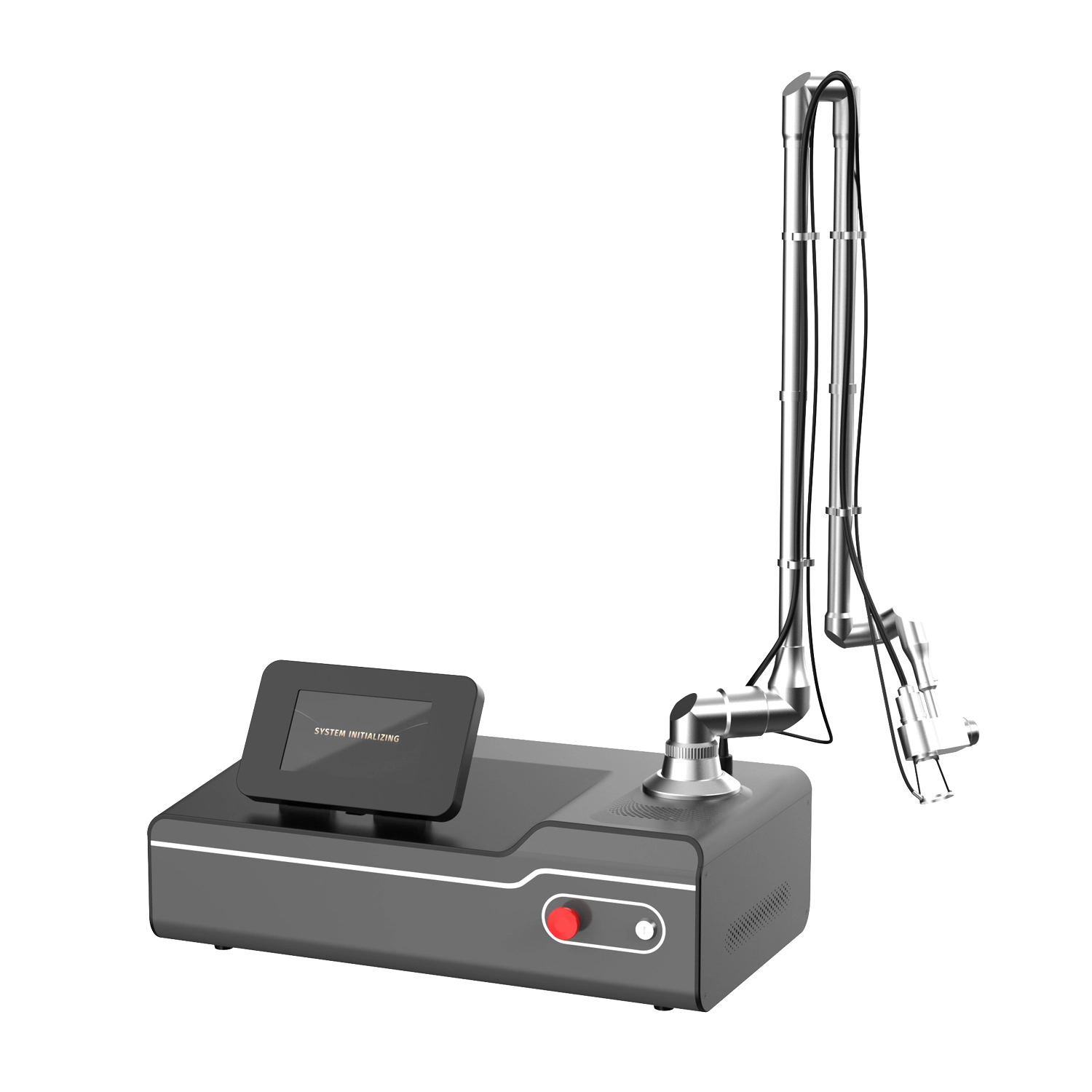
Professional CO2 Fractional Laser Machine for Skin Resurfacing & Scar Treatment
The CO2 Fractional Laser Machine is a professional CO2 fractional laser machine designed for advanced skin resurfacing, scar treatment, and skin rejuvenation procedures.
Using 10,600nm CO2 fractional laser technology, the system delivers controlled microthermal zones into the skin, stimulating collagen remodeling while preserving surrounding tissue. This fractional approach significantly improves treatment safety, recovery time, and clinical outcomes.
The CO2 fractional laser machine is widely used in dermatology clinics and medical aesthetic centers for treating acne scars, wrinkles, enlarged pores, stretch marks, and various skin texture concerns.
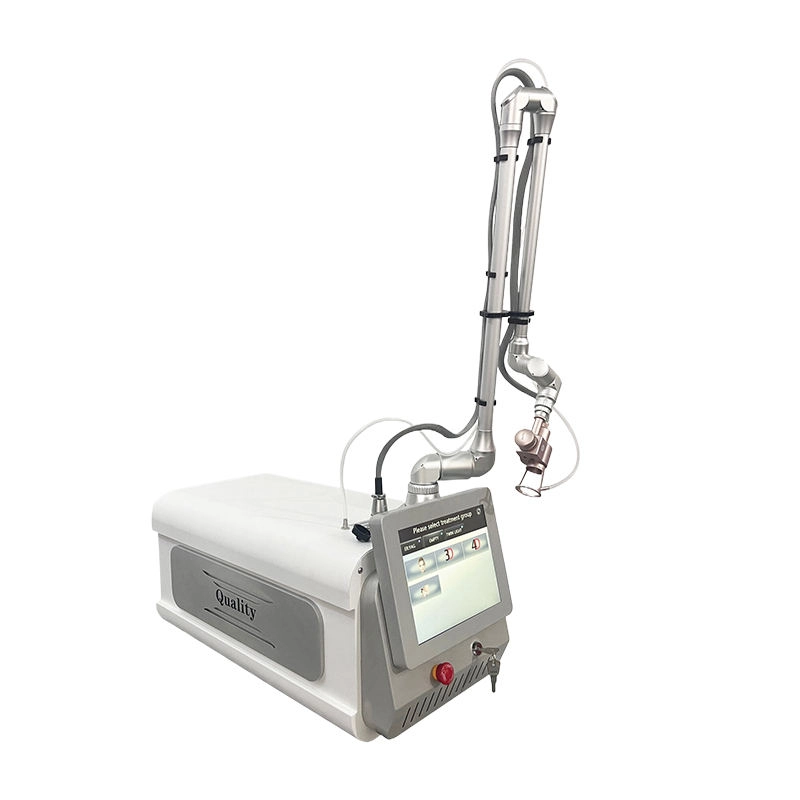
Professional CO2 Fractional Laser Machine | Fractional & Vaginal Rejuvenation CO2 Laser System
The CO2 fractional laser machine is a professional medical-grade device designed for deep skin resurfacing, wrinkle reduction, scar repair, and vaginal rejuvenation. Using a 10600 nm fractional CO2 laser beam, it creates micro-thermal columns on the skin to stimulate collagen regeneration and accelerate skin healing.
This CO2 fractional laser machine provides multiple treatment modes, including fractional mode, surgical cutting mode, and optional vaginal tightening mode, making it ideal for dermatology clinics and professional beauty centers seeking advanced laser solutions.
Its high precision, adjustable spot size, stable energy output, and seven-joint articulated arm ensure safe, accurate, and effective treatment results with minimal downtime.
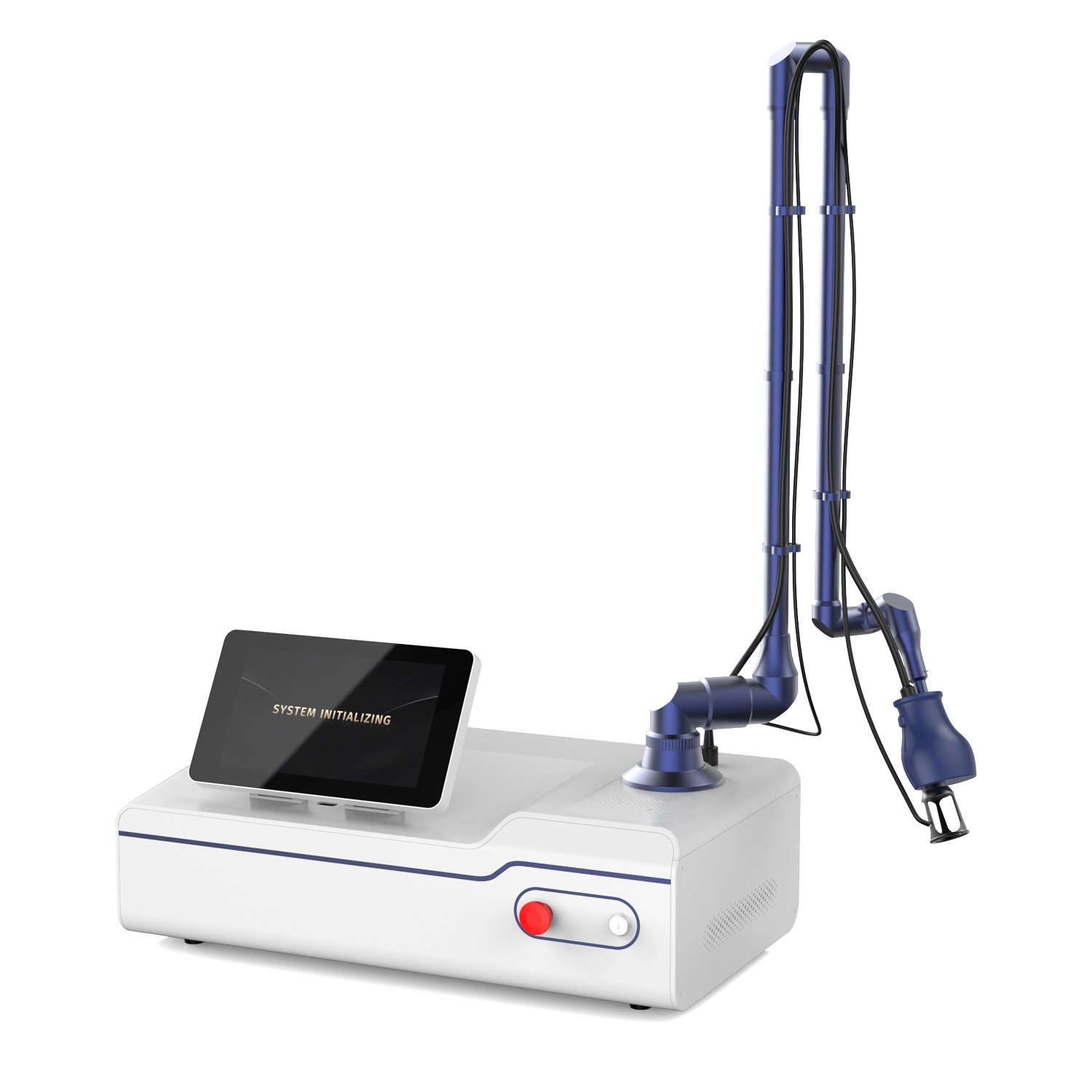
CO2 Fractional Laser Machine | Intimate Vaginal Rejuvenation System
This **CO2 Fractional Laser Machine** utilizes advanced 10600nm CO2 fractional laser technology to create controlled micro-thermal zones on the vaginal mucosa and intimate skin layers. These micro-columns stimulate collagen regeneration and tissue remodeling, effectively improving vaginal tightness, elasticity, and overall intimate health.
Designed specifically for professional medical aesthetic and intimate wellness applications, this CO2 fractional laser machine features intelligent parameter control and high-precision energy output to ensure safe, comfortable, and consistent treatment results. It is an ideal core device for vaginal rejuvenation, postpartum recovery, and intimate anti-aging treatments.
Get more information
If you have any comments or good suggestions, please leave us a message; later our professional staff will contact you as soon as possible.
Let's Talk
Stay in touch with us for cutting-edge beauty solutions, professional guidance, and customized service.
Contact


Room 307, Building A, Huilong International E-commerce Industrial Park, No. 10 Xipengling Road, Helong Street, Baiyun District, Guangzhou, China
© 2025 HUIMAIN. All Rights Reserved. Privacy Policy | Terms and Conditions | Sitemap
Facebook
Instagram
Medical beauty equipment factory
huimain Medical beauty equipment factory
beauty machine supplier
Whatsapp: +8619124004543