


EMS Safety and Usage Guide: Tips for Beginners
- EMS Safety and Usage Guide for Beginners — Choosing the Best EMS Machine
- Why EMS matters for beginners
- How EMS works — simple science
- EMS vs TENS — key differences
- Choosing the best EMS machine — what to look for
- Feature comparison: portable pad units vs professional EMS systems
- Safety first — who should avoid EMS
- Proper pad placement and skin preparation
- Starting your first EMS session — step-by-step
- Recommended intensity, duration, and frequency
- Common mistakes beginners make (and how to avoid them)
- Device maintenance, pad care, and hygiene
- Regulatory standards and clinical evidence
- How Guangzhou Huimain Technology helps users find the best EMS machine
- Practical buying checklist
- FAQ — Common questions about EMS safety and usage
- Is EMS safe for everyone?
- How often should beginners use EMS?
- Will EMS reduce fat or is it only for muscle?
- How do I choose electrode placement for common areas?
- Can EMS cause skin irritation?
- What makes the best EMS machine for home use?
- How should I store electrodes to prolong life?
- Where can I get more guidance tailored to my needs?
EMS Safety and Usage Guide for Beginners — Choosing the Best EMS Machine
Why EMS matters for beginners
Electrical Muscle Stimulation (EMS) devices are increasingly used at home and in professional settings to tone muscles, aid rehabilitation, and complement training. For beginners, EMS can speed neuromuscular activation and improve muscle endurance when used correctly. Choosing the best EMS machine means prioritizing safety, clear controls, reliable electrodes, and appropriate clinical or safety certifications.
How EMS works — simple science
EMS works by sending electrical pulses to motor nerves, causing muscle contractions. Typical EMS parameters used for strengthening are frequencies between about 20–100 Hz and pulse widths roughly 100–400 microseconds (µs). Sessions commonly last 10–30 minutes depending on goals. Unlike TENS, which targets sensory nerves for pain relief, EMS targets motor pathways to elicit a visible contraction.
EMS vs TENS — key differences
Understanding the difference helps you pick the right device. The table below compares core characteristics.
| Feature | EMS | TENS |
|---|---|---|
| Main goal | Muscle activation and strengthening | Pain modulation and relief |
| Primary targets | Motor nerves (muscle contraction) | Sensory nerves (pain signal reduction) |
| Typical frequency range | 20–100 Hz (strength/toning); can vary | 1–150 Hz (low-high frequency modes for pain) |
| Session length | 10–30 minutes typical | 10–60 minutes depending on pain management |
| Use cases | Fitness, rehabilitation, body shaping | Pain relief for acute/chronic conditions |
Choosing the best EMS machine — what to look for
When searching for the best EMS machine, look for: multiple intensity levels, adjustable frequency and pulse width, number of channels (for multi-area stimulation), quality electrodes, clear safety instructions, and certifications such as CE or other regulatory approvals. Portability, battery life, and warranty are also practical considerations.
Feature comparison: portable pad units vs professional EMS systems
This short comparison helps beginners understand trade-offs.
| Feature | Portable Pad Units | Professional EMS Systems |
|---|---|---|
| Channels | 2–8 channels (common) | 4–16 channels (clinic-grade) |
| Frequency range | 1–120 Hz | 1–150+ Hz with more precision |
| Pulse width | 100–400 µs typical | 50–500+ µs (more customizable) |
| Portability | Highly portable, battery powered | Usually mains powered, less portable |
| Price range | Consumer price range (affordable) | Higher cost (clinical features) |
Safety first — who should avoid EMS
EMS is safe for many users, but there are important contraindications. Do not use EMS if you have:
- a pacemaker or implanted defibrillator;
- cardiac arrhythmias or significant heart disease without medical clearance;
- pregnancy (avoid abdominal and pelvic stimulation);
- epilepsy (stimulation near the head may provoke seizures);
- active deep vein thrombosis or recent thromboembolic events;
- malignant tumors in the area of stimulation unless cleared by an oncologist;
- open wounds, rashes, or dermatological issues at electrode sites.
If you have chronic conditions or take medications affecting neuromuscular function, consult a healthcare professional before starting EMS.
Proper pad placement and skin preparation
Correct pad placement affects comfort and effectiveness. Clean and dry the skin, shave heavy hair if needed to improve contact, and avoid creams or oils. Place electrodes over the bulk of the target muscle — for example, on the quadriceps, place one pad above and one below the muscle belly. Avoid placing pads directly over the heart, carotid arteries, throat, eyes, or broken skin.
Starting your first EMS session — step-by-step
Begin with these simple steps to reduce risk and increase comfort:
- Read the device manual and safety instructions fully.
- Inspect electrodes and cables for damage; replace worn pads.
- Put the pads on clean, dry skin in the recommended positions.
- Start the device at the lowest intensity and a gentle program.
- Gradually increase intensity to a strong but comfortable contraction — never painful.
- Limit the first session to 10–15 minutes to assess tolerance.
- Stay seated or stable during the session if you are new to EMS.
Recommended intensity, duration, and frequency
For beginners aiming for muscle toning:
- Intensity: increase until you feel clear muscle contractions that are comfortable; avoid pain. Devices typically measure intensity in mA, but perceived sensation guides safe use.
- Duration: 10–30 minutes per session depending on the program and muscle group.
- Frequency: 2–4 sessions per week per muscle group is common for non-athletes. Allow at least 48 hours between sessions on the same muscle group to permit recovery.
For rehabilitation or clinical protocols, follow a clinician’s guidance for specific timing and progression.
Common mistakes beginners make (and how to avoid them)
Beginners often make avoidable errors. Don’t use pads that have lost adhesiveness — poor contact increases skin irritation. Avoid excessive intensity; pain is a sign to reduce stimulation. Do not place pads across the chest or neck, and do not use EMS in water or when driving. Follow manufacturer guidance for pad placement and program selection.
Device maintenance, pad care, and hygiene
Well-maintained equipment lasts longer and is safer. Clean reusable electrodes per the manufacturer’s instructions, usually with a mild soap and water and gentle drying. Store pads on their protective film to preserve adhesiveness. Replace electrodes when they no longer stick well or when the conductive surface degrades. Keep connection ports dry and inspect cables for damage. Charge and store batteries according to device guidelines to prolong lifespan.
Regulatory standards and clinical evidence
Look for devices with recognized safety marks (for example CE marking in Europe) and third-party testing such as SGS where applicable. Clinical studies support EMS benefits for muscle strengthening, neuromuscular re-education, and in some rehabilitation contexts — but effects depend on correct use and program parameters. Guangzhou Huimain Technology Co., Ltd. emphasizes CE certification and SGS approval for many of its products as part of meeting quality and safety expectations in target markets.
How Guangzhou Huimain Technology helps users find the best EMS machine
Guangzhou Huimain Technology Co., Ltd. is a high-tech manufacturer focused on beauty and home-use machines, combining R&D, production, sales, and after-sales service. With a 3,000 m² facility and a strong technical team, the company offers OEM/ODM solutions and clinical testing support. For buyers seeking the best EMS machine, Huimain highlights product certifications (CE, SGS where applicable), multiple program modes, robust after-sale support, and availability of replacement pads and accessories. Their approach includes designing user-friendly interfaces and safety features suitable for beginners and professional users alike.
Practical buying checklist
Before purchasing, check these points:
- Certifications (CE, SGS, or local regulatory approvals).
- Number of channels and compatibility with your intended use.
- Adjustability of frequency and pulse width.
- Availability and cost of replacement electrodes.
- Warranty, customer support, and clinical documentation if you need it for a professional setting.
- User-friendly controls and clear safety guidance for beginners.
FAQ — Common questions about EMS safety and usage
Is EMS safe for everyone?
EMS is safe for many healthy adults when used as directed, but not for people with pacemakers, certain cardiac conditions, pregnancy, or active thrombosis. Always consult a healthcare professional if you have medical conditions or are unsure.
How often should beginners use EMS?
Beginners can start with 1–3 sessions per week per muscle group, each session lasting 10–20 minutes. Allow at least 48 hours of recovery for the same muscle group. Adjust frequency based on tolerance and results.
Will EMS reduce fat or is it only for muscle?
EMS primarily targets muscle activation and can improve muscle tone. While increased muscle activity may support body composition changes when combined with diet and exercise, EMS alone is not a reliable method for significant fat loss.
How do I choose electrode placement for common areas?
Place electrodes along the muscle belly and aligned with muscle fibers. For example, for the quadriceps place one electrode above and one below the bulk of the muscle; for biceps, place electrodes above and below the central belly. Follow manufacturer placement guides for best results.
Can EMS cause skin irritation?
Yes. Skin irritation can occur due to adhesive residue, prolonged use, or dirty skin. Clean skin before application, replace pads when necessary, and keep session lengths within recommended limits. If irritation persists, stop use and consult a professional.
What makes the best EMS machine for home use?
The best home EMS machine balances safety, adjustable intensity, multiple programs, quality electrodes, clear user guidance, and reliable after-sales support. Devices with recognized certifications and a proven service network (for example, OEM/ODM manufacturers with clinical testing support like Guangzhou Huimain Technology) are preferable.
How should I store electrodes to prolong life?
After cleaning per the manual, place electrodes back on their protective film and store them in a cool, dry place away from direct sunlight. Replace electrodes when they lose tackiness or performance.
Where can I get more guidance tailored to my needs?
Contact your healthcare professional, a licensed physiotherapist, or the device manufacturer’s customer service for personalized guidance. Companies with strong R&D and clinical testing capabilities can often provide more detailed protocols for specific goals.
ZGV13-01
How long does each treatment session take?
Each session typically lasts between 20-40 minutes, depending on the size and nature of the treatment area.
About OEM & ODM
What certifications do your products have?
Our products are certified with CE and SGS, ensuring compliance with international safety and quality standards.
Onda B71台式冷波塑形仪
How many sessions are needed for fat reduction?
Most clients see visible results after 2–4 sessions, depending on treatment area and individual conditions.
MF8
How many sessions are needed to see results?
Most clients notice improvements after 3–5 sessions, with optimal results in 6–8 treatments.
12D-MAX
Can this HIFU machine be used on both face and body?
Yes, the dual-handle design allows precise treatment on facial areas and larger body zones.

CO2 Fractional Laser Machine – Professional Wrinkle Removal & Skin Resurfacing Device
The CO2 Fractional Laser Machine is a multifunctional aesthetic device designed for professional clinics and beauty salons. Using advanced fractional CO2 laser technology, it effectively targets acne scars, freckles, pigmentation, nevi, and deep wrinkles. Additionally, it provides non-invasive skin rejuvenation, vaginal tightening, and intimate beautification. This professional CO2 laser equipment combines precision, safety, and powerful energy output to deliver outstanding anti-aging and dermatological results.

5-in-1 40K Cavitation Vacuum Machine for Body Slimming & Fat Reduction
The 5-in-1 40K Cavitation Vacuum Machine is a professional body shaping system designed for fat reduction, cellulite smoothing, and overall body contouring. Using 40KHz ultrasonic cavitation, this device breaks down stubborn fat cells, while vacuum suction improves lymphatic drainage and accelerates toxin removal.
With multiple RF tightening handles, the machine stimulates collagen regeneration and helps lift and firm loose areas of the body. Compact, powerful, and easy to operate, it is the perfect solution for beauty salons, spa centers, and slimming studios seeking fast and visible fat-reduction results.
This cavitation vacuum machine is built to deliver safe, non-invasive treatments with no downtime—making it a top choice for body contouring professionals.

6-in-1 Multifunctional Beauty and Weight Loss Machine | Cavitation, RF, Vacuum PDT, EMS, Laser Slimming Equipment for Professional Use
The 6-in-1 Multifunctional Beauty and Weight Loss Machine is a professional-grade device designed for salons, clinics, and distributors. Combining six advanced technologies—cavitation, RF (radio frequency) for face & body, vacuum RF PDT, BIO/EMS microcurrent, and laser lipo pads—this device offers comprehensive body contouring, fat reduction, skin tightening, and anti-aging treatments.
It provides businesses with an all-in-one solution to expand service offerings, attract more clients, and achieve a rapid return on investment.
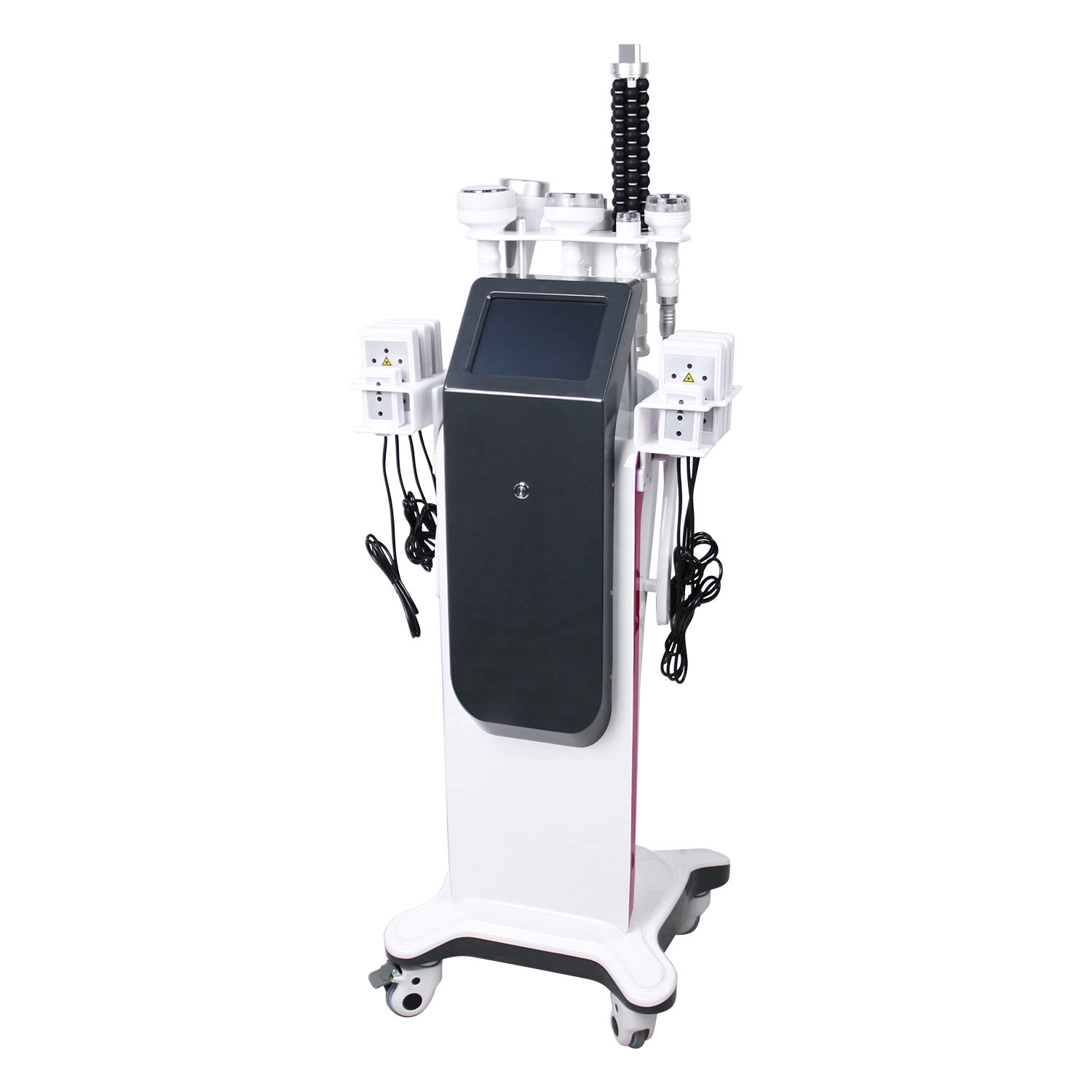
Professional 6-in-1 Cavitation Vacuum Machine for Body Contouring & Slimming Treatment
The 6-in-1 Cavitation Vacuum Machine is a professional body contouring system designed for salons and spas seeking high-performance slimming solutions. This machine integrates 40K ultrasonic cavitation, vacuum suction, RF technology, and laser lipolysis to target stubborn fat, enhance lymphatic drainage, tighten the skin, and contour the body shape effectively.
Equipped with multiple ergonomic handles and a smart touch screen, this cavitation vacuum machine provides a comfortable and efficient experience for both operators and clients. It is ideal for full-body treatments including abdomen, arms, legs, waistline, hips, and back.
Perfect for beauty salons, spas, and aesthetic centers that want to offer non-invasive fat reduction and body-sculpting services.
Get more information
If you have any comments or good suggestions, please leave us a message; later our professional staff will contact you as soon as possible.
Let's Talk
Stay in touch with us for cutting-edge beauty solutions, professional guidance, and customized service.
Contact


Room 307, Building A, Huilong International E-commerce Industrial Park, No. 10 Xipengling Road, Helong Street, Baiyun District, Guangzhou, China
© 2025 HUIMAIN. All Rights Reserved. Privacy Policy | Terms and Conditions | Sitemap
Facebook
Instagram
Medical beauty equipment factory
huimain Medical beauty equipment factory
beauty machine supplier
Whatsapp: +8619124004543