


- Quick Answer: What Should You Check Before Installing an EMS Sculpting Machine?
- Key Takeaways
- 1. What Does “Installation Ready” Mean for an EMS Sculpting Machine?
- 2. Verify the Exact Machine Before Preparing the Site
- What If the Installation Documents Do Not Agree?
- 3. Electrical Power Checklist
- Ask the Supplier to Confirm
- Ask the Clinic or Facility Team to Confirm
- 4. Does an EMS Sculpting Machine Need a Dedicated Electrical Circuit?
- 5. Room Space and Machine Placement
- Machine Footprint
- Operator Working Space
- Applicator, Cable and Hose Space
- Service Access
- Relationship to the Treatment Bed
- 6. Check the Delivery and Access Path Before Installation
- 7. Ventilation and Thermal Management
- 8. Does a Water-Cooled EMS Sculpting Machine Need an External Water Supply?
- 9. Environmental Conditions to Verify
- 10. Applicator, Cable and Hose Setup Requirements
- 11. Network, Software and Language Setup
- 12. What Should Be Ready Before the First Power-On?
- Site Check
- Machine Check
- Documentation Check
- 13. Installation Responsibility Matrix
- 14. EMS Sculpting Machine Pre-Installation Worksheet
- 15. Common EMS Sculpting Machine Pre-Installation Mistakes
- Using Specifications From Another EMS Machine
- Choosing the Room Before Checking Machine Dimensions
- Assuming a Wall Outlet Is Automatically Suitable
- Blocking Intake or Exhaust Areas
- Assuming Water-Cooled Means External Plumbing
- Using an Extension Cord or Power Strip Without Verification
- Ignoring the Delivery Path
- Ignoring Conflicting Documentation
- Powering On Before Checks Are Complete
- 16. What Installation Information Should You Ask the Supplier for Before Delivery?
- 17. Preparing Installation Requirements for a HUIMAIN EMS Sculpting Machine
- Frequently Asked Questions
- What power supply does an EMS sculpting machine need?
- Does an EMS sculpting machine need a dedicated electrical circuit?
- How much space should I leave around an EMS sculpting machine?
- What ventilation does an EMS sculpting machine need?
- Does a water-cooled EMS sculpting machine need an external water supply?
- Can I use an extension cord or power strip for an EMS sculpting machine?
- What should be checked before the first power-on?
- What installation information should I request from the supplier before delivery?
- Confirm Installation Requirements Before the Machine Arrives
EMS Sculpting Machine Installation Checklist: Power, Space, Ventilation and Setup Requirements
Quick Answer: What Should You Check Before Installing an EMS Sculpting Machine?
Before an EMS sculpting machine arrives or is powered on, verify the exact machine requirements against the real installation site.
Exact model, exact configuration, dimensions and weight.
Rated input, voltage, frequency, plug, grounding and applicable circuit requirements.
Room dimensions, delivery route, operator space and service access.
Air intake, exhaust, environmental limits, connections and first-start instructions.
Also confirm applicator, cable or hose routing, whether external water or drainage is required, and any network or software requirements that apply to the exact machine.
The clinic defines the site conditions; the supplier defines the machine requirements.
A room is installation-ready only when the machine requirements and site conditions have been checked against each other.
Content reviewed: August 2026
Professional note: This guide is a pre-installation site-readiness checklist for professional EMS sculpting and electromagnetic muscle-stimulation equipment. It is not a model-specific installation or operating manual. It does not state universal voltage, power, circuit, clearance, water, ventilation, wiring or startup requirements for every EMS sculpting machine. Those requirements should be verified from the documentation for the exact machine and configuration.
If the machine nameplate, manual and supplier documentation appear to conflict, pause site preparation or first power-on and obtain clarification for the exact machine before proceeding.
Key Takeaways
1. What Does “Installation Ready” Mean for an EMS Sculpting Machine?
An installation-ready clinic is not simply a room with empty floor space and an available wall outlet.
Pre-installation readiness means that the machine's documented requirements have been compared with the real conditions at the site.
Exact Machine Requirements → Clinic Site Conditions → Verification → Installation Readiness
The clinic does not need to design the machine, and the supplier does not automatically know every detail of the clinic's building. Both sides need to provide the information they control.
| Installation Area | Site-Readiness Question |
|---|---|
| Power | Can the site support the exact machine's electrical requirements? |
| Space | Is there enough usable space around the installed machine? |
| Access | Can the equipment physically reach the treatment room? |
| Ventilation | Can required intake and exhaust airflow remain unobstructed? |
| Environment | Does the room meet the specified operating conditions? |
| Connections | Are applicator, cable, hose or other connections understood? |
| Setup | Are model-specific startup and commissioning instructions available? |
Room availability is not the same as installation readiness.

2. Verify the Exact Machine Before Preparing the Site
Before electrical work, furniture placement, plumbing or other permanent site preparation begins, confirm the exact equipment being installed.
Ask the supplier to identify:
- exact model;
- exact quoted configuration;
- machine dimensions;
- machine weight;
- rated electrical requirements;
- plug or connection type;
- grounding requirements;
- cooling architecture;
- air intake location;
- exhaust location;
- specified ambient conditions;
- required operating clearances;
- required service clearances;
- assembly requirements;
- first-start or commissioning instructions.
If the quoted machine or configuration changes before production or shipment, review the installation plan again. A different configuration may have different dimensions, electrical input, cooling arrangement, accessory configuration, connection requirements or other installation conditions.
Do not design the installation site around the specifications of a similar model.
What If the Installation Documents Do Not Agree?
Before site work or first startup, compare the information provided for the exact machine.
If the nameplate, installation manual, operating manual, quotation, supplier technical sheet or supplier instructions appear to provide conflicting information about voltage, power, connections, clearance, coolant, configuration or another installation requirement, do not choose one value by assumption.
- Identify the exact machine and configuration.
- Record the conflicting information.
- Ask the supplier to clarify which documentation applies.
- Obtain updated documentation where necessary.
- Resume preparation only after the applicable requirement is clear.
Conflicting installation information is a verification issue—not a value the clinic should guess.
3. Electrical Power Checklist
Electrical preparation is one of the most important parts of EMS sculpting machine site readiness. However, the correct electrical requirements cannot be determined from the equipment category alone.
Ask the Supplier to Confirm
- rated input voltage;
- rated frequency;
- rated current or power where applicable;
- plug or connector type;
- grounding requirements;
- specified circuit requirements, if any;
- required protective devices, if any;
- startup or inrush requirements where applicable.
Ask the Clinic or Facility Team to Confirm
- available supply voltage;
- available frequency;
- outlet location;
- grounding condition;
- existing circuit arrangement;
- other loads already using the circuit;
- whether electrical modification is necessary;
- applicable local electrical requirements.
If modifications or electrical verification are required, use an appropriately qualified local professional where applicable.
Never size the electrical connection from a generic EMS machine article. Use the exact machine specification.
4. Does an EMS Sculpting Machine Need a Dedicated Electrical Circuit?
Not necessarily as a universal rule.
Whether a dedicated circuit is required depends on factors such as the exact machine's rated electrical input, manufacturer instructions, existing electrical load at the site, circuit capacity, protective-device requirements and applicable local electrical requirements.
A buyer should avoid assuming either that every EMS sculpting machine needs a dedicated circuit or that an existing treatment-room outlet will definitely be sufficient.
- What electrical input does the exact machine require?
- What else is connected to the existing circuit?
- Does the applicable documentation specify a dedicated circuit or protective requirement?
- Do local electrical requirements affect the installation?
- Does the existing installation need professional review or modification?
The correct electrical setup comes from the machine requirement and the site condition together.
5. Room Space and Machine Placement
Machine dimensions are only the starting point for room planning. A clinic needs usable installation space, not just enough floor area for the equipment cabinet itself.
Machine Footprint
Request exact width, depth, height and weight. Do not estimate machine dimensions from product photographs.
Operator Working Space
Consider whether the operator can comfortably access the control interface, move around the equipment, connect and position applicators, monitor the machine and reach required controls.
Applicator, Cable and Hose Space
Allow for the routing of applicator cables, hoses where present, power cables and accessory connections. Routing should avoid unnecessary strain, compression or trip hazards.
Service Access
Some machines may require access to particular sides or panels for inspection, cleaning, maintenance or repair. Required service clearance should come from the supplier or exact machine documentation.
Relationship to the Treatment Bed
Machine placement should take account of clinic workflow, operator movement, applicator cable reach, room layout and documented machine clearances. Avoid applying one fixed machine-to-bed distance to every EMS system.
Room size alone is not the same as usable installation space.
6. Check the Delivery and Access Path Before Installation
A treatment room may be large enough for the machine while the access route through the building is not.
Before delivery, review the route from the building entrance to the final machine position:
- building entrance;
- reception or hallway;
- doorway widths;
- corridor widths;
- corridor turns;
- elevator dimensions;
- elevator capacity where relevant;
- stairs;
- treatment-room doorway;
- final placement route.
Ask the supplier for unpacked machine dimensions, machine weight, packaged dimensions where relevant to access planning and any applicable transport-orientation restrictions.
A suitable treatment room is not enough if the machine cannot safely reach it.
This section only addresses site-access planning. Detailed shipping protection, freight handling, package damage and delivery acceptance should be evaluated separately.
7. Ventilation and Thermal Management
Machine cooling and room ventilation are related, but they are not the same requirement.
An exact machine may use air cooling, water-based internal thermal management, another architecture or a combination of cooling methods.
Regardless of architecture, installation planning should identify air intake location, exhaust location, required clearance around vents, whether a particular side can be placed near a wall, room HVAC conditions, nearby heat sources, direct sunlight exposure, dust conditions and applicable ambient temperature and humidity limits.
Do not apply a generic clearance distance. The supplier should confirm the relevant airflow and environmental requirements for the exact machine.
For a dedicated comparison of cooling architectures, see Air-Cooled vs Water-Cooled EMS Sculpting Machines: Which Cooling System Is Better for Professional Use?.
Cooling architecture and room ventilation are related, but they are not the same requirement.
8. Does a Water-Cooled EMS Sculpting Machine Need an External Water Supply?
Not automatically.
The term water-cooled can describe an internal closed-loop thermal-management system. It does not, by itself, establish whether the machine needs an external water supply, an external drain, manual coolant filling, periodic coolant service or another building connection.
- Is the cooling loop internal?
- Does installation require an external water connection?
- Is a drain connection required?
- Does the operator need to add or service coolant?
- What coolant procedure applies, if any?
- What maintenance requirements apply to the exact cooling system?
Water-cooled describes a thermal-management approach; it does not automatically define the building connection requirements.
9. Environmental Conditions to Verify
The treatment room should support the operating conditions specified for the exact machine.
Site factors that may need review include stable placement, level floor condition where required, dry professional environment, unobstructed ventilation, distance from unusual heat sources, direct sunlight exposure, dust conditions, ambient temperature, humidity, nearby water exposure where relevant, operator access, room lighting and cleaning workflow.
Exact temperature and humidity limits should come from the machine documentation. Do not assume that environmental limits published for another beauty device apply to the EMS sculpting machine being installed.
If the site regularly falls outside the specified operating conditions, resolve that before commissioning.
10. Applicator, Cable and Hose Setup Requirements
The machine may arrive with multiple applicators or treatment heads.
Before installation day, confirm the number of applicators supplied, function of each applicator, connector type, intended connection port, cable or hose routing, holder or bracket arrangement, required holder assembly if any, connection sequence specified by the manufacturer and storage position when applicators are not in use.
If connectors appear similar, do not automatically assume they are interchangeable. If an applicator does not connect as expected, do not modify the connector or force the connection.
Do not force, interchange or improvise applicator connections unless the exact machine documentation states they are compatible.
11. Network, Software and Language Setup
Network and software preparation should be treated as conditional installation requirements.
Not every EMS sculpting machine requires Wi-Fi, internet access, cloud registration, activation codes, remote-service accounts or online updates.
If the quoted machine uses any of these functions, confirm whether internet access is required or optional, whether an account or activation is needed, what software version is supplied, which UI languages are available, whether an update is required before use, whether updates can be performed locally, whether remote-support functions apply to the project and whether network preparation is required.
If the exact machine has no network-dependent functions, this section can be marked Not applicable.
12. What Should Be Ready Before the First Power-On?
Site Check
- electrical supply verified;
- final machine placement decided;
- required airflow unobstructed;
- room conditions suitable;
- access around the machine adequate.
Machine Check
- exact model matches documentation;
- required accessories present;
- visible connections reviewed;
- applicators connected correctly;
- required assembly completed.
Documentation Check
- installation instructions available;
- operating instructions available;
- electrical information available;
- supplier technical contact available;
- documentation conflicts resolved.
Use the startup sequence for the exact machine. Do not copy the power-on procedure from another EMS system because the equipment looks similar.
First power-on should be the final step of site preparation—not the first step of troubleshooting an unverified installation.
If the machine does not behave as expected during startup, stop and verify the documentation or contact the supplier instead of improvising a procedure.
13. Installation Responsibility Matrix
Professional installation is easier to manage when responsibilities are explicit.
| Installation Item | Clinic / Buyer | Supplier | Local Qualified Professional |
|---|---|---|---|
| Room dimensions | Provide site measurements | Provide machine footprint / required clearance | As needed |
| Delivery access | Review access route | Provide dimensions / weight | As needed |
| Available voltage / frequency | Provide site information | Provide exact requirement | Verify compatibility where required |
| Circuit suitability | Provide existing circuit information | Provide rated machine requirement | Verify or modify where required |
| Grounding | Provide site condition | Provide machine requirement | Verify where required |
| Ventilation | Provide room conditions | Identify intake, exhaust and clearance requirements | Facility input where needed |
| Cooling architecture | — | Confirm exact design | — |
| External water / drain | Confirm site availability | Confirm whether required | Install where required |
| Applicator setup | Follow correct instructions | Provide connection information | — |
| Network / software | Provide site network if needed | Confirm requirements | IT support where needed |
| First-start procedure | Follow documentation | Provide correct procedure | — |
Installation succeeds when responsibilities are explicit, not assumed.

14. EMS Sculpting Machine Pre-Installation Worksheet
Use this worksheet before delivery or before permanent site work begins.

| Installation Item | Clinic Input | Supplier Confirmation | Ready? |
|---|---|---|---|
| Exact model | ______ | ______ | □ |
| Exact configuration | ______ | ______ | □ |
| Machine dimensions | ______ | ______ | □ |
| Machine weight | ______ | ______ | □ |
| Rated voltage | ______ | ______ | □ |
| Frequency | ______ | ______ | □ |
| Rated input / current | ______ | ______ | □ |
| Plug / electrical connection | ______ | ______ | □ |
| Grounding requirement | ______ | ______ | □ |
| Dedicated circuit, if required | ______ | ______ | □ |
| Building entrance access | ______ | ______ | □ |
| Doorway width | ______ | ______ | □ |
| Corridor / elevator access | ______ | ______ | □ |
| Machine footprint | ______ | ______ | □ |
| Operator working clearance | ______ | ______ | □ |
| Service clearance | ______ | ______ | □ |
| Air intake location | ______ | ______ | □ |
| Exhaust location | ______ | ______ | □ |
| Ventilation clearance | ______ | ______ | □ |
| Ambient operating limits | ______ | ______ | □ |
| External water required? | ______ | ______ | □ |
| Drain required? | ______ | ______ | □ |
| Applicator setup instructions | ______ | ______ | □ |
| Network / software requirement | ______ | ______ | □ |
| First-start instructions | ______ | ______ | □ |
| Documentation conflicts resolved? | ______ | ______ | □ |
A room is installation-ready only when the relevant site inputs and exact machine requirements have been checked against each other.
15. Common EMS Sculpting Machine Pre-Installation Mistakes
Using Specifications From Another EMS Machine
Better: Use the exact quoted model and applicable documentation.
Choosing the Room Before Checking Machine Dimensions
Better: Review footprint, working space, access and airflow together.
Assuming a Wall Outlet Is Automatically Suitable
Better: Compare the exact electrical requirement with the site's electrical conditions.
Blocking Intake or Exhaust Areas
Better: Confirm intake, exhaust and clearance locations for the exact machine.
Assuming Water-Cooled Means External Plumbing
Better: Confirm whether external water or drainage is actually required.
Using an Extension Cord or Power Strip Without Verification
Better: Follow exact machine documentation and applicable local electrical requirements.
Ignoring the Delivery Path
Better: Check the complete access route before delivery.
Ignoring Conflicting Documentation
Better: Pause preparation and obtain clarification for the exact machine.
Powering On Before Checks Are Complete
Better: Complete electrical, placement, airflow, connection and documentation checks first.
16. What Installation Information Should You Ask the Supplier for Before Delivery?
Before the machine ships or before the clinic performs site work, request the installation information that applies to the exact configuration.
These details can also be requested during the quotation stage. For a broader quotation-preparation framework, see EMS Sculpting Machine RFQ Checklist: What Specifications to Send Before Requesting a Quote.
Installation planning is easier when required machine information is collected before delivery rather than discovered after the equipment reaches the clinic.
17. Preparing Installation Requirements for a HUIMAIN EMS Sculpting Machine
HUIMAIN supplies professional beauty equipment and supports B2B OEM/ODM projects.
For an EMS sculpting machine project, buyers can prepare site information such as destination market, available electrical supply, treatment-room dimensions, access-path constraints, ventilation conditions, expected machine placement and installation questions.
The exact installation requirements should then be confirmed for the quoted machine before the clinic performs electrical modifications, room-layout changes, plumbing work, permanent connections or other installation work.
Air-Cooled vs Water-Cooled EMS Sculpting Machines
EMS Sculpting Machine RFQ Checklist
EMS Sculpting Machine Buying Guide
Professional EMS sculpting machine options
Company-level equipment and OEM/ODM capability should remain separate from the installation requirements of a specific machine.
Frequently Asked Questions
What power supply does an EMS sculpting machine need?
There is no universal electrical specification for all EMS sculpting machines. Verify the exact machine's rated voltage, frequency, current or power requirements, plug or connection type, grounding requirements and any specified circuit requirements before preparing the electrical connection.
Does an EMS sculpting machine need a dedicated electrical circuit?
Not necessarily as a universal rule. The need for a dedicated circuit depends on the exact machine's electrical input, manufacturer instructions, the existing site load and applicable local electrical requirements. The machine specification and site circuit should be reviewed together.
How much space should I leave around an EMS sculpting machine?
Use the exact machine dimensions and supplier-specified clearance requirements. Allow additional usable space for operator movement, applicator cables or hoses, airflow, cleaning and service access. Do not use a generic clearance distance for every EMS machine.
What ventilation does an EMS sculpting machine need?
The required ventilation depends on the exact machine design. Confirm intake and exhaust locations, required clearances and specified ambient conditions. Keep required airflow paths unobstructed and consider room HVAC, heat sources and dust conditions.
Does a water-cooled EMS sculpting machine need an external water supply?
Not automatically. A water-cooled design may use an internal closed-loop cooling system. Ask whether the exact machine requires an external water connection, drain, manual coolant service or another installation requirement before preparing plumbing.
Can I use an extension cord or power strip for an EMS sculpting machine?
Do not assume that an extension cord or power strip is suitable. Follow the exact machine's electrical instructions and applicable local electrical requirements. If the correct connection is uncertain, obtain appropriate professional verification before use.
What should be checked before the first power-on?
Confirm the electrical supply, machine placement, ventilation clearance, required connections, applicator setup, included accessories and applicable installation instructions. Also resolve any conflict between the machine nameplate, manual and supplier documentation before first power-on.
What installation information should I request from the supplier before delivery?
Request the exact model and configuration, dimensions, weight, electrical requirements, plug or connection type, grounding requirements, required clearances, intake and exhaust locations, ambient limits, cooling and plumbing requirements if any, applicator setup instructions, software requirements if applicable and first-start instructions.
Confirm Installation Requirements Before the Machine Arrives
Confirm the exact machine, collect its electrical, space, ventilation and setup requirements, compare those requirements with the real clinic site, and resolve documentation or installation issues before first power-on.
Clinics, beauty salons, chains, distributors and other professional buyers can prepare the quoted model, destination market, available electrical supply, room dimensions, access constraints and installation questions before contacting HUIMAIN.
Discuss EMS Sculpting Machine Installation Requirements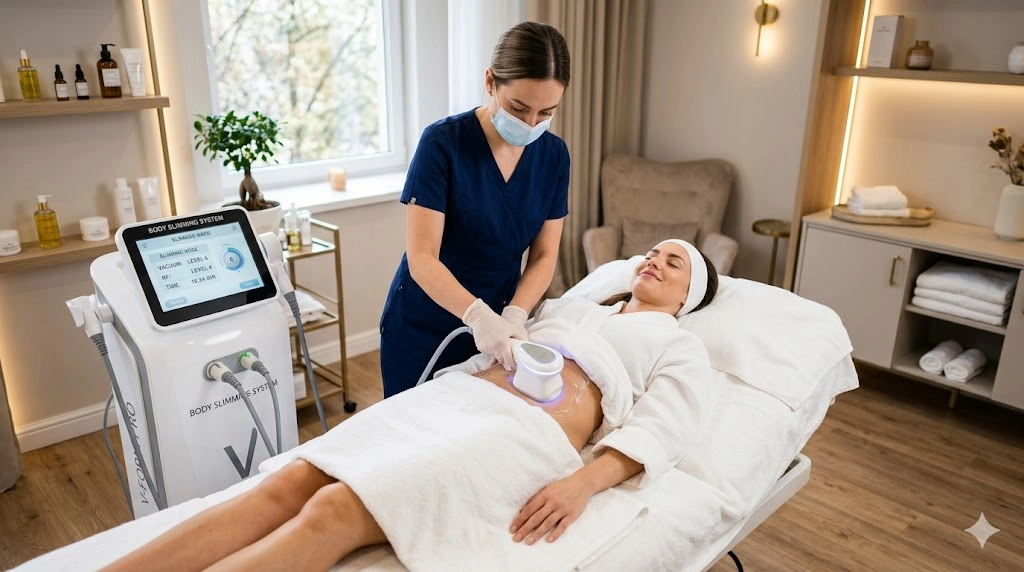
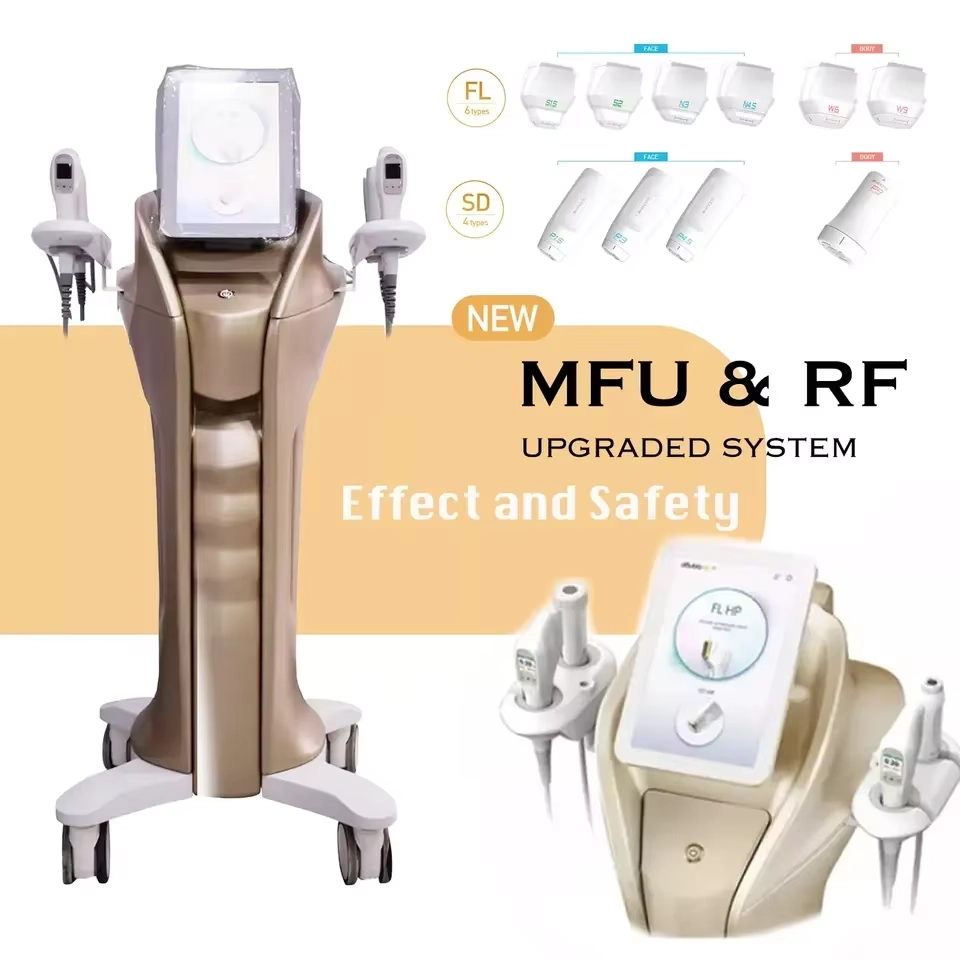

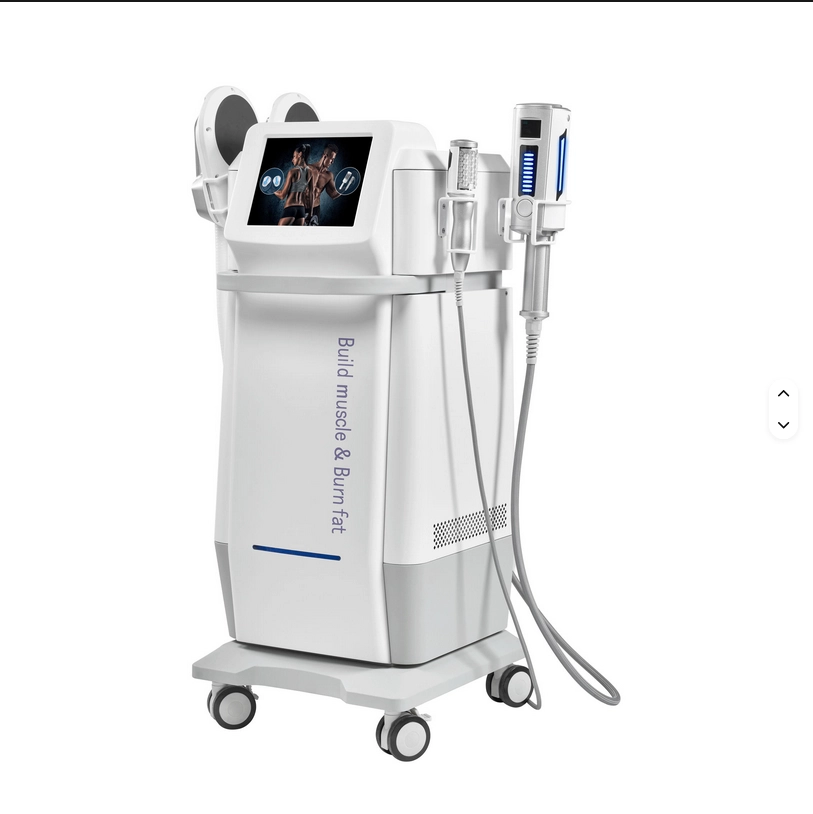


Get more information
If you have any comments or good suggestions, please leave us a message; later our professional staff will contact you as soon as possible.
Let's Talk
Stay in touch with us for cutting-edge beauty solutions, professional guidance, and customized service.
Contact


Room 307, Building A, Huilong International E-commerce Industrial Park, No. 10 Xipengling Road, Helong Street, Baiyun District, Guangzhou, China
© 2026 HUIMAIN. All Rights Reserved. Designed by Gooeyun. Privacy Policy | Terms and Conditions | Sitemap
Facebook
Instagram
Medical beauty equipment factory
huimain Medical beauty equipment factory
beauty machine supplier
Whatsapp: +8619124004543