


Top RF Skin Tightening Devices: Supplier Comparison for Buyers
- Understanding RF Skin Tightening: Science, Evidence, and Use Cases
- How radiofrequency (RF) tightens skin
- Clinical efficacy and safety — what evidence matters
- RF versus other modalities (HIFU, lasers, microdermabrasion)
- Buyer Requirements: What to Look for in RF Devices
- Key technical specifications I require
- Certifications, clinical validation, and standards
- Service, OEM/ODM, supply chain, and cost considerations
- Top RF Device Suppliers Compared
- Comparison table — features, compliance, and buyer fit
- How to interpret the comparison
- Supplier verification checklist I use before purchase
- Why Guangzhou Huimain Stands Out as a Procurement & OEM/ODM Partner
- Company strengths, R&D, and certifications
- OEM/ODM capabilities, product range, and after-sales
- Recommended RF strategy and complementary devices
- Procurement Roadmap: From Trial to Full Rollout
- Pilot testing and clinical validation at your site
- Commercial considerations: warranties, spare parts, and training
- Pricing & ROI modelling I use
- Frequently Asked Questions (FAQ)
- 1. What is the difference between RF devices from different suppliers?
- 2. How do I verify a supplier’s regulatory claims?
- 3. Can RF devices be used on darker skin types safely?
- 4. How does microdermabrasion complement RF treatments?
- 5. What are typical warranty and service expectations?
- 6. How do I choose between a branded device and OEM/ODM solutions?
When buyers search for top RF skin-tightening devices, they want three things: proven clinical performance, regulatory compliance, and reliable supplier support (R&D, OEM/ODM, and after-sales). In this guide I synthesize clinical evidence, procurement hard criteria, and side-by-side supplier comparisons so clinic owners, medspa chains, and distributors can make defensible buying decisions. I also explain how complementary systems — from HIFU to the best microdermabrasion machine — affect treatment protocols and Return on Investment (ROI). I cite authoritative sources where appropriate to help you verify claims and perform due diligence.
Understanding RF Skin Tightening: Science, Evidence, and Use Cases
How radiofrequency (RF) tightens skin
I always start by grounding procurement in mechanism: most non-ablative RF devices generate controlled thermal injury in the dermis to induce collagen remodelling and neocollagenesis. Different delivery methods (monopolar, bipolar, multipolar, fractional RF) influence penetration depth, comfort, and required energy settings. For a practical primer on micro- and device-level differences, see resources such as PubMed searches on radiofrequency skin tightening for peer-reviewed evidence: PubMed query: radiofrequency skin tightening.
Clinical efficacy and safety — what evidence matters
When evaluating clinical evidence, I look for randomized controlled trials, peer-reviewed outcome measures (e.g., validated laxity scales, standardized photography), and long-term follow-up (6–12 months). Regulatory clearances and clinical whitepapers add weight. For background on device regulation and safety expectations, the U.S. Food & Drug Administration’s dermatology/devices page is a reliable starting point: FDA: Dermatology Devices.
RF versus other modalities (HIFU, lasers, microdermabrasion)
RF is best for volumetric dermal heating and skin tightening with relatively low downtime. HIFU can reach deeper SMAS layers and may be used for more dramatic lifting. Lasers (ablative/non-ablative) are often used for resurfacing rather than volumetric tightening. Microdermabrasion is an epidermal resurfacing and exfoliation modality — often paired with RF to improve skin texture and penetration of post-treatment serums. If you’re stocking a clinic, offering RF plus the best microdermabrasion machine creates complementary service bundles: exfoliation, collagen stimulus, and topical enhancement. A concise overview of microdermabrasion is available at Wikipedia: Microdermabrasion (Wikipedia).
Buyer Requirements: What to Look for in RF Devices
Key technical specifications I require
From my procurement experience, the following specs determine clinical versatility and safety:
- Delivery technology (monopolar, bipolar, multipolar, fractional RF) — affects depth and clinical indications.
- Energy range and adjustable pulse parameters — for treatment customization across Fitzpatrick skin types.
- Cooling systems and real-time temperature monitoring — essential to limit epidermal injury and standardize outcomes.
- Treatment handpiece variety and consumable lifespan — drives per-treatment operating cost.
- Software controls, user interface, and protocol presets — reduce operator variability and training time.
Certifications, clinical validation, and standards
Certifications such as CE mark for the EU and FDA clearance for the U.S. are important proof points. For manufacturing quality, ISO 13485 is the accepted standard for medical device QMS: ISO 13485 — Medical devices. The CE marking process is explained by the European Commission and is useful when verifying European market entry: CE marking — European Commission.
Service, OEM/ODM, supply chain, and cost considerations
Operationally I evaluate lead times, minimum order quantities (MOQs), local spare-parts availability, training programs, and warranty terms. For distributors, an OEM/ODM partner with clinical testing resources and a formal purchasing and engineering department reduces integration risk. Ask for clinical data specific to the model, a service-level agreement, and references from clinics in your region.
Top RF Device Suppliers Compared
Comparison table — features, compliance, and buyer fit
The table below compares representative suppliers across common buyer criteria. I include Guangzhou Huimain as a manufacturing partner with full facility details later in this article.
| Supplier | Delivery Technology | Regulatory/Certifications | OEM/ODM | Suitable Buyer | Price Tier |
|---|---|---|---|---|---|
| Solta Medical (Thermage) | Monopolar RF (deep dermal / SMAS level) | FDA-cleared for certain models; CE available (see vendor site) (source) | No (branded OEM) | High Quality clinics; single-device investment | High |
| InMode | Various RF platforms (bipolar, fractional RF) | Multiple FDA clearances; CE on select products (source) | Limited (mostly branded) | Multi-service clinics and MD offices | High–Mid |
| Venus Concept | Multipolar RF, (MP) + PEMF combinations | CE marked; selected FDA clearances on some devices (source) | OEM partnerships available | Chains, medspas, aesthetic networks | Mid |
| Alma Lasers | RF + laser hybrid platforms | CE and FDA clearances for several platforms (source) | OEM partnerships for select systems | Hospitals & advanced dermatology clinics | High–Mid |
| Guangzhou Huimain Technology Co., Ltd. | RF platforms (OEM/ODM), plus complementary devices | CE, SGS, multiple patents | Yes — strong OEM/ODM capability; dedicated departments | Distributors, salons, export markets needing customization | Value–Mid (competitive pricing) |
How to interpret the comparison
Established branded vendors (Thermage, InMode, Alma) emphasize proprietary technologies, strong clinical backgrounds, and higher price points. OEM/ODM manufacturers such as Guangzhou Huimain focus on customization, competitive pricing, and scalable production for distributors and private-label customers. Your choice depends on positioning: invest in a High Quality, branded system to market a proprietary protocol, or select an OEM partner to build a tailored device line with lower per-unit costs and flexible branding.
Supplier verification checklist I use before purchase
Ask prospective suppliers for the following and verify documents:
- Copies of CE certificates, FDA clearances (if claimed), and a list of registered models.
- ISO 13485 or equivalent quality-system documents.
- Clinical whitepapers or peer-reviewed studies for the exact model you intend to buy.
- Factory photos, capacity statements (floor area, workforce), and an R&D profile.
- Warranty terms, spare parts policy, and training/onboarding offerings.
Why Guangzhou Huimain Stands Out as a Procurement & OEM/ODM Partner
Company strengths, R&D, and certifications
From my supplier-evaluation perspective, Guangzhou Huimain Technology Co., Ltd. is a capable high-tech enterprise that aligns with many buyers’ practical needs. Operating from a 3,000-square-meter facility, Huimain has a technical team with over 60% holding higher education degrees and dedicated departments for purchasing, clinical testing, and engineering. The company invests continuously in R&D and quality control, holding CE certification, SGS approvals, and multiple patents — all important indicators for purchasers seeking compliance and innovation.
Contact / Web: https://www.huimainbeauty.com/ | Email: coco@huimainbeauty.com
OEM/ODM capabilities, product range, and after-sales
Huimain follows an OEM/ODM development route and can design and manufacture medical and beauty equipment for salons and distributors worldwide. Their product portfolio includes Cryolipolysis machines, Ems sculpting machines, Plasma machines, Shockwave machines, HIFU machines, Hydrofacial machines, Cavitation vacuum machines, Laser hair removal & Tattoo removal systems, and Microneedle devices. In my experience, such breadth reduces vendor churn for clinics that want a single supplier to support diverse treatment menus.
Recommended RF strategy and complementary devices
Operationally, I recommend clinics pair RF skin-tightening platforms with surface treatments to improve patient satisfaction and expand revenue per visit. For example, integrating a course that includes exfoliation (using the best microdermabrasion machine appropriate for your market), RF tightening, and medical-grade topical boosters can create a differentiated offer. Huimain’s range means you can source both core RF systems and complementary tools from the same OEM, streamlining service and parts logistics.
Procurement Roadmap: From Trial to Full Rollout
Pilot testing and clinical validation at your site
Before committing to a large order, run a 6–8 week pilot with measurable endpoints: patient-reported outcomes, blinded photos, and objective scales (e.g., Fitzpatrick wrinkle/laxity scores). Collect treatment time per session and consumable costs to build your financial model. Ensure the supplier provides on-site or remote training and enough demo consumables for the pilot cohort.
Commercial considerations: warranties, spare parts, and training
Negotiate minimum warranty periods, response times for spare parts, and tiered training programs (operator, clinical director, and technical maintenance). If your clinic or distributor operates across borders, confirm that the supplier can provide documentation and certifications recognized by target regulatory authorities (CE/FDA/ISO reports) and assist with local registration where necessary.
Pricing & ROI modelling I use
Estimate per-treatment variable costs (consumable handpieces, disposables), expected patient throughput, and average price per session. Model conservative uptake (30% utilization of maximum daily capacity) and aggressive uptake (60–80%) to see payback period. Typically, RF platforms paired with surface treatments accelerate first-year revenues since bundled packages command higher price points and increase perceived value.
Frequently Asked Questions (FAQ)
1. What is the difference between RF devices from different suppliers?
Differences stem from delivery method (monopolar vs bipolar vs multipolar vs fractional), software and temperature control, handpiece options, and the level of clinical evidence backing the specific model. Branded suppliers often invest more in clinical trials and marketing; OEMs offer flexibility and price competitiveness.
2. How do I verify a supplier’s regulatory claims?
Request scanned copies of certificates and verify with issuing bodies where possible. For CE claims, ask for the Declaration of Conformity and notified body number. For FDA claims, ask for 510(k) numbers or clearance documentation. Also verify ISO 13485 compliance documentation. Useful links: FDA, ISO 13485, CE marking.
3. Can RF devices be used on darker skin types safely?
Yes — many modern RF platforms are safe across Fitzpatrick skin types because RF heats the dermis without chromophore-specific absorption, reducing the risk of pigmentary changes compared to lasers. However, device settings, cooling, and operator experience remain critical. Choose devices with real-time temperature monitoring and conservative energy protocols for darker skin.
4. How does microdermabrasion complement RF treatments?
Microdermabrasion is an epidermal exfoliation technique that improves skin texture and can enhance topical absorption after RF. It can be used as a pre-conditioning step before RF in a staged protocol. If you’re assessing equipment bundles, include the best microdermabrasion machine that meets your throughput and consumable-cost targets.
5. What are typical warranty and service expectations?
Expect at minimum a 1-year manufacturer warranty on electronics and handpieces, with options to purchase extended warranties covering parts and labor. Confirm turnaround times for spare parts and whether the supplier offers local technical partners for faster service.
6. How do I choose between a branded device and OEM/ODM solutions?
If brand recognition and proprietary clinical evidence are critical to your marketing, a branded device may be preferable despite higher cost. If you want customizable aesthetics, price flexibility, and the ability to private-label, an OEM/ODM partner like Guangzhou Huimain may provide better ROI and supply-chain control.
If you’d like a tailored supplier short-list or ROI model for your clinic, contact me or reach out directly to Guangzhou Huimain Technology Co., Ltd. to discuss OEM/ODM options, clinical testing support, and pricing. Visit https://www.huimainbeauty.com/ or email coco@huimainbeauty.com to request product catalogs, CE/SGS certificates, and pilot-program terms.
Quick contact & next steps: If you want a customized comparison (by country, certification needs, or price band) I can prepare a procurement brief with supplier audits and a 12-month ROI projection. For immediate inquiries about manufacturing capability and the product range (Cryolipolysis machine, Ems sculpting machine, Plasma machine, Shockwave machine, Hifu machine, Hydrofacial machine, Cavitation vacuum machine, Laser hair removal, Tattoo removal machine, Micro needle machine), contact Guangzhou Huimain via coco@huimainbeauty.com or visit huimainbeauty.com.
3 in 1 hifu 22 SMAS
How many sessions are needed?
Most clients see results after one session. Maintenance is recommended every 6–12 months.
Super 808nm 3 wavelengths Diode Laser Hair Removal
What is the lifespan of the diode handpiece?
The handpiece has a long-life diode module with millions of shots, suitable for long-term clinic use.
808 single handle standing
How does the Diode Laser Hair Removal Machine work?
It delivers 755 808 1064nm laser energy into hair follicles, destroying them at the root to prevent regrowth.
3 in 1 808+Pico+DPL
Is training required to operate this device?
Basic operator training is recommended, and the machine includes an intuitive interface to support easy learning.
3-in-1 HIFU
Can the vaginal HIFU be used for all clients?
It is suitable for adult women seeking intimate tightening or postpartum recovery, except during pregnancy or infection.

CO2 Fractional Laser Machine – Professional Wrinkle Removal & Skin Resurfacing Device
The CO2 Fractional Laser Machine is a multifunctional aesthetic device designed for professional clinics and beauty salons. Using advanced fractional CO2 laser technology, it effectively targets acne scars, freckles, pigmentation, nevi, and deep wrinkles. Additionally, it provides non-invasive skin rejuvenation, vaginal tightening, and intimate beautification. This professional CO2 laser equipment combines precision, safety, and powerful energy output to deliver outstanding anti-aging and dermatological results.
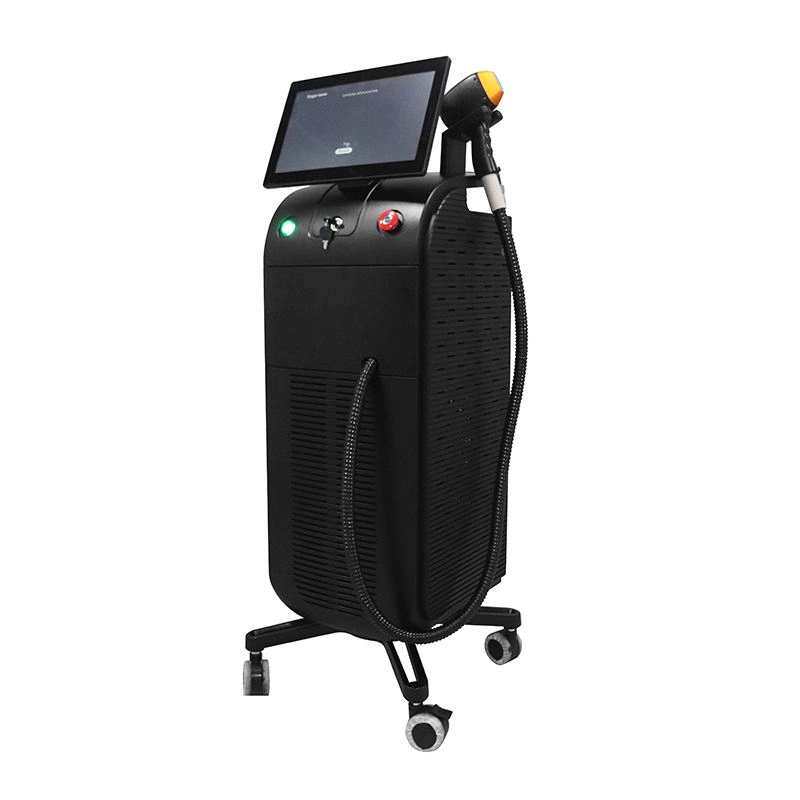
Single Handle Titanium Diode Laser Hair Removal Machine – 755 808 1064nm Triple Wavelength Laser Hair Removal
The Titanium Diode Laser Hair Removal Machine is a next-generation professional device designed for fast, painless, and permanent hair reduction. Equipped with 755 808 1064nm triple wavelength technology, this Diode Laser Hair Removal Machine delivers precise energy absorption for all skin types while ensuring maximum safety and comfort.
Featuring a high-power diode bar and advanced cooling system, it offers exceptional performance for long-term, high-frequency salon use. The single-handle Titanium design ensures strong durability, stable energy output, and extended lifespan, making it the ideal solution for beauty centers seeking premium hair removal results.
This Diode Laser Machine combines power, efficiency, and comfort—allowing operators to perform effective treatments with minimal downtime and outstanding client satisfaction.
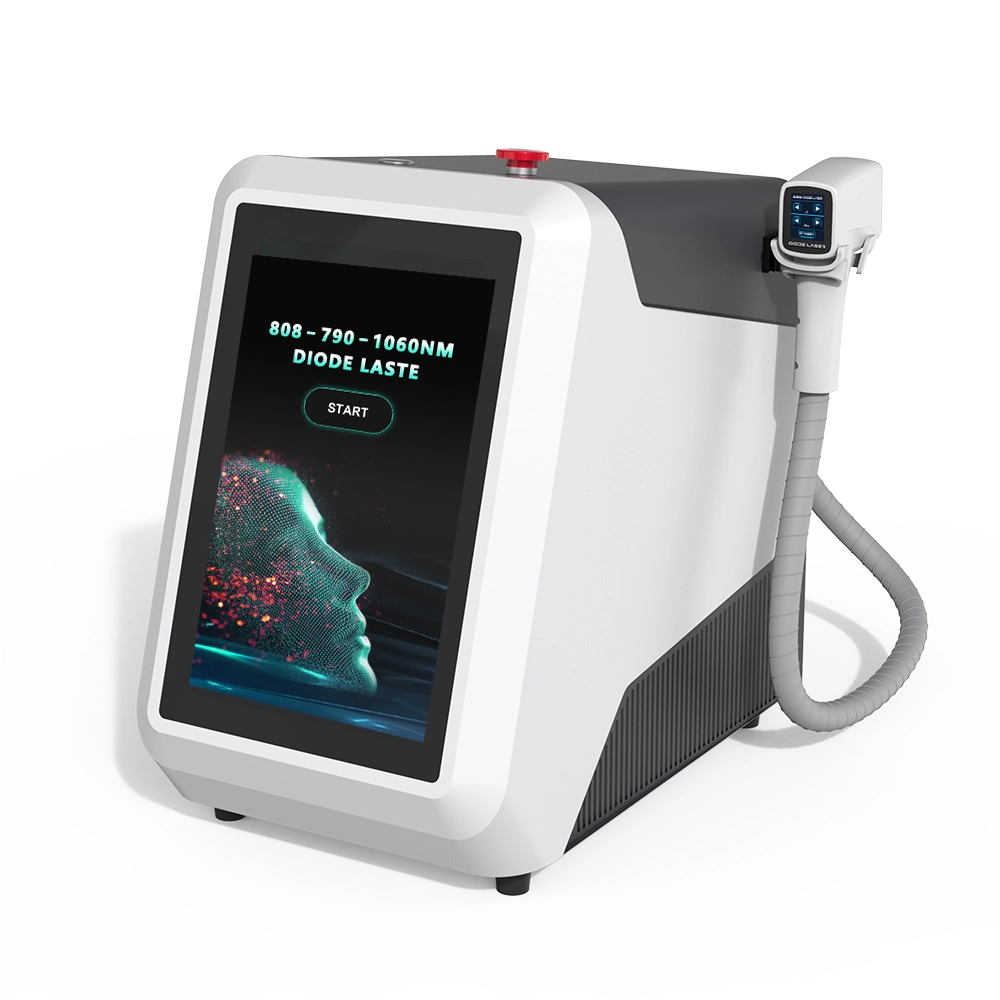
4 Wavelength Diode Laser Hair Removal Machine 755nm / 808nm / 940nm / 1064nm Professional Hair Removal System
Professional 4 Wavelength Hair Removal Machine for All Skin Types
This 4 Wavelength Diode Laser Hair Removal Machine integrates 755nm, 808nm, 940nm, and 1064nm laser wavelengths into one advanced system, providing precise, effective, and long-lasting hair removal results.
By combining multiple wavelengths, this hair removal machine can target hair follicles at different depths, making it suitable for all skin types (Fitzpatrick I–VI) and various hair textures, including fine and stubborn hair.
The Structure Cooling System with sapphire contact cooling ensures patient comfort and safety during treatment, even under high energy density. Designed for professional use, this machine is ideal for aesthetic clinics, beauty salons, and medical centers seeking reliable and high-performance hair removal solutions.
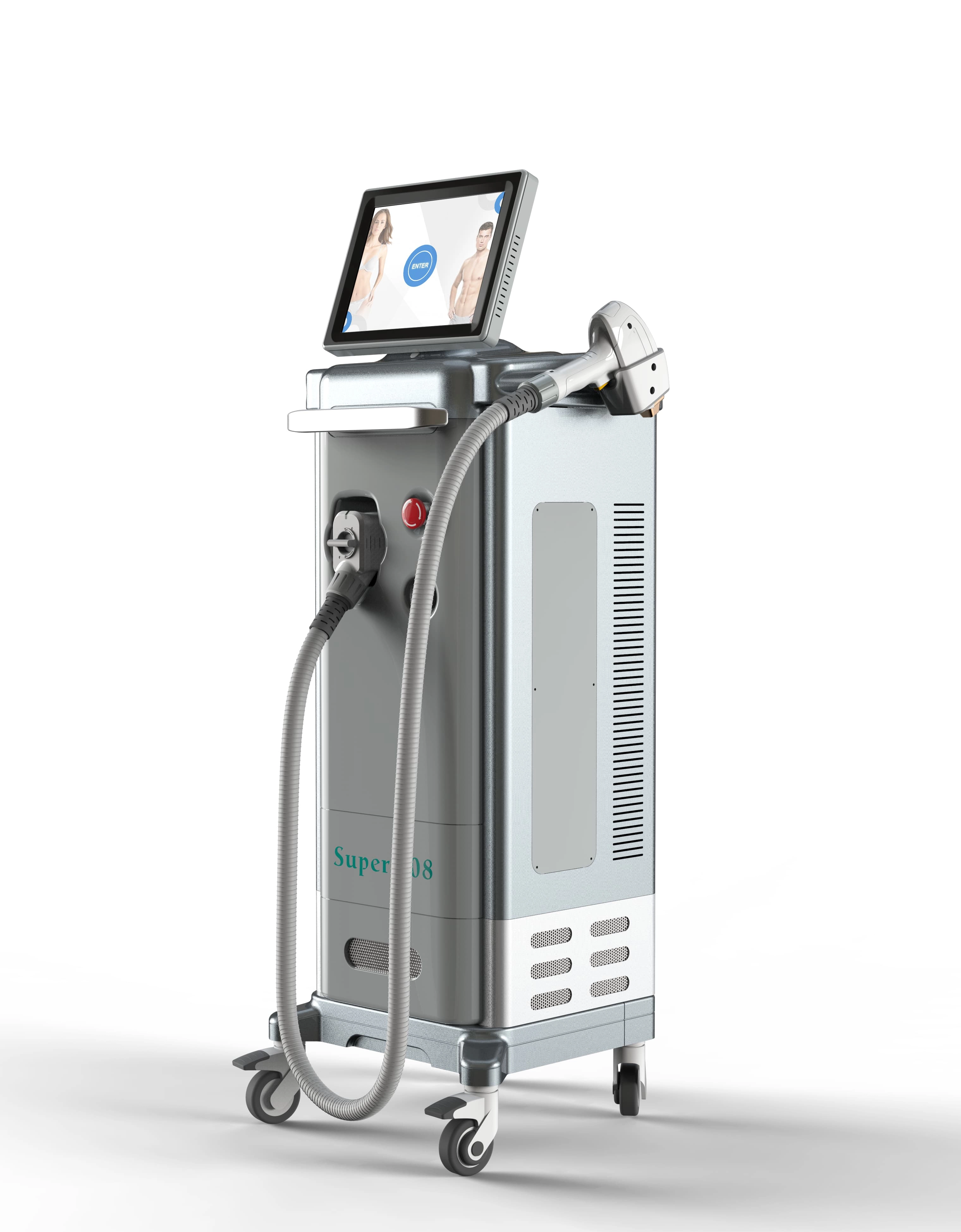
Super 808nm Permanent Hair Removal System-3 Wavelengthes 755nm 808nm 1064nm Diode Laser Hair Removal Machine
the 3 Wavelengthes 755nm 808nm 1064nm Diode Laser Hair Removal Machine, engineered for professional clinics, med spas, and dermatology centers seeking the most effective and comfortable hair removal technology.
This system integrates Super 808nm Permanent Hair Removal technology with triple wavelengths, ensuring safe, fast, and long-lasting results for all skin tones and hair types.
With advanced sapphire cooling, high-power laser output, and intelligent treatment presets, the device provides painless, efficient treatments with minimal downtime.
Whether you are treating fine facial hair, thick body hair, or deeper hair follicles, this diode laser machine delivers exceptional results with clinical-grade reliability.
Get more information
If you have any comments or good suggestions, please leave us a message; later our professional staff will contact you as soon as possible.
Let's Talk
Stay in touch with us for cutting-edge beauty solutions, professional guidance, and customized service.
Contact


Room 307, Building A, Huilong International E-commerce Industrial Park, No. 10 Xipengling Road, Helong Street, Baiyun District, Guangzhou, China
© 2025 HUIMAIN. All Rights Reserved. Privacy Policy | Terms and Conditions | Sitemap
Facebook
Instagram
Medical beauty equipment factory
huimain Medical beauty equipment factory
beauty machine supplier
Whatsapp: +8619124004543