


How to choose the best professional rf machine for clinics?
Selecting the right professional radiofrequency (RF) machine is crucial for enhancing your clinic's aesthetic treatments. Below are six specific questions frequently asked by beginners, along with in-depth answers to guide your decision-making process.
1. What are the key technological features to consider when selecting a professional RF machine for my clinic?
When evaluating RF machines, focus on the following technological aspects:
Energy Delivery System: Opt for devices with consistent and adjustable energy output to cater to various skin types and treatment areas. Machines with multiple power levels offer customization for different treatments.
Safety Features: Ensure the machine includes temperature monitoring, real-time impedance tracking, and automatic shut-down mechanisms to prevent overheating and ensure client safety.
Multifunctionality: Consider machines that integrate RF with other modalities, such as ultrasound or microneedling, to provide comprehensive treatment options.
2. How do I assess the safety and certification standards of a professional RF machine?
To ensure safety and reliability:
Certifications: Verify that the device has FDA, CE, or ISO certifications, indicating compliance with international safety standards.
Safety Protocols: Look for machines equipped with features like temperature sensors, real-time impedance tracking, and automatic shut-down to prevent overheating.
3. What is the typical cost range for professional RF machines, and how do I evaluate the total cost of ownership?
Costs vary based on features and capabilities:
Entry-Level Systems: $5,000–$12,000—suitable for startups or solo practitioners; limited features but functional for basic treatments.
Mid-Range Clinical Devices: $12,000–$25,000—offer better precision, more handpieces, and enhanced safety systems.
Premium Systems: $25,000–$50,000+—include advanced imaging, AI-assisted targeting, and full-body applicators.
Total Cost of Ownership Considerations:
Consumables: Factor in the cost of replacement tips, cartridges, or software updates.
Maintenance: Consider annual calibration, part replacement, and potential downtime.
Training: Account for the cost of operator training and any associated expenses.
4. How do I evaluate the maintenance requirements and warranty coverage of a professional RF machine?
Maintenance and warranty are critical for long-term operation:
Maintenance Needs: Assess the frequency and cost of maintenance tasks, including calibration, part replacements, and software updates.
Warranty Coverage: Review the manufacturer's warranty terms, including duration, coverage specifics, and the process for service requests.
Training and Support: Ensure the manufacturer provides comprehensive training and responsive technical support to address any operational issues.
5. What are the potential risks and contraindications associated with professional RF treatments?
Be aware of the following risks and contraindications:
Contraindications: Avoid treatments on individuals with pacemakers, metal implants in the treatment area, or open wounds.
Side Effects: Potential side effects include redness, swelling, or discomfort, which are typically temporary.
Safety Protocols: Ensure the machine has built-in safety features to minimize risks during treatments.
6. How do I assess the reputation and reliability of a professional RF machine manufacturer?
To evaluate a manufacturer's credibility:
Brand Reputation: Research the manufacturer's history, customer reviews, and industry standing.
Certifications and Compliance: Verify that the manufacturer adheres to international safety and quality standards.
Customer Support: Assess the availability and responsiveness of customer service, including training, technical support, and warranty services.
By carefully considering these factors, you can select a professional RF machine that aligns with your clinic's needs, ensuring safety, efficacy, and client satisfaction.
For personalized assistance and a detailed quote, please contact us at (mailto:coco@huimainbeauty.com).
HMT12R
Is the treatment painful or uncomfortable?
The treatment is non-invasive and generally well-tolerated. Clients will feel a strong muscle contraction sensation, which can be intense but is not typically described as painful. The RF energy provides a comfortable warming sensation. The intensity can be adjusted to suit the client's comfort level.
G8按摩仪
How long does each treatment session last?
Each session typically lasts 30 to 60 minutes, depending on the area being treated and the settings used.
Massage Device RF + Inner Ball Roller
Can this machine be used on all skin types?
Yes, the RF and roller combination is safe for all skin types and tones.
HMC1
How many sessions are needed for visible results?
Most clients notice improvement after 4–6 sessions, with optimal results after 8 sessions.
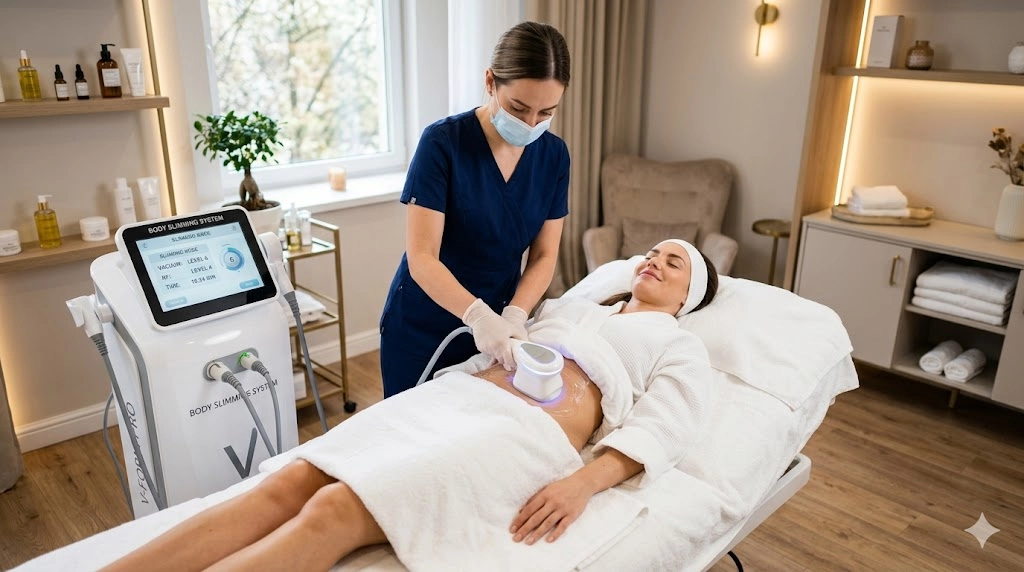
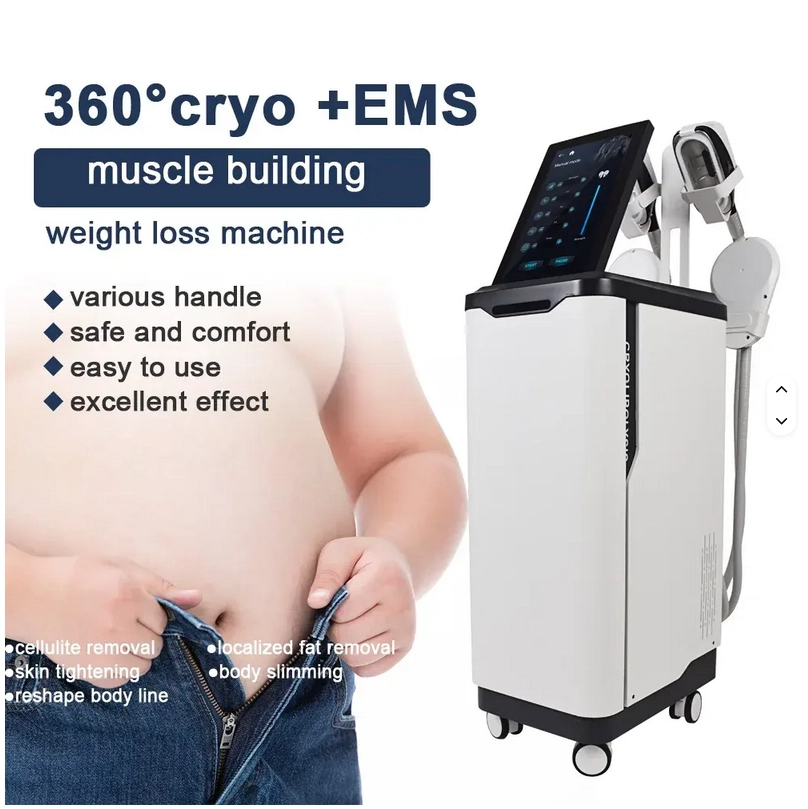
EMS + Cryo Slimming Machine
What is an EMS + Cryo Slimming Machine?
An EMS + Cryo Slimming Machine combines two powerful body contouring technologies — Electrical Muscle Stimulation (EMS) and Cryolipolysis (fat freezing) — to deliver a dual-action slimming effect. The EMS function stimulates deep muscle contractions to enhance tone and metabolism, while the cryo slimming technology freezes and breaks down stubborn fat cells without damaging surrounding tissues. It’s a non-invasive, safe, and effective solution for professional body contouring clinics and beauty salons.

Get more information
If you have any comments or good suggestions, please leave us a message; later our professional staff will contact you as soon as possible.
Let's Talk
Stay in touch with us for cutting-edge beauty solutions, professional guidance, and customized service.
Contact


Room 307, Building A, Huilong International E-commerce Industrial Park, No. 10 Xipengling Road, Helong Street, Baiyun District, Guangzhou, China
© 2025 HUIMAIN. All Rights Reserved. Privacy Policy | Terms and Conditions | Sitemap
Facebook
Instagram
Medical beauty equipment factory
huimain Medical beauty equipment factory
beauty machine supplier
Whatsapp: +8619124004543