


- 1. What Are the Key Factors to Consider When Selecting the Best Professional RF Machine?
- 2. How Do Diode and Alexandrite Lasers Differ in Their Mechanisms and Applications?
- 3. What Are the Advantages and Limitations of Diode Lasers Compared to Alexandrite Lasers?
- 4. How Do Cooling Systems in Diode and Alexandrite Lasers Affect Treatment Comfort and Safety?
- 5. What Are the Maintenance Requirements and Longevity of Diode and Alexandrite Laser Systems?
- 6. How Do Treatment Protocols and Session Intervals Differ Between Diode and Alexandrite Laser Treatments?
What is the difference between diode and alexandrite lasers?
1. What Are the Key Factors to Consider When Selecting the Best Professional RF Machine?
When choosing a professional RF (Radio Frequency) machine, it's crucial to evaluate several factors to ensure optimal performance and client satisfaction:
Treatment Goals and Indications: Determine the specific skin concerns you aim to address, such as skin tightening, wrinkle reduction, or cellulite treatment. Different RF machines offer varying capabilities tailored to these needs.
Technology and Features: Modern RF devices may incorporate technologies like fractional RF, which delivers energy in microbeams to stimulate collagen production more effectively.
Safety and FDA Approval: Ensure the device has FDA clearance or approval, indicating it meets safety and efficacy standards.
User Experience and Training: Consider the ease of use, available training programs, and the support provided by the manufacturer to ensure your staff can operate the machine effectively.
Maintenance and Durability: Assess the machine's build quality, warranty, and the availability of replacement parts to ensure longevity and consistent performance.
Cost and Return on Investment: Analyze the initial investment, operational costs, and potential revenue generation to determine the machine's profitability.
By thoroughly evaluating these factors, you can select an RF machine that aligns with your clinic's objectives and provides high-quality treatments to your clients.
2. How Do Diode and Alexandrite Lasers Differ in Their Mechanisms and Applications?
Diode and alexandrite lasers are both utilized in the beauty industry for various treatments, but they differ significantly in their mechanisms and optimal applications:
Wavelength and Penetration:
- Diode Lasers: Operate at wavelengths of 800–810 nm, allowing deeper penetration into the skin, making them suitable for treating darker skin tones (Fitzpatrick IV–VI) and coarse hair.
- Alexandrite Lasers: Emit light at 755 nm, which is more absorbed by melanin, making them effective for lighter skin tones (Fitzpatrick I–III) and finer hair.
Treatment Speed and Area:
- Diode Lasers: Typically have a smaller spot size, requiring more time to cover large areas but offering precision for smaller or contoured regions.
- Alexandrite Lasers: Feature a larger spot size and higher repetition rate, enabling faster treatments over larger areas.
Safety and Side Effects:
- Diode Lasers: Due to deeper penetration, they are generally safer for darker skin tones, reducing the risk of hyperpigmentation.
- Alexandrite Lasers: Higher melanin absorption can increase the risk of pigmentation changes in darker skin tones.
Understanding these differences is essential for selecting the appropriate laser technology based on skin type, hair color, and treatment objectives.
3. What Are the Advantages and Limitations of Diode Lasers Compared to Alexandrite Lasers?
Both diode and alexandrite lasers offer unique benefits and have certain limitations:
Diode Lasers:
- Advantages:
- Effective for a broader range of skin types, including darker skin tones.
- Suitable for treating coarse and thick hair.
- Generally more comfortable due to built-in cooling systems.
- Limitations:
- Treatment sessions may be longer due to smaller spot sizes.
- May require more sessions for optimal results compared to alexandrite lasers.
Alexandrite Lasers:
- Advantages:
- Faster treatment times due to larger spot sizes.
- Highly effective for light to medium skin tones with fine to medium hair.
- Limitations:
- Not recommended for darker skin tones due to increased risk of pigmentation changes.
- Less effective on coarse hair compared to diode lasers.
Choosing between diode and alexandrite lasers should be based on individual client characteristics and treatment goals to ensure safety and efficacy.
4. How Do Cooling Systems in Diode and Alexandrite Lasers Affect Treatment Comfort and Safety?
Cooling systems play a crucial role in enhancing the comfort and safety of laser treatments:
Diode Lasers:
- Often incorporate contact cooling methods, such as chilled sapphire crystals or integrated cooling systems, to minimize epidermal damage and reduce discomfort during treatment.
Alexandrite Lasers:
- Typically utilize air cooling systems to protect the skin's surface, allowing for higher energy settings and faster treatment times.
Effective cooling mechanisms are essential for reducing the risk of side effects like erythema and hyperpigmentation, ensuring a safer and more comfortable experience for clients.
5. What Are the Maintenance Requirements and Longevity of Diode and Alexandrite Laser Systems?
Maintenance and longevity are vital considerations when investing in laser equipment:
Diode Lasers:
- Maintenance:
- Generally require minimal upkeep due to solid-state design.
- Regular checks of cooling systems and periodic calibration are recommended.
- Longevity:
- Diode lasers have a long operational life, often exceeding 10 years with proper maintenance.
Alexandrite Lasers:
- Maintenance:
- More maintenance-intensive, requiring regular crystal replacement and alignment.
- Cooling systems may need frequent servicing.
- Longevity:
- With diligent maintenance, alexandrite lasers can remain functional for 7–10 years.
Investing in quality equipment and adhering to maintenance schedules can ensure optimal performance and extend the lifespan of laser systems.
6. How Do Treatment Protocols and Session Intervals Differ Between Diode and Alexandrite Laser Treatments?
Treatment protocols and session intervals are tailored to the specific characteristics of each laser type:
Diode Lasers:
- Protocols:
- Typically require 6–8 sessions for optimal results, spaced 4–6 weeks apart.
- Suitable for all skin types, including darker tones.
Alexandrite Lasers:
- Protocols:
- Often need 4–6 sessions, with intervals of 4–6 weeks.
- Best suited for light to medium skin tones.
Adhering to recommended treatment schedules is essential for achieving desired outcomes and minimizing the risk of side effects.
In conclusion, selecting the appropriate professional RF machine and understanding the distinctions between diode and alexandrite lasers are pivotal for delivering effective and safe treatments in the beauty industry.
At HUIMAIN, we offer a range of advanced beauty equipment designed to meet diverse client needs. Our products are engineered for durability, efficiency, and user-friendly operation, ensuring a high return on investment. For more information or to request a quote, please visit our website at (http://www.huimainbeauty.com) or contact us via email at coco@huimainbeauty.com.
Understanding these technologies empowers beauty professionals to make informed decisions, enhancing service quality and client satisfaction.


HMT 42 R
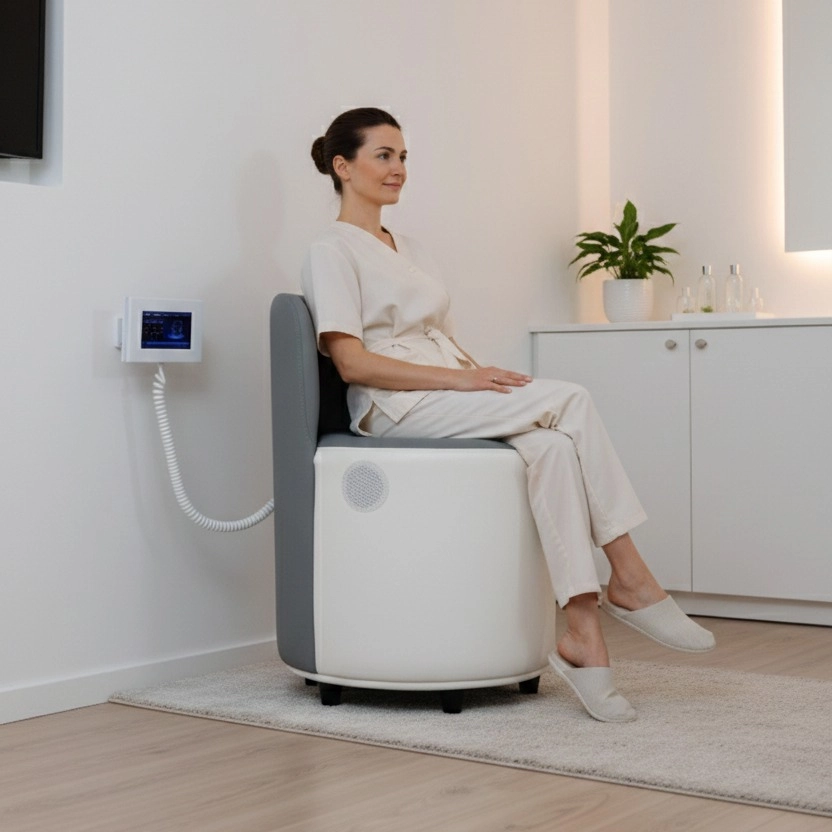
What is an RF EMS Sculpting Machine?
The RF EMS Sculpting Machine is a non-invasive body sculpting machine that combines Radio Frequency (RF) technology with Electromagnetic Muscle Stimulation (EMS). It reduces fat, tones muscles, and tightens skin for visible body contouring results.
等离子
Is the treatment safe for sensitive skin?
Yes, cold plasma is non-invasive and safe for all skin types, including sensitive skin
专业级三波长激光脱毛设备
Is this hair remover suitable for all skin types?
Yes, the 755nm, 808nm, and 1064nm wavelengths make it suitable for all skin tones.
2 in 1
Can this machine be used for both face and body?
Yes, this machine is designed for both facial beauty and body scar repair, with specific applications for treating fine lines, wrinkles, acne scars, and stretch marks on both areas.
5-in-1 cavitation vacuum machine
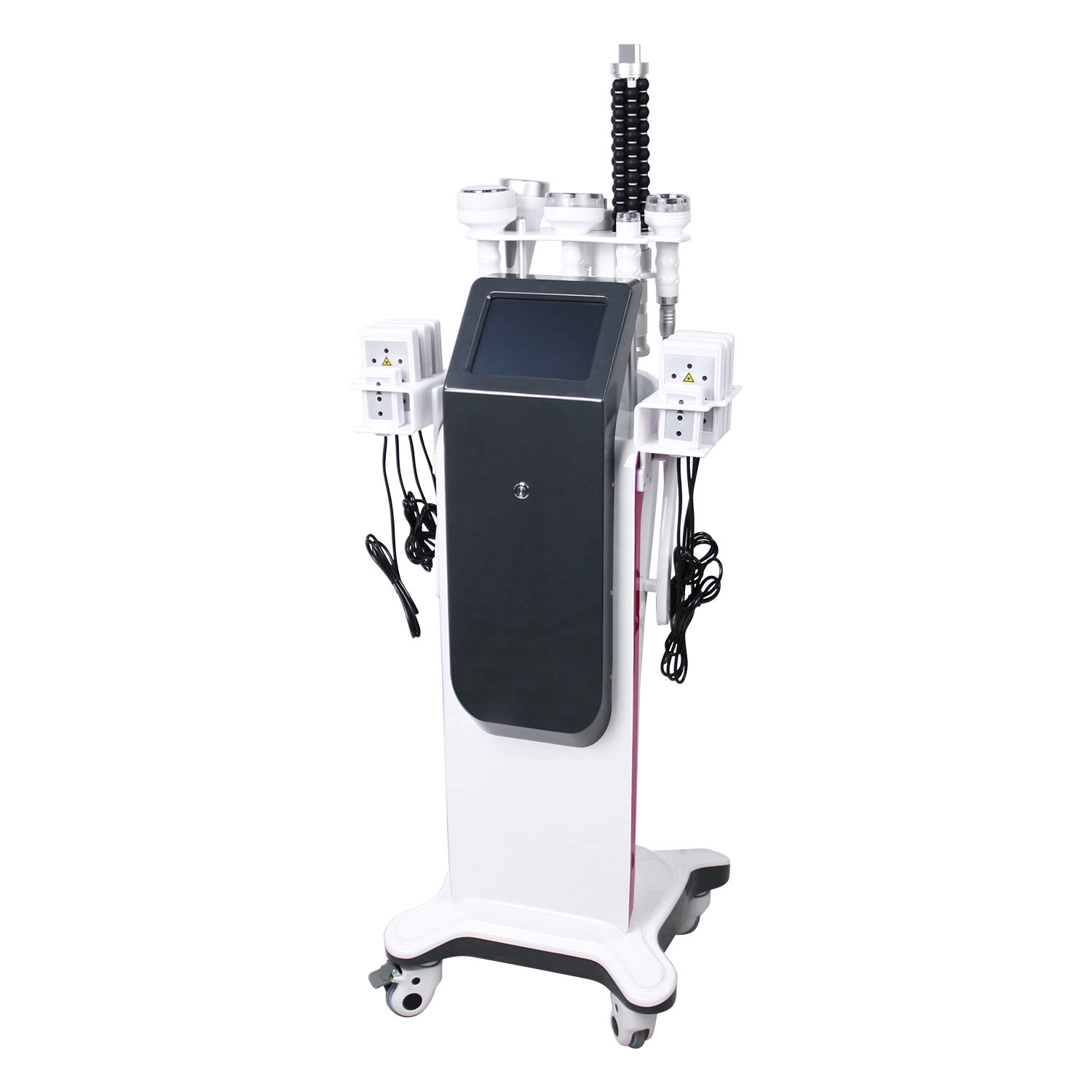
What is a cavitation vacuum machine?
It combines 40K cavitation with vacuum suction to break down fat cells, reduce cellulite, and shape the body.


Get more information
If you have any comments or good suggestions, please leave us a message; later our professional staff will contact you as soon as possible.
Let's Talk
Stay in touch with us for cutting-edge beauty solutions, professional guidance, and customized service.
Contact


Room 307, Building A, Huilong International E-commerce Industrial Park, No. 10 Xipengling Road, Helong Street, Baiyun District, Guangzhou, China
© 2025 HUIMAIN. All Rights Reserved. Privacy Policy | Terms and Conditions | Sitemap
Facebook
Instagram
Medical beauty equipment factory
huimain Medical beauty equipment factory
beauty machine supplier
Whatsapp: +8619124004543