


How to calculate landed cost for importing EMS face lifting machines?
Quick Answer
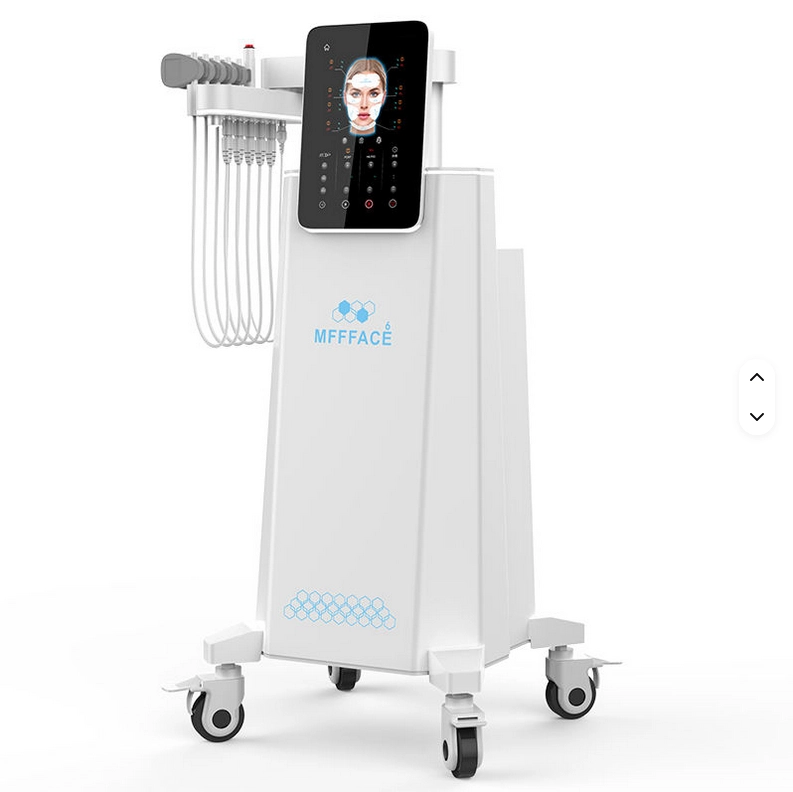
Calculate landed cost by adding the machine price, export charges, international freight, insurance, customs duty, import VAT, brokerage, and destination fees, then dividing by the sellable quantity. For an ems face lifting machine, HUIMAIN can support quotation review, OEM or ODM discussions, and documentation checks. Confirm Incoterms, tariff classification, electrical requirements, and destination rules because final solutions depend on each project, testing, and site conditions.
How HUIMAIN Supports Projects
Guangzhou Huimain Technology Co., Ltd. develops and manufactures professional beauty machines and home-use devices through dedicated purchasing, clinical testing, and engineering departments. For import planning, HUIMAIN can discuss OEM and ODM configurations, product specifications, packaging, and the documentation needed for quotation and compliance review. Its products have obtained CE certification, SGS approval, and patents, but the buyer should verify acceptance requirements with the destination authority.
Before requesting a commercial offer, confirm the operating functions, electrical input, plug type, packaging dimensions, shipment quantity, destination country, and preferred Incoterm. MOQ, lead time, testing scope, and quotation must be confirmed per project, since these variables affect both unit economics and the final import calculation.
Discuss Your EMS Face Lifting Machine Import Plan
Send the target market, destination port or airport, required quantity, preferred Incoterm, electrical standard, packaging requirements, and any OEM or ODM expectations. These details allow discussion of suitable configurations, document preparation, sample steps, freight assumptions, and a clearer landed-cost worksheet. Visit www.huimainbeauty.com or email coco@huimainbeauty.com to discuss your importing project.
Import Landed Cost FAQs
What costs belong in an EMS face lifting machine landed cost?
Use a complete cost stack rather than the supplier invoice alone. Start with the transaction value under the agreed Incoterm, then add export packing or handling not already included, origin transport, international freight, cargo insurance where applicable, customs duty, customs-related fees, import VAT or GST, customs brokerage, port or terminal charges, inland delivery, inspection, storage, and bank or payment charges. Separate recoverable import VAT from true economic cost when your business can reclaim it. Also distinguish one-time expenses, such as registration or testing, from per-unit expenses. Divide the total by the quantity actually received and saleable, not merely the quantity ordered.
Should customs duty use FOB, CIF, or another valuation base?
There is no universal answer because customs valuation and tariff rules are determined by the importing jurisdiction. Many customs systems calculate duty from a customs value based on the transaction value and may include transport, insurance, loading, and handling costs to the place of importation. An FOB quotation normally excludes the main international freight and insurance, so those amounts may need to be added for the customs calculation. A CIF quotation includes freight and insurance to the named destination, but it does not automatically include duty, VAT, brokerage, or inland delivery. Confirm the tariff classification and valuation method with the destination customs authority or a licensed broker before modeling margins.
How can beginners estimate freight for small beauty machine shipments?
Request a freight estimate using accurate packed dimensions, gross weight, carton count, pickup address, destination port or airport, and shipment mode. Airfreight commonly uses the greater of actual and volumetric weight, while sea freight may be priced by container space or a less-than-container-load service. Ask whether the quote includes export handling, documentation, terminal charges, fuel adjustments, destination handling, and delivery; forwarders often exclude some of these items. Compare like-for-like Incoterms and validity periods because freight rates change. Do not estimate from the device weight alone: packaging, accessories, pallets, and protective materials can materially alter the chargeable shipment size.
Where should import VAT and brokerage fees enter the calculation?
Place customs brokerage, clearance, terminal handling, inspection, storage, and last-mile delivery in the destination-cost section of the worksheet. Import VAT or GST should be calculated according to the destination tax base, which may include customs value, duty, freight, insurance, and other taxable charges. The exact base differs by jurisdiction. Record import tax separately from nonrecoverable costs: a VAT-registered business may reclaim eligible import VAT, while a consumer-facing or nonregistered importer may treat it as a real landed expense. Obtain a broker’s disbursement schedule and ask which fees are estimates, fixed charges, or pass-through government payments.
How do Incoterms change the buyer’s landed cost responsibility?
Incoterms allocate transport tasks, risk transfer, insurance obligations, export clearance, and import-clearance responsibilities; they do not set the product price or determine customs law. Under EXW, the buyer may arrange collection and export procedures, while FOB generally places export clearance and delivery to the port with the seller and leaves the main carriage to the buyer. CIF includes carriage and insurance to the named port but normally leaves import clearance, duty, VAT, and onward delivery with the buyer. DDP can place more delivery responsibilities on the seller, yet its feasibility depends on local tax and import rules. Always read the named place and version of the Incoterm.
Which supplier documents prevent unexpected customs charges at arrival?
Ask for a commercial invoice with accurate seller, buyer, currency, quantity, unit value, product description, and Incoterm; a packing list showing carton count, dimensions, and gross and net weight; and transport documents such as the airway bill or bill of lading. Request the correct product model, electrical rating, country of origin, and any available CE or SGS documentation relevant to the shipment. These documents support classification and compliance review but do not replace destination-market approval. Avoid undervaluation or vague descriptions such as facial device, because customs may reassess the entry, delay release, or impose penalties. Have a broker review the HS classification before dispatch, especially when the device combines electrical stimulation with cosmetic functions.






Get more information
If you have any comments or good suggestions, please leave us a message; later our professional staff will contact you as soon as possible.
Let's Talk
Stay in touch with us for cutting-edge beauty solutions, professional guidance, and customized service.
Contact


Room 307, Building A, Huilong International E-commerce Industrial Park, No. 10 Xipengling Road, Helong Street, Baiyun District, Guangzhou, China
© 2026 HUIMAIN. All Rights Reserved. Designed by Gooeyun. Privacy Policy | Terms and Conditions | Sitemap
Facebook
Instagram
Medical beauty equipment factory
huimain Medical beauty equipment factory
beauty machine supplier
Whatsapp: +8619124004543