


- Part 1: The Core Physics – How Do HIFU Machines Work?
- The Power of Acoustic Focusing
- The Three Crucial Depths
- Part 2: The Evolution of HIFU – Which Generation is Best?
- 1. Traditional HIFU (Single-Line)
- 2. 3D and 4D HIFU
- 3. 7D HIFU (MMFU Technology)
- 4. 12D HIFU: The Current Pinnacle
- Part 3: Identifying the Best HIFU Machine Professional
- 1. Energy Output Stability (Joules)
- 2. Transducer (Ceramic) Quality
- 3. Intelligent Software and Safety Recognition
- 4. Firing Speed (Shot Interval)
- Part 4: The Financials – Cost, Pricing, and the Supply Chain
- The "Name Brand" Trap
- The Factory-Direct Advantage
- Part 5: Clinical Application and Maximizing Results
- FAQ: Common Questions from Aesthetic Practitioners
- Conclusion
- CTA (Call to Action)
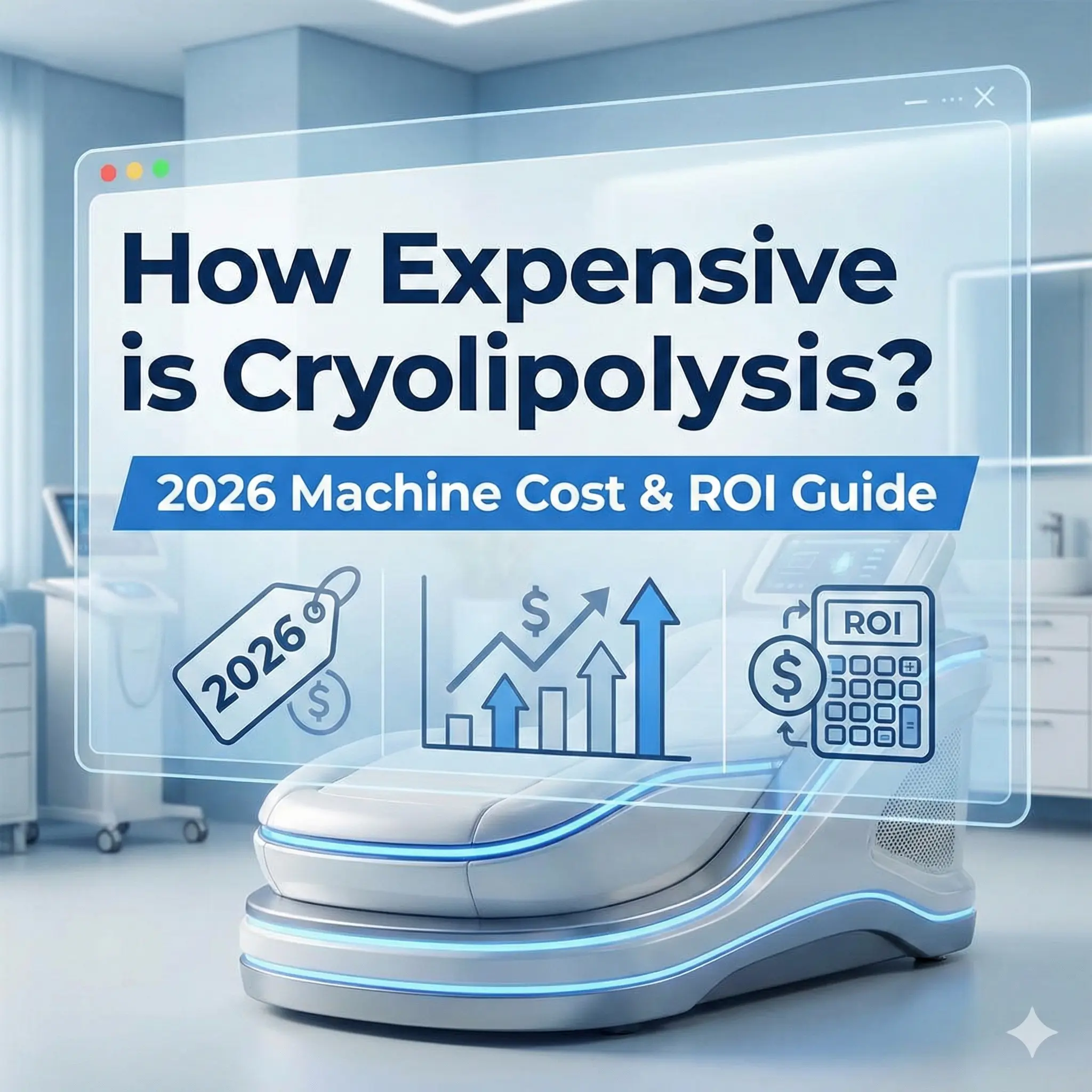
Cavitation vs CoolSculpting: Which Works Better for Fat Reduction?
The aesthetic medicine landscape has undergone a dramatic shift. Today’s consumers are increasingly risk-averse, moving away from the prolonged downtime, general anesthesia, and potential complications of surgical rhytidectomies (facelifts). Instead, they are seeking "lunchtime" procedures that deliver structural lifting and firming with zero interruption to their daily lives.
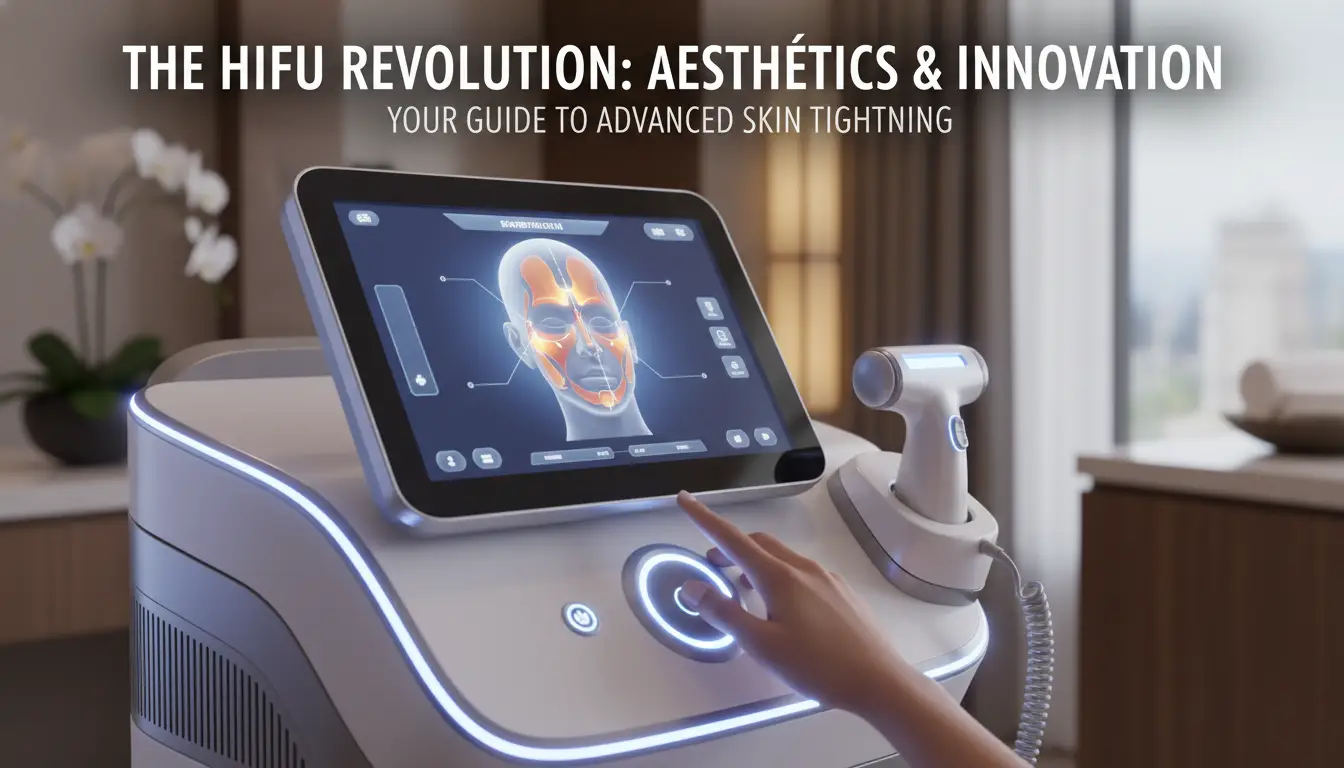
At the forefront of this shift is HIFU technology. By delivering precise acoustic energy deep beneath the skin, HIFU is the only non-invasive technology capable of targeting the foundational muscle layers previously only accessible via scalpel.
But recognizing the efficacy of HIFU is only the first step for a successful med-spa or dermatology clinic. The market is saturated with different acronyms, generations, and price points. Practitioners are frequently left wondering: Which machine is used for HIFU treatment in modern, top-tier clinics? What is the difference between 4D, 7D, and 12D? And most importantly, how do you balance the required capital expenditure with the potential return on investment?
This definitive guide will dissect the technology behind HIFU, explore the latest advancements in equipment, and provide a strategic blueprint for sourcing the ultimate ultrasound device for your practice.
Part 1: The Core Physics – How Do HIFU Machines Work?
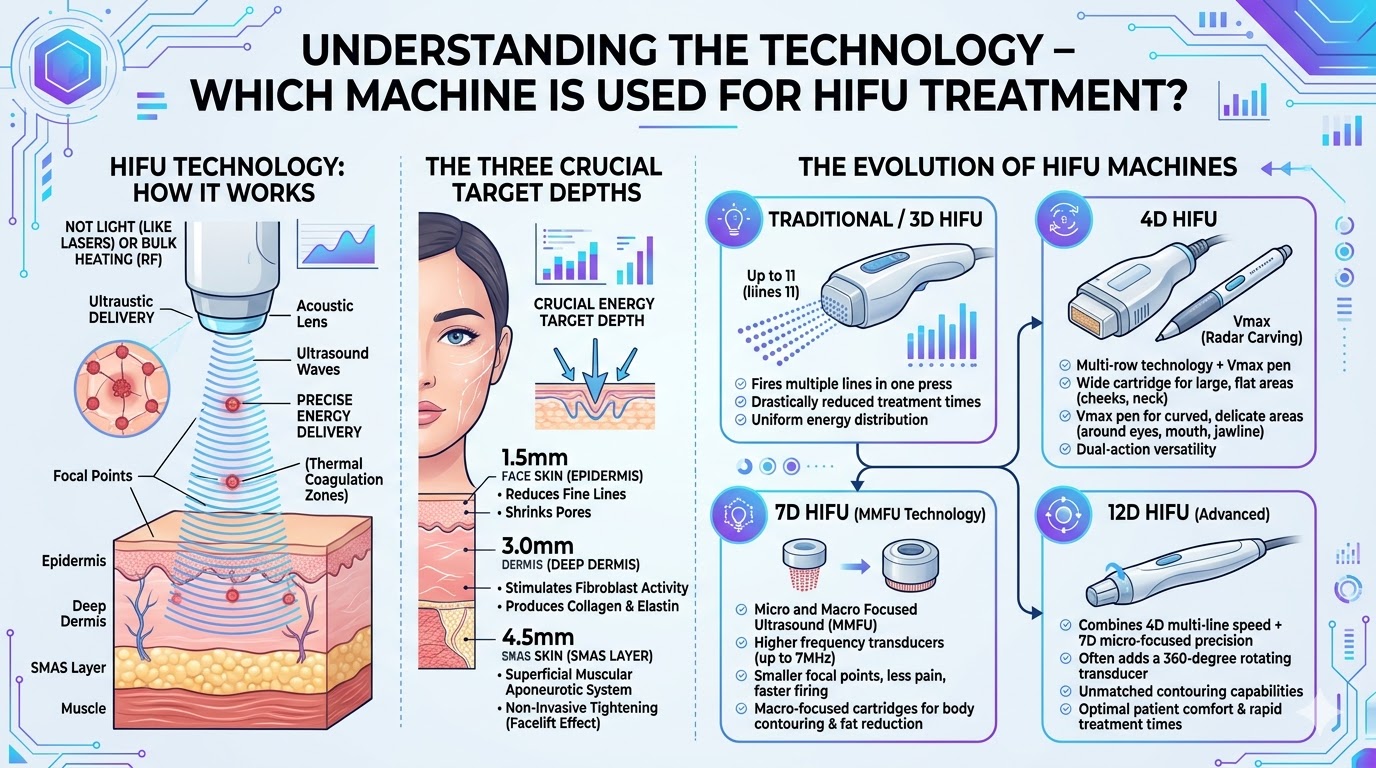
Before comparing specific models, it is essential to understand the biological mechanism that makes a HIFU machine effective. Unlike lasers that utilize light energy to target chromophores (making them unsuitable for certain skin types), or Radiofrequency (RF) that relies on bulk heating of the dermis, HIFU uses acoustic sound waves.
The Power of Acoustic Focusing
An acoustic lens inside the machine's handpiece focuses ultrasound waves to a highly precise focal point beneath the skin—much like a magnifying glass focusing sunlight to burn a leaf. At this focal point, the tissue temperature rapidly spikes to 65°C - 75°C, creating a Thermal Coagulation Zone (TCP).
Crucially, the tissue above and below this focal point remains completely unharmed. This allows the practitioner to bypass the epidermis safely and deliver high heat exactly where it is needed.
The Three Crucial Depths
To be considered a professional-grade device, a HIFU machine must be equipped with interchangeable cartridges (transducers) that target specific anatomical depths:
-
1.5mm (Epidermis & Superficial Dermis): Targets fine lines, enlarged pores, and superficial skin tone irregularities.
-
3.0mm (Deep Dermis): Targets the structural layer of the skin, stimulating fibroblasts to trigger massive neocollagenesis (the production of new collagen and elastin fibers).
-
4.5mm (The SMAS Layer): The Superficial Musculoaponeurotic System. This is the fibrous network of tissue that connects the facial muscles to the skin. It is the exact layer a plastic surgeon manipulates during a surgical facelift. Contracting the SMAS layer provides the immediate "lifted" appearance associated with HIFU.
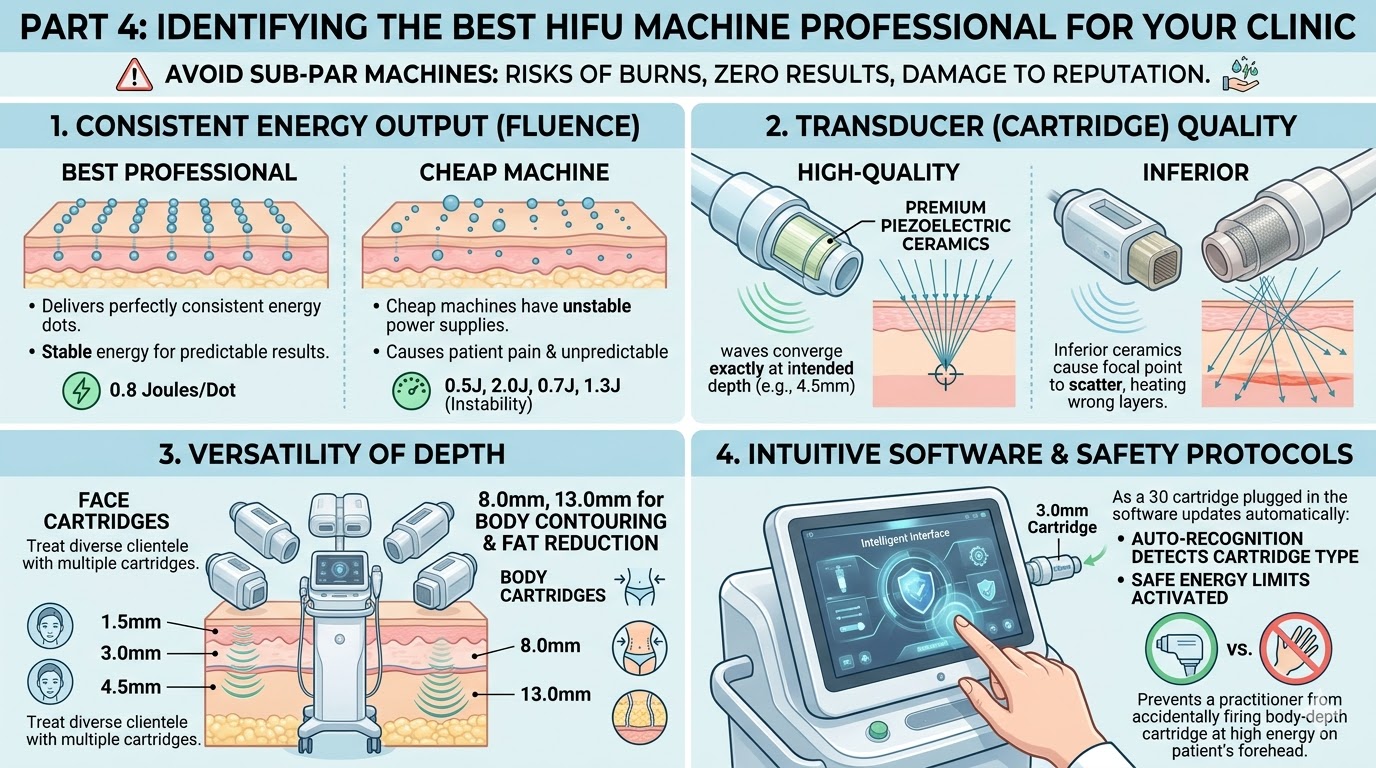
Advanced machines also include 8.0mm and 13.0mm cartridges, which are designed to target and destroy localized subcutaneous fat cells for body contouring (e.g., on the abdomen or thighs).
Part 2: The Evolution of HIFU – Which Generation is Best?
If you are researching which machine is used for HIFU treatment, you will immediately encounter terms like 3D, 4D, 7D, and 12D. These are not merely marketing buzzwords; they represent significant leaps in engineering, treatment speed, and patient comfort.
1. Traditional HIFU (Single-Line)
The earliest iterations of HIFU machines were groundbreaking but painfully slow. They fired a single line of ultrasound dots at a time. The practitioner had to manually move the cartridge after every single line, leading to long treatment times (often 90+ minutes for a full face) and inconsistent spacing between coagulation zones.
2. 3D and 4D HIFU
The introduction of multi-line technology revolutionized the procedure. 3D machines allowed practitioners to fire up to 11 lines of energy with a single press of the button, creating a uniform grid of thermal dots. 4D HIFU took this a step further by combining the multi-line grid with a "Vmax" or radar carving pen.
-
The Multi-Line Cartridge: Used for large, flat areas like the cheeks, neck, and abdomen.
-
The Vmax Pen: A smaller, single-dot continuous-firing probe used for delicate, curved areas where a large cartridge cannot fit perfectly against the skin, such as around the eyes, the nasolabial folds, and the jawline. Because of this versatility, assessing the 4d hifu machine price became a priority for clinics wanting to offer comprehensive "total face" treatments rather than just cheek and neck lifts.
3. 7D HIFU (MMFU Technology)
7D HIFU introduced a massive leap in patient comfort through Micro and Macro Focused Ultrasound (MMFU). By utilizing a higher frequency transducer, the focal points became smaller and infinitely more precise.
-
The Result: The energy is delivered faster and dissipates quicker, significantly reducing the pain associated with older HIFU treatments. Many clinics using 7D technology advertise it as a "painless" or highly tolerable procedure, eliminating the need for heavy numbing creams.
4. 12D HIFU: The Current Pinnacle
In 2026, the absolute zenith of non-invasive lifting is the 12D system. It combines the rapid multi-line grid capabilities of 4D, the micro-focused pain-reduction of 7D, and often introduces advanced 360-degree rotating transducers. This allows for unparalleled contouring, faster treatment times (reducing clinical overhead), and superior clinical outcomes. Sourcing this level of technology directly from a premier 12d hifu machine Factory allows independent clinics to rival the service menus of the world's most elite, high-end dermatology centers.
Part 3: Identifying the Best HIFU Machine Professional
With the market flooded with various models, distinguishing a true clinical workstation from an underpowered cosmetic gadget is critical. Making the wrong choice can lead to poor patient outcomes, or worse, adverse events like facial burns or nerve damage.
When evaluating equipment to find the best hifu machine professional for your practice, you must scrutinize the following technical specifications:
1. Energy Output Stability (Joules)
The most critical factor in a HIFU machine is its power supply. A professional machine must deliver a perfectly consistent amount of energy (Joules) to every single dot in the grid. Cheap, low-quality machines suffer from power fluctuations—one dot might receive 0.5J, while the adjacent dot receives a dangerous 2.5J. This instability is the primary cause of patient pain and unpredictable clinical results.
2. Transducer (Ceramic) Quality
The cartridge is the heart of the machine. The ultrasound waves are generated by a piezoelectric ceramic disc inside the cartridge. High-quality ceramics ensure the waves converge perfectly at the exact intended depth (e.g., precisely 4.5mm). Inferior ceramics cause the acoustic waves to scatter, missing the SMAS layer and instead heating the wrong tissue, leading to ineffective treatments.
3. Intelligent Software and Safety Recognition
A top-tier workstation features an intuitive user interface that automatically recognizes which depth cartridge has been inserted. It will automatically cap the maximum energy output based on that depth. For example, the software will prevent a practitioner from accidentally firing a high-energy 13.0mm body cartridge on a patient's delicate forehead.
4. Firing Speed (Shot Interval)
Time is money in an aesthetic practice. A machine with a fast shot interval (the time it takes to fire a line and reset) allows a practitioner to complete a full-face protocol in 30 to 45 minutes instead of 90 minutes. This increased throughput directly boosts the clinic's daily revenue potential.
Part 4: The Financials – Cost, Pricing, and the Supply Chain
Integrating ultrasound technology is a highly lucrative business move, but it requires a strategic understanding of capital expenditure. How much should you pay, and where should you buy it?
The "Name Brand" Trap
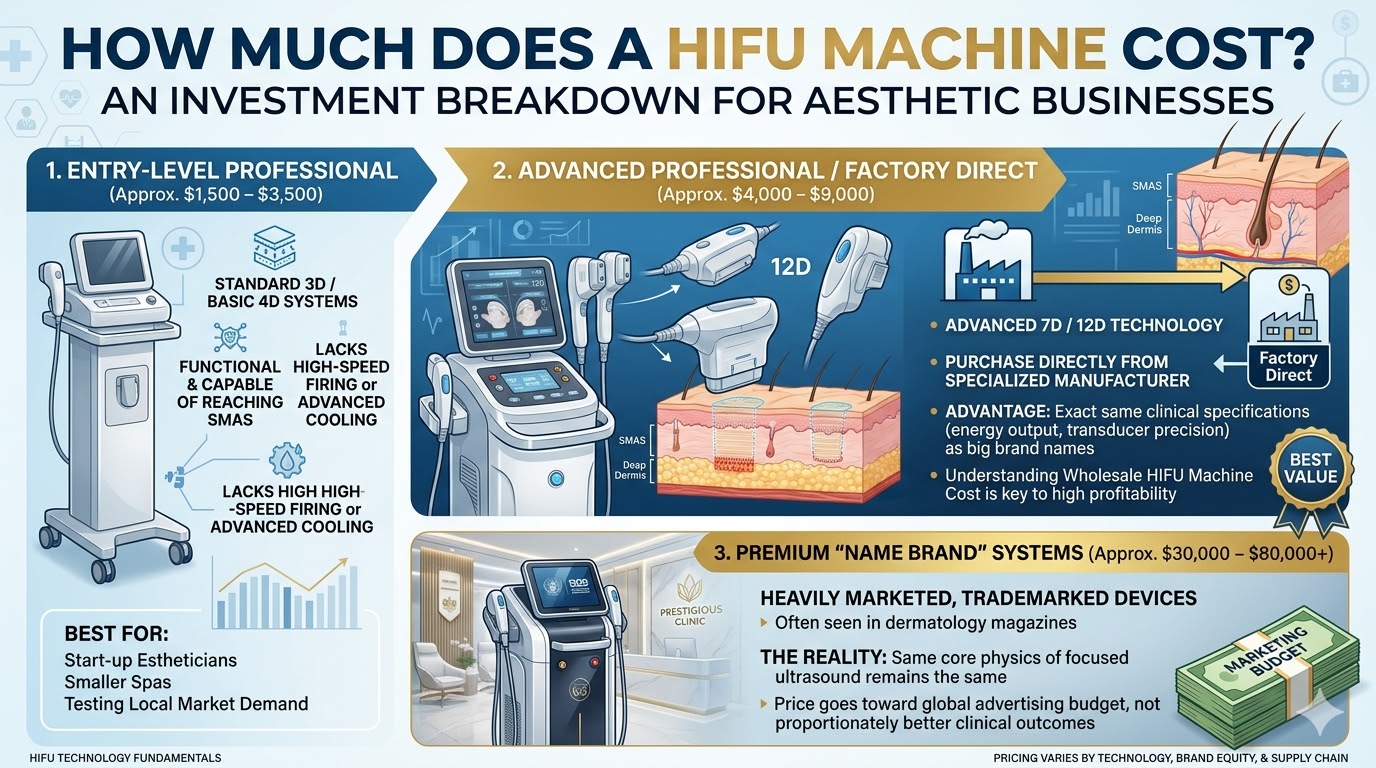
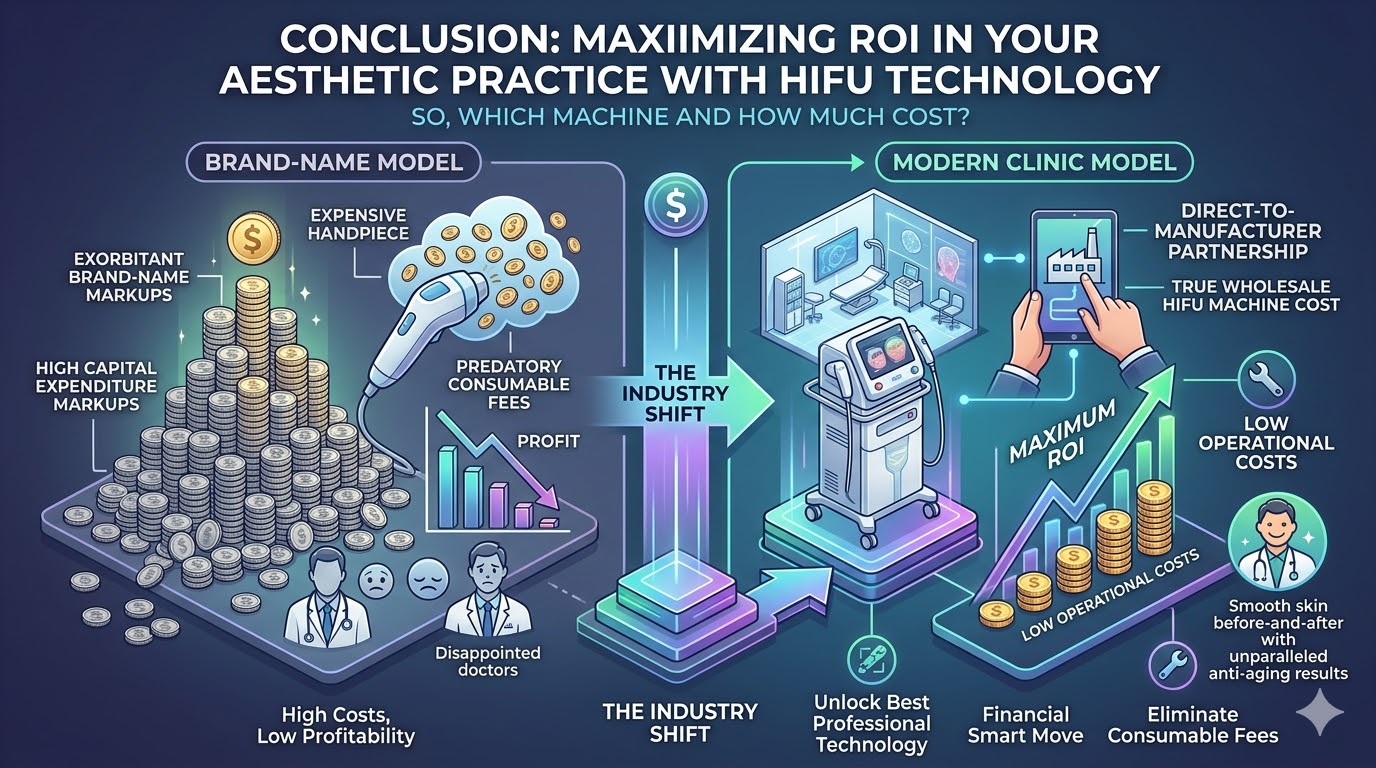
Many aesthetic professionals believe they must purchase heavily trademarked, heavily marketed machines that cost anywhere from $40,000 to $80,000+. While these machines are clinically effective, a massive portion of that price tag pays for the manufacturer's global advertising campaigns, executive salaries, and distributor markups. Furthermore, these companies often lock you into buying proprietary, overpriced replacement cartridges.
The Factory-Direct Advantage
Smart clinic owners have realized that the physics of focused ultrasound cannot be patented. By bypassing regional distributors and going direct to the source, clinics can access the exact same medical-grade technology for a fraction of the cost.
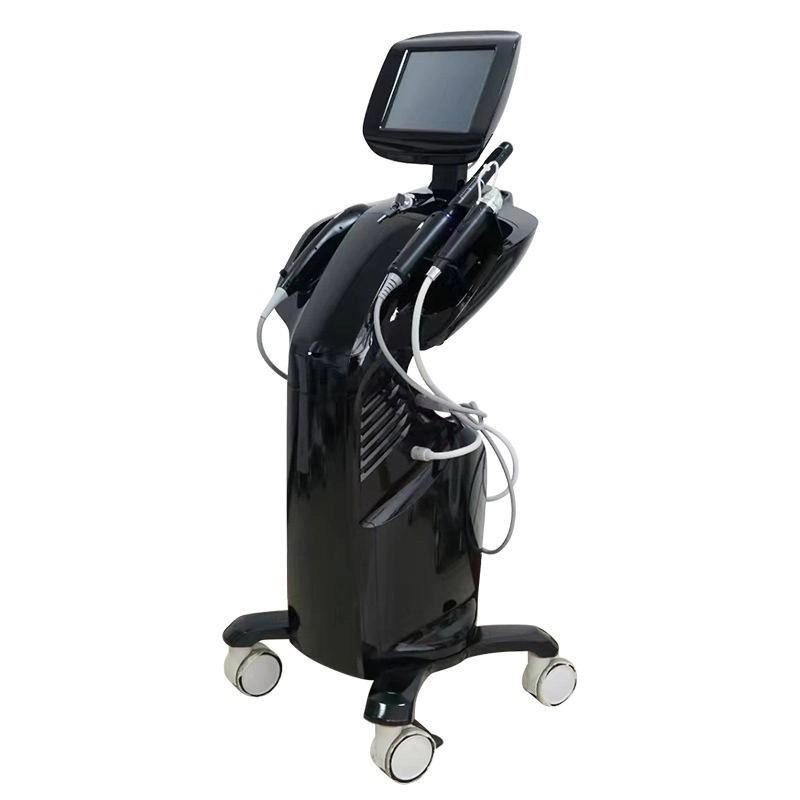
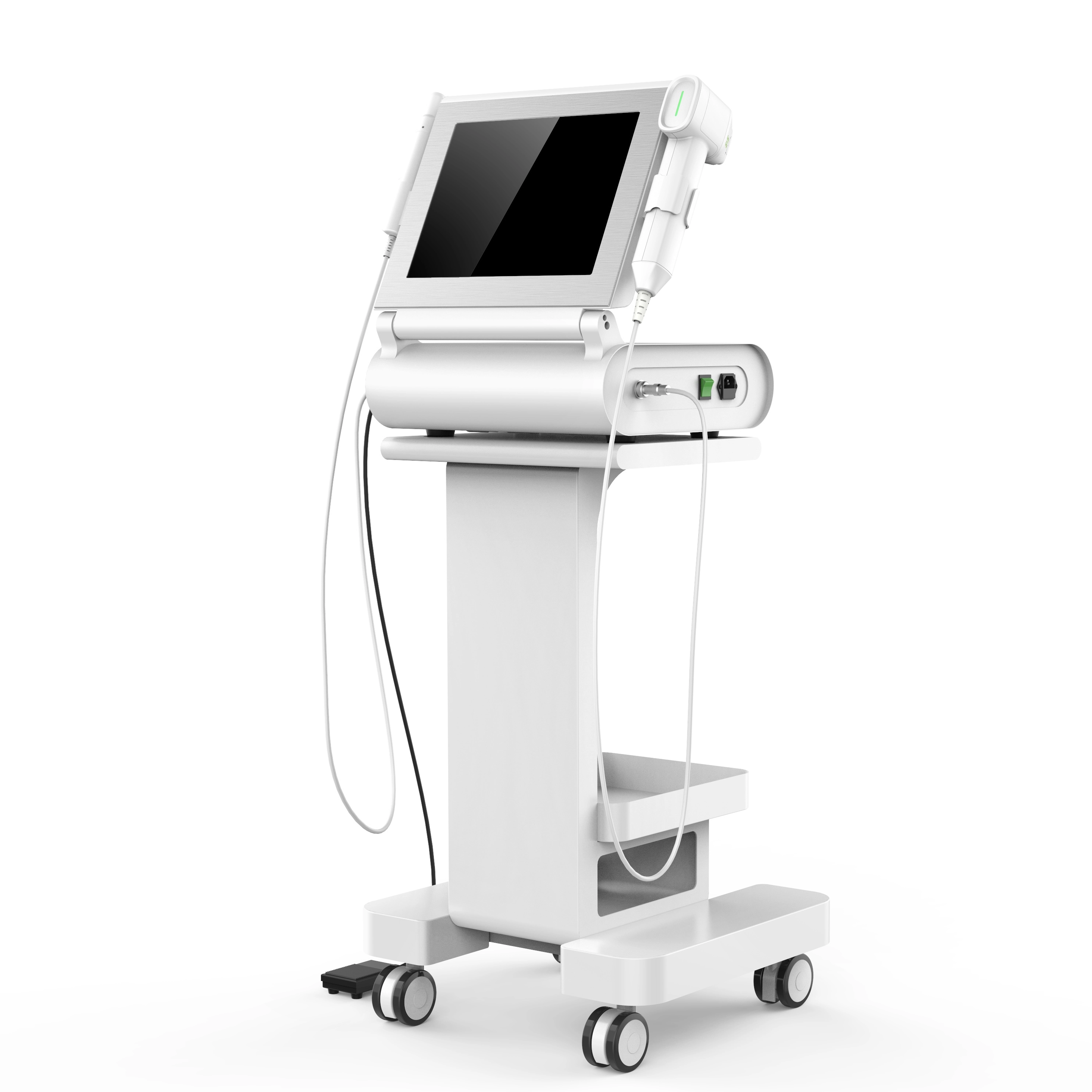
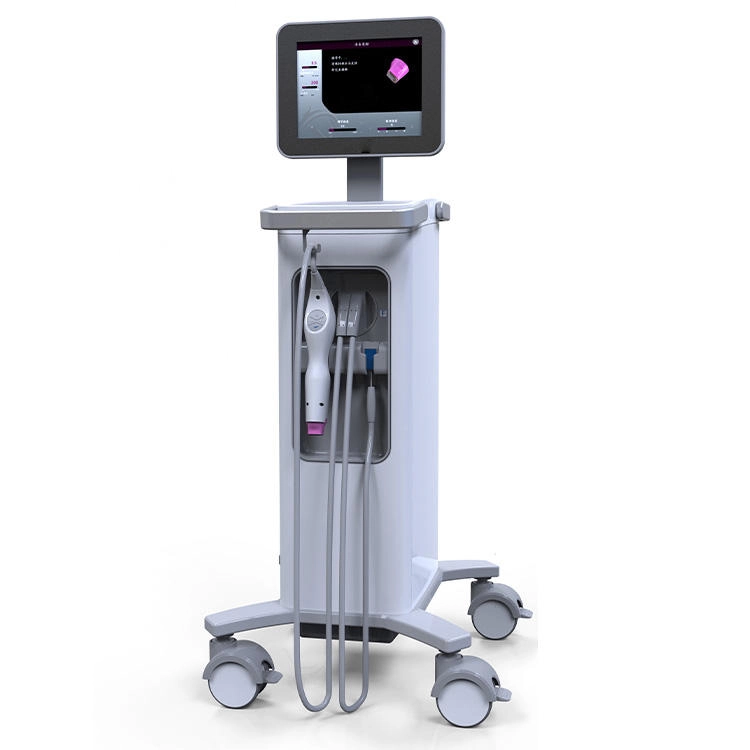
Understanding the Wholesale HIFU Machine Cost changes the financial trajectory of your business. A professional, high-spec 4D or 7D workstation sourced directly from a specialized manufacturer might range from $3,000 to $8,000.
Why this matters for your ROI:
-
Rapid Break-Even: If you charge $1,000 for a full-face treatment, a $5,000 machine pays for itself in just 5 patients. A $50,000 name-brand machine requires 50 patients just to break even.
-
Affordable Consumables: HIFU is a consumable business; the cartridges have a limited number of shots (e.g., 20,000 shots). When working directly with the manufacturer, replacement cartridges are priced at fair wholesale rates, ensuring your cost-per-treatment remains incredibly low (often under $30 per patient), maximizing your net profit margin.
Whether you are evaluating a competitive 4d hifu machine price or looking to upgrade to the latest generation by partnering with a verified 12d hifu machine Factory, cutting out the middleman is the key to scaling your aesthetic business.
Part 5: Clinical Application and Maximizing Results
Once you have acquired the right machine, optimizing your clinical protocols will ensure high patient satisfaction and retention.
-
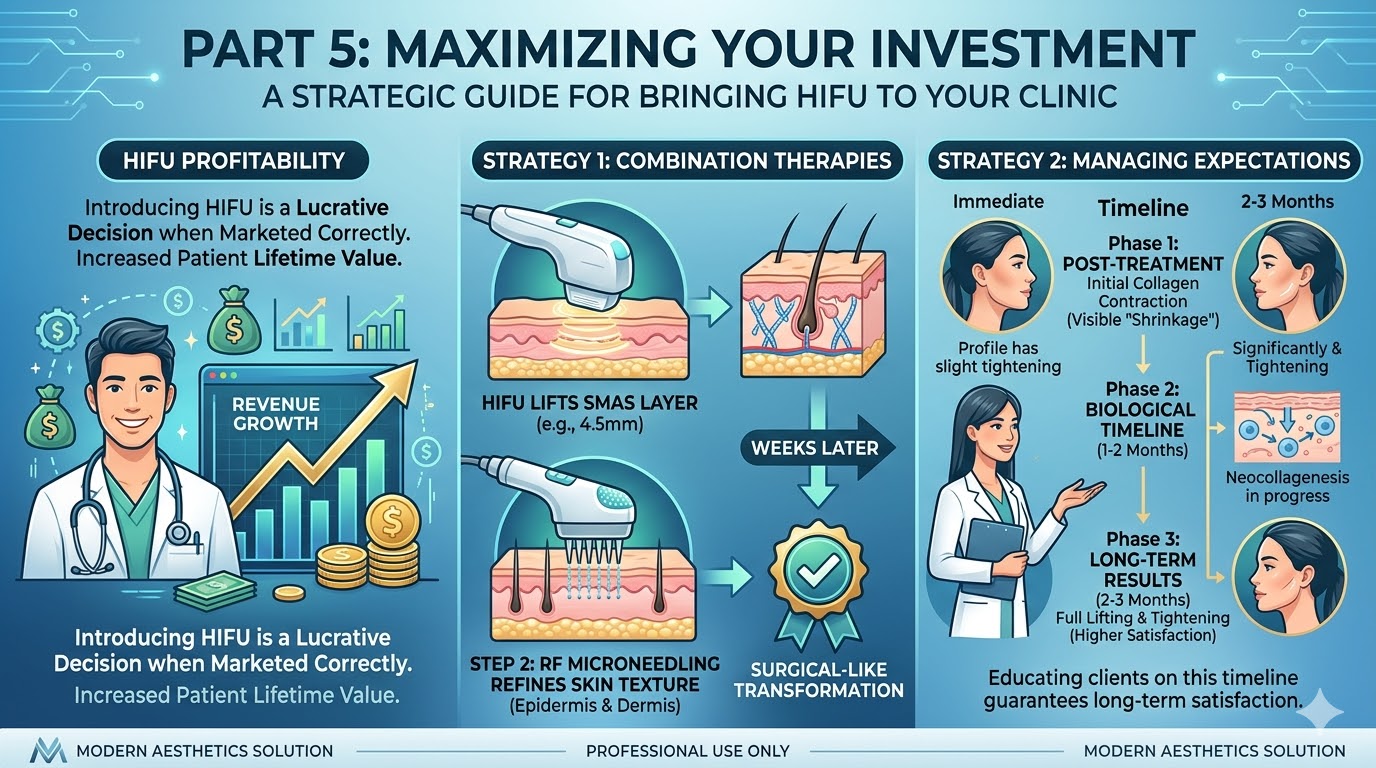
Managing Patient Expectations: It is vital to educate clients during the consultation. While they may see an immediate 10-20% "lift" right after the treatment due to initial collagen contraction, the true biological process of neocollagenesis takes 60 to 90 days. The peak results will be visible 3 to 6 months post-treatment.
-
Combination Therapies: The best clinics do not use HIFU in isolation. It is the ultimate foundational treatment. Use HIFU to lift the deep SMAS layer, and follow it weeks later with Radiofrequency (RF) Microneedling to refine the superficial epidermis or Cold Plasma to treat surface pigmentation. This multi-layered approach provides a comprehensive, surgical-like transformation.
-
Proper Mapping: Precise anatomical mapping is crucial. Practitioners must be trained to avoid "danger zones" (areas with major superficial facial nerves, such as the marginal mandibular nerve) to ensure complete patient safety.
-
FAQ: Common Questions from Aesthetic Practitioners
Q1: Is HIFU suitable for all skin types?
A: Yes. Unlike laser therapies that target melanin (and thus pose a risk of hyperpigmentation for darker skin tones), HIFU uses acoustic sound energy. It is "color-blind" and safe for all Fitzpatrick skin types (I-VI).
Q2: How do I know if I should invest in 4D, 7D, or 12D?
A: If you are a smaller clinic looking for high versatility on a budget, a 4D system with a Vmax pen is a proven workhorse. If your clientele is highly sensitive to pain, the MMFU technology of 7D is essential. If you want to market your clinic as having the absolute most advanced, fastest, and most comprehensive contouring technology available, 12D is the premier choice.
Q3: Does the treatment melt facial fat?
A: This is a critical clinical nuance. The 1.5mm, 3.0mm, and 4.5mm facial cartridges are designed to lift and tighten tissue, not destroy fat. However, if a practitioner uses too much energy in an area with low volume (like hollow cheeks), it can cause unwanted fat atrophy. Proper training and protocol adherence are required to preserve facial volume while lifting the SMAS. The 8.0mm and 13.0mm cartridges are specifically designed to permanently destroy fat on the body.
Q4: How long do the results last?
A: Because HIFU stimulates the body's own natural collagen production, the results are long-lasting. For most patients, the lifting and firming effects last between 12 and 18 months, depending on their age, lifestyle, and natural aging process. An annual maintenance session is typically recommended.
Conclusion
The question of "Which machine is used for HIFU treatment?" does not have a single answer; rather, it reflects a spectrum of technological evolution. From the early days of single-line transducers to the incredible precision and speed of today's 12D MMFU platforms, the equipment you choose defines your clinic's capabilities.
For the modern aesthetic business, success lies at the intersection of superior clinical outcomes and intelligent financial strategy. You no longer need to be burdened by the exorbitant costs of heavily marketed brand names. By seeking out the best hifu machine professional devices directly from the source, you take control of your supply chain.
Understanding the true Wholesale HIFU Machine Cost and forging a relationship with a high-quality 12d hifu machine Factory empowers you to offer elite, non-surgical facelifts with profit margins that allow your business to thrive and expand in 2026 and beyond.
CTA (Call to Action)
Elevate Your Practice with the Next Generation of Ultrasound Lifting
Are you ready to offer your clients the gold standard in non-invasive skin tightening and SMAS lifting? Do not let outdated technology or overpriced distributors hold your business back.
[Click Here to Explore Our Professional HIFU Workstations] Contact our dedicated equipment specialists today for a comprehensive consultation. We will help you compare specifications, provide a transparent quote, and show you exactly how our factory-direct pricing can exponentially increase your clinic's ROI.
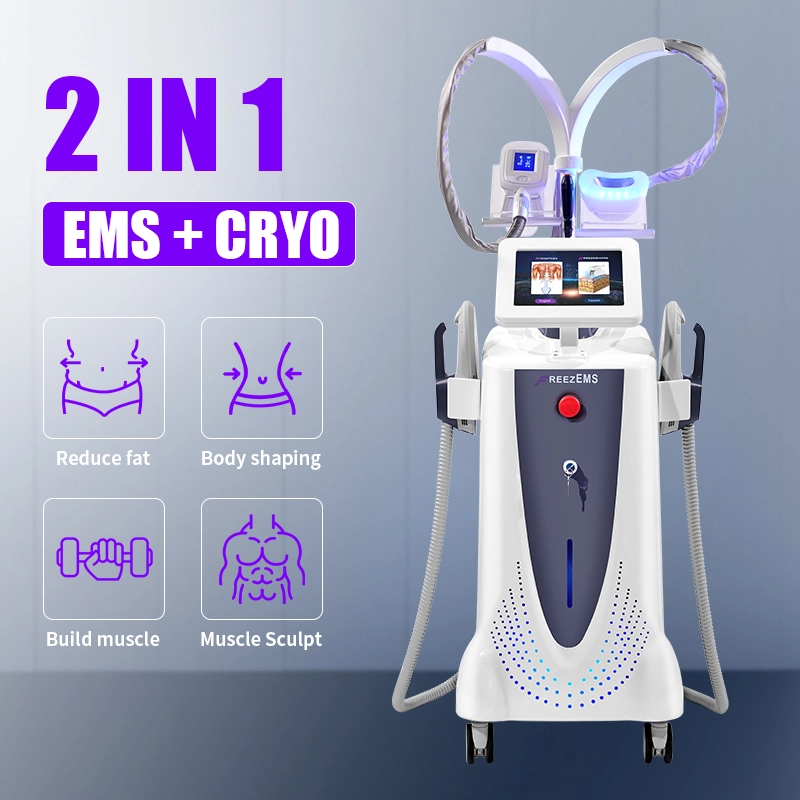
EMT8 MAX
How long is each treatment session?
A standard session lasts about 30 minutes, equivalent to 55,000 muscle contractions.
K-37
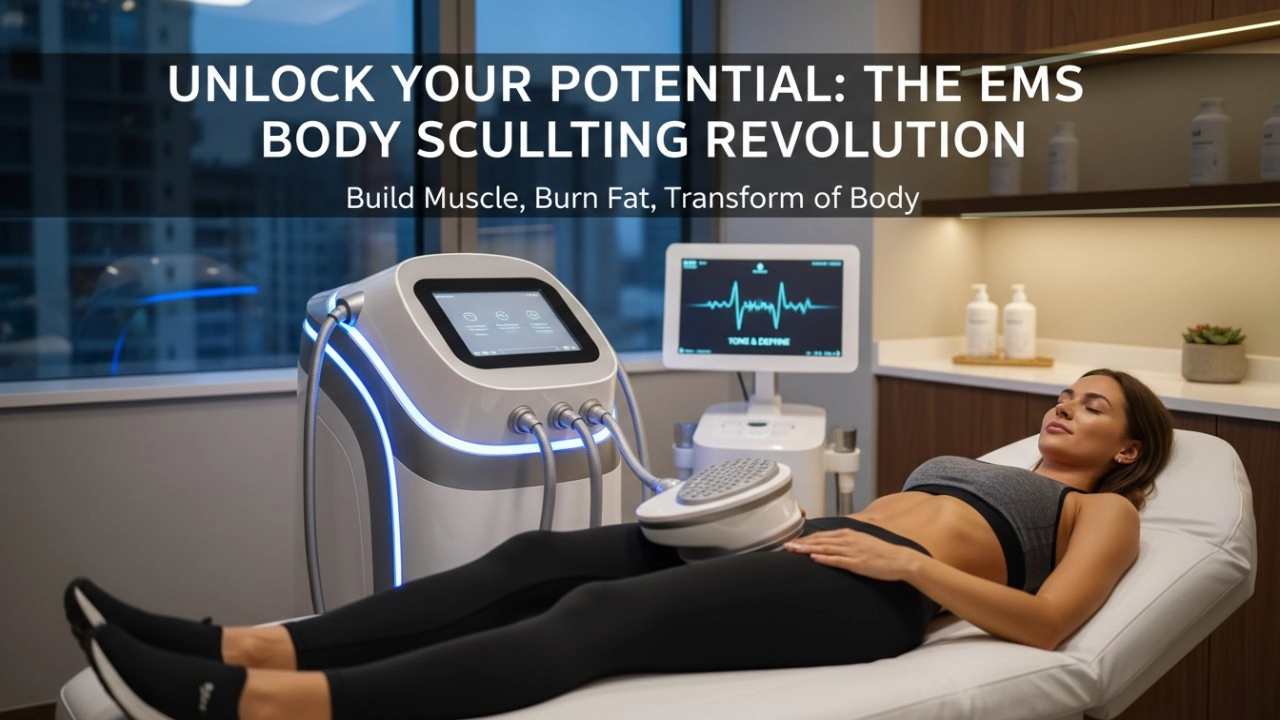
How does the EMS Body Sculpting Machine work?
It uses High-Intensity Electromagnetic (HI-EMT) energy to cause powerful muscle contractions, leading to muscle strengthening and fat reduction.
QY-BT410 奇云台式脱毛仪
Is this hair removal machine safe for dark skin?
Yes, the 1064nm wavelength is specifically designed for darker skin tones.
JLM-3
Is the JLM-3 suitable for sensitive skin?
Yes, the low-temperature plasma energy is gentle and safe for all skin types, including sensitive skin.
HMC1
Can it be used for men?
Yes, it helps strengthen pelvic muscles and improve prostate health and urinary control for men as well.

Get more information
If you have any comments or good suggestions, please leave us a message; later our professional staff will contact you as soon as possible.
Let's Talk
Stay in touch with us for cutting-edge beauty solutions, professional guidance, and customized service.
Contact


Room 307, Building A, Huilong International E-commerce Industrial Park, No. 10 Xipengling Road, Helong Street, Baiyun District, Guangzhou, China
© 2025 HUIMAIN. All Rights Reserved. Privacy Policy | Terms and Conditions | Sitemap
Facebook
Instagram
Medical beauty equipment factory
huimain Medical beauty equipment factory
beauty machine supplier
Whatsapp: +8619124004543