


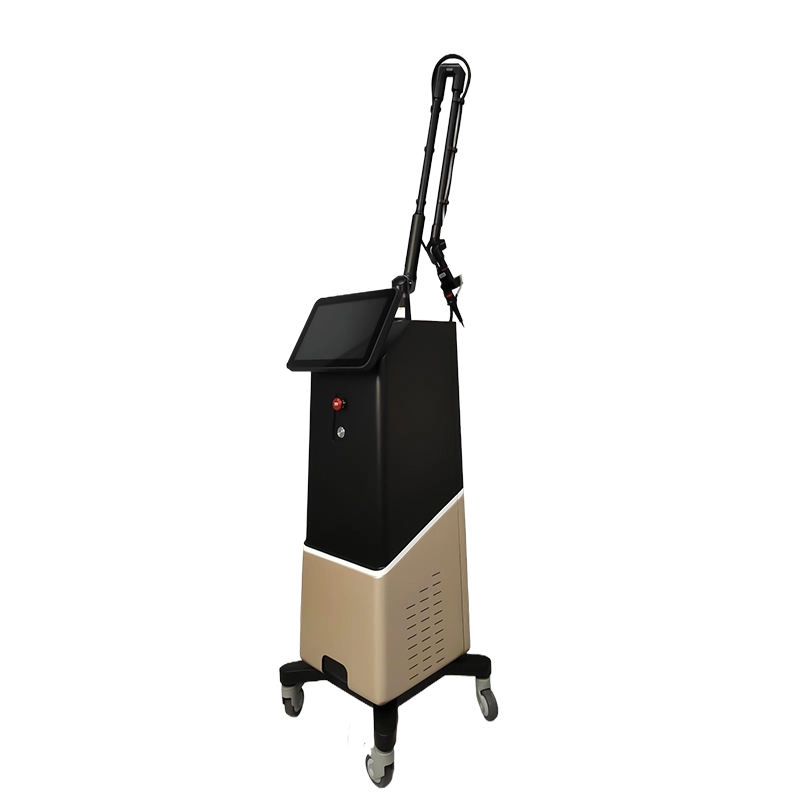
- What are the often-overlooked long-term operational costs and maintenance requirements for a CO₂ fractional laser machine, particularly concerning consumable parts and tube longevity?
- How do different CO₂ fractional laser pulse durations (e.g., ultrapulse vs. continuous wave with scanning) specifically impact treatment depth, thermal damage, and patient downtime for various skin conditions and types?
- What are the critical safety features and regulatory certifications (e.g., FDA, CE) I absolutely must verify when purchasing a new CO₂ fractional laser machine to ensure both patient and operator protection and legal compliance?
- When evaluating CO₂ fractional laser manufacturers, what specific criteria should I use to assess the quality of their after-sales support, warranty terms, and the availability of genuine spare parts, especially for clinics operating in remote areas?
- How can I accurately project the return on investment (ROI) for a CO₂ fractional laser machine, considering not just treatment revenue but also factors like marketing costs, staff training, and potential cross-selling opportunities?
- What are the key software functionalities and user interface design elements that differentiate a superior CO₂ fractional laser system, improving workflow efficiency and allowing for precise, customized treatment protocols for diverse patient needs?
How to choose the best CO₂ fractional laser machine?
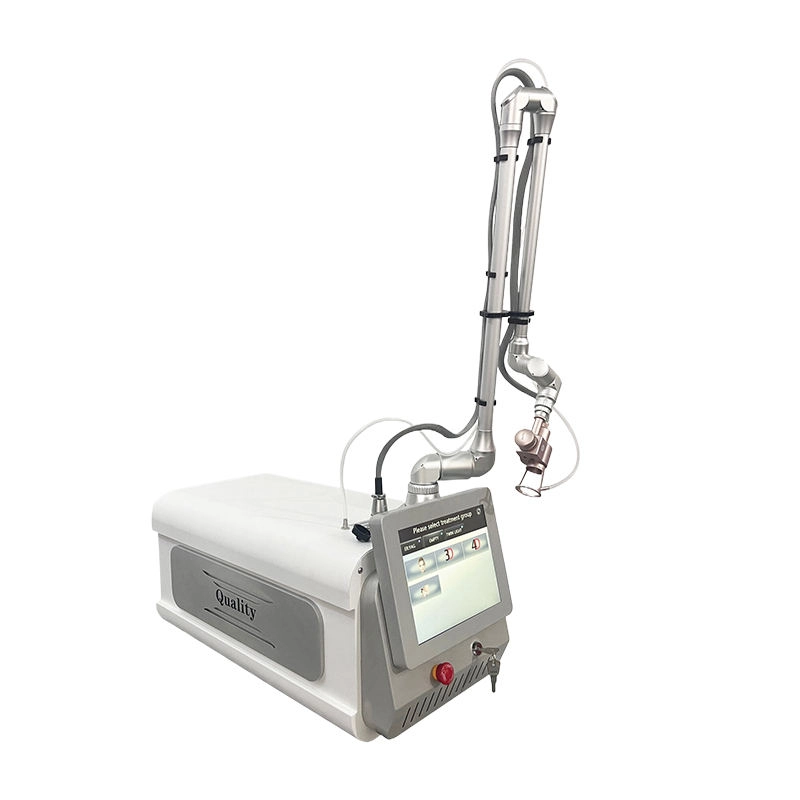
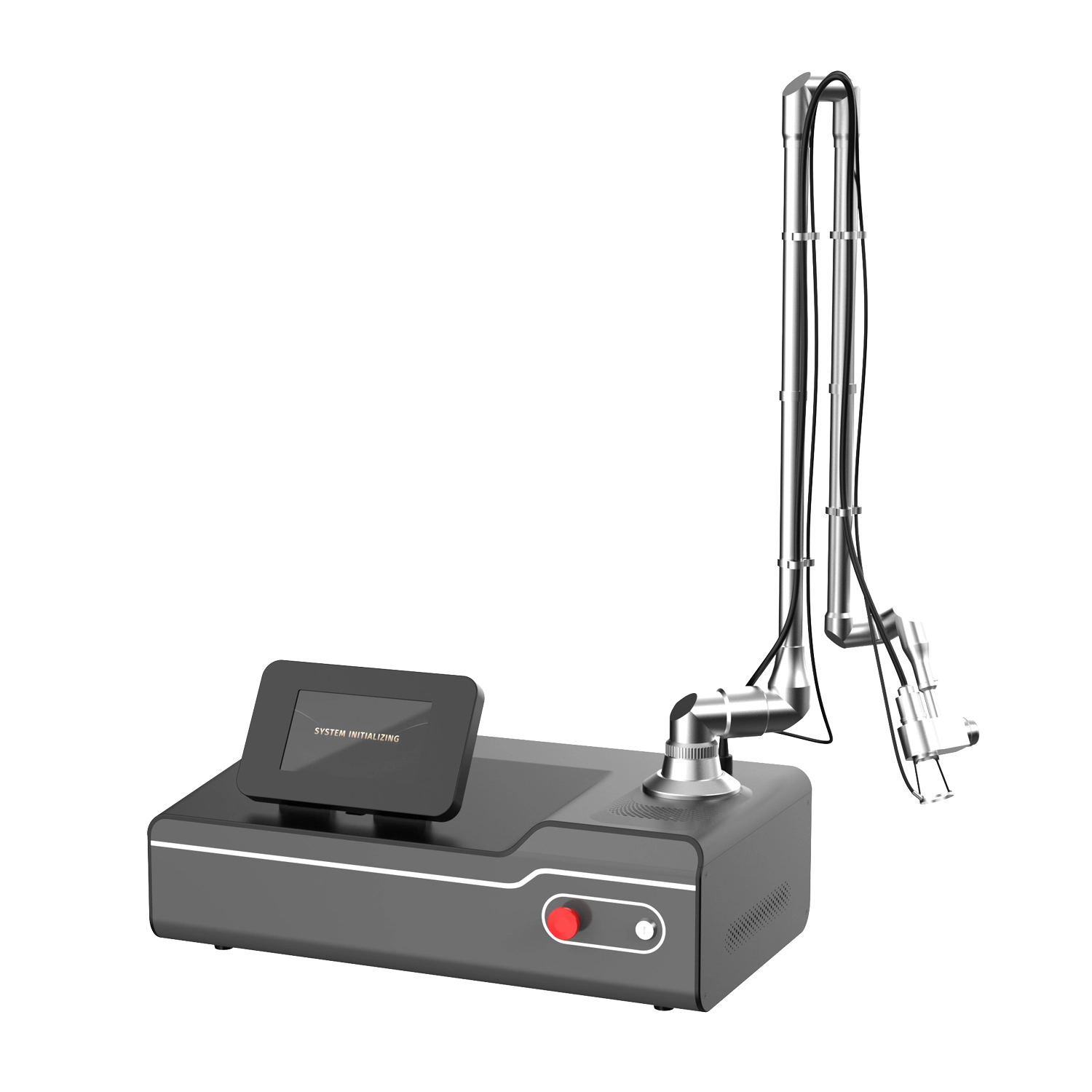
Investing in a CO₂ fractional laser machine is a significant decision for any aesthetic clinic or dermatology practice. This advanced skin resurfacing technology offers unparalleled results for a range of concerns, from scar removal and wrinkle reduction to comprehensive skin rejuvenation. However, the market is flooded with options, and understanding the intricate details beyond the initial price tag is crucial for a successful and profitable venture. As experts in medical aesthetic equipment and laser technology, we've identified six specific, pain-point-oriented questions frequently asked by beginners that often lack comprehensive or up-to-date answers online. This guide aims to provide the in-depth knowledge you need to choose the best CO₂ fractional laser machine for your needs.
What are the often-overlooked long-term operational costs and maintenance requirements for a CO₂ fractional laser machine, particularly concerning consumable parts and tube longevity?
When evaluating a CO₂ fractional laser system, the initial purchase price is just one piece of the puzzle. Long-term operational costs significantly impact your return on investment (ROI). A primary factor is the laser tube itself. Metal tube CO₂ lasers (RF excited) generally offer superior longevity, often lasting 5-7 years or more before needing a refill or replacement, which can be a costly service but less frequent. They provide a more stable and consistent beam quality. In contrast, glass tube CO₂ lasers (DC excited) are typically less expensive upfront but have a shorter lifespan, often 1-3 years, and usually require full replacement rather than refilling, which can accumulate costs over time. Beyond the tube, consider consumable parts like disposable tips for the handpiece, protective eyewear for both patient and operator, and specialized cooling gels. Regular maintenance includes cleaning optical components, calibrating the energy output, and ensuring the cooling system (often water-based) is free from contaminants. Neglecting these can lead to premature component failure and costly repairs, impacting your clinic's uptime and profitability. Always inquire about the expected lifespan of key components and the cost of their replacement or refurbishment.
How do different CO₂ fractional laser pulse durations (e.g., ultrapulse vs. continuous wave with scanning) specifically impact treatment depth, thermal damage, and patient downtime for various skin conditions and types?
Understanding treatment parameters like pulse duration is vital for achieving optimal clinical outcomes and managing patient downtime. CO₂ fractional lasers operate by delivering microscopic columns of laser energy, creating controlled thermal injury zones. Generally, there are two main approaches: ultrapulse (or short pulse) and continuous wave (CW) with scanning. Ultrapulse technology delivers extremely short, high-peak-power pulses, allowing for precise ablation (vaporization) of tissue with minimal residual thermal damage to surrounding areas. This results in a cleaner, more controlled injury, which is ideal for deeper scar removal, significant wrinkle reduction, and severe photodamage, often leading to faster healing and reduced risk of hyperpigmentation, especially in darker Fitzpatrick skin types. Conversely, CW lasers with scanning systems deliver energy over a longer duration, which can lead to more heat diffusion into the surrounding tissue. While effective for some superficial skin rejuvenation and pigmentary concerns, the increased thermal damage can prolong downtime and increase the risk of side effects if not carefully managed, particularly for sensitive skin or higher Fitzpatrick types. The choice depends on the specific skin condition being treated, the desired depth of penetration, and the patient's tolerance for downtime. A versatile fractional CO₂ laser will offer adjustable pulse durations and energy settings to customize treatments.
What are the critical safety features and regulatory certifications (e.g., FDA, CE) I absolutely must verify when purchasing a new CO₂ fractional laser machine to ensure both patient and operator protection and legal compliance?
Patient and operator safety should be paramount when acquiring any aesthetic device. It's non-negotiable to verify that your chosen CO₂ fractional laser holds the necessary regulatory compliance and certifications. In the United States, look for FDA 510(k) clearance, which signifies that the device is deemed safe and effective for its intended use. For the European market, ensure the machine carries the CE Medical Device Directive mark, indicating conformity with health, safety, and environmental protection standards. Beyond these, critical safety protocols and features include: an emergency stop button, interlock systems that prevent laser firing if safety covers are open, key switch control to prevent unauthorized use, a robust beam delivery system (articulated arm or fiber optic) that prevents accidental beam leakage, and integrated smoke evacuation ports. Proper laser safety eyewear for both the operator and patient is also essential. Always request documentation of these certifications and thoroughly review the manufacturer's safety guidelines and recommended treatment protocols. Reputable manufacturers prioritize safety by design and provide comprehensive training on safe operation.
When evaluating CO₂ fractional laser manufacturers, what specific criteria should I use to assess the quality of their after-sales support, warranty terms, and the availability of genuine spare parts, especially for clinics operating in remote areas?
Excellent manufacturer support is crucial for minimizing downtime and ensuring the longevity of your CO₂ fractional laser machine. Don't underestimate the importance of robust after-sales service. When assessing manufacturers, consider: Warranty Scope and Duration: What exactly is covered? How long does it last? Are consumables or the laser tube included? Technical Support: Is there a dedicated helpline? What are their response times? Do they offer remote diagnostics or on-site service? For clinics in remote areas, inquire about local service technicians or authorized distributors. Spare Parts Availability: Are genuine spare parts readily available, or will you face long waits? What is the cost of common replacement parts? Training Programs: Does the manufacturer offer comprehensive training for your staff on operation, maintenance, and clinical efficacy? This is vital for maximizing your investment. Reputation and Reviews: Research the manufacturer's track record. Speak to other clinics that own their equipment. A strong service contract post-warranty can also provide peace of mind and predictable maintenance costs, ensuring your dermatological laser remains operational and profitable.
How can I accurately project the return on investment (ROI) for a CO₂ fractional laser machine, considering not just treatment revenue but also factors like marketing costs, staff training, and potential cross-selling opportunities?
Calculating the true ROI for a CO₂ fractional laser involves more than just subtracting the purchase price from projected treatment revenue. A comprehensive business case must include all associated costs and potential revenue streams. Initial Investment: Machine cost, shipping, installation. Ongoing Costs: Consumables (tips, gels), maintenance contracts, electricity, insurance, staff salaries (for operators and support staff), and crucially, marketing costs (advertising, website optimization, social media campaigns) to attract patients. Revenue Projections: Research average treatment pricing in your region for various indications (e.g., full-face resurfacing, scar treatment). Estimate patient volume based on your marketing efforts and clinic capacity. Cross-selling opportunities are significant; patients seeking fractional resurfacing may also be interested in injectables, skincare products, or other aesthetic services, increasing their lifetime value. Factor in the cost of initial and ongoing staff training to ensure safe and effective treatments. Perform a break-even analysis to determine how many treatments you need to perform to cover your costs. A well-planned financial model will reveal the true profitability and help you set realistic expectations for your laser purchase.
What are the key software functionalities and user interface design elements that differentiate a superior CO₂ fractional laser system, improving workflow efficiency and allowing for precise, customized treatment protocols for diverse patient needs?
While often overlooked, the user interface (UI) and software functionalities are critical for optimizing workflow efficiency and achieving superior clinical efficacy with a CO₂ fractional laser. A truly advanced system will feature an intuitive, user-friendly touchscreen interface that allows for quick navigation and parameter adjustments. Look for: Pre-set Protocols: Built-in protocols for common indications (e.g., acne scars, deep wrinkles, pigment lesions) that serve as a starting point. Customizable Parameters: The ability to finely tune energy, pulse duration, density, and scanning patterns to suit individual patient selection and specific skin concerns. This allows for personalized treatment protocols. Patient Database Integration: Systems that can store patient information, treatment history, and before-and-after photos streamline record-keeping and progress tracking. Real-time Feedback: Displays showing actual energy delivery, temperature, or other critical metrics during treatment enhance safety and control. Upgradeability: Can the software be easily updated to incorporate new features or protocols? Multi-language support is also a plus for diverse teams. A well-designed UI minimizes the learning curve for operators, reduces the risk of errors, and ly enhances the overall patient experience and treatment outcomes, making your aesthetic clinic more efficient and reputable.
Choosing the right CO₂ fractional laser machine is an investment in your clinic's future and your patients' satisfaction. By diligently researching long-term costs, understanding technical specifications, verifying safety certifications, assessing after-sales support, projecting a realistic ROI, and prioritizing advanced software functionalities, you can confidently select a laser system that delivers exceptional results and stands the test of time. This powerful aesthetic device will become a cornerstone of your practice, offering transformative skin rejuvenation and addressing a wide array of dermatological concerns.
For a personalized consultation and a detailed quote on the latest CO₂ fractional laser machines, please contact us. Visit our website at www.huimainbeauty.com or email coco@huimainbeauty.com.

4D童颜刀
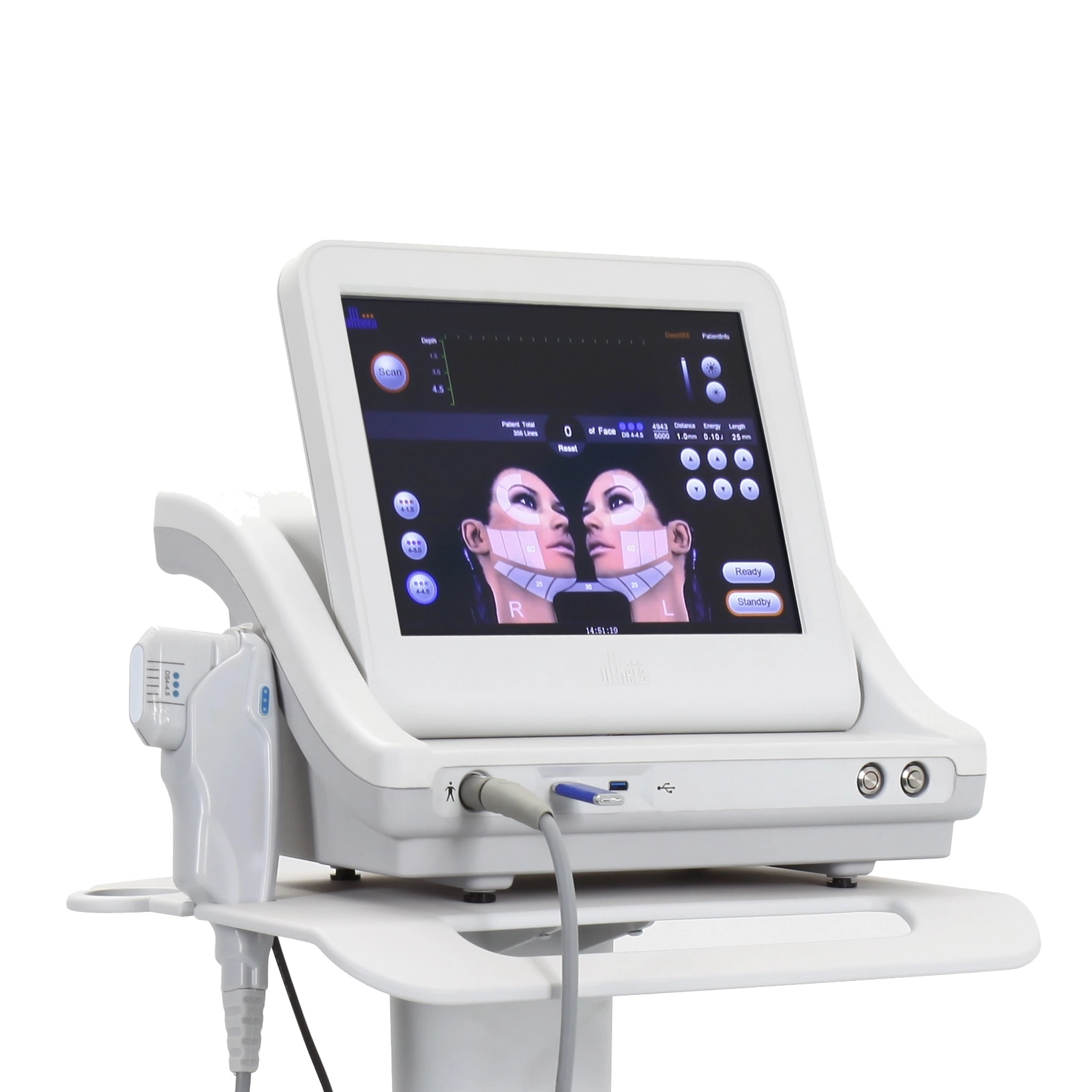
What is the difference between 4D HIFU and traditional HIFU?
4D HIFU delivers focused ultrasound energy to multiple depths in one treatment, offering faster and more effective results.
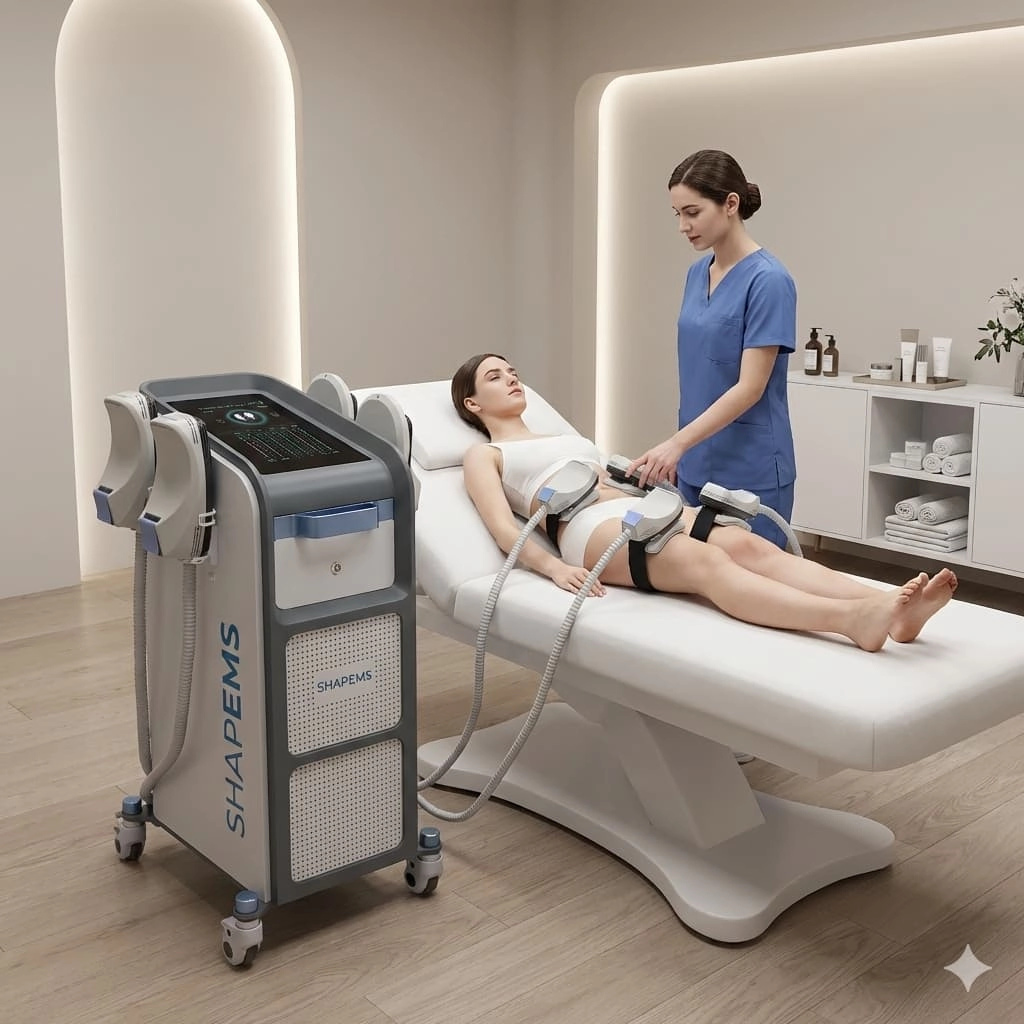
EMS + Cryo Slimming Machine
Who can use the EMS + Cryo Slimming Machine?
This Cryolipolysis and EMS body sculpting machine is suitable for:
-
Beauty salons, med spas, and body contouring centers
-
Weight loss clinics and wellness studios
-
Professional estheticians and distributors seeking multifunction slimming solutions
It’s designed for both men and women who want to reduce stubborn fat and improve muscle definition non-surgically.
OL-164
How often should clients use the OL-164 Hydro Oxygen Facial Machine?
Recommended every 2–4 weeks, depending on skin type and treatment goals.
2 in 1
Can this machine be used for both face and body?
Yes, this machine is designed for both facial beauty and body scar repair, with specific applications for treating fine lines, wrinkles, acne scars, and stretch marks on both areas.
OPT 脱毛机
Does the treatment hurt?
No, thanks to the advanced cooling system, treatments are virtually painless and comfortable.

Get more information
If you have any comments or good suggestions, please leave us a message; later our professional staff will contact you as soon as possible.
Let's Talk
Stay in touch with us for cutting-edge beauty solutions, professional guidance, and customized service.
Contact


Room 307, Building A, Huilong International E-commerce Industrial Park, No. 10 Xipengling Road, Helong Street, Baiyun District, Guangzhou, China
© 2025 HUIMAIN. All Rights Reserved. Privacy Policy | Terms and Conditions | Sitemap
Facebook
Instagram
Medical beauty equipment factory
huimain Medical beauty equipment factory
beauty machine supplier
Whatsapp: +8619124004543