


- What specific types of acne scars does a CO₂ fractional laser machine treat most effectively, and are there scar types it *cannot* address?
- Beyond typical redness, what are the less-discussed, critical post-treatment care protocols and potential long-term side effects that practitioners must educate clients about when using a CO₂ fractional laser machine?
- What are the key technical specifications and customizable parameters (e.g., spot size, pulse duration, energy density) of a professional CO₂ fractional laser machine that directly impact treatment efficacy and safety for diverse skin types and scar severities?
- What is the typical ROI and operational cost analysis for integrating a CO₂ fractional laser machine into a clinic, considering consumables, maintenance, and expected client throughput for acne scar treatments?
- What advanced pre-treatment skin preparation and post-treatment cooling/healing strategies are crucial to minimize risks like PIH (Post-Inflammatory Hyperpigmentation) in Fitzpatrick skin types IV-VI when using a CO₂ fractional laser machine for acne scars?
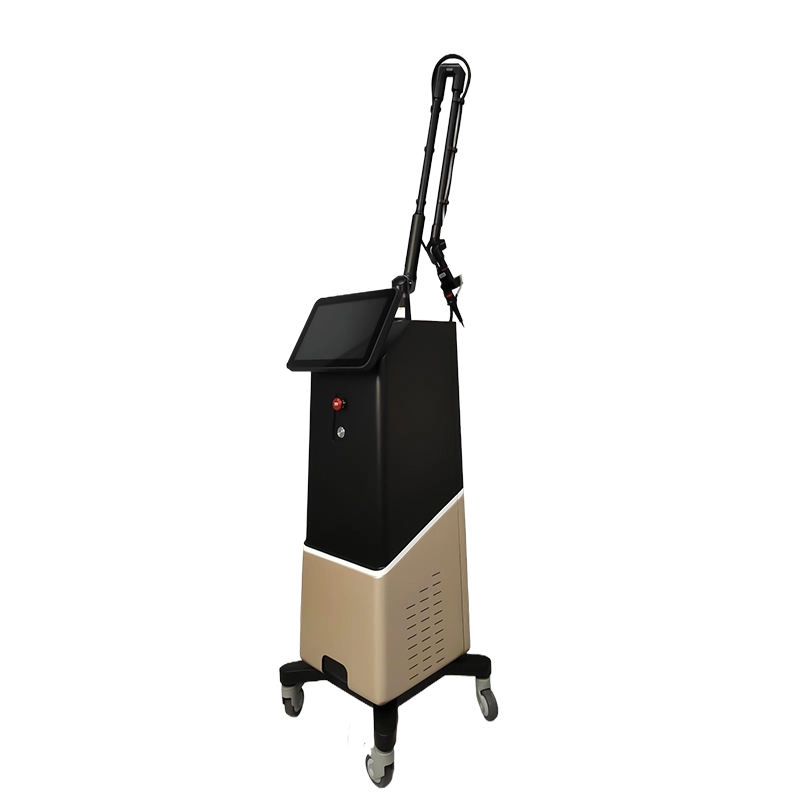
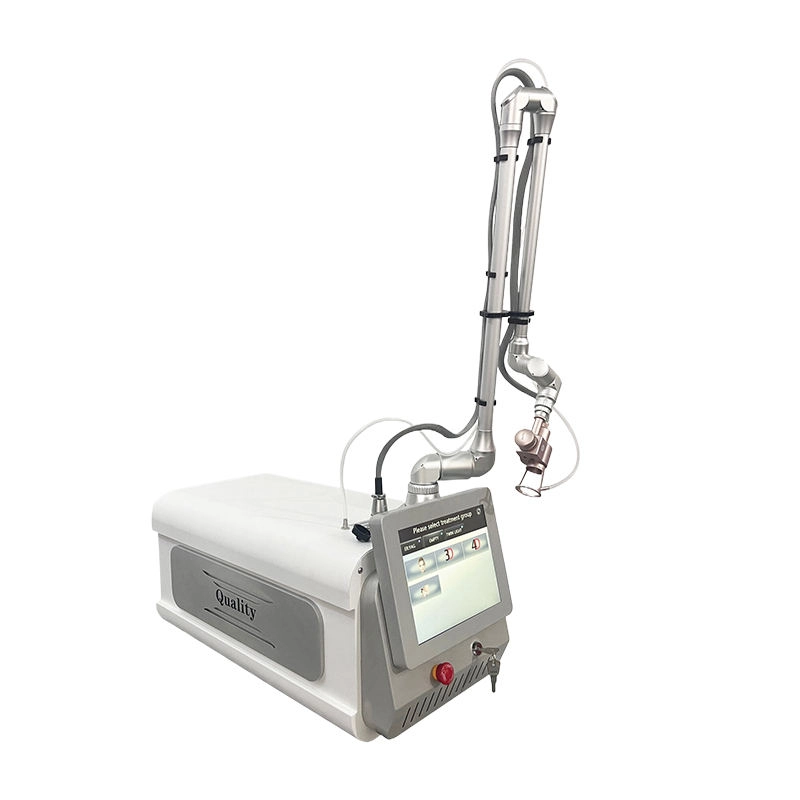
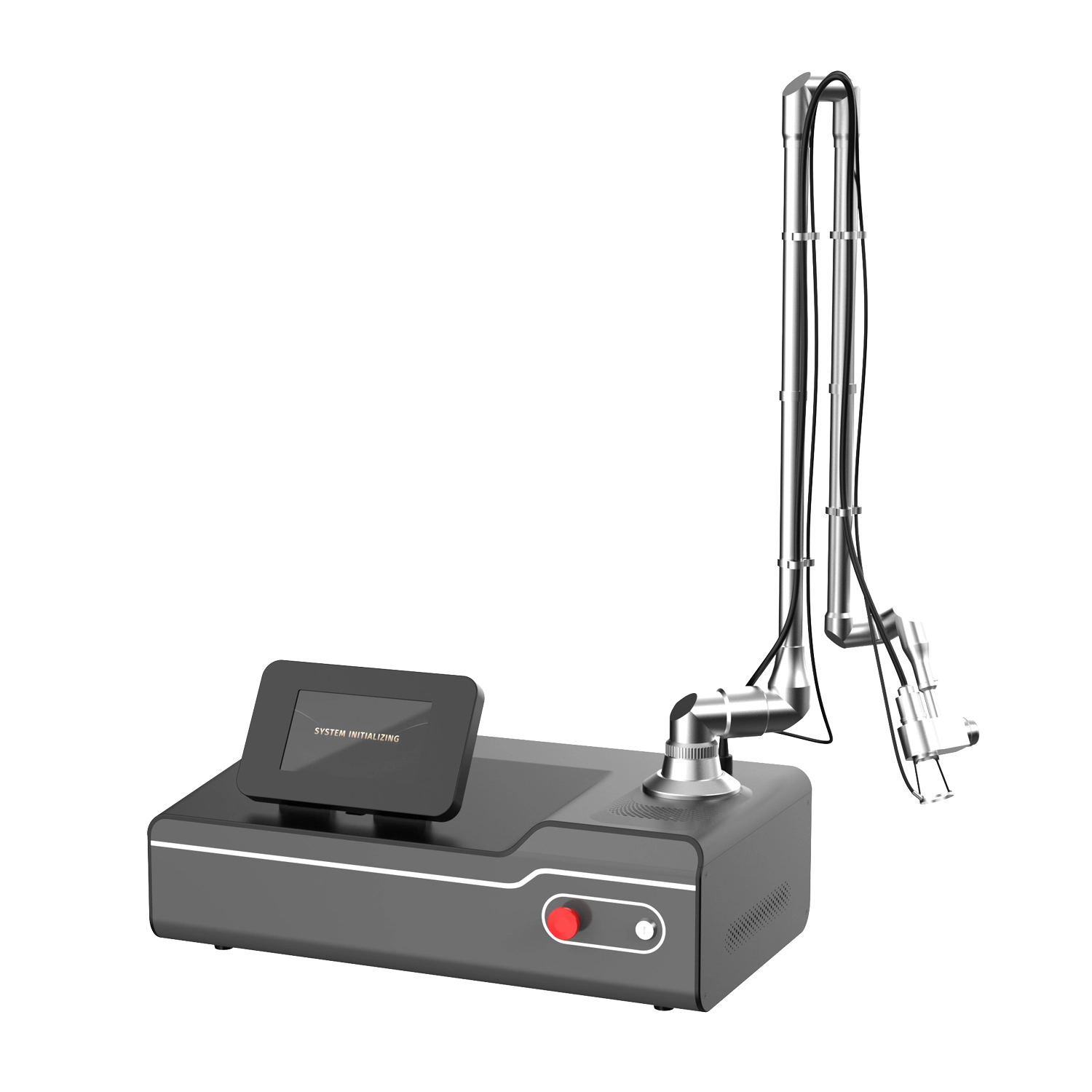
- How can clinics differentiate between high-quality, reliable CO₂ fractional laser machines and less effective alternatives on the market, especially concerning the longevity of results and manufacturer support?
Can CO₂ fractional laser machines treat acne scars effectively?
As a professional in the aesthetic industry, investing in advanced technology like a CO₂ fractional laser machine requires a deep understanding beyond basic marketing claims. When it comes to treating challenging conditions like acne scars, the efficacy and safety of your equipment are paramount. This guide addresses six specific, pain-point-oriented questions frequently asked by professionals, providing in-depth answers to help you make an informed purchasing decision and optimize your clinical practice.
What specific types of acne scars does a CO₂ fractional laser machine treat most effectively, and are there scar types it *cannot* address?
A CO₂ fractional laser machine excels in treating atrophic acne scars, which are characterized by a loss of tissue. These include:
- Boxcar scars: Broad, U-shaped scars with sharp edges. The laser's ability to ablate tissue and stimulate collagen remodeling helps to smooth these defined depressions.
- Rolling scars: Wavy, undulating scars that give the skin an uneven texture. The fractional photothermolysis process effectively breaks down fibrous bands beneath the skin and promotes new collagen synthesis, lifting the depressions.
- Icepick scars: Narrow, deep, V-shaped scars that extend into the dermal layer. While CO₂ lasers can improve their appearance, they are often more challenging and may require combination therapies (e.g., TCA CROSS) for optimal results, as the laser's primary mechanism is surface remodeling.
It's important to note that hypertrophic and keloid scars, which are raised scars resulting from an overproduction of collagen, are generally not effectively treated by ablative fractional CO₂ lasers alone. These scar types require different treatment modalities, such as steroid injections, silicone sheeting, or vascular lasers, before considering any resurfacing. Understanding these distinctions is crucial for proper patient selection and managing expectations.
Beyond typical redness, what are the less-discussed, critical post-treatment care protocols and potential long-term side effects that practitioners must educate clients about when using a CO₂ fractional laser machine?
While erythema (redness) and edema (swelling) are expected post-treatment, critical, less-discussed aspects of post-treatment care and potential long-term side effects include:
- Risk of Post-Inflammatory Hyperpigmentation (PIH): Especially in Fitzpatrick skin types III-VI, PIH is a significant concern. Practitioners must emphasize strict sun avoidance (SPF 50+ reapplication every 2-3 hours) for at least 3-6 months post-treatment. Prophylactic use of topical agents like hydroquinone, retinoids, or vitamin C, starting 2-4 weeks before treatment and continuing post-treatment, is often recommended to mitigate PIH risk. This proactive approach is a cornerstone of responsible skin resurfacing protocols.
- Prolonged Erythema: Redness can persist for weeks or even months, particularly after aggressive ablative laser settings. Patients need to be prepared for this extended recovery period, which can impact social activities. Topical corticosteroids or anti-inflammatory agents may be used judiciously under medical supervision.
- Delayed Wound Healing/Infection: While rare with proper care, bacterial, viral (herpes simplex reactivation), or fungal infections are possible. Patients must be educated on meticulous wound care, including gentle cleansing and application of prescribed emollients or barrier creams. Antiviral prophylaxis is often given to patients with a history of cold sores.
- Textural Changes/Scarring: In rare instances, new scarring or persistent textural changes can occur, often due to improper technique, aggressive settings, or inadequate post-care. Emphasizing gentle handling of the treated skin and avoiding picking or scratching is vital. Long-term side effects can also include hypopigmentation (loss of pigment), which is more challenging to treat.
What are the key technical specifications and customizable parameters (e.g., spot size, pulse duration, energy density) of a professional CO₂ fractional laser machine that directly impact treatment efficacy and safety for diverse skin types and scar severities?
For a professional CO₂ fractional laser machine, understanding technical specifications is key to optimizing clinical outcomes and ensuring patient safety:
- Wavelength: CO₂ lasers operate at 10,600 nm, which is highly absorbed by water, making them ideal for ablative dermal repair and collagen stimulation.
- Spot Size (Beam Diameter): This influences the depth and width of the microscopic treatment zones (MTZs). Smaller spot sizes can penetrate deeper with less bulk heating, while larger spots cover more area but might have increased thermal spread. Adjustable spot sizes allow for precision targeting of different scar types and areas.
- Pulse Duration/Shape: Short, high-peak-power pulses (ultrapulse or superpulse) minimize thermal damage to surrounding tissue, leading to faster healing and reduced PIH risk. Longer pulse durations can increase thermal spread, which might be desirable for certain collagen contraction but increases downtime and risks. The ability to control pulse duration is crucial for tailoring treatments.
- Energy Density (Fluence): Measured in J/cm², this is the amount of energy delivered per unit area. Higher energy density leads to deeper ablation and more significant collagen remodeling, suitable for severe scars. However, it also increases the risk of side effects. Adjustable fluence allows for precise control based on scar severity, skin type, and desired skin resurfacing depth.
- Fractional Pattern/Density: The percentage of skin treated in each pass. Higher density (e.g., 20-30%) means more MTZs and more aggressive treatment, while lower density (e.g., 5-10%) is gentler. Customizable patterns (e.g., square, circle, line) allow for precise targeting of specific scar areas.
- Scan Modes: Different scanning patterns (e.g., random, sequential) can influence heat distribution and patient comfort.
- Repetition Rate: The speed at which pulses are delivered. Faster rates can reduce treatment time but require skilled operators to avoid overheating.
These treatment parameters are interconnected and must be adjusted by an experienced practitioner to achieve optimal results while minimizing adverse effects.
What is the typical ROI and operational cost analysis for integrating a CO₂ fractional laser machine into a clinic, considering consumables, maintenance, and expected client throughput for acne scar treatments?
Integrating a CO₂ fractional laser machine can offer a strong return on investment (ROI), but requires careful financial planning:
- Initial Investment: High-quality CO₂ fractional laser machines typically range from $30,000 to $150,000+, depending on brand, features, and power. This is the primary cost.
- Consumables: These include disposable tips (if applicable to the model), protective eyewear, topical anesthetics, post-care products, and potentially cooling gels. While individual costs are low, they add up over time. Budget approximately $50-$150 per treatment session for consumables.
- Maintenance & Service Contracts: Annual maintenance contracts are crucial for ensuring device longevity and optimal performance. Expect to budget 5-10% of the initial machine cost annually for service and potential repairs. Downtime due to equipment failure can significantly impact revenue.
- Training Costs: Proper training for practitioners is essential for safety and efficacy. This can range from a few hundred to several thousand dollars per staff member.
- Marketing & Client Acquisition: Budget for marketing efforts to attract clients seeking acne scar revision and skin resurfacing.
- Revenue Generation: A single CO₂ fractional laser treatment for acne scars can range from $800 to $2,500 per session, depending on geographic location, clinic reputation, and scar severity. A typical course involves 3-5 sessions.
- Client Throughput: A busy clinic might perform 5-10 CO₂ laser treatments per week. At an average of $1,500 per session and 7 sessions/week, this generates $10,500 weekly or $546,000 annually. Subtracting consumables ($75/session x 7 sessions/week = $525/week) and factoring in maintenance, staff, and overhead, the machine can typically pay for itself within 1-2 years, demonstrating a robust ROI. This calculation highlights the importance of consistent client flow and efficient scheduling.
What advanced pre-treatment skin preparation and post-treatment cooling/healing strategies are crucial to minimize risks like PIH (Post-Inflammatory Hyperpigmentation) in Fitzpatrick skin types IV-VI when using a CO₂ fractional laser machine for acne scars?
Minimizing PIH in Fitzpatrick skin types IV-VI (medium to dark skin tones) with a CO₂ fractional laser machine demands a meticulous, multi-faceted approach:
- Advanced Pre-Treatment Preparation (4-6 weeks prior):
- Tyrosinase Inhibitors: Daily application of topical agents like hydroquinone (2-4%), arbutin, kojic acid, azelaic acid, or tranexamic acid to suppress melanin production and prepare melanocytes for laser exposure. This is paramount for darker skin types.
- Retinoids: Topical retinoids (e.g., tretinoin) can accelerate epidermal turnover, promote even pigment distribution, and enhance skin healing. They should be discontinued a few days to a week before the procedure.
- Chemical Peels (Superficial): A series of superficial peels (e.g., salicylic or glycolic acid) can help exfoliate the skin and improve overall skin health, creating a more uniform canvas for the laser.
- Intra-Treatment Strategies:
- Conservative Parameters: Use lower energy densities, higher fractional densities (to distribute energy more evenly), and shorter pulse durations to minimize thermal injury. Multiple, lighter passes are often preferred over a single aggressive pass.
- Dynamic Cooling: Employ integrated or external cooling devices during the procedure to protect the epidermis and reduce thermal stress.
- Post-Treatment Cooling & Healing Strategies:
- Immediate Cooling: Application of chilled compresses, cooling masks, or specialized cooling devices immediately post-procedure to reduce inflammation and discomfort.
- Barrier Repair & Hydration: Use bland, occlusive emollients (e.g., petrolatum, Aquaphor) to maintain a moist wound healing environment and protect the compromised skin barrier. Avoid harsh cleansers or active ingredients for several days.
- Anti-inflammatory Agents: Topical corticosteroids may be prescribed for short-term use to manage significant inflammation and reduce PIH risk, especially in the first few days.
- Continued Tyrosinase Inhibitors: Reintroduce topical tyrosinase inhibitors (e.g., hydroquinone) 5-7 days post-treatment, once re-epithelialization is complete, and continue for several months.
- Strict Photoprotection: Absolute sun avoidance and daily, broad-spectrum SPF 50+ sunscreen use are non-negotiable for at least 3-6 months. Physical blockers (zinc oxide, titanium dioxide) are preferred.
This comprehensive approach significantly reduces the risk of PIH and optimizes healing in sensitive skin types.
How can clinics differentiate between high-quality, reliable CO₂ fractional laser machines and less effective alternatives on the market, especially concerning the longevity of results and manufacturer support?
Differentiating a high-quality, reliable CO₂ fractional laser machine from less effective alternatives is crucial for long-term success and patient satisfaction:
- Manufacturer Reputation & History: Research the manufacturer's track record in the aesthetic laser industry. Reputable companies with a long history of innovation and clinical research typically produce more reliable and effective devices. Look for manufacturers with FDA clearance (in the US) or CE marking (in Europe) for their devices.
- Clinical Studies & Peer-Reviewed Data: Demand evidence of efficacy. High-quality machines will have supporting clinical studies demonstrating consistent, predictable results for acne scar revision and skin resurfacing. Be wary of devices with only anecdotal evidence or company-sponsored marketing materials without independent validation.
- Laser Source Quality & Lifespan: The CO₂ laser tube is the heart of the machine. High-quality tubes (e.g., ceramic, metal) offer superior beam quality, consistency, and a longer lifespan, leading to more consistent treatment parameters and reduced maintenance frequency. Inquire about the expected lifespan of the laser tube and replacement costs.
- Customizable Parameters & User Interface: A professional machine should offer a wide range of adjustable parameters (fluence, pulse duration, density, scan patterns) and an intuitive user interface, allowing experienced practitioners to fine-tune treatments for diverse patient needs and scar types. Limited adjustability often indicates a less sophisticated device.
- Cooling System & Safety Features: Robust internal cooling systems are essential for device stability and patient comfort. Look for integrated safety features like emergency stop buttons, interlocks, and precise aiming beams.
- Manufacturer Support & Training: Excellent technical support, readily available spare parts, comprehensive training programs, and responsive customer service are invaluable. A strong manufacturer support system ensures minimal downtime and ongoing operational efficiency. Inquire about warranty, service contracts, and the availability of local technicians.
- Trial & Demo: Whenever possible, arrange for a trial or demonstration of the machine in your clinic. This allows you to assess its usability, performance, and the quality of results firsthand.
By thoroughly evaluating these factors, clinics can invest in a beauty machine that delivers consistent, long-lasting results and provides reliable operational support.
Investing in a high-quality CO₂ fractional laser machine is a strategic decision that can significantly elevate your clinic's capabilities in acne scar revision and overall skin resurfacing. The ability to precisely target various scar types, coupled with advanced pre- and post-treatment protocols, ensures superior clinical outcomes and enhanced patient satisfaction. By understanding the critical technical specifications, optimizing treatment parameters, and meticulously planning for ROI and device longevity, you equip your practice with a powerful tool that delivers consistent, transformative results, solidifying your reputation as a leader in aesthetic dermatology. This technology stands as a cornerstone for effective dermal repair and collagen remodeling, offering profound improvements in skin texture and appearance.
Ready to explore how a state-of-the-art CO₂ fractional laser machine can transform your practice? Contact us today for a personalized quote. Visit www.huimainbeauty.com or email coco@huimainbeauty.com.
EMS Body Sculpting Machine
What are the main benefits of using an EMS Body Sculpting Machine?
-
Builds and strengthens muscles without physical exercise
-
Reduces fat in targeted body areas
-
Non-invasive, painless, and requires no downtime
-
Quick treatment sessions (typically 30 minutes)
-
Visible results after 4–6 sessions
4D童颜刀
Who can use the 4D HIFU machine?
It is suitable for trained professionals in clinics, beauty salons, and SPA centers.
CRL-6
Can I customize the machine with my own brand?
Yes, we offer OEM/ODM services including logo customization, system language options, and package design.
ulthra超声刀
Does HIFU treatment cause pain or downtime?
Most clients experience minimal discomfort. There is no downtime, and normal activities can resume immediately.
Super 808nm 3 wavelengths Diode Laser Hair Removal
What skin types are suitable for the 3 Wavelengthes 755nm 808nm 1064nm Diode Laser Hair Removal Machine?
It is safe for all Fitzpatrick skin types I–VI, thanks to triple wavelengths and advanced cooling.

Get more information
If you have any comments or good suggestions, please leave us a message; later our professional staff will contact you as soon as possible.
Let's Talk
Stay in touch with us for cutting-edge beauty solutions, professional guidance, and customized service.
Contact


Room 307, Building A, Huilong International E-commerce Industrial Park, No. 10 Xipengling Road, Helong Street, Baiyun District, Guangzhou, China
© 2025 HUIMAIN. All Rights Reserved. Privacy Policy | Terms and Conditions | Sitemap
Facebook
Instagram
Medical beauty equipment factory
huimain Medical beauty equipment factory
beauty machine supplier
Whatsapp: +8619124004543